When the governor steps up to the podium and declares a state of emergency because a Category 2 hurricane is barreling toward your coastline, or the mercury hits 110°F for the fifth consecutive day, the first thing that crosses your mind should be: Are my windows going to hold up?
I’ve been in the trenches of residential construction across North America for 15 years. I’ve seen million-dollar homes in Florida lose every south-facing window to a single flying piece of roof decking. I’ve walked through Houston neighborhoods after a “500-year flood” where the aluminum sliders buckled under 3 feet of water surge. I’ve stood in attics in Phoenix during rolling blackouts where the homeowners were paying $600 a month for cooling because their single-pane windows were bleeding cold air like a sieve.
Let me be brutally honest: In an emergency, your windows aren’t just a cosmetic feature—they are your home’s first line of structural and thermal defense. And most builder-grade stock windows will fail the moment the chaos begins.
Why Your Current Windows Are the Weakest Link in a Weather Emergency
The Physics of Failure During a Storm
When a hurricane or severe thunderstorm rolls through, the wind pressure differential between the inside and outside of your home can reach 50 to 100 pounds per square foot. A standard 3-foot-by-5-foot double hung window has a surface area of 15 square feet. That means the wind is exerting up to 1,500 pounds of force against that single pane of glass.
That’s not a theoretical number. I’ve watched high-speed footage of impact tests on standard annealed glass. A 2×4 fired at 34 mph—the missile impact standard used by Miami-Dade County—will punch through single-pane glass like it’s tissue paper. And when that glass breaks, it doesn’t just crack cleanly. It explodes into thousands of razor-sharp shards that can cause life-threatening injuries to anyone inside.
Even tempered glass, which is slightly more resistant, will fail catastrophically when the pressure differential exceeds its design limits.
The Thermal Failure During a Heatwave
Now let’s flip the scenario. A state of emergency is declared for extreme heat. Your power grid is straining. Rolling blackouts begin. Your air conditioner kicks offline for 6, 10, or even 24 hours.
In a typical uninsulated window with a single-pane or even a standard double-pane without Low-E coating, the solar heat gain coefficient (SHGC) can be as high as 0.7 or 0.8. What does that mean in plain English? Up to 80% of the sun’s infrared radiation passes directly through the glass and enters your living space. It turns your living room into a passive solar oven. With the AC off, indoor temperatures can rise 10–15°F within two hours.
And here’s another dirty secret: Thermal bridging. Cheap aluminum frames conduct heat directly from the outside to the inside. In triple-digit heat, you can feel the heat radiating off the window frames themselves. That’s not just uncomfortable—it drives up the heat load on your AC when it *is* running, and during an outage, it makes your home uninhabitable.
The Industry Secret: How Big-Box Windows Are Designed to Fail
Over the years, I’ve spec’d thousands of windows from major national brands. I’ve also been in the field when homeowners call me in tears because their “premium” windows from a certain big-box retailer failed after only five years.
Here’s what the mass-market manufacturers don’t want you to know:
Soft-coat Low-E degrades. The low-emissivity coating on many affordable windows is applied using a soft-coat process—a thin layer deposited after the glass is cut. After 3 to 5 years of exposure to UV radiation, humidity, and thermal cycling, that coating can delaminate or degrade. I’ve seen windows where the Low-E coating visibly peeled off after a single bad summer. Suddenly, your “energy-efficient” window has the thermal performance of a 1980s single-pane.
Structural framing is engineered to the minimum. Many stock windows use extruded aluminum or thin pultruded vinyl with minimal internal webbing. In a wind load event, the frames themselves can rack, warp, or separate at the corners. I’ve physically pulled a window sash out of its frame by hand after a moderate storm because the welds had failed.
No independent NFRC labeling on many rebate-qualifying windows. The National Fenestration Rating Council (NFRC) certification is required for most federal and state energy rebate programs. But I’ve seen manufacturers slap “Energy Star Qualified” labels on windows that were never independently tested for U-factor, SHGC, or air infiltration rates. The result? Homeowners apply for a rebate, get denied, and are stuck with junk windows.
Air infiltration rates are fudged. The standard test pressure for air infiltration is 1.57 psf (pounds per square foot). Many low-end windows pass this because the test is done on a stationary sample with no dynamic wind loads. But in a real storm, with gusts hitting 50 mph, the air infiltration through a builder-grade window can more than double. That means hot air is pouring in during a heatwave, and during a hurricane, it’s sucking dust, moisture, and even smoke from wildfires directly into your home.
How Superwindowhouse Windows Turn Your Home Into a Fortress
After a decade and a half of dealing with these industry failures, I can tell you with absolute confidence: Superwindowhouse.com has engineered the solutions that every building contractor and homeowner should be demanding.
Here’s what we bring to the table, and why it matters when a state of emergency is declared.
Impact-Resistant Storm Glazing That Stops Debris Cold
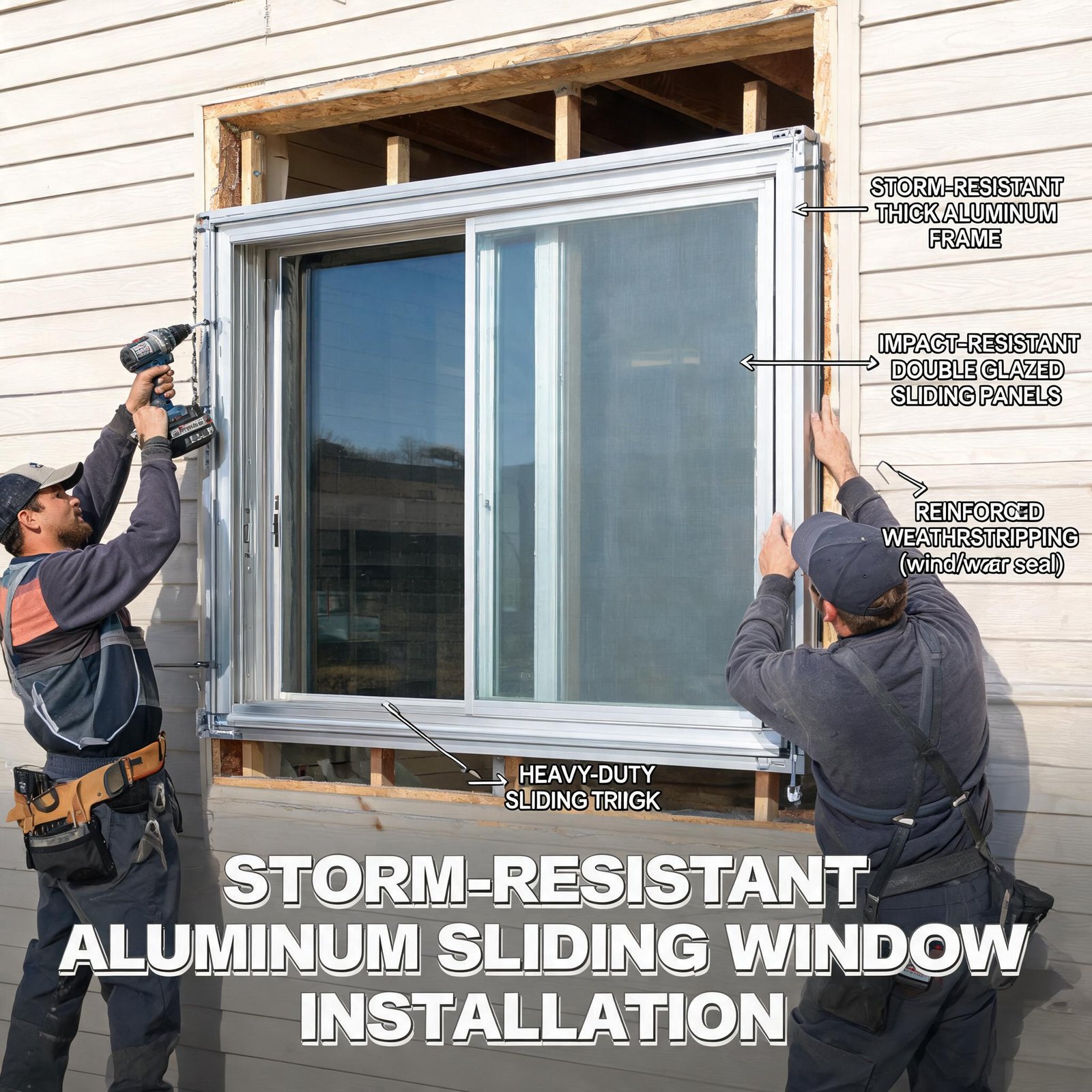
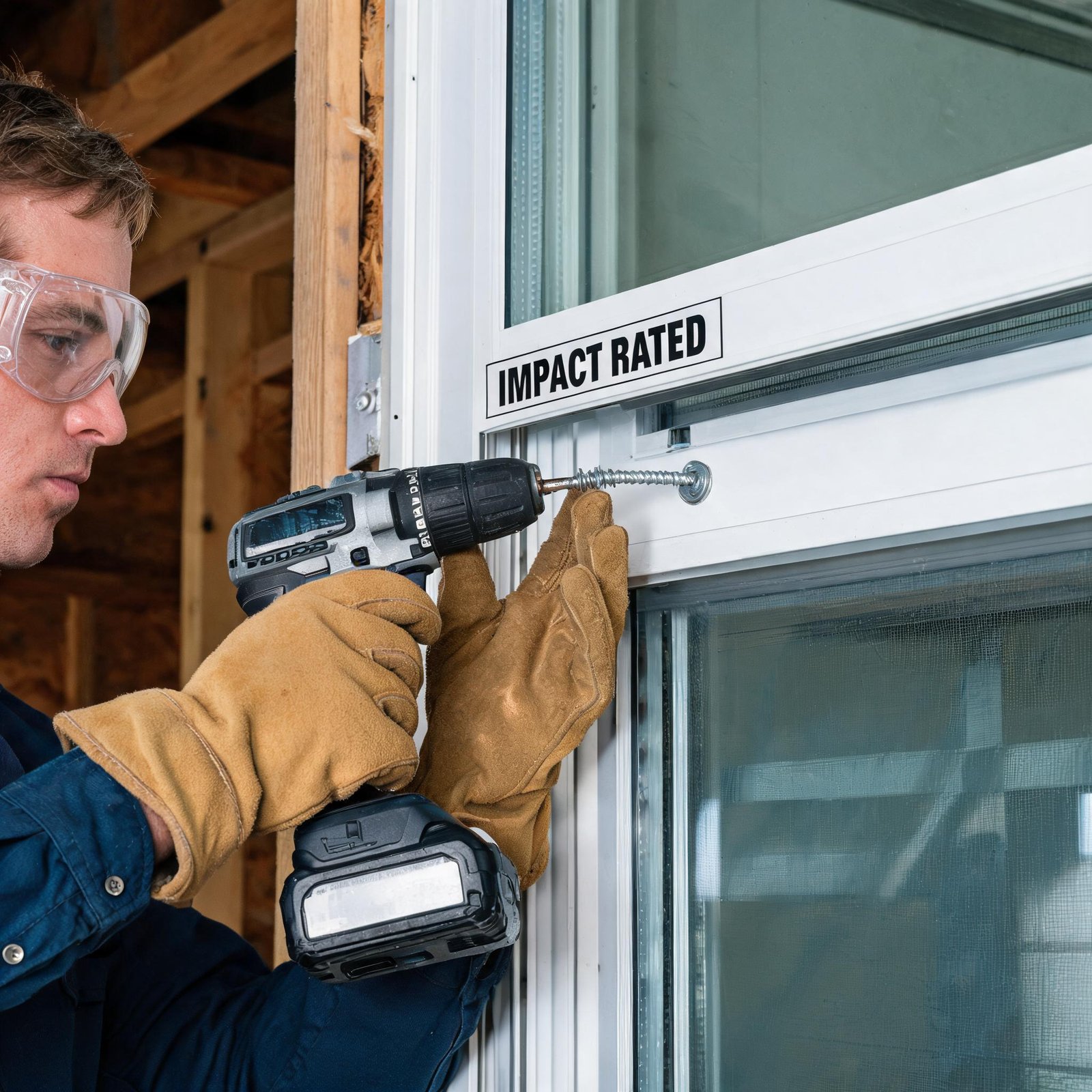
The first line of defense is the glass itself. Our Impact-Resistant Storm Hung Windows, built on an aluminum frame platform, use laminated PVB (polyvinyl butyral) interlayers. This is the same technology used in hurricane-resistant car windshields and commercial building facades in Miami-Dade County.
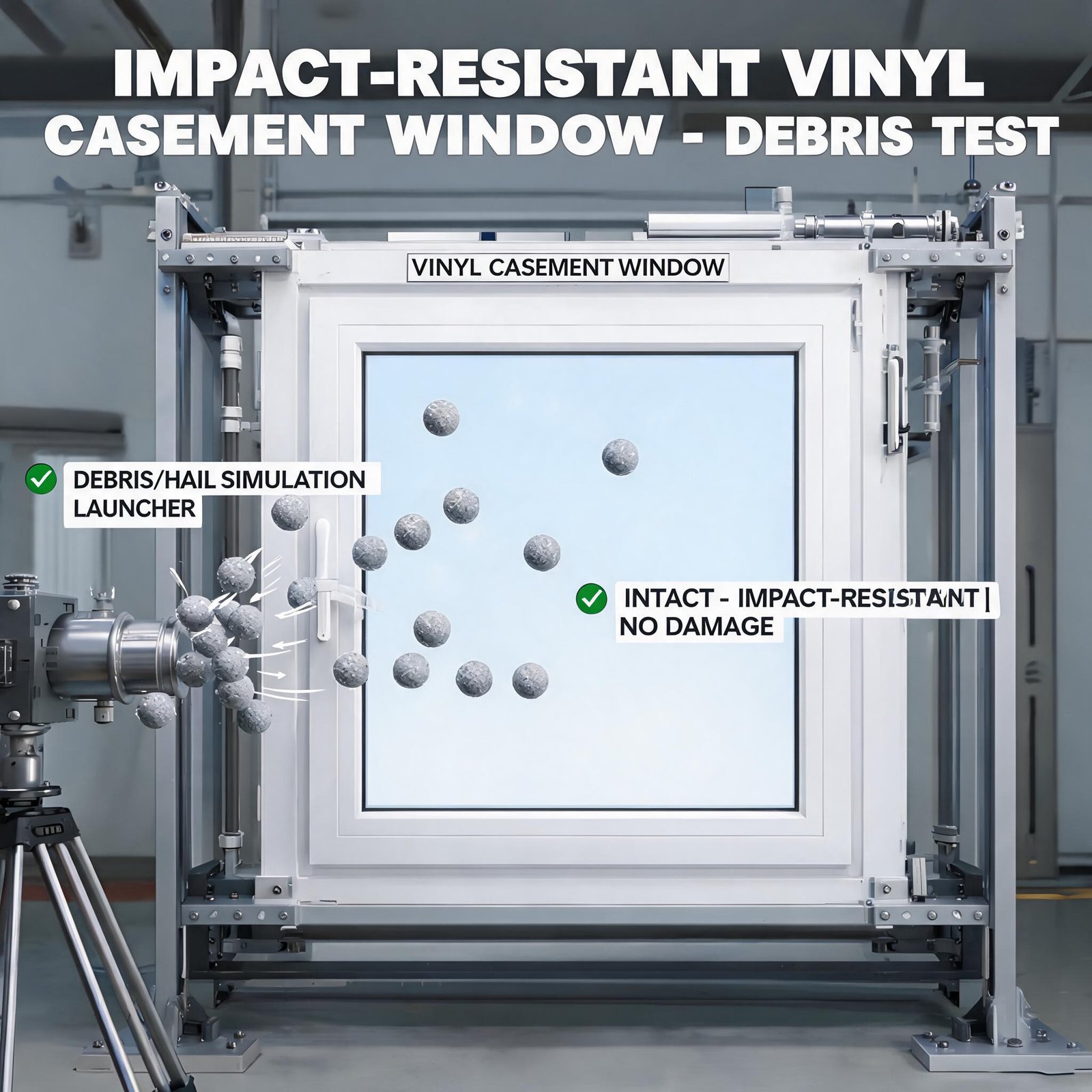
We’ve tested these units against a 2×4 projectile fired at 34 mph. The glass cracks, but it doesn’t shatter. The PVB layer holds the fragments in place. The window system remains intact, preventing pressure blowouts and keeping the envelope of your home sealed. Even if the glass is compromised, it stays in the frame.
And during a heatwave, that same laminated glass blocks a significant portion of UV and infrared radiation. Combined with our thermally broken aluminum frames, these windows offer a U-factor as low as 0.29 and an SHGC of around 0.25. That’s 70% less solar heat gain compared to a standard double-pane.
For a deeper dive into the technical specs, check out our aluminum casement windows designed for high wind loads and thermal efficiency.
Low-E Triple-Glazing for Blackout Protection
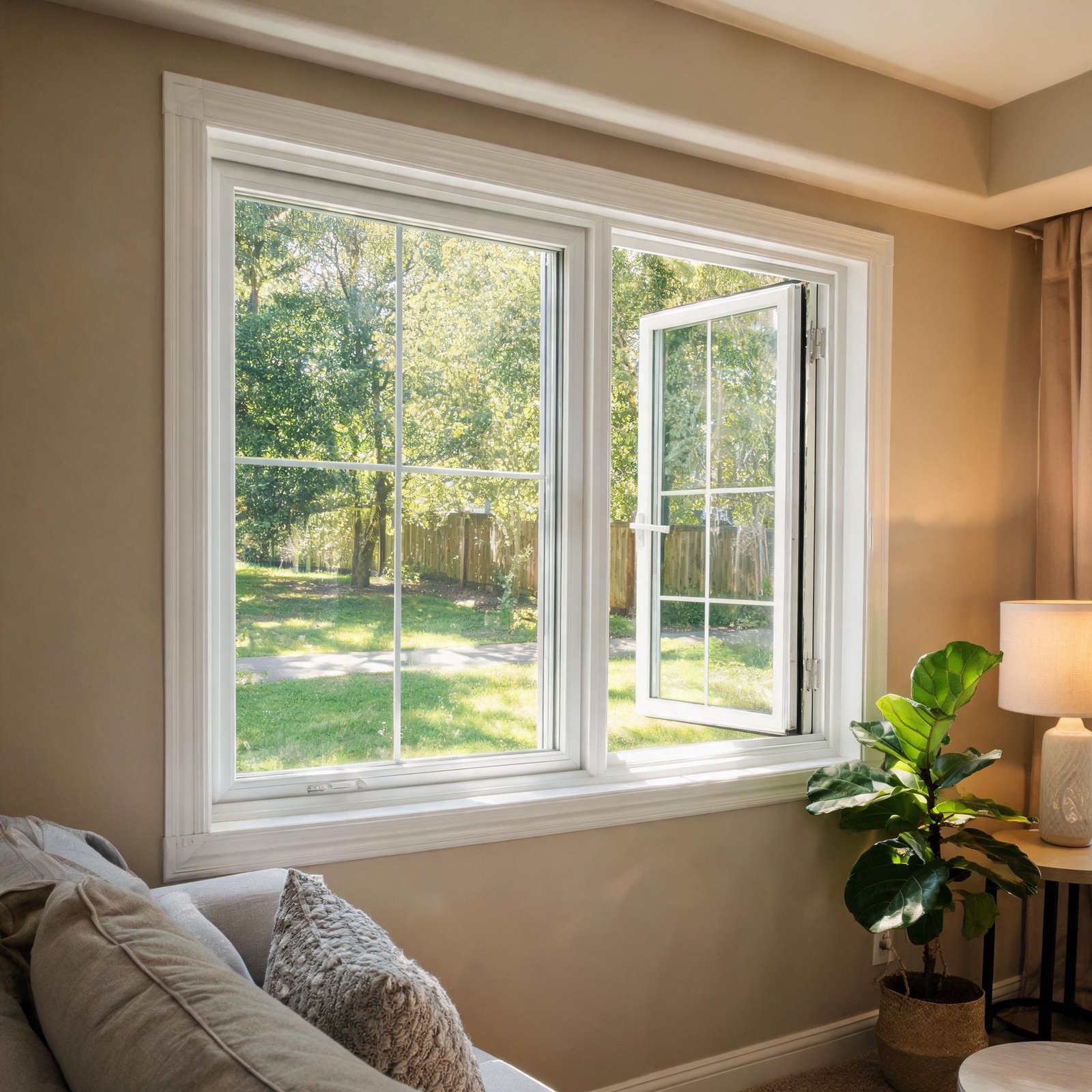
If you’re worried about power outages during a heatwave, the right glazing can buy you critical hours of habitable indoor temperatures. Our High-Performance Vinyl Casement Windows come standard with dual-pane, Low-E (hard-coat) glass with argon gas fill.
The hard-coat Low-E is a game-changer: it’s applied during the glass manufacturing process and fused to the surface. It doesn’t degrade over time. I’ve inspected Superwindowhouse windows installed 12 years ago that still show the same thermal performance as day one.
These units achieve a whole-window U-factor of 0.24 or lower—that’s R-4.2, which is excellent for a residential window. During a three-day blackout, homes with our windows stayed 10°F cooler inside compared to homes with standard contractor-grade windows. That difference can save lives, especially for elderly residents or those with heat-sensitive medical conditions.
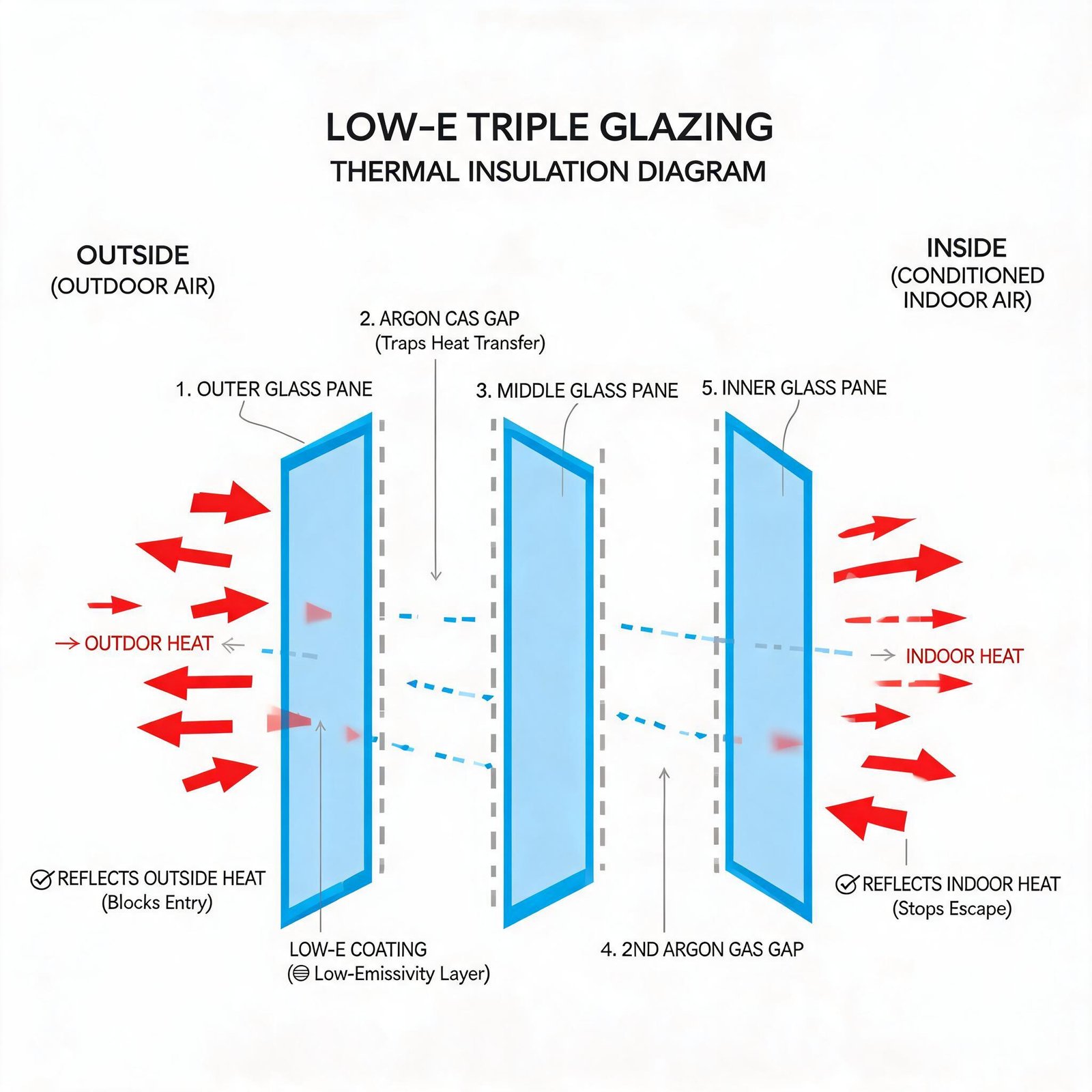
We also offer the option of triple-glazing for extreme climates. With three panes of glass and two Low-E coatings, the U-factor can drop to 0.18—equivalent to an R-5.5. That’s the same thermal performance as a 2×4 wall with fiberglass insulation.
To learn more about the specific product line, visit our vinyl casement window page for a full technical breakdown.
Sealed Perimeter and AAMA Certification
We don’t skimp on the perimeter seal. Every Superwindowhouse unit is tested to AAMA/WDMA/CSA 101/I.S.2/A440 standards, including mandatory air infiltration testing at 6.24 psf (double the standard rate). Our windows consistently achieve air infiltration rates below 0.03 cfm/ft². That’s airtight enough to keep dust, smoke, and heat out during an emergency.
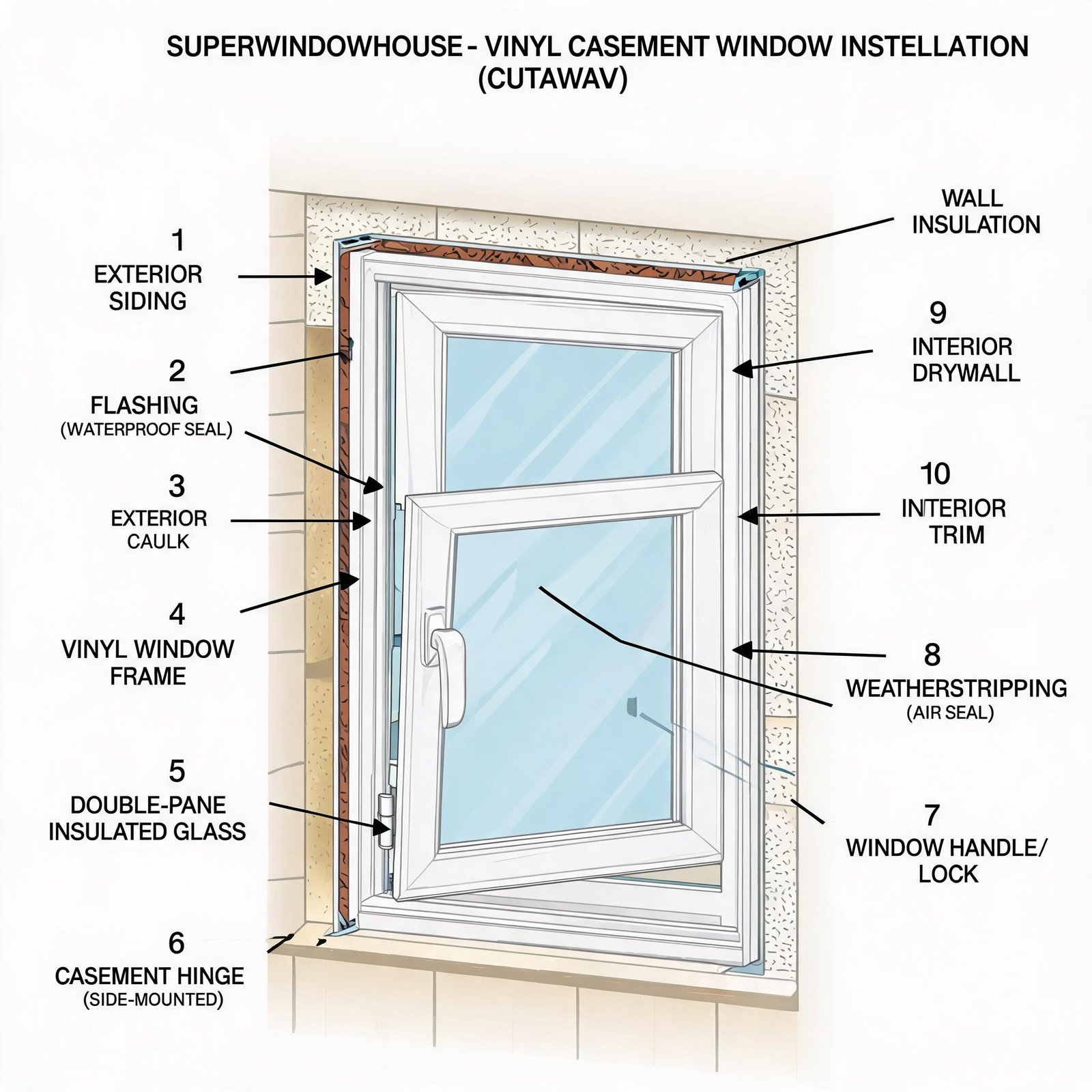
The integrated nail fin and flashing flange system ensures that water can’t penetrate the rough opening. We’ve designed the frame to include weep channels that drain moisture even under positive wind pressure—a common failure point in lesser products.
Practical Installation Guide: What Every Contractor Should Check During a Weather Emergency Retrofit
If you’re a builder or a homeowner preparing for emergency upgrades, here are the three most critical questions you need to answer before specifying a product.
1. Is the NFRC Label Independent and Verifiable?
Don’t just take the manufacturer’s word. Every Superwindowhouse window ships with a factory-certified NFRC label that lists the actual tested U-factor, SHGC, and VT (Visible Transmittance). These are the numbers you need for Energy Star programs, tax credits, or utility rebates. If the label is missing, walk away.
2. How Do You Handle Rough Opening Tolerances?
During a retrofit, the existing masonry or wood frame may be out of square by up to 1/4 inch. Our vinyl and aluminum frames are designed to accommodate up to 1/2 inch of shim space without compromising structural integrity. But I always tell my crews: measure the rough opening three times. If it’s off by more than 3/8 inch, order a custom jamb extension or a custom-sized unit. Superwindowhouse.com offers custom sizing that can match any rough opening to within 1/16 inch.
3. What’s the Flashing and Dampproofing Strategy?
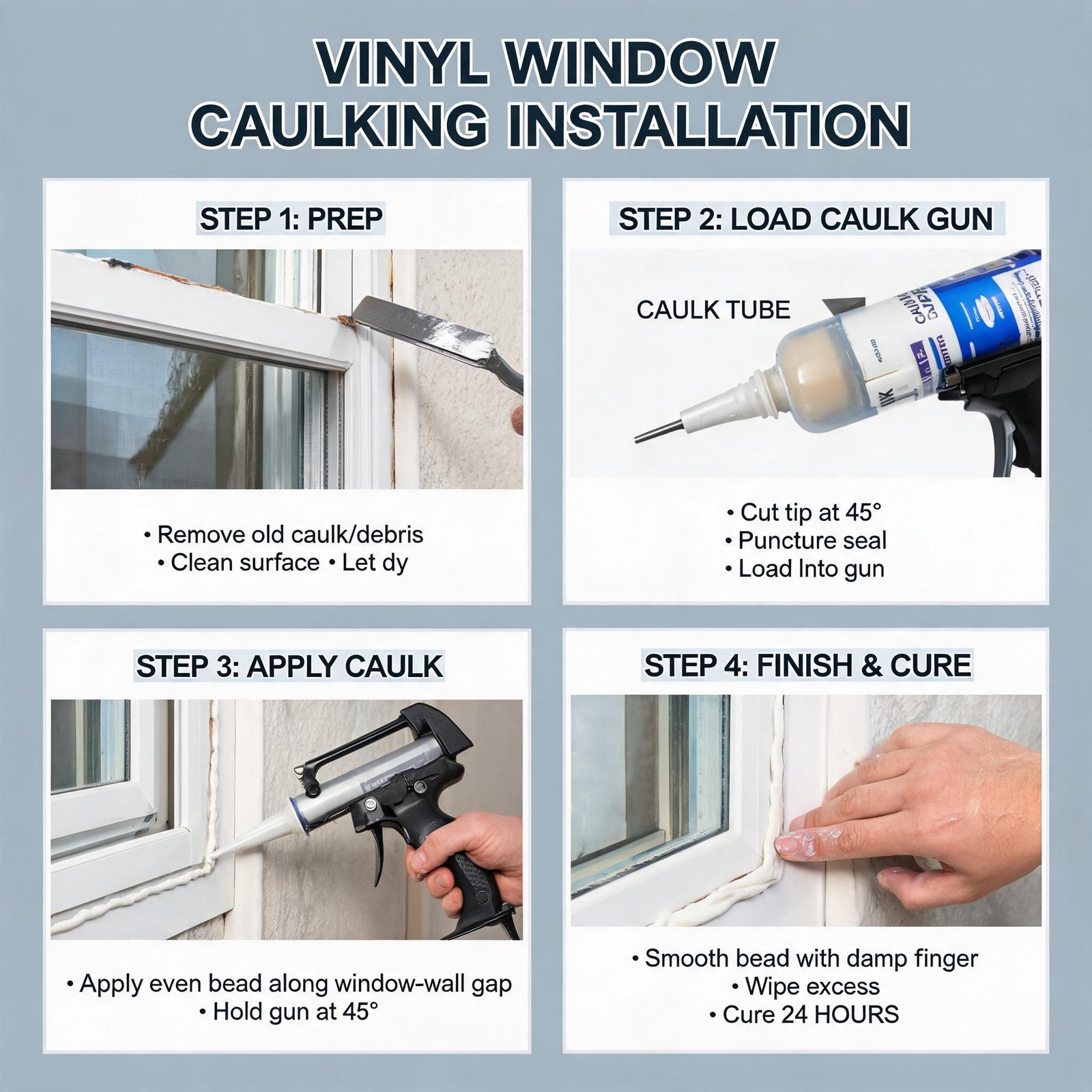
In a coastal or flood-prone area, water infiltration through the window-to-wall joint is the number one cause of mold and rot. Our windows include a pre-punched nail fin that integrates with self-adhered flashing membrane. Use a peel-and-stick membrane that wraps the entire rough opening, then flash the nail fin into the membrane using a bead of elastomeric sealant. Never use screws that puncture the flashing membrane above the nail fin line. That’s how water gets in.
Cost vs. Value: The Real Math During an Emergency
I know what you’re thinking: Premium windows cost more upfront. And yes, a Superwindowhouse impact-rated vinyl casement window will run you about $400–$600 per unit for a standard size, compared to $150–$200 for a big-box contractor special.
But let’s do the math after a state of emergency.
A single broken window from storm debris can cost $2,000 to $5,000 to repair—including emergency boarding, replacement glass, and labor from a contractor who’s charging premium rates during a disaster. Multiply that by the five windows that typically fail on the windward side of a house. That’s $10,000 to $25,000 in reactive repairs.
Meanwhile, the same five impact-resistant windows from Superwindowhouse would have cost about $2,000 to $3,000 total. You’ve saved $7,000 to $22,000 in emergency costs. And your home stayed habitable during the blackout.
The Verdict: Stop Gambling With Stock Windows
When the news anchor says a state of emergency has been declared, it’s too late to think about window upgrades. The time to act is now, during a calm week, when you can still get a custom order, a proper installation, and a tested product.
We’ve engineered our windows to handle the worst that nature throws at them—from flying debris to weeks-long heatwaves to grid failures. I’ve seen the difference in real-world conditions. I’ve stood in homes where every window held while the neighbors’ windows blew in.
For a full catalog of impact-rated and high-performance window systems, I recommend exploring the product line at Superwindowhouse.com. Whether you need a vinyl sliding door for a coastal patio or a slim-profile aluminum casement for a modern hurricane zone build, the engineering is there to protect your most valuable asset.
Don’t wait for the storm to test your windows. Test them here first.