
Standard Sliding Window Sizes: Rough Opening and Replacement Guide
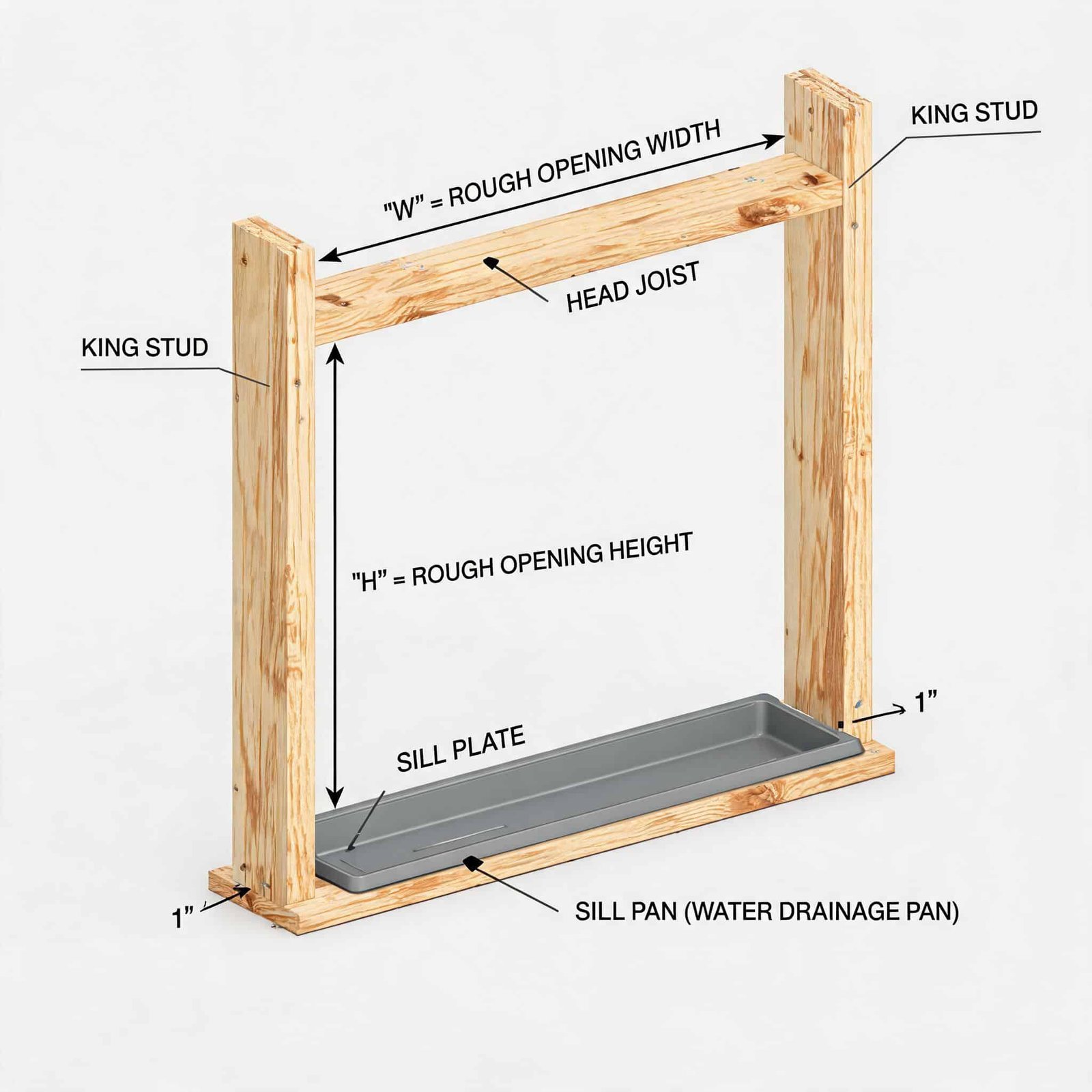
Common horizontal sliding-window sizes vary by manufacturer, but residential 2-lite units are often offered from compact openings through wide multi-panel assemblies. The rough opening (RO) must be based on the exact window series, frame outside dimensions, installation method, and the manufacturer’s published installation instructions—not a universal allowance. The clearance around a window is functional: it gives the installer room to
Are Vinyl Sliding Windows Energy Efficient? Energy Star Ratings, Low-E Glass and U-Factor Explained
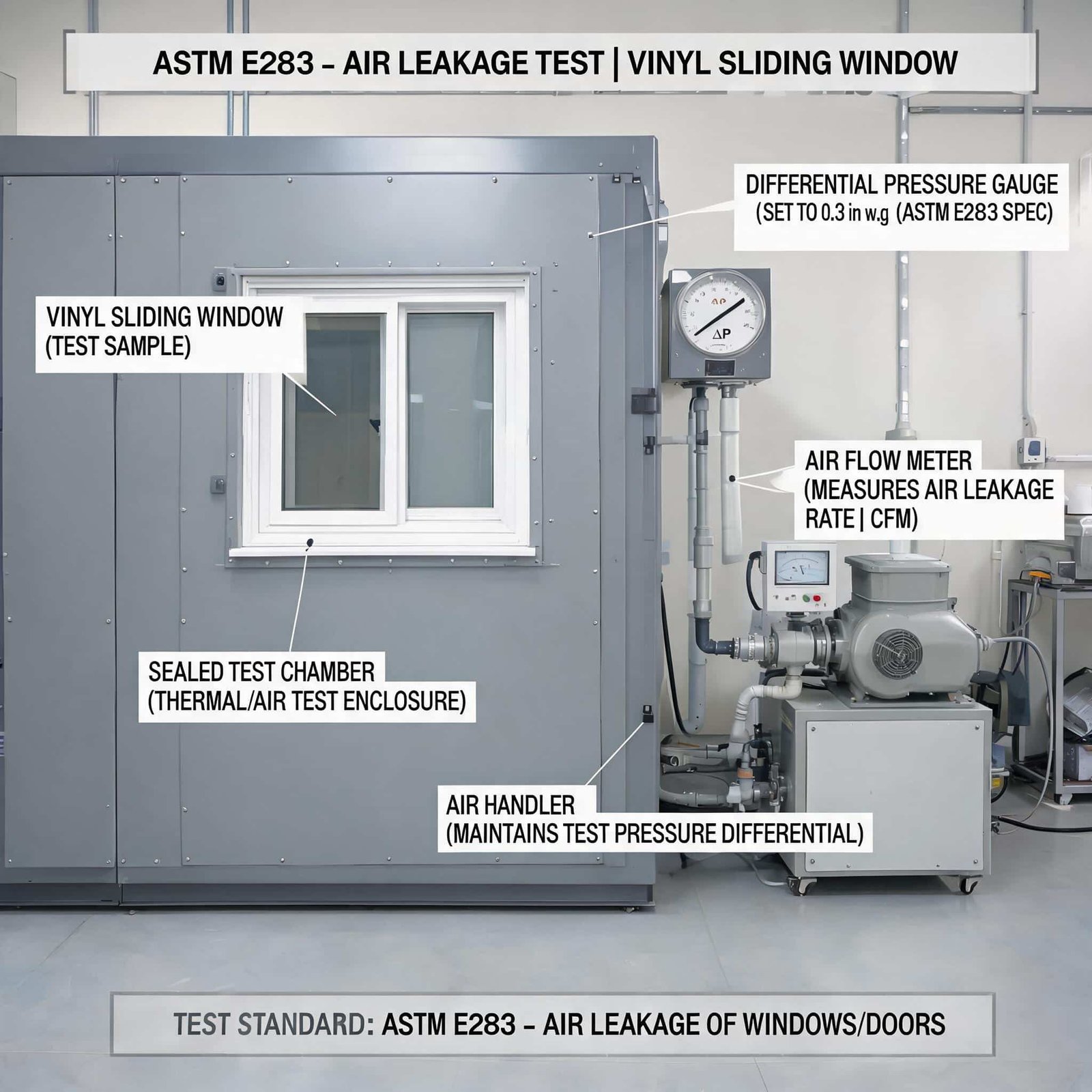
Modern vinyl sliding windows can be energy-efficient when the complete, installed product is selected and verified for the project—not simply because it is vinyl or because it uses Low-E glass. For builders, architects, and wholesale distributors, the reliable comparison point is the whole-window NFRC rating for the exact size, configuration, frame, glass package, and spacer being purchased. Low-E coated insulated

How to Stop Water Leaking Through Sliding Windows (Drainage Guide)
Water in a sliding-window track does not automatically mean the window is leaking. Sliding units are commonly designed to collect incidental rainwater in the exterior track and discharge it through internal drainage paths and weep holes. A real problem exists when water remains trapped for an extended period, overflows toward the interior, appears on drywall or trim, enters during light
Vinyl vs. Aluminum Sliding Windows: Which Is Better for Energy Efficiency and Cost?
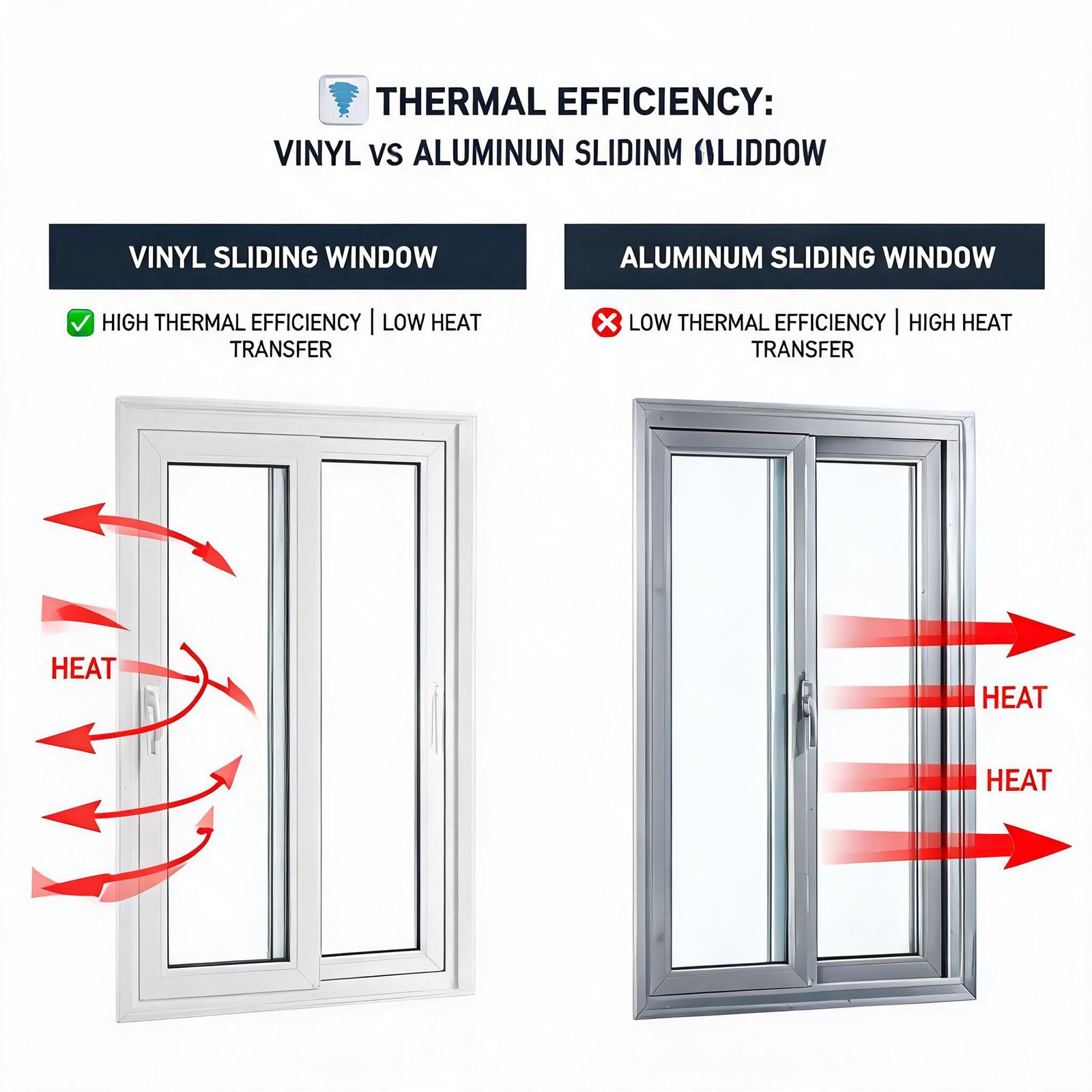
The Short Answer: A Decision Framework for Builders There is no single “best” frame material—only the right system for the project’s code requirements, climate, opening size, glazing package, budget, and design intent. Treat the comparison as a product-and-project decision, not a material-only verdict. Confirm final performance with the manufacturer’s NFRC label, applicable product approval documents, shop drawings, and installation manual.
Sliding vs. Casement Windows: Which One Is Better for Ventilation and Cost?
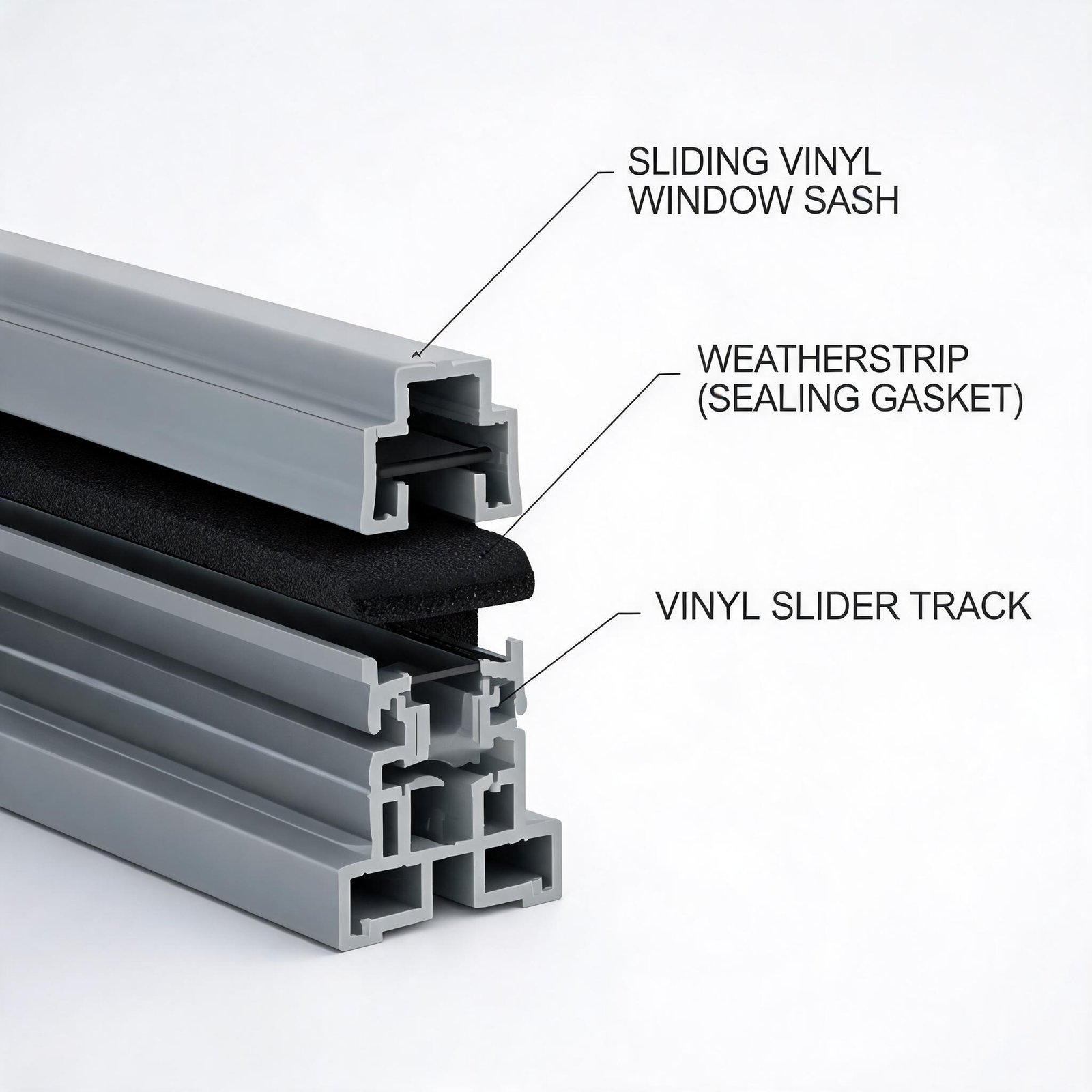
The Mechanical Difference: What Your Crew Is Actually Installing Before comparing prices, start with the operating hardware and the opening geometry. A casement window is side-hinged and commonly operated with a crank, lever, or other manufacturer-specific mechanism mounted near the sill. When closed, many casement designs pull the sash against the frame. This compression-style closure can support a tight seal,
How to Install Tilt and Turn Windows (AAMA Standards & Flashing Guide)
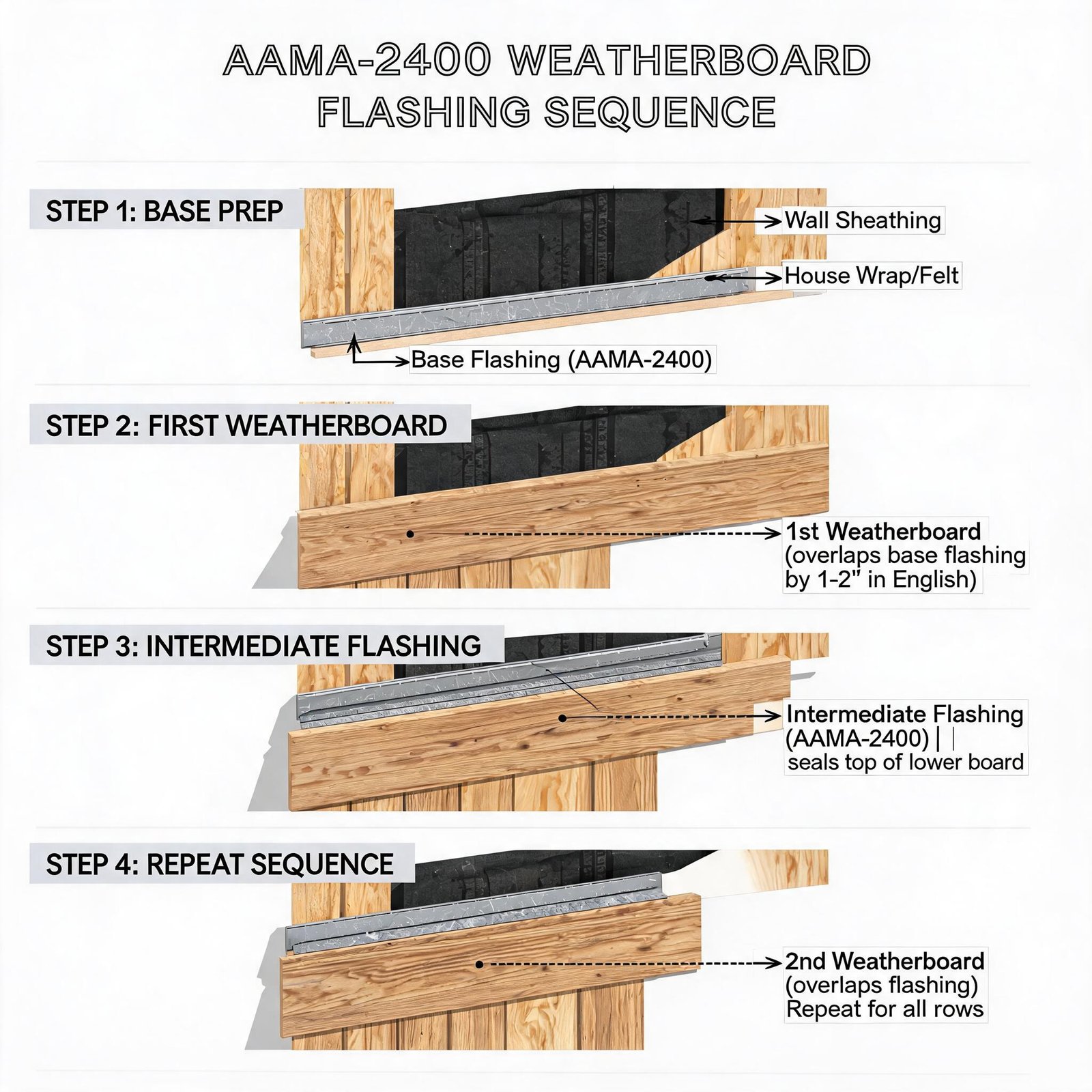
Why Tilt and Turn Windows Break the Nailing-Fin Assumption Most U.S. installation crews learn residential window installation on products with an integral nailing fin. European-style tilt and turn windows often use a different structural attachment strategy, so treating them like a conventional flanged window can create operational, drainage, and warranty problems. Key takeaway: A tilt and turn window must be
Do Tilt and Turn Windows Meet Egress Code and Safety Requirements?
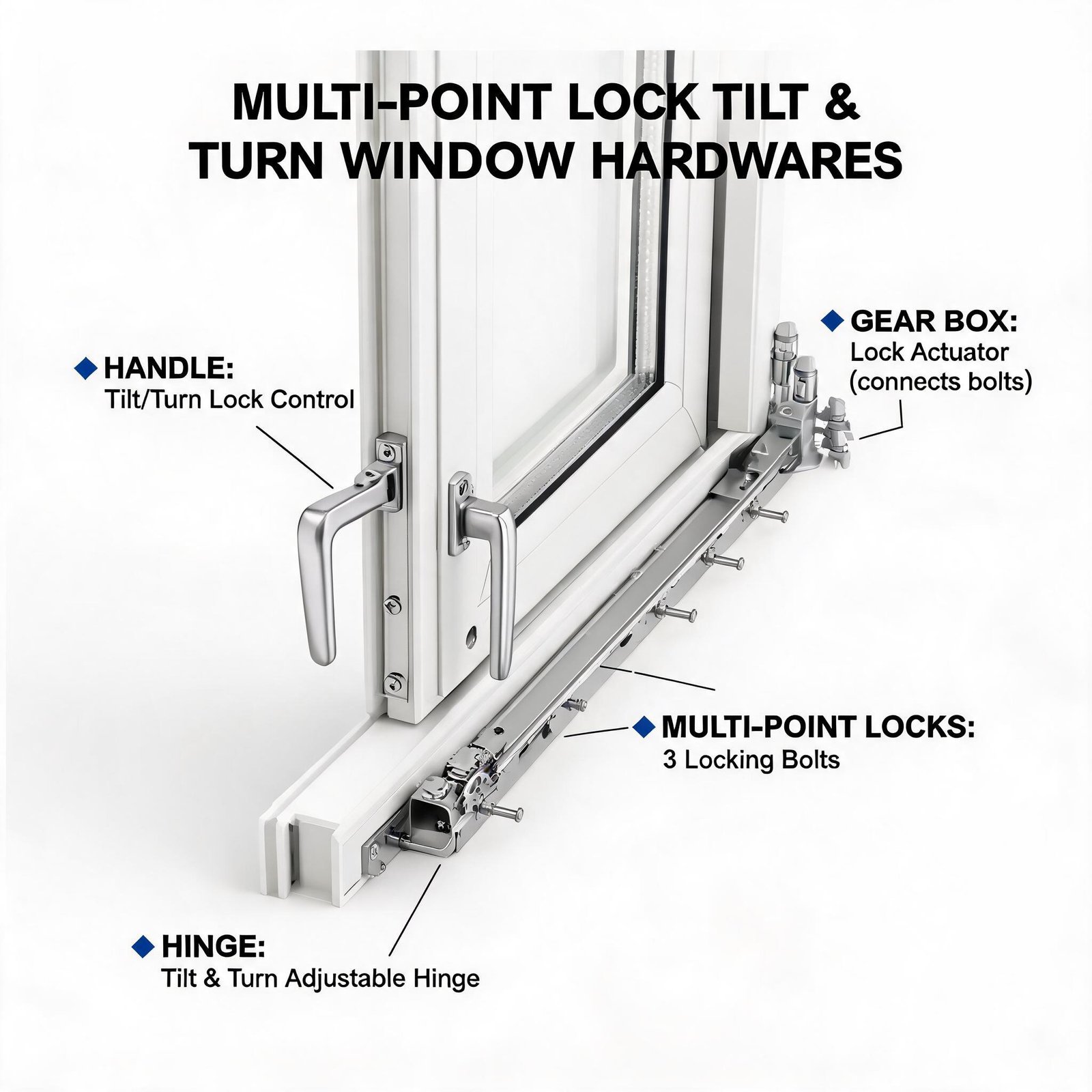
Egress Code Fundamentals Every Builder Must Know Emergency escape and rescue window code compliance isn’t about the hardware trend—it’s a life-safety requirement. The International Residential Code (IRC R310) and the International Building Code (IBC 1031) govern exactly how an egress window must perform. Most U.S. jurisdictions adopt one of these frameworks with local amendments, so your project must comply with
Tilt and Turn Window Cost: Price Breakdown and Budget Guide
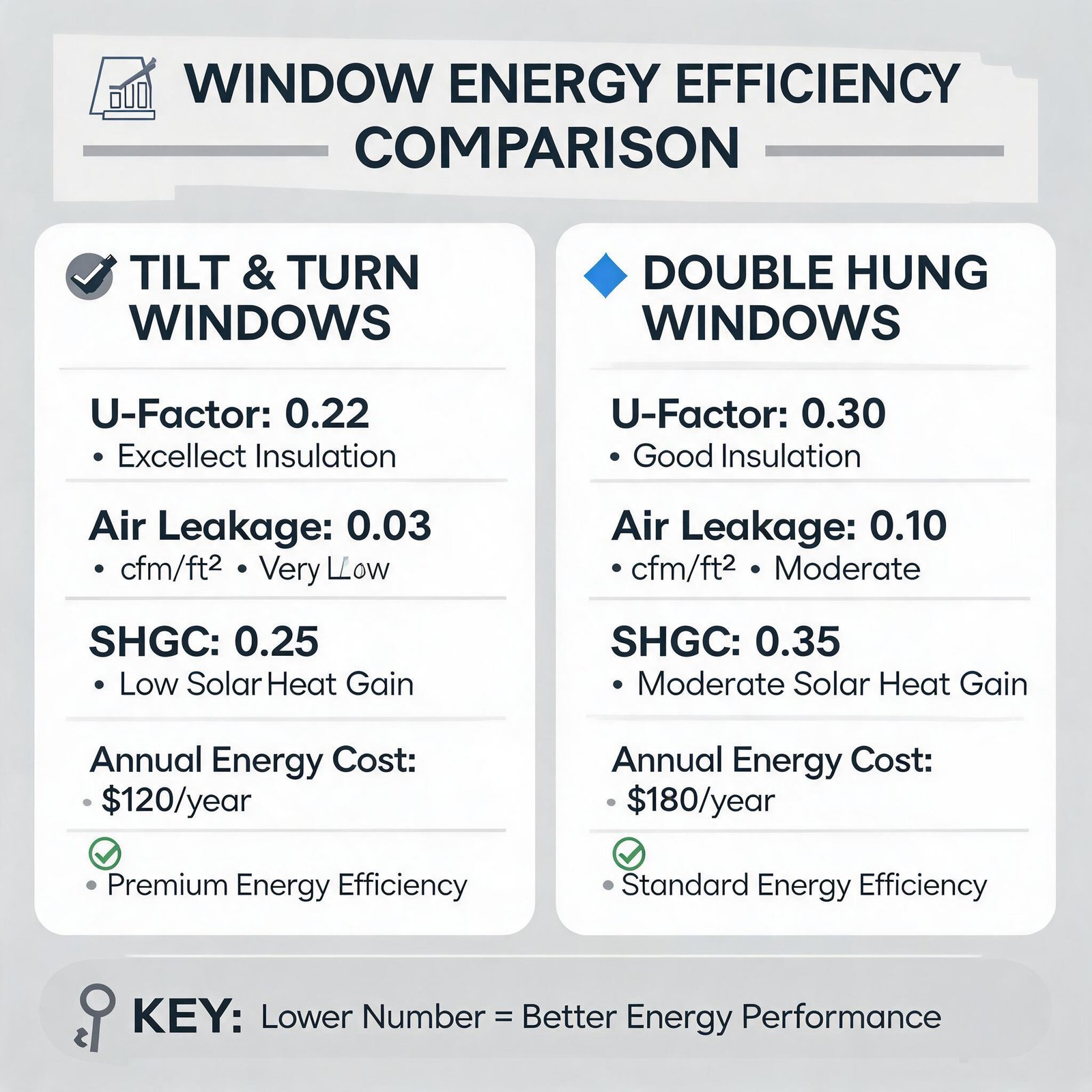
Why European Tilt-Turn Windows Demand a Higher Price The structural reason is the hardware system. A tilt-turn window uses a multi-position handle that drives multiple locking points (typically 8–12) into compression seals around the entire perimeter. This is a fundamentally more complex mechanism than a crank-out casement or a double-hung counterbalance system. Component Standard U.S. Casement European Tilt-Turn Locking points
Vinyl vs. Aluminum Tilt and Turn Windows: Which One Is Better?
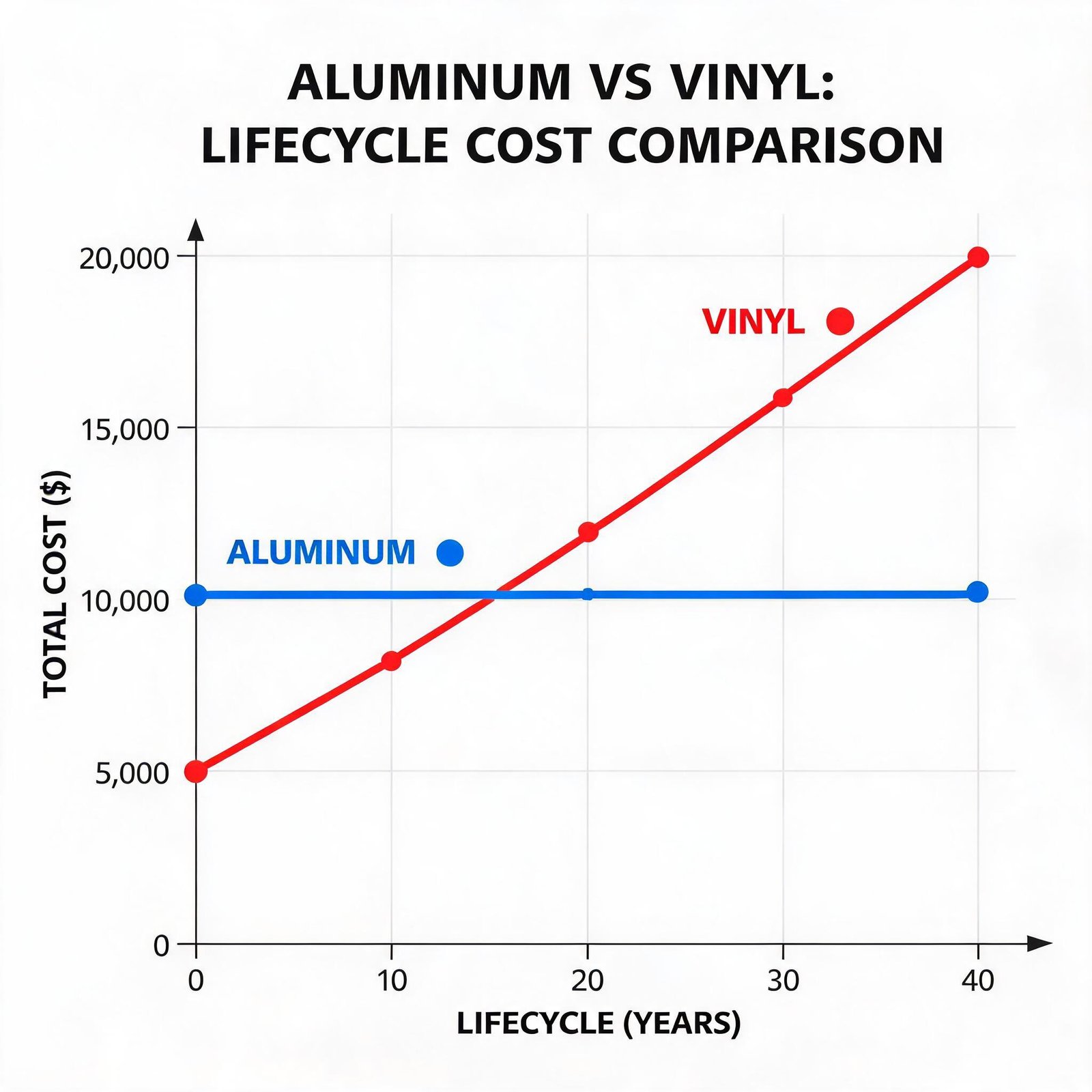
Why Tilt and Turn Window Material Selection Matters for US Builders The tilt and turn window has become the dominant European-style fenestration solution gaining traction across North American residential and light commercial construction. Unlike traditional hung or casement windows, tilt and turn systems offer dual-operation functionality: the sash tilts inward at the top for secure ventilation, and swings fully inward
How Long Do Tilt and Turn Windows Last? (Hardware and Longevity)
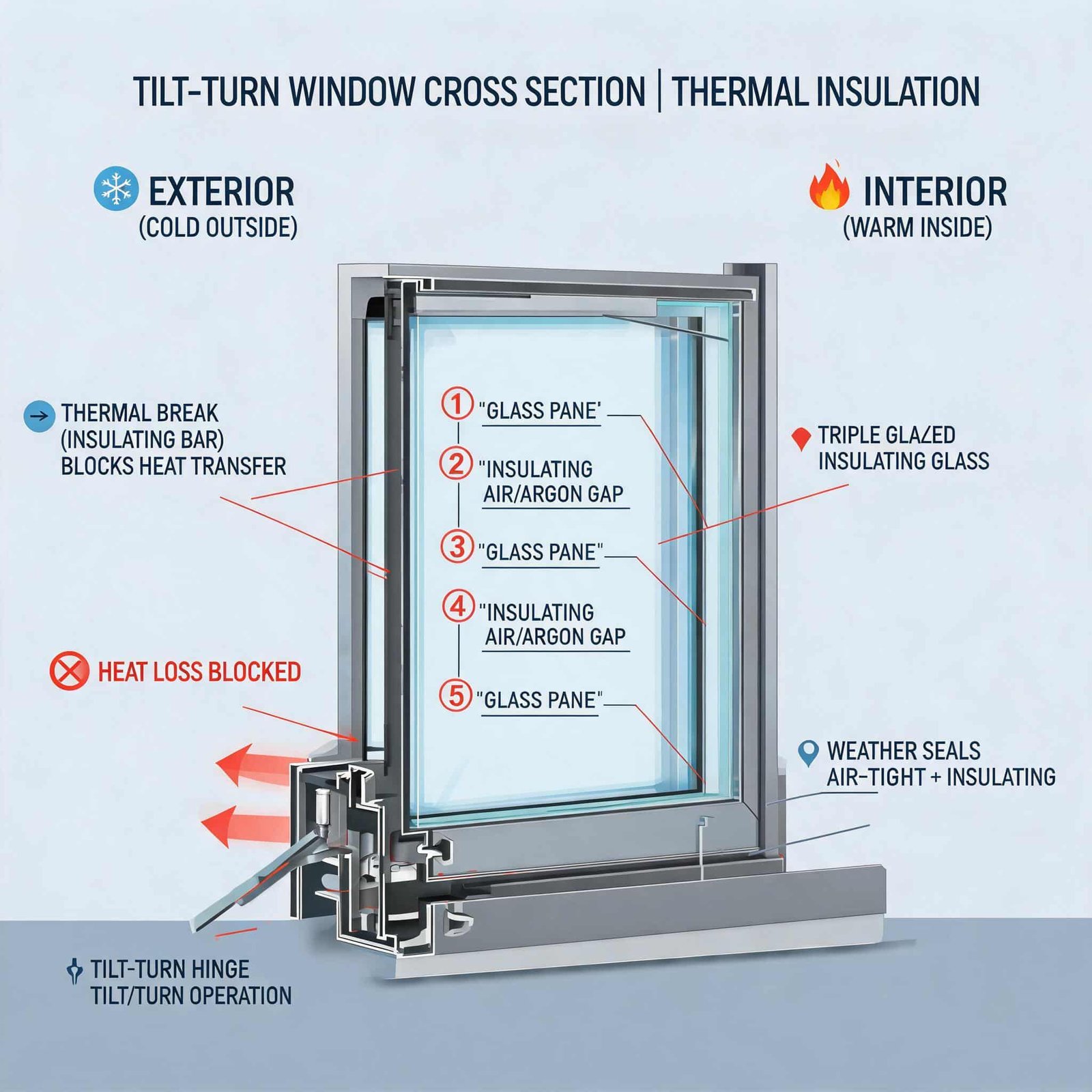
A properly specified tilt and turn window system will deliver 20 to 30 years of reliable service, but the hardware—specifically the tilt and turn hinges, tilt and turn lock, and tilt and turn handle—is the limiting factor, typically requiring replacement or adjustment every 15 to 25 years. This is because the multi-point locking mechanism and steel-reinforced hinges endure repeated cyclic