Why Vinyl Awning Windows Command Specific Pricing
Unlike double-hung or sliding windows, awning windows operate on a hinge mechanism that must support the full weight of the sash in the open position. This mechanical requirement drives specific cost factors that differ from other ventilation window styles. The vinyl frame must incorporate reinforcement at hinge points, and the multi-point locking system must engage across the entire bottom rail to prevent air and water infiltration.
The $25–$35/Unit Wholesale Floor
Factory-direct pricing at $25–$35 per unit applies to standard PVC awning window configurations:
- Frame size: 24″ × 24″ to 36″ × 36″
- Glazing: Double-pane, clear glass, 3/4″ overall thickness
- Hardware: Basic crank operator, single-point locking
- Frame color: White (standard extrusion runs)
- Minimum order quantity: 100–200 units
This floor price assumes no customization, no Low-E coating, no argon gas fill, and standard grid patterns. Once you add performance upgrades, per-unit costs increase by 40–120%.
Breaking Down Vinyl Awning Window Costs by Component
Understanding where your money goes helps you make informed purchasing decisions when evaluating vinyl awning windows price quotes from different suppliers.
Frame Material and Construction
The quality of vinyl extrusion directly impacts cost and longevity. Three tiers exist in the market:
| Vinyl Grade | Wall Thickness | Expected Lifespan | Cost Impact vs. Baseline | Best Application |
|---|---|---|---|---|
| Standard extruded | 0.060″–0.075″ | 15–20 years | Baseline | Budget residential, mild climates |
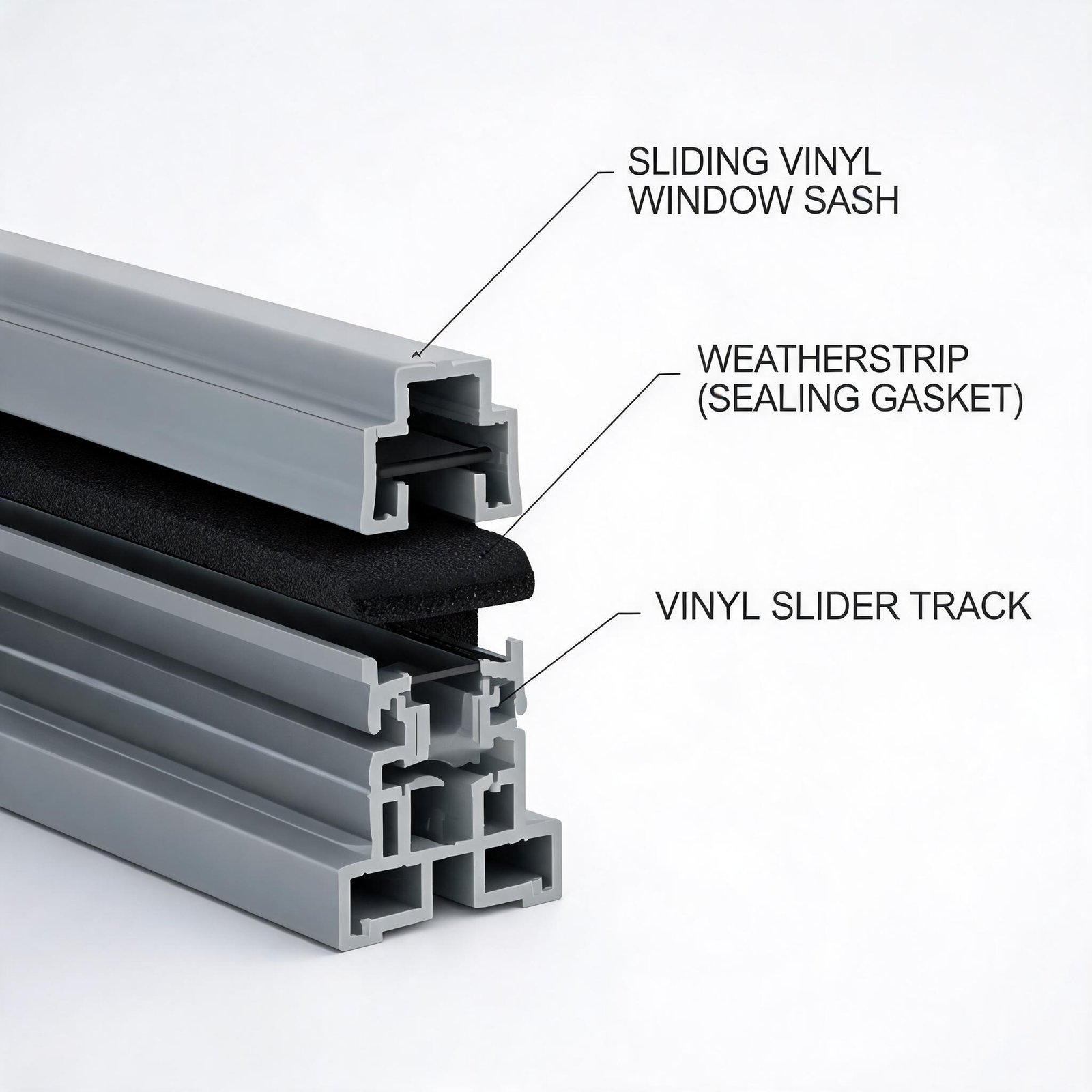
| Premium multi-chambered | 0.080″–0.095″ | 25–30 years | +15–25% | Residential, mid-rise commercial |
| Commercial-grade reinforced | 0.100″–0.120″ + steel/aluminum insert | 30–40 years | +35–55% | High-wind zones, commercial storefront |
The commercial-grade option uses steel or aluminum reinforcement within the vinyl extrusion to handle the structural load of larger awning windows. For openings exceeding 48″ in width, this reinforcement becomes mandatory for code compliance under AAMA/WDMA/CSA standards.
Glazing Specifications
Glass represents 30–45% of total window cost. Standard double-pane clear glass costs the least, but offers minimal thermal performance. Upgrade options include:
- Low-E coating: +$8–15 per square foot
- Argon gas fill: +$3–6 per square foot
- Triple-pane: +$25–40 per square foot
- Laminated glass (security/sound): +$12–20 per square foot
- Tempered glass (egress code required): +$5–10 per square foot
For custom vinyl awning windows cost projections, factor in that glass alone can double the unit price when you specify high-performance glazing packages.
Factors That Drive Vinyl Awning Window Cost Variations
Contractors and wholesalers evaluating Ventilation Window quotes need to account for these five primary cost drivers:
1. Window Size and Aspect Ratio
Larger windows require more vinyl extrusion, thicker reinforcement, and heavier hardware. The cost relationship is not linear:
- 24″ × 24″: $25–35/unit wholesale
- 36″ × 36″: $40–55/unit wholesale
- 48″ × 36″: $60–85/unit wholesale
- 60″ × 36″ (requires reinforcement): $90–130/unit wholesale
The aspect ratio also matters—square windows cost less per square foot than tall, narrow configurations because the hinge and crank mechanism must work harder on vertical dimensions.
2. Hardware Quality and Locking Mechanism
Awning windows must seal tightly against weather. The locking mechanism and crank operator determine performance:
- Standard single-point lock: Baseline, no additional cost
- Multi-point locking (2–3 points): +$8–15/unit
- Heavy-duty crank operator with concealed hinge: +$12–20/unit
- Motorized operator (commercial applications): +$80–150/unit
For commercial projects requiring building code compliance, multi-point locking is non-negotiable—it prevents sash deflection under wind load.
3. Custom Colors and Finishes
White vinyl is the cheapest because manufacturers can run continuous extrusion lines. Custom colors require:
- Color-through vinyl (same color throughout): +10–15%
- Laminated color finish: +15–20%
- Wood grain finish (foil laminate): +20–30%
- Dual-color (different interior/exterior): +15–25%
For projects requiring historical district compliance or corporate branding, budget for the 15–25% premium on color customization.
4. Grid Patterns and Muntins
Grids between the glass (internal grilles) cost less than external grilles or simulated divided lites:
- Internal grilles (between glass): +$5–10/unit
- Simulated divided lites (SDL) on both sides: +$15–25/unit
- True divided lites (individual panes): +$40–80/unit (rare in vinyl)
Internal grilles are the most cost-effective option for achieving a traditional look without compromising thermal performance.
5. Installation Complexity
While this guide focuses on wholesale pricing, installation costs affect total project budget:
- New construction installation: $50–100/window
- Retrofit installation (existing opening): $80–150/window
- Full-frame replacement (remove old frame): $120–200/window
- Difficult access (scaffolding, high-rise): +50–100%
For multi-unit commercial projects, installation labor typically adds $60–120 per window on top of wholesale pricing.
Wholesale vs. Retail Pricing: The 40–60% Gap
The single biggest mistake contractors and wholesalers make is not sourcing factory-direct. Here’s how the supply chain markup works:
Traditional Distribution Channel Pricing
| Supply Chain Layer | Markup Applied | Cost per $35 Wholesale Window |
|---|---|---|
| Manufacturer (factory-direct) | Baseline | $35.00 |
| Distributor adds 40–60% | +$14–21 | $49–56 |
| Dealer/Retailer adds 25–40% | +$12–22 | $61–78 |
| Contractor adds 15–25% | +$9–20 | $70–98 |
End user pays: $70–98 per window for the same product available at $35 wholesale.
By working directly with manufacturers like custom aluminum and UPVC windows from Superwindowhouse, you skip the distributor and dealer markups entirely. On a 200-window project, that’s $7,000–$12,600 in savings.
When Factory-Direct Makes Financial Sense
- Projects over 100 windows: Volume discounts and container shipping efficiency
- Standard sizes: No custom mold fees
- Long lead times (8–14 weeks): Manufacturing schedule accommodates production runs
- Buyer handles logistics: Receiving, storage, and coordination
For smaller projects (under 50 windows), a local distributor may offer competitive pricing due to lower shipping costs and no minimum order requirements.
Budgeting for Custom Vinyl Awning Windows
When your project requires non-standard sizes or performance specifications, custom vinyl awning windows from Superwindowhouse provide factory-direct pricing that still beats retail by 30–50%.
Custom vs. Standard Cost Comparison
| Specification | Standard (24″×24″) | Custom (42″×30″) | Cost Increase |
|---|---|---|---|
| Frame material | Standard vinyl | Premium multi-chambered | +20% |
| Glass | Double-pane clear | Low-E, argon, tempered | +45% |
| Hardware | Basic operator | Heavy-duty multi-point | +30% |
| Color | White | Bronze (color-through) | +15% |
| Grids | None | Internal grilles | +10% |
| Total per unit (wholesale) | $35 | $72–85 | 105–143% |
Custom orders typically require a 50-unit minimum and 10–12 week lead time. Always request samples before committing to full production runs.
Getting Accurate Quotes from Manufacturers
When requesting wholesale pricing, provide manufacturers with:
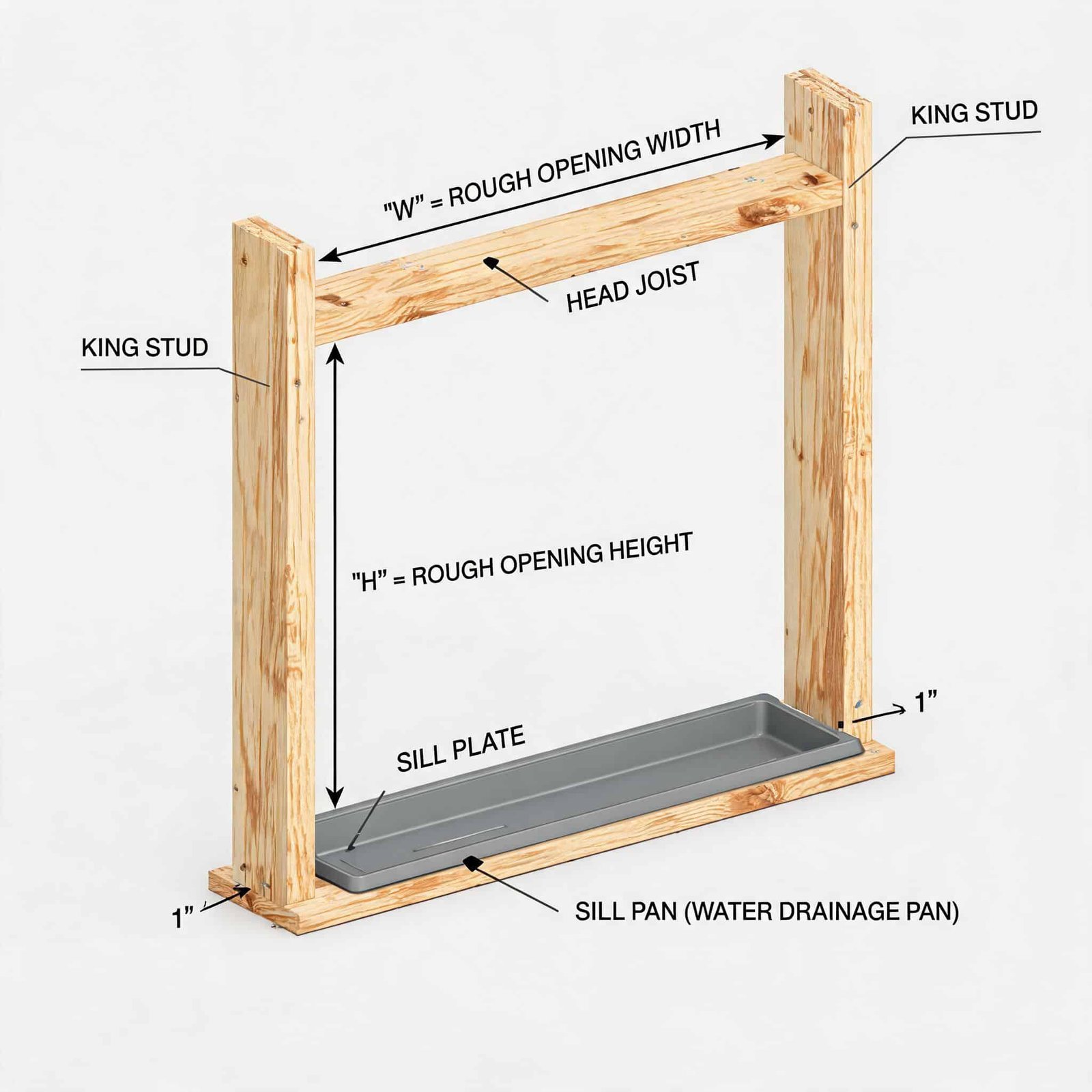
- Exact rough opening dimensions (width × height, in inches)
- Quantity (total units per project)
- Glazing requirements (Low-E? Argon? Tempered?)
- Hardware specifications (crank type, locking mechanism)
- Color/finish (standard white or custom)
- NFRC certification requirement (yes/no)
- Delivery location and timeline
Most factory-direct suppliers like Superwindowhouse provide detailed line-item quotes within 2–3 business days, including engineering submittal packages at no additional cost.
Energy Efficiency and Long-Term Value
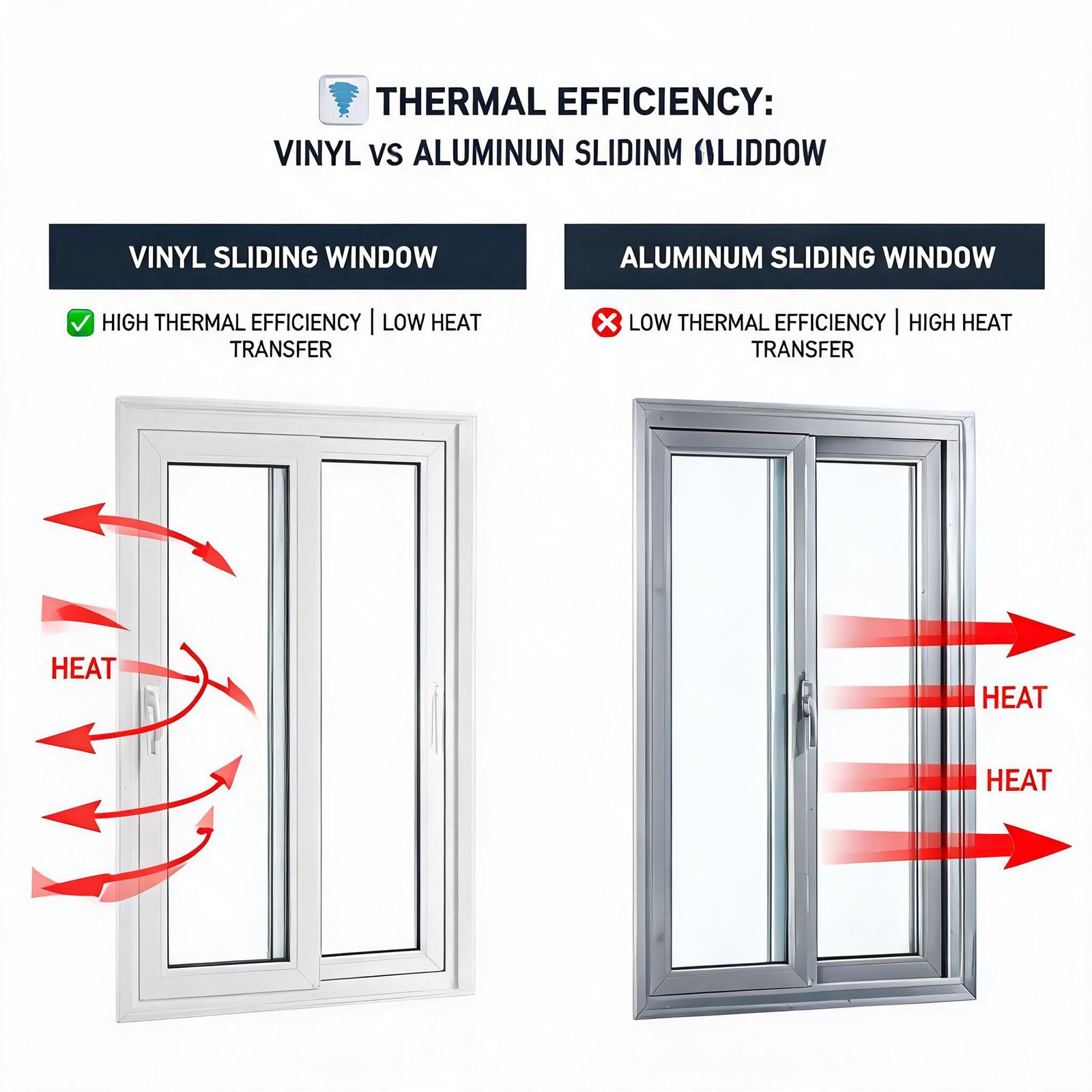
While upfront cost matters, energy efficiency directly impacts your clients’ operating expenses. Vinyl awning windows with proper glazing packages deliver:
- U-factor: 0.28–0.35 (meets ENERGY STAR requirements for most climate zones)
- SHGC: 0.23–0.40 (adjustable based on solar control needs)
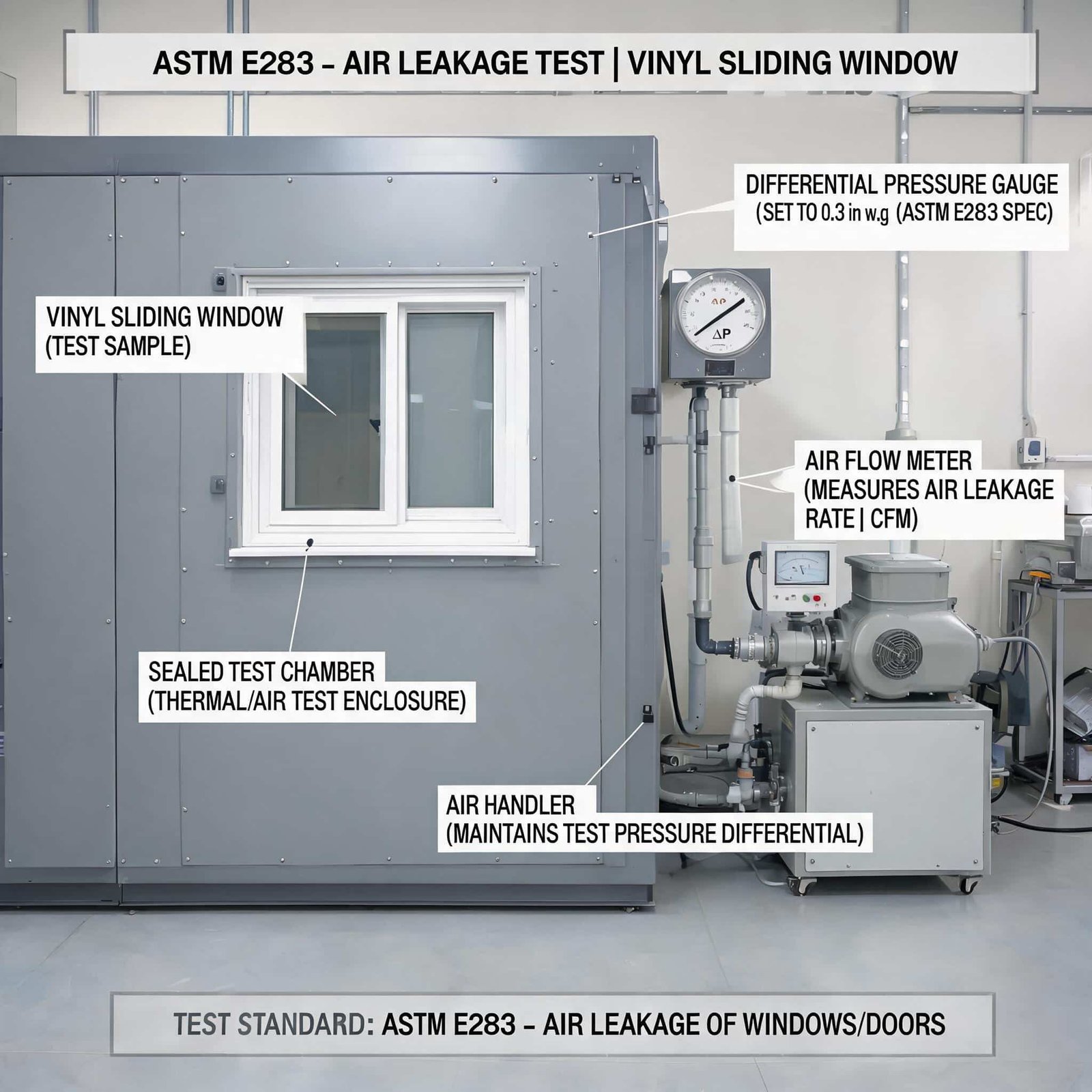
- Air infiltration rate: ≤0.06 CFM per square foot (exceeds AAMA requirements)
ROI Calculation for Commercial Projects
For a 150-unit commercial project replacing 25-year-old windows:
| Cost/Benefit Category | Old Windows | New Vinyl Awning Windows | Savings |
|---|---|---|---|
| Annual heating/cooling cost | $18,000 | $12,600 | $5,400 (30%) |
| Annual maintenance | $1,200 | $200 | $1,000 |
| Property value increase | Baseline | +8–12% | Variable |
| Total annual benefit | — | — | $6,400 |
Payback period: 5–8 years on a 150-unit project with wholesale pricing, versus 10–14 years with retail pricing.
Frequently Asked Questions
What is the average installed cost for vinyl awning windows?
Installed costs range from $180–$450 per window for standard sizes, depending on glazing, hardware, and installation complexity. Wholesale pricing at $25–$35/unit excludes labor.
How do I get the best wholesale price on vinyl awning windows?
Order 100+ units directly from factory-direct suppliers. Standard white, clear double-pane configurations in 24″×24″ to 36″×36″ sizes offer the lowest per-unit costs.
Are custom vinyl awning windows more expensive?
Yes, custom sizes and performance packages increase costs 105–143% over standard configurations. However, factory-direct custom pricing still beats retail by 30–50%.
What is the lifespan of vinyl awning windows?
Premium multi-chambered vinyl with proper installation lasts 25–35 years. Commercial-grade reinforced vinyl can exceed 40 years with minimal maintenance.
Do vinyl awning windows meet energy code requirements?
Yes, with proper glazing packages (Low-E, argon, double-pane), they achieve U-factors of 0.28–0.35, meeting ENERGY STAR and ASHRAE 90.1 requirements for all climate zones.