When Duke Energy flips the switch off and your neighborhood plunges into darkness, the first thing you don’t realize—until it’s too late—is that your biggest enemy isn’t the lack of lights. It’s the silent betrayal of your own home’s envelope. While everyone scrambles for generators and flashlights, I’m here to tell you the brutal truth that most homeowners and contractors ignore: your windows are either your best survival asset or your biggest liability. During a major Duke Energy power outage, when the grid is down for hours—sometimes days—your home’s ability to hold its internal temperature without active HVAC is the single difference between a livable shelter and a freezing or roasting nightmare.
The Wake-Up Call: Why Thousands Without Power Are Suddenly Window Experts
Let me paint you a picture that hits too close to home for millions of Duke Energy customers. It’s the middle of January. The temperature outside is 18°F. Duke Energy reports a major power outage affecting your entire county. No furnace. No heat pump. No electric baseboards. You’re sitting in your living room, bundled in three layers, watching your breath fog.
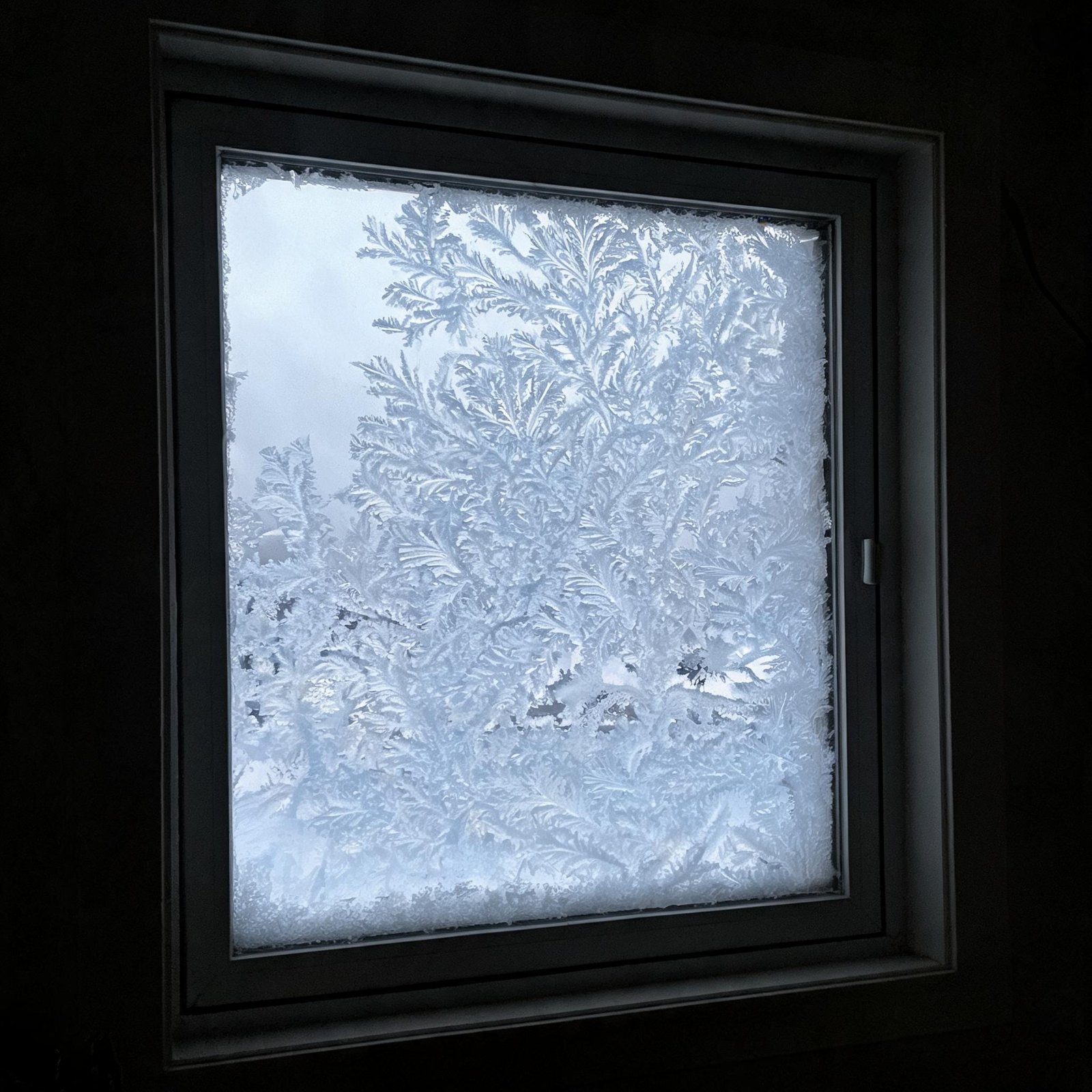
Now, here’s the part no contractor wants to admit to you: the windows in most American homes—especially those built before the 2000s—are thermal disasters. They’re essentially holes in your wall with glass in them. When the power goes out, that single-pane aluminum slider or that drafty old double-hung unit becomes a direct conduit to the outside. The cold air pours in. The heat you generated from cooking or body warmth bleeds out. Your home’s internal temperature can drop to unsafe levels within hours.
This isn’t a theory. I’ve seen it happen on job sites across the Carolinas. Homes with cheap, builder-grade windows become uninhabitable during extended outages. Homes with high-performance, multi-chambered vinyl casement windows with Low-E coatings? They stay livable for 12 to 24 hours longer.
The Physics You Need to Know: Why Triple-Glazed Low-E Windows Are Your Power Outage Lifeline
I’ve been in this industry for 15 years, and I’ve never seen a better argument for upgrading your windows than a real power outage. Here’s the mechanical breakdown that most window salesmen won’t give you:
Thermal Bridging: The Silent Killer of Indoor Comfort
Every window frame is a structural bridge between inside and outside. In cheap aluminum frames—and even some older vinyl frames—that bridge is thermally conductive. Heat travels along the frame material directly to the outside. This is called thermal bridging, and during a power outage, it’s catastrophic because you have no way to counteract that heat loss.
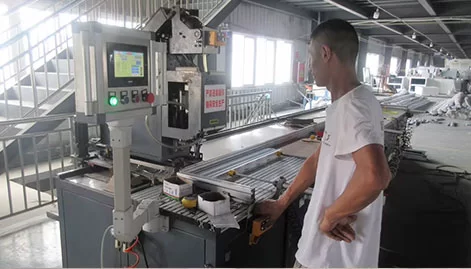
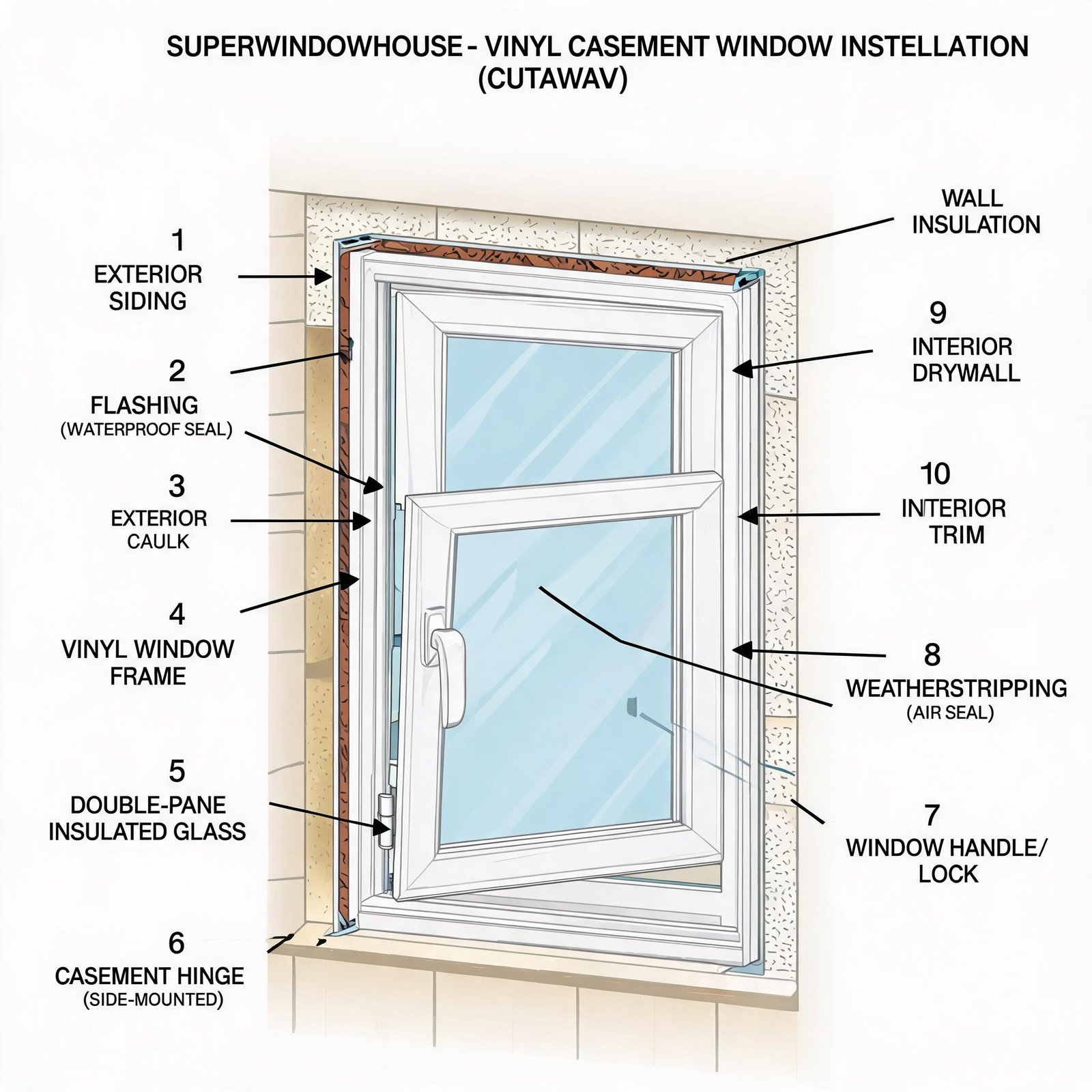
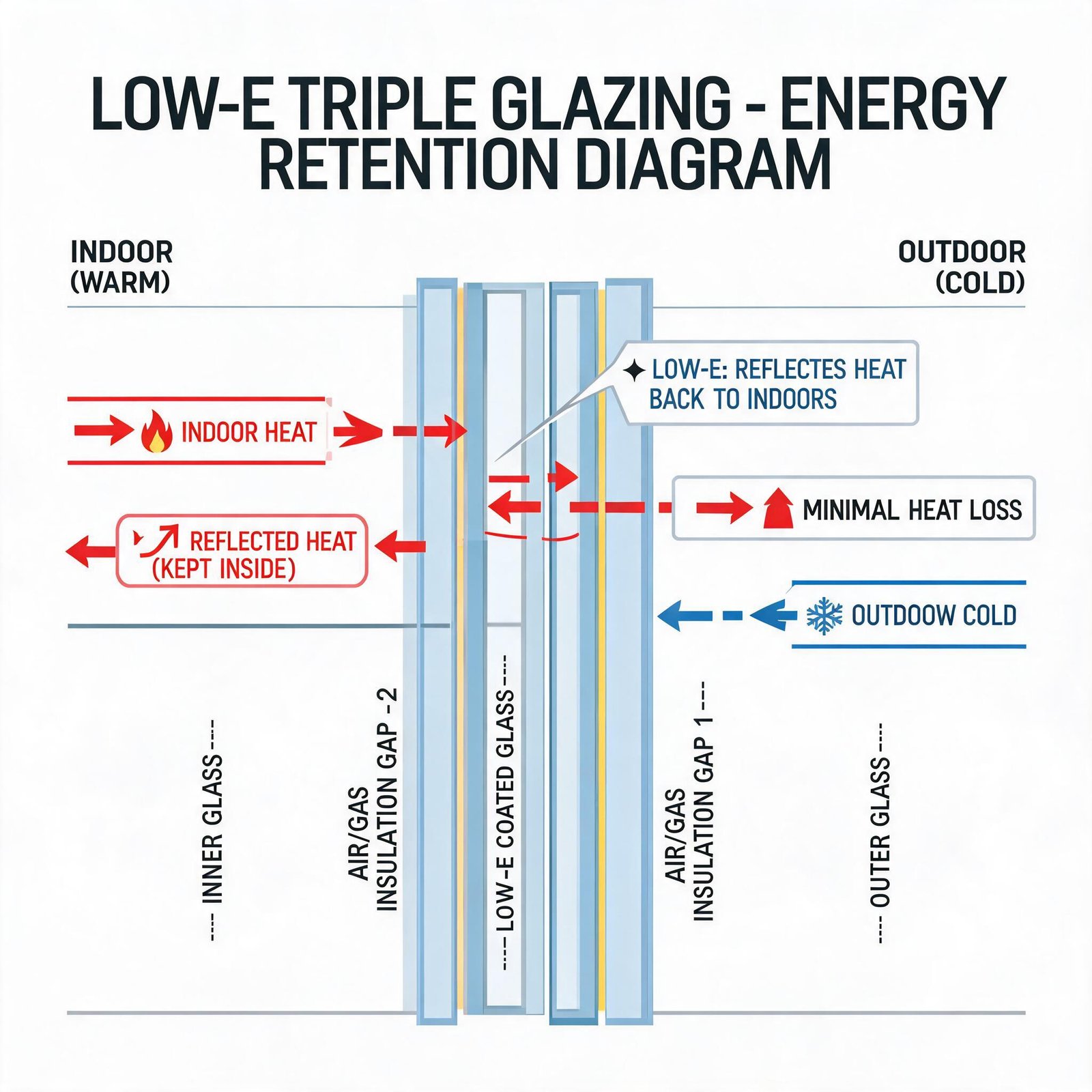
High-performance window systems solve this through multi-chambered PVC extrusions and thermally broken aluminum frames. The interior and exterior aluminum are separated by a polyamide or nylon strip that breaks the thermal path. In our vinyl window line, we use multi-chamber designs that trap air in dead-air spaces, creating a thermal barrier that dramatically reduces heat transfer.
U-Factor and SHGC: The Numbers That Matter When the Grid Is Down
Don’t let the alphabet soup scare you. The U-factor measures how well a window prevents heat from escaping. The lower the U-factor, the better the insulation. For a power outage scenario, you want a U-factor below 0.25. Our top-tier triple-glazed units achieve U-factors as low as 0.18.
The Solar Heat Gain Coefficient (SHGC) measures how much solar radiation passes through the glass. In winter outages, you want a higher SHGC to let passive solar heat in. In summer outages, you want it low to keep heat out. Our Low-E coatings are spectrally selective—they can be tuned to either maximize solar gain or minimize it, depending on your climate zone.
Air Infiltration: The Draft That Steals Your Survival Margin
This is the one that kills most homes during an outage. Air infiltration is the uncontrolled leakage of outside air through gaps around the window sash and frame. During a Duke Energy power outage, every cubic foot of cold air that seeps in is a cubic foot of warm air that your body has to replace. Our windows are tested to meet or exceed AAMA standards for air infiltration, with rates as low as 0.01 cfm/ft² at 25 mph wind pressure. That’s practically airtight.
What the Big Brands Won’t Tell You: The Dirty Secrets of Mass-Market Windows During Outages
Here’s where I get unapologetically honest. I’ve been burned by national brands. I’ve seen their product fail under real-world conditions. And when you’re counting on your home to protect your family during an extended power outage, you don’t want a window that was designed for a showroom, not a crisis.
Secret #1: Soft-Coat Low-E Degradation
Most big-box store windows use “soft-coat” Low-E coatings. These are sputtered onto the glass and can oxidize and degrade within 5 to 10 years, especially in humid climates. I’ve seen 7-year-old windows in North Carolina that have lost 40% of their original thermal performance. During a power outage, that degraded coating means you’re losing heat that you can’t afford to lose. Our windows use hard-coat or advanced sputter-coated Low-E that is sealed within the IG unit and protected from environmental degradation.
Secret #2: Air Seal Failure by Year Three
The vinyl windows from major national brands often use simple compression seals that lose their elasticity within a few heating and cooling cycles. I walk into homes for remodels and find windows that are three years old, with visible daylight around the sash. That’s not a window. That’s a ventilation grate with a handle. During a power outage, those gaps are catastrophic. Our windows use dual or triple bulb gaskets and interlocking sash designs that maintain a tight seal for decades.
Secret #3: No Support When You Need It Most
Try calling the customer service line of a major window brand during a crisis. You’ll get a recording. Try getting a replacement sash during a supplier shortage? Good luck waiting 16 weeks. At Superwindowhouse, we manufacture and inventory our most popular sizes. We support contractors and homeowners with real technical support, not a chatbot.
Superwindowhouse: The Power Outage Solution You Didn’t Know You Needed
Here’s what I tell every homeowner and contractor I work with: your windows are not a cosmetic choice. They are a survival system. And when Duke Energy has 50,000 customers without power, the homes that hold their temperature the longest are the ones with high-performance windows.
The Triple-Glazed Low-E Arsenal
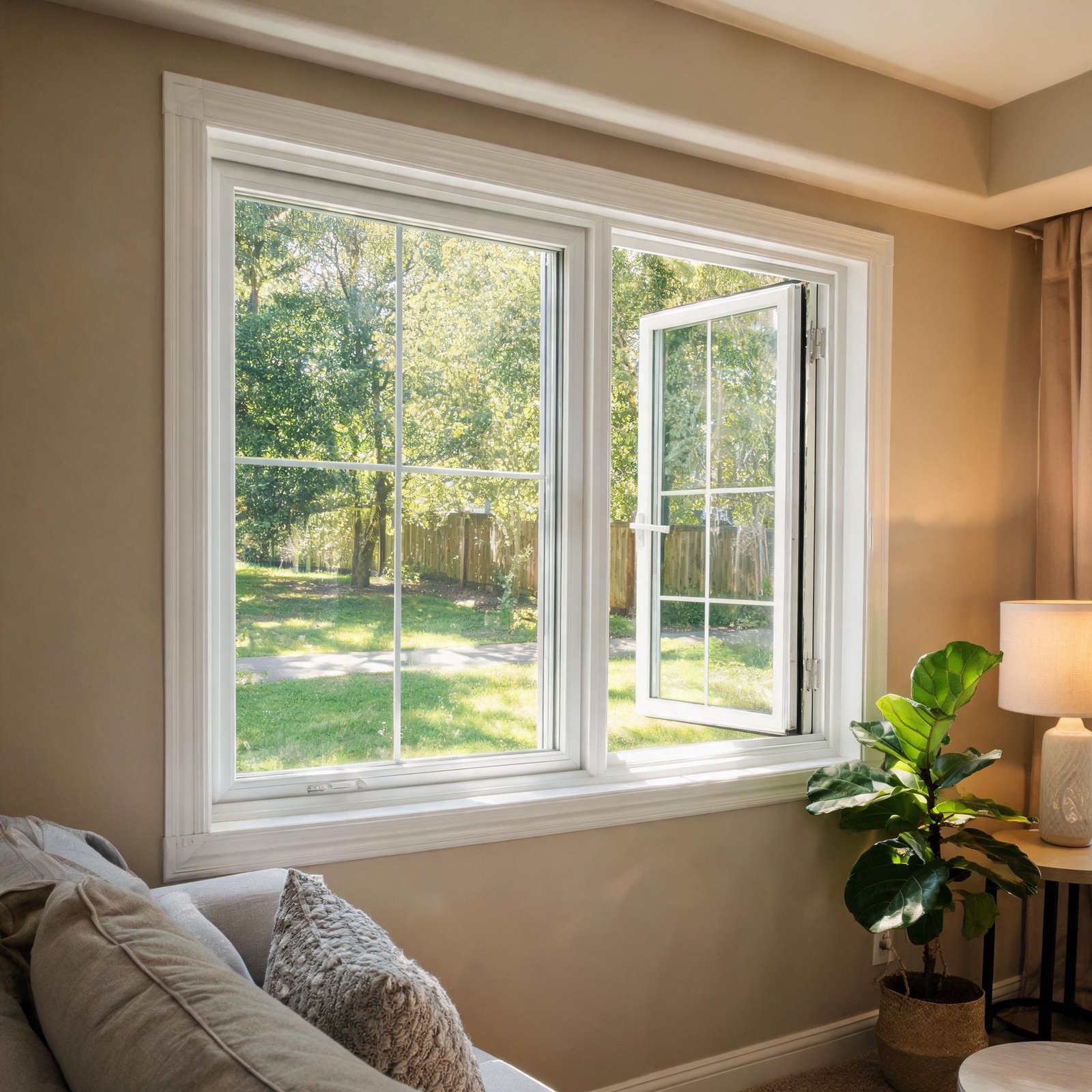
We don’t make windows for the showroom. We design them for the firefight. Our high-performance vinyl casement windows are built with triple-glazed IG units, multi-chambered PVC frames, and warm-edge spacers that eliminate condensation and thermal bridging. During a winter outage, these windows can reduce heat loss by 40% to 50% compared to standard double-glazed units.
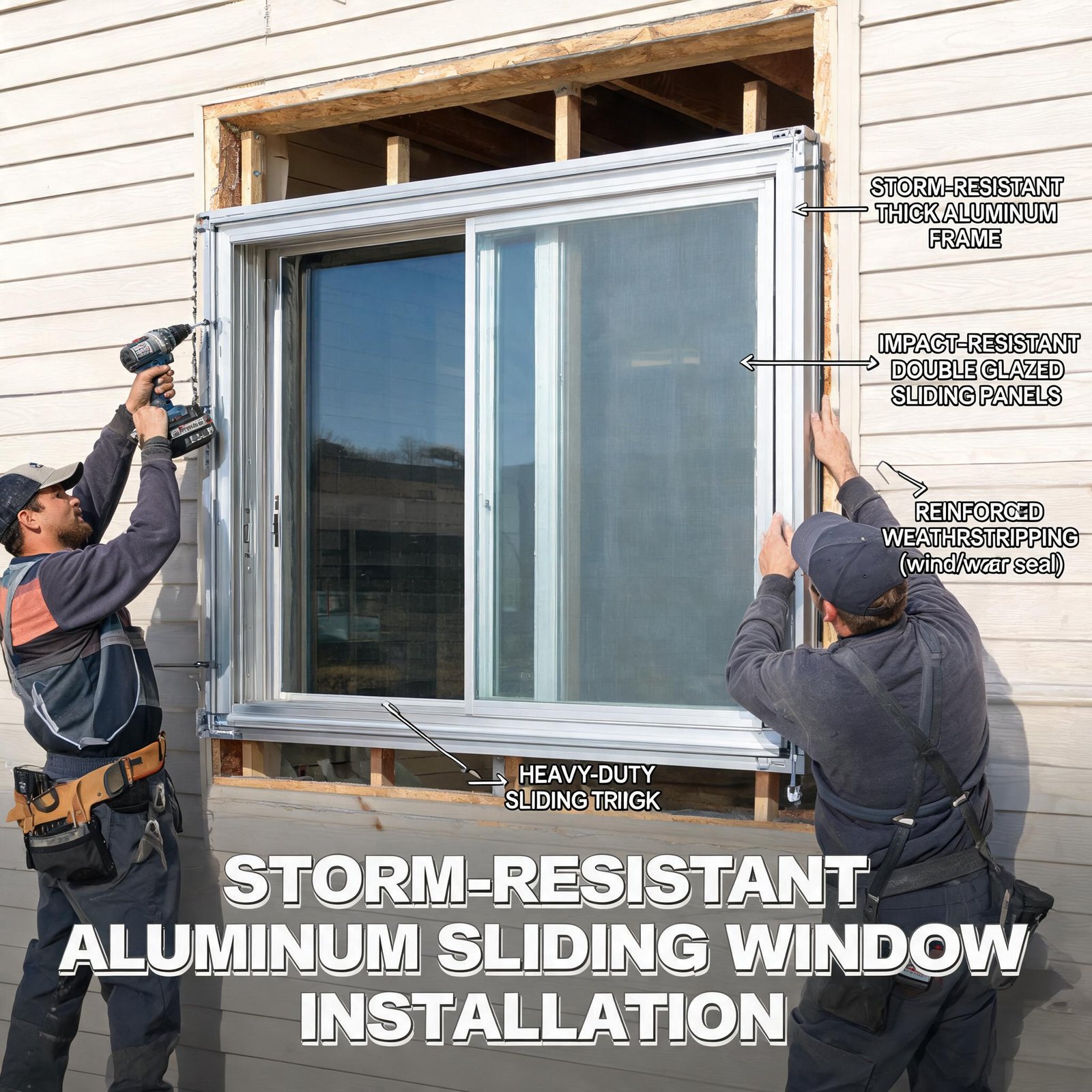
For homeowners who want the ultimate in energy efficiency, our energy-efficient vinyl sliding windows feature the same multi-chamber construction and Low-E coatings but in a space-saving sliding format. They’re ideal for basements, bedrooms, and areas where you need maximum glass area with minimum thermal loss.
The AAMA Certification You Can Trust
Every window we ship meets or exceeds AAMA certification standards for structural performance, water infiltration, and air leakage. We don’t cut corners on the NFRC testing. Our windows carry genuine NFRC labels with verifiable U-factor and SHGC ratings. If you’re claiming energy tax credits or want to prove your window performance, we’ve got the documentation.
B2B Contractor’s Guide: How to Spec Windows for Power Outage Resilience
If you’re a builder or a homeowner managing a renovation, I’m giving you the hard-won knowledge that will save you from callbacks and clueless homeowners during the next outage.
Q: What window style performs best during a power outage?
A: Casement windows. Period. The compression seal on a casement window is inherently tighter than sliding windows because the sash is pulled against the frame by a multi-point locking system. Tilt-in double hungs are convenient but have more air leakage paths. If you’re building for outage resilience, spec casement windows with three or four-point locking hardware.
Q: How do I verify a window’s air infiltration rating before buying?
A: Look for the AAMA certification label. It will list the design pressure rating (DP) and the air infiltration rating in cfm/ft². Anything above 0.03 cfm/ft² is mediocre. Below 0.01 is excellent. Our windows test at 0.01 or less. Don’t accept verbal claims. Demand the test report.
Q: Is triple glazing worth the extra cost for outage protection?
A: In climate zones 4 and above—which includes most of Duke Energy’s service area—yes. Triple glazing adds approximately 30% to 50% more insulation value. During a prolonged outage, that extra R-value can mean the difference between spending the night in your home or evacuating to a shelter. The math is simple: divide the cost of the upgrade by the cost of a generator and fuel for three days. The windows win every time.
Q: What’s the biggest mistake contractors make when installing energy-efficient windows?
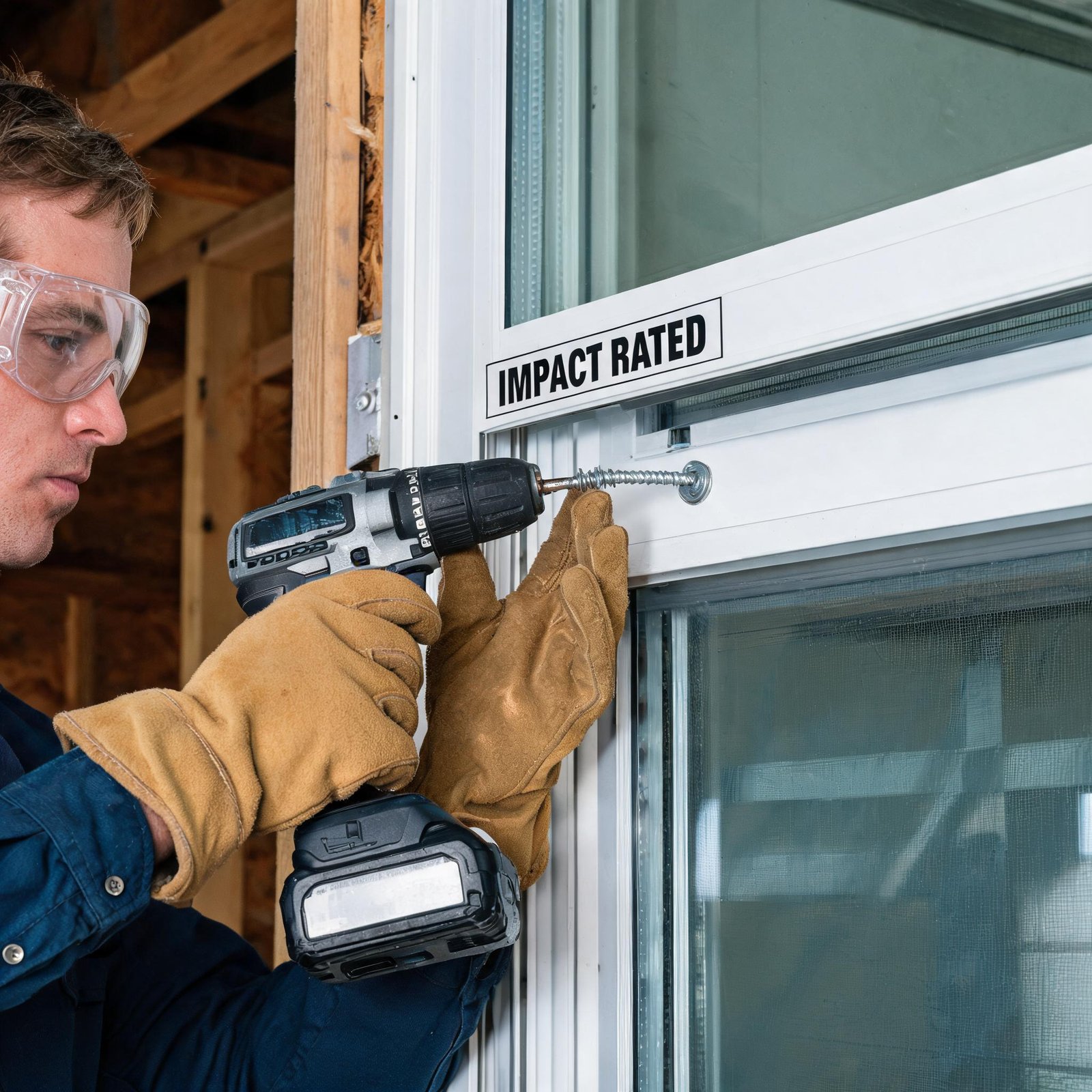
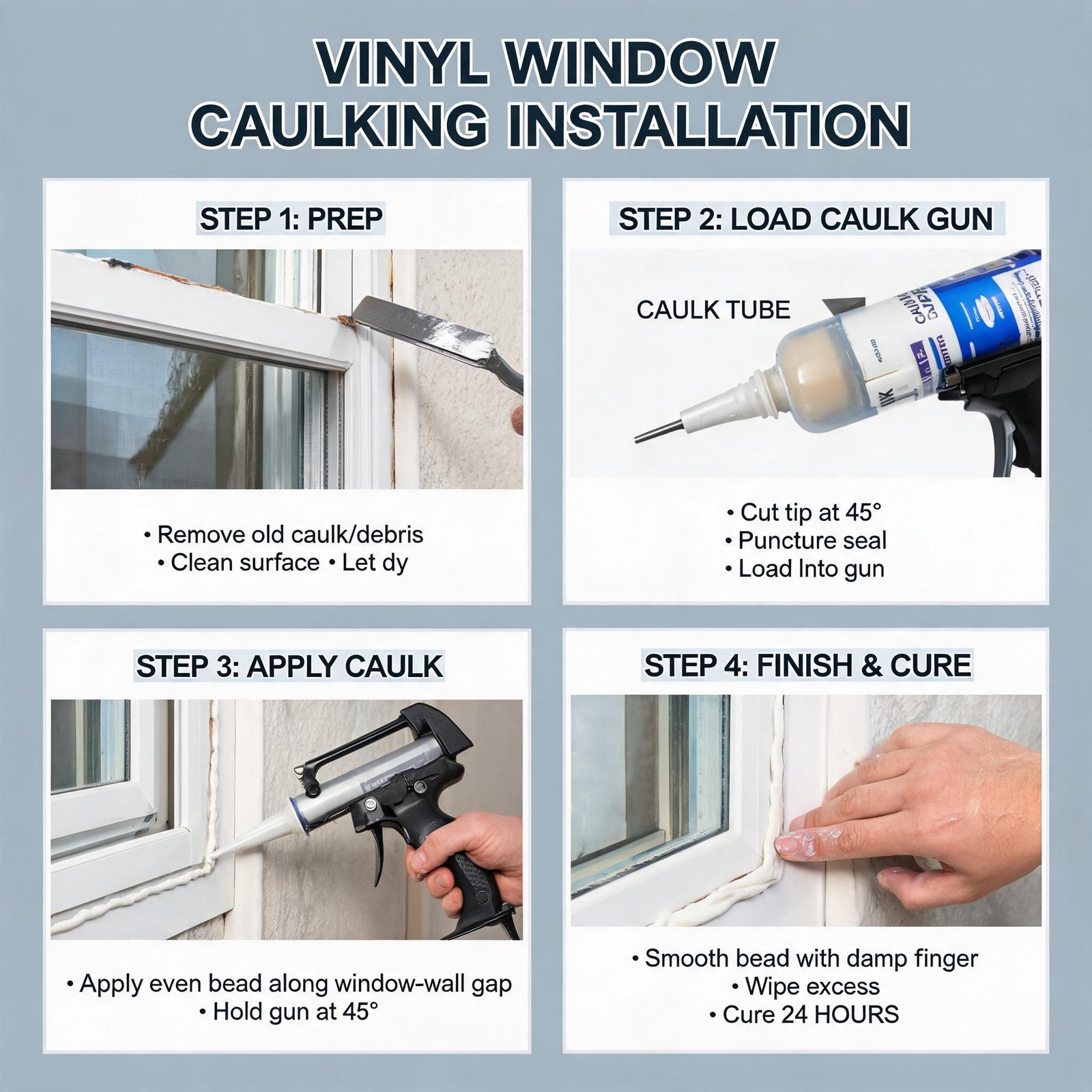
A: Improper flashing and rough opening preparation. Even the most efficient window is worthless if the installation is leaky. I see contractors skip the sill pan, neglect the backer rod, or use the wrong sealant. The result: air and water infiltration that bypasses the window entirely. Use a full perimeter butyl tape with an integrated nail fin. Air-seal the rough opening with closed-cell foam. And for God’s sake, flash the sill before setting the window.
Your Home’s First Line of Defense Is Not What You Think
The next time Duke Energy reports a power outage, and you’re one of the thousands without electricity, your backup generator might fail. Your batteries might die. But your windows? If they’re Superwindowhouse quality, they’ll be holding the line.
Don’t wait until the next blackout to learn this lesson. I’ve been on too many service calls after storms where homeowners wish they’d spent the money on windows instead of a new television. Your windows are your unsung heroes. Make sure they’re strong enough to carry the weight.
Ready to protect your home? Visit us at superwindowhouse.com. Browse our full line of energy-efficient, impact-resistant, and thermally advanced windows. Your family’s next power outage survival starts with the glass in your walls.