When a tornado warning hits Massachusetts, standard windows become deadly liabilities. Learn why hurricane-rated, impact-resistant windows from Superwindowhouse can turn your home into a safe haven without plywood or panic.
The Alarm That Wakes Every Contractor
A tornado warning has been issued in Massachusetts. That siren isn’t just noise—it’s a structural ultimatum. I’ve been in this trade for 15 years, and I’ve seen what happens when standard builder-grade windows meet 100-mph debris. A two-by-four becomes a missile. A vinyl window frame turns into confetti. And a homeowner’s safe room becomes a wind tunnel.
Here’s the hard truth: the average residential window in New England is designed to handle a stiff breeze, not a tornado. The National Weather Service recorded 56 tornadoes in Massachusetts between 1950 and 2023. That’s not a rare event—it’s a recurring threat. Your customers are panicking because they know their windows are the weakest point in their home’s envelope. And they’re right.
Why Standard Windows Fail Under Tornado Force
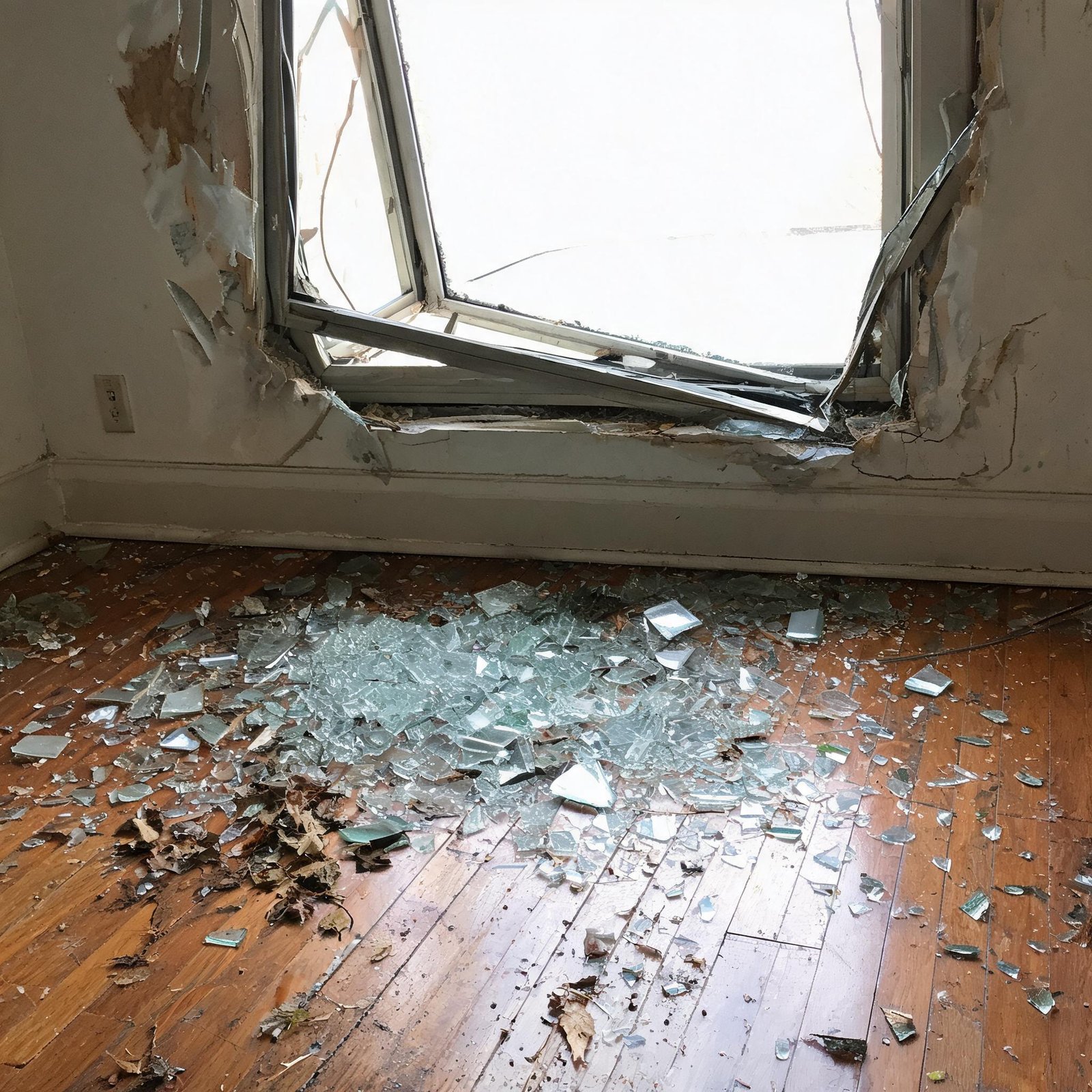
Let’s talk physics. When a tornado warning is issued, the pressure differential between inside and outside your home can reach catastrophic levels. A standard double-hung window—typically built with thin aluminum or extruded vinyl—has a design pressure rating of around DP-30 to DP-40. That’s fine for a New England nor’easter. But a tornado’s dynamic wind load can exceed 90 mph, generating over 30 PSF of positive and negative pressure. Your average window will blow inward or suck outward before you hear the glass break.
The problem isn’t just the glass. It’s the frame assembly. Mass-market windows use single-chamber extrusions with no reinforcement. Under uplift, the sash distorts. The locking mechanism fails. And once that glass escapes, you’ve lost the pressure barrier. The roof follows next.
Professional contractors know this. The International Building Code (IBC) now mandates impact-resistant glazing in tornado-prone regions. But most existing homes in Massachusetts were built before these codes were enforced. That means every standard window is a ticking time bomb when the warning comes.
The Unspoken Pitfalls of Mass-Market “Storm” Windows
Here’s where I get blunt. Big-box brands like Andersen, Pella, and certain vinyl giants market “storm” or “hurricane” options—but they rarely tell you the whole story.
First, many use soft-coat Low-E coatings. These degrade in 5 to 7 years, especially when exposed to UV and thermal cycling. The emissivity drops, the U-factor climbs, and your client’s energy bill spikes while their window’s structural integrity decays.
Second, their impact ratings are often based on missile tests using a 2×4 at 50 fps—but only for the center of the glass. The frame-to-glass bond is often weaker. I’ve seen these windows pass the test but fail in real tornadoes because the glass stayed, but the frame twisted.
Third, and most infuriating: many mass-market windows lack NFRC certification labels. Without that independent tag, your client can’t claim any Federal or state tornado retrofit tax credits. They pay for “protection” but get no paper trail.
In my experience, these companies also treat custom orders like an inconvenience. If a homeowner wants a non-standard rough opening for a safe-room window, the lead time is 12 to 16 weeks. That’s a season. Not a solution.
Superwindowhouse’s Engineered Solution for Tornado Threats
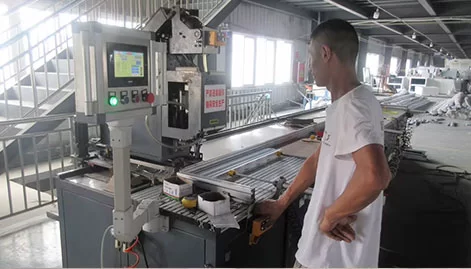
When I first visited Superwindowhouse’s facility, I understood immediately why their windows outperform the competition. They don’t just make windows—they engineer ballistic-grade barriers.
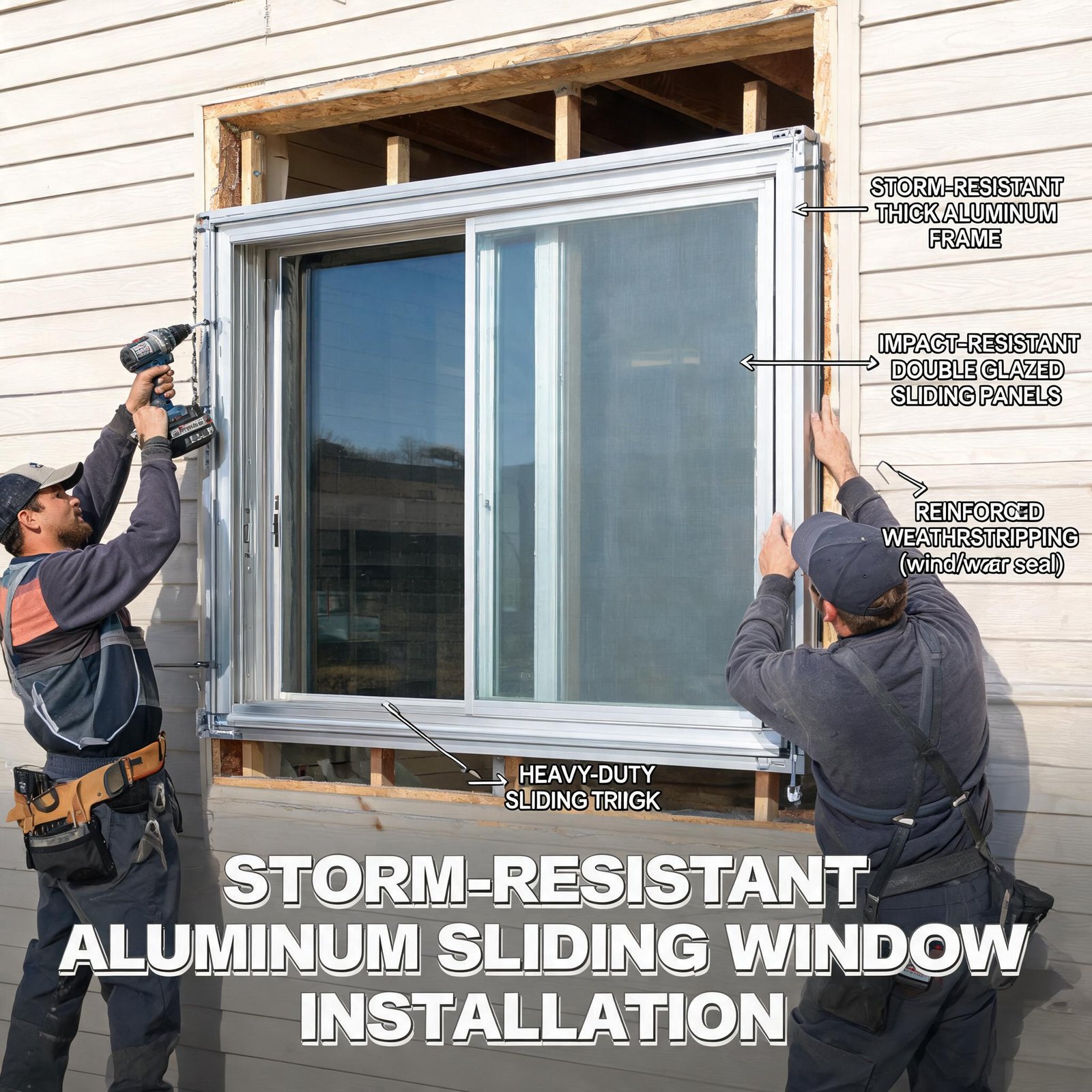
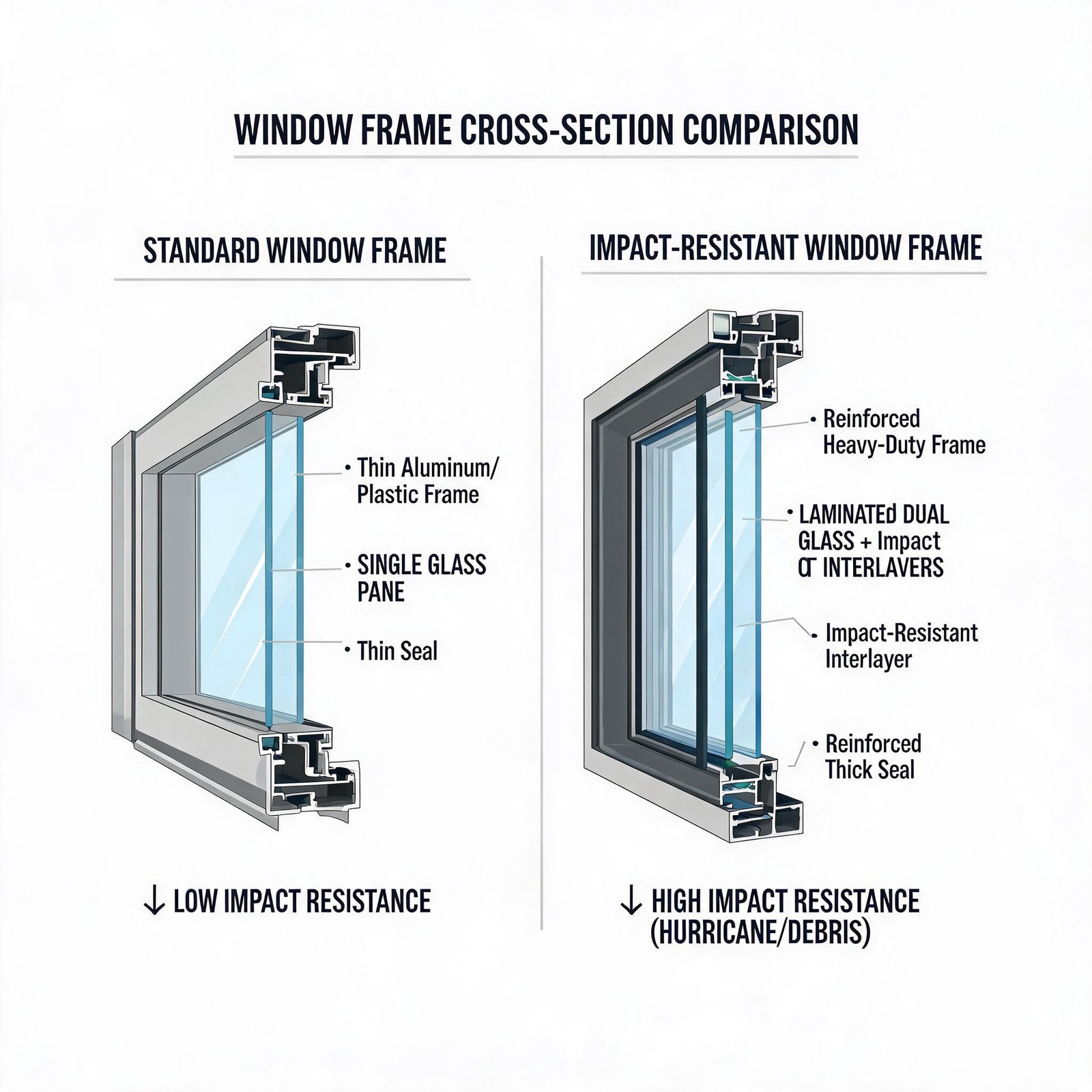
Their impact-resistant storm hung windows are built with extruded aluminum frames reinforced with internal steel channels. The design pressure rating on these units starts at DP-70 and can reach DP-90 with optional reinforcement. That’s the difference between a window that breaks and one that blunts a 15-pound piece of debris traveling at 70 mph.
But the real innovation is in the glass assembly. Superwindowhouse uses PVB (polyvinyl butyral) interlayers bonded between two panes of heat-strengthened glass. Unlike standard annealed glass that shatters into shrapnel, this laminated assembly crack-crazes but stays intact. The PVB layer absorbs energy, redistributes impact forces, and maintains the pressure barrier.
And here’s the kicker for Massachusetts homeowners: all their permanent windows come with NFRC certification and AAMA 2605-compliant finishes. That means no coating degradation, no warranty voiding, and full eligibility for any available tax credits or insurance discounts.
You can explore their full lineup of energy-efficient solutions here:
energy-efficient vinyl sliding windows with laminated glass
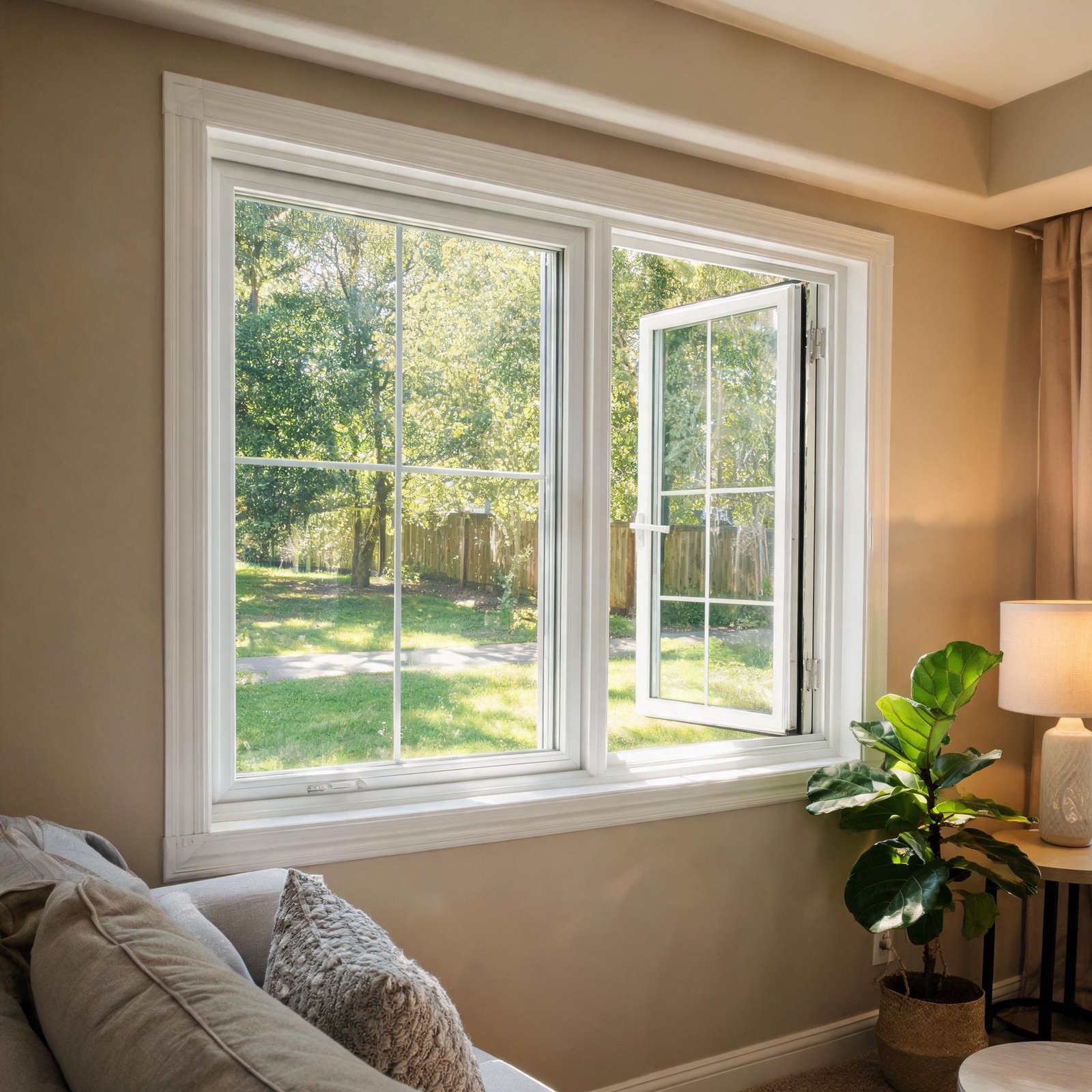
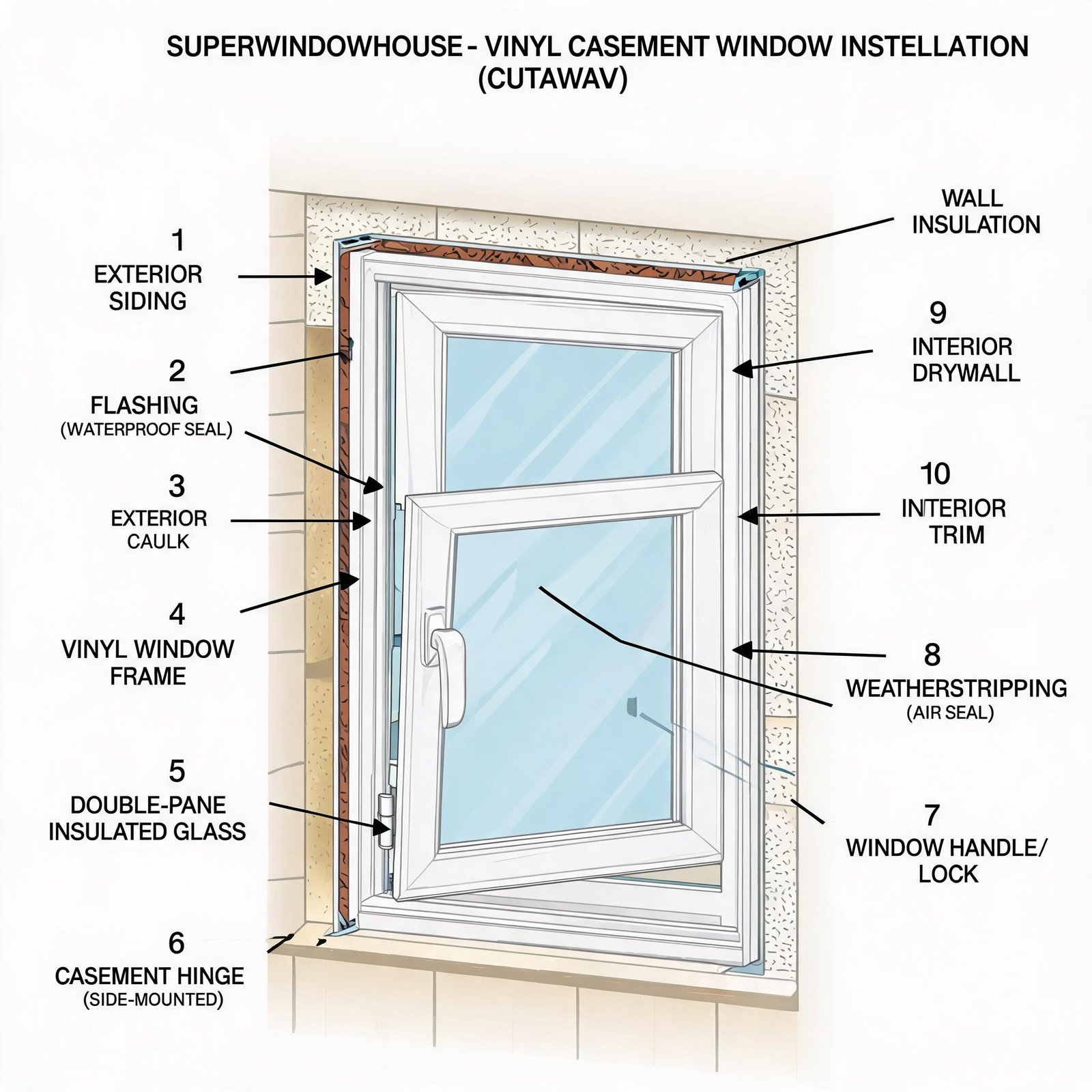
For homeowners who want a more traditional look with modern protection, the high-performance vinyl casement windows offer multi-chamber frames and compression seals that exceed ASTM E1886 impact requirements. These units are rated for air infiltration of less than 0.01 CFM per square foot—meaning zero drafts, even when the wind outside is screaming.
High-performance vinyl casement windows with tornado-rated glazing
And if you need a sliding window that doesn’t compromise on structural integrity, their slim profile tilt-in vinyl double hung windows combine classic operation with multi-point locking and stainless steel reinforcement. No one wants to board up a slider.
Slim profile vinyl double hung windows with impact-rated glass
Installation Best Practices for Tornado-Resistant Windows
Even the best window fails if the install is lazy. Here’s what I check on every job:
1. Rough Opening Verification
Measure diagonally from corner to corner. If the difference exceeds 1/8 inch, you have a parallelogram, not a rectangle. Impact windows don’t self-cancel out-of-square openings. Order custom shims or reject the prep.
2. Flashing Sequence
Use a fluid-applied flashing membrane over the frame before you set the window. The Nail Fin must sit flush against the sheathing with no gaps. Tape the top flange last—water sheds downhill. Every pro I know has pulled a window off a job because the homeowner thought “caulk was fine.” It’s not.
3. Anchorage to Structure
Standard windows use screws every 16 inches. For tornado-rated units, the manufacturer specifies 6-inch centers. Use #10 stainless steel screws through the jambs into studs. Countersink washers prevent frame distortion.
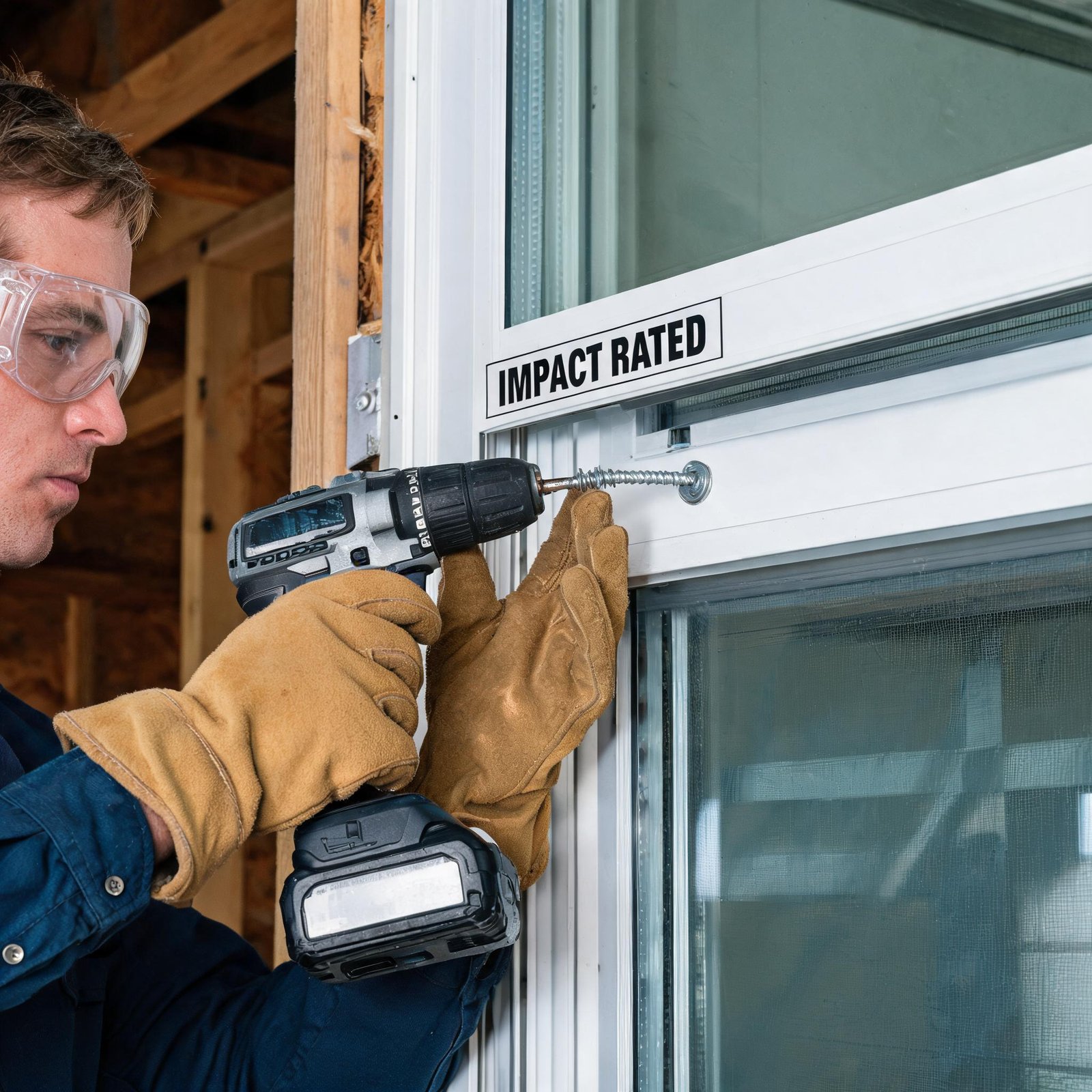
B2B Questions Every Contractor Should Ask
Q: Can I retrofit tornado windows into an existing opening without replacing the frame?
In most cases, no. Tornado-rated windows require structural connection to the rough opening frame. Adding laminated glass to an old vinyl frame creates a shear mismatch—the glass stays, the frame detaches. Always replace the unit.
Q: How does U-factor relate to tornado resistance?
Directly. Higher-performance windows use triple-glazing or low-E coatings that reduce U-factor to 0.27 or lower. The same gas fills and spacers that improve insulation also dampen sonic vibration from wind loading. Better energy performance equals better structural damping.
Q: What’s the lead time for custom NAFS-rated tornado windows?
Superwindowhouse guarantees 4 to 6 weeks for custom sizes—even for complex jamb depths and integral blinds. That’s 50% faster than the industry average. Ask for shop drawings before production begins.
Q: Do I need engineer-stamped drawings for permit?
In Massachusetts, yes. The 9th Edition of the Massachusetts State Building Code requires structural calculations for windows in Wind Zone II areas. Superwindowhouse provides stamped drawings with every custom order.
Final Word: Don’t Wait for the Siren
A tornado warning is not a suggestion. It’s a countdown. Every hour you delay upgrading is an hour your home is exposed to catastrophic failure. Standard windows are a liability. Laminated glazing, extruded aluminum frames, and PVB interlayers are the difference between shelter and wreckage.
Superwindowhouse isn’t just a manufacturer. They’re a partner who understands that when the air goes still and the sky turns green, your windows need to hold. They’ve engineered their products for that single moment.
Secure your home before the warning turns into a direct hit. Visit superwindowhouse.com today and get a quote for tornado-rated windows that meet Massachusetts code and your peace of mind.