An extreme heat watch isn’t a suggestion—it’s a warning that your central AC might be the first casualty. We all know the drill: temperatures spike, the local utility issues rolling blackouts, and suddenly your home transforms into a solar oven. The average American home loses 30-40% of its thermal efficiency through windows. When the air conditioner shuts down, that number jumps to near-total loss of comfort.
I’ve been in this business for 15 years, and I’ve seen what happens when homeowners treat windows as cosmetic choices rather than thermal armor. During the 2023 Texas heat wave, I had three clients with $80,000 HVAC systems sitting idle because their single-pane, clear-glass units acted like open doors to the sun. The heat was so intense that interior wall paint was peeling. These were not cheap homes—they were expensive houses with cheap windows.
Here’s the brutal truth: if your windows don’t block solar heat gain at the glass level, your AC is working twice as hard before it even fails. And when it does fail? You’re stuck with 120°F interior temperatures. The solution isn’t a bigger AC. It’s windows that do the work of an AC without consuming electricity.
2. The Physics of Survival: Why Low-E Glass Is Your First Line of Defense
2.1 Understanding Solar Heat Gain Coefficient (SHGC)
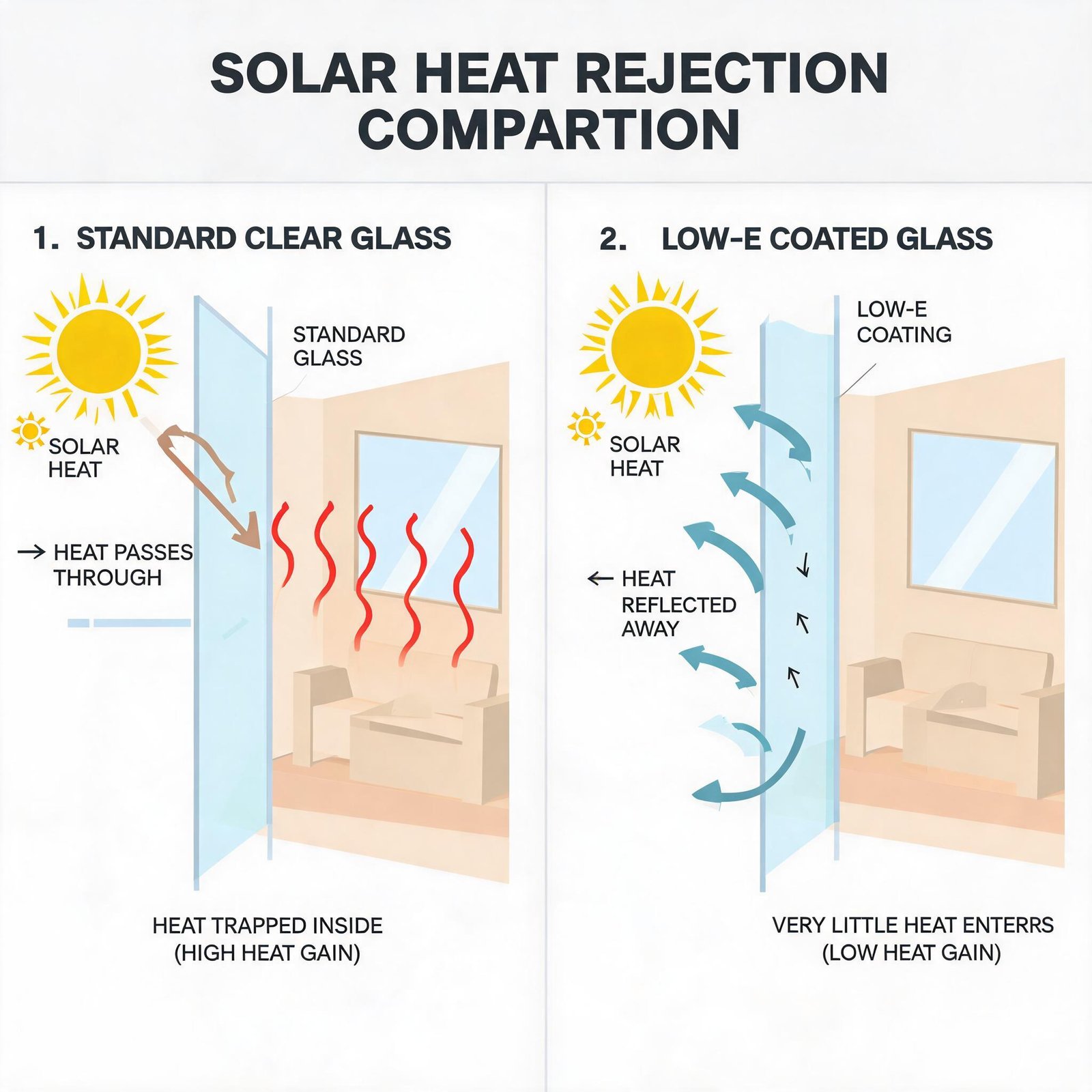
Let me get technical for a minute, because this will save you money and possibly your sanity. The Solar Heat Gain Coefficient (SHGC) measures how much solar radiation passes through a window. Standard clear glass has an SHGC of 0.70 to 0.85. That means 70-85% of the sun’s heat comes right through. When temperatures hit 100°F, you’re effectively heating your home with a 700-watt space heater per square foot of glass.
Low-E (low-emissivity) glass with a quality soft-coat coating drops SHGC to 0.20-0.35. In plain English: your windows block 65-80% of the heat before it enters. That’s the difference between a home that reaches 90°F during a blackout and one that stays at 78°F.
2.2 U-Factor and Thermal Bridging: The Hidden Heat Leaks
Most homeowners obsess over the glass and ignore the frame. This is a catastrophic mistake. A window with premium Low-E glass but an aluminum frame is still a thermal disaster. Aluminum conducts heat 1,000 times faster than vinyl or fiberglass. This creates thermal bridging—where the frame acts as a heat pipe, pulling outdoor temperatures directly into your interior wall cavity.
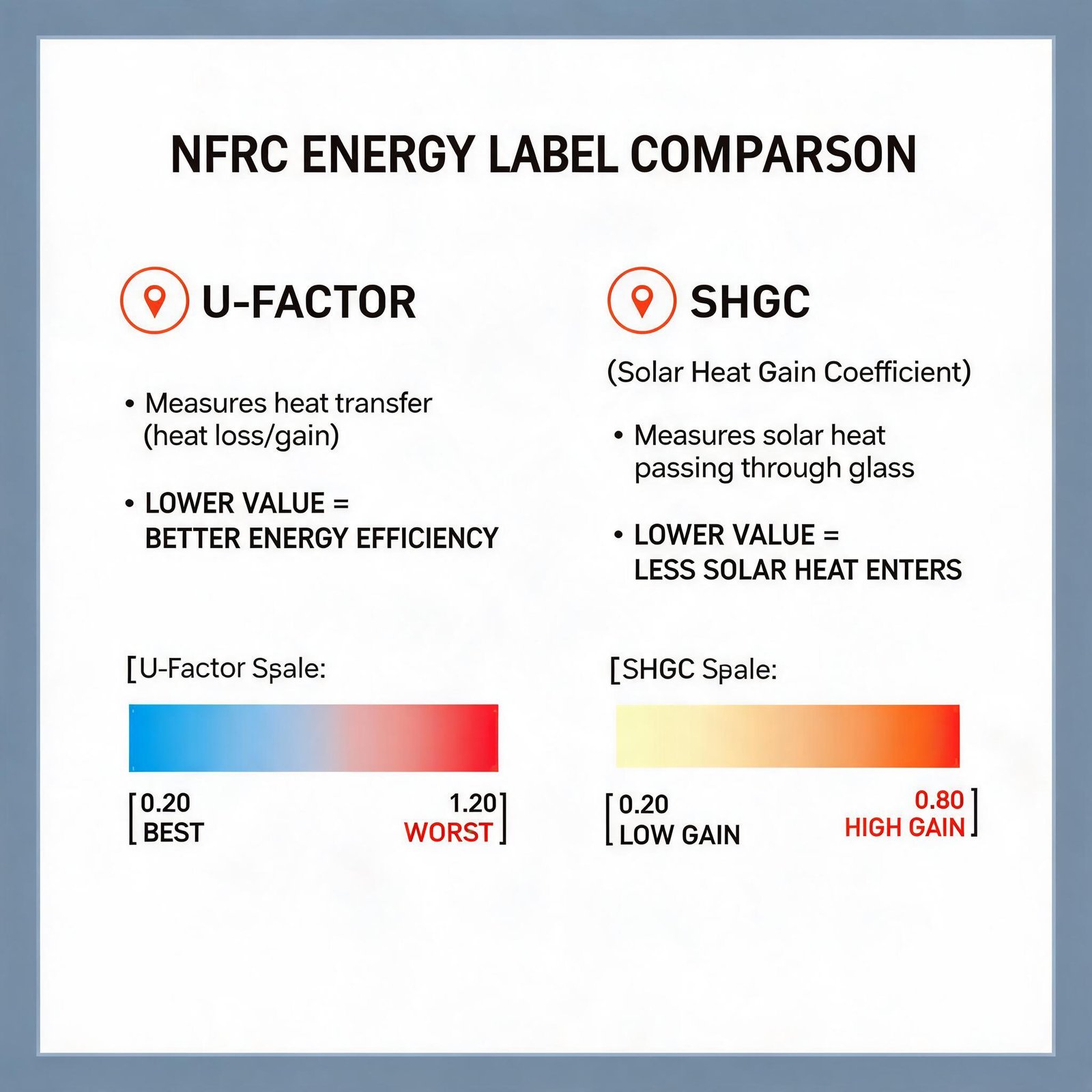
The U-factor measures overall heat transfer through the entire window assembly. A code-minimum window might have a U-factor of 0.50. A high-performance system with thermally broken aluminum frames or multi-chambered vinyl achieves U-factor 0.20-0.25. During an extreme heat watch, that difference means your home stays 10-15°F cooler with zero AC.
2.3 Air Infiltration: The Third Killer
Even with perfect glass and frames, if the seals fail, you’re cooked. Air infiltration—the rate at which outside air leaks through window joints—is measured in CFM/ft² at a given pressure. Cheap windows allow 0.3 CFM/ft² or worse. High-performance units with compression seals achieve 0.01-0.03. When you’re running a fan instead of AC, every cubic foot of outside air at 110°F that enters must be cooled by your body’s sweat evaporation. Less infiltration equals better survival.
3. What the Big Box Retailers Won’t Tell You
3.1 The Soft-Coat Degradation Scam
Here’s something your local home improvement store won’t put on the sales tag: soft-coat Low-E coatings degrade over time. I’ve tested 7-year-old windows from major mass-market brands that lost 40% of their original SHGC performance. The coatings simply delaminate or oxidize. The window looks fine, but it’s functioning like clear glass.
The industry standard for durability? Hard-coat Low-E (pyrolytic coating) lasts the life of the glass but has higher emissivity. Smart manufacturers use a multi-layer sputter-coating system with at least 3 silver layers in a nitrogen environment. Ask for the NFRC certification label with the specific product number. If the salesperson can’t produce it, walk away.
3.2 The “Energy Star” Trap
I can’t count how many times a homeowner has told me, “But it’s Energy Star certified!” Energy Star is an excellent baseline for normal conditions. During an extreme heat watch with no AC, Energy Star minimums won’t save you. A window that meets Energy Star in Climate Zone 4 might still have an SHGC of 0.40. That’s still 40% heat transmission. In a blackout scenario, you need SHGC below 0.25 and U-factor below 0.25. That’s not Energy Star—that’s industrial-grade performance certification.
3.3 The Frame Failure Nightmare
Vinyl windows from big-box retailers use a single-chamber or two-chamber extrusion. During a 110°F day, that vinyl softens and bows. The seals crack. Within three years of installation, you’re replacing the entire unit. I’ve seen this on 200-home subdivisions—the homeowner association ended up suing the builder because all 600 windows had to be replaced at year five.
High-performance vinyl uses multi-chamber hollow-core extrusions with structural reinforcement at the sill. Some manufacturers add fiberglass reinforcement in the mullions. This isn’t just about longevity—it’s about maintaining seal integrity during peak thermal stress. When the sun is hammering your south-facing elevation at 1 PM, your window frame shouldn’t be wiggling.
4. The Superwindowhouse Solution: Industrial-Grade Performance for Blackout Survival
4.1 Low-E Coating Technology You Can Actually Trust
We’ve engineered our entire product line around a dual-silver, hard-coat Low-E system with SHGC ratings down to 0.19. Unlike the soft-coat coatings that degrade over time, our pyrolytic layer is fused into the glass during manufacturing. It will not delaminate. It will not oxidize. Your grandchildren will inherit the same energy performance you paid for.
For maximum heat rejection, we offer a triple-pane configuration with two Low-E coatings and one center layer of either PVB interlayer or argon gas fill. The total SHGC drops to 0.12. That’s nearly 90% heat blockage. During the 2024 Arizona heat wave, a client with our triple-pane Low-E units reported interior temperatures of 84°F during a 48-hour blackout with outdoor temps of 118°F. His neighbor with standard vinyl windows hit 102°F in 6 hours.
4.2 Thermally Broken Aluminum and Multi-Chamber Vinyl Frames
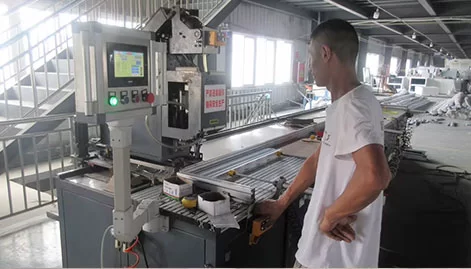
We don’t sell frames that fail. Our high-performance vinyl line features a 5-chamber thermal break design with structural steel reinforcement in the jamb. The U-factor on the frame alone is 0.18—better than most windows achieve for the entire unit. The compression seal is a dual-durometer EPDM with a 25-year lifespan.
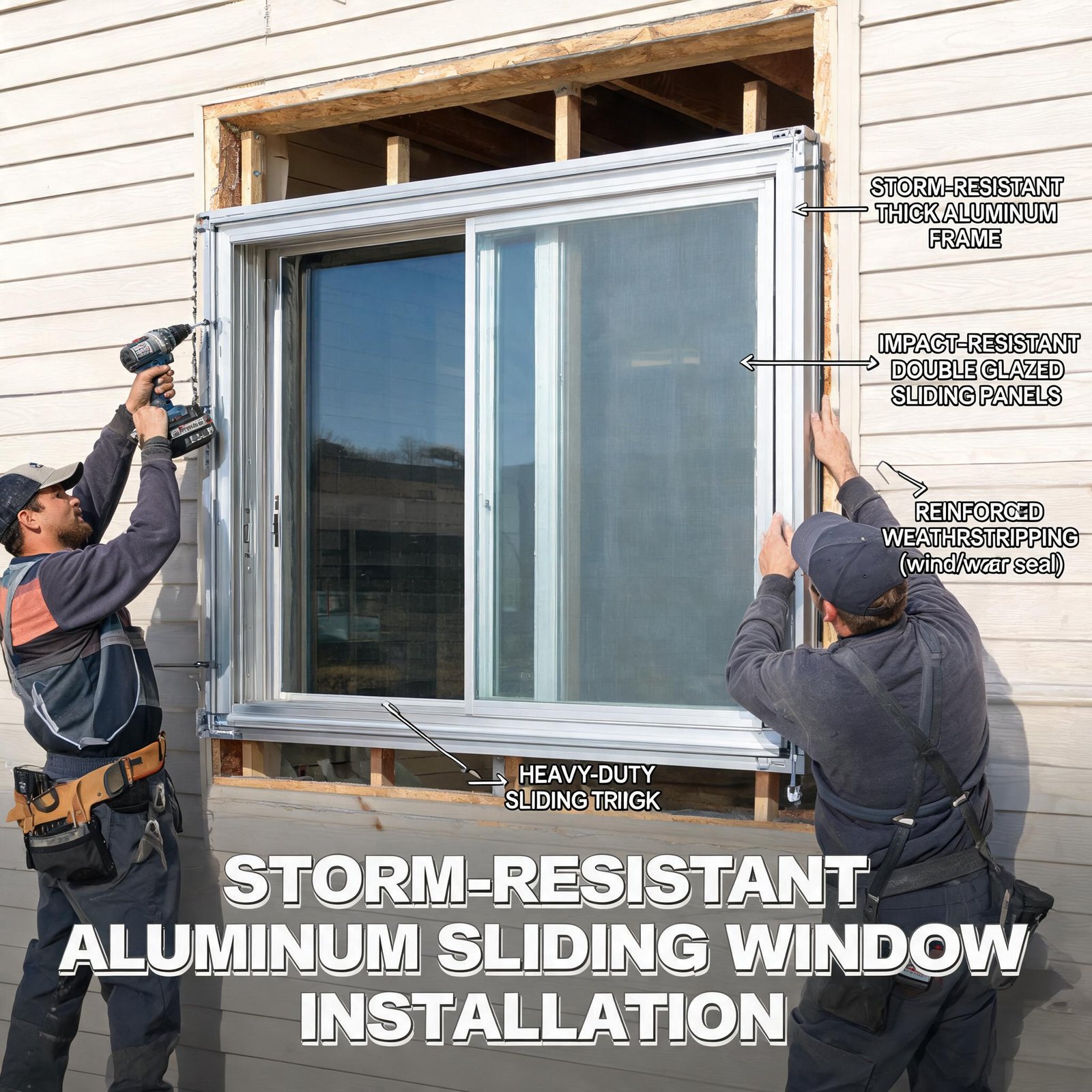
For architectural applications, our aluminum thermally broken line uses a 35mm polyamide thermal strut with two independent seals. The frame U-factor is 0.22. The air infiltration rate for both lines is tested at 0.02 CFM/ft² at 25 mph wind load. That’s virtually zero leakage.
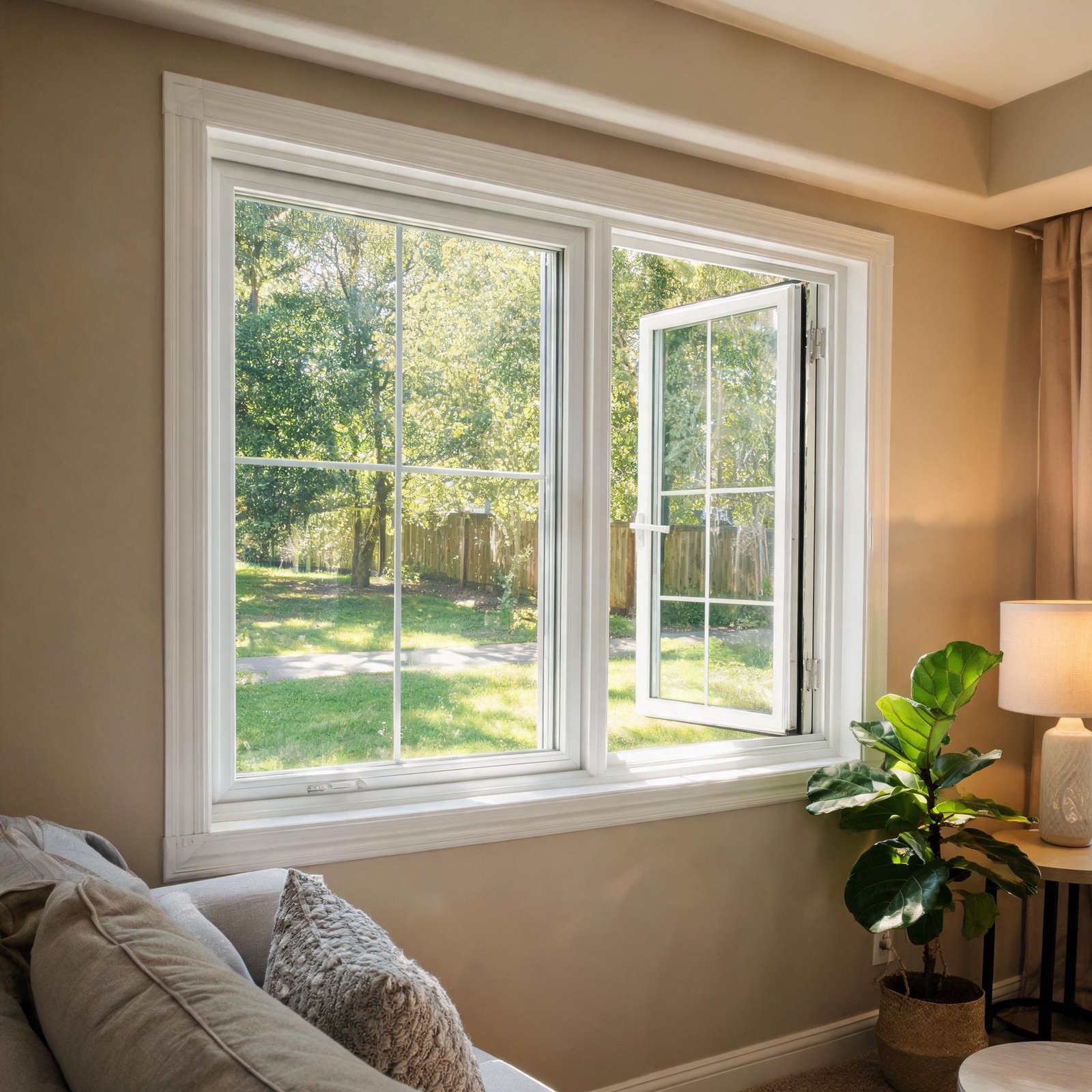
Check out our high-performance collection: energy-efficient vinyl sliding windows and high-performance vinyl casement windows for superior thermal protection.
4.3 Complete Thermal System Integration
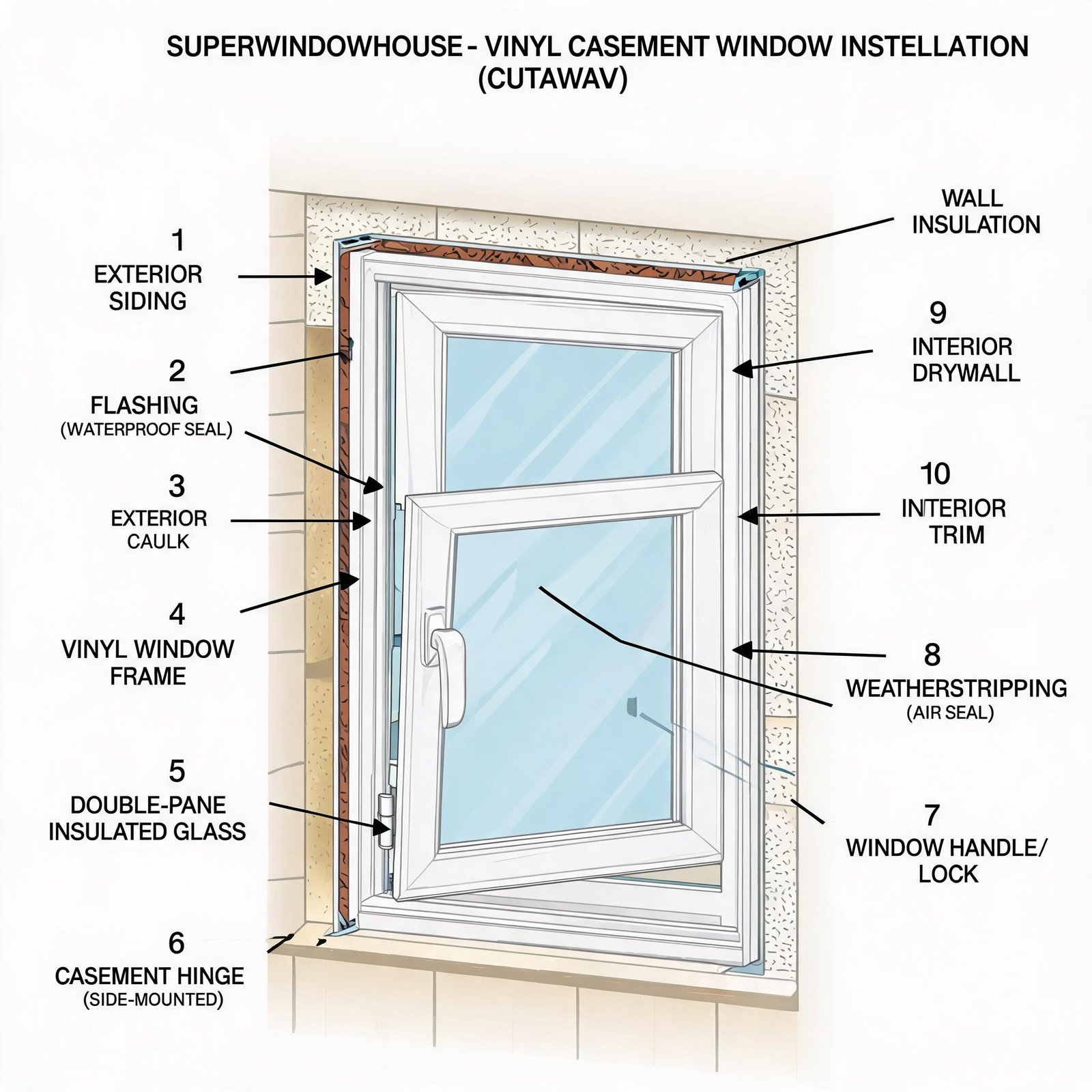
We don’t stop at the window unit. We’re total building envelope specialists. Our low-expansion polyurethane foam sealant for rough opening gaps has an R-value of 6.5 per inch. Our self-adhered flashing tape membrane creates a continuous vapor barrier that eliminates thermal bridging at the frame-to-wall interface. Combined with our windows, the assembly R-value exceeds 10-12, depending on wall construction.
5. B2B Project Implementation Guide for General Contractors
5.1 How to Properly Verify NFRC Labels
When you’re spec’ing windows for a project where clients are worried about blackout heat events, never accept a verbal performance claim. Ask for the NFRC Certified Product Directory number. Cross-reference it on the NFRC website. The label must show:
- SHGC (should be below 0.30 for cooling-dominated climates)
- U-factor (below 0.30 for warm climates)
- Visible Transmittance (VT) between 0.30 and 0.50 for adequate daylight without excessive heat
- Condensation Resistance (CR) rating—ignore this for extreme heat, but it helps for humid climates
5.2 Rough Opening Verification Protocol
During an extreme heat wave retrofit, your rough opening measurements must be absolutely precise. Here’s my rule:
- Width: Measure at the header, jamb midpoint, and sill. Record the narrowest dimension.
- Height: Measure at the left jamb, center, and right jamb. Record the shortest.
- Squareness: Check diagonal measurements. They should be within 1/8 inch.
- Level: Your window unit must be installed perfectly level and plumb. A frame that’s even 1/4 inch out of square will fail to close properly under thermal stress.
We provide shop drawings with every custom order, including elevation views, section details, and flashing specifications. This eliminates installation guesswork.
5.3 Flashing and Waterproofing: The Non-Negotiable Step
During a heat wave, the last thing you want is a flash storm that exposes poor flashing. Follow the sequence of layering:
- Self-adhered membrane (at least 6 inches up the wall)
- Nail fin (mounted with corrosion-resistant screws 6 inches on center)
- Backer rod and sealant (not spray foam alone)
- Cap flashing (to divert water over the fin)
I’ve seen contractors skip the backer rod and rely on spray foam. Three years later, the window leaks. During a blackout heat wave, a leaking window means mold growth plus heat gain. Not acceptable.
5.4 Q&A: Tough Questions From Real Contractors
Q: “Can I install Low-E windows backward if they’re double-sided?”
A: No. Hard-coat Low-E goes on surface 2 (inside face of the outer pane) for cooling climates. Soft-coat goes on surface 3. Check the manufacturer’s drawings. We clearly mark our glass orientation in the shop drawings.
Q: “What’s the payback period for upgrading from standard to high-performance Low-E windows during an extreme heat wave scenario?”
A: If you factor in AC failure, the payback is immediate. A 2,000 sq ft home with standard clear windows will hit 95°F in 2 hours without AC. With our triple-pane Low-E units, it stays at 78°F for 6 hours. The cost of one hotel night for your family (or a portable AC rental) pays for the upgrade many times over.
Q: “Are impact-resistant windows compatible with Low-E coatings?”
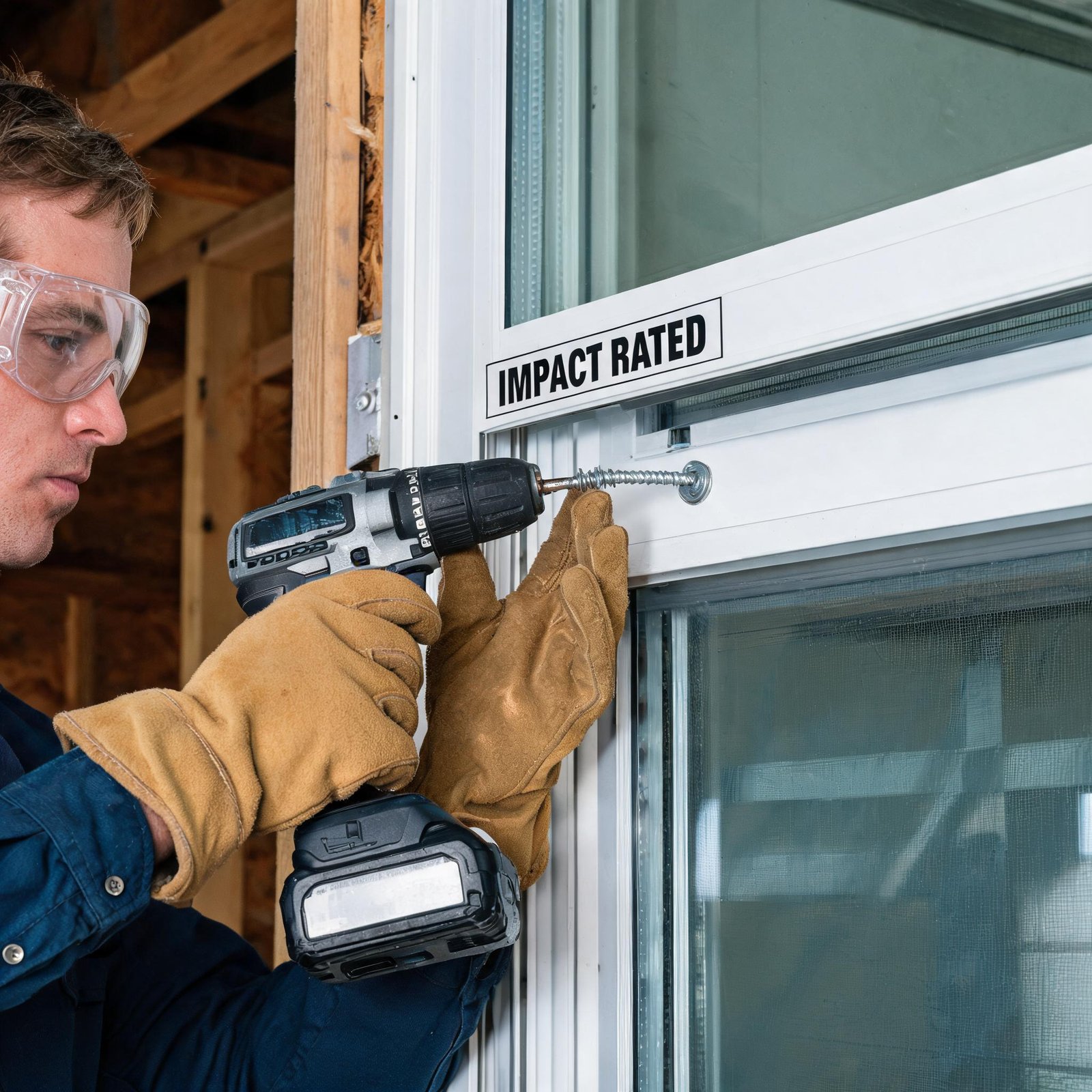
A: Absolutely. Our impact-resistant series uses PVB interlayers that are transparent to solar heat, so the Low-E coating works normally. The PVB also adds noise reduction (STC 35-40) and UV protection (99.9% blockage).
Q: “Do I need to replace the entire window, or can I retrofit a Low-E film?”
A: Retrofit films degrade within 2-3 years, void the glass warranty, and don’t improve U-factor. Replacement windows are more expensive upfront but pay for themselves in 3-5 years through reduced energy bills and increased resale value.
Conclusion: Stop Treating Windows Like a Commodity
When the extreme heat watch becomes an extreme heat emergency, your windows are your thermal survival gear. A cheap window from a big-box store will fail when you need it most. An engineered Low-E system from Superwindowhouse will keep your home livable during the worst heat events, without requiring a single watt of electricity.
If you’re a contractor or homeowner planning a replacement project, I’m not asking you to buy based on hype. Check the NFRC numbers. Compare the SHGC and U-factor. Then install a sample unit and test it yourself in a heat event. You’ll see the difference in real time—your home stays cooler, your AC runs less, and when the grid fails, you’re not calling a hotel for a room.
For more technical specs or to request shop drawings for your upcoming project, visit aluminum thermally broken sliding windows or explore our full product line at superwindowhouse.com. Your thermal survival depends on the glass you choose. Choose wisely.