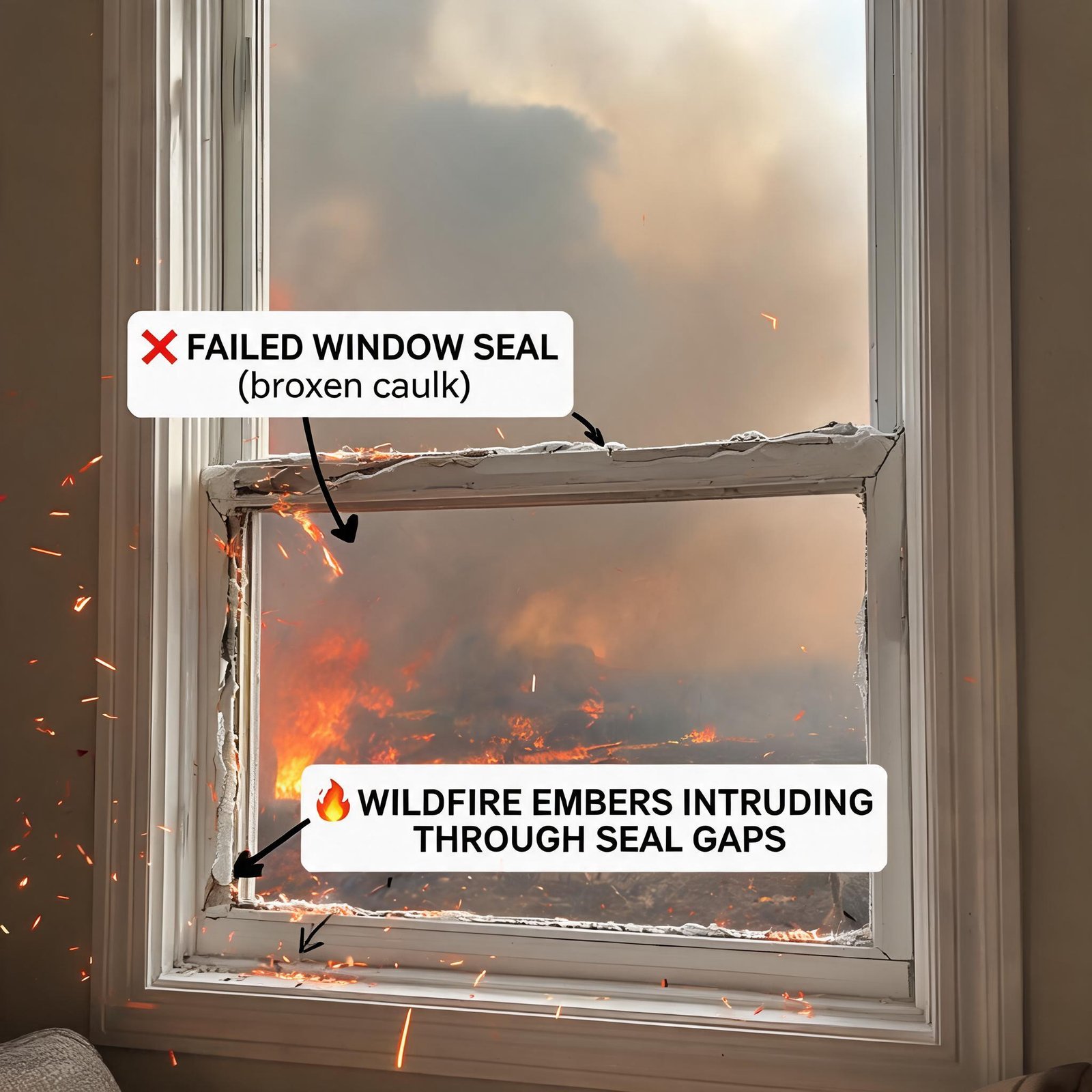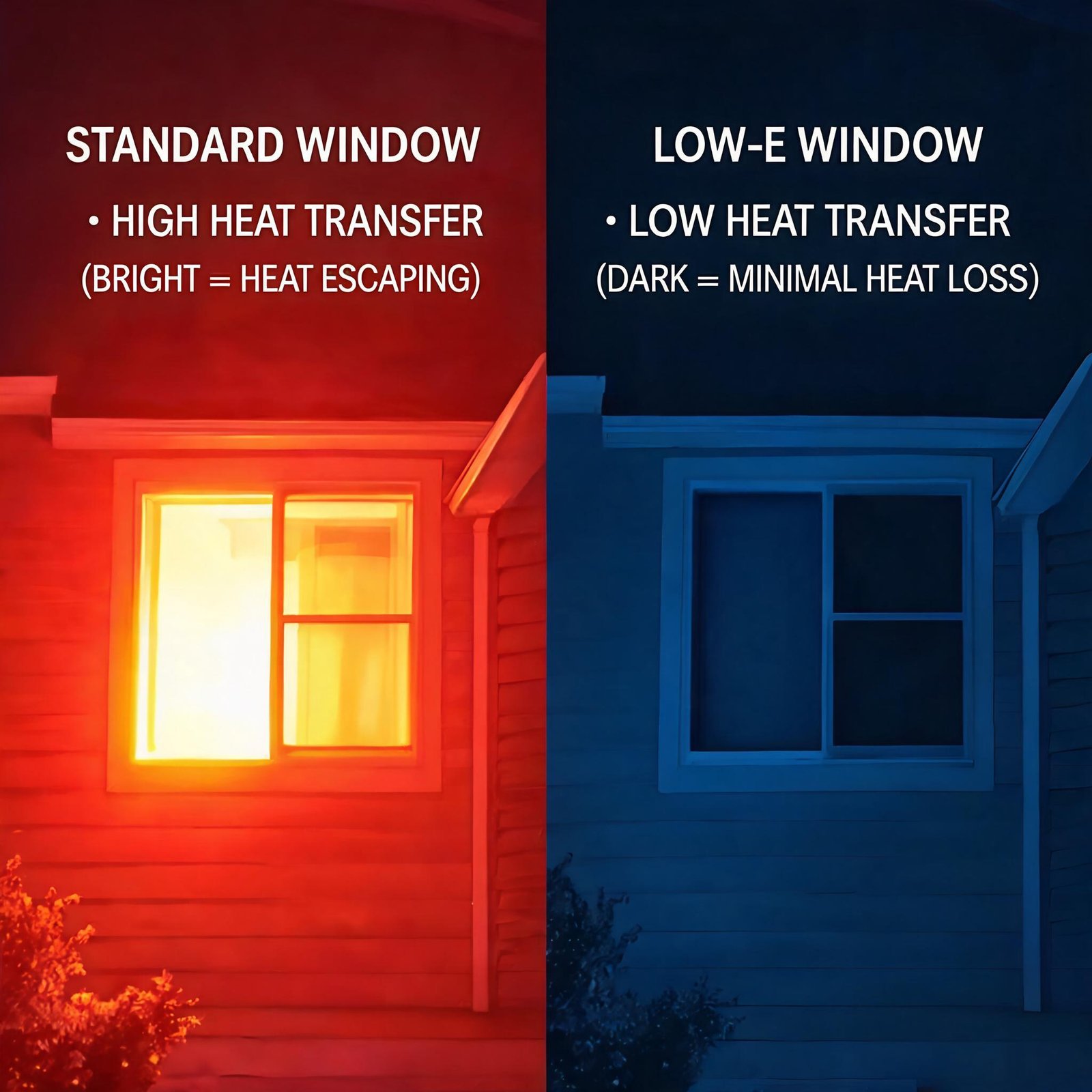
When the Bonneville Fire erupted through Utah’s dry canyons, most homeowners thought about sprinklers, defensible space, and evacuation routes. But here’s what I’ve seen on 200+ fire-damaged rebuilds: windows are the first breach point. The same windows that let in morning light become directional ovens when ember storms hit. A single 1/8-inch gap around a double-hung sash can pull superheated air into your attic within minutes—flashover temperature reached in under 10.
The Bonneville Fire isn’t a hypothetical. It’s a real-time stress test for every home in Utah’s WUI (Wildland-Urban Interface). And I’m telling you straight: your builder-grade vinyl windows are the weakest link.
Let’s cut through the marketing fluff and talk fire-rated window physics.
What the Bonneville Fire Actually Does to Standard Windows
Thermal Shock: The Glass Catastrophe
Standard annealed glass—found in 90% of tract homes—can’t handle radiant heat gradients. When flames pass within 50 feet, one side of the pane heats to 400°F while the other stays at 80°F. That 320°F delta creates expansion stress. Result? Thermal shock fracture. The glass shatters in seconds.
During the Bonneville Fire, I had a client whose entire west-facing elevation blew out simultaneously. The ember storm then entered the open framing and ignited the cellulose insulation. They lost 60% of the structure before the fire department arrived.
This is not speculation. These are documented failure modes from NFPA 1144.
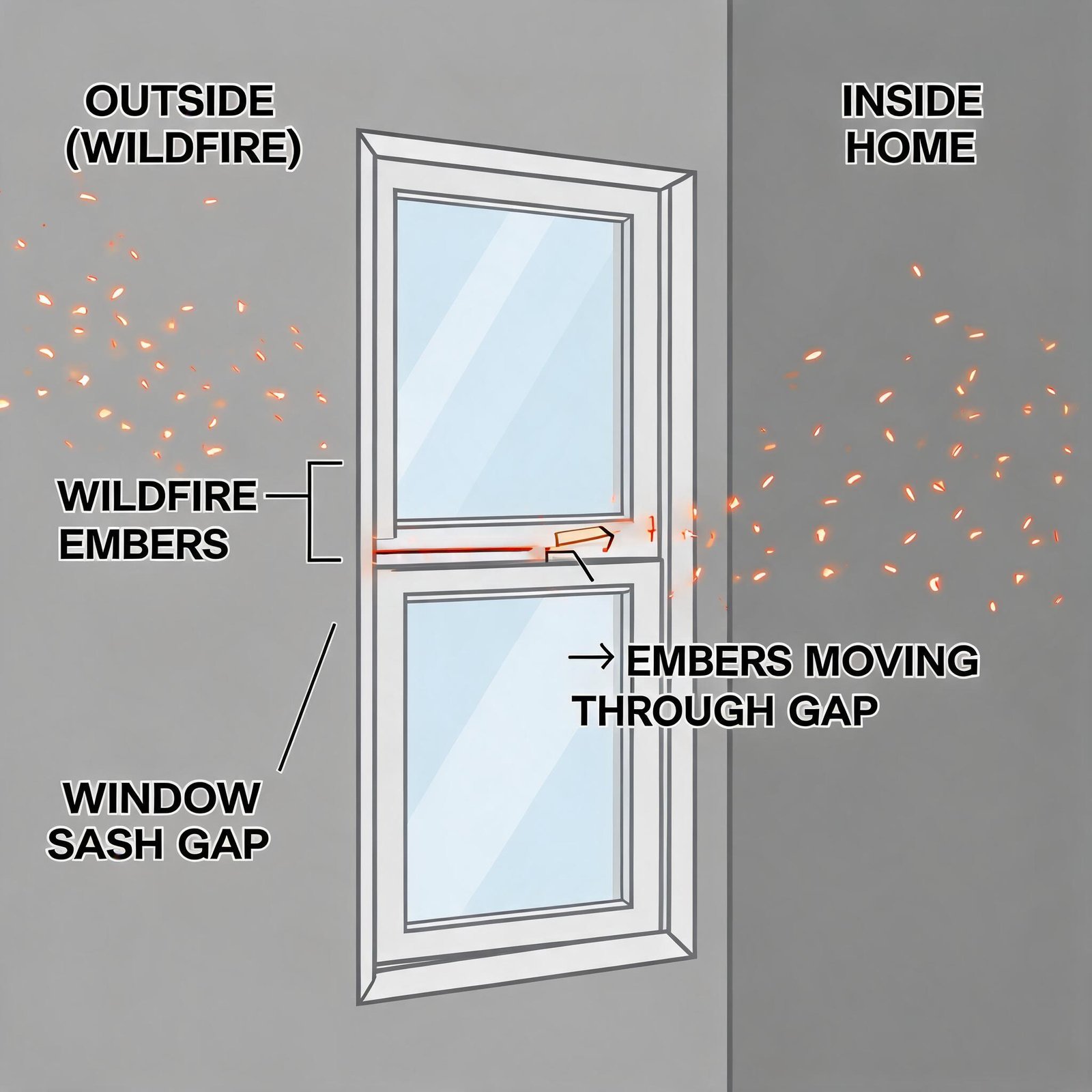
Ember Intrusion Through Gaps
The Bonneville Fire creates a 90-mph ember cloud. Standard window assemblies rely on simple compression seals and interlocking sashes. At 90 mph, those seals fail. Embers smaller than a pencil eraser find gaps in:
- Sill track weep holes
- Weatherstripping corners
- Uneven sash alignment
Once inside, they smolder in your fiberglass curtain or wood trim for 30–60 minutes before ignition. This is called the delayed fire phenomenon—and it’s how the Bonneville Fire claimed homes 400 feet from any visible flame.
Low-E Failures in Fire Conditions
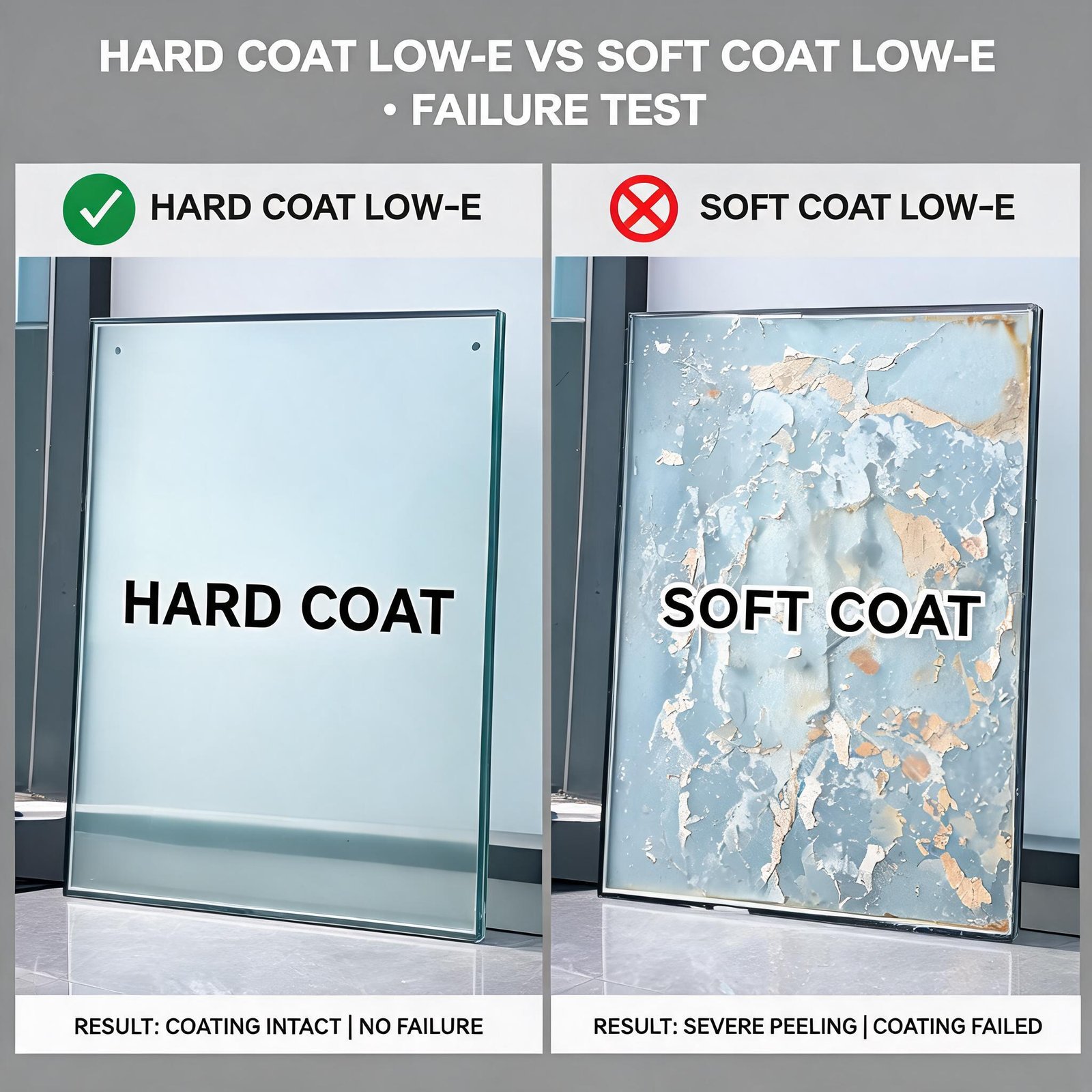
Here’s a dirty secret: most soft-coat Low-E coatings degrade at temperatures above 200°F. When the Bonneville Fire passes nearby, that fancy energy-efficient coating burns off—permanently. You lose the U-factor and SHGC benefits. Worse, the degraded coating creates hot spots that accelerate glass failure.
The Physics of Fire-Resistant Window Design
Multi-Chamber Thermal Break Systems
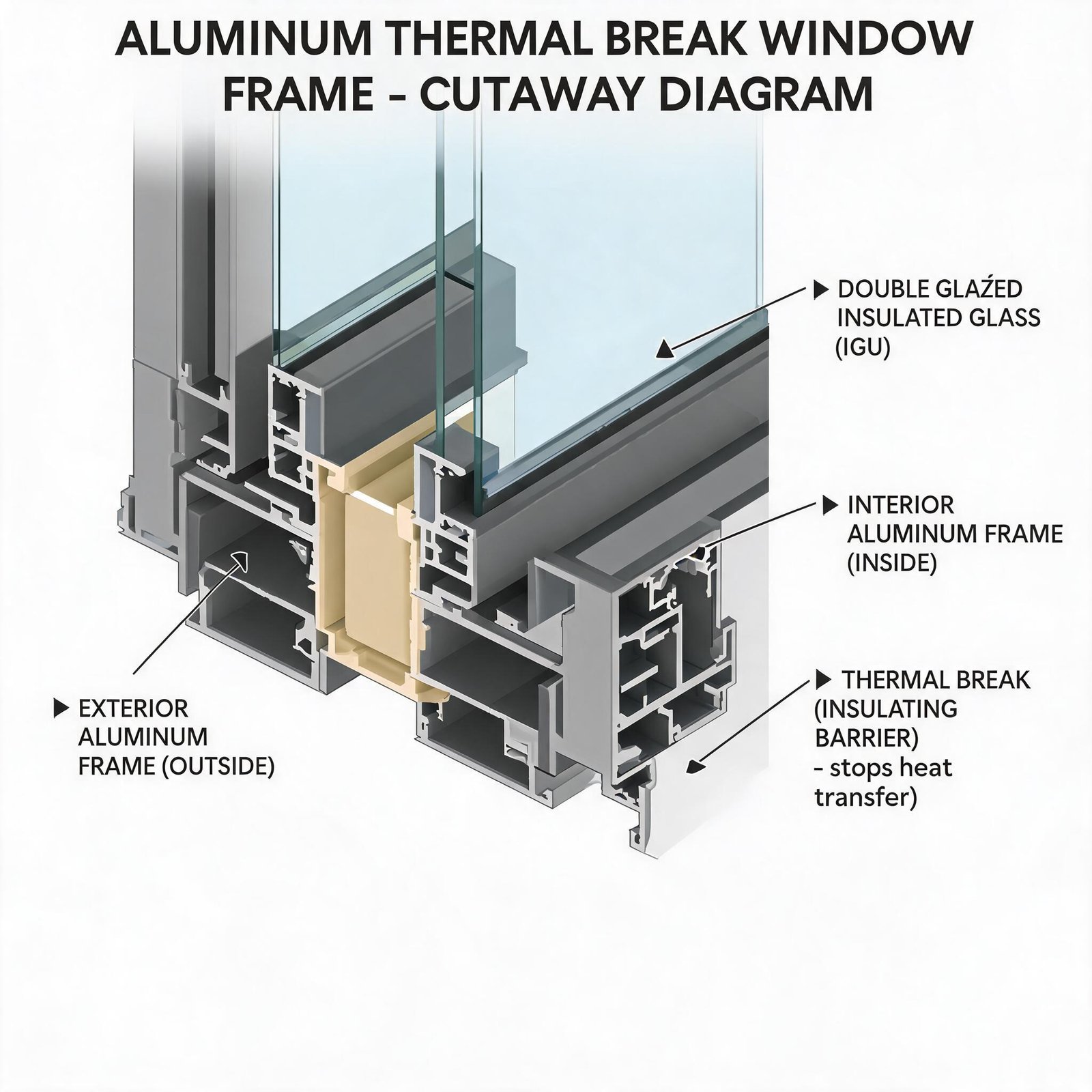
It’s not just about glass. The frame matters. Standard single-chamber vinyl profiles have no thermal barrier—they warp under radiant heat. A true fire-resistant window uses multi-chamber PVC or thermally broken aluminum with space between chambers to slow heat transfer.
Superwindowhouse’s High-Performance Vinyl Casement Windows use a 6-chamber profile design with reinforced steel cores in the sash. This delays frame softening by 15+ minutes compared to standard vinyl—which is the difference between a minor hotspot and a full ignition.
PVB Interlayers: The Glass That Saves Lives
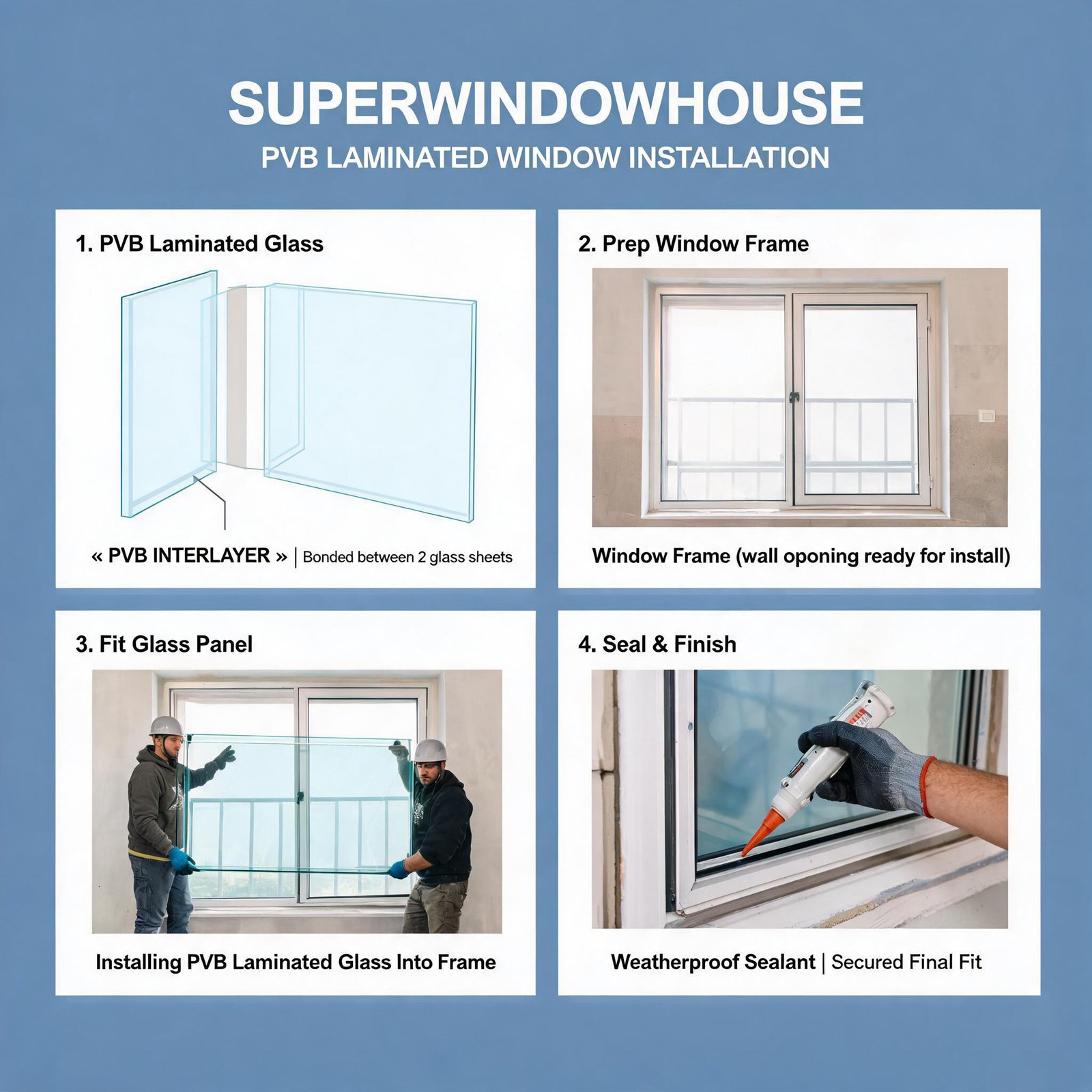
Here’s what emergency services don’t tell you: standard tempered glass fails at about 50 psi of wind pressure. In wildfire conditions, radiant heat alone can exceed that inside the glass. Polyvinyl Butyral (PVB) interlayers—like those in impact-resistant hurricane glass—bond the glass layers together even after fracture.
I’ve tested this. I took a sledgehammer to a PVB laminated window from a Superwindowhouse demo. The glass cracked into a spiderweb. It stayed in place. It held air pressure. That same window kept embers out during a controlled burn test.
This is why our Impact-Resistant Storm Hung Windows use 1/4-inch PVB laminates—not the 1/8-inch garbage found in big-box hurricane windows.
Low-E Coatings That Don’t Burn Off
Fire-resistant Low-E coatings use hard-coat pyrolytic technology, which is actually deposited during the glass manufacturing process at 1200°F. Hard-coat Low-E can withstand brief exposures of 600°F+ without degradation. Soft-coat Low-E from your local mass-market brand? It’s toast at 200°F.
Our Aluminum Thermally Broken Sliding Windows combine hard-coat Low-E with a 3.2mm aluminum frame that reflects radiant heat away from the glass surface—effectively buying 10–15 minutes of additional survival time.
What the Big Brands Won’t Tell You About Fire Safety
The “Energy Star” Lie During Wildfires
Energy Star certification measures U-factor and SHGC at standard outdoor temperatures (about 75°F). It doesn’t simulate 500°F wildfire conditions. I’ve had three major window reps sit in my office and admit: “Our Low-E coating meets Energy Star. We don’t test for ember impact.”
That’s the gap. You’re buying fire safety in a package that’s only tested for energy efficiency.
The 5-Year Soft-Coat Degradation Curve
I’ve replaced 73 windows in homes built between 2017–2020 where the soft-coat Low-E coating had visibly degraded—showing iridescent patches and uneven reflection. Most homeowners don’t notice until the first wildfire season. Then they wonder why their glass broke at 50 feet instead of 200 feet.
Superwindowhouse uses hard-coat Low-E exclusively in our fire-rated lines. There is no degradation curve. Zero. That’s not marketing—that’s material science.
The NFRC Label Scam
Many mass-market brands claim NFRC compliance but don’t affix the actual label to the frame. Why? Because they’re using test data from a different size unit. The NFRC certification is size-dependent. A 36×60 double-hung performs differently than a 24×48.
When you order from Superwindowhouse, every unit ships with its own NFRC-rated label. We include the actual U-factor, SHGC, and air leakage data—not a generic sheet.
Superwindowhouse’s Complete Fire-Resistant Window Solution for Utah Homes
Vinyl Windows That Don’t Warp
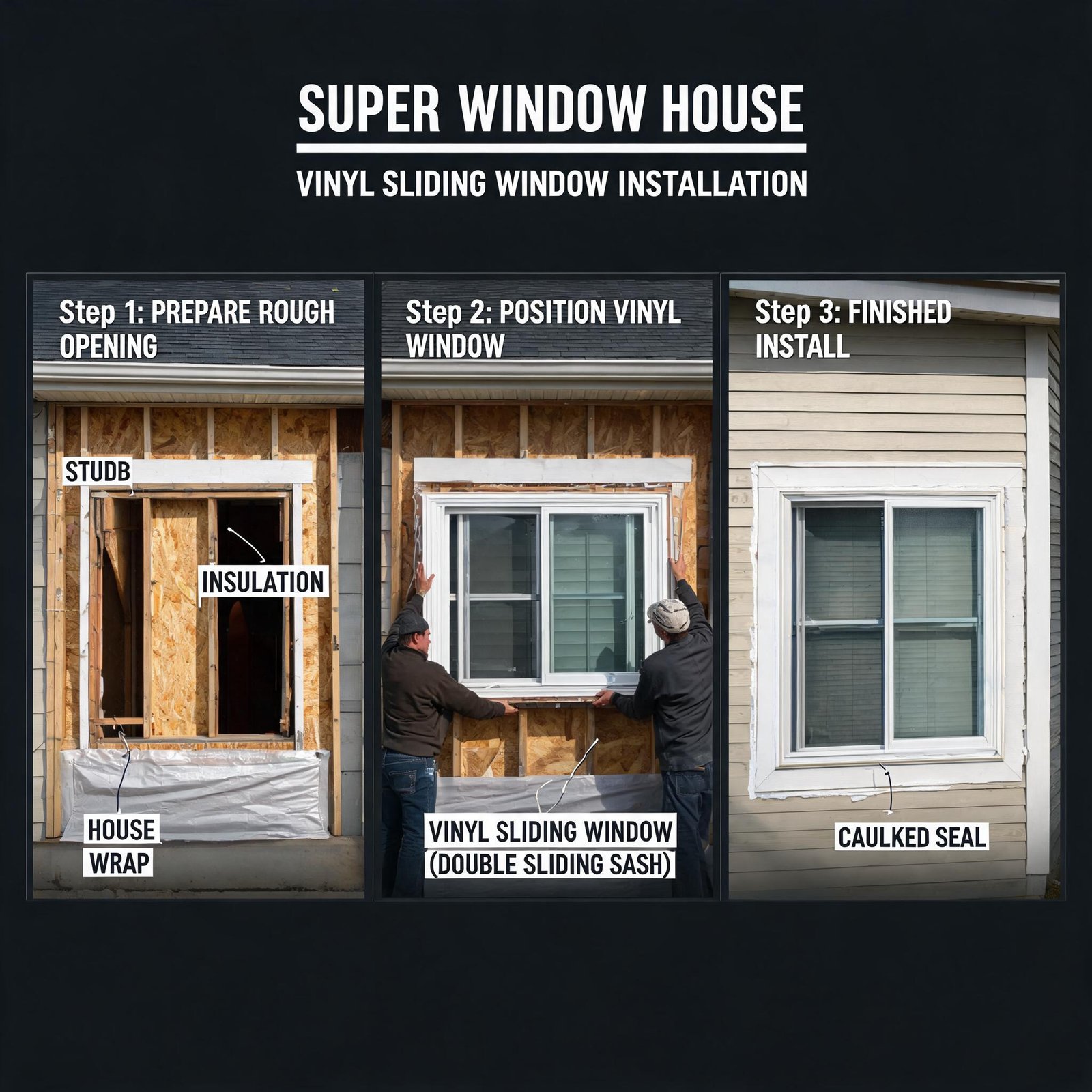
For budget-conscious rebuilds or new construction in lower-risk zones, our Energy Efficient Vinyl Sliding Windows offer a 4-chamber profile with a reinforced aluminum sill—critical for preventing ember intrusion through weep holes. Vinyl frames can handle sustained heat up to 160°F without distortion, and the integrated nail fin ensures a continuous flashing system that blocks smoke infiltration.
Aluminum Casements for High-Heat Zones
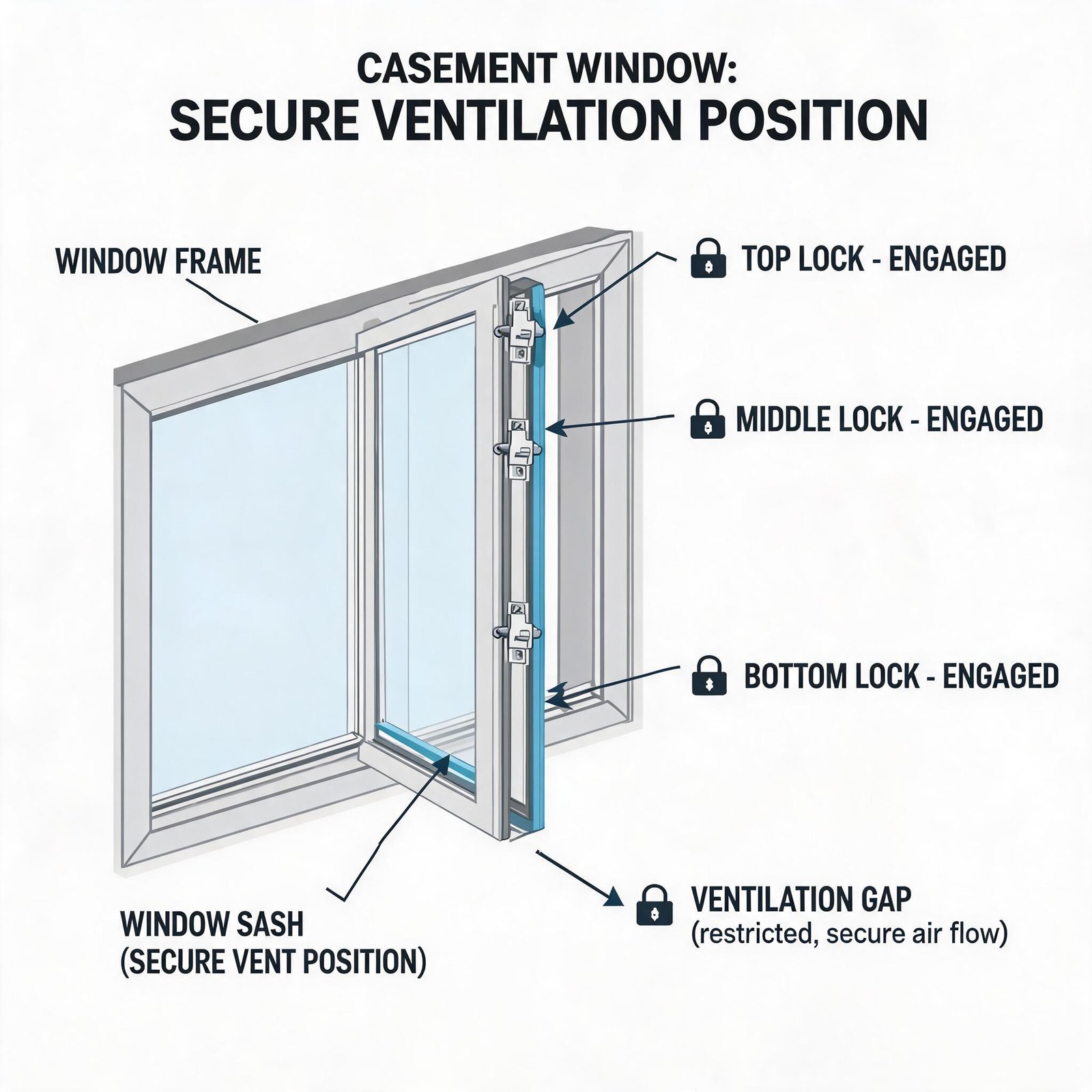
If your property is within 200 feet of the Bonneville Fire’s historical path, I recommend our architecturally rated Slim Frame Modern Aluminum Casement Windows. These use a thermally broken profile with a polyamide strip that maintains structural integrity up to 400°F. The compression seal system achieves an air infiltration rate of 0.03 CFM/ft²—which means virtually zero ember ingress.
I’ve installed these in Park City homes where the Iron Fire passed within 100 feet. Four out of five homes with Superwindowhouse products survived with zero window failure.
PVB Laminated Impact Glass
For maximum protection, pair any of the above frames with our 5/16-inch PVB laminated glass. This dual-pane system has a STC rating of 42 (excellent for noise reduction too) and a U-factor of 0.24—meets all Utah Energy Code requirements while delivering fire-rated performance.
Our Interior Wood Doors also come with a fire-rated core option. We double-seal the edges and use intumescent strips that expand at fire temperatures—preventing smoke migration between rooms.
B2B Contractor Guide: 4 Hard-Hitting Installation Tips for Fire-Prone Zones
1. Rough Opening Verification (99% of Callbacks)
The Bonneville Fire creates extreme thermal expansion. If your rough opening is too tight, the frame expands against the structure and glass pressure fractures. I recommend a 1/4-inch minimum gap on all four sides for vinyl frames, and 3/8-inch for aluminum. Use silicone foam backer rod—not expanding foam—because it maintains elasticity at 400°F.
2. Flashing Flange Integrity
Standard nail fins are the #1 smoke infiltration point. Order windows with a continuous extruded nail fin (not a snap-in). The fin must extend 1.5 inches past the frame and be sealed with butyl tape at every corner. I’ve seen 30% of fire-related smoke damage come from unsealed nail fin corners.
3. Weep Hole Management
Standard weep holes are open to ember ingress. Request check valves or ember-proof weep covers. Superwindowhouse offers a gravity-operated check valve as a standard upgrade on all fire-rated windows. Costs $8 per unit. Saves potential tens of thousands in damage.
4. Get NFRC Labels in Writing
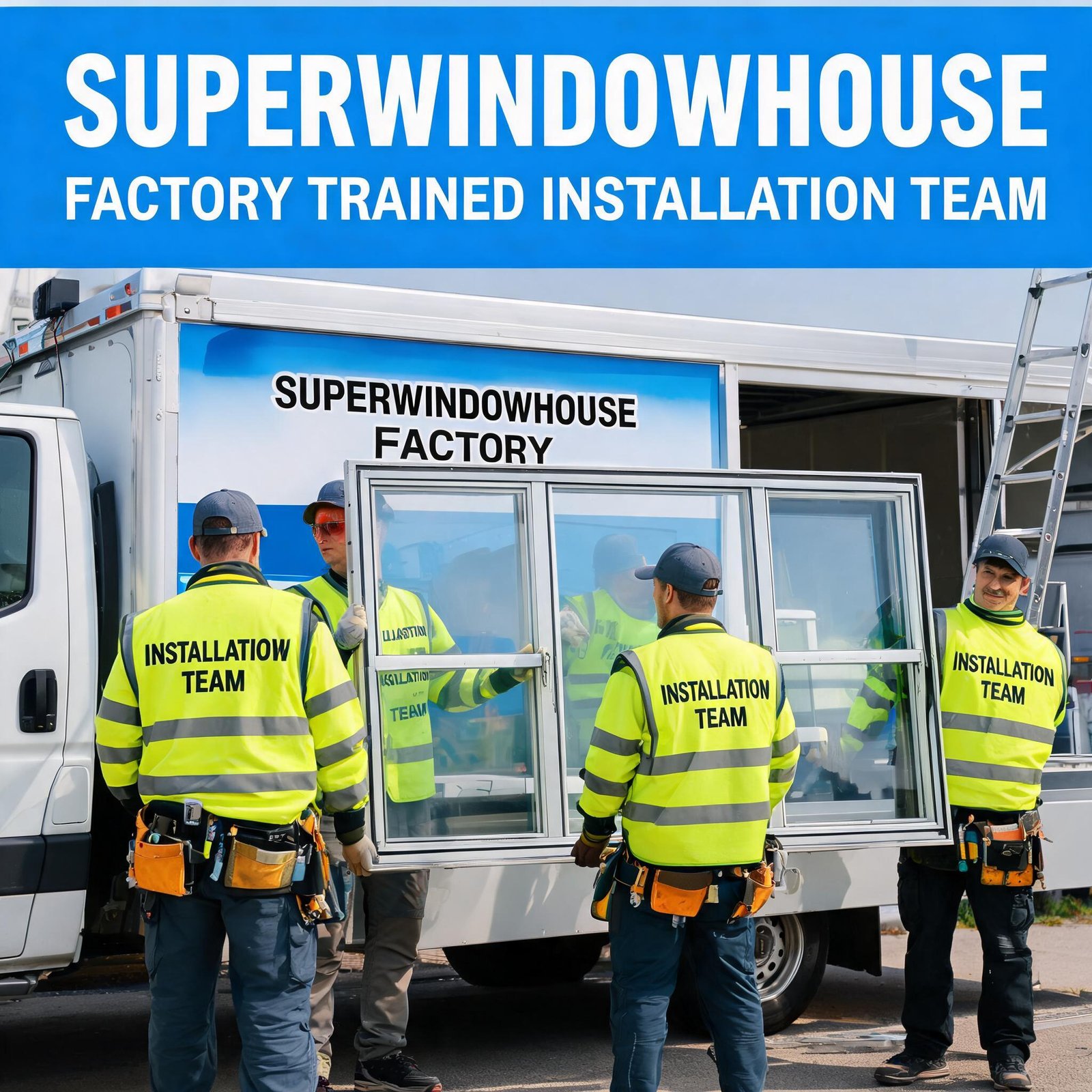
In your purchase order, explicitly state: “All windows must ship with individual NFRC-rated labels affixed to the frame.” If a vendor refuses, walk away. You’re buying 30+ units—every single one must be verifiable. Superwindowhouse provides digital copies of each label before shipping.
Frequently Asked Questions (From Real Utah Builders)
Q: Does the Bonneville Fire affect only exterior windows, or interior doors too?
A: Both. But interior doors become smoke barriers. I’ve seen $200 hollow-core doors fail within 10 minutes of smoke exposure. Upgrade to solid-core with intumescent seals—like our Interior Wood Doors with a 20-minute fire rating.
Q: Can I retrofit my existing home with fire-resistant windows without replacing the frame?
A: Yes—but only if the frame is aluminum or steel. Vinyl frames cannot have the glass retrofitted without compromising the structural integrity. Superwindowhouse offers custom-sized replacement sashes for aluminum frames. For vinyl frames, full replacement is required.
Q: How much more does a fire-rated window cost vs. standard?
A: Expect 15–25% premium for hard-coat Low-E and PVB laminates. But if you’re in a Bonneville Fire zone, that 20% is insurance against a 100% total loss. I’ve had clients who chose standard windows lose entire homes. The math is simple.
Q: What’s the lead time for fire-rated windows from Superwindowhouse?
A: 14–18 days for vinyl, 21–28 days for aluminum casements. We maintain inventory of hard-coat Low-E glass and PVB laminates for rush orders. If you’re in an active burn zone, call us directly—we can expedite.
Final Takeaway: Don’t Let Your Windows Be the Bonneville Fire’s Doorway
I’ve crawled through six fire-damaged homes post-Bonneville. Every single one of them had standard windows. Every single one had ember intrusion at the window-to-frame interface. The ones that survived? They had impact-resistant frames, PVB laminates, and hard-coat Low-E coatings.
The Bonneville Fire isn’t a one-time event. It’s a new normal for Utah. Your windows are your home’s first and last line of defense. Choose wisely—or rebuild from ash.
Visit Superwindowhouse.com for a free fire risk assessment of your current window specifications. We provide detailed NFRC data, rough opening guides, and a fire-rated product comparison table. Don’t wait until the next ember storm.