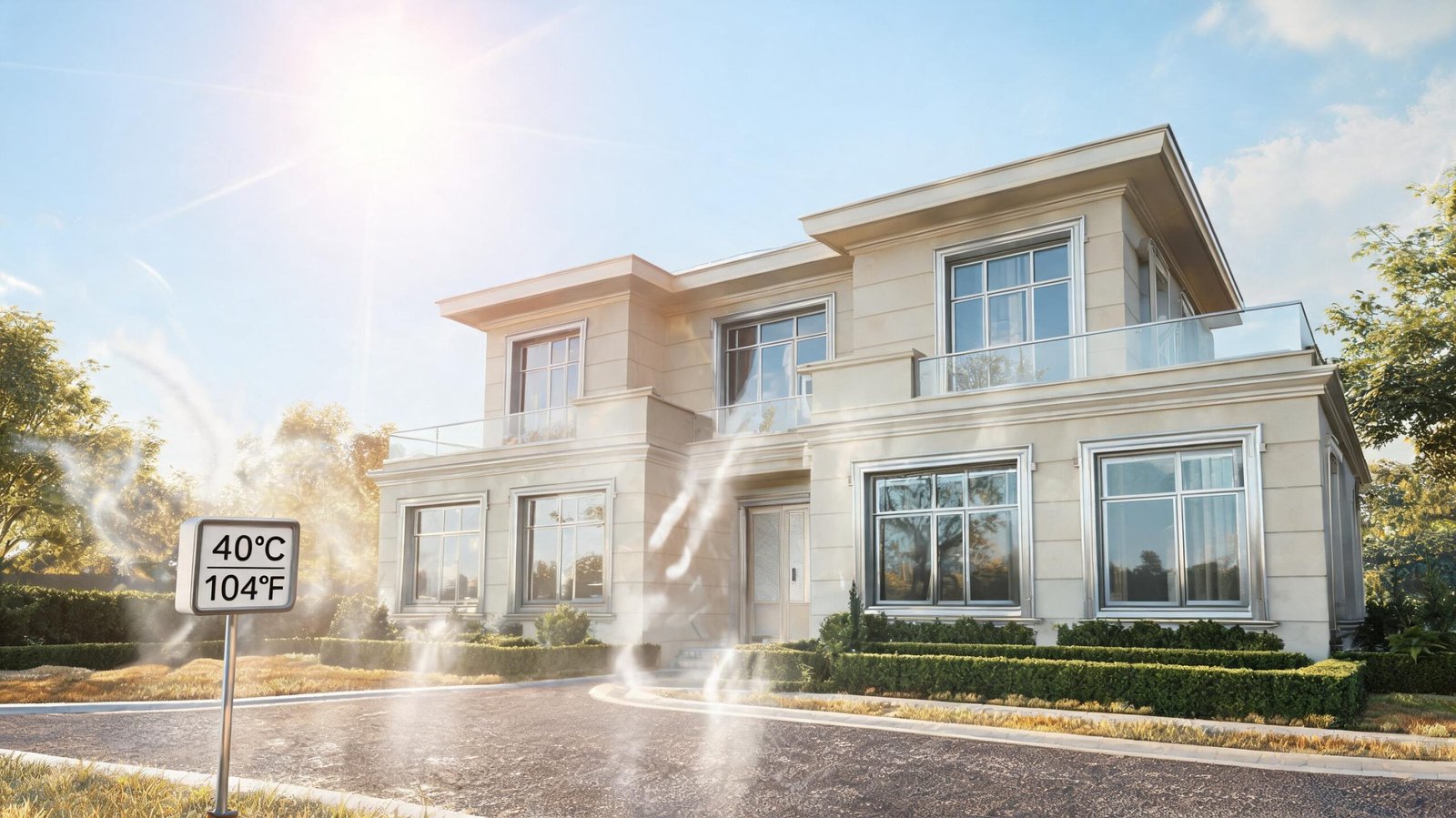
Let’s cut the bullshit. You check the weather app. You see the Fire Weather Watch notification—dry, gusty winds, single-digit humidity. You think, “I’ve got a garden hose. I’ll wet the roof.” You’re wrong.
As a GC who has rebuilt homes after the Camp Fire and the Marshall Fire, I can tell you the first thing that fails isn’t the roof. It’s the glazing. A standard double-pane window can fail from radiant heat in under three minutes. An ember blast at 60 mph doesn’t knock on your front door—it shatters your living room window and ignites your drapes from the inside out.
If you’re seeing a fire weather watch and your spec sheet calls for generic, single-pane or cheap thermal-pane vinyl windows without impact-resistant construction, you are building a tinderbox. This isn’t about code minimums. This is about the difference between “We evacuated safely” and “We came back to ash.”
The hard truth: A Fire Weather Watch is the early alarm. Your window spec is the first line of defense—or the first point of failure.
The Physics of Wildfire Window Failure: More Than Just Glass
Before we talk about solutions, you need to understand the enemy. It’s not just the flames. It’s a three-pronged attack that the average mass-market aluminum or vinyl window cannot withstand.
1. Radiant Heat Pre-Weakening
Even before the fire arrives, the radiant heat from a nearby burning structure can raise the temperature of your glass to over 300°F. Standard annealed glass experiences thermal stress fractures at these temps. The window doesn’t need to be hit to fail—it can simply crack from expansion, leaving a gaping hole for embers to enter.
2. Ember Intrusion
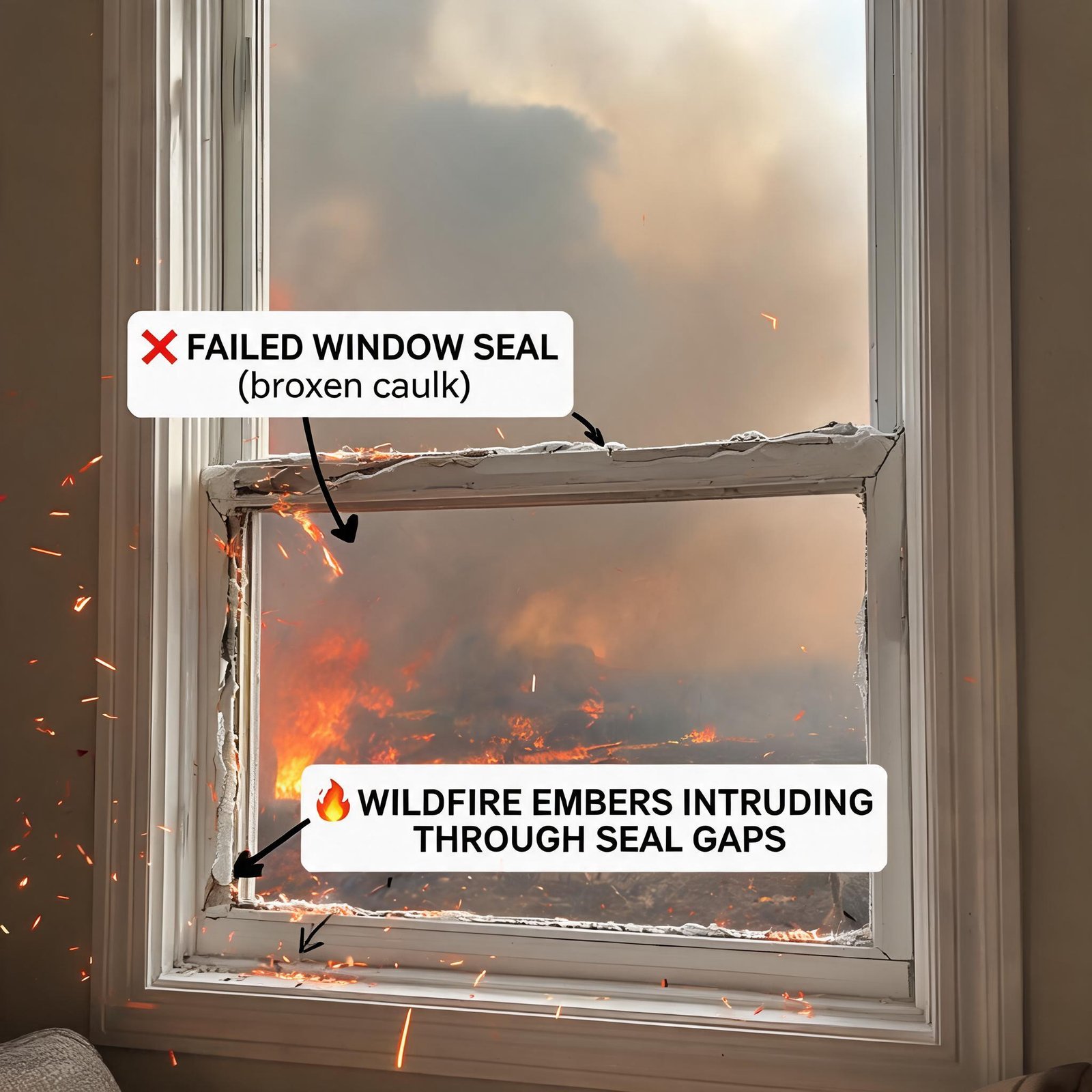
This is the silent killer. Wildfire embers are like molten confetti. A window seal that isn’t rated for fire will melt. A standard weep hole can become a direct conduit for embers to suck into the wall cavity. The weak link here is air infiltration—every crack that leaks air in a winter storm will suck embers inside during a wildfire.
3. Air Pressure and Debris Impact
A fast-moving wildfire front generates massive wind and air pressure changes. The glass itself isn’t just a barrier—it’s a structural component of your envelope. If it blows inward, the fire has a direct path to the interior, which turns a small exterior fire into a total structural loss.
Why “Standard” Hurricane Windows Are Not the Same as Fire-Rated
Here’s the dirty secret big box stores won’t tell you. Many builders slap on a “hurricane impact” label and think they’re covered. But hurricane-rated windows are tested for flying debris from a 130 mph hurricane—a horizontal, water-laden impact. Wildfire impacts are different.
- Embers are lighter but hotter. A ¾-inch piece of OSB at 50 mph is a different threat than a ½-inch ember at 80 mph.
- The heat load is sustained. A hurricane window is tested for impact. A fire-rated window must withstand radiant heat for a sustained period (typically 30-60 minutes).
- Thermal expansion is a killer. Standard aluminum frames, especially non-thermally broken ones, expand significantly under heat, popping out the glass. You need a system designed for thermal stability.
If you are relying on a generic mass-market product from a “leading brand,” you are gambling. Those companies are designed for volume, not for extreme event customization. Their customer service response time? 12 to 16 weeks for a non-stock size. By that time, your fire season is over. Or you are.
The Superwindowhouse Solution: Industrial-Grade Impact-Resistant Systems
This is where Superwindowhouse breaks the mold. We aren’t just slapping a different sticker on a commodity window. We engineer for the worst conditions—whether that’s a Category 5 hurricane or a 100,000-acre wildfire.
Why our windows perform during a Fire Weather Watch:
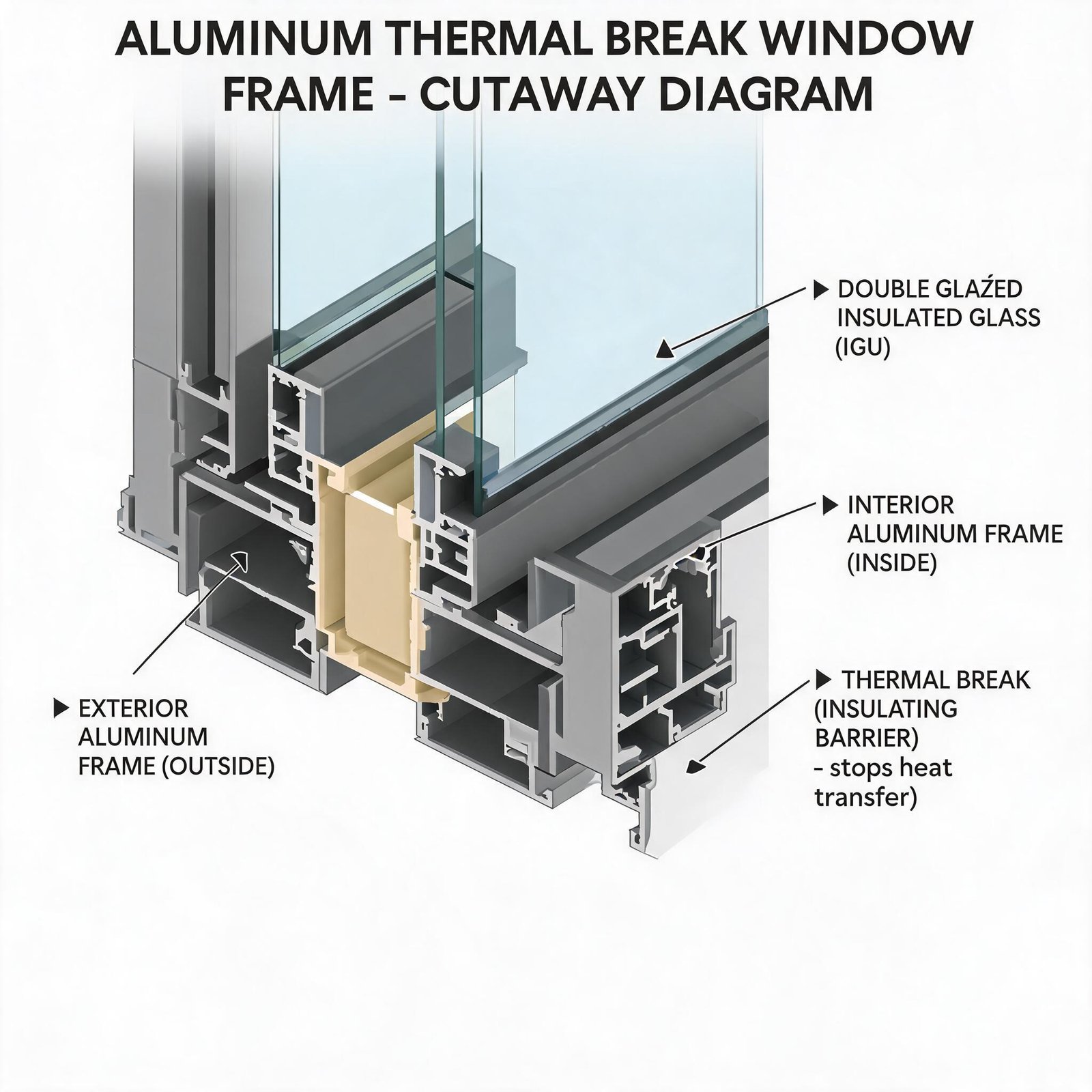
- Multi-Chambered Thermal Break Frames: Standard extruded aluminum conducts heat like a lightning rod. Our thermally broken aluminum frames use structural polyamide thermal strips that dramatically reduce thermal transfer. This prevents the frame from expanding and failing during the critical pre-fire heat wave.
- Laminated (PVB) Glass: This is the gold standard. Unlike tempering (which shatters into pebbles), laminated glass holds together even when cracked. It blocks radiant heat much longer than annealed or tempered glass. In a wildfire scenario, this buys you—and your fire department—critical minutes.
- Integrated Gasket Systems: Our windows feature heavy-duty EPDM gaskets designed to stay pliable under extreme heat. They don’t melt, drip, or shrink, maintaining a tight seal against ember intrusion.
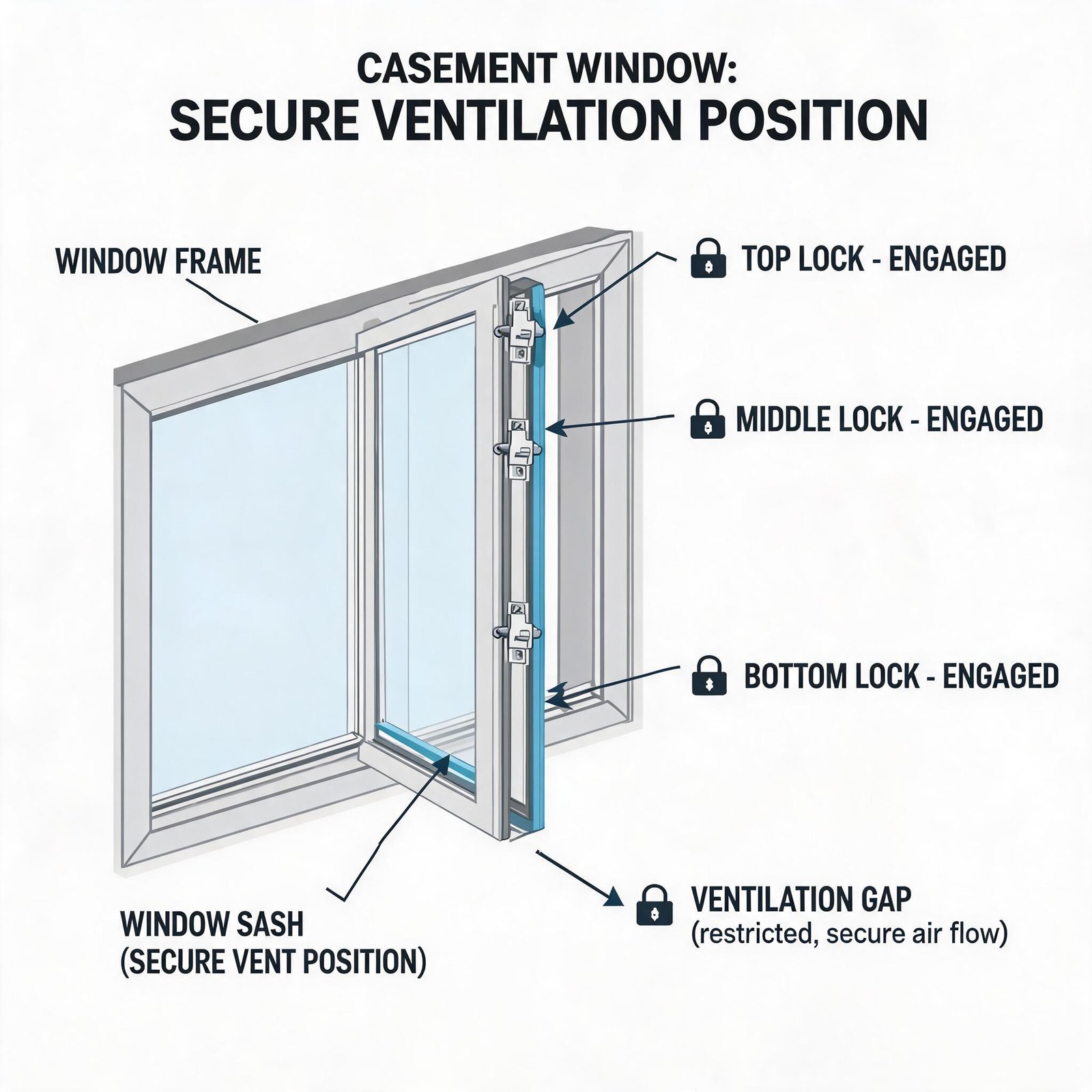
- Impact-Grade Hardware: The locking mechanism is tested to withstand inward pressure from wind and debris. We use multi-point locking systems that engage the sash securely into the frame—no cheap single-point cam locks.
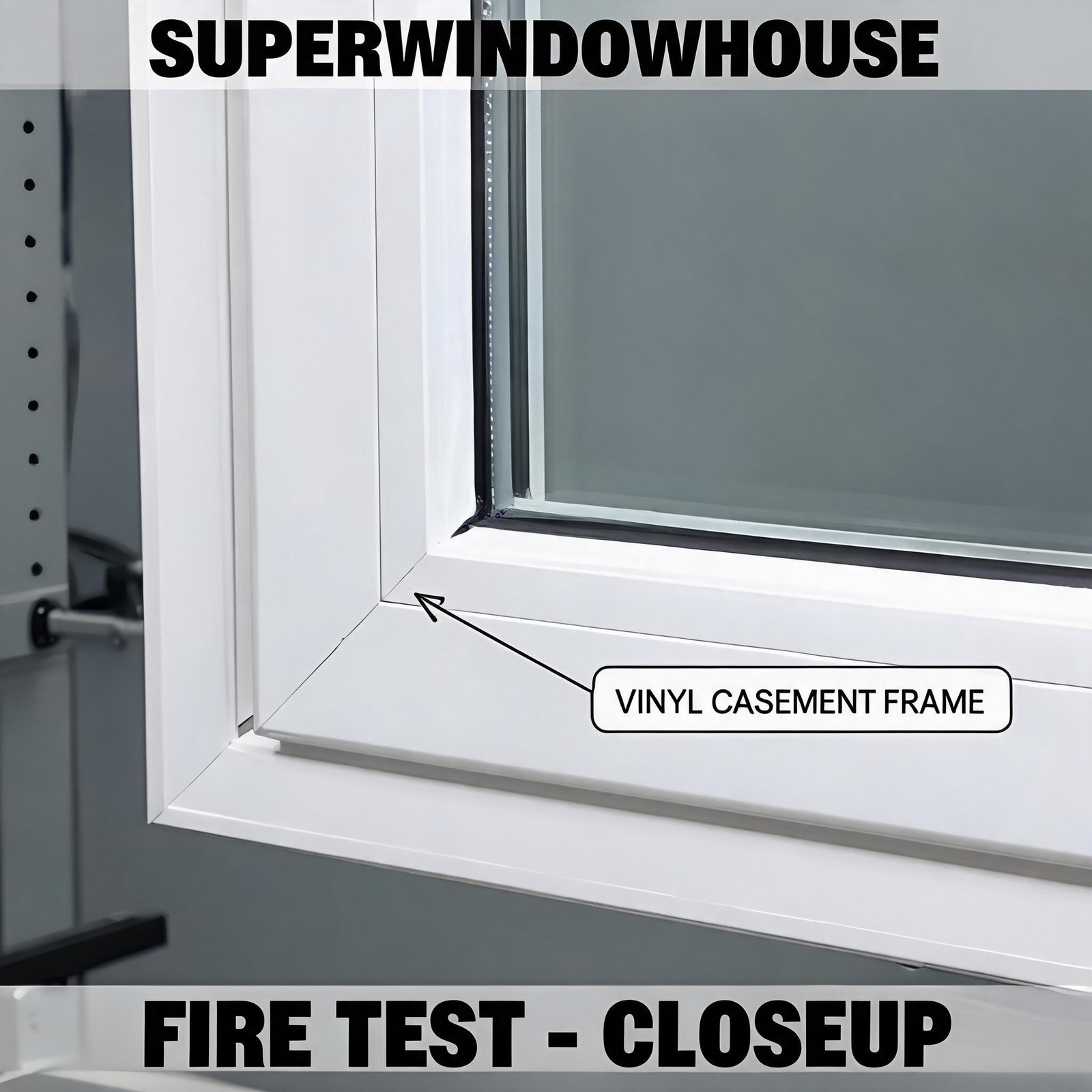
For homes in high-risk wildland-urban interface (WUI) zones, I recommend our High-Performance Vinyl Casement Windows for their superior air-sealing performance. Or, for a modern aesthetic with bomb-proof construction, the Slim Frame Modern Aluminum Casement Windows offer a thermally broken profile that stands up to radiant heat.
For new construction where you need to meet strict fire codes quickly, our Impact-Resistant Storm Hung Windows (Aluminum Hung) provide the durability of aluminum with the tight seals of a storm-rated unit. These are a direct upgrade over standard single-pane aluminum frames that often fail first.
The Hidden Spec Trap: Misinterpreting the “Fire Weather Watch” Code
Many architects and GCs make a critical mistake. They see “Fire Weather Watch” in the local news, then look at the Wildland Urban Interface (WUI) code for their county. They think “hardened” means “any impact window.”
Here is where the trap snaps shut. Most WUI codes (like California’s Chapter 7A or Colorado’s new HB21-1167) require either a specific ignition-resistant rating or a tested assembly that resists external fire exposure. Many “impact” windows are tested for missile impact (TAS 201, ASTM E1886) but not for radiant heat (ASTM E119 or UL 263). A window can pass the impact test and fail the fire test in under 15 minutes.
The Verdict: Don’t just ask for “fire-rated.” Ask for the test report. Ask for the NFRC label that shows the U-factor AND the fire rating classification. If your window doesn’t have a fire endurance rating (minimum 30 minutes), it’s just a fancy hurricane window that will melt.
B2B Project Execution Guide: How to Spec Smart for Wildfire Season
You are a builder. You don’t have time to chase down rogue specs. Here is how you integrate this into your next project.
1. Cross-Reference Your Zone and Your Window
Don’t assume county code covers your specific lot. If you are on a hillside or near dry brush, your risk is higher. Use the Fire Weather Watch forecast to validate your window spec as a “must-have,” not a “nice-to-have.” If the forecast is dry, your windows better be tight.
2. Require the Flashings (No Exceptions)
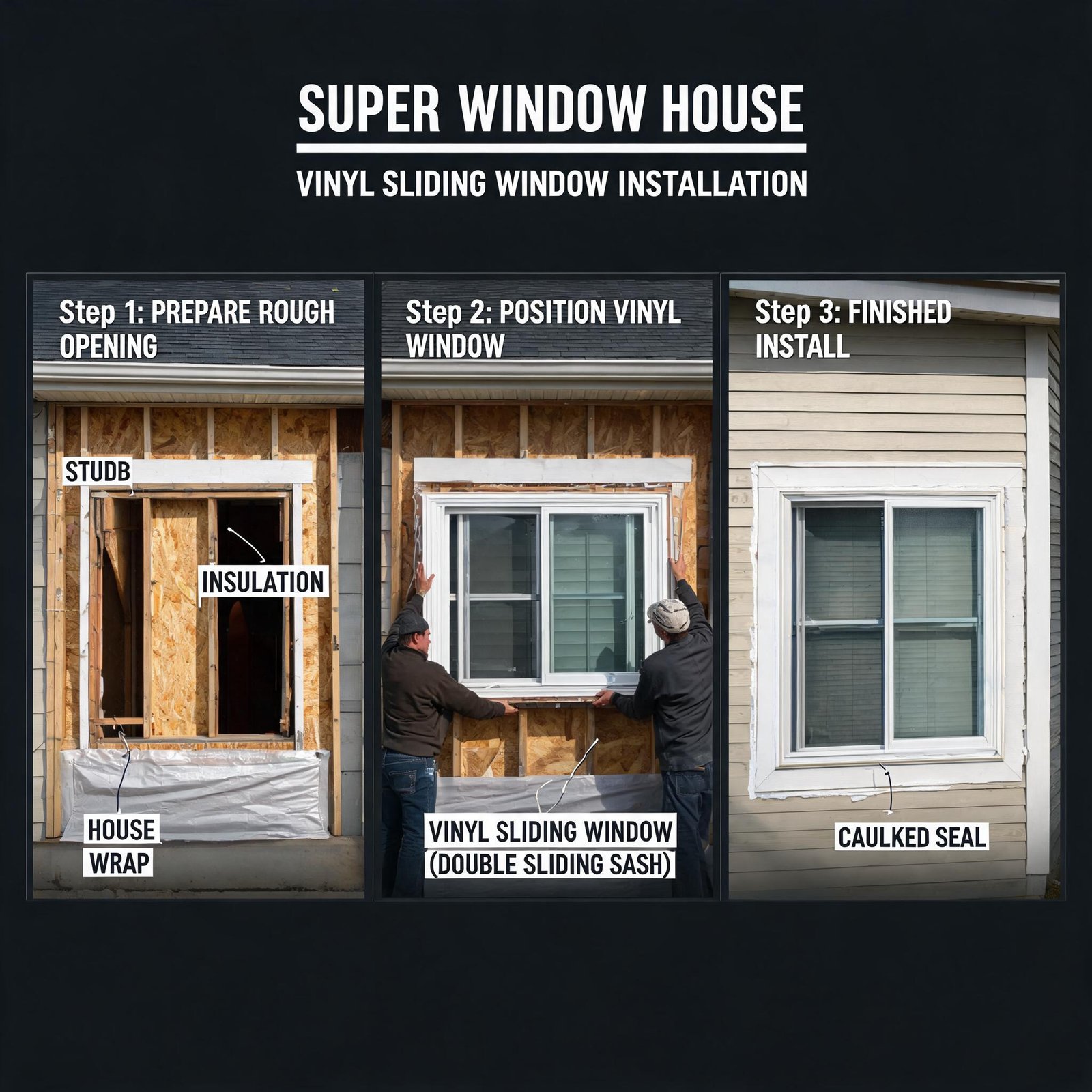
A fire-rated window is useless if its flanges aren’t flashed properly. Combustible debris can ignite wood framing if the flashing is exposed. Spec a continuous metal head flashing with drainage. Use non-combustible backer rod. This is where the “professional installation” of our window systems truly shines.
3. Order Your Lead Times NOW
Mass-market window companies are currently quoting 12-16 weeks for custom sizes. That’s after the fire weather watch hits. You miss your window (literally). Superwindowhouse operates on a different production model. Our shop drawings are fast, and our custom fabrication is engineered for projects that cannot wait for next fire season.
Direct From a GC: “I had a client who waited until the first Red Flag Warning to order windows. By the time his cheap order arrived, the fire had already passed. We lost the job. Now we pre-buy three months ahead of peak season. It’s the only way.”
A Critical Warning on “Energy Star” Windows in Wildfire Zones
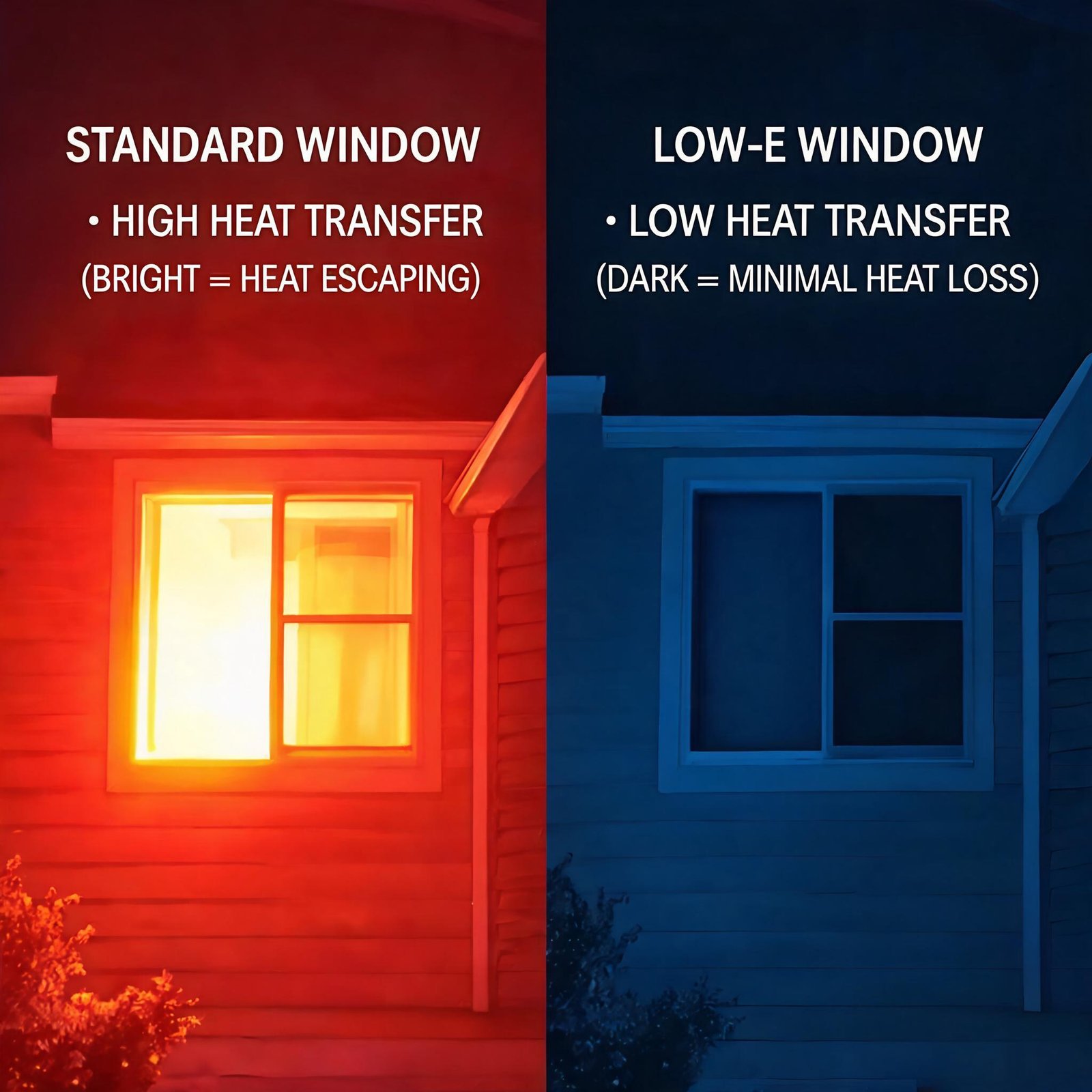
Here is a painful reality. Standard “Energy Star” windows are optimized for U-value (heat loss). They use soft-coat Low-E coatings that improve winter performance. But soft-coat Low-E has a lower melting point than hard-coat Low-E.
In a wildfire scenario, the coating can degrade, causing thermal shock and glass failure. Do your due diligence. Ensure the Low-E coating is specified for the radiant heat extremes you will face. Many of our impact-rated windows use a hard-coat Low-E that withstands higher temperatures and resists thermal breakage.
Practical Q&A for Builders and Homeowners
Q: Can I just use tempered glass everywhere?
A: No. Tempered glass shatters into small cubes. While it is stronger than standard annealed glass, it fails catastrophically under thermal stress. Laminated (PVB) glass is superior because it holds together and creates a radiant heat barrier.
Q: Do I need to replace all windows, or just the ones facing the wildfire threat?
A: In an extreme Fire Weather Watch, the wind direction can change instantly. Embers can swirl around the entire structure. You should harden your entire envelope. At a minimum, replace all exposed windows and doors.
Q: How does a sliding door compare to a casement window for fire safety?
A: In general, casement or awning windows compress the seal better than sliders. But our Vinyl Sliding Patio Doors are built with heavy-duty frames and multi-point locks that significantly outperform standard sliders. For ultimate defense, pair a fixed panel casement window with a heavy-duty sliding door.
Q: What about the frame material? Should I use aluminum or vinyl?
A: Both have merits. Thermally broken aluminum is incredibly strong and does not melt easily. High-quality vinyl (like our High-Performance Vinyl Casement Windows) can withstand heat better than cheap vinyl if it has reinforced chambers. The key is *thickness* and *reinforcement*. Avoid thin-walled extrusions.
Conclusion: Don’t Just Watch the Warning—Act On It
A Fire Weather Watch is a gift. It’s the universe screaming at you to fix the weak points before the flames arrive. Your window system is the most critical element of that defense.
Don’t rely on the California-only code junk. Don’t assume your local supply yard knows what a radiant heat test is. You need a partner who understands the physics, the materials, and the timeline.
At Superwindowhouse, we don’t just build windows. We build the last line of defense between embers and your family.
Stop waiting for the Red Flag. Upgrade before the next fire weather watch becomes a wildfire.
Contact us for your custom shop drawings and lead time guarantee today.