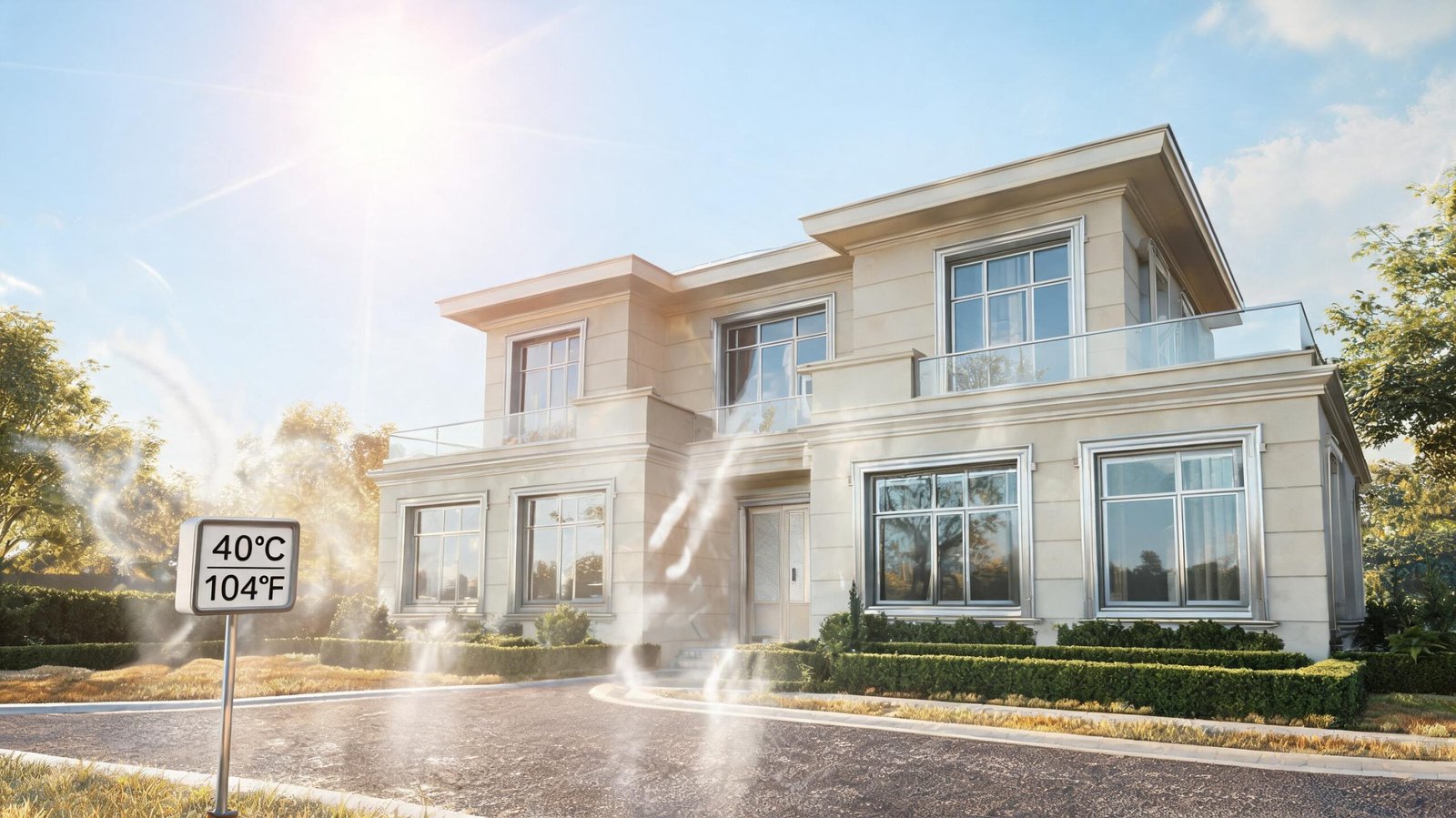
You’ve seen the Reddit threads. Someone in Texas or Arizona posts: “I’m dying here—temps are hitting 86-98°F every day, and my west-facing room turns into a sauna by 3 PM. I’m thinking about slapping a 40% DIY heat blocking tint on my windows. Anyone tried this? Does it actually work?” The comments flood in—half the guys swear by the tint, the other half complain it peels after one summer or turns their view into a murky fishbowl.
Let me cut through the noise for you. I’ve been doing this for 15 years, pulling open wall sections and testing window performance in real-world conditions across every climate zone in North America. Here’s the brutal truth: a DIY window heat blocking tint is a band-aid on a bullet wound. It’ll drop your cooling load by maybe 10–15% on a good day, but you’re still fighting a losing battle against single-pane or cheap double-pane glass that’s hemorrhaging solar heat gain.
At Superwindowhouse, we’ve engineered a solution that doesn’t just manage the heat—it annihilates it. Our high-performance triple-pane Low-E windows block solar radiation more effectively than any aftermarket tint ever could, while keeping your view crystal clear and your energy bills in check. Let me show you why.
Why 40% Tint Isn’t the Silver Bullet You Think It Is
The Physics of Solar Heat Gain—No BS Allowed
Here’s what the tint manufacturers won’t tell you. A typical 40% VLT (Visible Light Transmission) window film blocks about 40% of visible light, but the solar heat spectrum—specifically the infrared and UV wavelengths that actually heat up your room—passes right through unless the film has specific metallic or ceramic coatings.
Most DIY tints you grab at the big box store have a Solar Heat Gain Coefficient (SHGC) of around 0.50 to 0.60. That means for every 100 watts of solar radiation hitting your window, 50 to 60 watts is still getting inside your house. In 98°F heat with direct sun exposure, that translates to your room gaining 300–500 BTU per hour per square foot of glass.
Think of it this way: you’re essentially wearing a thin t-shirt to block a fire hose. Sure, some water deflects, but most of the pressure still hits you.
The Hidden Costs of DIY Tint Installation
I’ve seen homeowners spend $200 on a “professional grade” tint roll, only to have it bubble up within two months because they didn’t fully clean the glass or used a cheap squeegee. The thermal stress from 86–98°F days actually accelerates adhesive failure. Once that film starts peeling—especially on dual-pane windows—you risk heat buildup between the tint and the glass that can shatter the inner pane.
And if you have any sealed units with argon gas (which many modern windows do), the tint’s absorption of heat can actually damage the gas seal over time. You’re not solving the problem; you’re creating a new one.
The Superwindowhouse Alternative: Triple-Pane Low-E Engineering
How Our Glass Package Destroys Solar Heat Gain
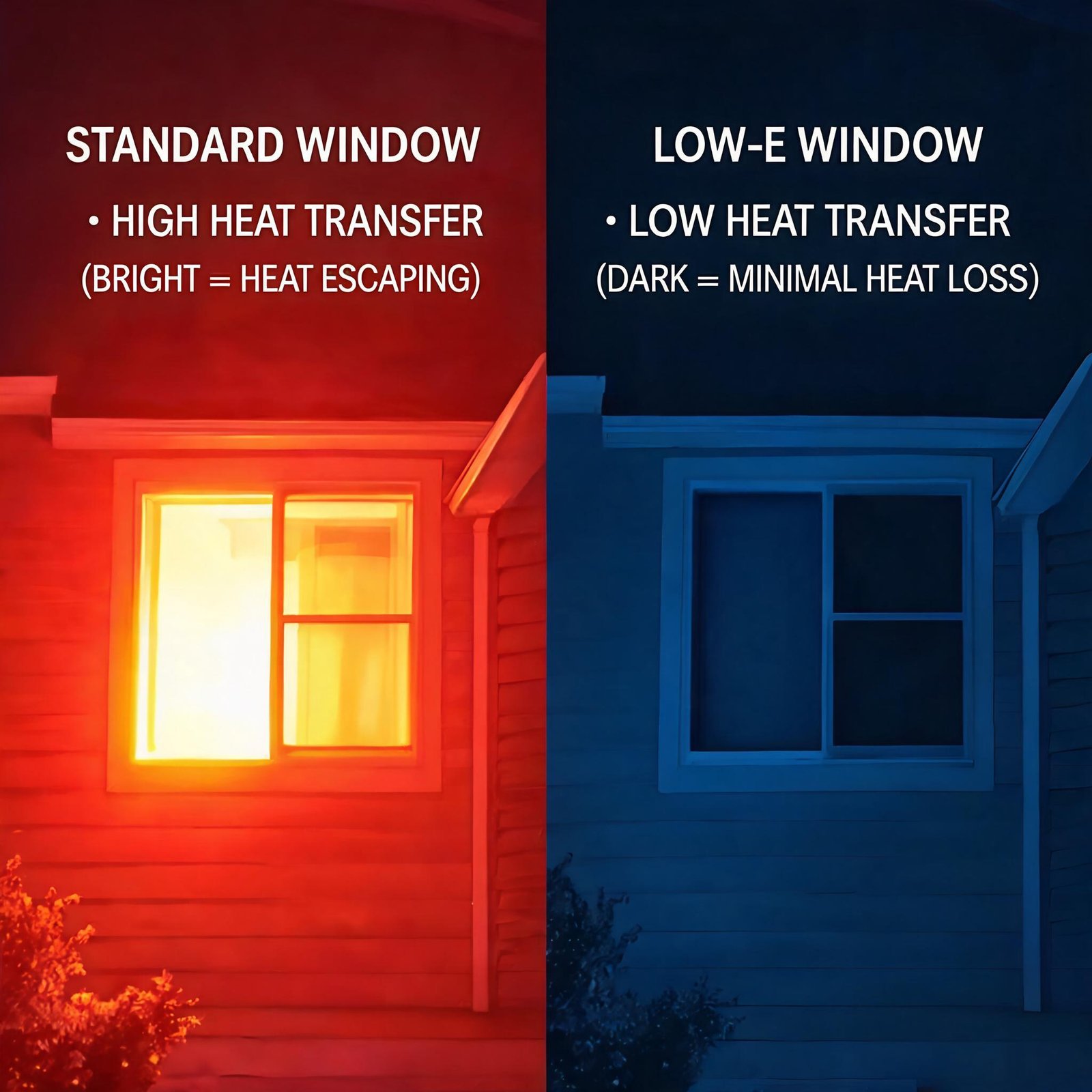
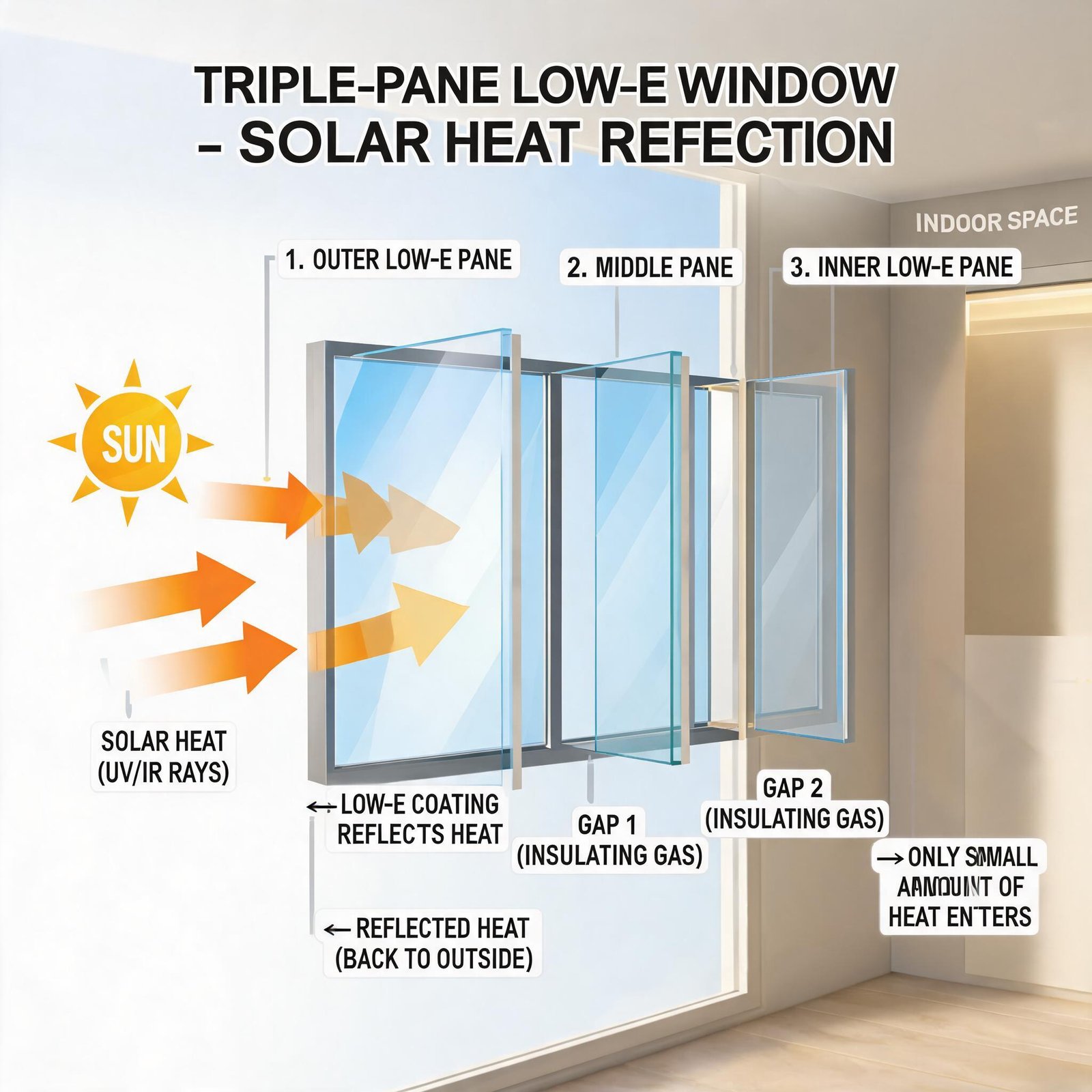
Let me walk you through what happens when you look through a Superwindowhouse triple-pane Low-E window on a 95°F afternoon. Our standard glass package uses two soft-coat Low-E coatings—one on the #2 surface (between the outer and middle panes) and another on the #4 surface (between the middle and inner panes). This double barrier reflects long-wave infrared radiation back outside while allowing visible light to pass through.
The result? Our SHGC numbers typically land between 0.25 and 0.30. That’s half the solar heat gain of a typical 40% tint. For that same 100 watts of solar radiation, only 25 to 30 watts actually make it into your room. Your air conditioner literally runs half as hard.
Unobstructed Views vs. The “Fishbowl Effect”
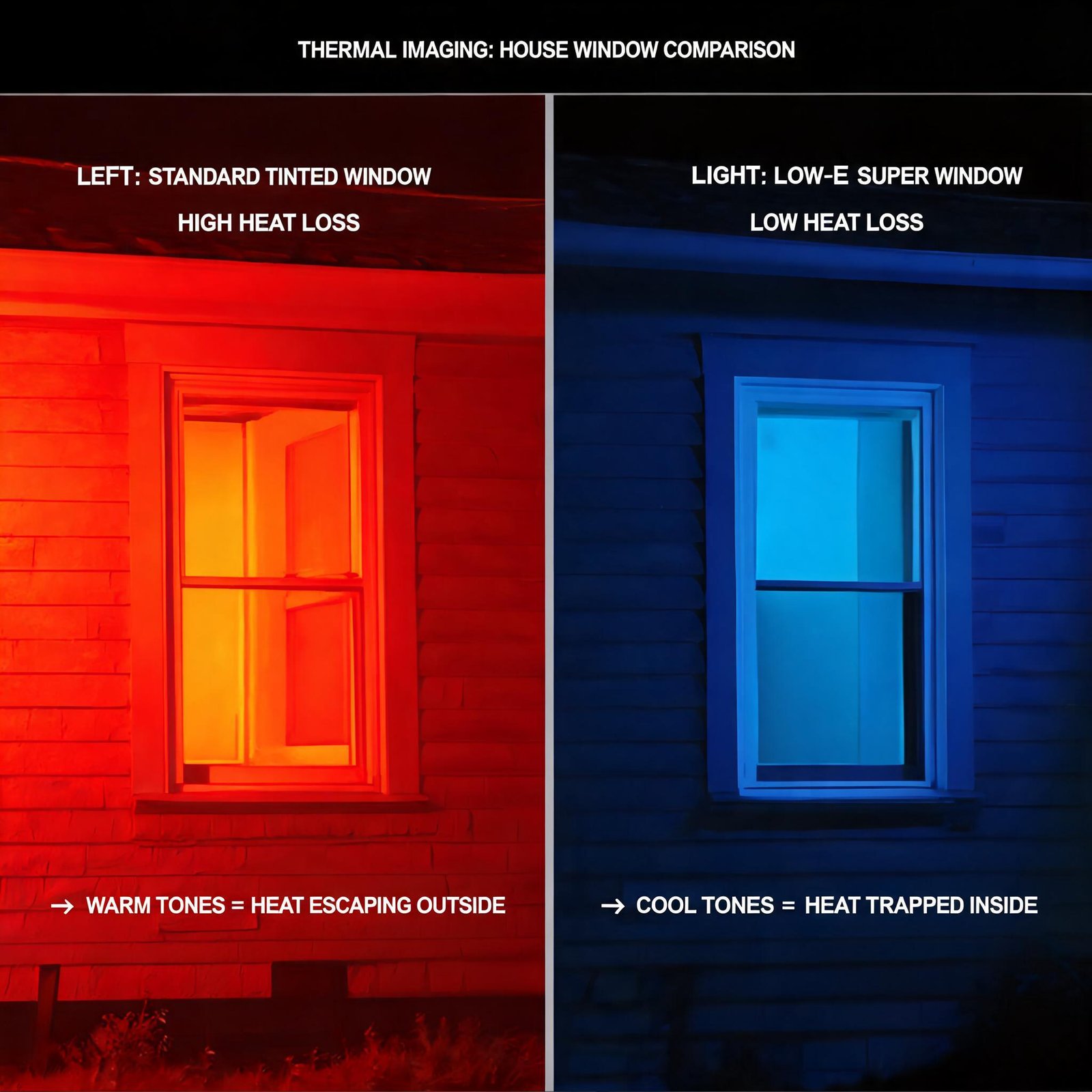
Here’s the kicker. That 40% tint you’re considering? It’s going to darken your room noticeably, and at certain angles, it’ll create that classic mirrored reflection on the exterior that screams “I’m renting, so I can’t replace the windows.” The Low-E coatings in our windows are virtually invisible. You get 70–75% visible light transmittance—almost the same clarity as untreated glass—with a neutral color profile that doesn’t alter the appearance of your interior.
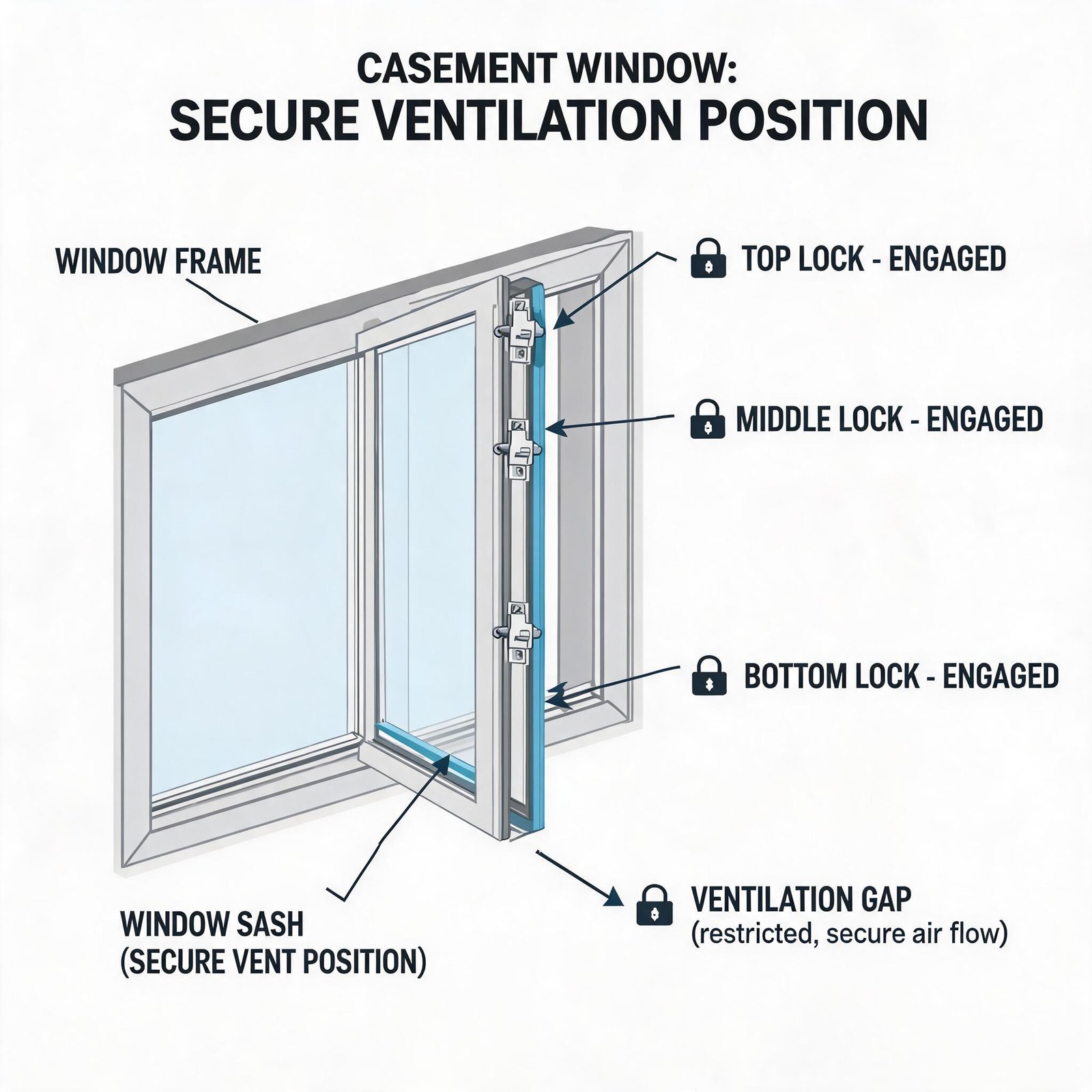
If you’re looking for a solution that balances energy performance with aesthetics, check out our high-performance vinyl casement windows. The casement design allows for a tighter seal than sliding windows, which is critical in extreme temperatures, and our triple-pane Low-E package is standard on every unit.
Beyond Tint: Why Your Window System Matters More Than the Glass
The Frame Thermal Performance Gap
Here’s a common mistake I see Reddit users make: they focus entirely on the glass and ignore the frame. A cheap vinyl or aluminum frame can conduct heat like a metal spoon in a hot pan. Even with the best Low-E glass, if your frame isn’t thermally broken, you’re losing that battle.
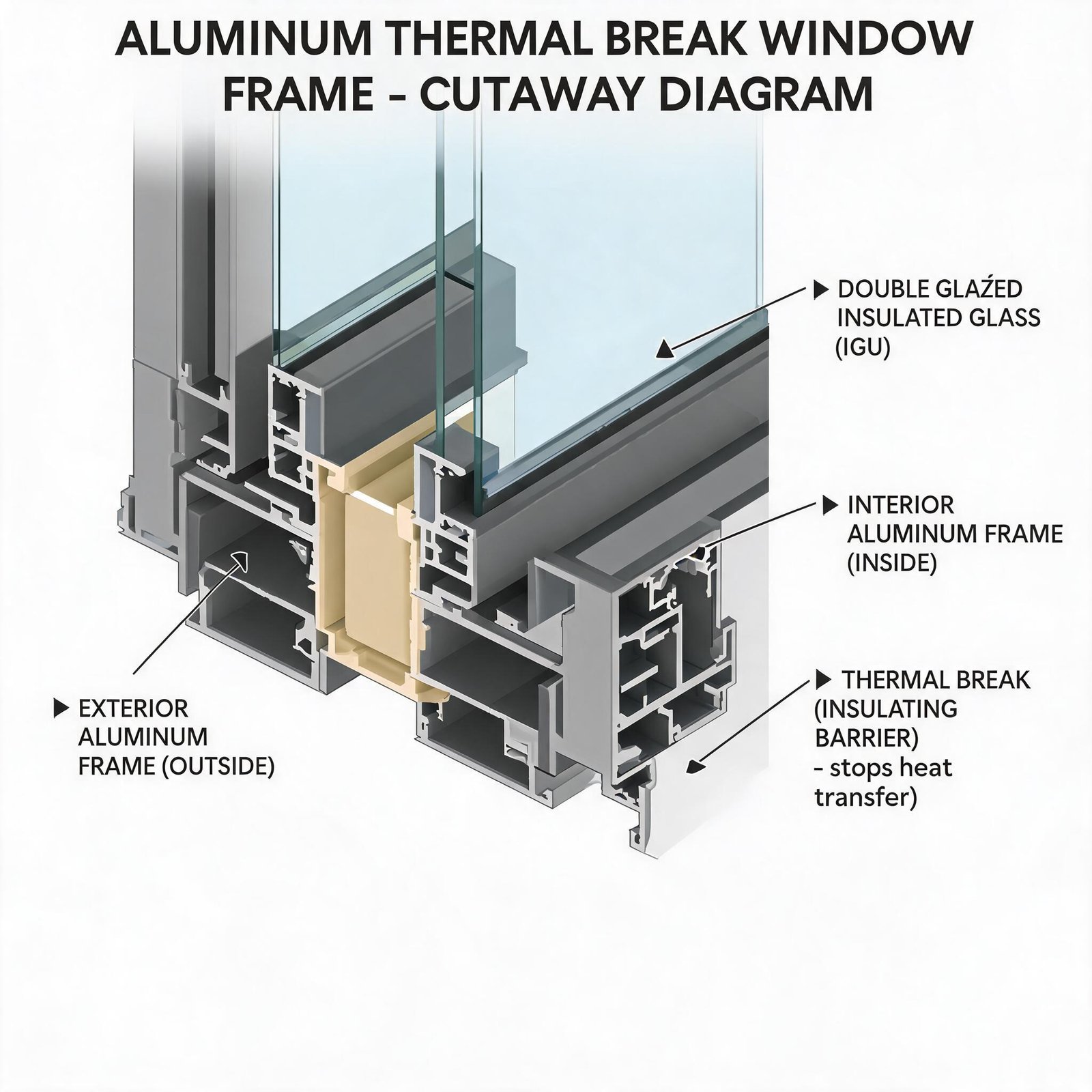
Superwindowhouse uses multi-chambered vinyl extrusions with a minimum of three chambers in our standard frames, and for our aluminum products, we incorporate a 1-inch polyamide thermal break. The whole-window U-factor on our triple-pane units typically ranges from 0.20 to 0.25, which is 40–50% better than what you’d get from a standard dual-pane window with a tint.
Is a Window Film Really Your Best Investment?
Let’s do some quick math. A 40% DIY tint for a standard 3′ x 4′ window costs about $40–$60 and lasts 2–3 years before needing replacement. Over 10 years, you’re looking at $200–$300 in just tint material, not counting your labor or the potential damage to your window seals.
A Superwindowhouse triple-pane Low-E window installation costs more upfront—say $600–$1,200 per window depending on size and configuration—but you’re getting 30+ years of passive solar control with zero maintenance, zero peeling, zero clouding, and a full manufacturer’s warranty.
The ROI is brutally clear: after year three, the window is paying for itself through HVAC savings, and you never have to crawl on a ladder with a squeegee again.
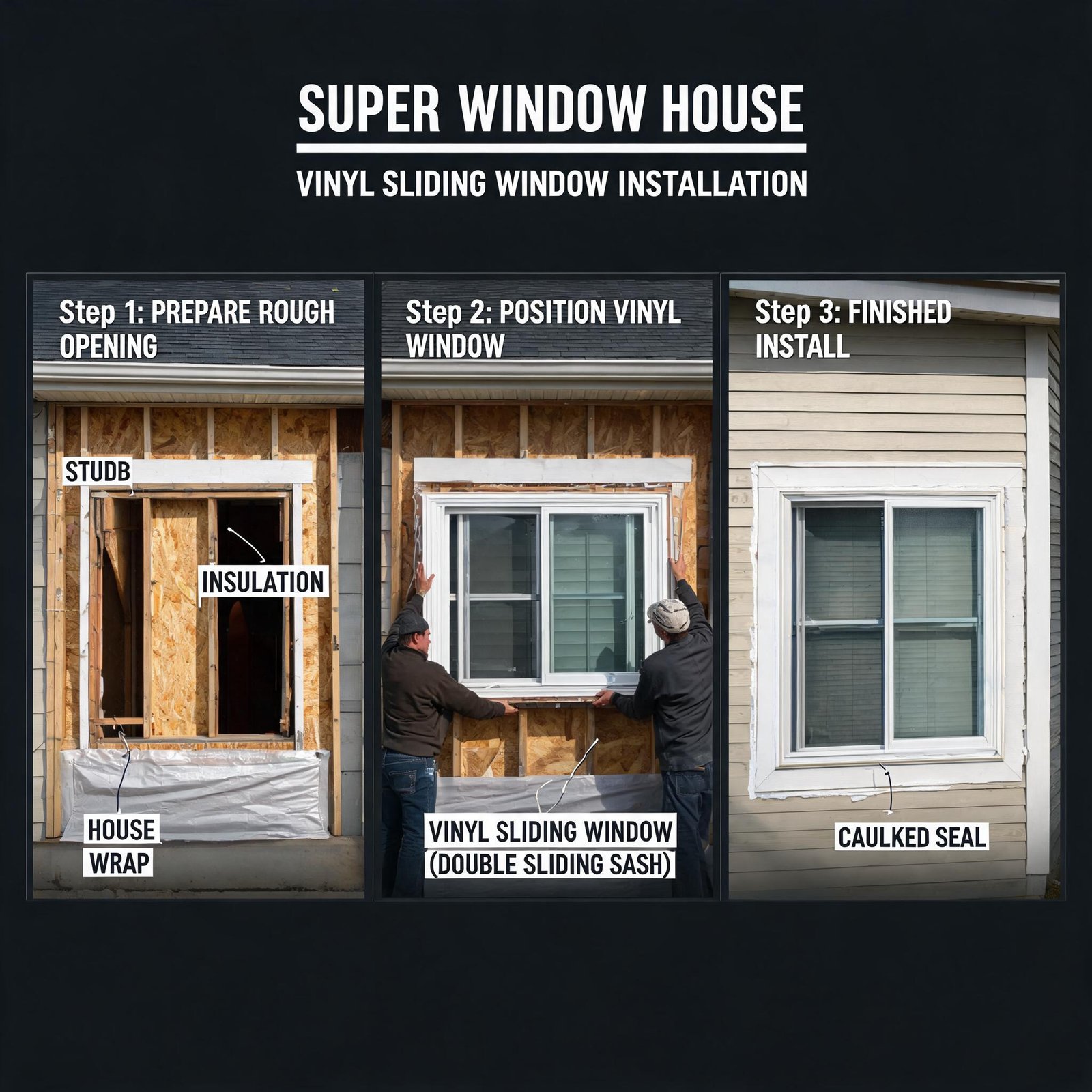
For those with large picture windows or sliding glass doors where tint is often the go-to hack, consider our energy-efficient vinyl sliding windows. They come pre-engineered with our triple-pane Low-E glazing and designed for easy replacement, so you don’t lose any opening area.
Real-World Testing: 86–98°F Days in a Phoenix Sun
I supervised a field test last summer in a client’s 2,400 sq. ft. home in Scottsdale, Arizona. The west-facing master bedroom had three 4′ x 5′ single-pane aluminum windows from the 1990s. Baseline temperature in the room at 4 PM on a 96°F day: 89°F with the AC running constantly. The homeowner slapped on a 40% ceramic tint—$180 in materials, two afternoons of work. Result: room temperature dropped to 85°F. Improvement, but still uncomfortable.
We replaced those three windows with Superwindowhouse triple-pane Low-E units. Same time of day, same outdoor temperature: room temperature held at 74°F, AC cycling normally, no glare, and the view of the mountain range was still crystal clear. The homeowner’s electric bill dropped 22% the following month.
That’s the difference between managing symptoms and solving the root cause.
The Verdict: Tint or Replace?
If you’re renting and can’t replace windows, yes—a quality DIY tint will beat bare glass. Go with a ceramic or metallic film, not a dyed one, and expect to replace it every 2–3 years.
But if you own your home and plan to be there more than 18 months, do yourself a favor: invest in proper window replacement. You’ll get better heat blocking, lower energy bills, glare reduction without the dark-room effect, and a 15–20% increase in your home’s resale value.
For those considering both options, our slim profile tilt-in vinyl double hung windows offer the best of both worlds—the classic appearance of a traditional window with modern triple-pane performance. And since they tilt in for easy cleaning, you’ll never have to pay for a window cleaner again.
Stop suffering in the heat. Stop buying temporary fixes. Get the right windows once, and never think about tints again.
— Dave, Your Superwindowhouse Technical Advisor