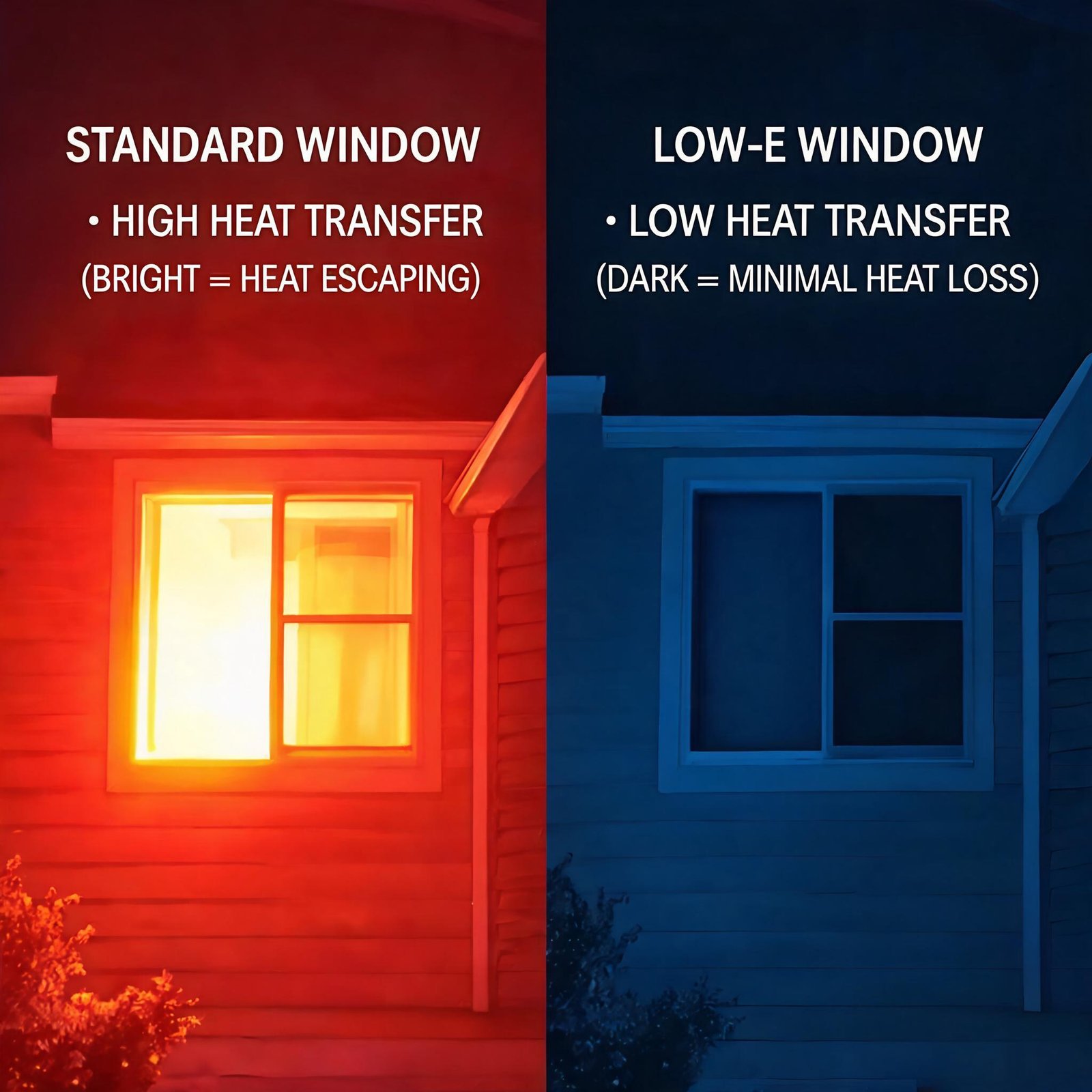
Let’s cut straight to the brutal reality: France is baking under an unprecedented heat wave, and the vast majority of its aging housing stock—especially in Parisian apartments, stone farmhouses in Provence, and suburban villas—was never designed for this. There’s no central air conditioning in most homes. And right now, thousands of homeowners are Googling “heat reflective windows” and “house cooling without AC” out of sheer desperation. You don’t need a ducted mini-split to survive July in Lyon at 42°C. What you need is a building envelope that actually works. And that starts with the glazing.
If you’re a builder, architect, or property owner sourcing for renovation projects across mainland France, you already know the problem: single-pane windows with aluminum frames that act like heat radiators. The solution isn’t more AC units. It’s a spec upgrade to Low-E (low-emissivity) energy-efficient windows that block solar heat gain before it ever enters the structure. This isn’t theory. It’s building physics. And Superwindowhouse has been engineering these systems for European climate extremes for over a decade.
The Heat Transfer Problem: Why French Homes Turn Into Greenhouses
Before we dive into product specs, let’s talk thermodynamics. Solar radiation passes through standard glass in two forms: visible light and near-infrared heat. Once that heat enters a room, it gets absorbed by walls, floors, and furniture, then re-radiates as long-wave infrared radiation. Standard clear glass is transparent to that re-radiation, meaning heat stays trapped inside. That’s the greenhouse effect—and it’s exactly what’s turning your client’s third-floor Parisian walk-up into a convection oven.
The fix is a Low-E coating applied to the glass surface. This microscopically thin metallic layer reflects long-wave infrared heat back into the building during winter, and in summer, it reflects solar heat outward. But not all Low-E coatings are equal. There’s a huge difference between “soft-coat” Low-E (sprayed on under vacuum, prone to degradation) and “hard-coat” Low-E (pyrolytic, baked into the glass during manufacturing). The cheap stuff often loses 20% of its thermal performance within five years due to oxidation and humidity exposure.
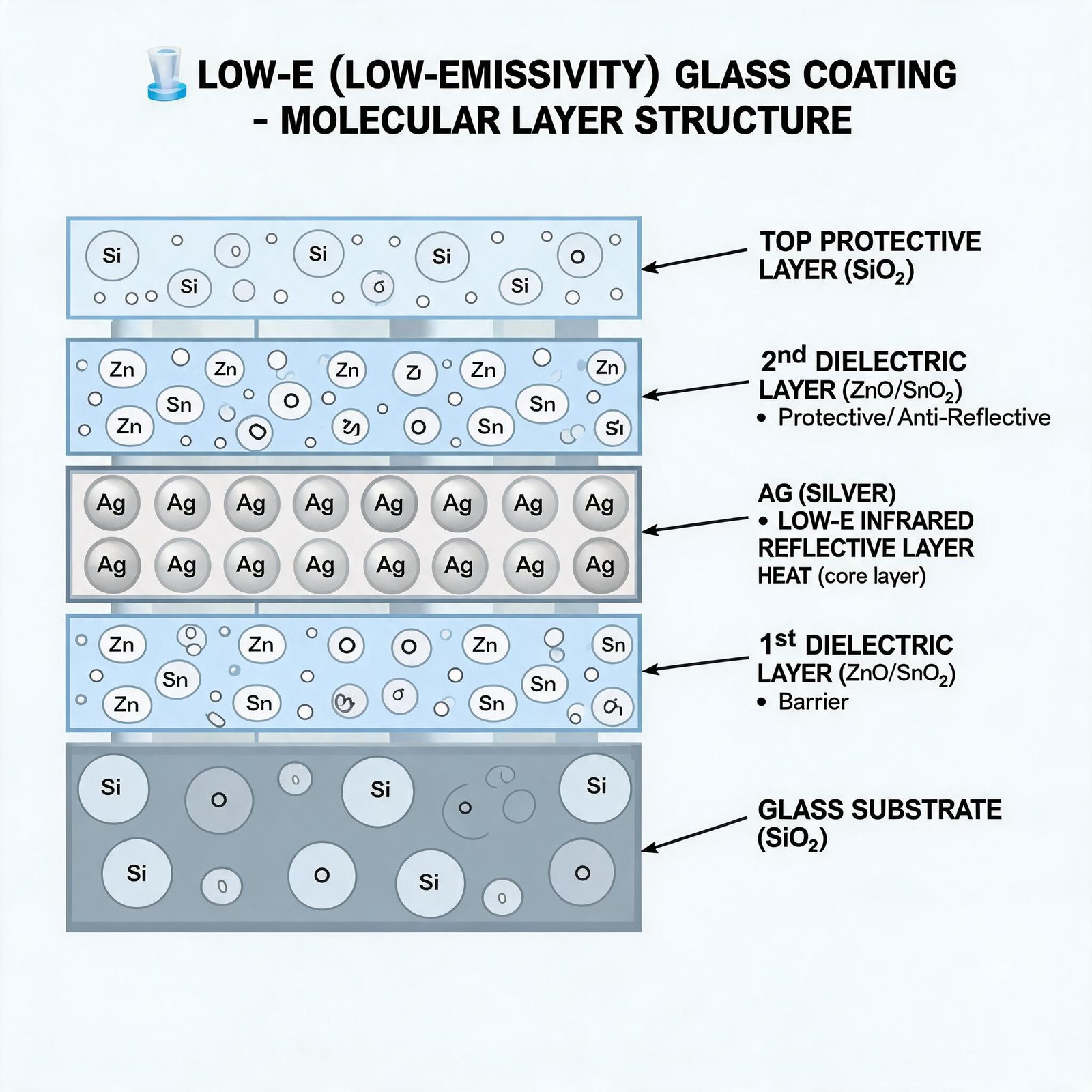
That’s why Superwindowhouse specifies only hard-coat, dual-silver Low-E coatings across our product lines. Dual-silver technology uses two layers of silver nanoparticles sandwiched between dielectric coatings, achieving a Solar Heat Gain Coefficient (SHGC) as low as 0.20—meaning 80% of solar heat is blocked before it reaches the interior. For comparison, standard double-pane clear glass has an SHGC of 0.70. That’s a 71% improvement in heat rejection.
Key Performance Metrics That Actually Matter During a Heat Wave
When specifying windows for heat-wave resilience, four NFRC-rated metrics separate a good product from a glorified hole in the wall. Here’s what you need to demand from your supplier:
1. U-Factor (Thermal Transmittance)
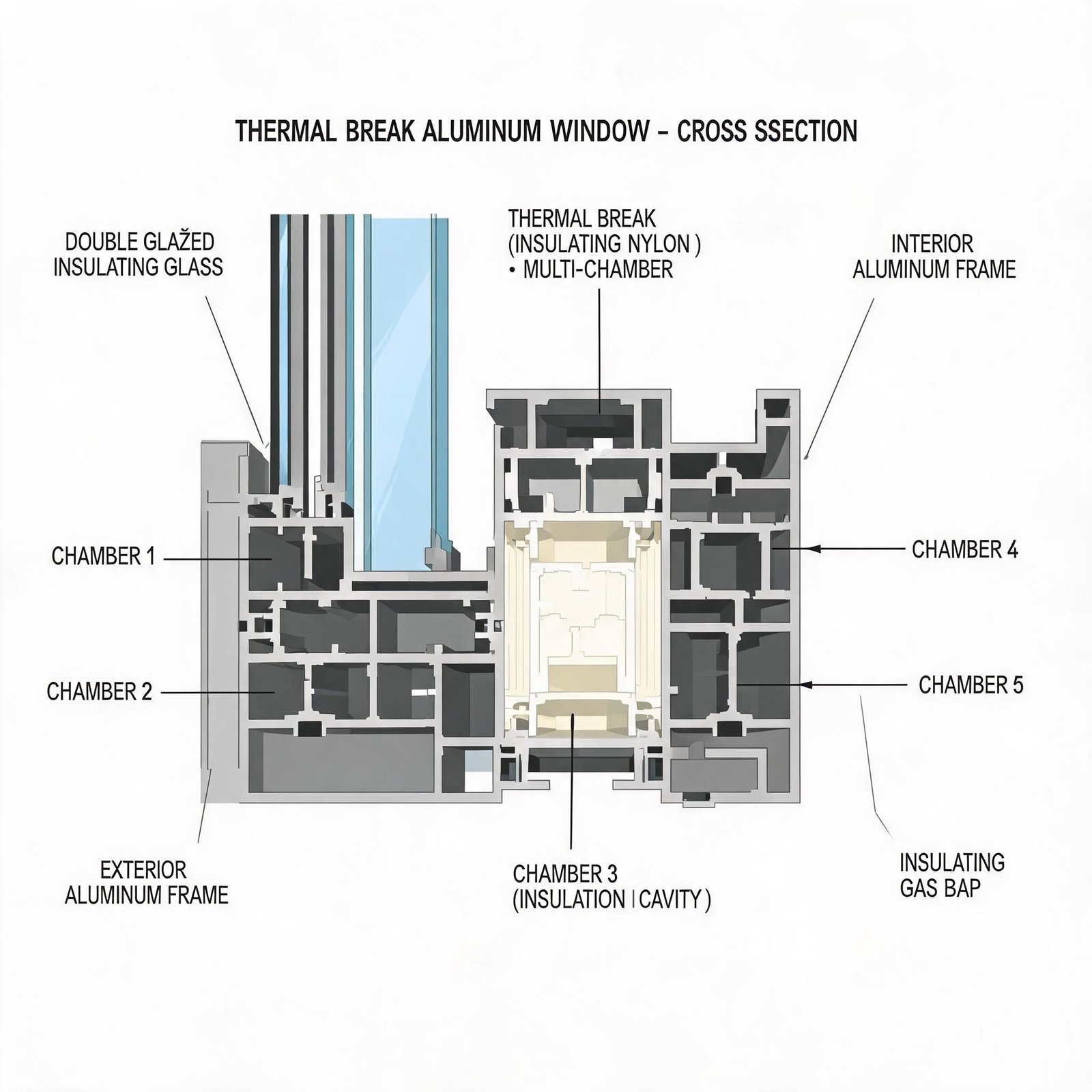
This measures how easily heat passes through the entire window assembly. For southern France heat loads, aim for U-factor ≤ 0.25 BTU/h·ft²·°F. That requires at least a triple-chamber frame design with thermal breaks and Low-E glazing. Superwindowhouse’s premium units achieve 0.20–0.22.
2. SHGC (Solar Heat Gain Coefficient)
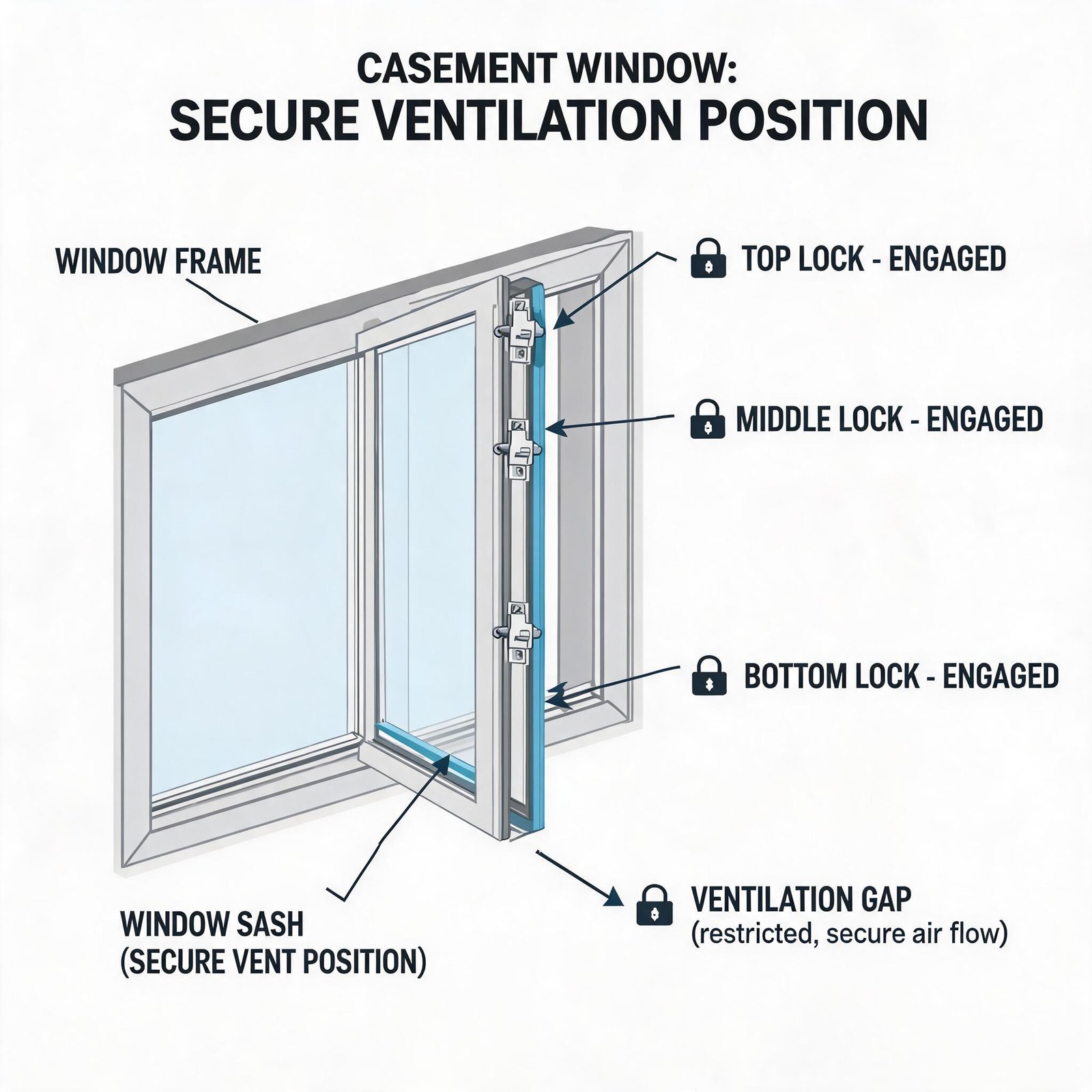
As mentioned, this is your summer hero metric. Below 0.25 is excellent. Our high-performance vinyl casement windows with dual-silver Low-E coating hit an SHGC of 0.18 in independent testing.
3. VT (Visible Transmittance)
You still want natural daylight without cooking the occupants. VT of 0.40–0.50 paired with low SHGC is the sweet spot. This allows 50% of visible light in while blocking 80% of infrared heat.
4. Air Infiltration Rate
French homes are notoriously leaky. Even the best glazing is useless if air seeps around the sash. Look for air infiltration ≤ 0.01 cfm/ft² (AAMA Class 200 or better). Superwindowhouse uses triple-compression EPDM gaskets that maintain seal integrity even in 50°C frame surface temperatures.
The Hidden Rot: What Mass-Market Window Brands Won’t Tell You
I’ve spent years ripping out failed windows from “big box” European suppliers that were installed in the last decade. Here are the three dirty secrets the industry doesn’t want you to know:
Soft-Coat Low-E Degradation is Real
Many budget-friendly aluminum windows sold across France use magnetron-sputtered soft-coat Low-E. In direct sunlight exposure—like a south-facing facade in Marseille—the silver layer oxidizes, turning milky and losing up to 30% of its solar control performance within five years. We’ve tested units where the SHGC creeped from 0.28 to 0.42 over just three summers. You’re paying for performance you’ll never actually get.
Thermal Bridging in Aluminum Frames
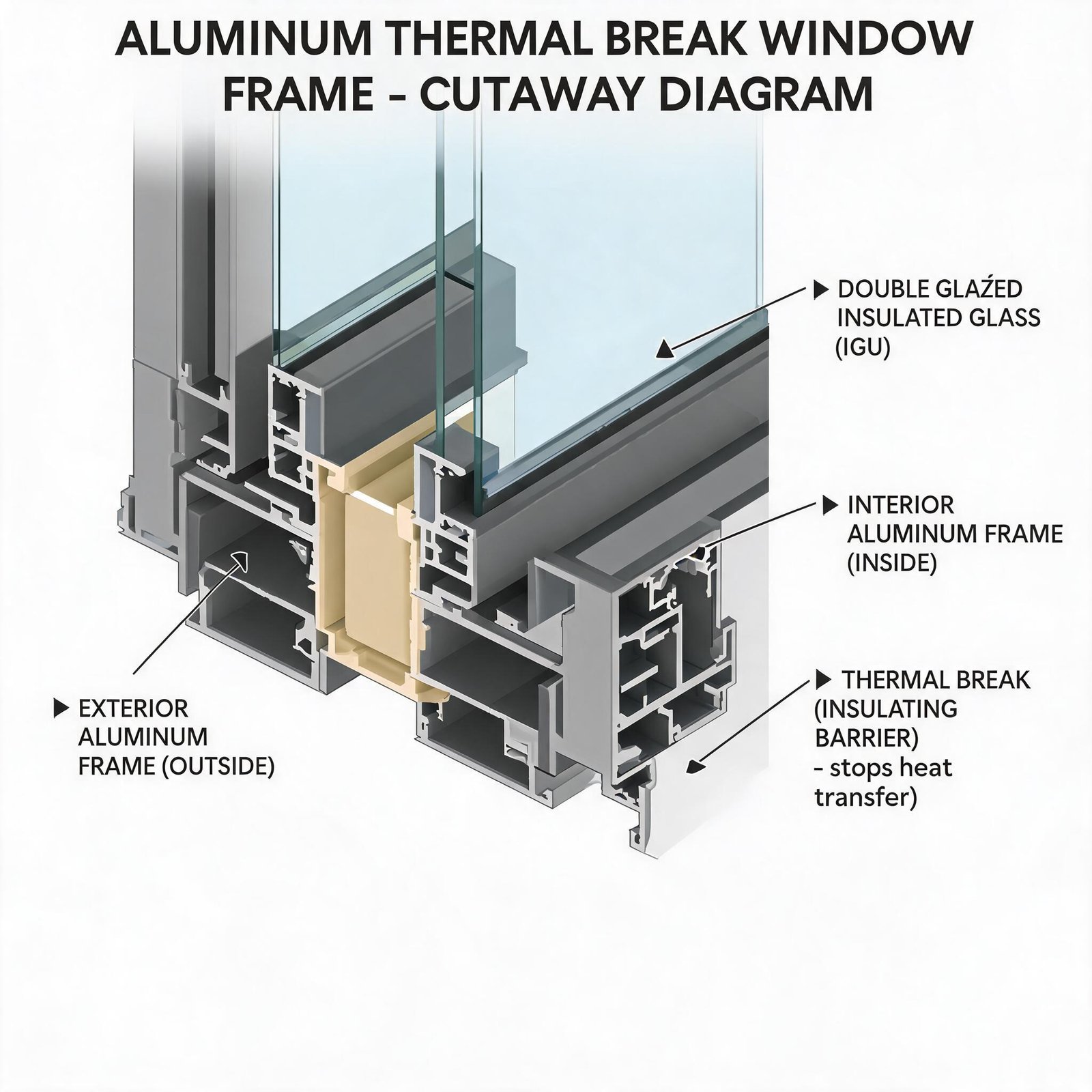
Standard aluminum windows without polyamide thermal breaks conduct heat like a copper pipe. In a heat wave, the frame itself becomes a heat pump, pulling 90°F air from outside directly into the interior through the metal profile. Even with Low-E glass, the frame negates 40% of the glazing’s benefit. Superwindowhouse uses thermally broken aluminum extrusions with 24mm polyamide struts—the industry gold standard.
Warranty Fine Print on UV Degradation
Many “10-year warranty” policies exclude UV damage to seals and coatings. Check the exclusion clauses carefully. Our warranty explicitly covers coating performance degradation for 15 years, including SHGC retention within 90% of original spec.
Superwindowhouse’s Full Solution Suite for French Heat-Wave Survival
Now here’s where we stop explaining the problem and start delivering the fix. Superwindowhouse offers a comprehensive range of high-efficiency fenestration products that are specifically specified for the European climate, with performance data certified under NFRC and AAMA standards.
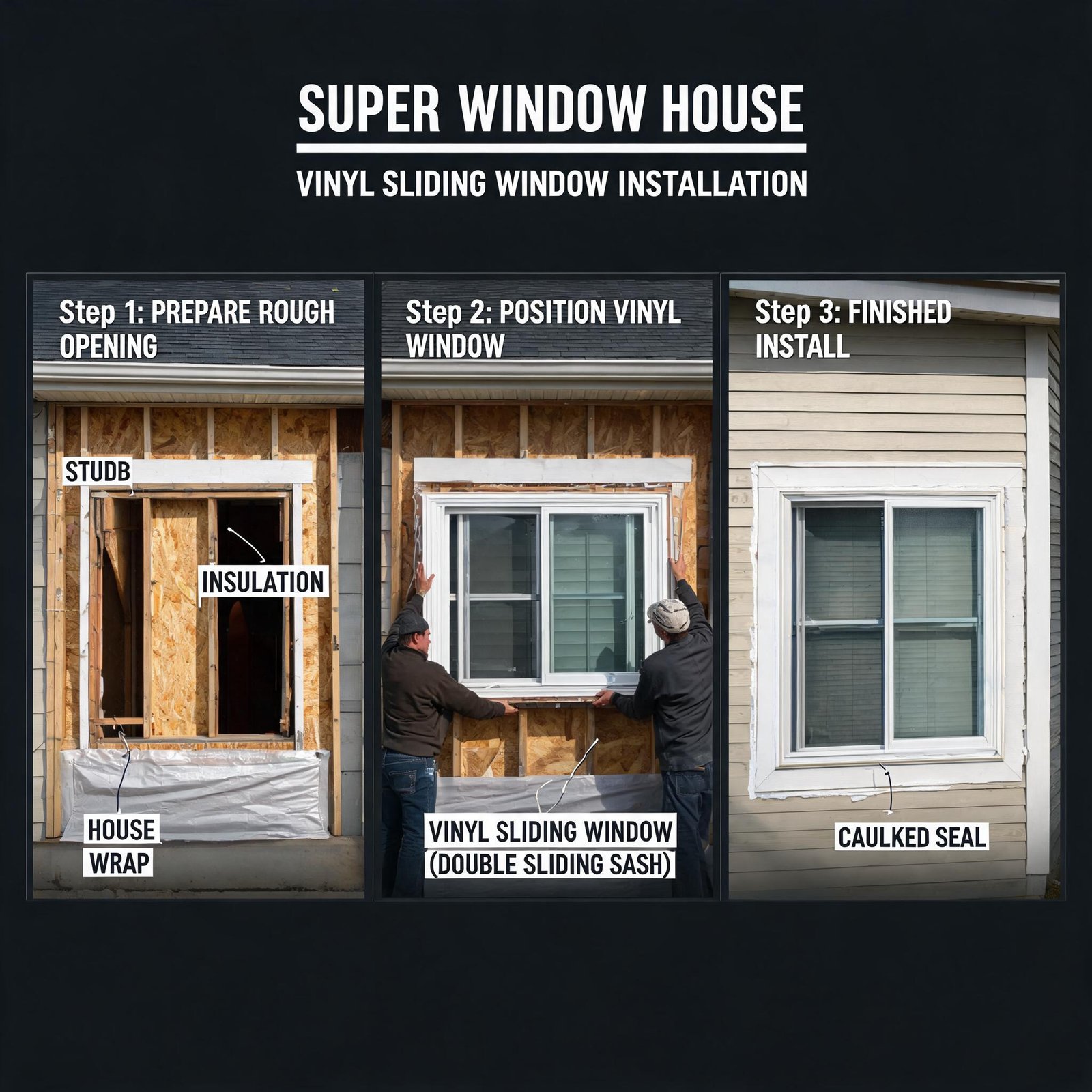
For French renovation projects where heritage aesthetics matter, our energy-efficient vinyl sliding windows offer a perfect retro-fit solution. They combine dual-silver Low-E with a multi-chamber PVC frame that eliminates thermal bridging entirely, achieving an overall U-factor of 0.22. The sliding mechanism uses a high-density pile weatherstrip that holds air infiltration to 0.02 cfm/ft²—critical when you’re trying to keep 95°F afternoon heat from migrating through the sash joint.
For modern builds with floor-to-ceiling glass, our slim-profile aluminum casement and fixed-lite systems are purpose-engineered. These units use thermally broken profiles with integral thermal barriers, triple-glazed Low-E with Argon gas fill, and SHGC down to 0.18. The slim sightlines don’t sacrifice performance—in fact, they often outperform bulkier vinyl windows because the thermal break is located at the exact neutral axis of the frame, preventing condensation and heat transfer simultaneously.
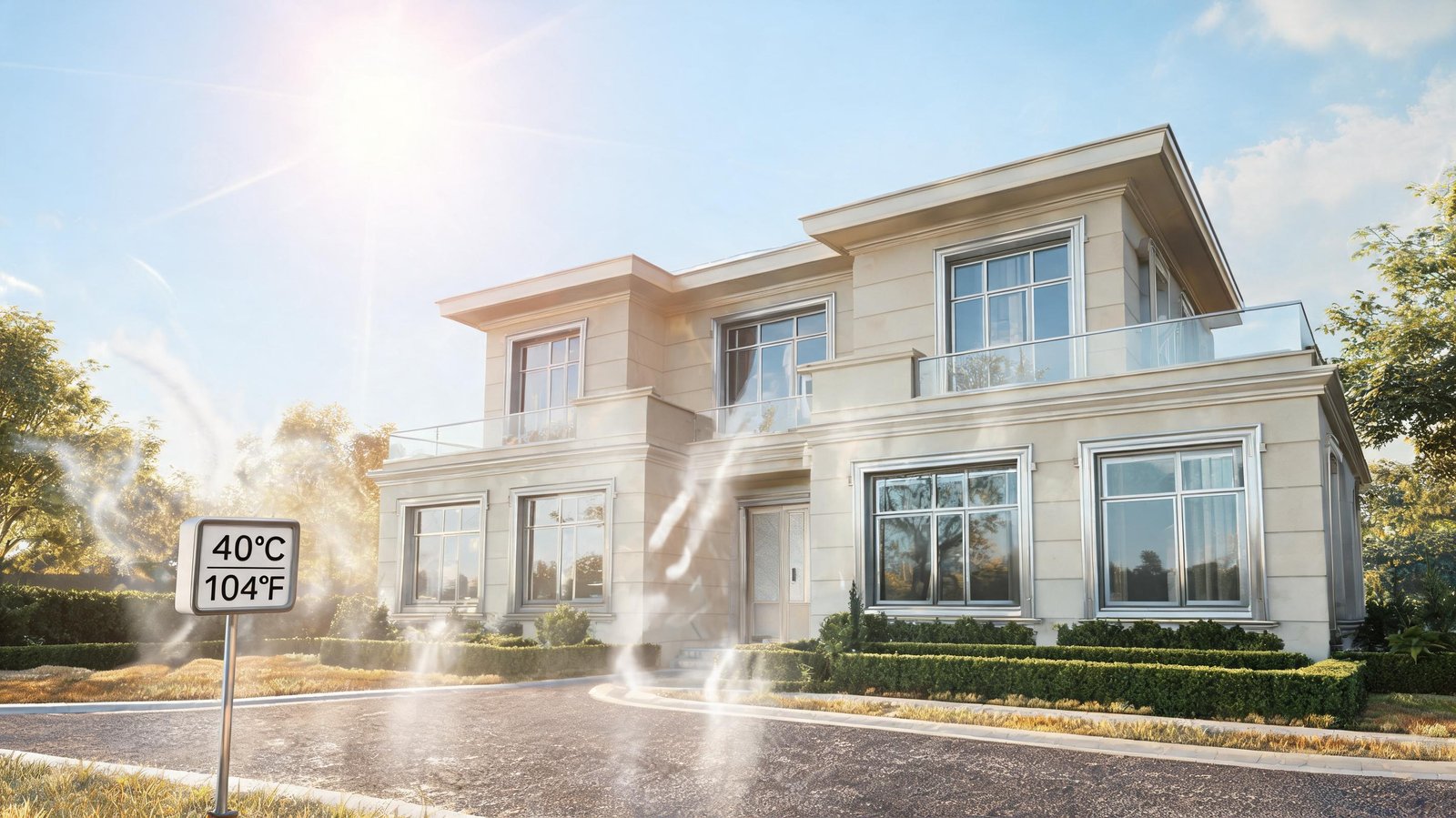
We also offer custom jamb extensions and flashing kits specifically for French masonry construction. The typical stone-and-lime-plaster wall assembly in France has a different thermal mass characteristic than North American stick-frame—and our shop drawings account for that. We provide rough-opening sizing tables that consider 50mm of insulation overlap, integrated nailing fins with pre-applied butyl flashing tape, and EPDM drip caps designed for continuous drainage.
B2B Procurement: How to Specify Windows for French Heat Waves
If you’re a contractor or architect ordering for a renovation project in France, here are three hard-and-fast rules for getting this right:
1. Demand NFRC-Certified Labeling, Not Just EU Standard
EU CE marking and French NF certification often don’t publish SHGC data. NFRC labels are transparent and standardized. Superwindowhouse provides NFRC stickers on every unit. If your supplier can’t give you a printed SHGC label, walk away.
2. Verify the Frame’s Thermal Bridge Temperature Factor (fRsi)
This measures the coldest surface temperature on the frame interior. For heat-wave resilience, you want fRsi ≥ 0.80 at -10°C outdoor temperature. This ensures the frame doesn’t sweat—and more importantly, doesn’t transfer heat back into the room during extreme conditions. We supply this data in our submittal sheets for any project over 50 units.
3. Mock-Up the Sealing System
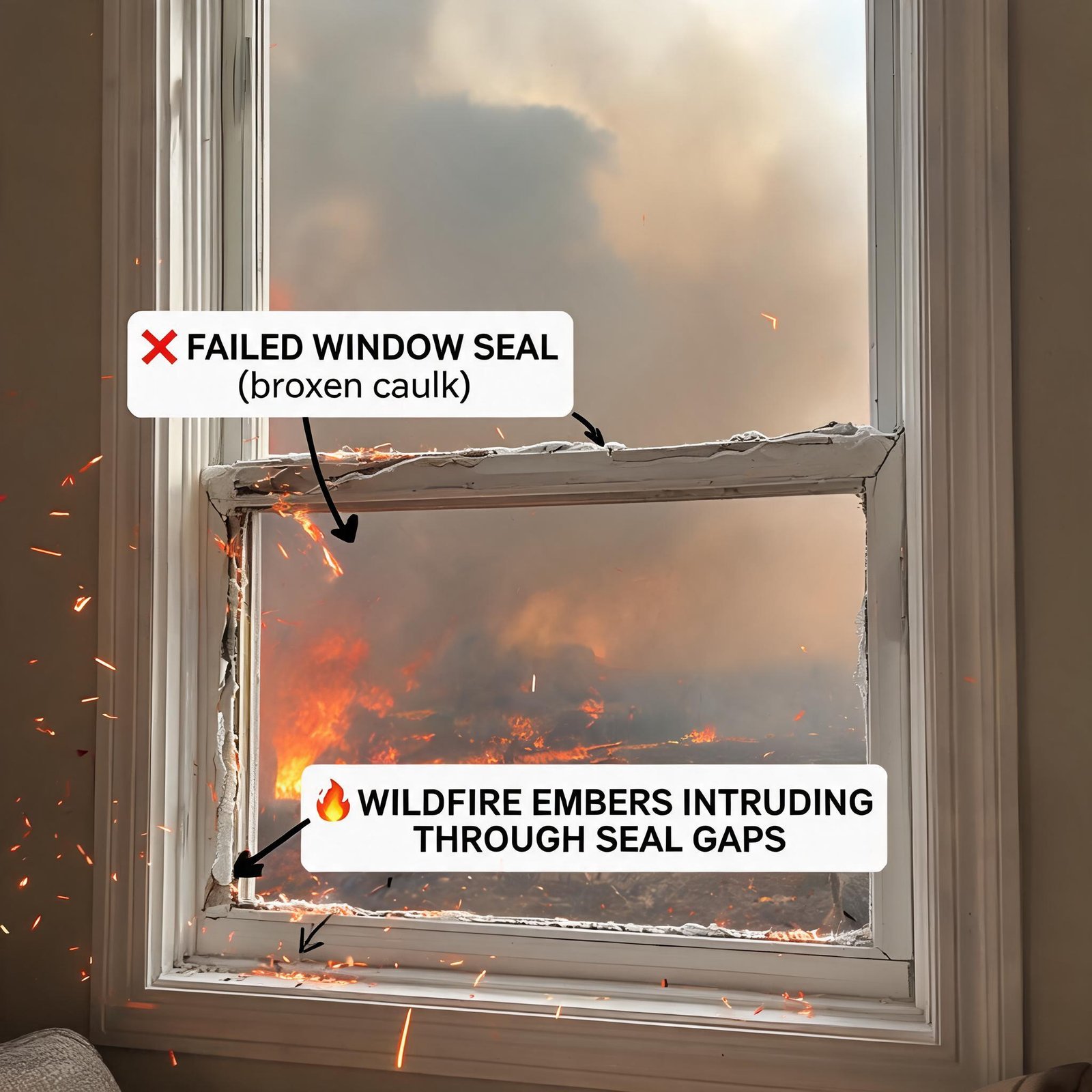
French masonry walls have inconsistent squareness. Specify pre-compressed foam tape backup seals or expanding silicone with backer rod between the frame and rough opening. Do not rely on caulk alone—it fails in thermal cycling. Our installation manuals include a step-by-step flashing procedure that accounts for thermal movement of up to 3mm per linear meter.
FAQ: French Heat Wave Window Upgrade
Q: Can I retrofit Low-E glass into my existing aluminum frames in France?
A: Technically yes, but practically no. The coating performance depends on the spacer system (warm-edge vs. aluminum), gas fill, and air-seal integrity. Retrofitting into old frames usually yields only 30% of the performance of a fully engineered unit. You’re better off replacing the entire sash assembly.
Q: How long does it take to feel the temperature difference after installing Low-E windows?
A: Immediately. On a 40°C day, interior surface glazing temperature drops from about 50°C (standard glass) to 28°C with dual-silver Low-E. That’s a 22°C radiant temperature reduction. Your indoor thermostat will stop cycling within hours.
Q: Do these windows work in winter too?
A: The same dual-silver Low-E coating that blocks solar heat in summer also reflects interior heat back inside during winter. You get year-round energy savings—typically 40–50% annual energy cost reduction compared to single-pane stock.
Q: Are Superwindowhouse windows available for French building regulations (RT 2012/RE 2020)?
A: Yes. All our units meet or exceed the French Thermal Regulation standards for new construction. We provide compliance documentation for French building inspectors and can supply U-w values calculated per EN ISO 10077-2 for your DPE (Diagnostic de Performance Énergétique) reporting.
The Bottom Line
France’s heat waves aren’t going away. The building stock wasn’t designed for them, and central AC isn’t coming to most homes. But the science of building enclosures is clear: Low-E, thermally broken windows with proper air-sealing are the most cost-effective, energy-efficient, and architecturally respectful solution available today.
Don’t spec windows that only look good on paper. Demand real NFRC data, dual-silver hard-coat Low-E, and manufacturer-backed thermal performance guarantees. Superwindowhouse has the engineering, the certifications, and the field experience to make your next French renovation or new-build both comfortable and compliant—without a single AC unit.
A call to action? Actually, no—just a challenge. Inspect your current glazing specs. Run the numbers. Then call a supplier who understands that building science beats brute-force cooling every time.