Why Plastic Trim Fails Under Sun Exposure
The physics is brutally simple. Most decorative plastic window trims sold at retail are made from either cellular PVC or recycled polypropylene blends. These materials have a high coefficient of thermal expansion—typically in the range of 3.5 to 5.0 x 10⁻⁵ in/in/°F. When a dark-colored trim piece sits on a south-facing wall and absorbs solar radiation, surface temperatures can easily hit 160°F to 180°F on a 95°F summer day. The material expands, but because it’s mechanically fastened at intervals, it can’t move freely. The result is buckling, warping, and eventually stress cracking at fastener points. Add in UV degradation that embrittles the surface layer, and you have a trim piece that shatters when you try to remove it.
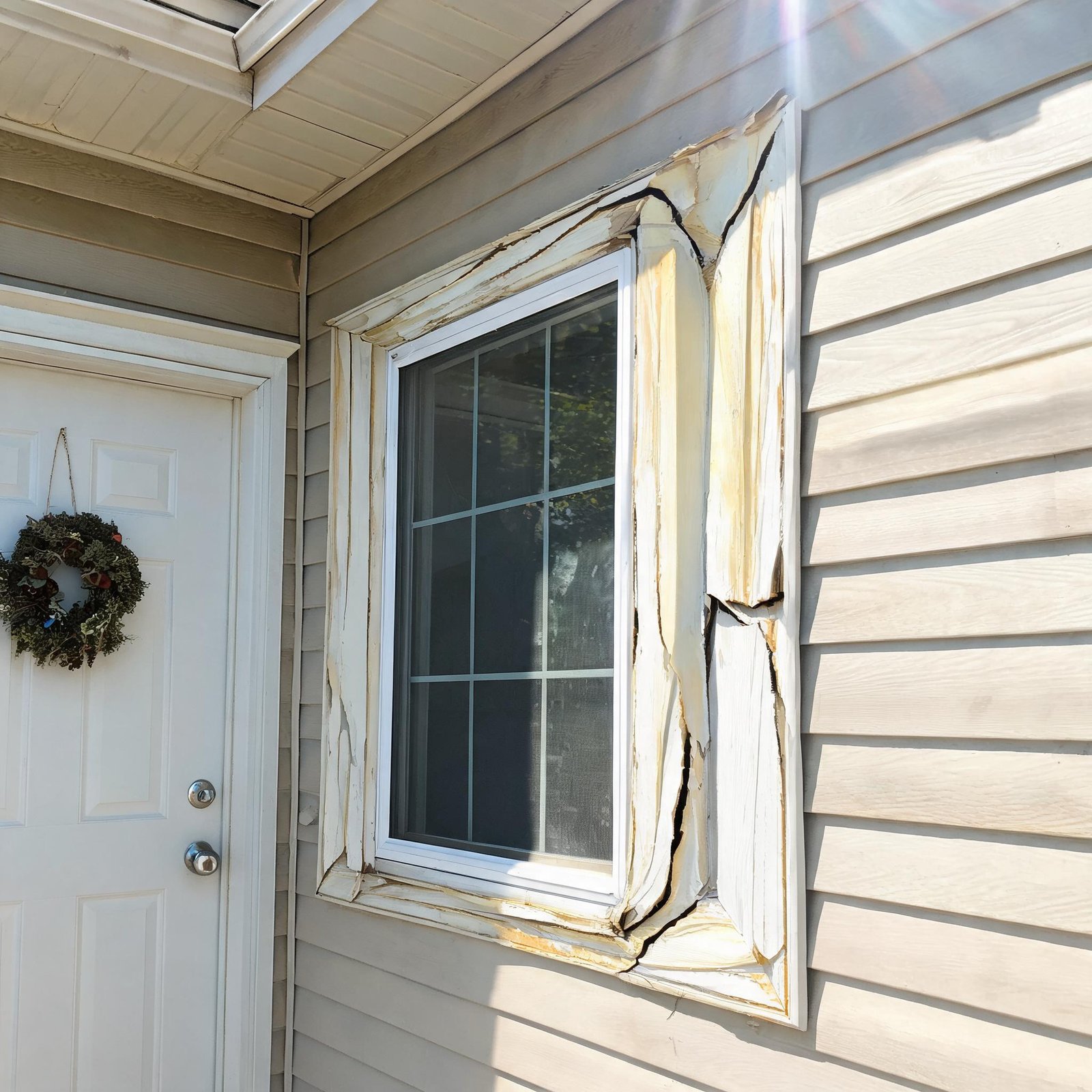
That Reddit homeowner’s half-inch offset is a classic tell. That profile is used to create a shadow line—a drywall return detail that hides the gap between the window frame and the finished wall. It’s a custom architectural detail that mass-market trim manufacturers simply don’t tool for. When you can’t find an off-the-shelf replacement, you’re looking at either custom milling, which is expensive and rarely matches the original profile exactly, or a complete rethinking of your trim strategy.
The Better Way: UV-Resistant Vinyl Window Trim That Won’t Warp
Here’s where the industry needs to catch up. The solution isn’t better plastic—it’s vinyl. But not just any vinyl. The material science behind high-performance vinyl window trim involves a fundamentally different formulation. Superwindowhouse offers UV-resistant vinyl window trim and casing that won’t warp or crack under sun exposure, with customizable profiles for perfect fit. The vinyl compound used in these products is stabilized with titanium dioxide and advanced hindered amine light stabilizers (HALS), which block UV penetration and dissipate thermal energy before it can degrade the polymer chains. This isn’t the same material used in cheap irrigation pipe or siding accessories. It’s an engineered extrusion specifically designed for sustained outdoor exposure.
The thermal expansion coefficient of this UV-stabilized vinyl is approximately 2.0 to 2.5 x 10⁻⁵ in/in/°F—about half that of cellular PVC. That means for a 6-foot trim piece experiencing a 100°F temperature swing, the expansion is roughly 0.06 inches versus 0.12 inches for standard plastic. That difference is the line between a clean shadow line and a buckled mess. More importantly, the vinyl does not become brittle over time. The HALS chemistry regenerates its UV-blocking capacity, so the material’s impact resistance remains above 80% of its original value even after 10 years of Florida sun exposure, according to ASTM D4226 testing.
What to Look for in Sun-Exposed Trim
If you’re replacing outdoor window trim that has already failed, you need three things: material stability, profile accuracy, and proper installation technique. Let’s break each one down.
Material Stability: Beyond “Vinyl”
Not all vinyl is created equal. You want trim that meets or exceeds the requirements of ASTM D4477—the standard for rigid polyvinyl chloride (PVC) exterior profiles. This standard specifies minimum impact resistance, heat deflection temperature, and weatherability after 1,000 hours of accelerated UV exposure. The Superwindowhouse trim lineup is engineered to this standard, with a heat deflection temperature of 165°F at 264 psi load, meaning it holds its shape even when the surface is hot enough to cook an egg.
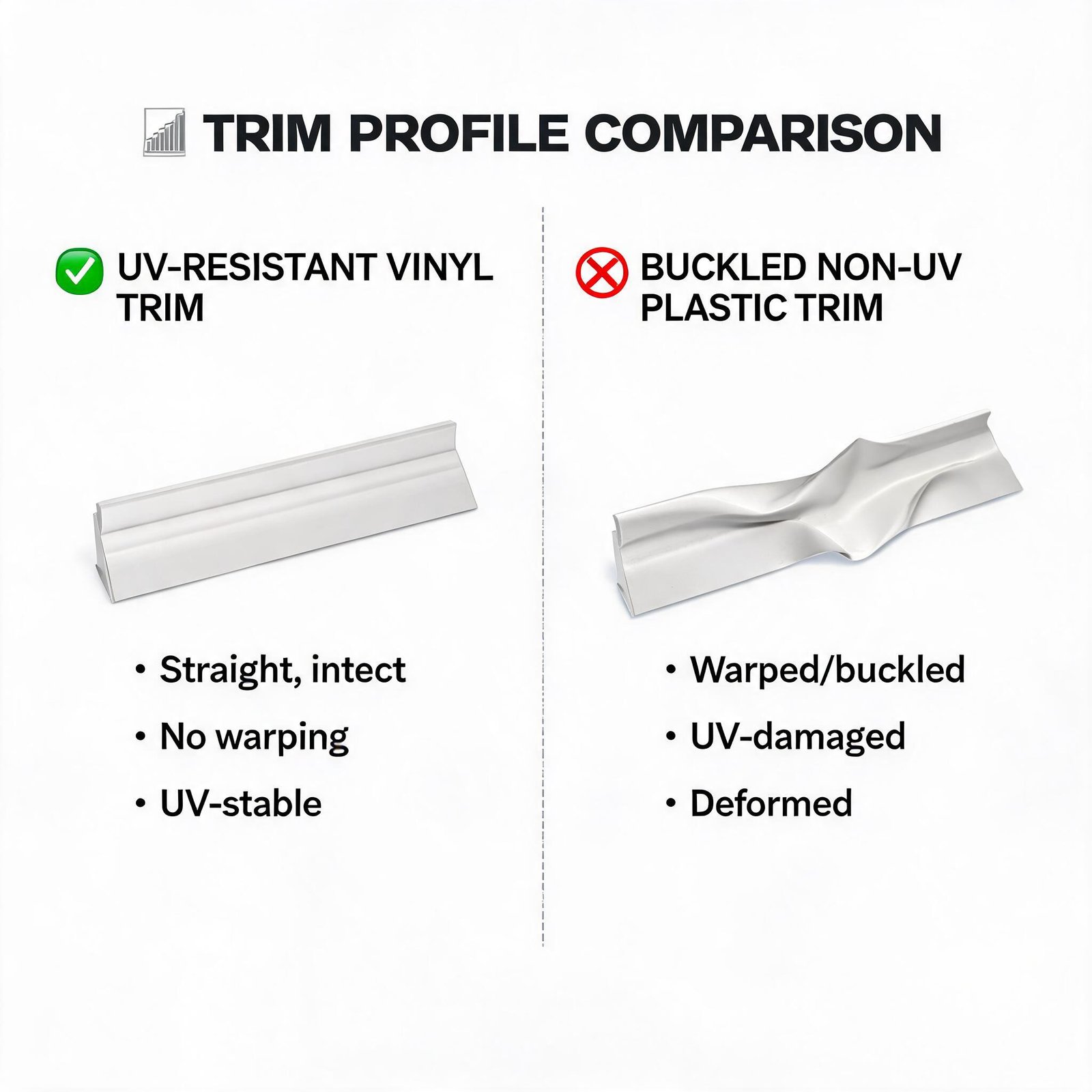
Look for products that carry a written warranty against warping, cracking, and fading. A 25-year limited warranty is the baseline for serious manufacturers. If a company won’t stand behind its product for at least two decades, they’re selling you a future problem.
Profile Accuracy: Solving the Half-Inch Offset Problem
The Reddit homeowner’s half-inch offset search is a perfect example of why standard trim won’t work. That offset is a dimension measured from the back of the trim to the inside edge of the reveal—a detail that creates a recessed shadow line. Accurate reproduction of this profile requires tight extrusion tolerances: ±0.010 inches on critical dimensions, not the ±0.030 inches you get from commodity trim. Superwindowhouse offers customizable profiles for perfect fit because they maintain their own extrusion tooling. You can send them a sample or a detailed drawing, and they’ll match the geometry exactly—including that specific half-inch offset. This eliminates the need for shimming, caulking gaps, or living with a mismatched profile that looks wrong from the street.
Installation: The Details That Matter
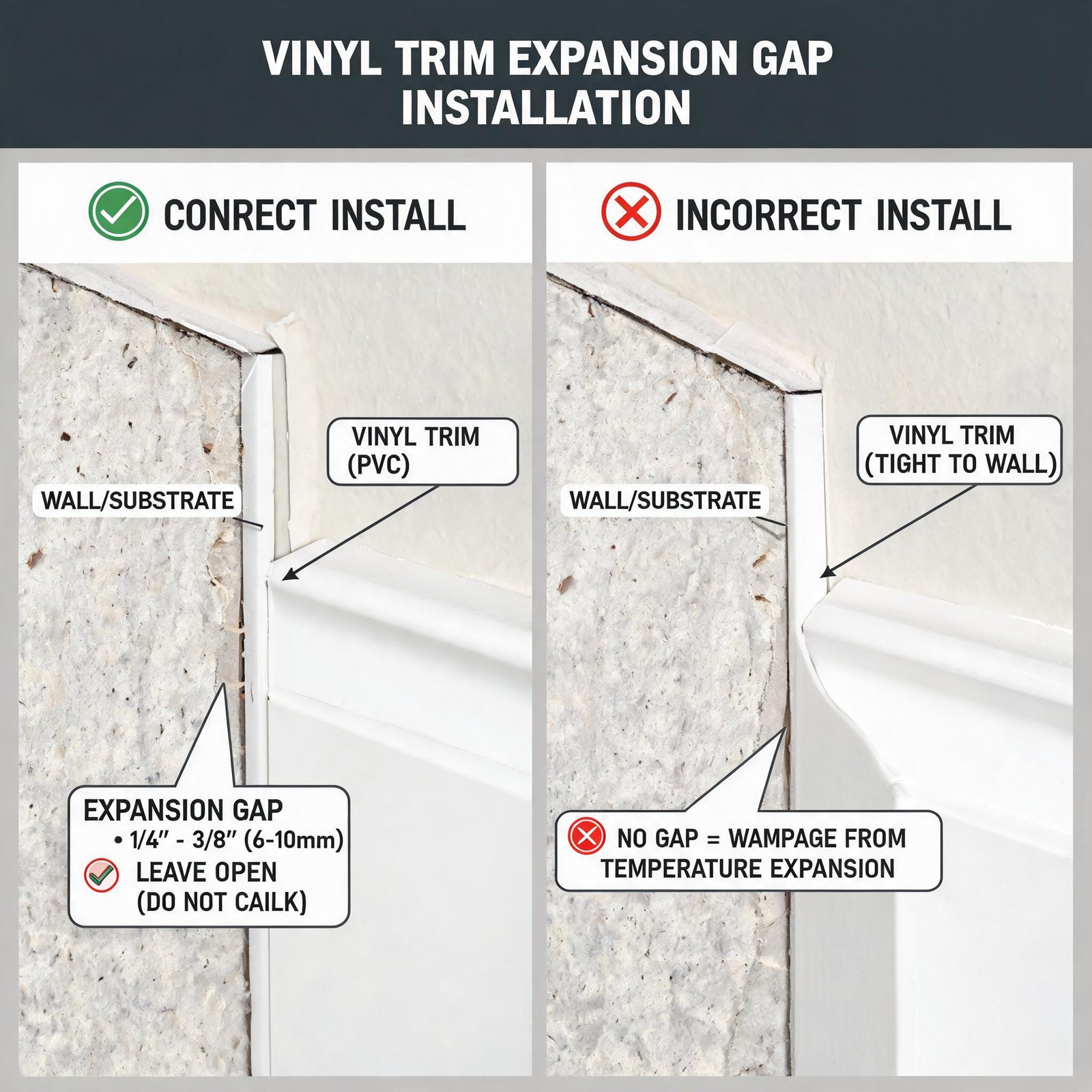
Even the best material will fail if installation ignores thermal movement. For sun-exposed locations, follow these rules:
- Leave expansion gaps: At every joint and end termination, leave a 1/8-inch gap filled with a high-performance urethane sealant, not caulk. Urethane remains flexible across a wider temperature range.
- Use slotted fasteners: Pre-drill slots rather than round holes, oriented perpendicular to the length of the trim. This allows the fastener to slide as the trim expands and contracts, preventing stress buildup.
- Avoid dark colors on south-facing elevations: Black and deep charcoal absorptions can push surface temperatures above 200°F. Lighter colors like white, beige, or light gray reflect more solar radiation and significantly reduce thermal stress.
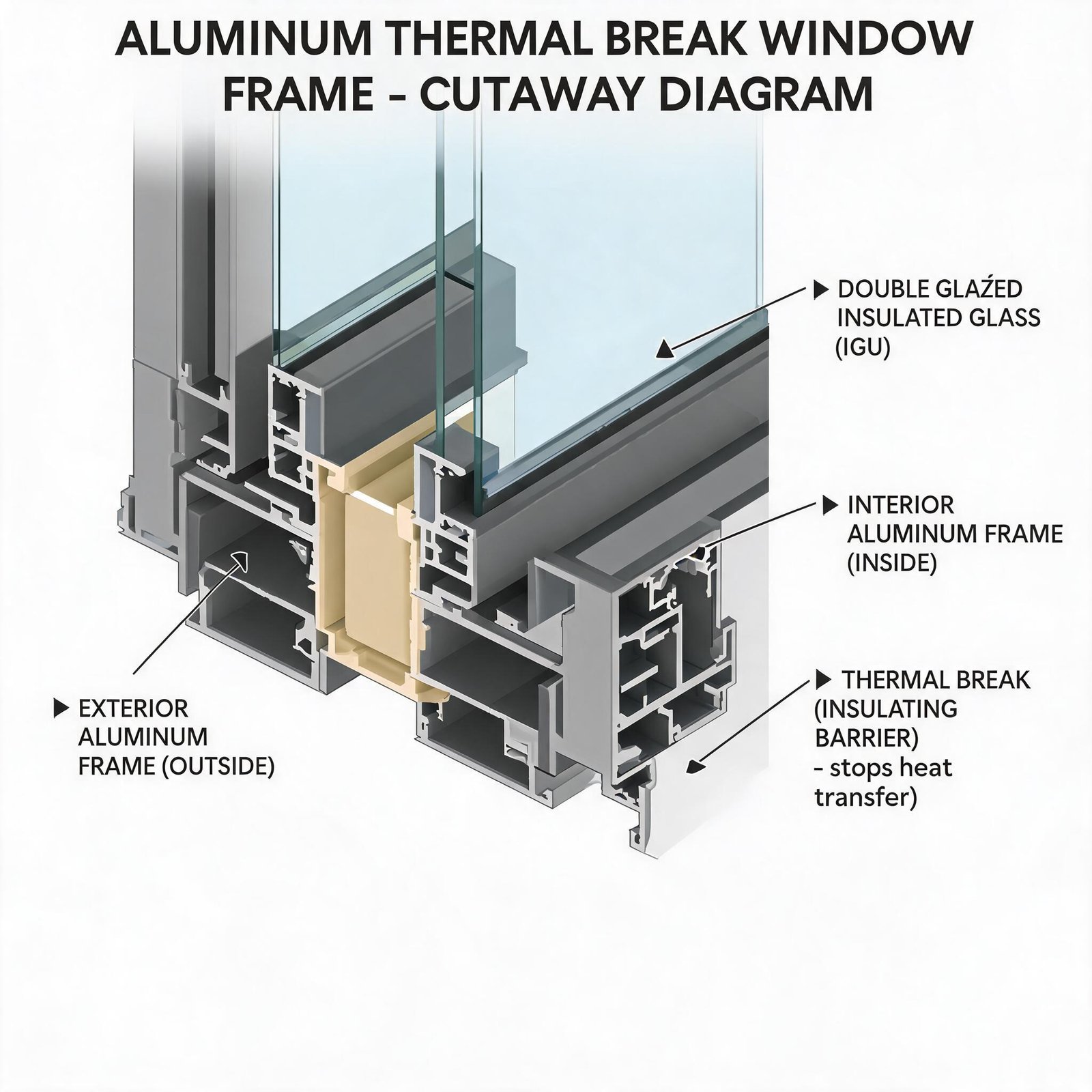
- Install a backer rod behind the trim: This creates a thermal break between the trim and the wall sheathing, reducing heat transfer into the trim itself.
System-Level Thinking: The Trim Is Part of the Assembly
Here’s the perspective most homeowners miss. That decorative trim isn’t just cosmetic. In many new construction and retrofit applications, the trim serves as a secondary water management element. It covers the gap between the window frame and the rough opening, and if it’s warped, that gap becomes a pathway for water intrusion. A failed trim piece can lead to rot in the sheathing, mold in the wall cavity, and eventual window frame failure. When you’re dealing with a sun-warped trim next to the front door, you’re not just fixing aesthetics—you’re addressing a moisture control system that’s already compromised.
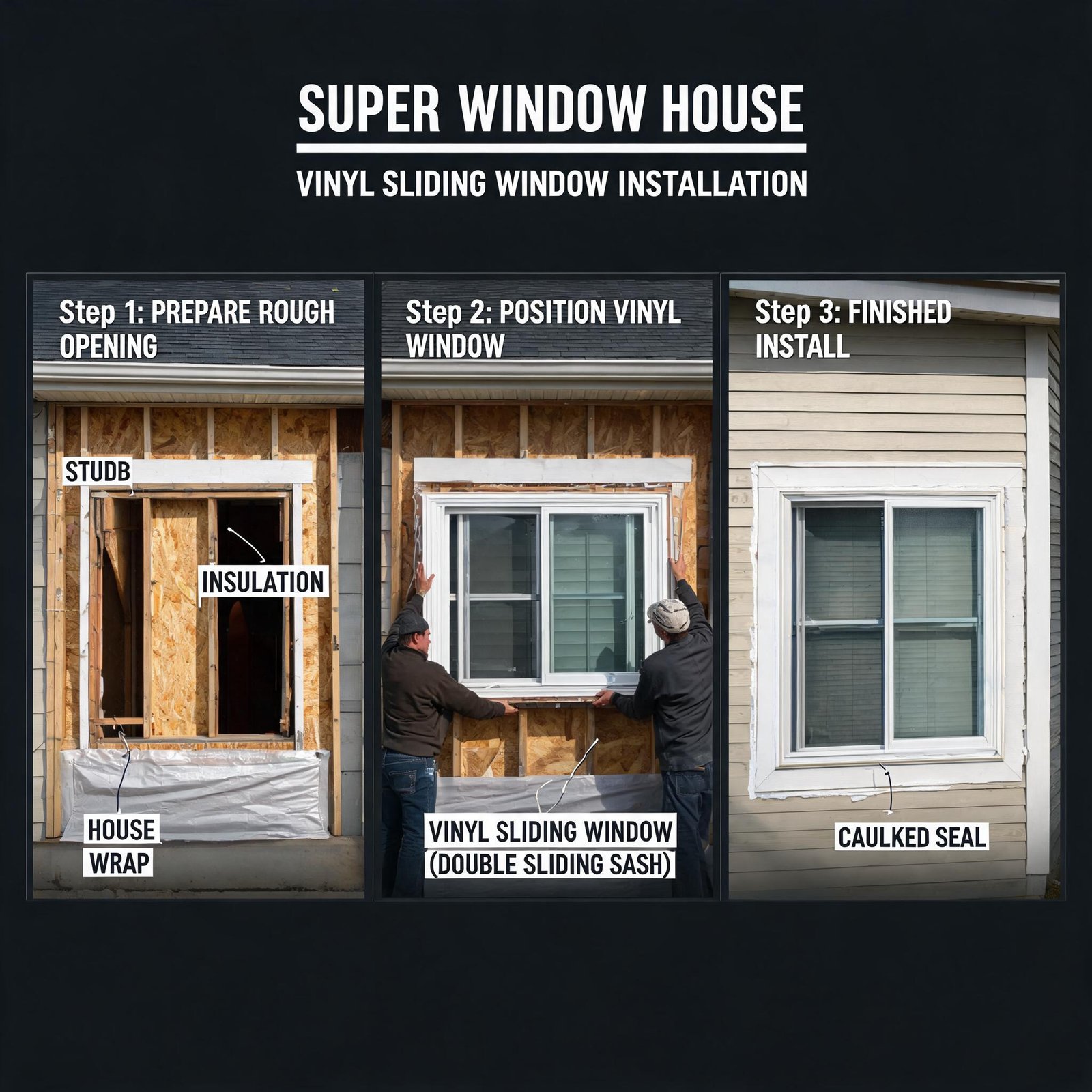
This is why I recommend homeowners and contractors pair durable trim with high-performance window systems designed for sun-exposed conditions. For example, pairing UV-resistant trim with energy efficient vinyl sliding windows gives you a complete assembly where both the glass unit and the surrounding trim are engineered for thermal stability. The vinyl frames themselves use multi-chambered extrusions that reduce heat transfer, keeping the window surface cooler and reducing the temperature differential that drives trim warping.
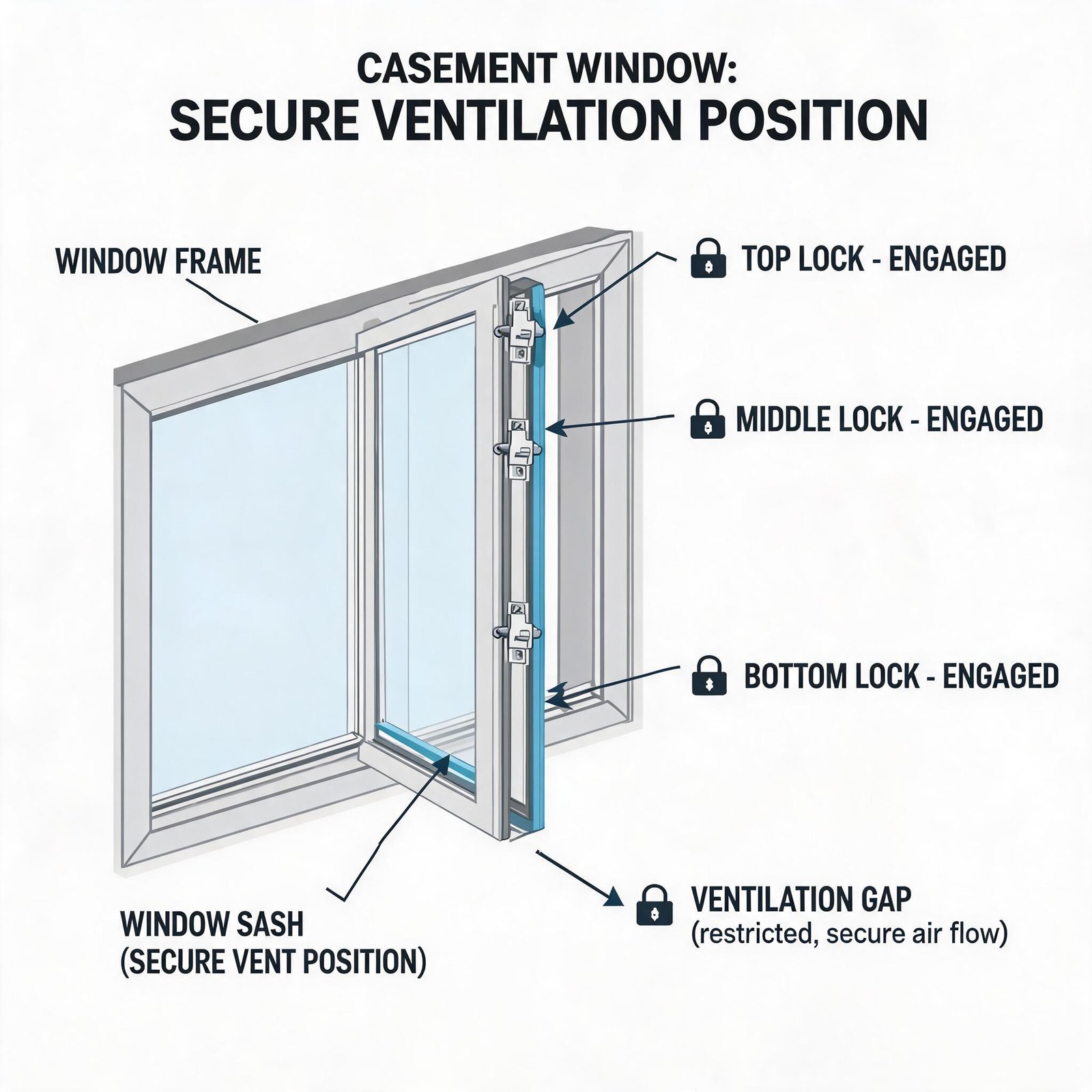
For applications requiring even greater thermal performance—such as large picture windows facing west—consider high-performance vinyl casement windows that incorporate reinforced sashes and compression seals. These units not only handle solar heat gain more effectively but also provide a rigid mounting surface that reduces stress on the trim system.
Why Superwindowhouse Makes Sense for This Application
The homeowner on Reddit is caught between two bad options: use a material that has already proven it will fail, or try to custom-mill a replacement that may not be available. Superwindowhouse closes that gap by offering a product that is both technically superior and available with the exact profile needed. The UV-resistant vinyl formulation eliminates the failure mode. The custom extrusion capability eliminates the fit problem. And because the trim is manufactured as part of a complete systems approach to fenestration, you’re not mixing and matching components from different suppliers with different expansion rates and different warranties.
If you’re a contractor dealing with sun-warped trim on a regular basis—and in markets like Texas, Arizona, Florida, or California, you are—this should be part of your standard specification. Stop telling homeowners to “paint it white and hope for the best.” Start specifying a product that is engineered for the exposure.
The Bottom Line
Sun warped trim is not a maintenance issue. It’s a material specification failure. The plastic trim sold at big-box stores is not designed for sustained direct sun exposure. UV-resistant vinyl is. That half-inch offset profile that the Reddit homeowner couldn’t find? It exists—you just need to source it from a manufacturer that understands extrusion tolerances and material science. Superwindowhouse delivers exactly that: UV-resistant vinyl window trim and casing that won’t warp or crack under sun exposure, with customizable profiles for perfect fit. If you’re tired of returning to jobsites to replace trim that failed in two years, it’s time to change what you’re installing. Your customers—and their front doors—will thank you.