Let’s cut the crap: if you’re sitting in your mobile home bedroom at 3 PM on a July afternoon with sweat dripping down your back, and your “double-pane windows” feel like a space heater on your skin, you’re not crazy. You’re just dealing with shitty window performance that no amount of headboard blocking or DIY insulation jammed between panes will fix. The idea of adding insulation between panes sounds clever on Reddit, but in the real world, that’s a hack that kills your view, traps moisture, and voids whatever warranty you had left. The real solution isn’t a band-aid. It’s ripping out those thermal losers and stepping up to triple-pane Low-E technology from a manufacturer that actually understands the physics of heat transfer in factory-built homes. That’s where Superwindowhouse comes in.
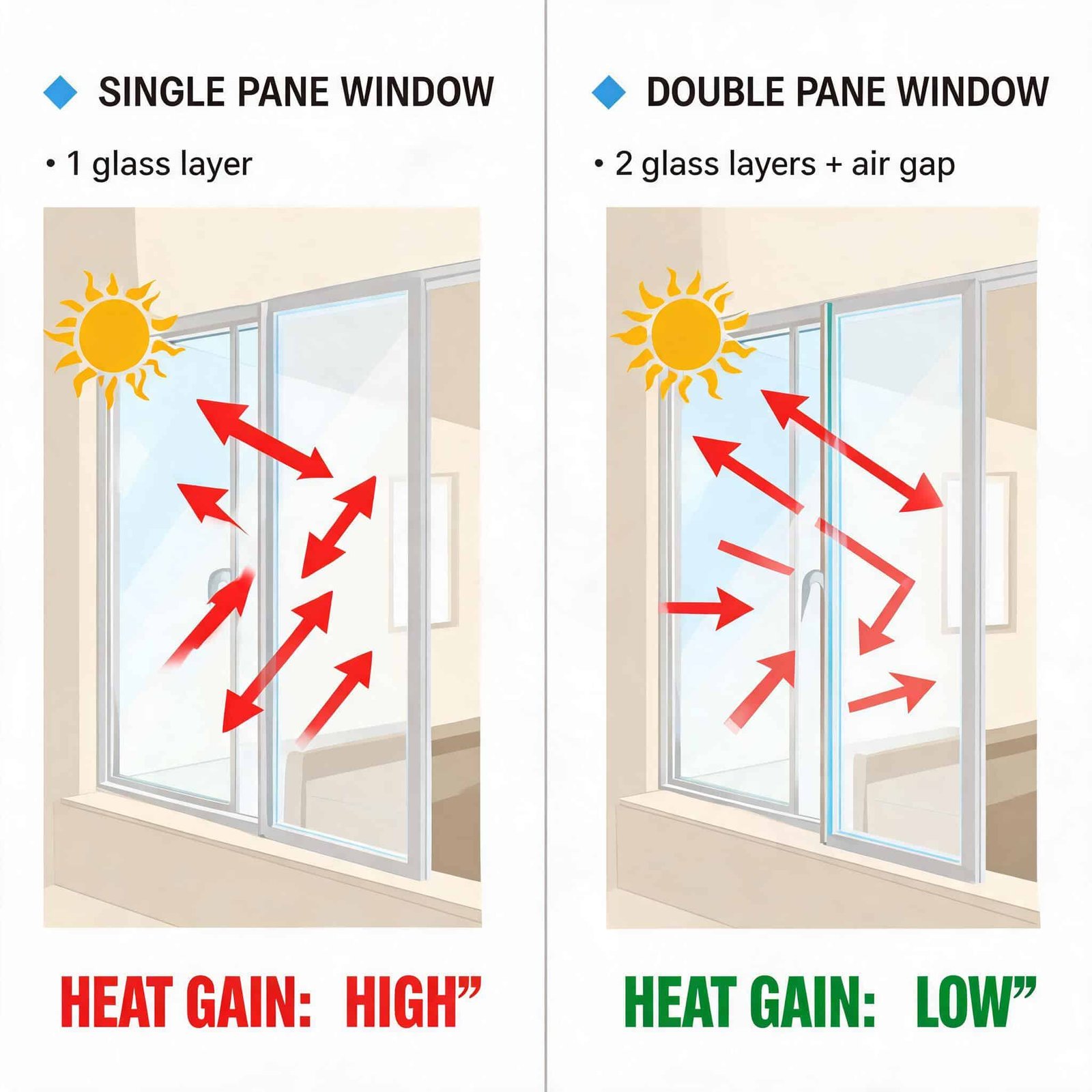
I’ve been in the field for 15 years. I’ve seen mobile home owners do desperate things—aluminum foil on windows, blackout curtains so thick they could stop a bullet, even spray foam injected into the window frame cavity (don’t try that, by the way). But the root cause is simple: standard double-pane windows, especially in mobile homes, often use low-quality glass, poor gas fills, and minimal low-e coatings. The SHGC (Solar Heat Gain Coefficient) is garbage. When the sun hits that window, the glass absorbs the energy and re-radiates it into your room like a radiator.
Mobile homes have unique challenges. Thin wall assemblies. Minimal overhangs. Often, the bedroom window faces west, right into the afternoon sun. A headboard might block a few square feet, but it won’t stop the radiant heat coming through the glass itself. You need a window that actually reflects infrared radiation before it enters your living space.
Why Double-Pane Falls Short in Mobile Homes
Let’s be real about the limitations. The industry standard for double-pane windows is two panes of 3mm glass, an air or argon gap of 6-12mm, and maybe a low-E coating if the manufacturer was feeling generous. That setup gives you a U-factor around 0.30 at best, and an SHGC that can hit 0.40 or higher in budget models. For a mobile home with limited insulation in the walls and roof, that’s a thermal disaster.
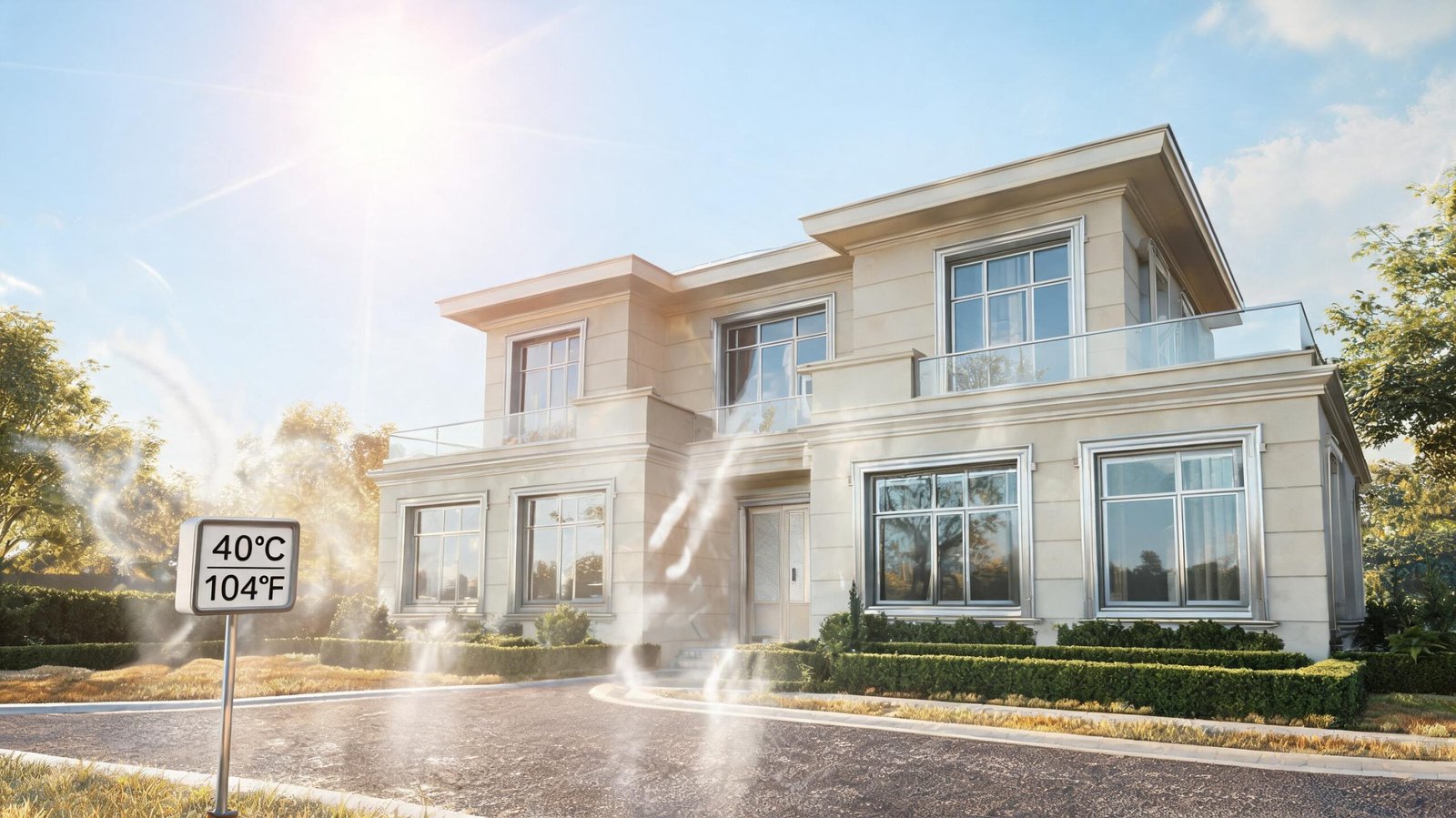
Here’s the physics you need to understand: heat flows from hot to cold. On a summer afternoon, the glass surface temp can hit 120°F if it’s single or low-quality double-pane. That heat radiates inward, warming the room air, the ceiling, and you. Even if you cover the window with a headboard, the glass-to-frame seal and the edges still leak thermal energy. You’re fighting a losing battle.
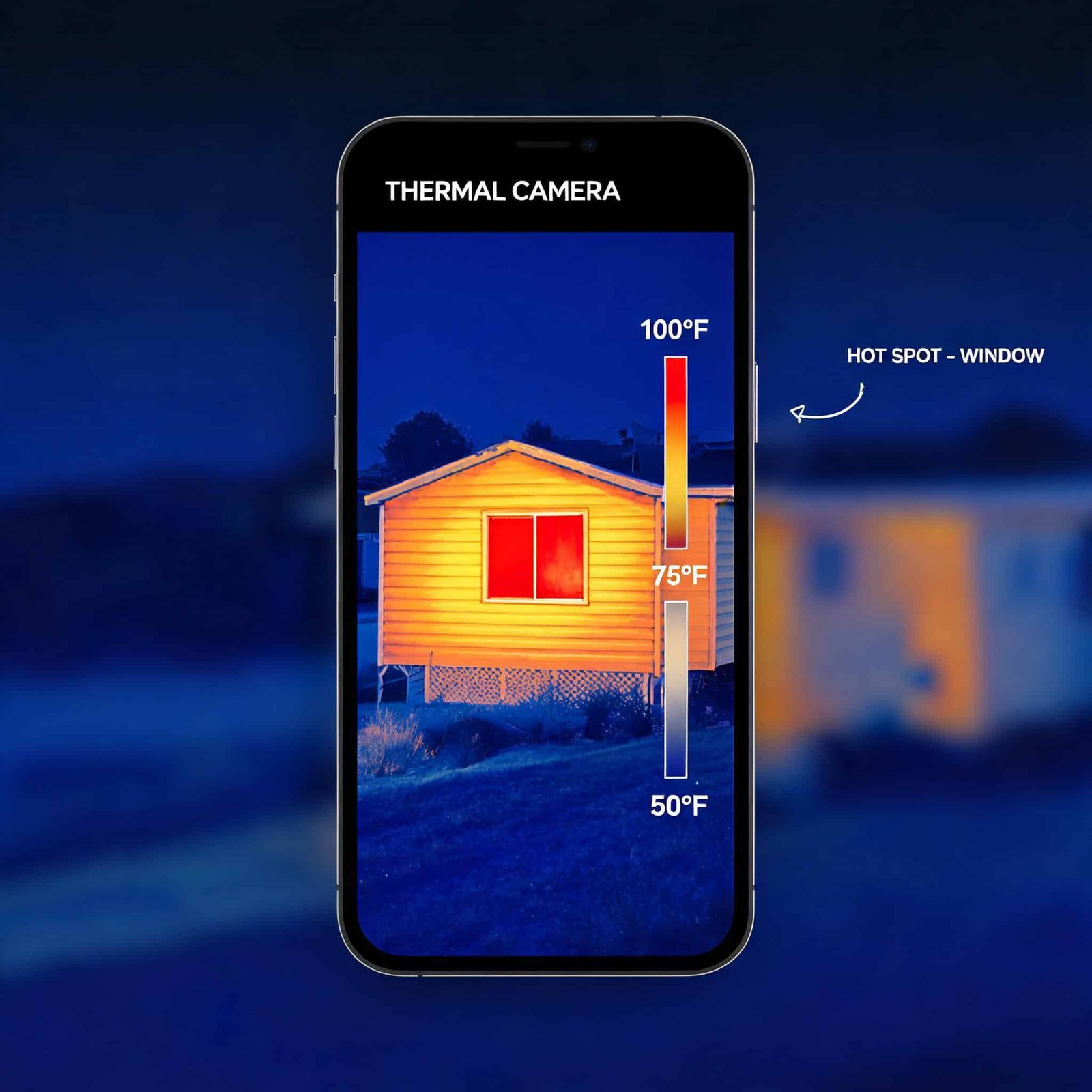
One of the most common Reddit threads I’ve seen starts with a homeowner asking: “Can I add insulation between my double-pane windows?” The answer is a resounding no. Sealed insulated glass units (IGUs) are a single factory-sealed assembly. Opening them or adding anything between the panes breaks the hermetic seal, introduces moisture, and ruins the thermal performance. Some people try to wedge foam strips or bubble wrap—which does help marginally, but it also blocks your view and can trap condensation between the panes, leading to mold growth.
The Triple-Pane Low-E Solution That Actually Works
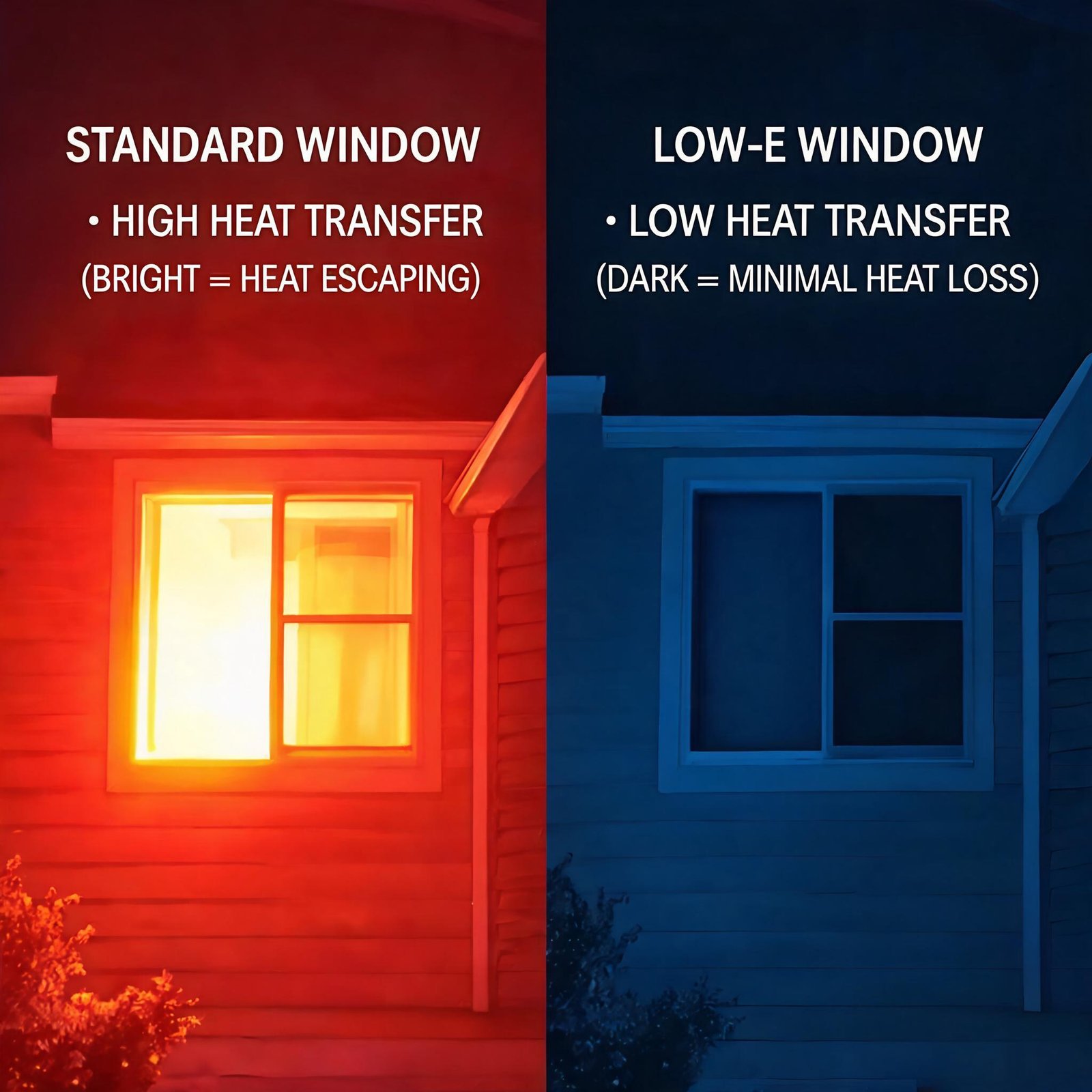
The only permanent fix for a mobile home that turns into an oven every afternoon is replacing those windows with a system designed to reject solar heat while maintaining clear visibility. Enter Superwindowhouse’s triple-pane Low-E windows. These aren’t your grandfather’s mobile home windows. We’re talking three panes of tempered glass, dual low-E coatings (soft-coat, sputtered, not the cheap hard-coat stuff), and either krypton or dense argon gas fills. The U-factor drops to 0.15 or lower. The SHGC plummets to under 0.20. That’s the difference between a window that heats your room and one that simply reflects the sun back to where it belongs.
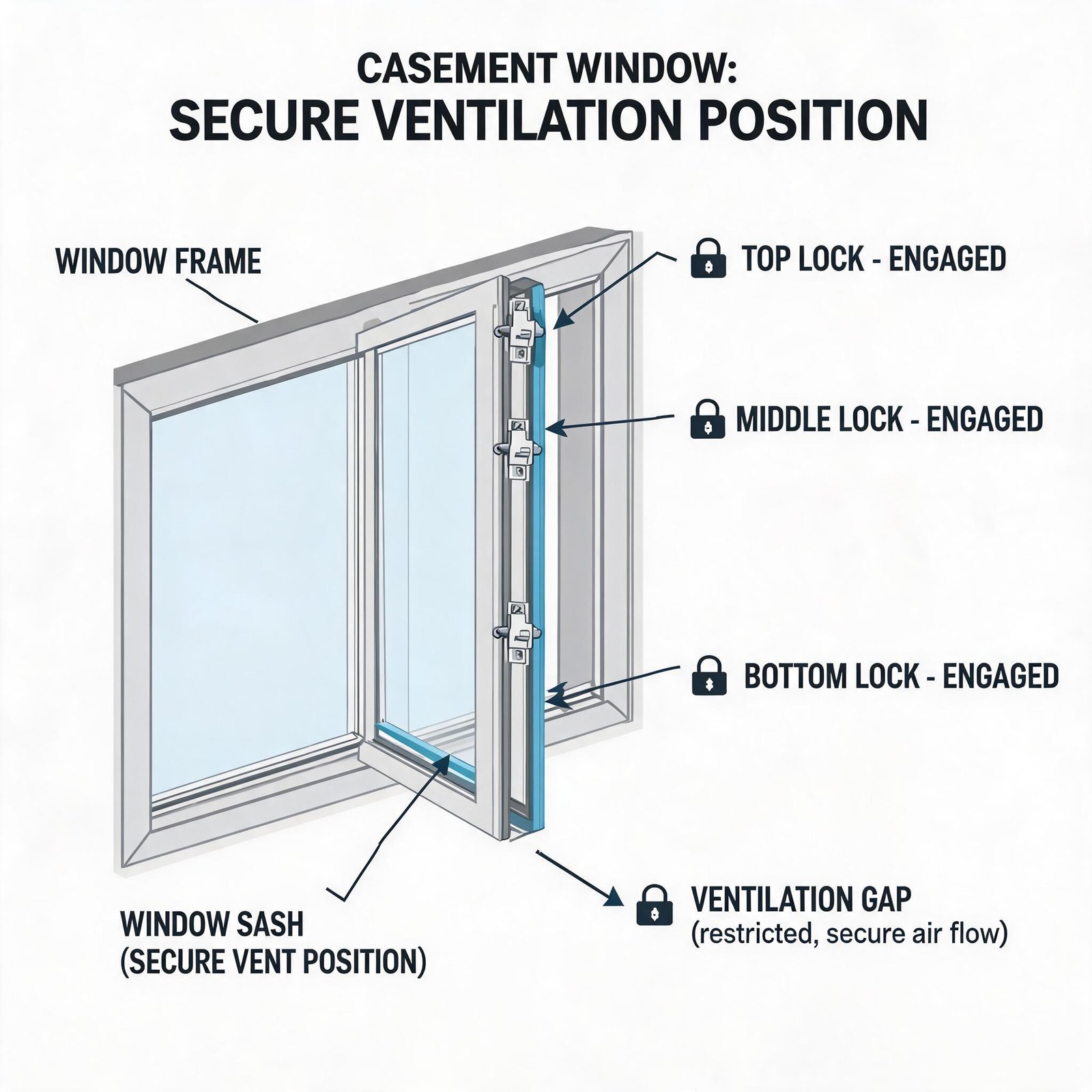
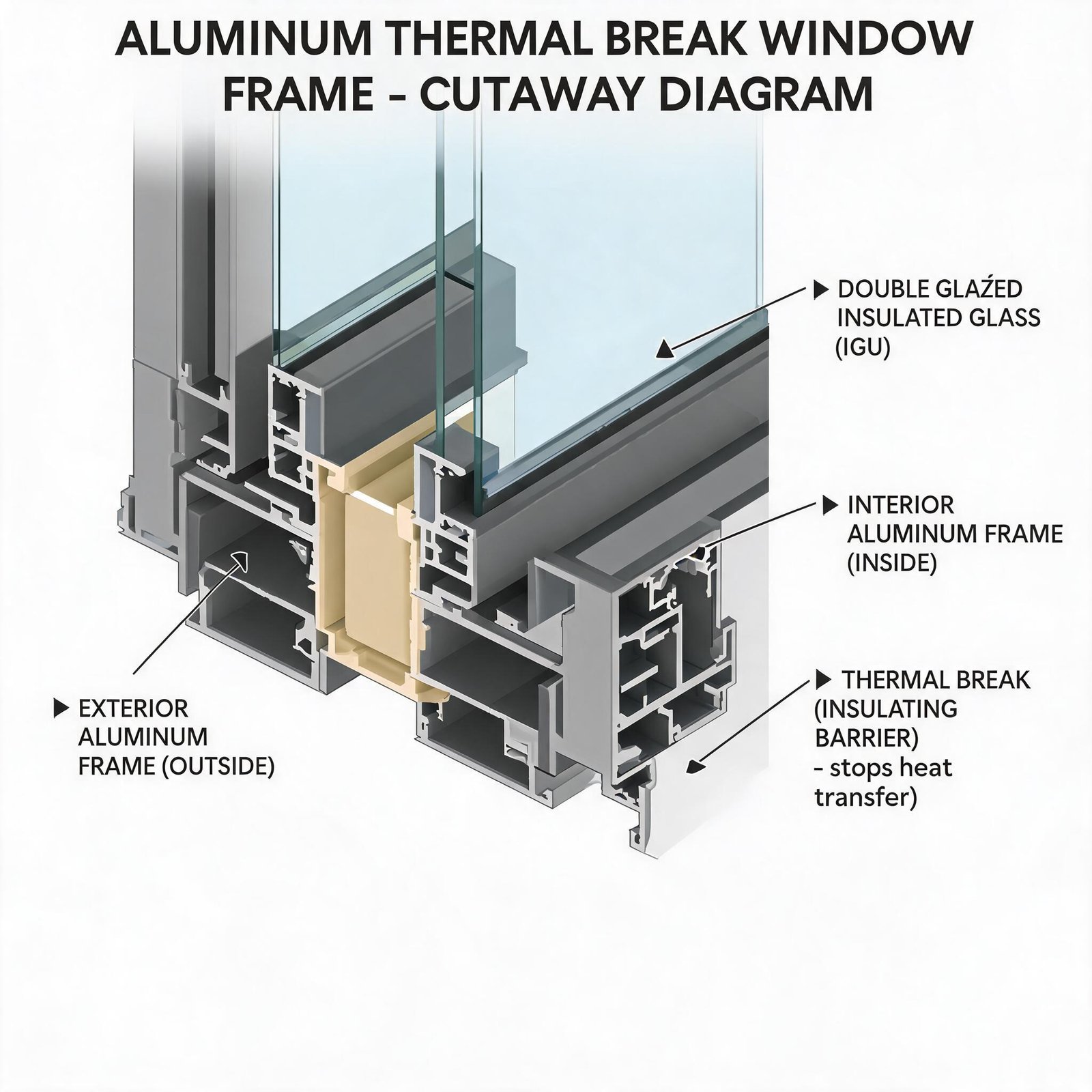
For mobile homes specifically, I recommend our high-performance vinyl casement windows. The casement design creates a compression seal that minimizes air infiltration—critical for mobile homes where the framing can shift and settle. The triple-pane configuration with low-E coatings cuts heat gain by over 60% compared to standard double-pane units. Plus, the vinyl frame acts as a thermal break, preventing conduction through the frame itself.
But let’s talk about the headboard approach for a second. It’s a stopgap at best. Unless you seal the entire window with a sheet of reflective insulation at the glass level, the headboard just creates a shadow on the floor—meanwhile, the glass still radiates heat into the gap between the headboard and the window. You’re essentially creating a convection oven in that cavity. Smart? No. Wasteful? Yes.
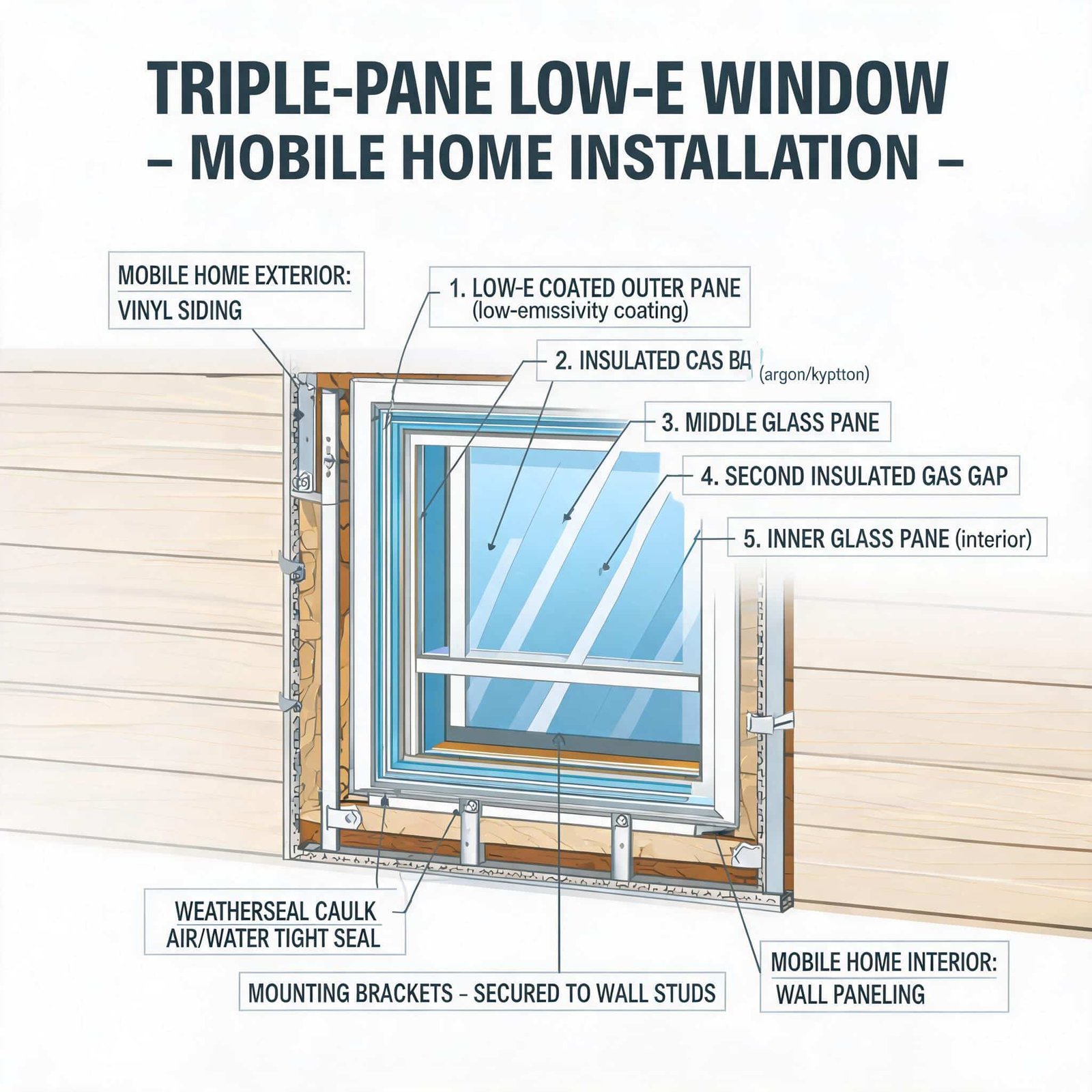
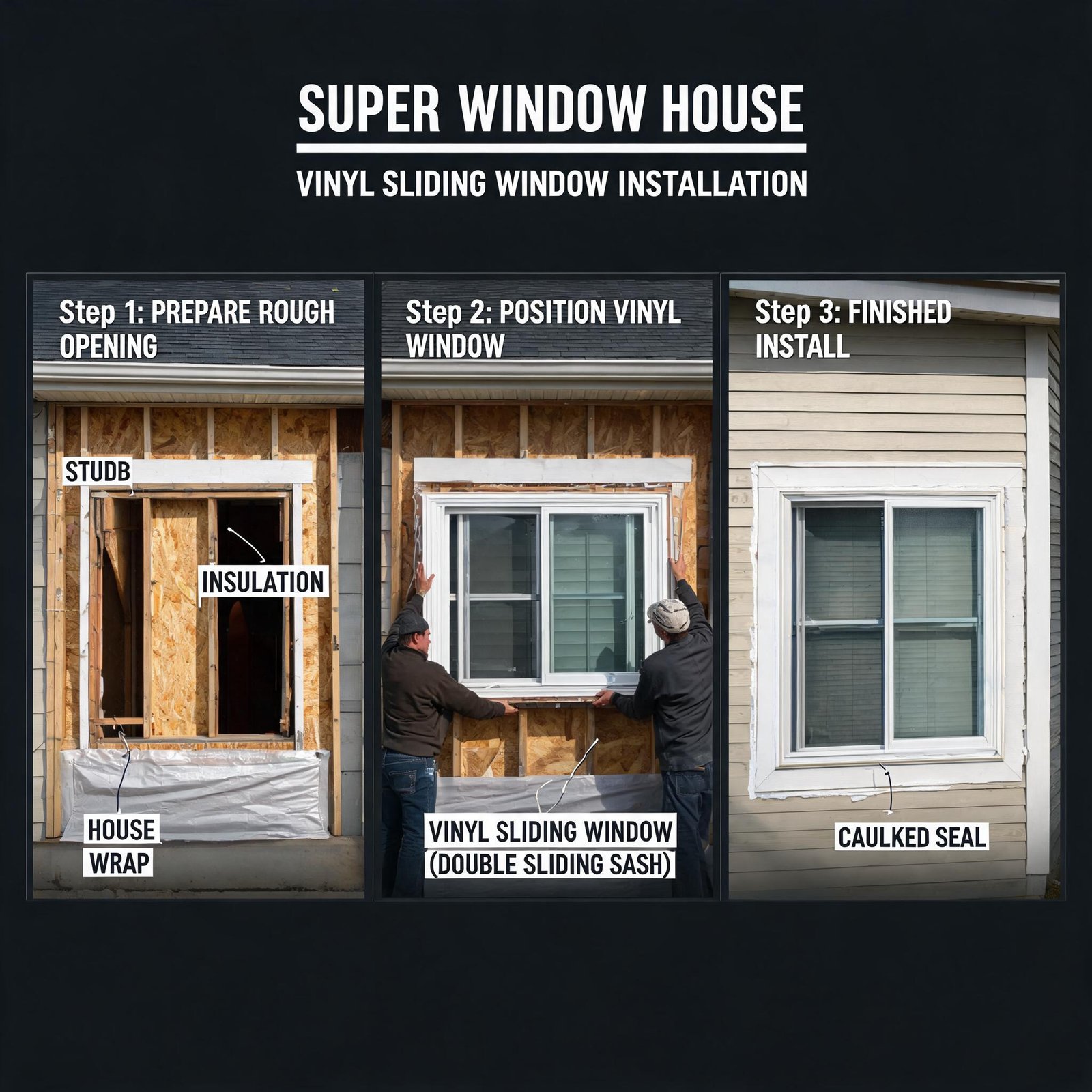
For mobile homes with sliding windows, which are common due to their size and affordability, we offer the energy-efficient vinyl sliding windows with the same triple-pane low-I technology. These are specifically engineered for the wall thickness of mobile homes (typically 4 inches or less) and come with a full-frame installation kit that seals the rough opening correctly—something that’s often botched by installers who treat mobile homes like standard stick-built houses.
Installation Matters More Than You Think
Here’s a truth I’ve learned over a decade and a half: even the best triple-pane window is only as good as its installation. In mobile homes, the walls are thin and often flex during transport and settling. The rough opening needs to be squared, flashed with a proper sill pan, and insulated with low-expansion foam (not the high-expansion stuff that can bow the frame). Skip that step, and you’ll get air infiltration that turns your triple-pane investment into a leaky sieve.
When you order from Superwindowhouse, we don’t just ship windows. We provide field-tested installation guides specific to mobile home framing. For the bedroom window that’s roasting you every afternoon, I’d consider our slim profile tilt-in vinyl double hung windows. The tilt-in feature makes cleaning a breeze—mobile home windows collect dust and pollen fast—and the narrow frame profile gives you more glass area and better insulation.
The Cost-Benefit You Need to Calculate
I know what you’re thinking. “Triple-pane windows are expensive. My mobile home isn’t worth that investment.” Here’s the math that actually matters. A typical mobile home bedroom has about 15-20 square feet of window area. Replacing a low-end double-pane window with a triple-pane Low-E unit from Superwindowhouse will cost roughly $400-$600 per window installed. The energy savings? In a hot climate, you’ll see your cooling costs drop by 20-30% just from that one window. Over five years, that pays for the window. Plus, you eliminate the need for blackout curtains, headboard hacks, and the constant discomfort.
More importantly, it increases the resale value of your mobile home. Buyers are smart. They know that high-performance windows mean lower utility bills and better comfort. A mobile home with triple-pane Low-E windows is a premium product.
If you’re doing a full window replacement across multiple rooms, look at our vinyl sliding patio doors—same triple-pane technology, designed for larger openings and direct sun exposure. For western-facing bedrooms, I’d stack two casement windows or a combination of a casement and a sliding unit to maximize ventilation and minimize heat gain.
Final Verdict: Stop Hacking, Start Solving
The Reddit community is full of creative fixes, but the double-pane window insulation hack is a desperate move from a homeowner who hasn’t been shown the right path. You can throw a headboard in front of the window, you can stuff foam between the panes, or you can solve the problem at its source. A triple-pane Low-E window from Superwindowhouse is the only solution that delivers proven performance, code compliance, and comfort that lasts.
Don’t waste another summer sweating through afternoons. The technology exists, it’s proven, and it’s specifically designed for mobile homes. Make the switch. Your bedroom—and your electric bill—will thank you.