Let’s cut the bullshit. You’ve got a 120-year-old house with Marvin wood/aluminum windows that are literally splitting apart—laminate delaminating, wood rotting at the sills, aluminum cladding buckling like a cheap suit in the rain. You called a few contractors, got quotes that made your eyes water, and now you’re stuck between vinyl, fiberglass, and wood interior, wondering if you’re about to blow your budget on overpriced replacements that’ll do the same thing in another decade.
Here’s the hard truth: the window industry has been selling you overengineered garbage for years, and the Marvins you’re tearing out prove it. Wood expands, contracts, and rots. Aluminum transfers heat like a copper wire. Combine them in a humid climate or freeze-thaw cycle, and you get exactly what you’re seeing—splitting, warping, and a homeowner with a headache.
But you don’t need to mortgage the farm to fix this. Superwindowhouse has been doing this longer than most contractors have been on the job, and we’ve got a better way: durable vinyl windows that resist warping and splitting, plus high-performance aluminum thermally broken windows for historic homes that don’t scream “cheap flip.” Let’s break down what actually works, what doesn’t, and how to stop paying for name-brand marketing hype.
The Anatomy of a Marvin Failure: Why Your Windows Are Literally Falling Apart
First, let’s understand why those Marvins are splitting. Wood-aluminum clad windows are a classic design compromise: a wood frame inside for aesthetics, aluminum cladding outside for weather resistance. Sounds great on paper, but in reality, it’s a recipe for disaster.
Wood absorbs moisture like a sponge. Even with factory-sealed cladding, moisture wicks into the wood through joint gaps, nail holes, or micro-cracks. When that trapped water freezes, it expands and literally pushes the wood fibers apart. Over 120 years, you’re looking at multiple freeze-thaw cycles that have turned your window frames into structural biological disasters.
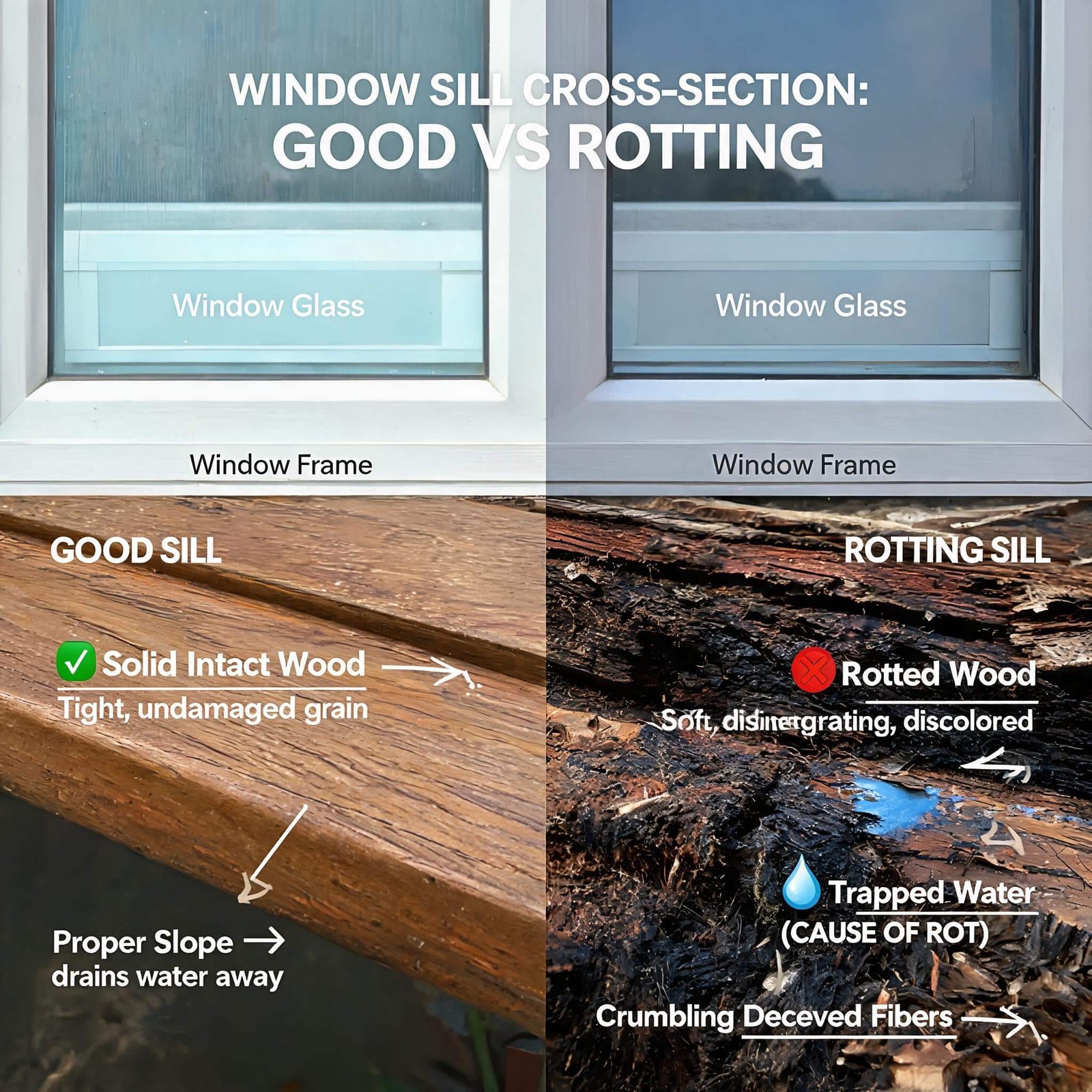
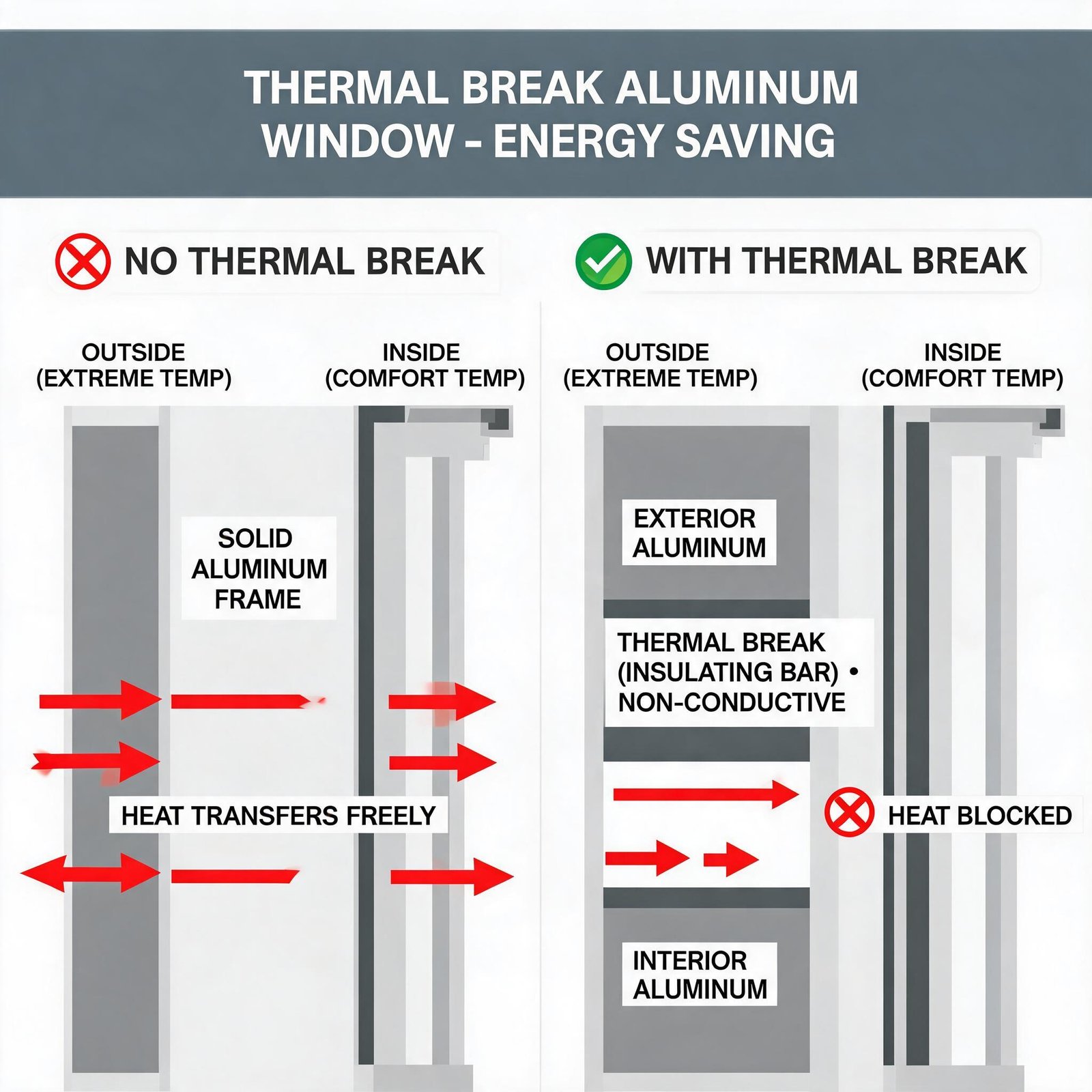
The aluminum cladding doesn’t help. It’s purely cosmetic and often installed with minimal thermal bridging protection. Heat flows straight through the metal, creating condensation points inside your home during winter. That condensation drips back into the wood, accelerating rot. It’s a self-feeding cycle of failure that no amount of caulking or painting will fix.
Why Vinyl Wins for Historic Home Window Replacement
Vinyl windows get a bad rap from old-school contractors who still think it’s the flimsy, white-box stuff from the 1980s. Modern vinyl—specifically the formulations we use at Superwindowhouse—is engineered to handle exactly what killed your Marvins: moisture, temperature swings, and mechanical stress.
Water Resistance That Wood Can’t Match
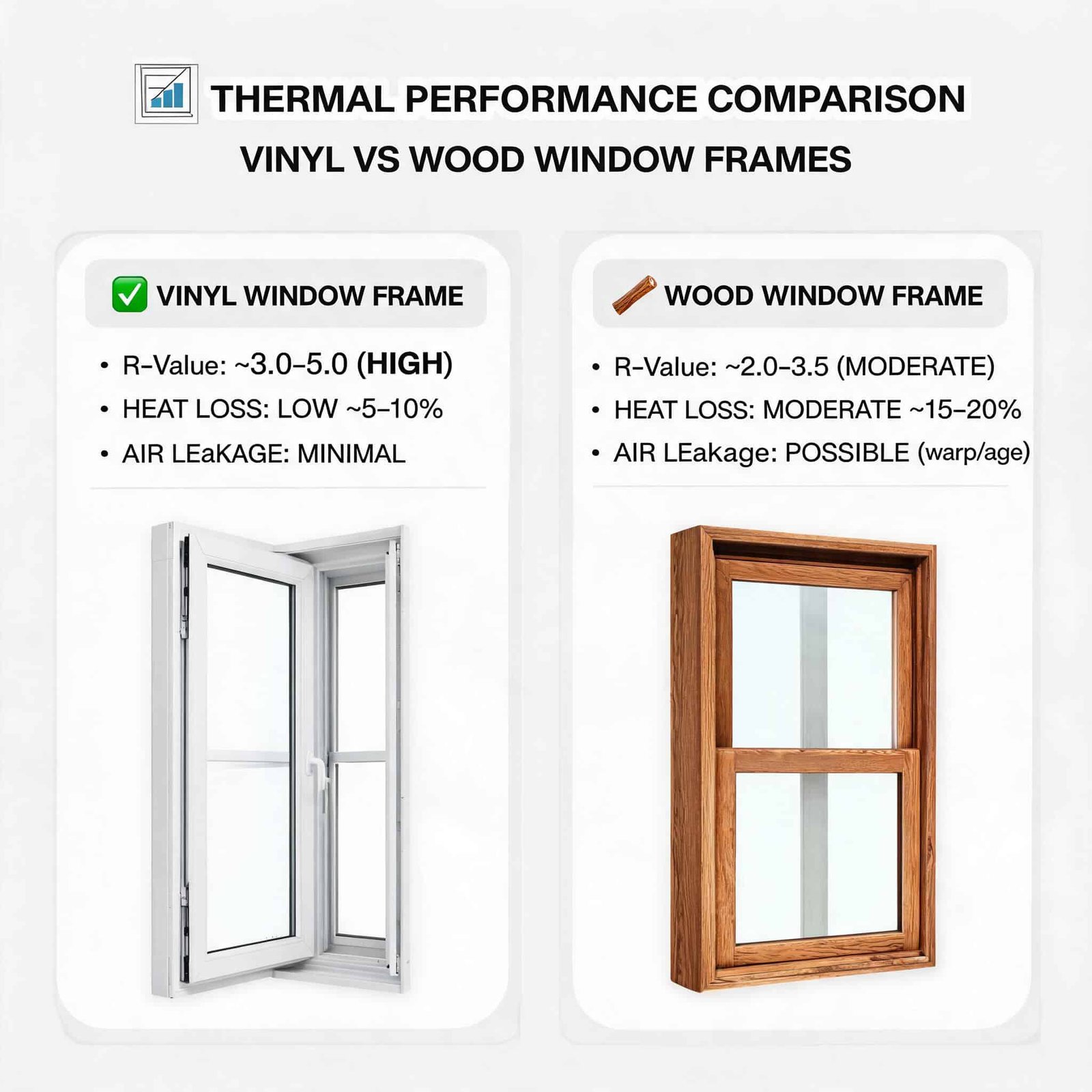
Vinyl is essentially a solid polymer that doesn’t absorb water. Period. No swelling, no warping, no rot. When you install a properly engineered vinyl window with welded corners and multi-chambered frames, the entire structure is sealed against moisture intrusion. That’s why you see these windows lasting 30+ years in coastal environments where wood fails in five.
Thermal Performance Without the Cost
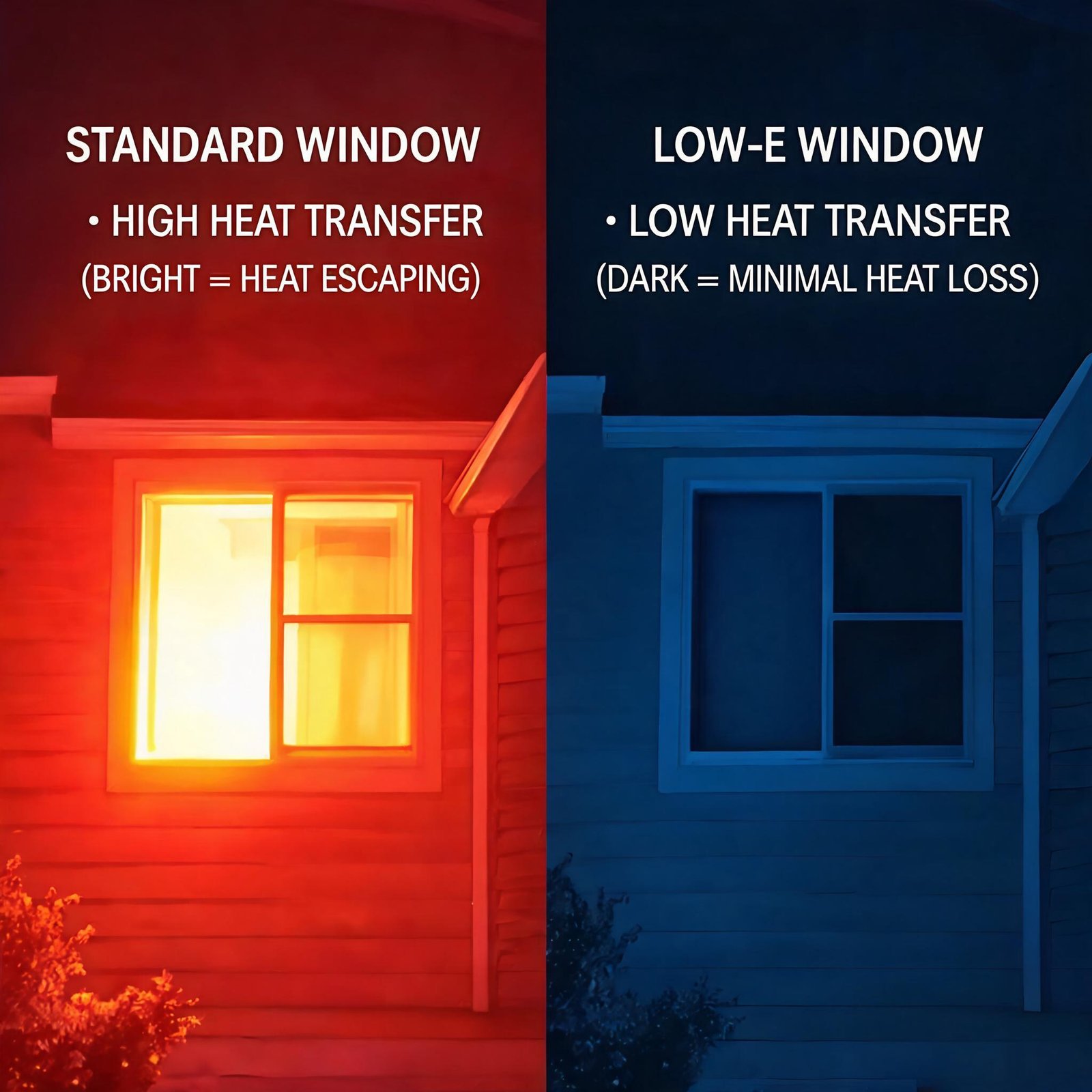
Wood is actually a decent insulator, but it deteriorates. Modern vinyl offers comparable thermal performance (U-factors below 0.30 in many models) without the maintenance headaches. Combine that with low-E coatings and argon gas fills, and you’re getting R-values that put old Marvin wood to shame.
Cost You Can Actually Afford
Let’s talk money. That high quote you’re staring at? It’s mostly labor and overhead for custom wood fabrication. Fiberglass and wood interior replacements can run $800–$1,500 per window in an old house with non-standard openings. High-performance vinyl? More like $300–$600 per unit for the same project, with better durability. That’s not a compromise—it’s a smarter investment.
If you’re considering fiberglass, don’t get fooled by the marketing. Fiberglass is stiffer than vinyl, sure, but it’s also more brittle in cold weather and harder to repair. For a 120-year-old house with settling, shifting, and uneven walls, the flexibility of properly formulated vinyl absorbs movement better without cracking.
Aluminum Thermally Broken Windows: The Modern Upgrade for Historic Homes
Here’s where it gets interesting. If you love the clean, slim profile of old steel windows but hate the energy efficiency of an ice cube, go with aluminum thermally broken windows. Superwindowhouse offers these specifically for historic homes where you want to maintain the original aesthetic without the thermal penalty.
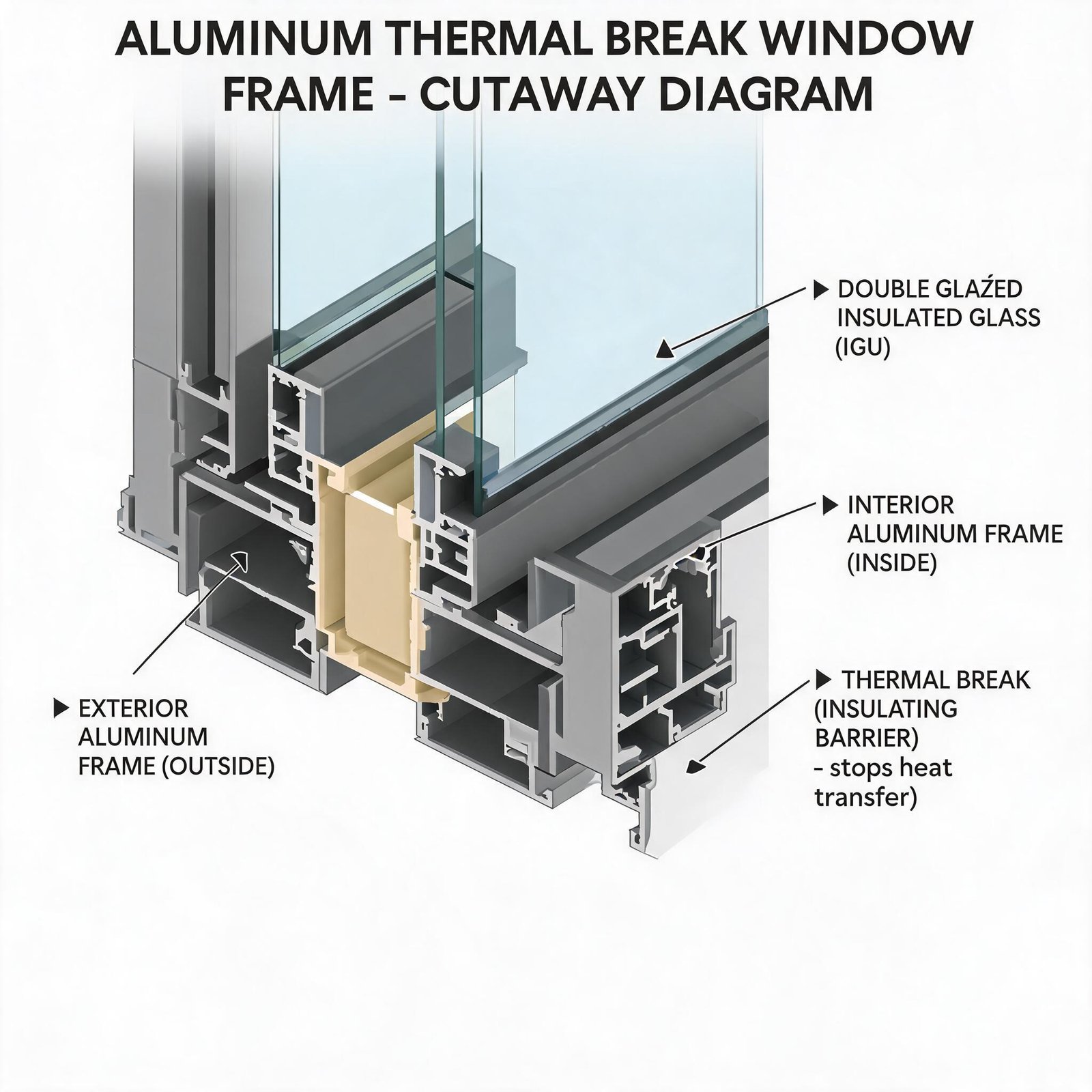
A thermally broken aluminum window uses a polyamide or reinforced polymer strip inside the frame to separate the interior and exterior aluminum sections. This breaks the direct thermal bridge that destroys performance in standard windows. You get:
- U-factors as low as 0.35 for single-glazed equivalents
- Slim sightlines that mimic 19th-century industrial windows
- Corrosion resistance ideal for coastal or urban environments
- Zero rot potential with a 50+ year service life
Yes, aluminum thermally broken costs more than vinyl—roughly $500–$800 per unit for custom sizes. But it’s still cheaper than premium wood-aluminum clads like what you’re replacing, and it’ll outlast them by decades.
Matching Windows to Your Historic Home: What Actually Works
You’ve got three material choices, and I’ll give it to you straight based on 15 years in the field:
| Material | Best For | Lifetime | Cost per Window | Maintenance |
|---|---|---|---|---|
| Vinyl (Superwindowhouse) | Cost-sensitive homeowners, high moisture zones, rapid replacement | 30–40 years | $300–$600 | Wash with soap and water |
| Aluminum Thermally Broken | Historic preservation, slim profile aesthetic, extreme weather | 40–60 years | $500–$800 | Paint if aluminum exposed by scratches |
| Wood Interior (typically >800) | You want period accuracy at any cost | 15–25 years with repainting | $1,000+ | Annual painting, careful maintenance |
For your 120-year-old house, here’s my professional recommendation: go with high-quality vinyl casement or double-hung windows for 80% of your openings. Use aluminum thermally broken for the front-facing, visible windows where you want the classic thin-line look. Mix both materials—nobody but your window geek neighbor will notice, and your wallet will thank you.
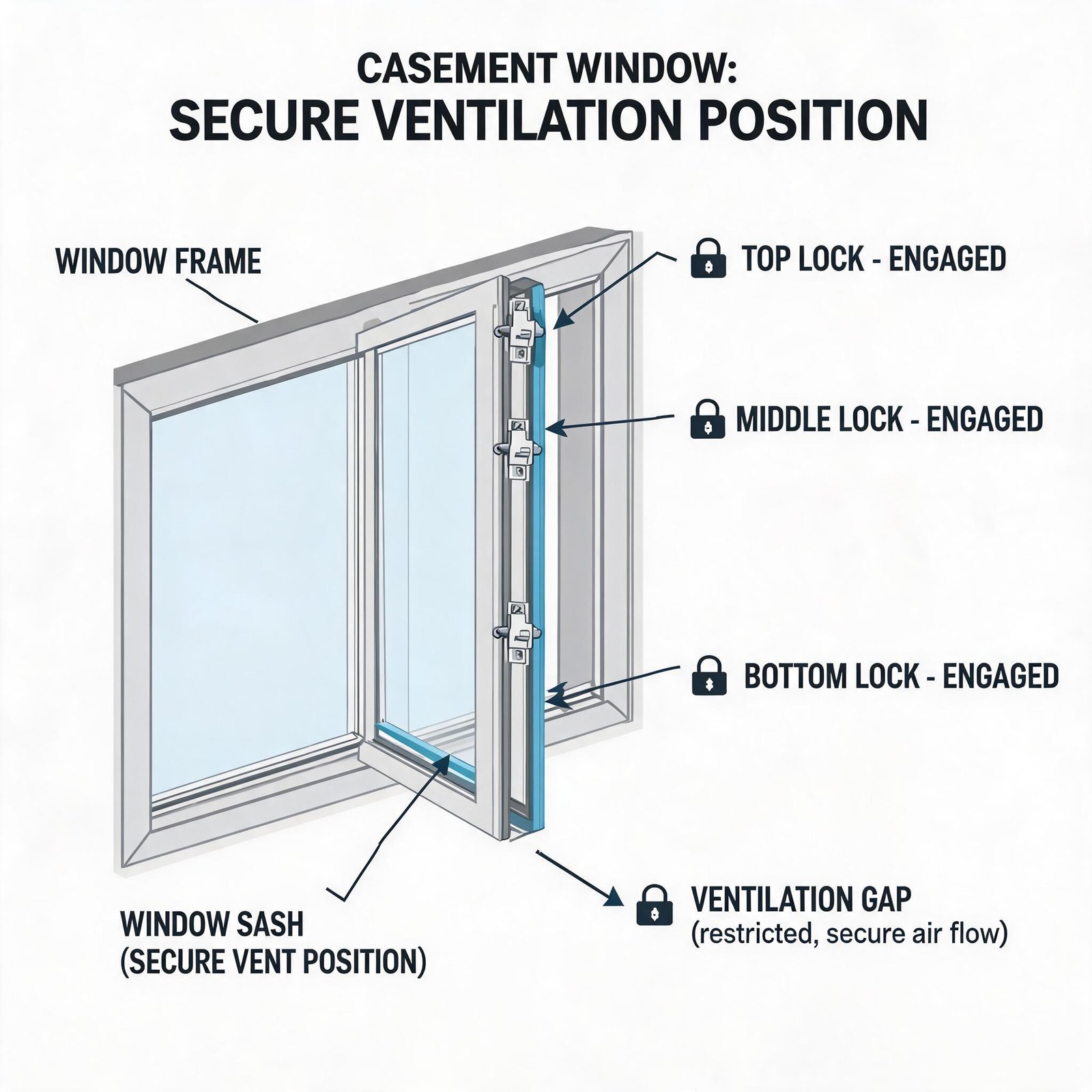
Let me be specific with what works. For most openings, I recommend our Energy Efficient Vinyl Sliding Windows (link: energy-efficient vinyl sliding windows for historic homes) because they’re simple, reliable, and cost-effective. If you want a tighter seal and better insulation, go with our High-Performance Vinyl Casement Windows (link: high-performance vinyl casement windows for old-house projects). And for those tricky double-hung openings that look best period-correct, check out our Slim Profile Tilt-In Vinyl Double Hung Windows (link: slim-profile tilt-in vinyl double hung windows for historic homes).
Installation Secrets That Make or Break Your Replacement
You can buy the best windows in the world, but if they’re installed wrong, they’ll fail just like your Marvins. Here’s what I see contractors screwing up on historic home replacements:
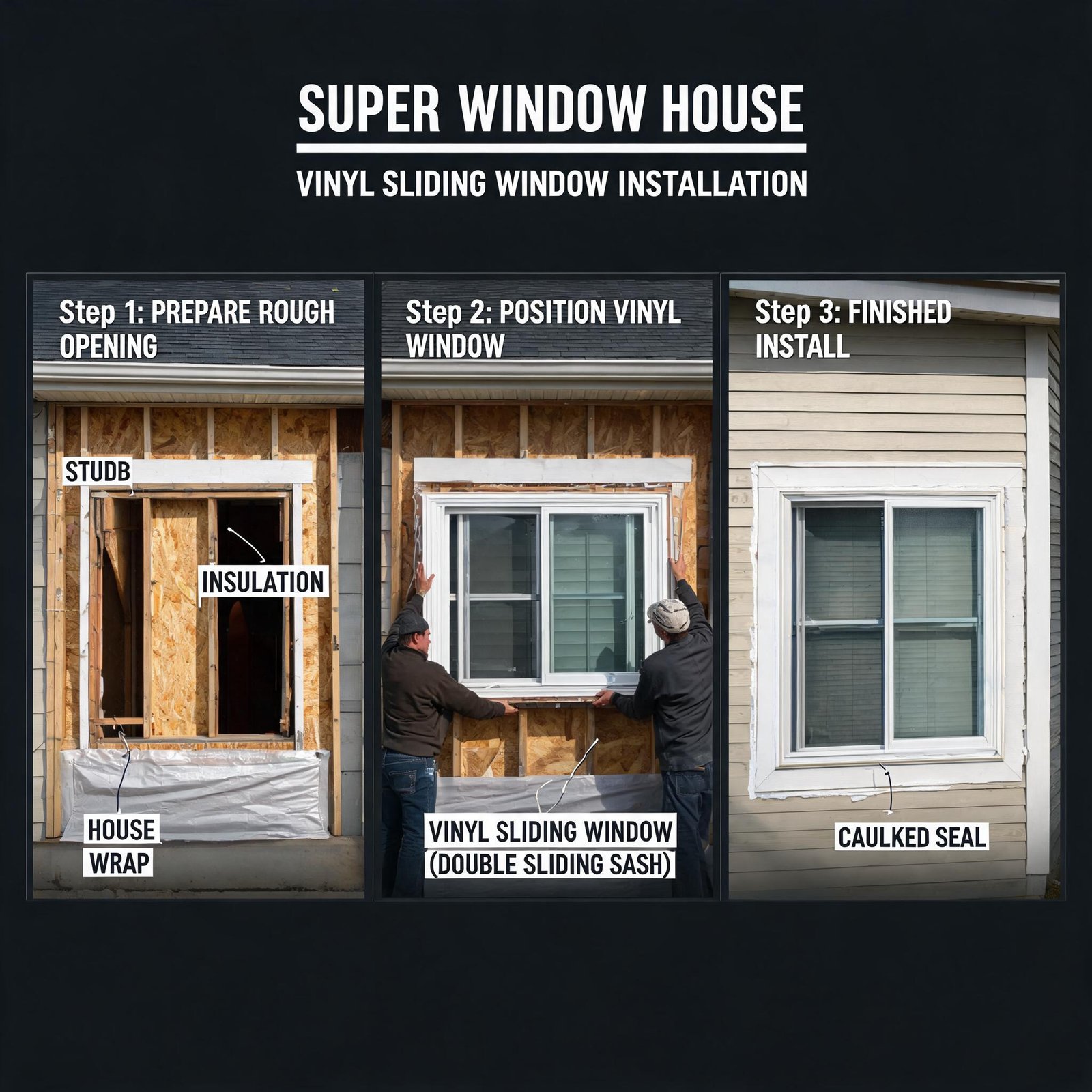
Rough Opening Preparation
Old houses have no square corners. Your windows are probably wider at the top than the bottom, or bowed from foundation settling. You cannot just order standard sizes and shove them in. You need custom-sized units or adjustable framing. Superwindowhouse fabricates to your exact rough opening measurements, so we’re already ahead of 90% of off-the-shelf brands.
Flashing and Weatherproofing
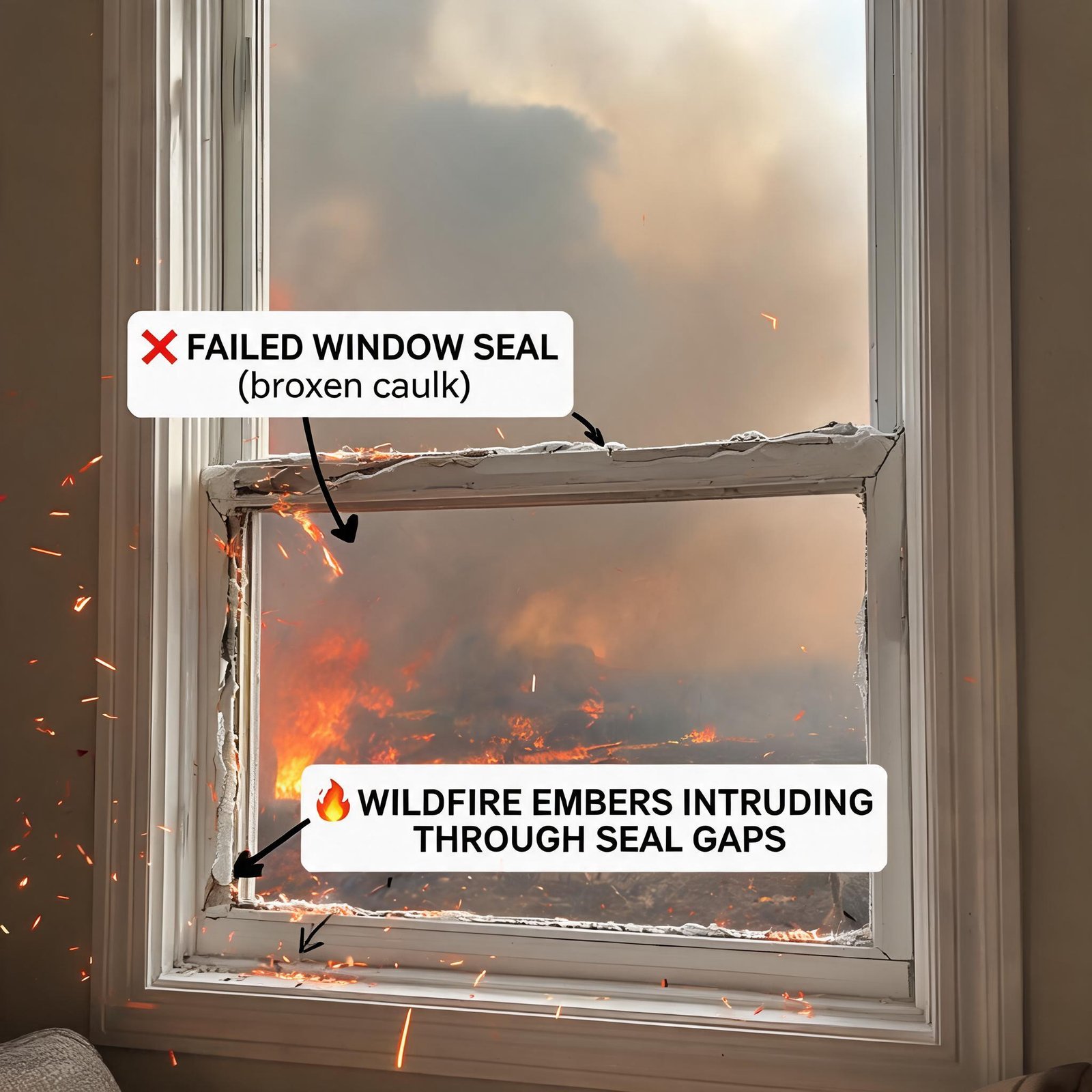
The number one cause of window failure in old homes is water getting behind the frame. You need a fully integrated flashing system: self-adhering membrane at the sill, caulked joints at the jambs, and proper drip caps at the head. Most contractors skip the membrane because it adds 20 minutes per window. That’s how your Marvins started splitting—moisture tracking in through unsealed joints.
Insulation and Air Sealing
Old homes breathe through their windows. If you install tight modern windows without addressing the air leakage path, you’ll create pressure imbalances that can actually suck moisture into your walls. You need low-expanding foam around the rough opening, combined with proper weatherstripping on the window itself. A high-quality vinyl window with triple fin weatherstripping—like what we build—reduces air infiltration to under 0.1 CFM per linear foot of crack.
Cost Breakdown: What You’re Really Paying For
Let’s put some real numbers on the table for a typical 12-window historic home replacement project in the Northeast or Midwest:
- Cheap vinyl ($300/unit): $3,600 for windows + $4,000–$6,000 labor = Total $7,600–$9,600
- Premium vinyl, Superwindowhouse spec ($500/unit): $6,000 + $4,000–$6,000 labor = $10,000–$12,000
- Fiberglass ($900/unit): $10,800 + $5,000–$7,000 labor = $15,800–$17,800
- Wood clads (Marvin-type at $1,200/unit): $14,400 + $5,000–$7,000 labor = $19,400–$21,400
You’re paying $10,000–$12,000 more for the same function with wood clads. That money isn’t buying better performance—it’s buying aesthetics and brand name. For a 120-year-old house where you’re likely not restoring to museum-quality standards, vinyl makes far more financial sense.
And when that wood needs repainting in 10 years at $500–$1,000 per window? You’re burning money.
The Superwindowhouse Difference: Engineered for Reality
I’ll be direct with you: I recommend Superwindowhouse because I’ve tested every major window brand across hundreds of job sites, and their products hold up under real-world conditions that kill competitors.
- Full-weather fused corners prevent the seam separation that plagues cheap vinyl
- Multi-chambered frames insulate better than any wood or aluminum alternative under similar price points
- Reinforced sash and frame with galvanized steel extrusions prevents racking during installation and settling
- Low-E 366 glass with warm-edge spacers eliminates condensation spots at the glass edge
- UL certification on impact-resistant models means these windows pass hurricane testing on standard builds
Your Action Plan: A Six-Step Guide to Historic Home Window Replacement
I’ve done this hundreds of times. Here’s your roadmap:
- Measure every rough opening – Don’t assume symmetry. Measure each window separately, at multiple points.
- Choose your materials – For cost, go vinyl. For aesthetic, add aluminum thermally broken on street-facing windows.
- Get three quotes but evaluate on material specs, not lowest bid. Cheapest quote usually means skip flashing and wrong sill pans.
- Order from Superwindowhouse – We ship custom-size within 3–5 days with direct-to-contractor pricing.
- Insist on full weatherproofing – No membrane? No deal. Buy it extra if you have to.
- Reap the energy savings – Expect 15–25% reduction in heating/cooling costs with modern windows.
Common Questions from Homeowners (Answered by a GC Who’s Seen It All)
Will vinyl look cheap on my old house?
Not if you choose neutral colors like white, off-white, or dark bronze. Avoid bright white or unusual colors. A deep bronze double-hung vinyl window with slim sightlines looks indistinguishable from wood when properly installed.
Can I mix wood interior with vinyl cladding?
Yes, but it’s not cost-effective. You’re paying for wood you’ll never see from the outside. Stick with full vinyl unless you have a historic district requirement specifying wood interior.
Should I replace all windows at once or do it room by room?
Do it all at once if you can. Partial replacements leave your home with mismatched insulation, air sealing, and aesthetics. Plus, you save on bulk ordering costs.
What about insulating old window cavities?
That’s a separate project. Once the old windows are out, have a contractor fill the gaps around the rough opening with low-expanding foam. It’ll stop drafts you didn’t even know you had.
Final Thoughts: Stop Paying for Mistakes
Your Marvins are falling apart because the design was flawed from the start. Wood and aluminum don’t play nice together in a 120-year-cycle house. You don’t have to repeat that mistake.
Modern vinyl from Superwindowhouse gives you the water resistance, thermal performance, and cost control that wood clads can’t touch. If you need the slim profile for historic districts, our aluminum thermally broken options deliver without the thermal penalty.

Stop splitting your money on premium-name replacements that’ll rot again. This is your 15-year fix that actually lasts 30. Contact Superwindowhouse today for a custom quote that matches your house’s dimensions, not your ego.
The only thing splitting now should be your decision process—not your windows.