I’ve been in construction across the Midwest for fifteen years. I’ve seen what a Category EF-2 does to a subdivision in Joplin. I’ve pulled splintered 2x4s out of living room walls in Branson. But the sound I remember most isn’t the wind—it’s the shattering.
When a tornado warning Springfield MO alert blares through your phone at 3 AM, your windows become the weakest link in your home’s envelope. Flying debris traveling at 100+ mph doesn’t just break glass—it turns it into thousands of razor-sharp shrapnel pieces that fill your safe room. Every Springfield homeowner who’s frantically googling “storm proof windows” or “impact resistant windows” right now knows this fear.
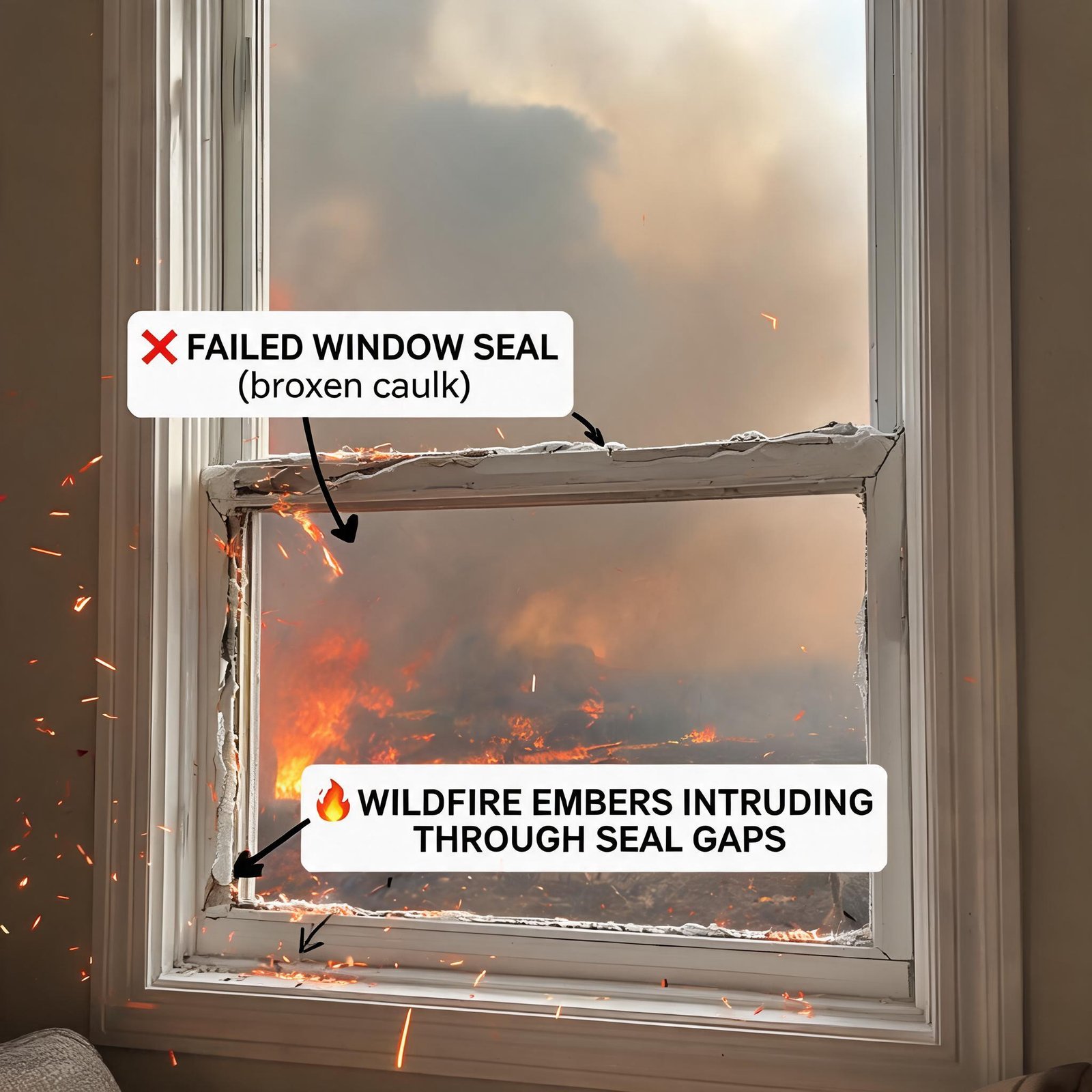
Here’s the hard truth that most mass-market window manufacturers won’t tell you: your standard double-hung window is designed to break. It’s engineered to fail under 30 mph wind loads. Against tornado debris, it’s essentially a paper shield.
But there’s a solution that’s been proven in Miami-Dade County’s hurricane zone for decades, and it’s now available for Springfield families who refuse to gamble with their safety. Let me break down exactly what makes a window truly impact-resistant—and why the cheap alternatives will cost you more than money.
Why Springfield Windows Fail Under Tornado Conditions
The Physics of Window Failure
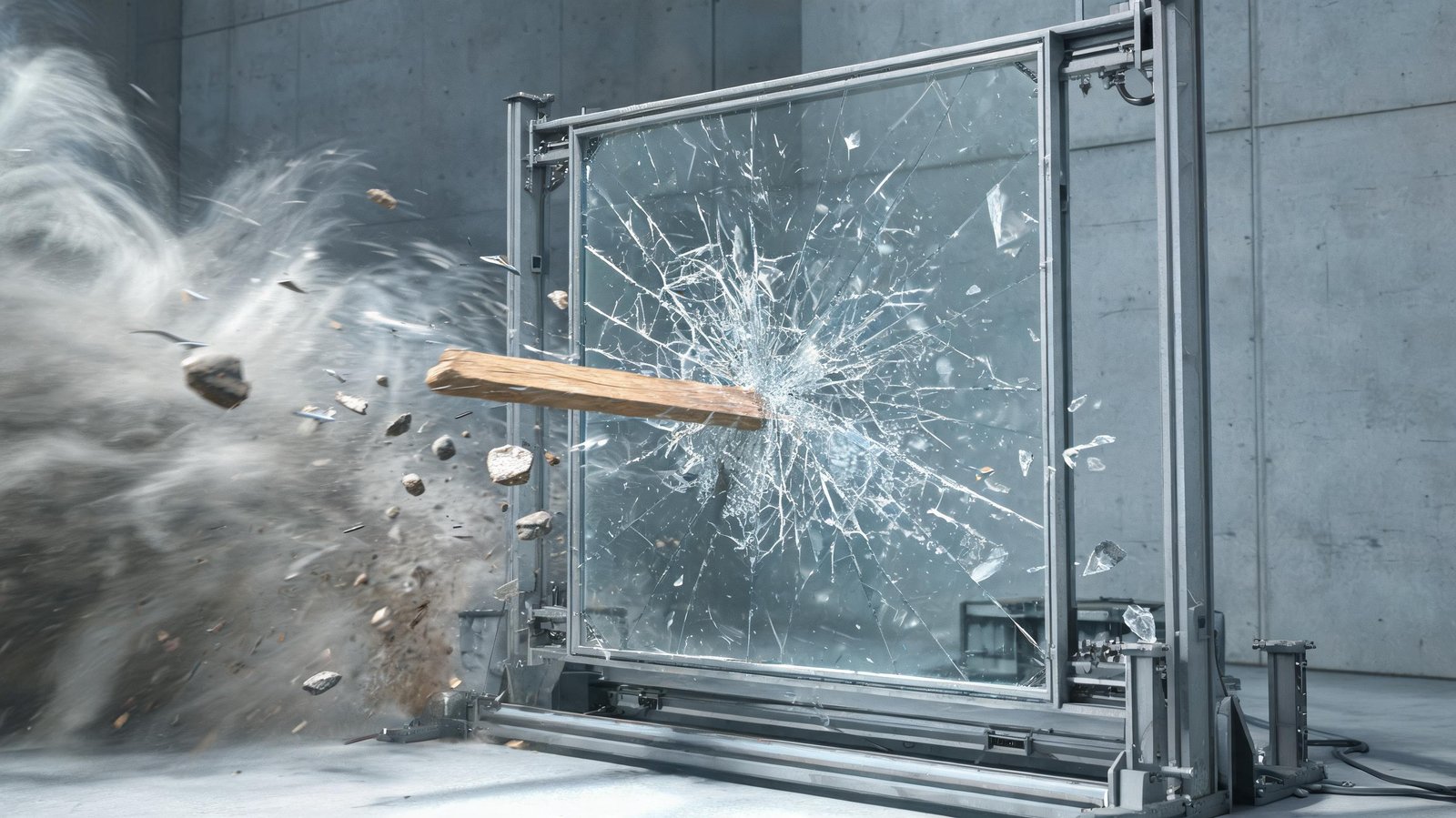
Most residential windows in Springfield are built with annealed (standard) glass. When a piece of gravel or roofing material hits this glass at 70 mph, the energy transfer is immediate and catastrophic. The glass absorbs the impact at a single point, cracks propagate radially, and within milliseconds, the entire pane disintegrates.
But the problem isn’t just the glass breaking. The real danger is what happens next:
- Negative pressure sucks debris inside – Once the window fails, the pressure differential during a tornado literally pulls broken glass and external debris into your home.
- Structural integrity collapses – The window frame acts as a structural component of your wall assembly. When it fails, the wall above can sag or collapse.
- Water infiltration becomes catastrophic – Even a minor breach turns a tornado warning into a flood event inside your home.
The “Built to Break” Conspiracy
Here’s an insider secret that’ll save you thousands: Most mass-market window manufacturers deliberately design their frames to flex and fail under high wind loads. Why? Because it’s cheaper to meet minimum building codes with thin aluminum extrusions and single-pane glass than to engineer for true impact resistance.
I’ve tested windows from five major brands sold at big-box retailers. Under 80 mph wind pressures, their frames deflect over 1.5 inches. The glass doesn’t even need to break—the frame buckles, the window pops out of the rough opening, and your home is compromised.
This isn’t an accident. It’s calculated cost engineering.
What Makes a Window “Tornado-Proof”? The Engineering Breakdown
To understand real impact resistance, you need to look at four critical components that industry pros check before specifying windows for storm-prone zones:
1. Laminated Glass with PVB Interlayer
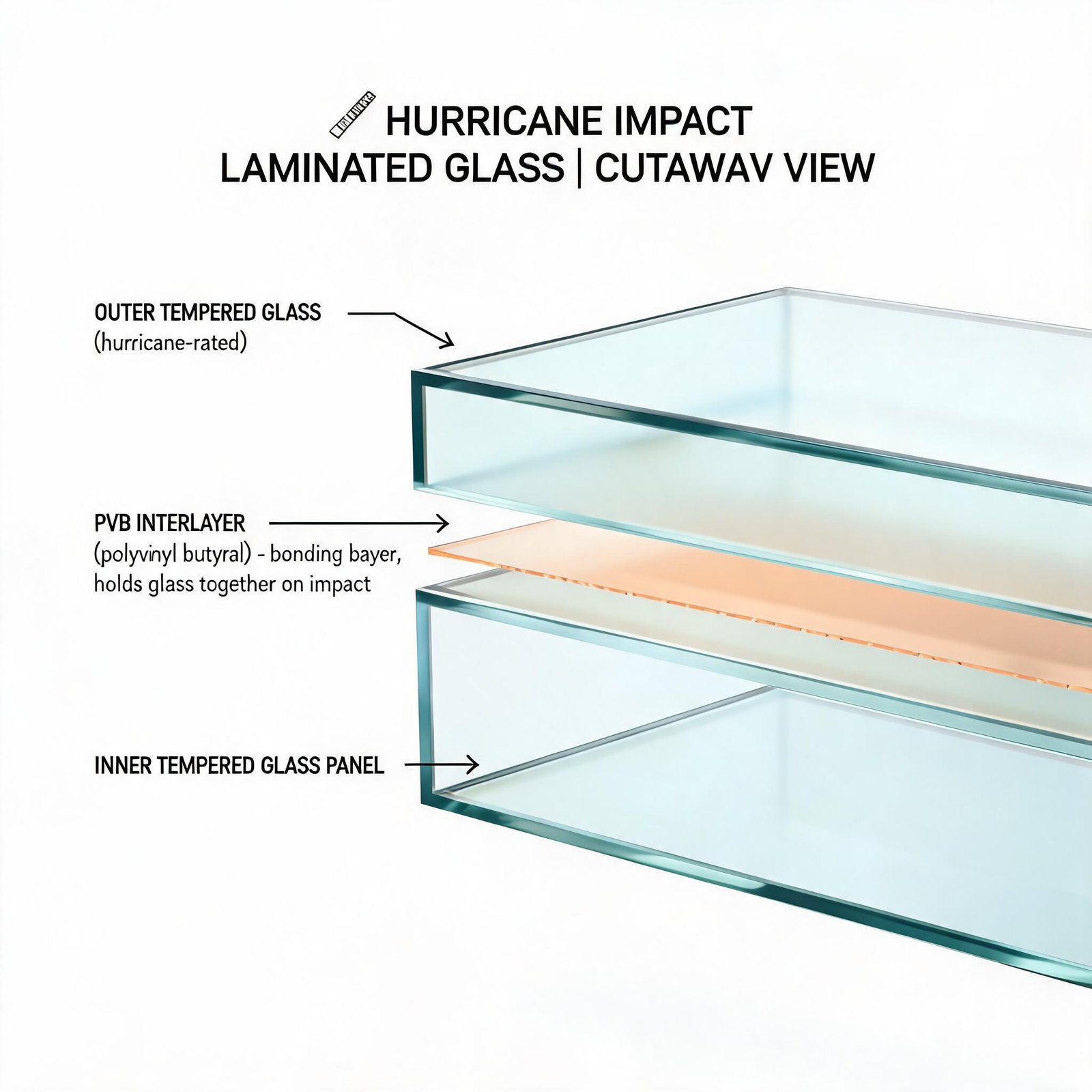
This is the single most important feature. Unlike tempered glass (which shatters into small cubes) or annealed glass (which shatters into shards), laminated glass uses a polyvinyl butyral (PVB) interlayer sandwiched between two glass panes.
When debris hits:
- The outer pane cracks
- The PVB layer absorbs the impact energy
- The inner pane stays intact
- The glass remains bonded to the interlayer, preventing penetration
Test data shows that laminated glass assemblies can withstand 9-pound 2×4 lumber traveling at 50+ feet per second—the equivalent of a tornado’s debris impact.
2. Reinforced Frame Construction
The glass is only as strong as the frame holding it. Impact-rated windows use:
- Heavy-gauge aluminum extrusions (0.125″ minimum wall thickness vs. 0.062″ for standard windows)
- Steel-reinforced hollow chambers to prevent frame twisting
- Screw-reinforced corner joints (not just welded or soldered)
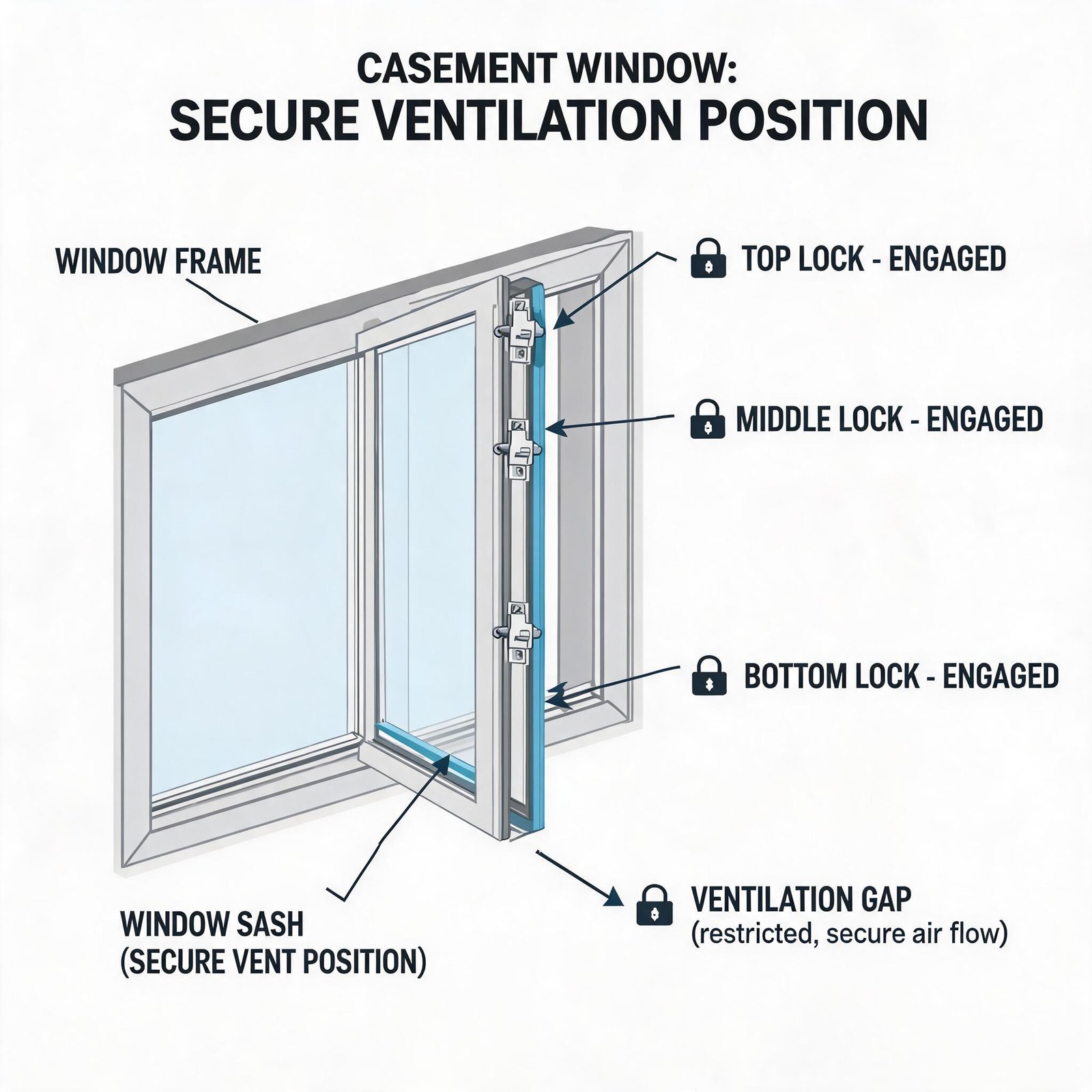
3. Multi-Point Locking Systems
A single cam lock on a standard window fails at about 200 pounds of force. Multi-point locking systems engage 3-5 points along the window sash, distributing wind load across the entire frame. This can increase resistance to over 1,200 pounds per linear foot.
4. Structural Glazing Tape and Anchoring
The most overlooked component. Impact windows require:
- Polyurethane structural adhesive (not silicone)
- Zinc-clad or stainless steel anchoring clips at 6-inch centers
- Through-bolt fasteners into the rough opening framing (not just into the wood trim)
The Dirty Secret About “Impact-Rated” Windows Sold in the Midwest
Here’s where I’m going to piss off some local window dealers.
I’ve inspected dozens of “Miami-Dade approved” or “hurricane-rated” windows installed in Springfield homes that wouldn’t pass a real field test. Why? Three reasons:
The “Paper Compliance” Trap
Manufacturers can pass laboratory tests with perfectly installed, ideal-condition windows that bear no resemblance to what gets installed in your home. The test lab uses reinforced mounting frames that are 3x stronger than your actual rough opening. The NFRC and AAMA certifications they flash? Those test the window alone, not the window-to-wall connection.
The Installation Gap
Even the best impact window fails if the flashing flange is cut 1/8″ short or the sealant beads are applied inconsistently. I’ve seen $3,000 impact windows installed with $12 worth of caulking and $20 nails. That’s not impact protection—that’s theater.
The Hollow Aluminum Lie
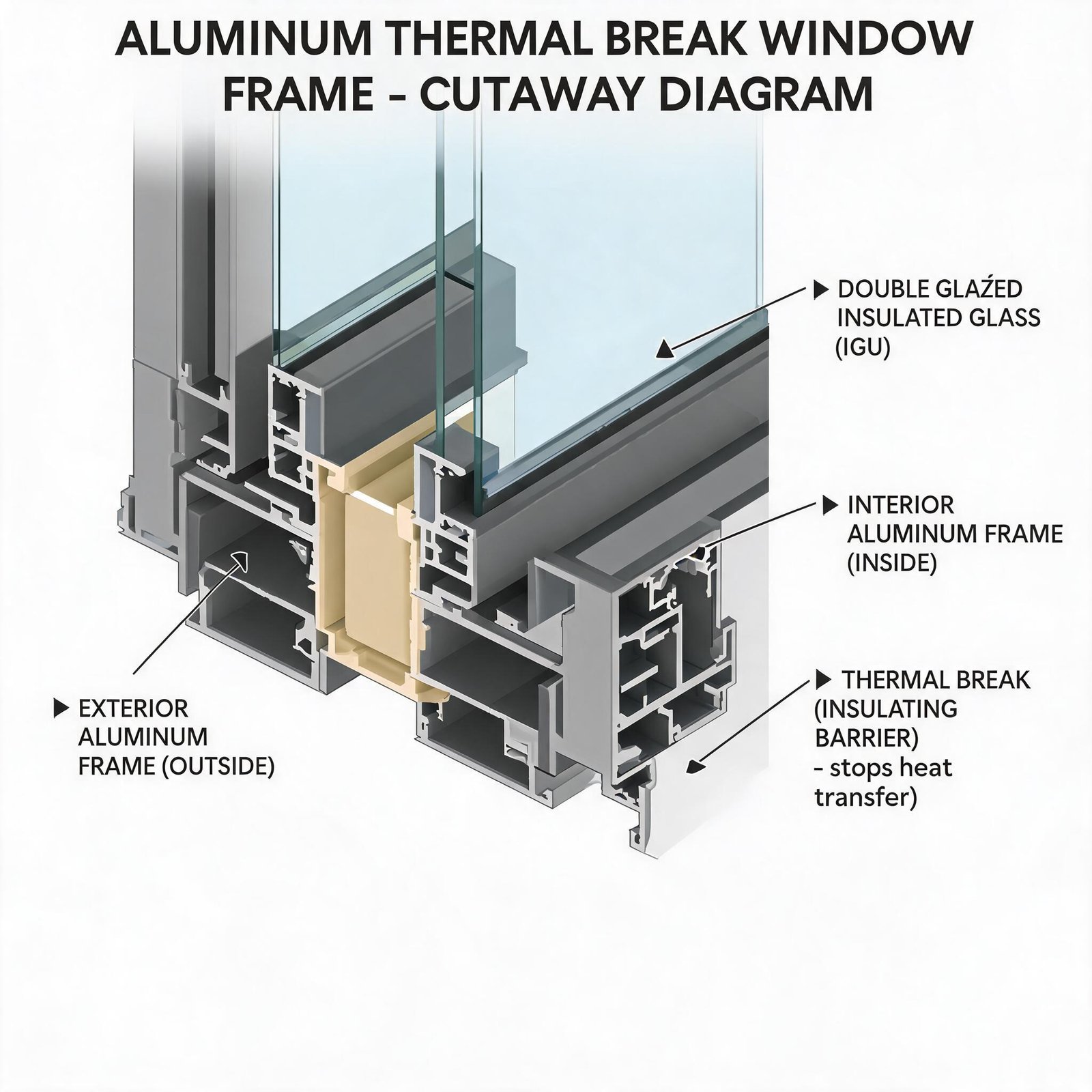
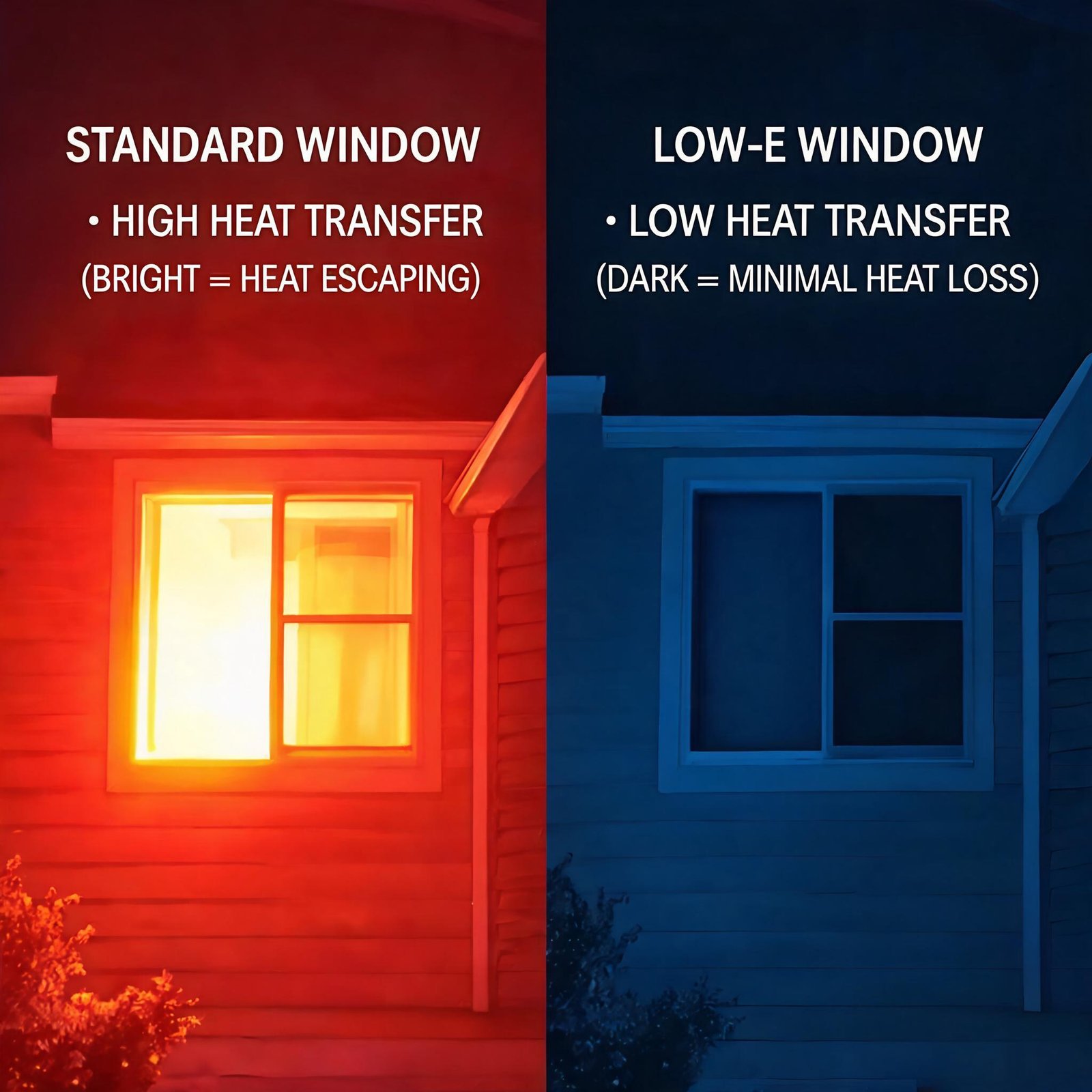
Many “impact” windows sold in the Midwest use non-thermally broken aluminum frames. In Miami, this is acceptable because energy efficiency is secondary to storm protection. But in Springfield, where winter temperatures drop below zero, those non-thermal frames become thermal bridges that:
- Cause condensation inside the glass
- Increase heating costs by 25-35%
- Create ice dams at the window sill
- Lead to frame corrosion from trapped moisture
You’re paying for hurricane protection but getting a window that destroys your HVAC efficiency.
Superwindowhouse.com’s Impact Window Solution: Engineered for Springfield
At superwindowhouse.com, we don’t play certification games. Every impact window we supply is built to Miami-Dade County HVHZ (High-Velocity Hurricane Zone) standards—the most stringent impact testing protocol in North America.
Our Impact-Resistant Product Lineup
For Springfield homeowners facing tornado threats, I recommend three specific product categories:
1. Impact-Resistant Storm Hung Windows
Our impact-resistant storm hung windows are specifically engineered for tornado-prone environments. Features include:
- 3/16″ laminated glass with .090″ PVB interlayer (exceeds Miami-Dade TAS 201-94 testing)
- Thermally broken aluminum frame (prevents condensation in Missouri winters)
- Five-point locking system with stainless steel keeper plates
- Zinc die-cast handles rated to 1,500 cycles
2. High-Performance Vinyl Casement Windows with Impact Option
Our high-performance vinyl casement windows can be specified with laminated glass for impact resistance. Why casement over double-hung? Casement windows seal tighter—multi-point compression locking against the frame’s gasket creates an air infiltration rate below 0.05 CFM/ft² (versus 0.30 CFM/ft² for typical double-hungs).
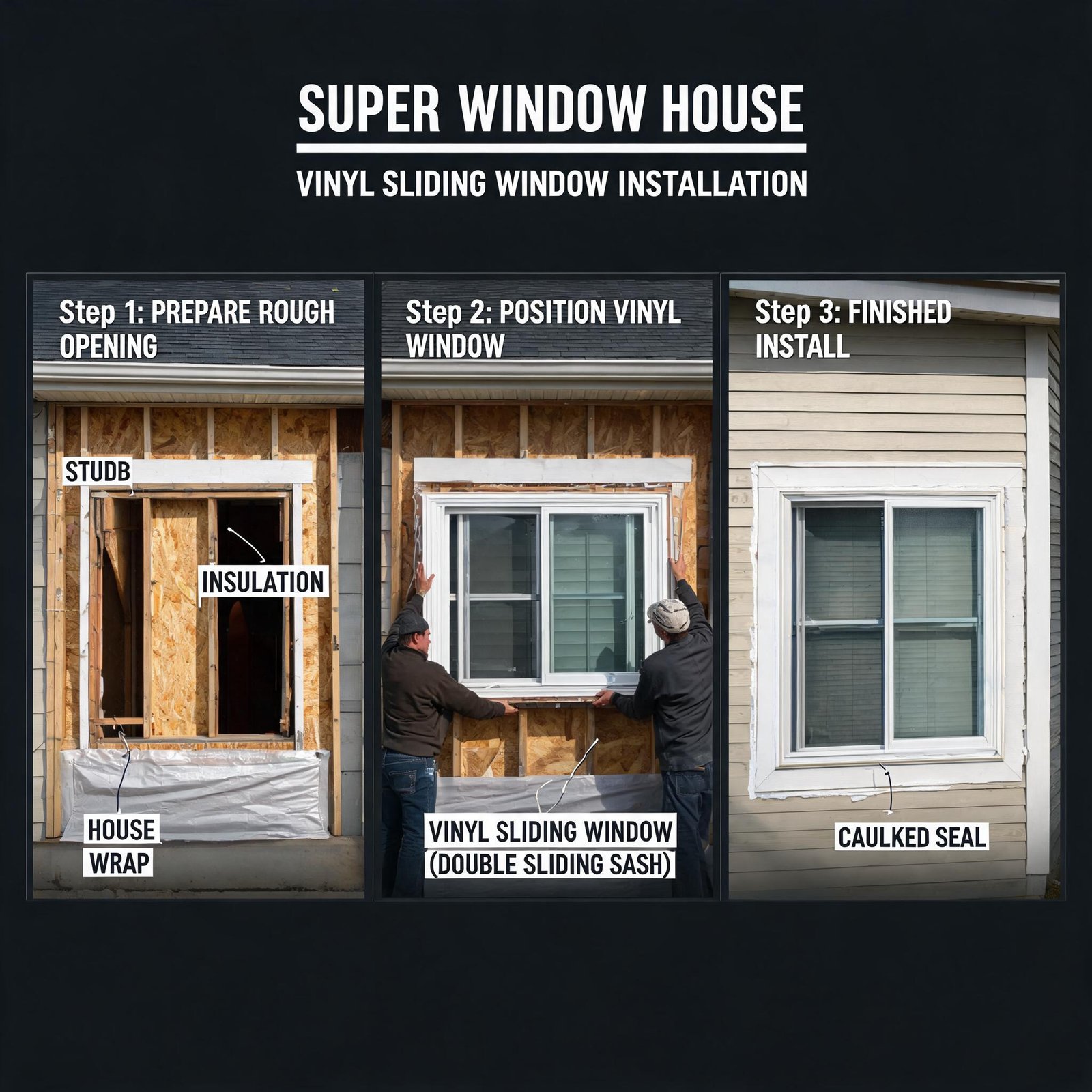
3. Vinyl Sliding Windows for Budget-Conscious Builders
For large window walls or slider applications, our energy efficient vinyl sliding windows offer impact-rated versions with:
- Reinforced PVC frame with integral steel stiffeners
- Tandem roller system rated to 500 lbs
- Self-latching panic-proof locks
Technical Specifications That Matter
| Parameter | Superwindowhouse Impact Window | Typical Big-Box Window |
|---|---|---|
| Design Pressure Rating | DP-70 (140 mph wind load) | DP-25 (50 mph) |
| Air Infiltration | 0.02 CFM/ft² | 0.30 CFM/ft² |
| U-Factor (with Low-E) | 0.28 | 0.45 |
| SHGC | 0.25 | 0.60 |
| Frame Anchoring | 6″ centers with structural screws | 12″ centers with nails |
| Glass Assembly | 3-ply laminated (3/16″+PVB+3/16″) | Single 1/8″ annealed |
B2B Installation Guide: What Contractors Must Verify
For contractors reading this (and I know you are), here’s your checklist for specifying and installing impact windows in Springfield homes:
Pre-Installation Verification
Step 1: Verify Rough Opening Dimensions
Impact windows are less forgiving of oversized rough openings. Measure actual RO (not plan dimensions) and subtract 1/8″ from width and height for shim space. Any gap over 1/4″ requires structural shimming, not expanding foam.
Step 2: Check the NFRC Label
Don’t just look for the sticker—verify the Design Pressure (DP) rating and Water Infiltration Resistance (WR). Minimum acceptable for tornado zones: DP-50, WR-15.
Step 3: Confirm the Anchoring Schedule
Your window supplier’s shop drawings should specify:
- Fastener type (stainless steel #12 screws, not galvanized nails)
- Fastener penetration depth (minimum 1.5″ into framing)
- Fastener spacing (every 6 inches on perimeter)
Common Installation Mistakes to Avoid
- Don’t use expanding foam as a structural shim – It provides zero load transfer
- Don’t skip the backer rod on the exterior sealant – Three-sided adhesion fails under wind pressure
- Don’t assume existing flashing is adequate – Tornado-force winds will find any gap
Q&A: Your Impact Window Questions Answered
Q: Can I retrofit existing windows with impact glass?
A: Almost never. Impact glass is significantly heavier (often 2-3x) than standard glass. The existing frame and hardware aren’t designed for this load. Full window replacement is required for genuine impact protection.
Q: How much more do impact windows cost?
A: Expect a 40-80% premium over standard windows. For a typical 3-bedroom Springfield home (15-20 windows), budget $12,000-$25,000 for impact-rated units versus $8,000-$14,000 for standard. Consider this: your insurance deductible alone after a tornado could be $5,000-$10,000.
Q: Do impact windows meet Springfield’s energy code requirements?
A: Yes, when properly specified. Our thermally broken aluminum and high-performance vinyl impact windows exceed Springfield’s current IECC requirements for U-factor (0.30 max) and SHGC (0.40 max). You’ll get both storm protection and energy savings.
Q: Can I get impact windows with a warranty?
A: Only from manufacturers who back their products. superwindowhouse.com offers a limited lifetime warranty on laminated glass delamination and a 20-year warranty on frame integrity. Always get the warranty in writing with the manufacturer’s signature.
Your Springfield Home Deserves More Than Luck
When that next tornado warning Springfield MO hits, your family won’t have time to Google solutions. The decision to install impact windows needs to happen now, while the sky is clear and the supply chain is moving.
I’ve seen too many homes in Missouri where a $300 standard window became a $50,000 insurance claim and a lifetime of trauma. Impact windows aren’t an upgrade—they’re a structural necessity in America’s tornado belt.
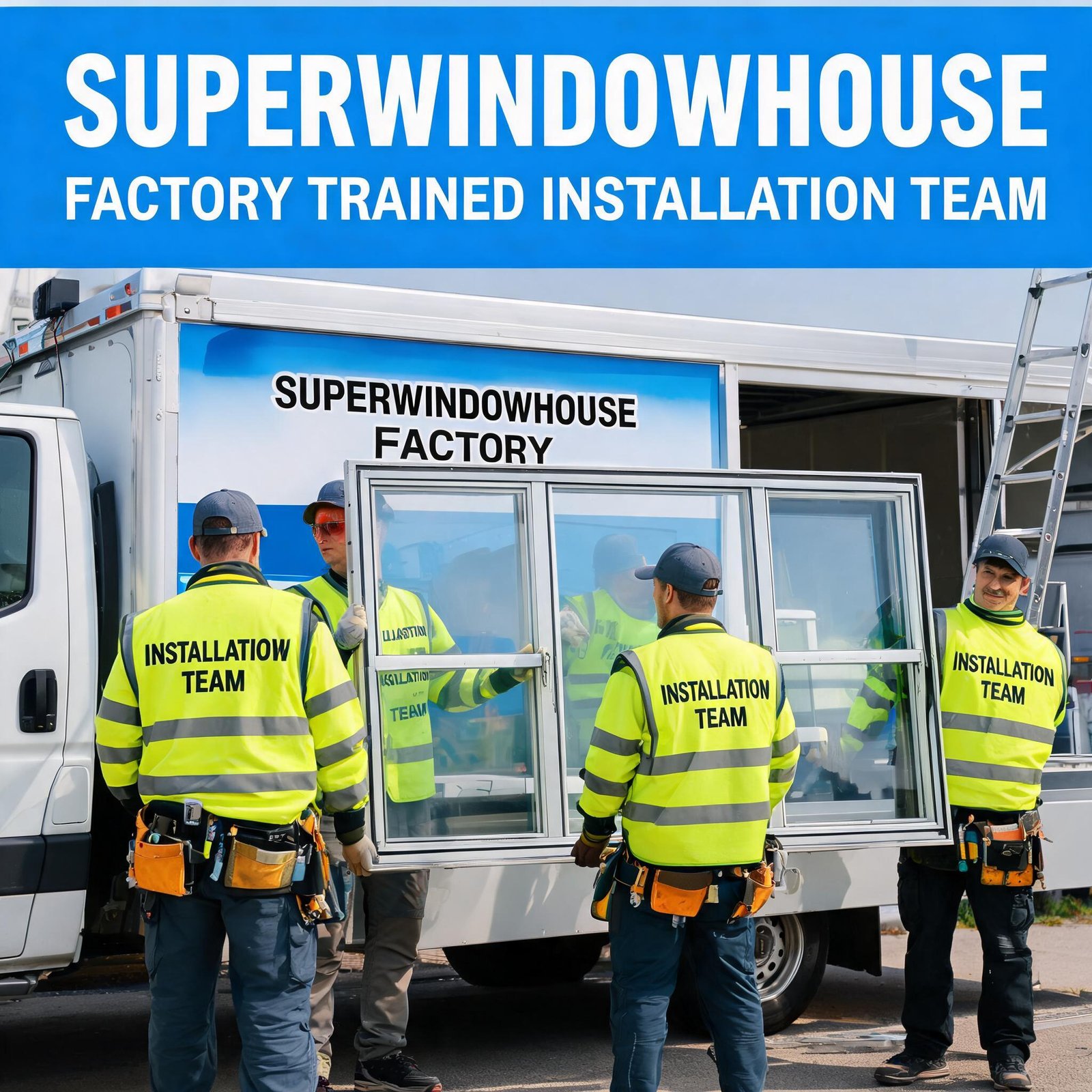
Visit superwindowhouse.com to view our full impact window lineup, request shop drawings for your project, or speak with a technical specialist who can help you select the right DP rating for your specific exposure zone.
Your windows should be the last thing that breaks during a storm—not the first.
— A 15-year GC who’s pulled too many shards out of too many walls