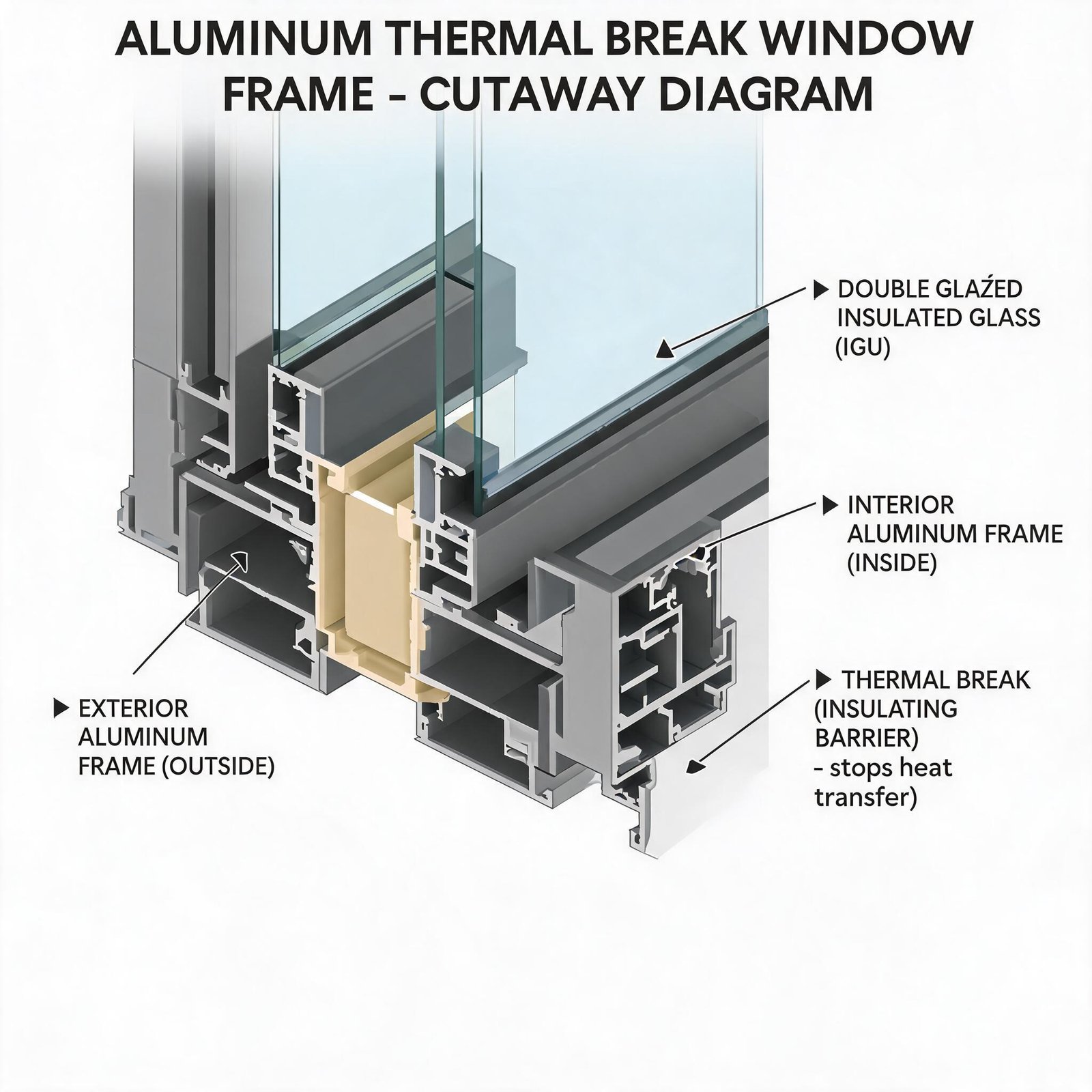
Let’s cut through the noise. You’ve got a crank-out casement window on your ground floor porch, you want to sleep with it open on a warm summer night, and you’re not about to roll the dice on security. I’ve been in the trades long enough to know that the standard “security lock screen” sold at big-box stores is a joke when it comes to real protection. A screen that pops out with a butter knife isn’t security—it’s an invitation. What you need is a system that combines impact-resistant glazing, reinforced framing, and multi-point locking hardware that actually engages when that crank handle is turned.
Here’s the hard truth: most crank-style casement windows on the market today are designed for convenience, not for ground-floor defense. The operator mechanism (the crank arm itself) is often the weakest link—a single point of failure that can be pried, forced, or simply unscrewed from the jamb. And those flimsy aluminum screens? They might keep out bugs, but they won’t stop a motivated intruder for more than three seconds.
Why Standard “Security Screens” Fail on Casement Windows
Let’s talk about what you’re actually dealing with. The Reddit threads I’ve been reading—folks asking about crank out window security lock screens ground level—are almost always coming from homeowners who have already discovered that the stock screens on their casements are useless. The problem is structural. On a typical casement window, the screen mounts to the exterior of the sash, held in place by spring-loaded pins or plastic clips. Any basic crowbar or screwdriver pops that right off.
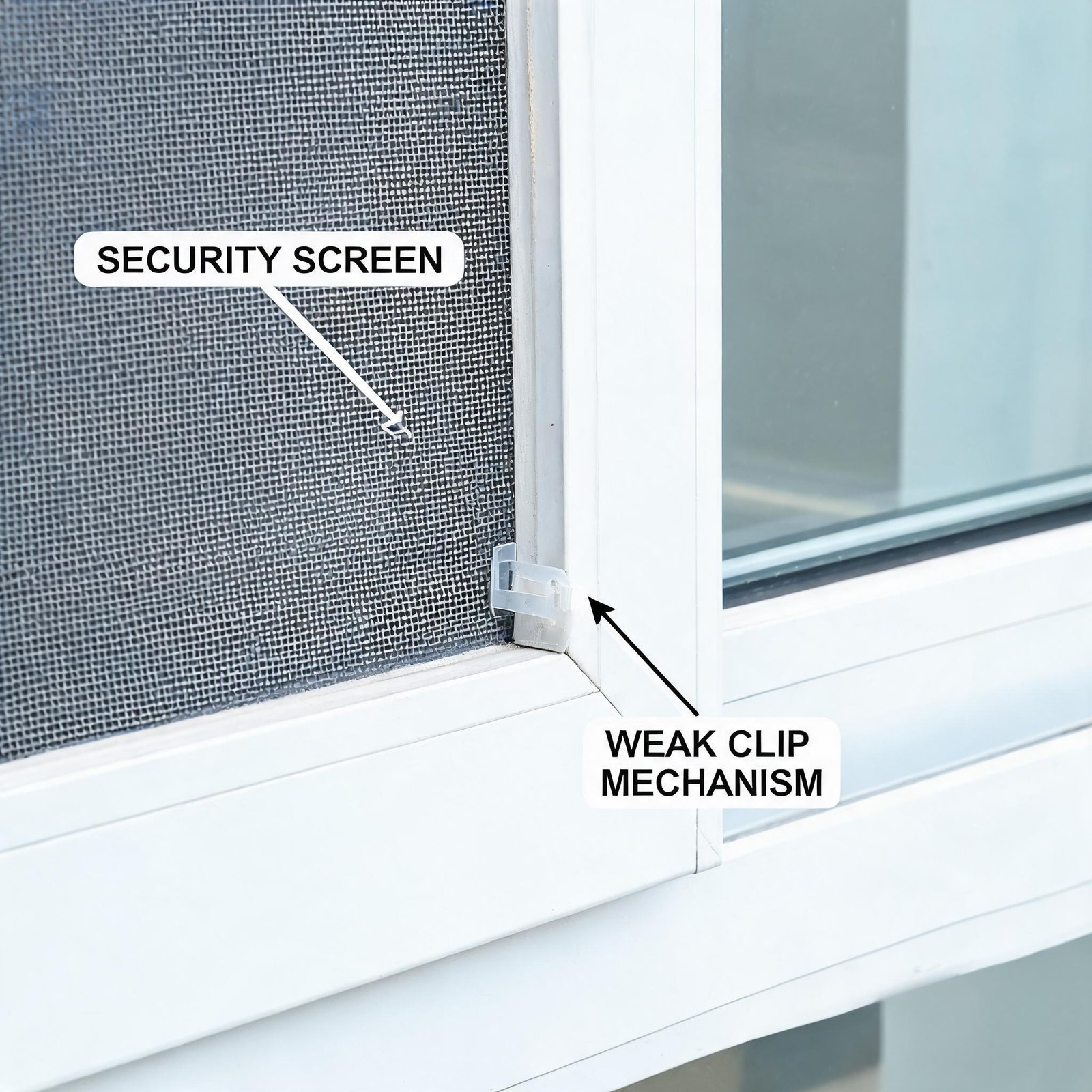
Second issue: the lock itself. Most casements come with a single-point cam lock at the handle. That’s one tooth engaging one keeper. If the frame isn’t reinforced, that single lock can be forced open with moderate pressure. And if you leave the window open an inch for ventilation? That gap is exactly enough for someone to hook the screen, pop it out, and slide a slim jim up to unlock the sash.
The third blind spot is the crank mechanism itself. On lower-end windows, the operator arm is made of stamped steel with exposed screws. If someone removes those screws from the exterior—yes, it’s possible—the entire arm detaches, and the window swings open.
The Industrial-Grade Fix: Impact-Resistant Glazing and Reinforced Frames
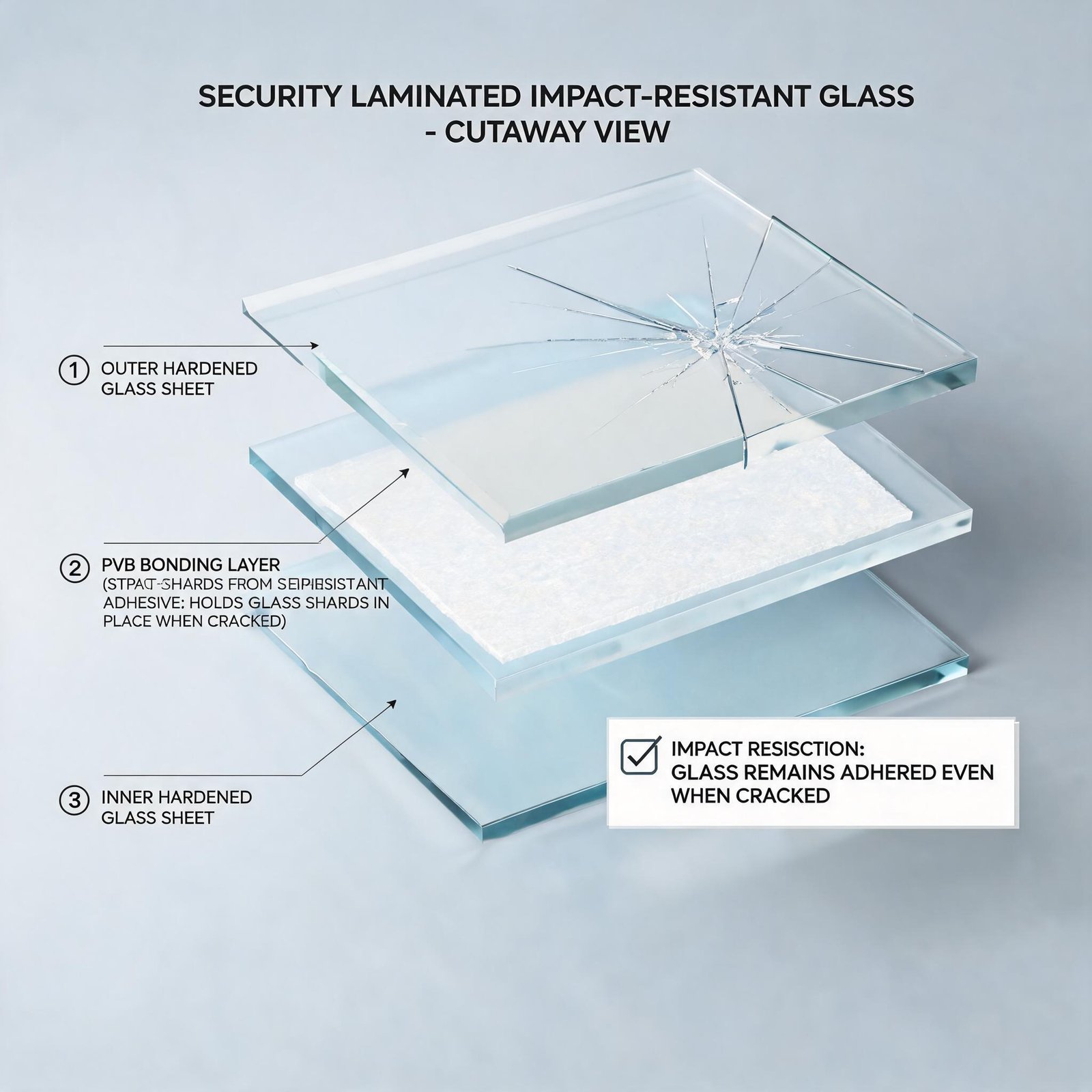
This is where you stop compromising. The solution isn’t a better screen—it’s a window that treats security as a non-negotiable structural requirement from the ground up. I’m talking about windows with laminated glass that holds together even when shattered, frames with internal reinforcement at every stress point, and locking systems that engage at multiple points along the entire sash perimeter.
Our approach at Superwindowhouse is to take the casement window platform and engineer it specifically for ground-floor applications where ventilation and security are competing priorities. The key components that make this work:
Multi-point locking hardware – Instead of a single cam lock, we integrate hooks and keepers that engage at the top, middle, and bottom of the sash. When you close that crank handle, you’re not just locking one point—you’re tensioning the entire sash against the frame. This eliminates the ability to pry open the corner.
Reinforced aluminum or vinyl frames – The jamb and sash extrusions are beefed up with internal steel or aluminum reinforcement channels. This prevents the frame from bowing under forced entry attempts and supports the weight of impact-resistant glass.
Laminated glass with structural interlayer – This isn’t just about hurricane resistance. Laminated glass acts as a security barrier even when cracked. The interlayer (usually PVB or SentryGlas) holds the glass together, making it nearly impossible to punch through or create an opening large enough to reach a lock mechanism.
Your choice of frame material matters here. Vinyl is excellent for thermal performance and cost-effectiveness, but for ground-floor security, our High-Performance Vinyl Casement Windows with reinforced frames and integrated steel cores are specifically engineered to meet this exact need. These aren’t your standard builder-grade units—they’re designed to resist forced entry while maintaining the energy efficiency that vinyl is known for.
How to Ventilate Without Vulnerabilities
The fundamental challenge with ground-floor casement windows is that you want airflow without creating a breach. The crank-out design actually offers an advantage here if executed correctly. Because the sash swings outward, you can leave it open several inches while still maintaining a physical barrier at the sill and jamb.
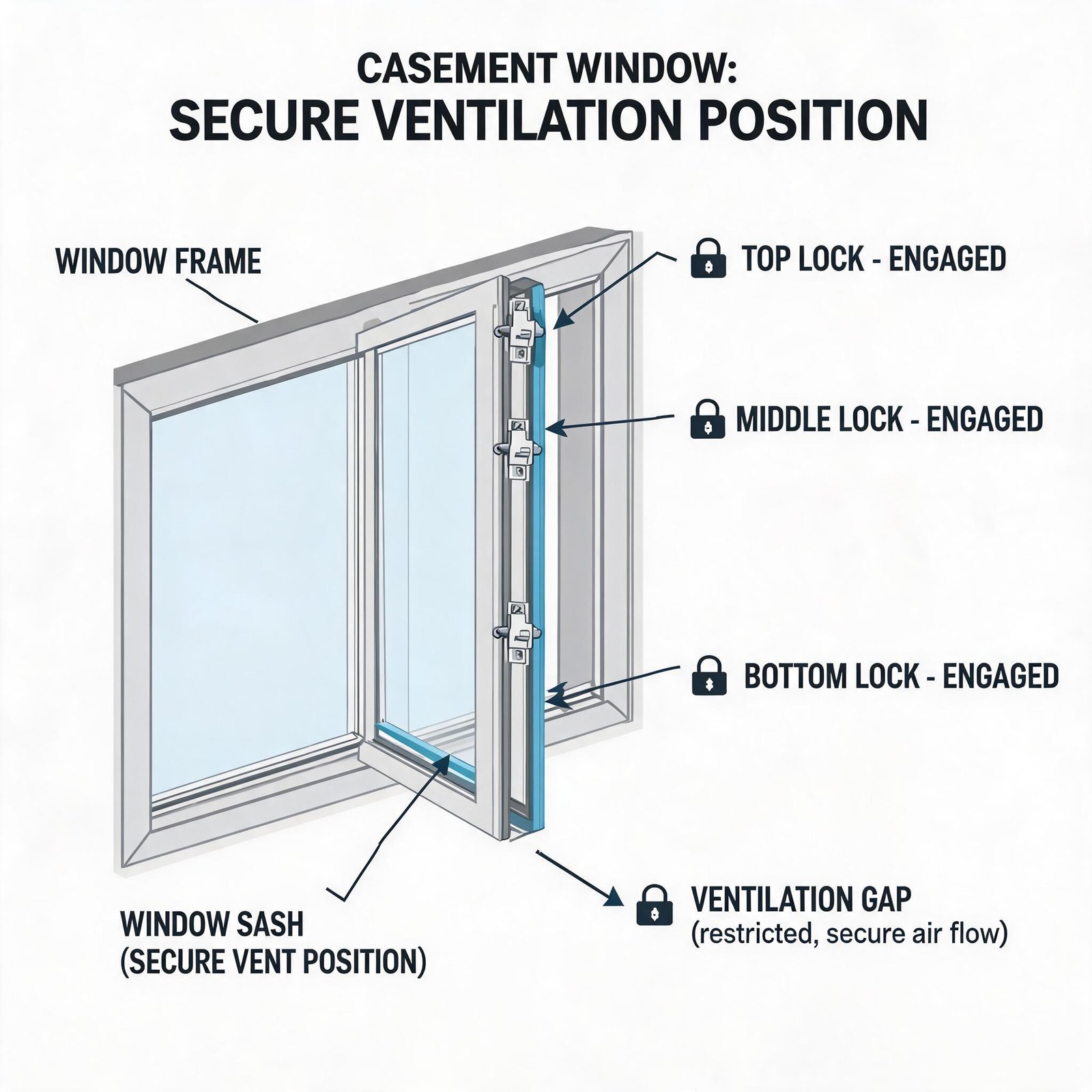
Here’s the technique I recommend to clients who want to sleep safely with windows open:
Use the integrated locking system as a ventilation stop. Many premium casement windows allow the sash to be locked in a partially open position without disengaging the multi-point hardware. The handle can be positioned to engage the locks at a set opening width—typically 3 to 4 inches. This is small enough to prevent an adult from reaching inside but generous enough for cross-ventilation.
Pair with interior-mounted security bars or removable grilles. If you have existing windows with standard locks, adding interior-mounted security bars that mount into the jamb stops is a solid retrofit. These are unobtrusive and can be removed during the day. But honestly, if you’re starting from scratch, the built-in solution is far cleaner.
Consider impact-resistant screens as a secondary layer. Not the flimsy aluminum kind—I mean stainless steel mesh screens rated for forced entry, mounted to the frame with security screws and reinforced perimeter channels. These are available as upgrades for casements and can be paired with laminated glass for a dual-layer defense.
Why Vinyl Casements Are the Smartest Choice for Ground Floor
I know there’s a lot of debate about vinyl vs. aluminum for security applications. Here’s my take after 15 years in the field: vinyl—specifically multi-chambered, reinforced extruded vinyl—is actually superior for ground-floor casement windows when engineered correctly. Why? Because vinyl doesn’t conduct heat like aluminum, which means you can integrate thicker thermal breaks without compromising structural integrity. And with modern fusion-welded corners and internal steel reinforcement, the frame becomes a single, rigid unit that resists spreading.
Our Slim Frame Modern Aluminum Casement Windows have their place—they look incredible in contemporary homes and offer exceptional durability in extreme climates. But for a ground-floor porch where security is priority one and you’re sleeping nearby, the reinforced vinyl platform with multi-point locking hardware gives you the best balance of forced-entry resistance, thermal performance, and cost.
Installation Is Where Security Lives or Dies
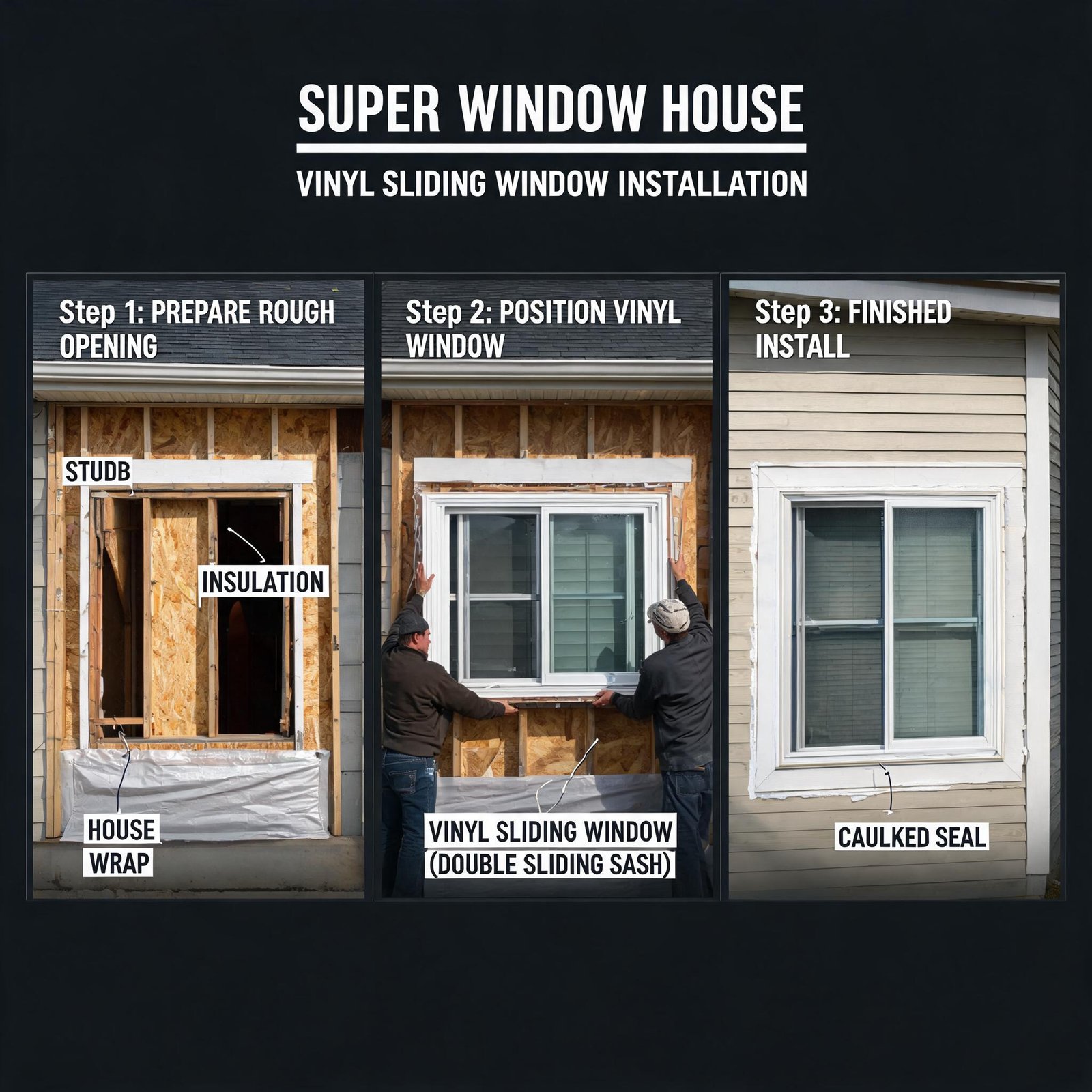
Here’s something that doesn’t get discussed enough: you can buy the strongest window on the market, but if it’s not installed correctly, the security rating means nothing. For ground-floor casement windows, the rough opening must be framed with structural headers and solid blocking at the strike points. The window frame should be shimmed tight at every lock location and fastened through the reinforcement channels into the wall framing—not just through the nailing fin.
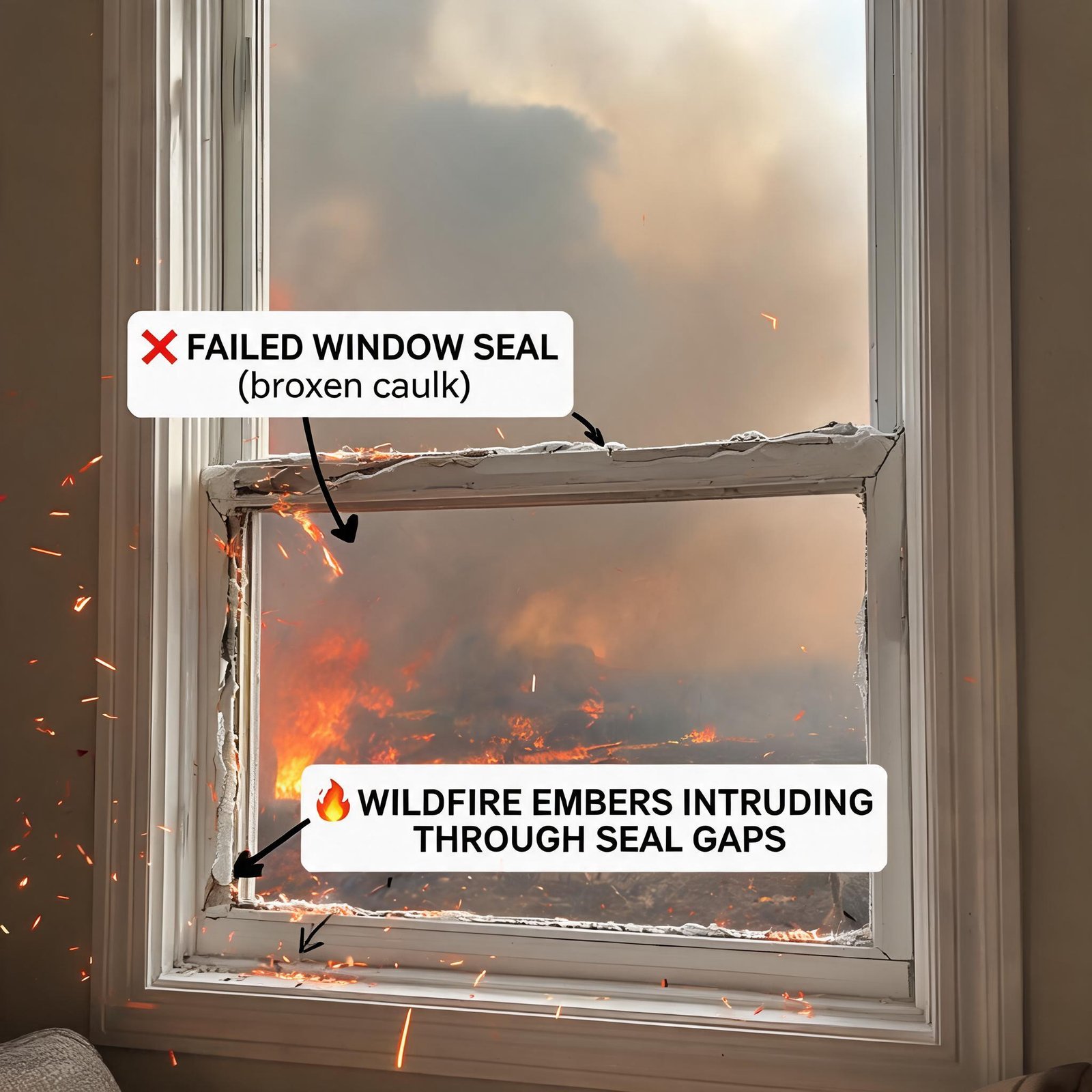
Flashing and sealant details matter too, not just for water intrusion but for security. A poorly sealed window leaves gaps that can be exploited. We always use structural sealant at the perimeter and install the window with compression gaskets that provide both weathertightness and a physical barrier against prying.
If you’re replacing existing windows, take the time to inspect the rough opening. If the framing is rotted or undersized, address that first. A window is only as secure as the wall it’s mounted into.
What About Retrofitting Existing Crank Windows?
If you’re not ready to replace your windows but you need a solution now, here’s what actually works:
Upgrade the lock hardware. Replace the standard cam lock with a multi-point hook lock that engages the sash into the jamb. This is a DIY-friendly upgrade for many casement models.
Install security screen doors at the opening. This sounds obvious, but a full-height security door with expanded steel mesh mounted to the exterior frame of the casement creates a physical barrier that allows the window to remain open.
Use window wedges and secondary locks. Simple polycarbonate wedges that prevent the sash from opening beyond a set width can be effective—but they’re not a long-term solution and can be defeated with enough force.
The honest answer is that retrofitting never gives you the same level of protection as a purpose-built security window. The reinforcement needs to be built into the frame and sash from the manufacturing stage to achieve true forced-entry resistance.
The Bottom Line for Ground Floor Casement Security
If you’re looking for crank out window security lock screens ground level solutions that actually work, stop thinking in terms of add-on gadgets. Think in terms of system design. A window that keeps you safe while you sleep with it open needs to have impact-resistant glazing, a reinforced frame, and multi-point locking that engages at every contact point.
That’s what we do at Superwindowhouse.com. We engineer windows that don’t make you choose between fresh air and safety. Whether you need a High-Performance Vinyl Casement Window with a steel-reinforced core or a Slim Profile Tilt-In Vinyl Double Hung Window for other openings in your home, the same principles apply: reinforced hardware, structural integrity, and glazing that holds.
Don’t settle for a screen that sells you a false sense of security. Build your ground-floor openings with hardware that’s designed to defend.
Frequently Asked Questions
Q: Can I install a security screen on my existing casement window?
A: Yes, but you need a screen that mounts through the frame into the jamb with security screws—not surface-mounted clips. Look for stainless steel mesh with a reinforced perimeter channel.
Q: How much does a reinforced, multi-point locking casement window cost compared to standard?
A: Expect to pay roughly 25–40% more for the upgraded locking and reinforcement package. The investment is small compared to the peace of mind and the potential cost of a break-in.
Q: Will multi-point locking interfere with the crank mechanism or ventilation?
A: Not if the window is designed for it. Quality casements with multi-point hardware allow the sash to be locked at partially open positions without disengaging the locks. The crank arm stays engaged, and the sash is positively secured at every point.
Q: Are vinyl or aluminum windows better for ground floor security?
A: Both can be engineered for high security, but reinforced vinyl with internal steel channels offers superior thermal performance without sacrificing strength. Aluminum is better for impact resistance in extreme weather but requires thermal breaks that can introduce structural compromises if not done well.