The Non-Standard Size Trap: Why Contractors Charge $20K+
Here’s the reality most homeowners don’t see: when your door dimensions fall outside the standard 60, 72, or 96-inch widths, you’re no longer shopping in the mass-production aisle. You’re entering the custom fabrication zone—and that’s where the pricing gets ugly.
Contractors don’t build doors. They order from suppliers who typically charge a 35-50% markup on custom fabrications. Then you add labor for removal, disposal, frame prep, and installation—plus a buffer for any unforeseen structural issues. Suddenly, that $8,000 custom door becomes a $20,000 line item on your invoice.
But here’s the kicker: many contractors will also tack on “complexity fees” for non-standard installations. They know you have limited options, and they price accordingly. This isn’t malice—it’s market dynamics. The solution isn’t to argue with the contractor; it’s to bypass the entire supply chain.
Why Vinyl Sliding Doors Are the DIYer’s Best Friend
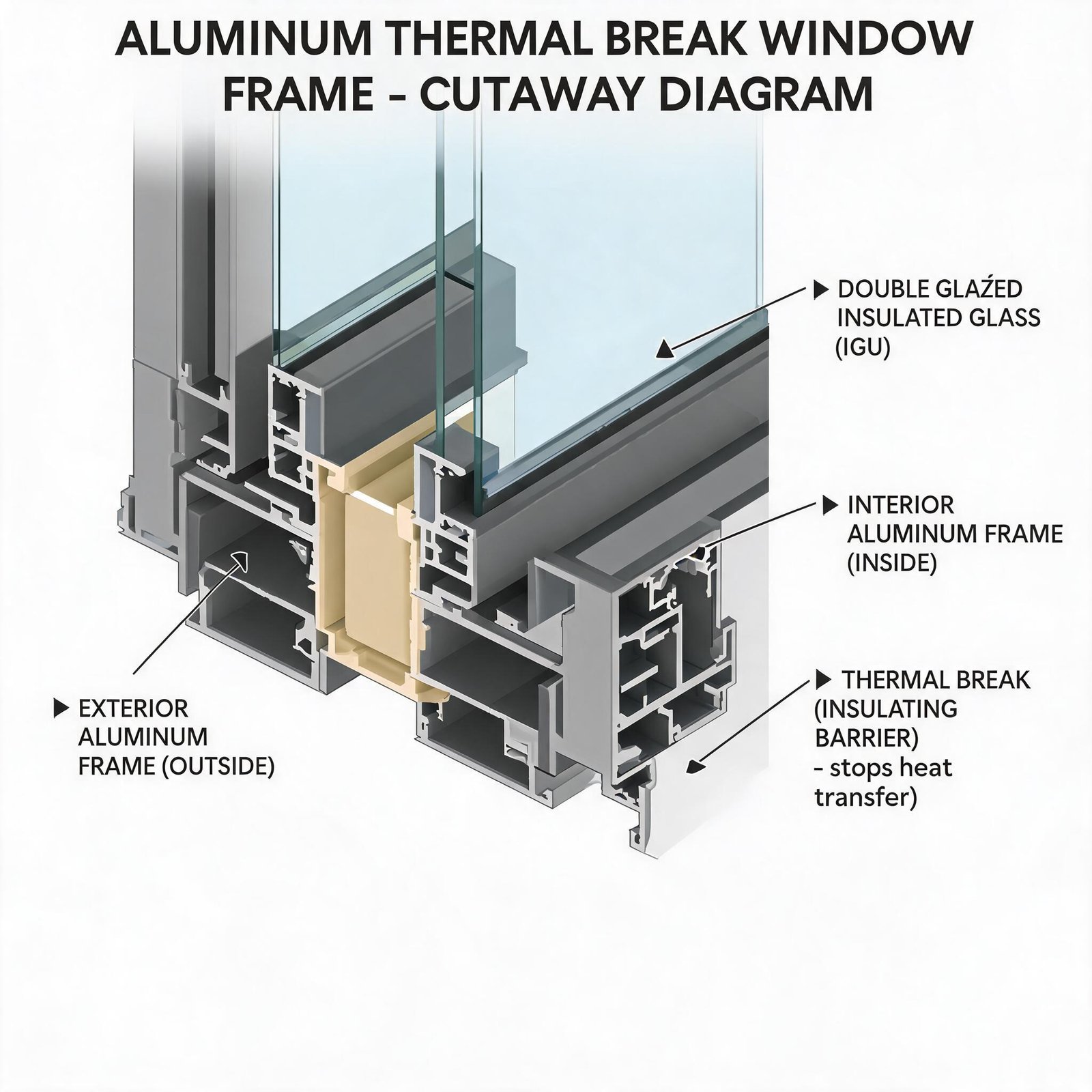
When I started in this trade 15 years ago, aluminum was the go-to for custom sliding doors. It was cheap, lightweight, and easy to fabricate. But aluminum has a fatal flaw: thermal conductivity. In cold climates, aluminum frames ice up. In hot climates, they turn into heat radiators. And in hurricane zones, they fail catastrophically under impact.
Vinyl changed the game. Modern vinyl sliding doors, particularly those manufactured with precision CNC cutting, deliver three critical advantages for DIY installations:
1. Dimensional Stability: Vinyl doesn’t warp, twist, or corrode. When you order a custom-sized frame from a reputable manufacturer like Superwindowhouse, the frame holds its shape during transport and installation. Aluminum frames often arrive slightly bent, forcing you to shim and struggle during installation.
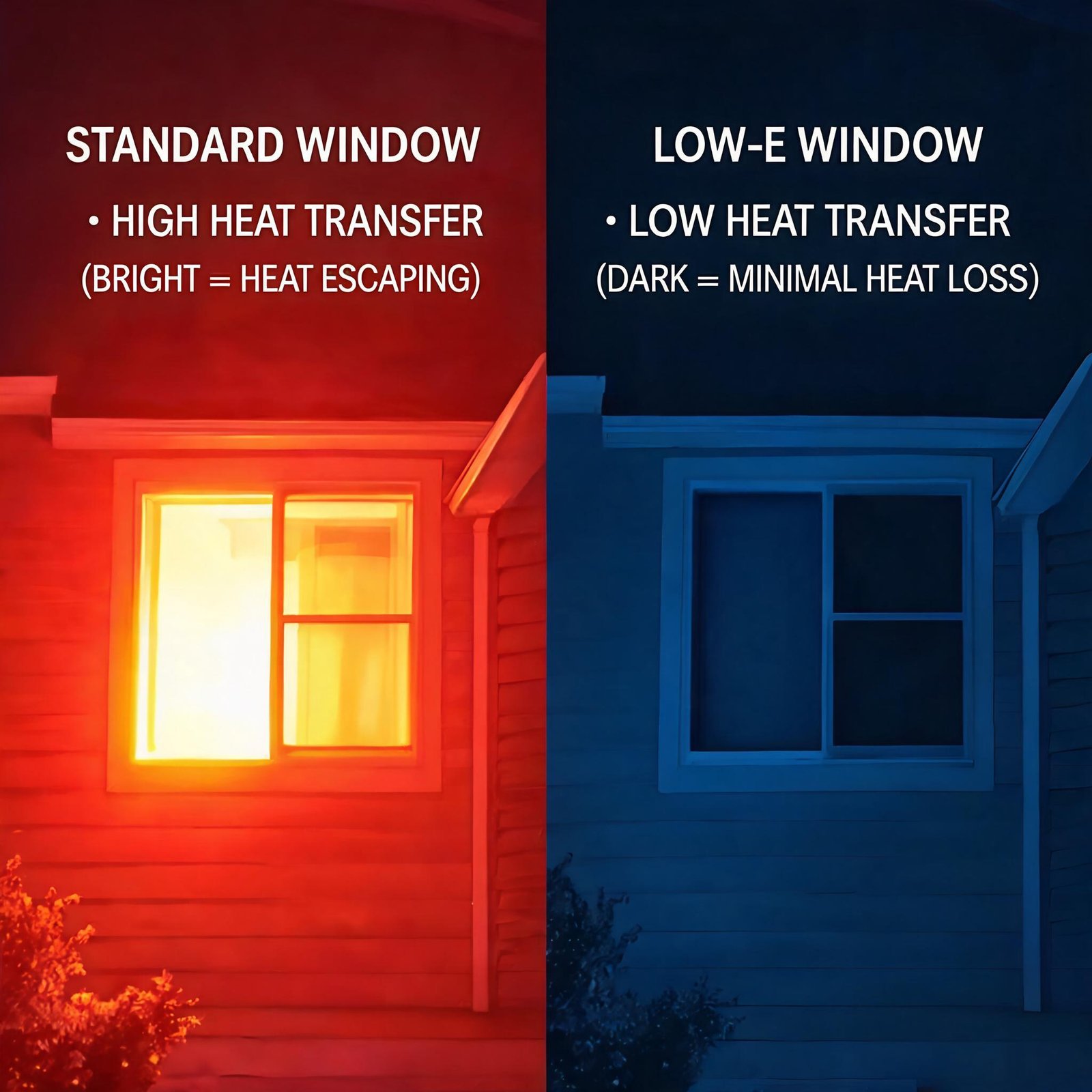
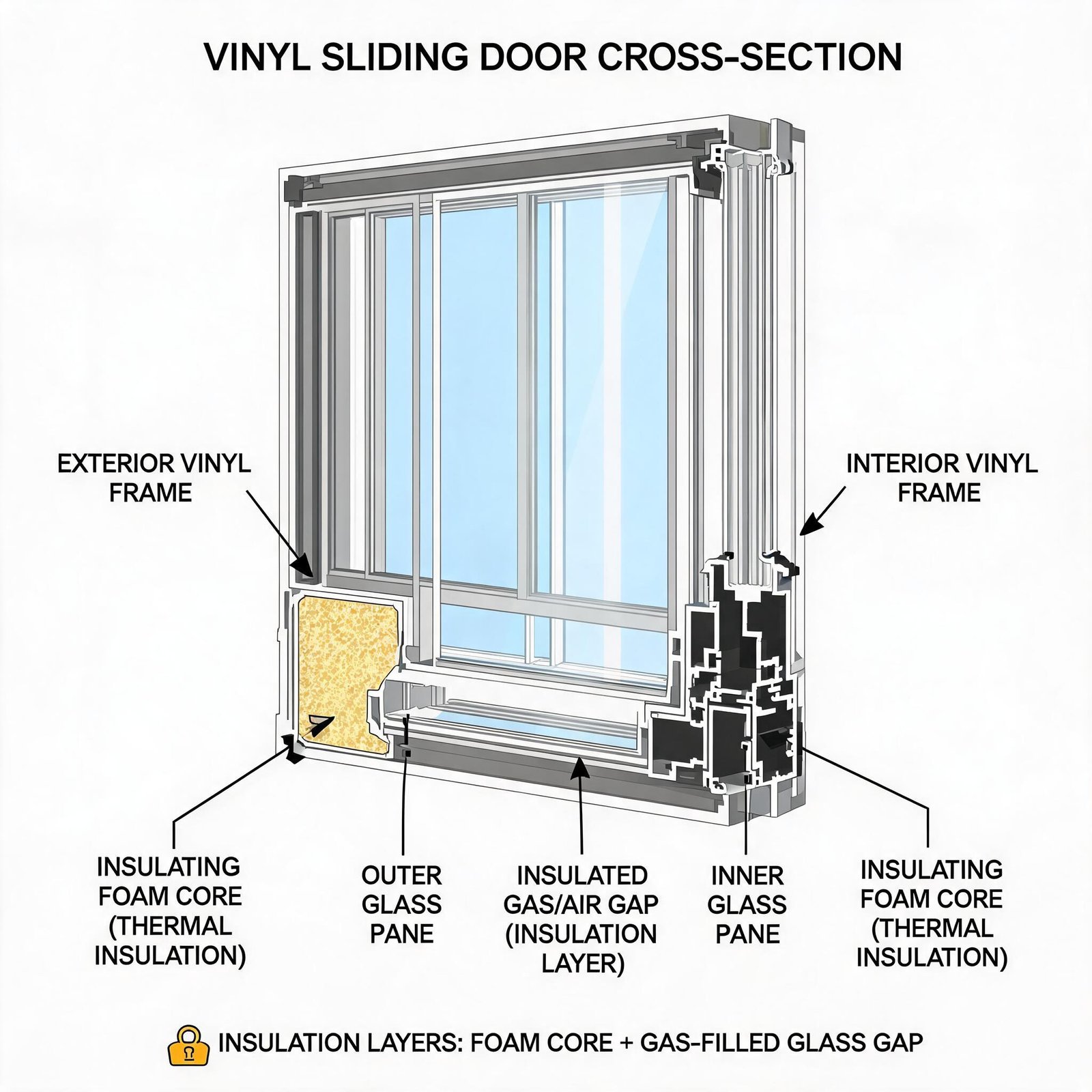
2. Thermal Performance: Extruded vinyl frames naturally insulate. Combined with double or triple-pane Low-E glass, you get U-factors below 0.30—performance that aluminum frames can only achieve with expensive thermal breaks.
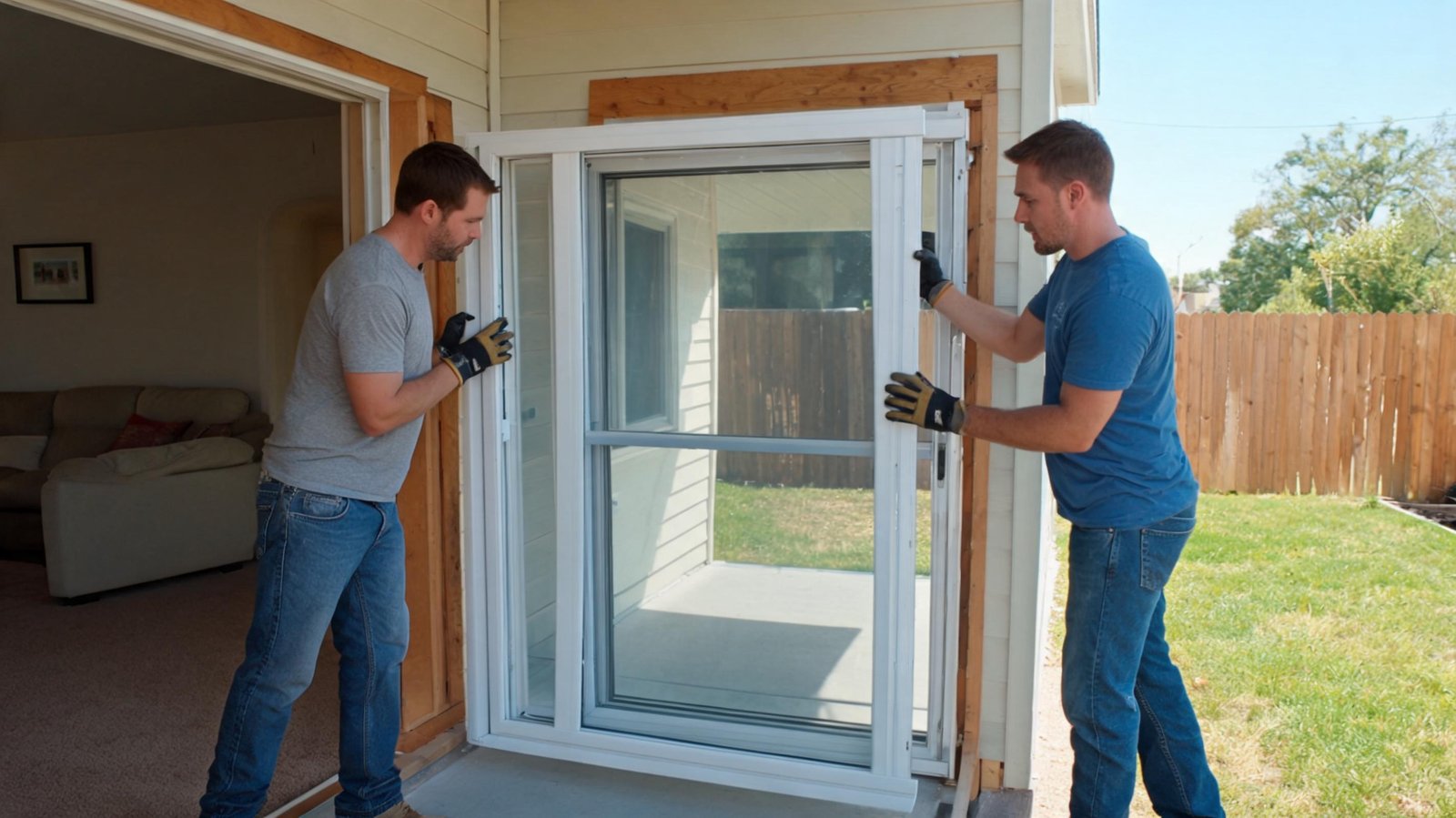
3. Ease of Handling: A vinyl sliding door frame weighs significantly less than an equivalent aluminum unit. For a 96-inch wide door, that difference is about 40 pounds—enough to make solo installation feasible with basic lifting tools.
Precision-Fit Frames: The Real Reason DIY Works
Let me address the elephant in the room: the biggest fear DIYers have is air and water leaks. If your custom-sized door doesn’t fit perfectly, you’ll spend years chasing drafts, condensation, and water damage. This is where Superwindowhouse’s approach differs from the competition.
Most custom door manufacturers use a “cut-to-fit” method. They take a standard frame profile and cut it to your dimensions, then weld the corners. The problem? Welding introduces micro-gaps that become leak paths over time. Superwindowhouse uses precision extrusion and CNC-machined joinery that eliminates these weak points. Every frame is fabricated to exact specifications, with multi-point weatherstripping that seals at every interface.
The result? A door that slides effortlessly, seals airtight, and doesn’t require you to be a professional glazier to install. You measure once, place the order, and when it arrives, the frame fits the rough opening with a consistent 1/4-inch gap on every side—just enough room for shimming and foam insulation.
The Installation Process (Simplified)
If you’ve ever installed a pre-hung interior door, you can handle this. Here’s the high-level workflow:
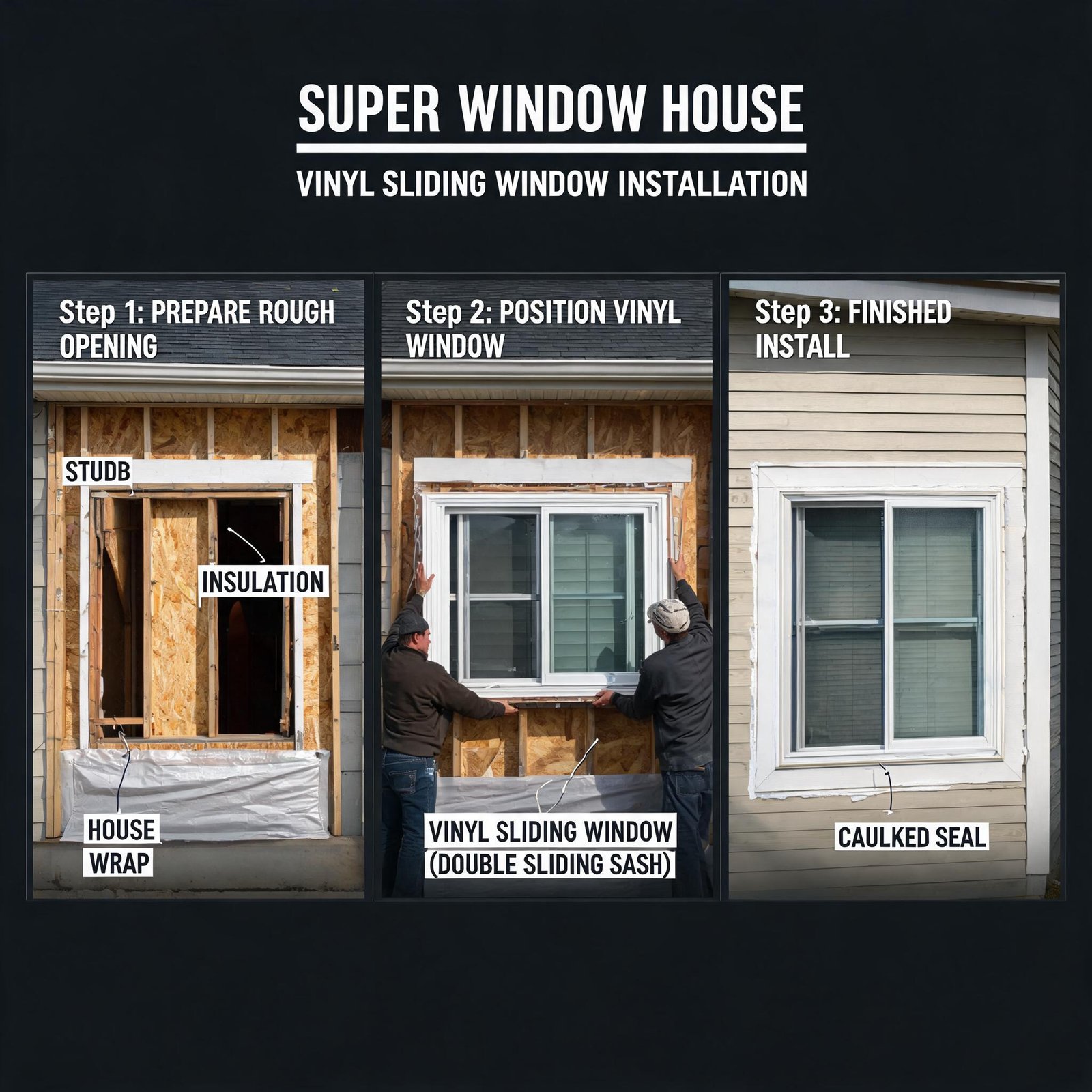
- Remove the old door and frame: Cut the caulk beads, pry off interior and exterior trim, remove the old unit, and clean the rough opening. Inspect for rot or damage.
- Check the rough opening: Your custom vinyl sliding patio doors will arrive slightly undersized to allow for shimming. Measure the center, top, and bottom of the opening—if the difference is more than 1/4 inch, use a plane or saw to square it up.
- Set the door in place: With a helper (or using door jack tools), set the frame into the opening. Use shims under the sill to level it side-to-side and front-to-back. Check plumb on both vertical jambs.
- Secure and seal: Screw through the frame at the shim points into the studs. Fill the gap between the frame and rough opening with low-expansion foam. Install the sliding panel per manufacturer instructions.
- Finish and test: Install interior trim, apply exterior caulking, and test the door operation. A properly installed vinyl door should glide with one finger pressure and seal tight when closed.
The $20,000 Savings Breakdown
Let’s put real numbers on this. A custom 96×82-inch vinyl sliding door from a direct manufacturer like Superwindowhouse runs approximately $2,800 to $4,200 depending on glass options and finishes. Compare that to the $8,000 to $12,000 you’d pay through a contractor for the same product.
Now add labor. A professional installation of a custom sliding door takes 6-8 hours for one person, or 4-5 hours with a helper. If you value your time at $50/hour (which is generous for a weekend project), you’re looking at $250 to $400 in “labor cost.” Compare that to the $8,000 to $10,000 a contractor would charge for the same work.
Total DIY cost: $3,000 to $4,600
Total contractor cost: $16,000 to $22,000
Savings: $12,000 to $17,400
Beyond Price: Why Vinyl Beats Aluminum for Performance
Here’s where we get technical. The discussion on Reddit wasn’t just about cost—it was about making the right choice for the long term. Let me give you the hard truth about material selection:
Aluminum frames conduct heat and cold. Even with thermal breaks, the frame-to-glass interface is a weak point. In extreme temperatures, aluminum frames sweat inside your home, leading to mold and rot if not properly managed. They also dent easily—one stray lawn mower rock and you’ve got a visible ding.
Vinyl frames are inherently insulative. The hollow chambers in extruded vinyl create dead air spaces that slow thermal transfer. Combined with warm-edge spacers and Low-E coatings, a quality vinyl sliding door can achieve whole-unit U-factors that aluminum can’t touch without massive thermal break upgrades.
But here’s the real-world performance difference: vinyl frames don’t conduct condensation. In a Minnesota winter, your aluminum frame sliding door will have water droplets running down the inside face. Your vinyl frame door will be dry. That condensation prevention alone can save you thousands in potential mold remediation.
What About Impact Resistance?
The homeowner in the Reddit thread had their door shattered—likely from impact. If you live in a hurricane zone or high-wind region, you need to consider this. Standard vinyl doors aren’t impact-rated out of the box. However, manufacturers offer impact-resistant options with laminated glass and reinforced frames.
If impact resistance is a concern, look for doors rated to Miami-Dade County standards. Superwindowhouse offers impact-resistant configurations that use 5/16-inch laminated glass and reinforced frames. These aren’t cheap—expect to pay $5,000 to $6,500 for a custom impact-rated unit—but they’re still half the cost of a contractor-installed aluminum impact door.
For most non-coastal homeowners, standard double-pane tempered glass is sufficient. The key is ensuring the frame itself is structurally sound. Vinyl frames with steel or aluminum reinforcement at the locking points and roller tracks provide the strength you need without adding excessive weight.
The Bottom Line: Should You DIY?
If your sliding glass door shattered due to age, weather, or an accident, and you got a quote over $15,000, you have two choices: write a check you don’t want to write, or invest a weekend and a few thousand dollars to do it yourself.
For homeowners with basic construction skills—you’ve painted walls, installed baseboards, maybe hung a pre-hung door—custom vinyl sliding door replacement is entirely achievable. The key is choosing a manufacturer that specializes in custom dimensions and delivers precision-fit frames. Superwindowhouse does exactly that, with frame accuracy to within 1/16 inch, factory-applied weatherstripping, and hardware that’s ready to go out of the box.
Don’t let a non-standard rough opening become a $20,000 problem. It’s a door—not a renovation project. With the right product and a little patience, you can have that opening sealed, insulated, and sliding smoothly for a fraction of the contractor cost.

Need a custom-sized sliding door? Superwindowhouse manufactures precision-fit vinyl sliding doors in any dimension. Check out our vinyl sliding patio door options with dual-pane Low-E glass and integrated insect screens. For window upgrades to match your new door, consider our energy-efficient vinyl sliding windows for consistent curb appeal and thermal performance.