Introduction: The Moment Every Homeowner Dreads
Let me tell you something I’ve learned in 15 years of building and renovating homes across North America. When that flash flood warning pops up on your phone, and you find yourself Googling “tornado watch vs warning” at 2 AM because the rain is horizontal and the wind is rattling every single window in your house—that’s the moment you realize your home’s defenses aren’t what you thought they were.
I’ve pulled off enough water-damaged drywall and replaced enough rotting window frames to know this cold truth: most residential windows are designed for a sunny day, not for the moment when a flash flood warning becomes a reality. The combination of driving rain and hurricane-force wind pressure turns an ordinary window into a liability. Water doesn’t just fall; it gets forced through gaps you never knew existed. And once that moisture breaches your window seals, you’re not just looking at a wet floor—you’re looking at mold remediation, structural rot, and a bill that can run into the tens of thousands.

The hard reality? When the power grid goes down—and it will, especially during flash flood events—your windows are all that stand between your living room and a torrential downpour. The question is: are they built for that battle?
The Physics of Water Intrusion: Why Ordinary Windows Fail Under Pressure
Let’s get technical for a moment, because this is where most window companies hope you won’t look too closely. Water intrusion during a flash flood isn’t a matter of “maybe” or “sometimes.” It’s a matter of pressure differentials and seal integrity.
Here’s what happens: When wind speeds reach 40-60 mph—common during flash flood storms—the pressure outside your home drops relative to the pressure inside. This creates a pressure gradient that literally sucks water through any available gap. And I’m not talking about visible gaps. I’m talking about gaps measured in microns. A window with poor compression seals will allow water to migrate through the frame itself, through the sash corners, and through the weep holes that are supposed to be drainage but become inlet ports during high-wind events.
The Thermal Bridging Trap
Most builders and homeowners don’t consider that thermal bridging and water management are actually connected problems. When a window frame has significant thermal bridging—meaning heat transfers directly through the frame material without insulation—the frame itself becomes cold. During a flash flood event, the temperature differential between humid interior air and cold frame surfaces creates condensation inside the wall cavity. That condensation, combined with water intrusion from outside, accelerates rot and mold growth exponentially.
This is why thermal bridging and air infiltration aren’t just energy concerns—they’re structural integrity concerns. A window that rates poorly on U-factor and SHGC (Solar Heat Gain Coefficient) is almost always a window that also underperforms on water management.
AAMA Standards: What Actually Matters
The window industry has standards. AAMA (American Architectural Manufacturers Association) certifies windows for water penetration resistance, air leakage, and structural performance. But here’s the dirty secret: a window can pass the AAMA test and still fail in a real-world flash flood scenario. Why? Because the test is done under static water pressure, not dynamic wind-driven rain. There’s no “flash flood simulation” in the standard test protocol. So windows that supposedly “meet code” can still leak when the real storm hits.
The Hidden Cost of Mass-Market Windows: What Big Brands Won’t Tell You
I’ve installed enough big-box store windows to have a very clear opinion about them. And that opinion is not flattering. Let me share three things the major manufacturers don’t put in their glossy brochures.
Problem #1: The 5-Year Seal Degradation Trap
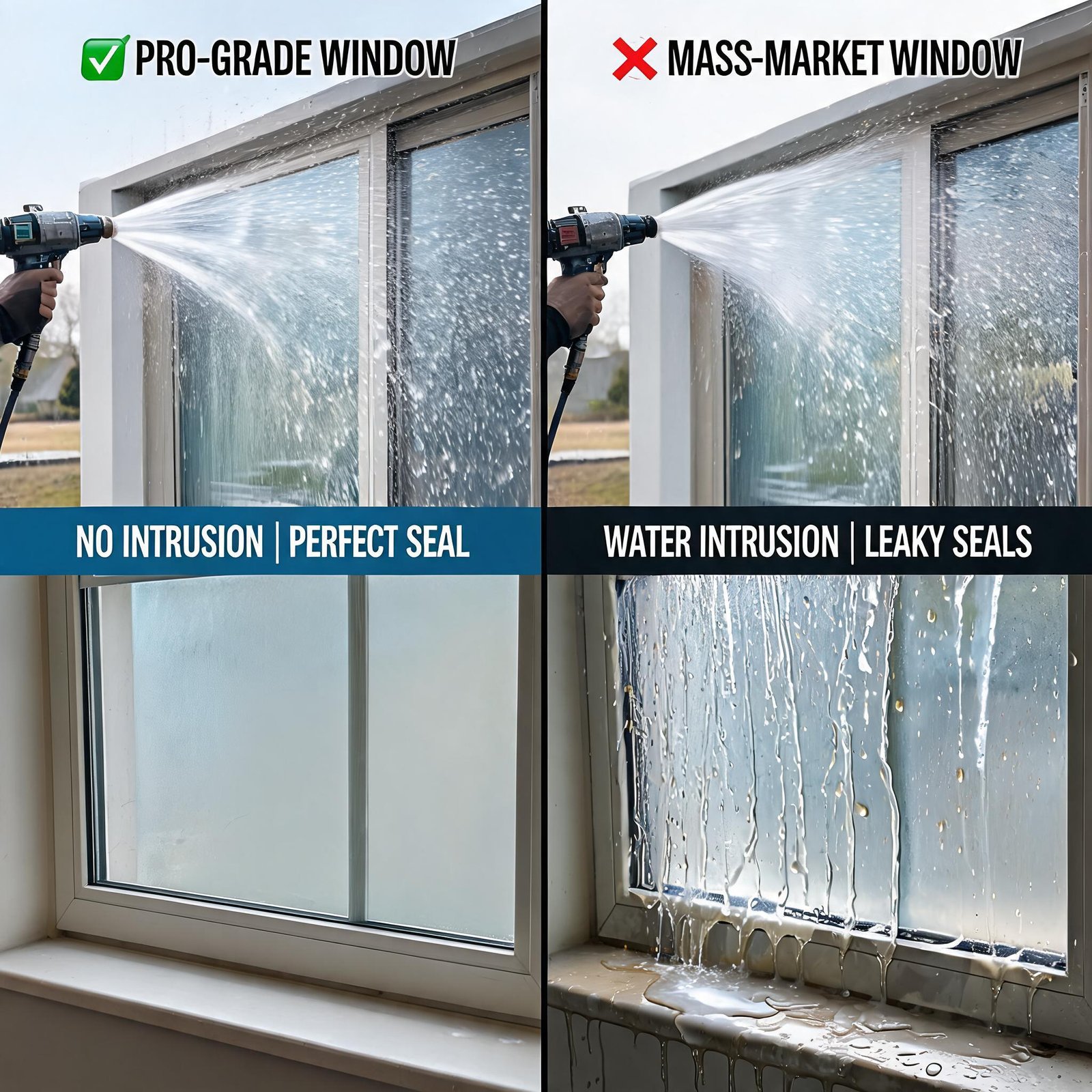
Most mass-market vinyl windows use what’s called a “soft-coat” Low-E coating. It’s cheaper to produce, and it works—for about five years. After that, the coating begins to oxidize and degrade, especially in frames exposed to direct sunlight. But more critically, the compression seals in these windows are single-fin or dual-fin designs at best. They’re designed for static sealing, not dynamic pressure events.
When a flash flood warning sends wind speeds climbing, those single-fin seals simply don’t hold. The sealant cold-flows over time, and the compression pressure relaxes. By year five or six, you’ve got a window that passes visual inspection but fails under pressure.
Problem #2: Weep Hole Design Flaws
Nearly every vinyl window on the market relies on weep holes at the bottom of the frame to drain condensation and minor rain. That’s fine for a drizzle. But during a flash flood, when water is being forced horizontally against the window, weep holes become ingress points. Water doesn’t drain out; it gets forced in. I’ve seen entire finished basements flooded simply because the builder didn’t specify windows with internal drainage channels that close under wind pressure.
Problem #3: The “Just Good Enough” Engineering Culture
The window industry is driven by production volume and margin optimization, not engineering excellence. Many large manufacturers have told me directly that they design windows for 75% of the market—meaning they skip the reinforcement, skip the multi-chamber framing, and skip the heavy-duty compression seals because the cost would make them uncompetitive on Home Depot shelves. They’re building windows for sunny days, not for flash flood warnings.
The Superwindowhouse Solution: Hurricane-Grade Engineering for Every Home
This is where I draw a hard line in the sand. At Superwindowhouse, we don’t build windows for the 75% market. We build for the homeowner who has seen what water does to a house.
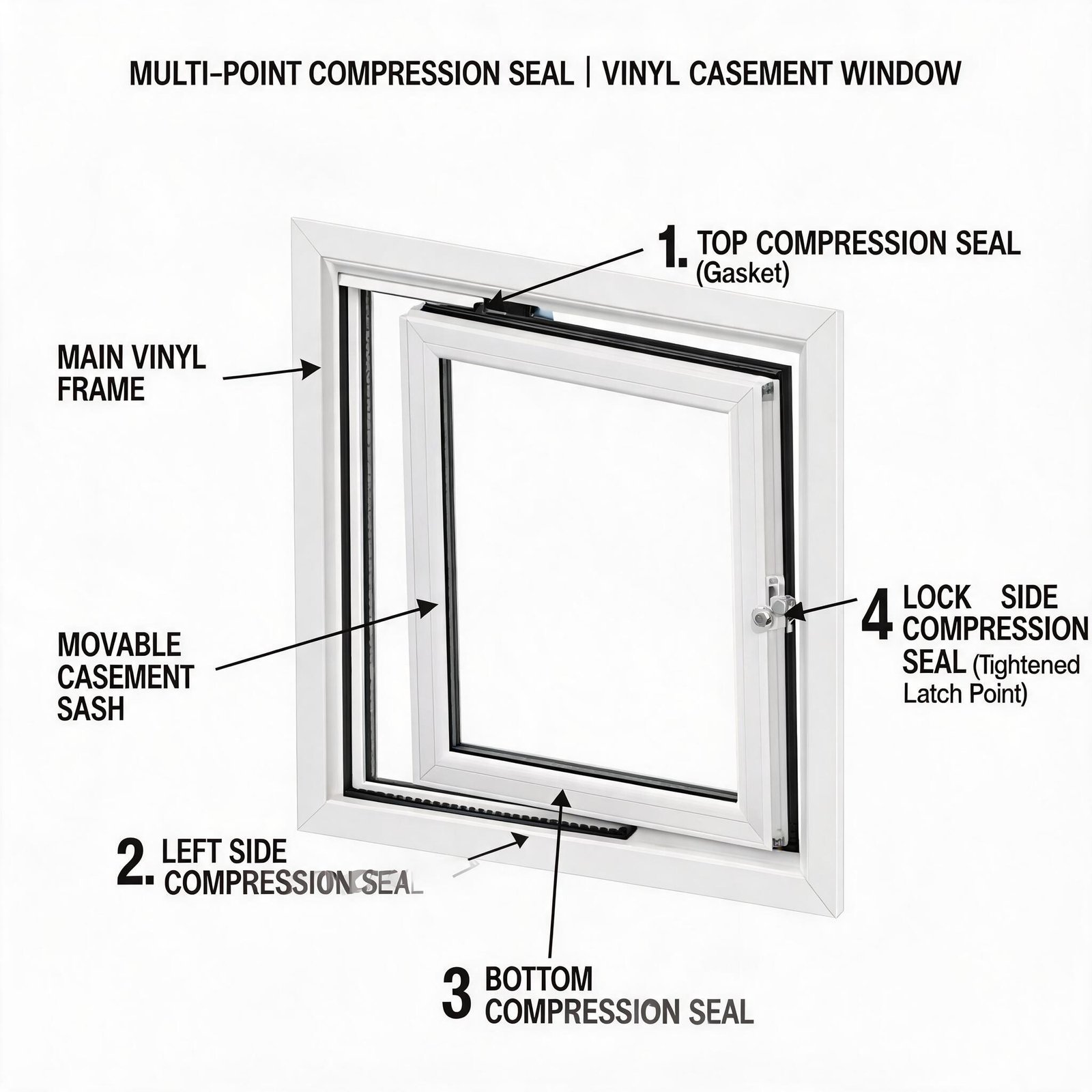
Hurricane-Grade Casement Windows with Multi-Point Compression Seals
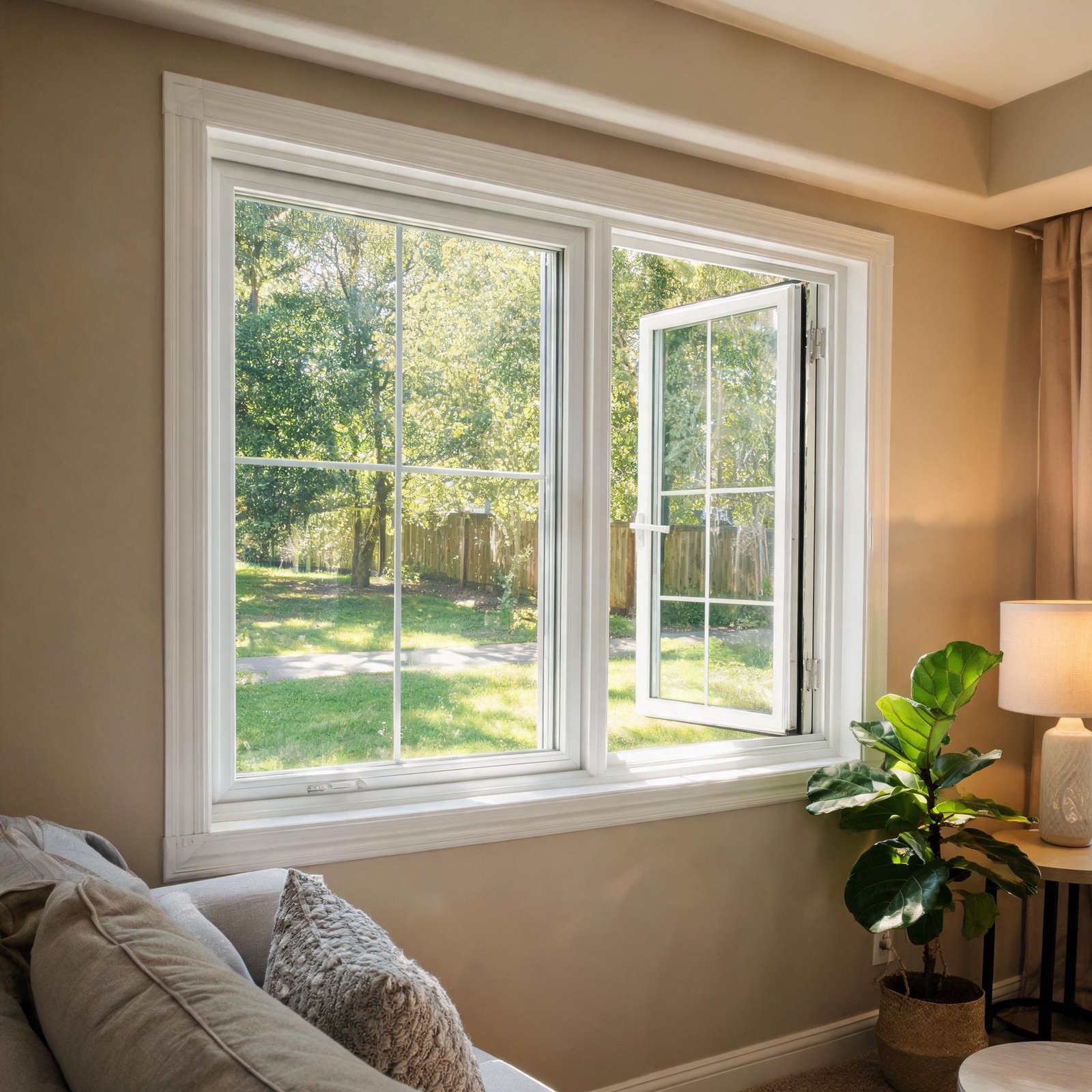
Our flagship product line for flash flood resistance is the high-end vinyl casement window—and I want to be very specific about why this design beats everything else on the market.
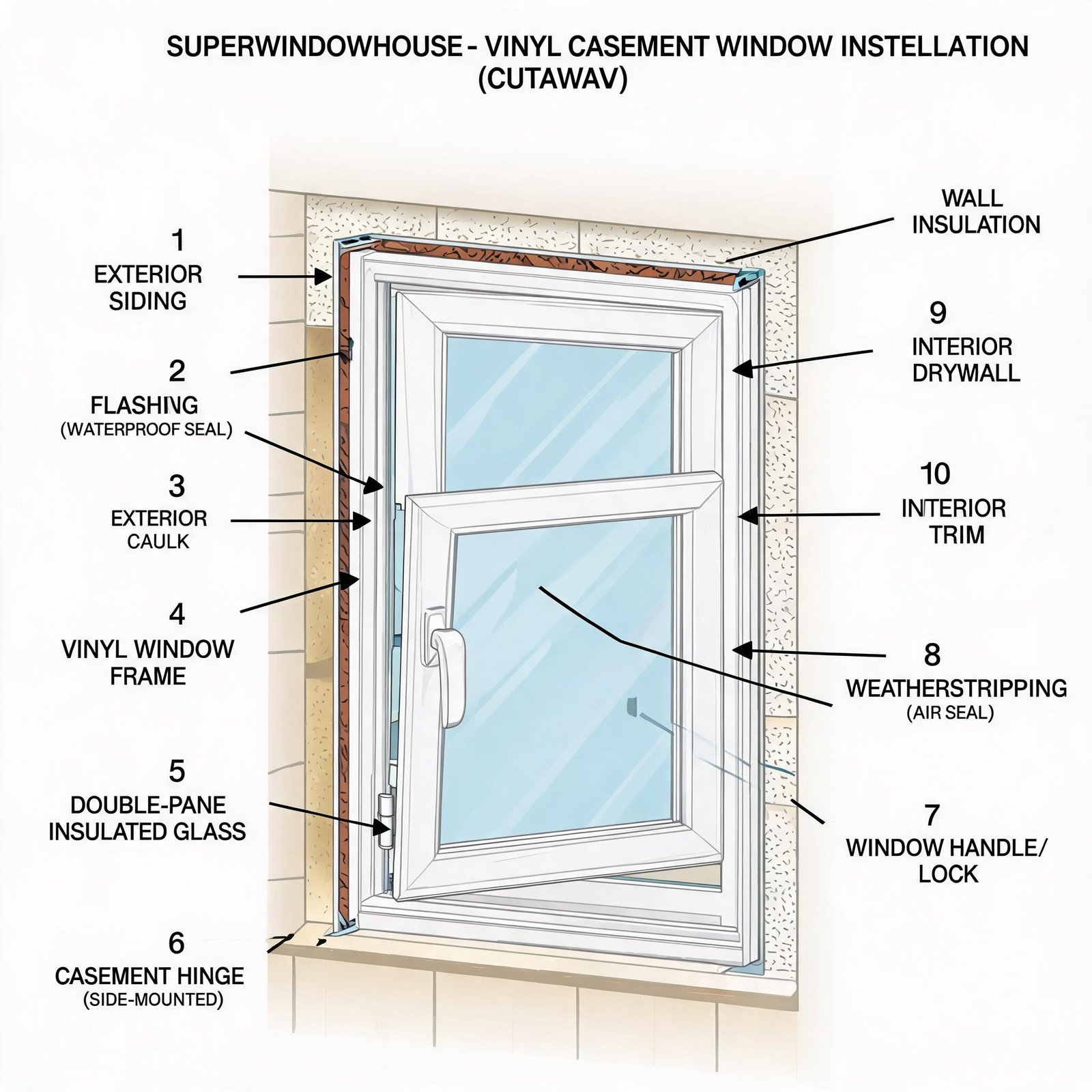
The Compression Seal Advantage: Our casement windows use continuous multi-point compression seals that engage simultaneously around the entire perimeter when the window is closed. This isn’t a single wiper gasket. It’s a multi-chamber seal system with integrated weather-stripping that creates a positive pressure seal against the frame. When wind pressure increases, the seal actually tightens rather than loosening. It’s the same engineering principle used in marine hatches and aircraft doors.
Torsion Hinge Reinforcement: The window sash is mounted on heavy-duty torsion hinges that maintain alignment even under high wind loads. Most casement windows use standard butt hinges that allow the sash to flex under pressure, creating gaps at the top and bottom corners. Our torsion hinge system keeps the sash rigid, maintaining the compression seal integrity even at 50+ mph wind speeds.
Internal Drainage with Back-Pressure Valves: Our frames integrate internal drainage channels with back-pressure valves that physically close under wind load. When the wind is calm, they drain normally. When the wind howls, they seal shut. It’s a simple mechanical solution that requires no maintenance and no power.
Double-Glazed Low-E Glass: Performance When Power Fails
When that flash flood warning leads to a power outage—and it frequently does—your windows become your primary thermal barrier. Our double-glazed Low-E glass isn’t just about energy bills. It’s about survivability.
The Low-E coating we use is a hard-coat pyrolytic coating bonded directly to the glass surface. This isn’t the soft-coat coating that degrades in 5 years. This coating is as durable as the glass itself. It reflects interior heat back into the room while blocking UV and infrared radiation from outside. The result? When the power goes down in February, your home stays livable for hours longer.
U-factor and SHGC: Our standard double-glazed units achieve a U-factor of 0.27 or better, with an SHGC appropriate for your climate zone. But more importantly, the frame U-factor is equally critical. Our multi-chamber vinyl frames eliminate thermal bridging, so the overall window assembly performs as a system, not just the glass.
Product Deep Dive: Matching the Right Window to Your Threat Level
Not every home faces the same flash flood risk. Let me guide you to the right product based on your specific situation.
For High-Risk Coastal and Storm-Prone Areas
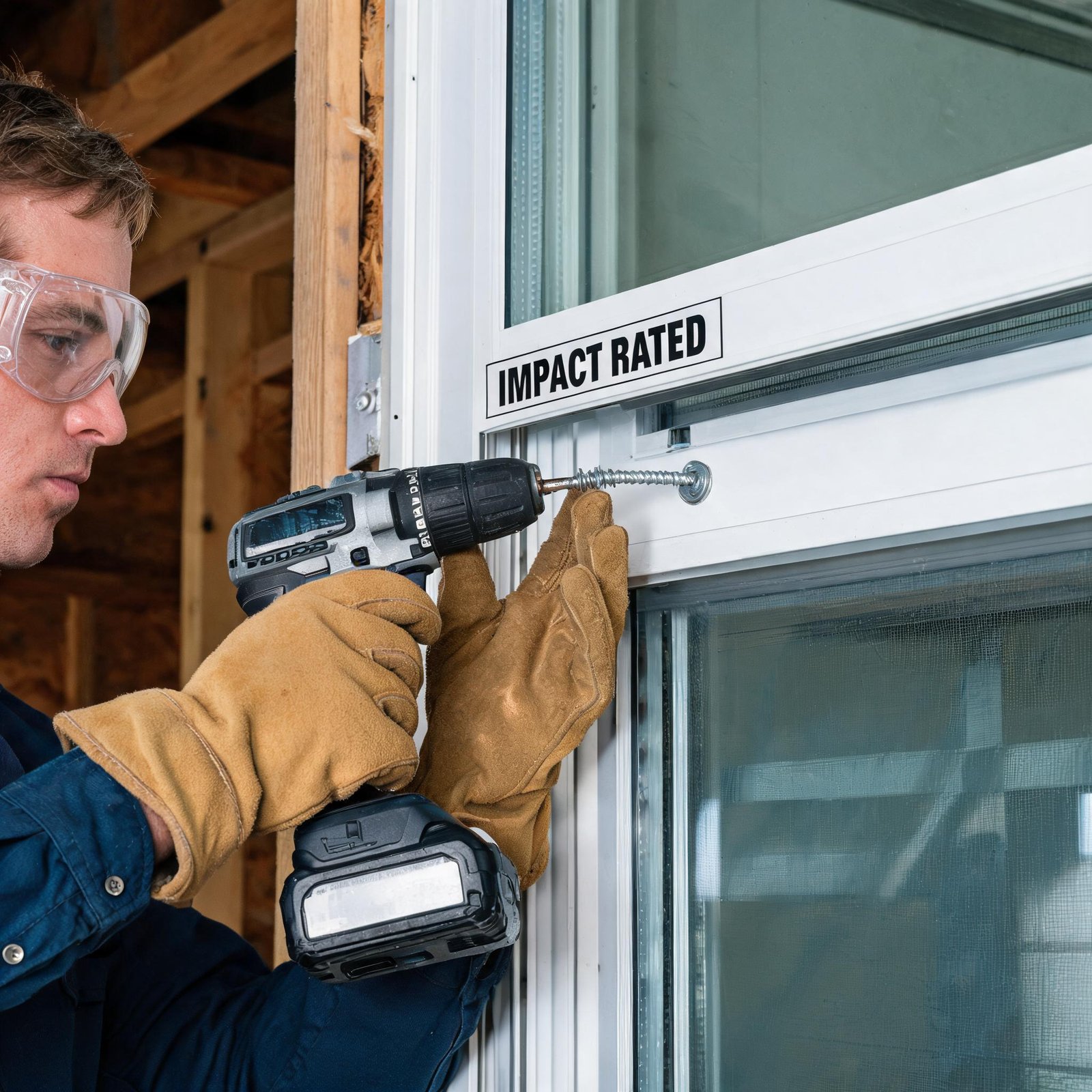
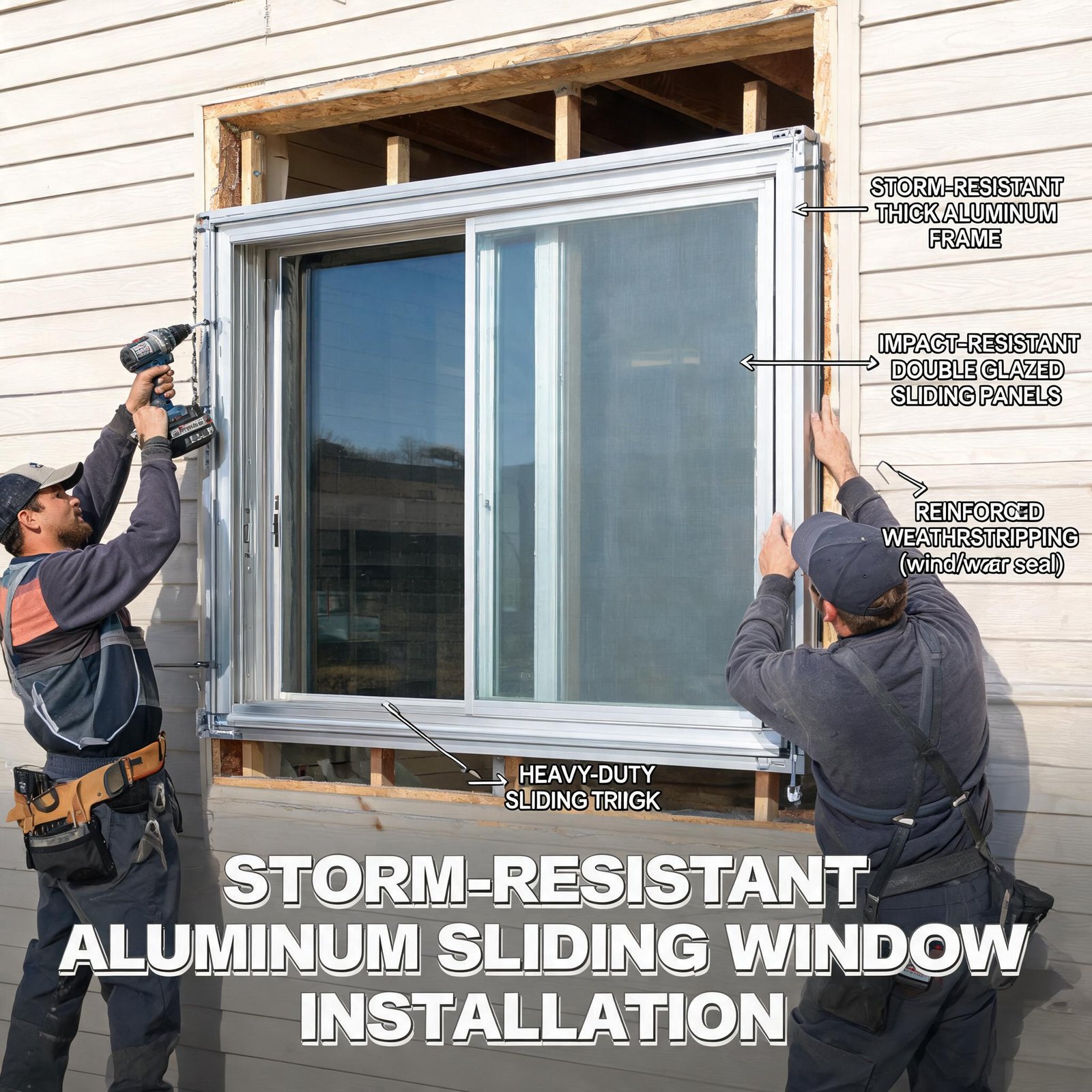
If you’re within 50 miles of a coast or in a documented flash flood zone, don’t compromise. Our vinyl casement windows are designed to meet Miami-Dade County impact standards—the toughest in the country. The combination of impact-resistant laminated glass, heavy-duty frames, and multi-point compression seals gives you the same protection as a commercial-grade hurricane shutter, but with better aesthetics and thermal performance.
I’ve personally specified these for homes in Florida, the Gulf Coast, and the Mid-Atlantic. When a flash flood warning comes through, these homeowners sleep.
For Moderate-Risk Inland Homes
For homes in areas that experience flash flooding less frequently but still see severe thunderstorms, our energy-efficient sliding windows offer a strong balance of cost and performance. While sliding windows don’t have the same level of compression seal as casement windows, our models feature interlocking sashes and vertical compression locks that significantly outperform standard builder-grade sliders. Combined with proper flashing installation, they provide excellent water resistance for the price point.
For Maximum Energy Efficiency During Power Outages
The high-performance vinyl casement windows I mentioned earlier are truly the gold standard. When the power goes out after a flash flood warning, these windows act as passive thermal barriers. The triple-chamber frame design and hard-coat Low-E coating keep your home warm in winter and cool in summer, without relying on utility power. I’ve had clients tell me their homes stayed at 55°F for three days during a winter storm because their windows weren’t leaking heat.
Practical Installation Guide: What Every Contractor Must Know
I’ve been called to too many “water intrusion” jobs where the window itself was fine, but the installation was the problem. Let me share the critical details that separate a dry home from a wet one.
Rough Opening Verification
Before you order a single window, measure your rough openings. And I mean measure them correctly. The rough opening width and height must be within 1/8 inch of specification for our windows to seal properly. A rough opening that’s too wide allows the window to shift under wind load. Too narrow, and the frame compresses, distorting the seals. If you’re unsure, call us. We provide free CAD-based shop drawing reviews for all contractor orders.
Flashing Flange and Nail Fin Installation
Here’s the single most common mistake I see: contractors install the window, then try to “flash” around it with tape. The correct sequence is:
- Install the window’s integrated flashing flange so it overlaps the building wrap.
- Apply peel-and-stick membrane over the flange, extending at least 6 inches up the wall.
- Install the finished siding over the membrane, not the flange.
The nail fin—or J-channel for retrofit installations—must be mechanically fastened every 6 inches, not just at the corners. Loose fasteners create gaps that water exploits.
Air Infiltration Testing
Once installed, test the window for air infiltration before the interior trim goes on. Use a simple smoke pencil or a thermal camera. If you see air movement around the frame perimeter, you have a seal problem that needs immediate correction. Don’t trust the window alone; trust the system of window plus installation.
AAMA and NFRC Certification Verification
When you receive your windows, check for the AAMA Gold Label and NFRC certification. Every Superwindowhouse product comes with these labels affixed to the frame. If the label is missing, don’t install. That label is your warranty that the product meets the performance claims. I’ve seen contractors get burned by “off-brand” windows that looked identical but lacked the independent testing.
Contractor FAQ: Common Questions About Flash Flood Window Preparation
Q: Can existing windows be retrofitted for better flood resistance?
A: Not effectively. Compression seals are integrated into the frame design. Adding external weather stripping helps marginally but won’t create a positive pressure seal. If you’re in a flash flood zone, replacement is the only reliable solution. The cost of replacement is far less than the cost of water damage remediation.
Q: What’s the most common window failure point during a flash flood?
A: The bottom sash corner joint. In double-hung and sliding windows, the corner joints are often mechanically fastened without sealant. Under wind pressure, these joints open and water enters the wall cavity. Our casement windows eliminate this failure point entirely because the sash is a single welded unit with no corner joints.
Q: Do impact-rated windows cost more than standard windows?
A: Yes, the premium is typically 30-50% over standard windows. But compared to the cost of a single water damage repair—which can easily exceed $10,000 for a finished basement—the investment is negligible. Plus, impact-rated windows qualify for insurance discounts in many states and some hurricane tax credits.
Q: How do I know if my current windows are at risk?
A: Look for these warning signs: visible gaps between the sash and frame, condensation between the glass panes (failed seal), water stains below windows, or difficulty opening and closing. If you have any of these, your windows are compromised. When a flash flood warning is issued, those windows will fail.
The Bottom Line: Build for the Storm, Not for the Salesman
I’ve seen the damage. I’ve pulled out the mold. I’ve replaced the rotted sills. And I’ve had homeowners weep with relief when I told them their Superwindowhouse installation was the reason their basement stayed dry while their neighbor’s was underwater.
When that flash flood warning comes through, and the wind starts howling, your windows will either be your fortress or your failure point. There is no middle ground. The engineering is clear: multi-point compression seals, hard-coat Low-E glass, thermally broken frames, and professional installation are the only reliable defense.
Don’t let a few hundred dollars in savings cost you tens of thousands in repairs. Specify the right windows. Install them correctly. And sleep through the storm.
Ready to upgrade your home’s flood defense? Visit us at Superwindowhouse.com to explore our full line of hurricane-grade vinyl casement windows and energy-efficient vinyl sliding windows. Our team of technical specialists can help you specify the exact configuration for your home and climate.