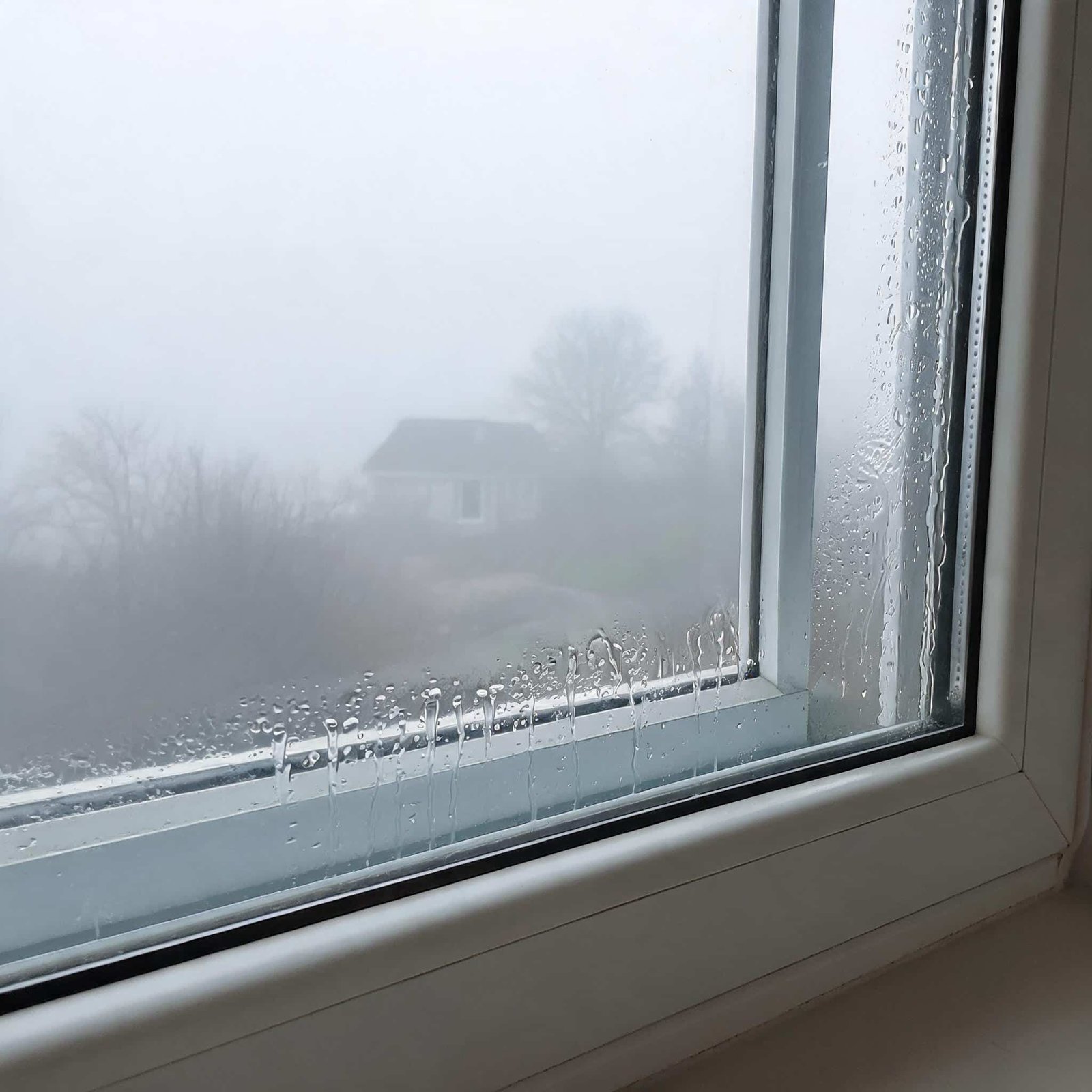
You notice it one morning—that stubborn fog sitting between the glass panes of your double-glazed window. No amount of wiping will clear it because the condensation isn’t on the surface. It’s trapped inside the sealed unit. That milky, hazy look isn’t just an eyesore; it’s a dead giveaway that your window seal has failed. And once that seal breaks, your window’s thermal performance goes straight down the drain.
I’ve been poking around Reddit’s HomeImprovement community for years, and this question comes up more often than you’d think: “Moisture between window panes repair—can I just drill a hole and let it dry out?” Short answer: don’t waste your time. Long answer: let me walk you through why this happens, why repair is rarely the solution, and why a proper upgrade to Superwindowhouse’s triple-pane technology is the only fix that actually sticks.
Why Condensation Between Panes Means Your Window Is Dead
When you see moisture trapped between the two panes of a double-glazed window, you’re looking at a failed seal. The space between the glass is supposed to be hermetically sealed—filled with argon or krypton gas that provides insulation. Once that seal breaks, outside air creeps in, bringing humidity with it. The temperature difference between the panes causes that moisture to condense, and you get the dreaded foggy glass.
Here’s the hard truth: this isn’t a “moisture between window panes repair” situation. You can’t un-bake a cake. The seal failure means your window has lost its thermal efficiency. Your U-factor just skyrocketed, your energy bills will follow, and that window is now performing worse than a single-pane model from the 1950s.
What Causes Seal Failure in Modern Windows?
Let’s get technical for a second. Seal failure typically happens for three reasons:
- Thermal cycling: Every summer and winter, your window expands and contracts. Cheap sealants eventually crack under this stress.
- UV degradation: Sunlight breaks down the seal’s edge tape over time, especially in windows with inadequate edge sealing.
- Manufacturing defects: Porous spacers or poor initial adhesion leave microscopic pathways for moisture to sneak in.
Mass-produced windows—the ones you grab from big-box stores—are notorious for this. They use low-grade butyl tape and aluminum spacers that conduct heat, accelerating seal breakdown. Within five to eight years, you’re dealing with foggy glass and a trip to the landfill.
Why “Moisture Between Window Panes Repair” Is a Reddit Myth
I see it every month on Reddit: some homeowner suggesting you can drill a tiny hole, blow compressed air in, and use a defogging kit to clear the condensation. Here’s why that doesn’t work—and why I professionally advise against it.
First, drilling into the glass spacer voids any remaining warranty. Second, even if you clear the moisture temporarily, the gas fill is gone. You’ve got air inside now, not argon. Your window’s thermal performance is permanently compromised. Third, the seal is still broken. Within months, moisture will work its way back in, especially during humid summers.
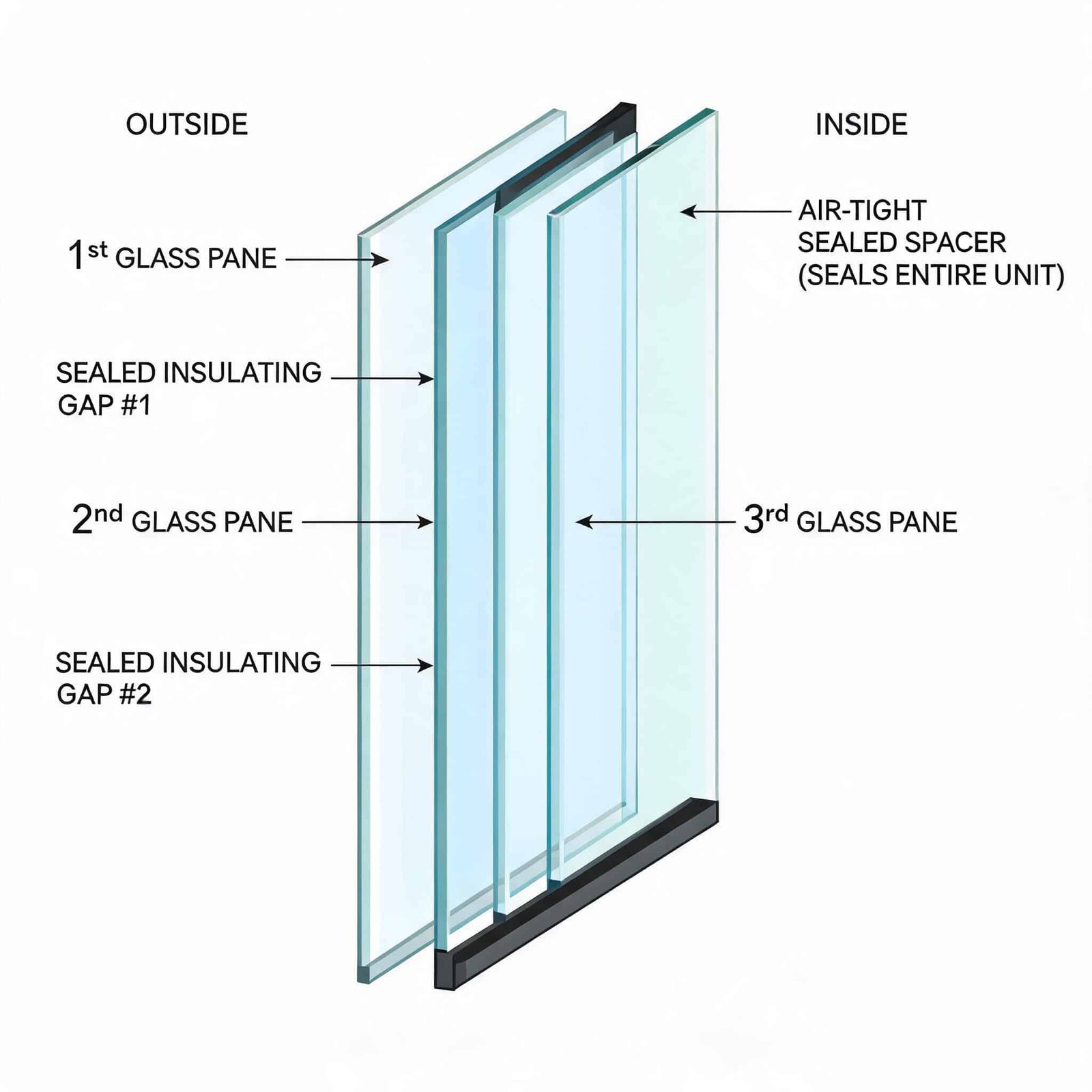
The only real fix is replacement. But here’s the opportunity: you don’t want to replace a failed double-glazed window with another double-glazed window. That’s like patching a leaky boat with duct tape. You want to upgrade to a system that eliminates this problem from day one.
Superwindowhouse’s Solution: Triple-Pane Technology That Seals for Life
When you contact Superwindowhouse for a replacement, you’re not just swapping glass. You’re stepping into a completely different performance class. Our triple-pane Low-E windows with advanced seal technology are engineered to prevent moisture ingress—not just slow it down.
The Seal That Beats Thermal Cycling
Superwindowhouse uses a warm-edge spacer system with a thermoplastic polyurethane (TPU) primary seal and a silicone secondary seal. Unlike the aluminum spacers found in budget windows, our spacers are non-conductive. That means no thermal bridging at the edge of the glass, which reduces the stress that causes seals to crack.
On top of that, we use a dual-seal process. The primary seal locks in the argon gas. The secondary seal guards against UV degradation and moisture intrusion. This system has been tested to withstand 500+ thermal cycles in our lab—simulating 25 years of seasonal temperature swings.
Triple-Pane Efficiency That Pays for Itself
Here’s the math that any savvy homeowner or contractor should understand. A standard double-glazed window has a U-factor around 0.30 to 0.35. Our triple-pane Low-E windows achieve U-factors as low as 0.20. That’s a 35% improvement in thermal resistance.
For a homeowner in a climate zone with heating costs of $1,200 per year, replacing a single foggy double-pane window with a triple-pane unit can save $30 to $50 annually on energy bills. Do that across a whole house, and you’re looking at hundreds of dollars in savings per year—plus the government energy tax credits that apply to ENERGY STAR-certified products.
Impact Resistance & Warranty: No More Moisture Surprises
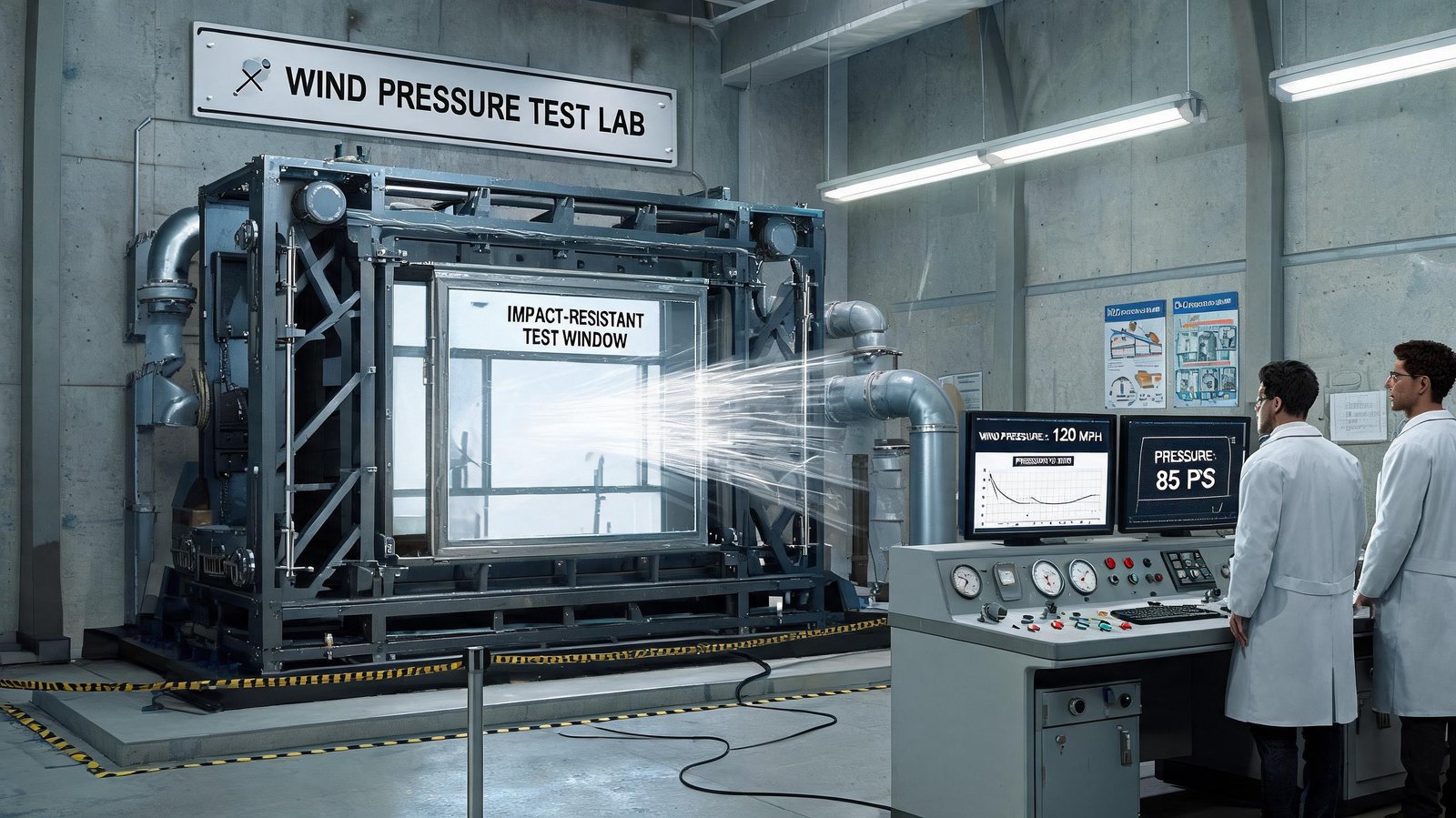
If you’ve ever dealt with storm season in the Gulf states or the Northeast, you know that impact resistance and seal integrity go hand in hand. A window that shatters under hail or debris will obviously let moisture in. But even micro-cracks from wind pressure can compromise a weak seal over time.
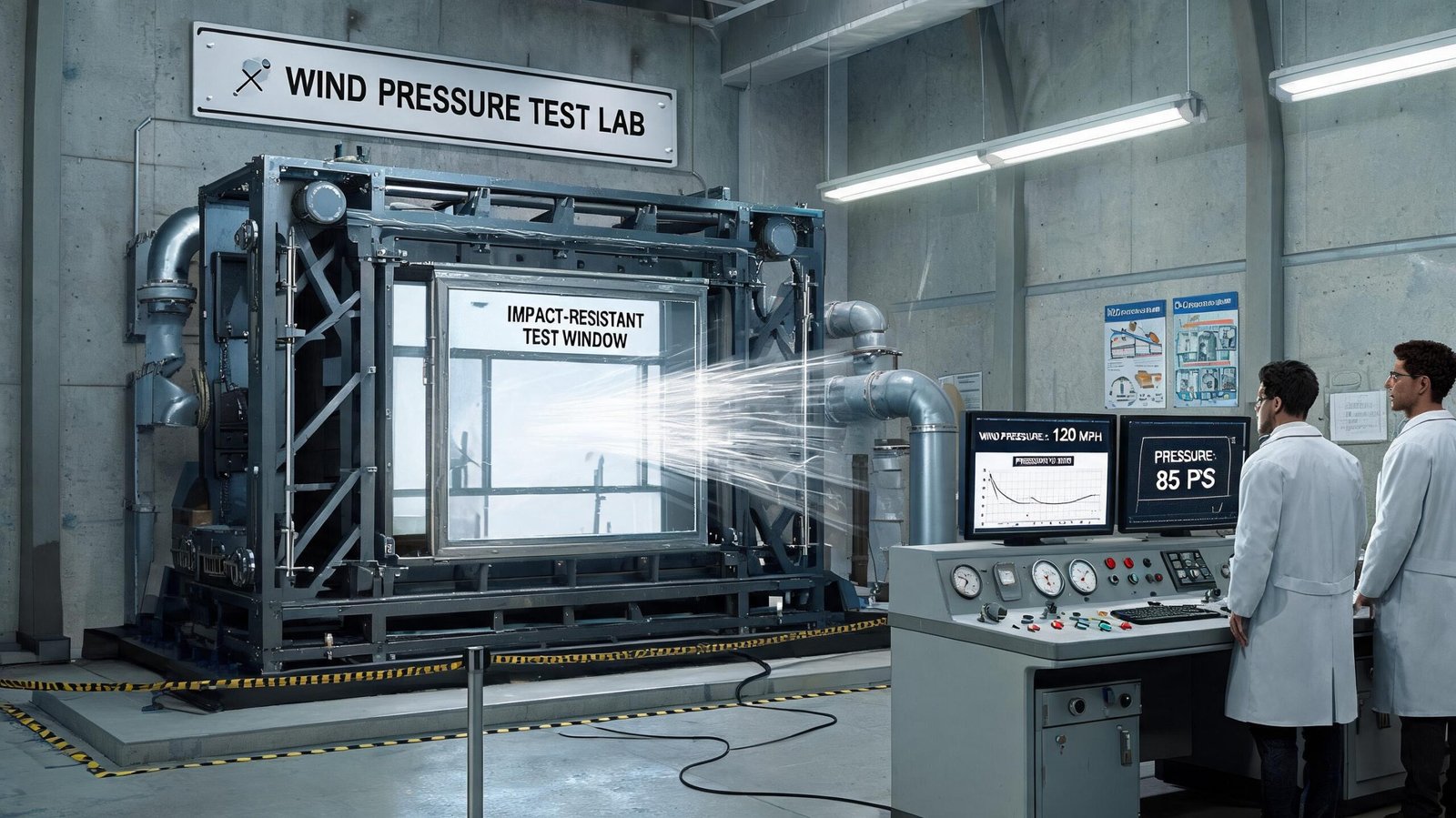
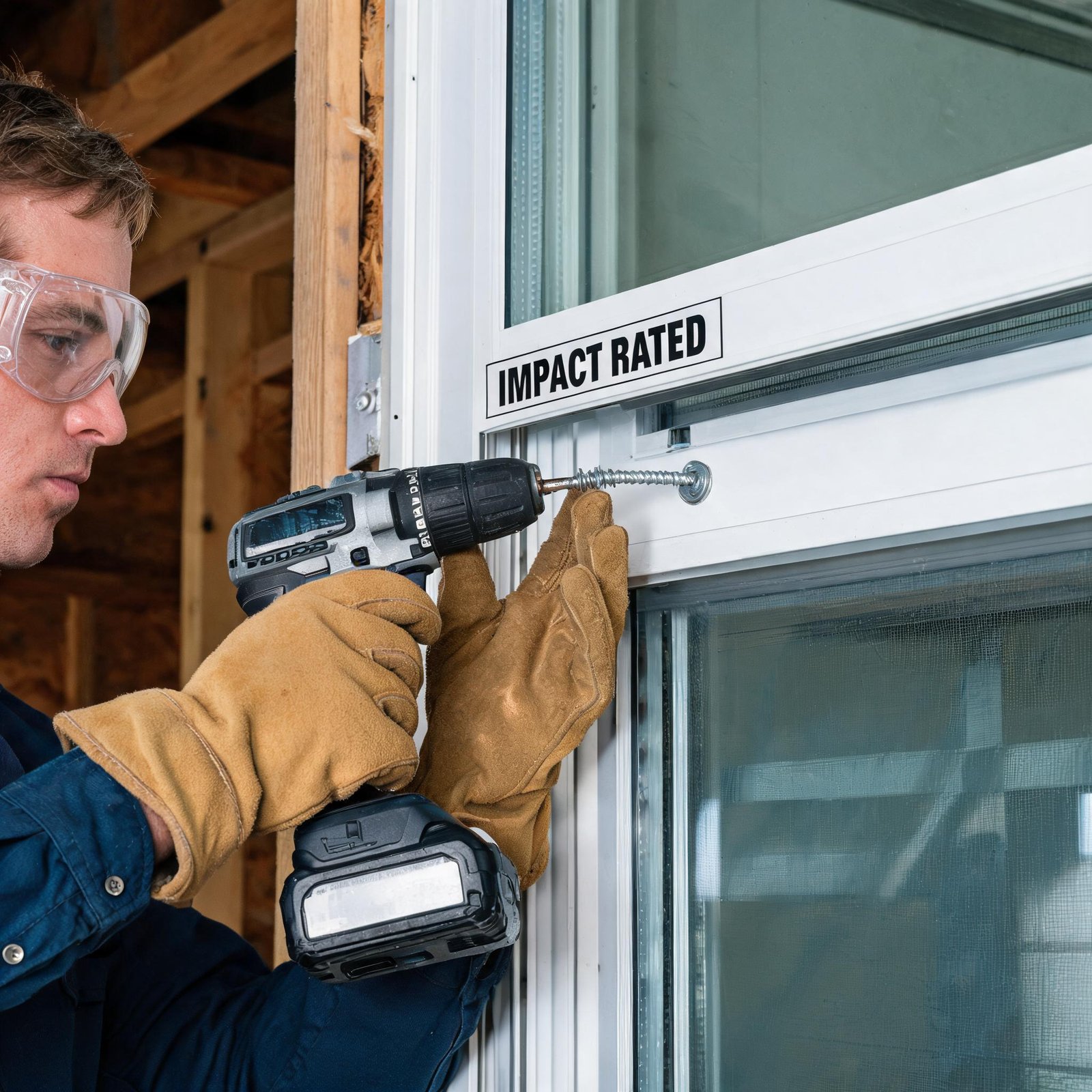
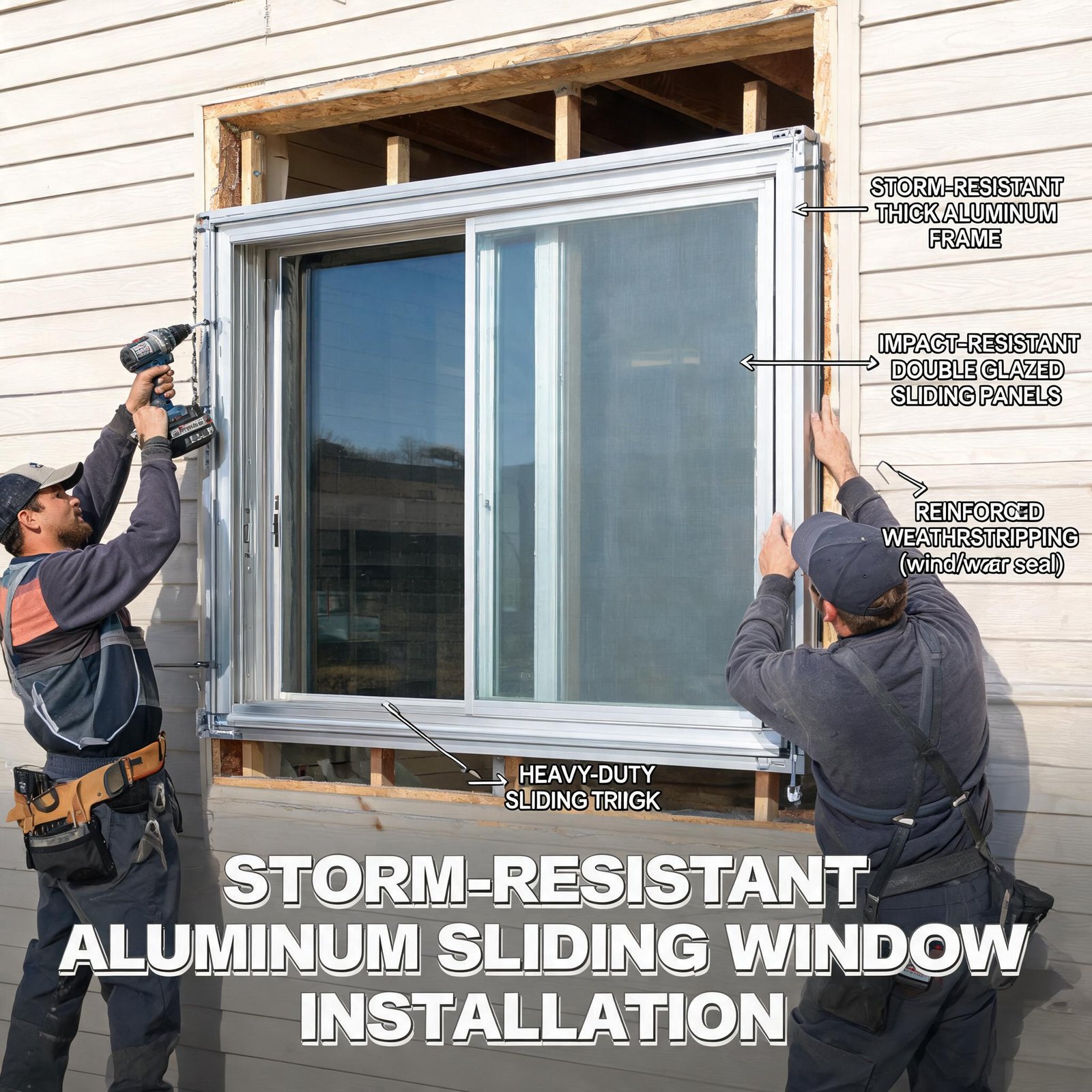
Superwindowhouse’s impact-resistant windows—like our storm-rated aluminum hung windows—are built with laminated glass and reinforced frames. They’re tested to withstand wind loads up to 180 mph. And because the seal is bonded to the laminated interlayer, even if the glass cracks, the seal stays intact. No moisture. No fog. No repair headaches.
Warranty That Backs the Seal
Here’s where Superwindowhouse truly separates from the competition. Our triple-pane windows come with a robust limited lifetime warranty against seal failure. Most manufacturers give you five to ten years. We stand behind our seal technology for as long as you own the window. If condensation appears between the panes, we replace the unit. No questions. No pro-rated nonsense.
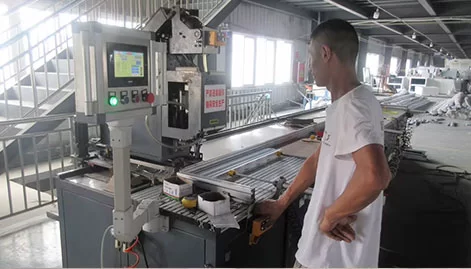
That warranty exists because we test every batch of sealed units before they leave the factory. We pressure-test the gas fill. We humidity-test the edge seal. And we thermal-cycle each unit to simulate years of real-world abuse. It’s the only way to guarantee that “moisture between window panes repair” will never be in your vocabulary.
Choosing the Right Superwindowhouse Product for Your Home
Not every window is right for every application. Here’s my recommendation based on what Reddit homeowners and contractors ask me most:
- For high-traffic areas with limited swing space: Consider our energy-efficient vinyl sliding windows. They offer slimmer sightlines and smooth operation, with the same triple-pane seal technology.
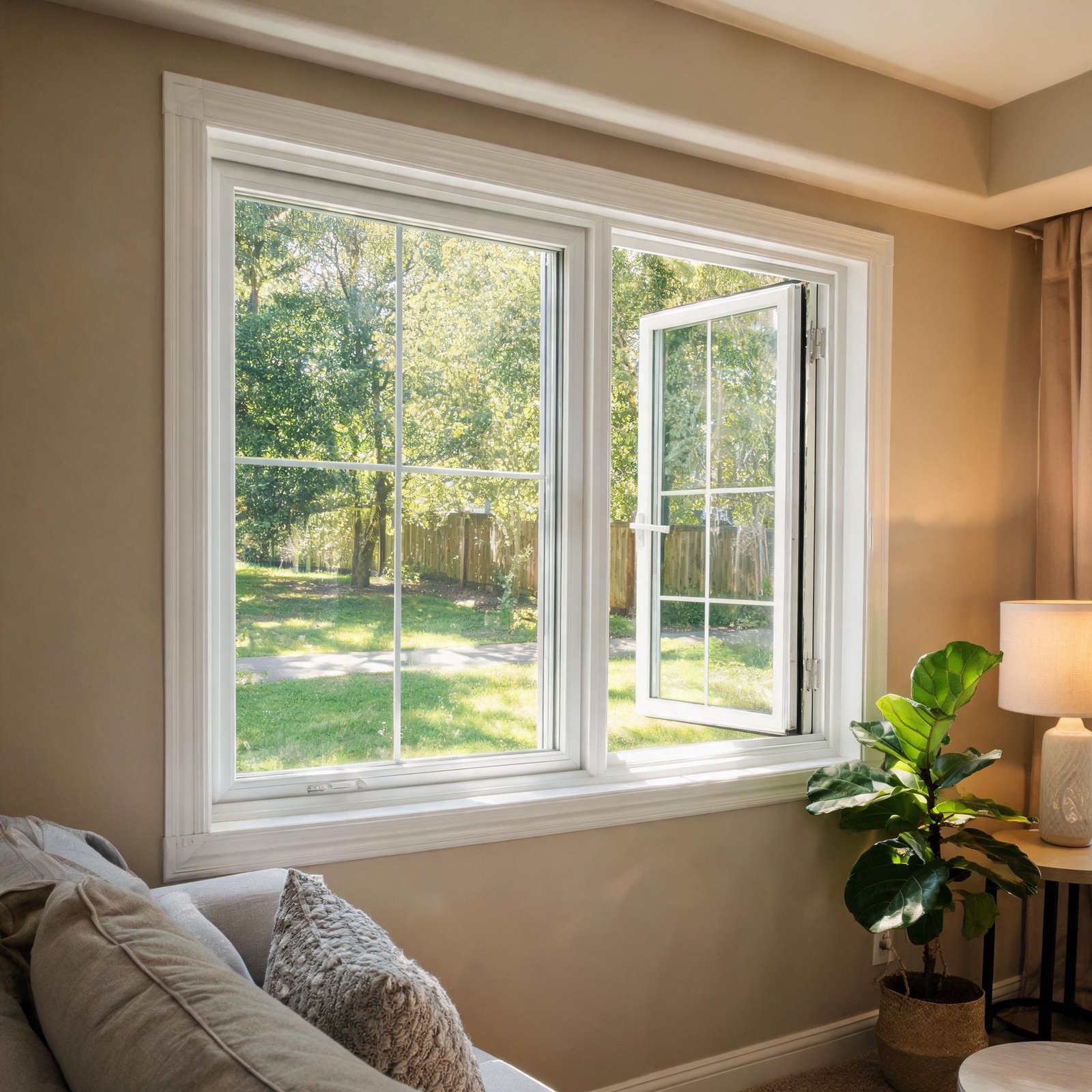
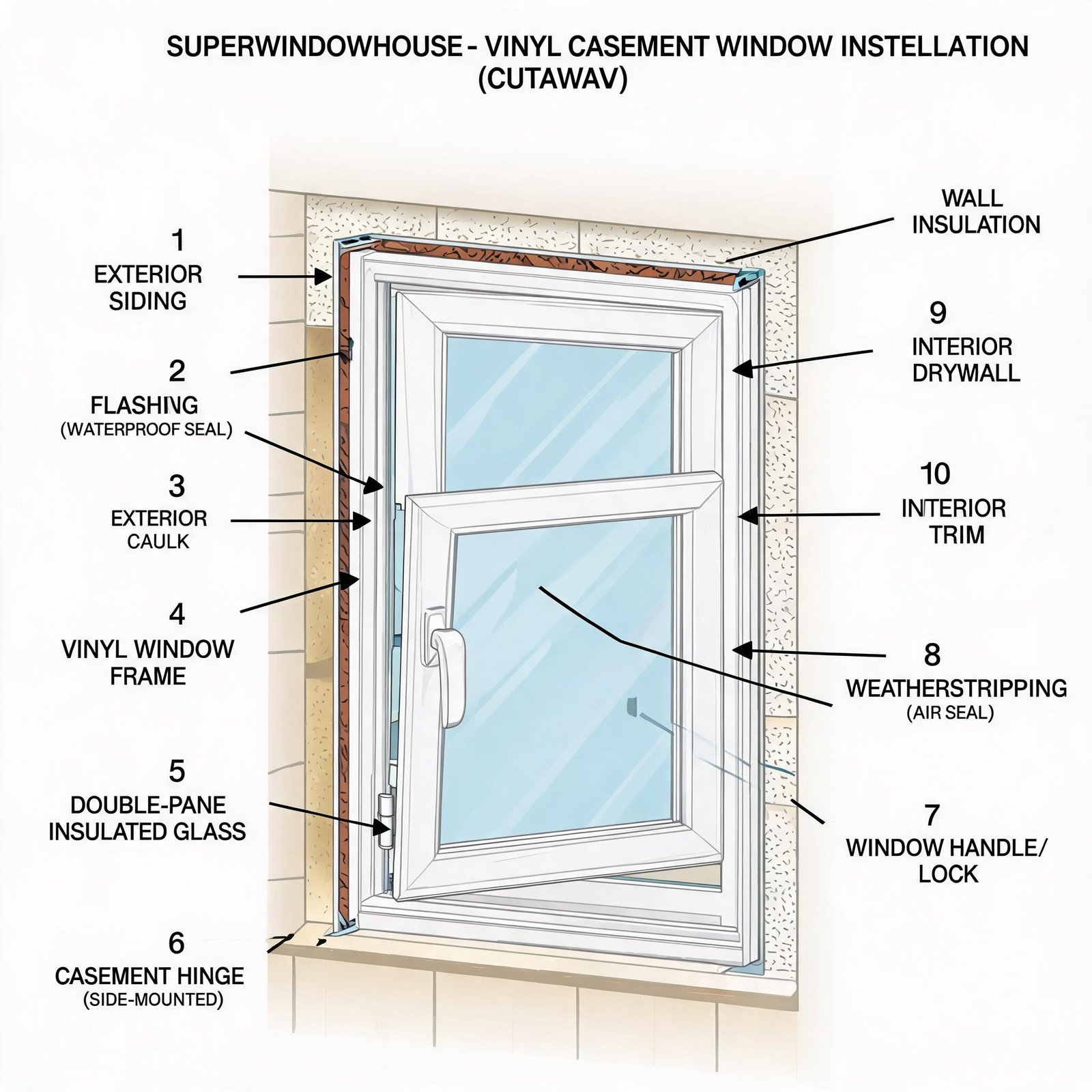
- For homeowners who love natural airflow: Our high-performance vinyl casement windows provide exceptional air-tightness. The compression seal on casements is naturally better at keeping moisture out than sliding windows—and with Triple-Glazed Low-E, you get top-tier insulation.
- For storm-prone zones: The impact-resistant aluminum hung windows I mentioned earlier are a no-brainer. They combine thermal break technology with structural reinforcement. The seal is protected by the frame’s rigidity, so even extreme wind loads won’t cause micro-leaks.
- For modern architectural styles: Our slim-frame modern aluminum casement windows feature a thermal break profile that eliminates condensation on the frame itself—a common cause of secondary moisture issues.
The Bottom Line: Stop Patching, Start Upgrading
I’ve seen too many homeowners on Reddit waste time and money trying to patch failed windows. Desiccant bags, hole drilling, defogging sprays—none of it addresses the root cause: the seal is broken, and the window is effectively dead.
The smartest move you can make—whether you’re a homeowner dealing with a single foggy window or a contractor managing a whole-renovation project—is to upgrade to Superwindowhouse’s sealed triple-pane technology. You’ll eliminate moisture ingress, slash your energy costs, and get a warranty that actually protects your investment.
Moisture between window panes repair isn’t a thing. Prevention is. And Superwindowhouse delivers prevention with every sealed unit.
Have questions about which window system fits your climate or project? Drop a comment below or reach out to the Superwindowhouse team directly. We’ll help you spec the right unit—and make sure that foggy window is the last one you ever deal with.