Let’s cut the contractor-speak: you’re a homeowner in Austin, Texas, staring down a trifecta of home improvement projects—AC replacement, foundation repair, and siding replacement. Your HOA bans window units, so every window counts double. And here’s the gut punch: siding replacement can destroy the integrity of your window flashing and seals, leaving you with air leaks, water damage, and a massive energy bill. I’ve seen it happen a hundred times—a shiny new siding job that hides a failing window envelope, and the homeowner only discovers the disaster when the first Texas thunderstorm rolls in.
The smart move? Stop treating these projects as independent events. The order matters. And if you’re planning to strip off old siding, you’re already at the perfect moment to upgrade your windows. Siding replacement window flashing isn’t just a technical detail; it’s the linchpin that determines whether your home stays dry, comfortable, and energy-efficient for the next 20 years. Let me break down what actually happens on the job site, and why Superwindowhouse’s customized installations turn a potential nightmare into a seamless upgrade.
The Austin Reality: Why Window Flashing Is Your Top Concern During Siding Replacement
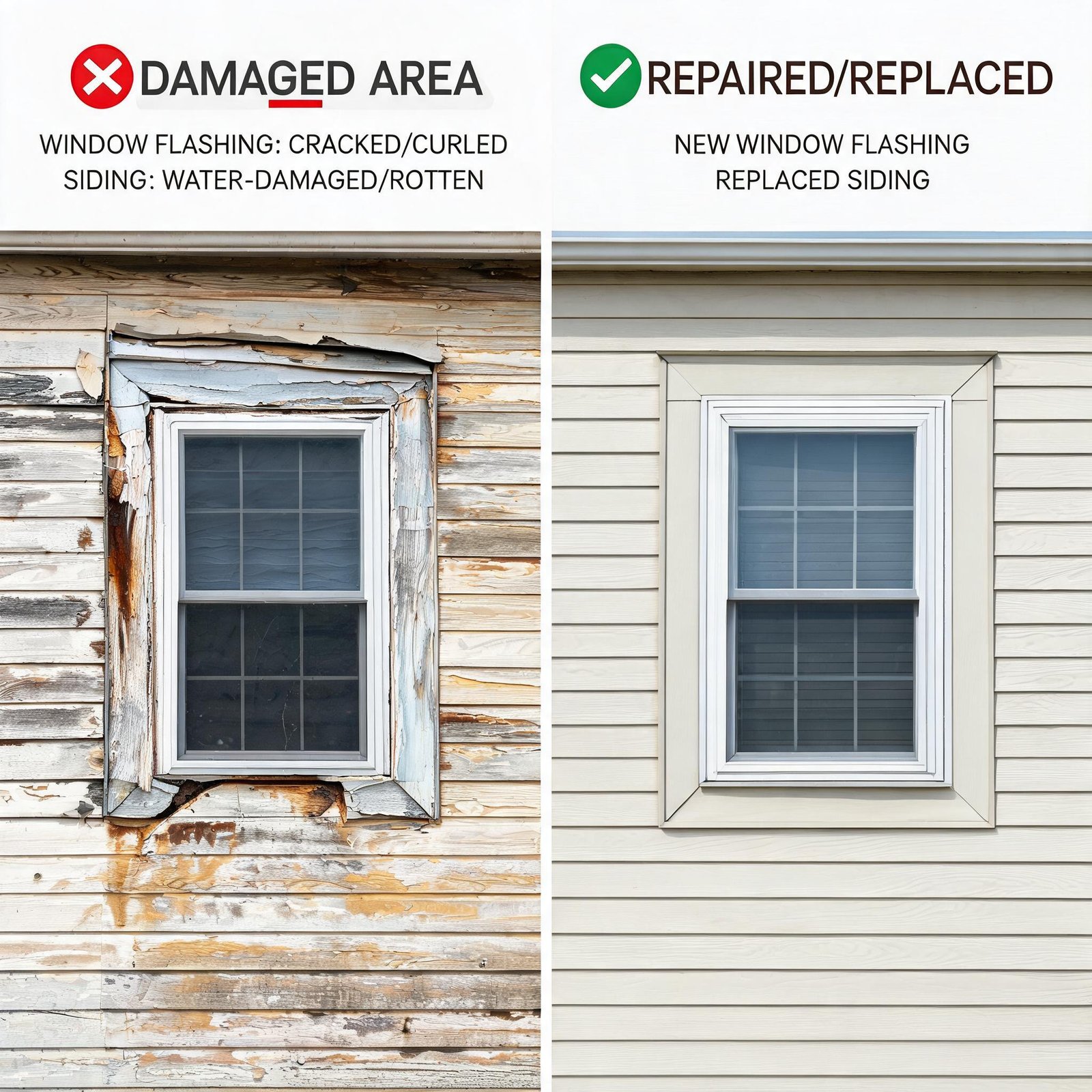
Austin’s climate is brutal: scorching summers, occasional deluges, and that constant freeze-thaw cycle in winter. Your windows are the weakest link in the building envelope. When you rip off old siding, the existing window flashing—the metal or membrane strips that divert water away from the rough opening—often gets damaged, cut, or left exposed. I’ve pulled off perfectly good-looking siding only to find the original flashing was a piece of builder-grade felt paper that had already rotted. Once you re-side over that, you’re sealing in a time bomb.
Here’s the physics: water always finds the path of least resistance. If your flashing is compromised during siding replacement, moisture wicks into the wall cavity, breeds mold, and rots the framing. In Austin, that means your AC works overtime to dehumidify, and your energy bill spikes. And since your HOA bans window-mounted AC units, your windows have to perform—no band-aid solutions allowed. A failed seal means you can’t rely on even a decent window AC to save you. You need windows that are airtight from day one.
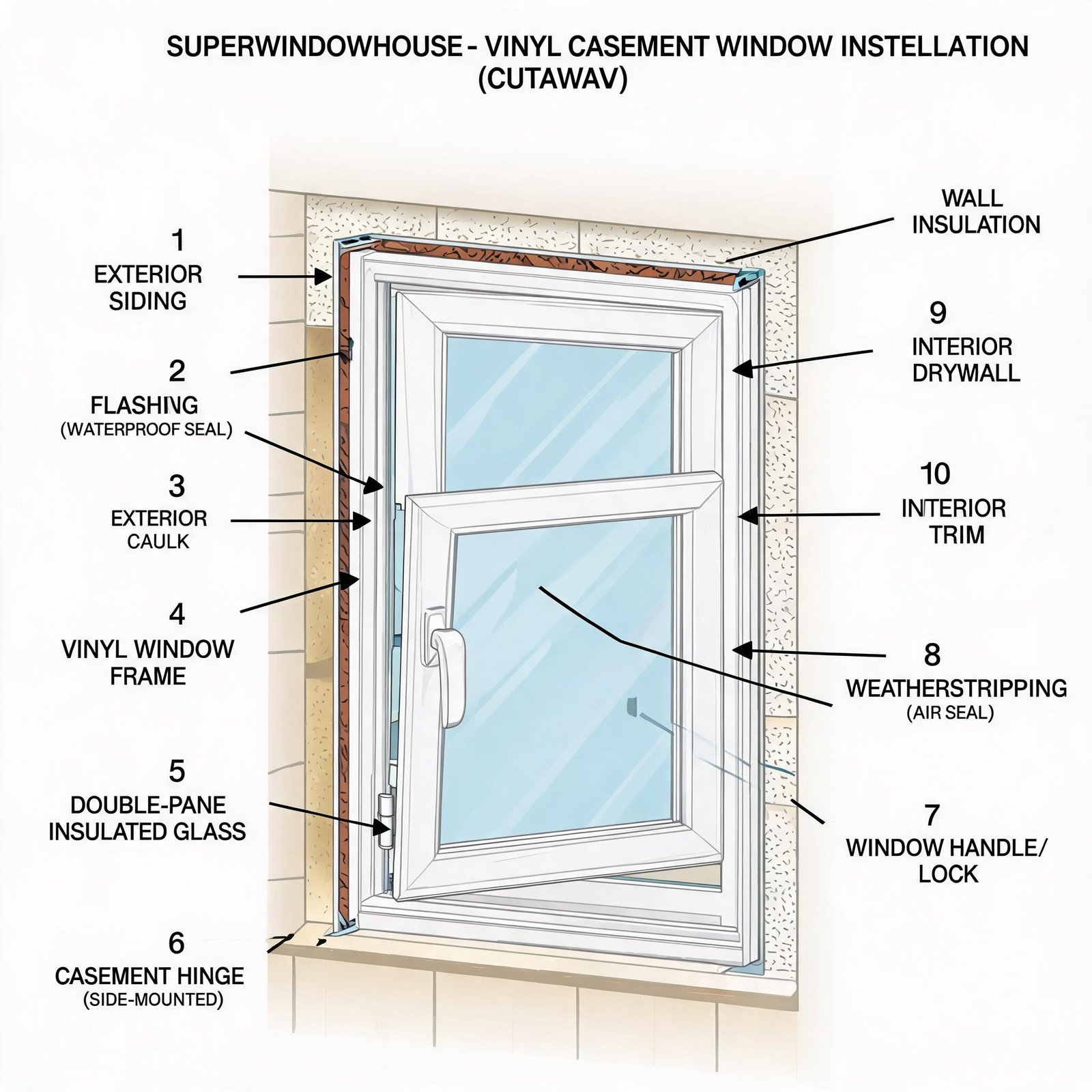
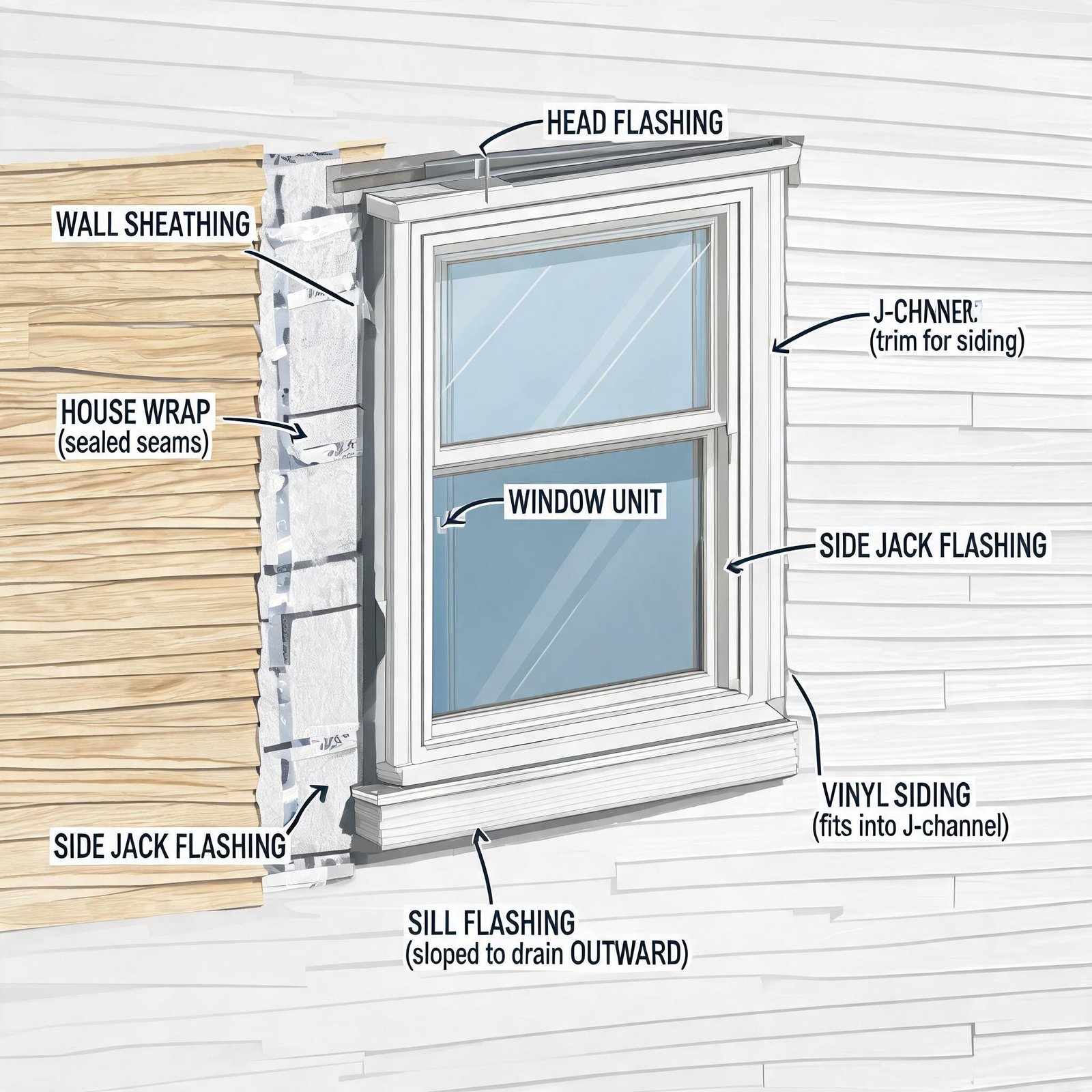
The typical contractor’s approach: “We’ll handle the siding, the windows are separate.” That’s how you get leaks. A responsible GC coordinates the two trades so the new siding integrates with a fresh flashing system. But the real pro move is to replace the windows before or during the siding job—not after. When you do that, you can install a continuous weatherproof barrier that wraps from the window frame into the new siding. Superwindowhouse understands this intimately. Their custom vinyl windows are designed with integrated nailing fins and a factory-applied flashing tape that mates perfectly with modern housewrap and siding.
The Right Order: Synchronize Your Siding and Window Replacement
You’re probably wondering: “Should I fix the foundation first, then AC, then siding? Where do windows fit?” Let’s talk priorities.
Foundation first – no debate. If your slab is shifting, it will rack the window frames and break any seal. Get that level before anything else.
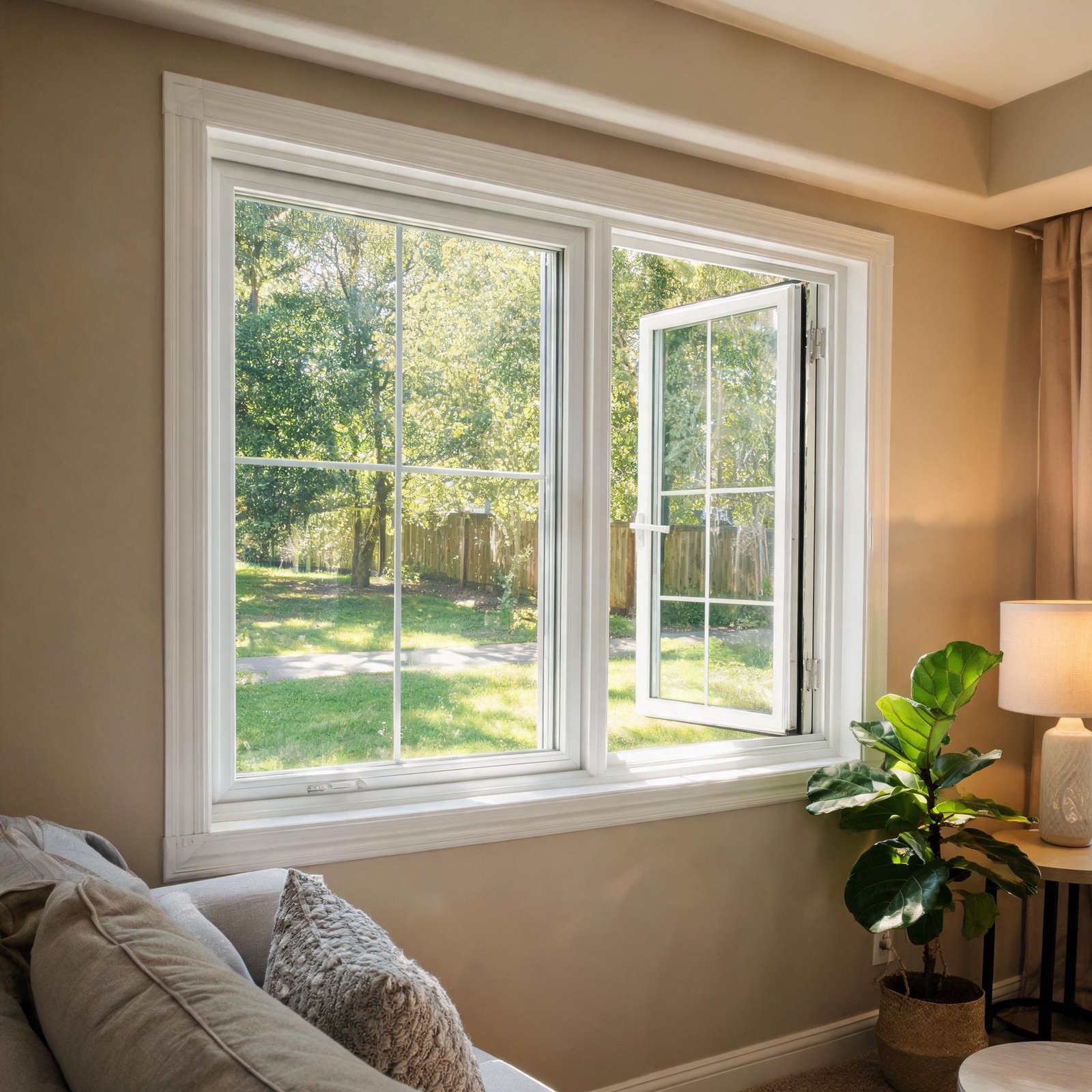
Next, windows and siding together. Ideally, you install new windows before the siding crew arrives. That way, the siding goes over the top of the window flange, creating a shingled effect that sheds water. If you do siding first, you’ll have to cut around the old windows, and you’ll never get a proper seal. The result? The exact scenario you’re worried about: siding replacement window flashing becomes a retrofit nightmare. But when you upgrade to Superwindowhouse’s high-performance vinyl casement windows, they come with a precision-milled frame and a built-in drainage system that directs water to the weep holes, not into your wall. The siding crew can then flash and caulk the perimeter with confidence.
AC replacement can wait or happen simultaneously, but it’s less critical to the window-siding interface. Just make sure the new AC condenser isn’t mounted on a wall that’s getting re-sided, or you’ll need to move it anyway.
I tell every homeowner in Austin: “If you’re re-siding, this is your one chance to get the window upgrade done without paying double labor later.” You’re already paying for scaffolding, dumpsters, and the crew’s travel time. Rolling in a window replacement adds maybe a day to the schedule, but the energy savings and peace of mind pay off in months.
Why Upgrade to High-Performance Vinyl Windows Now?
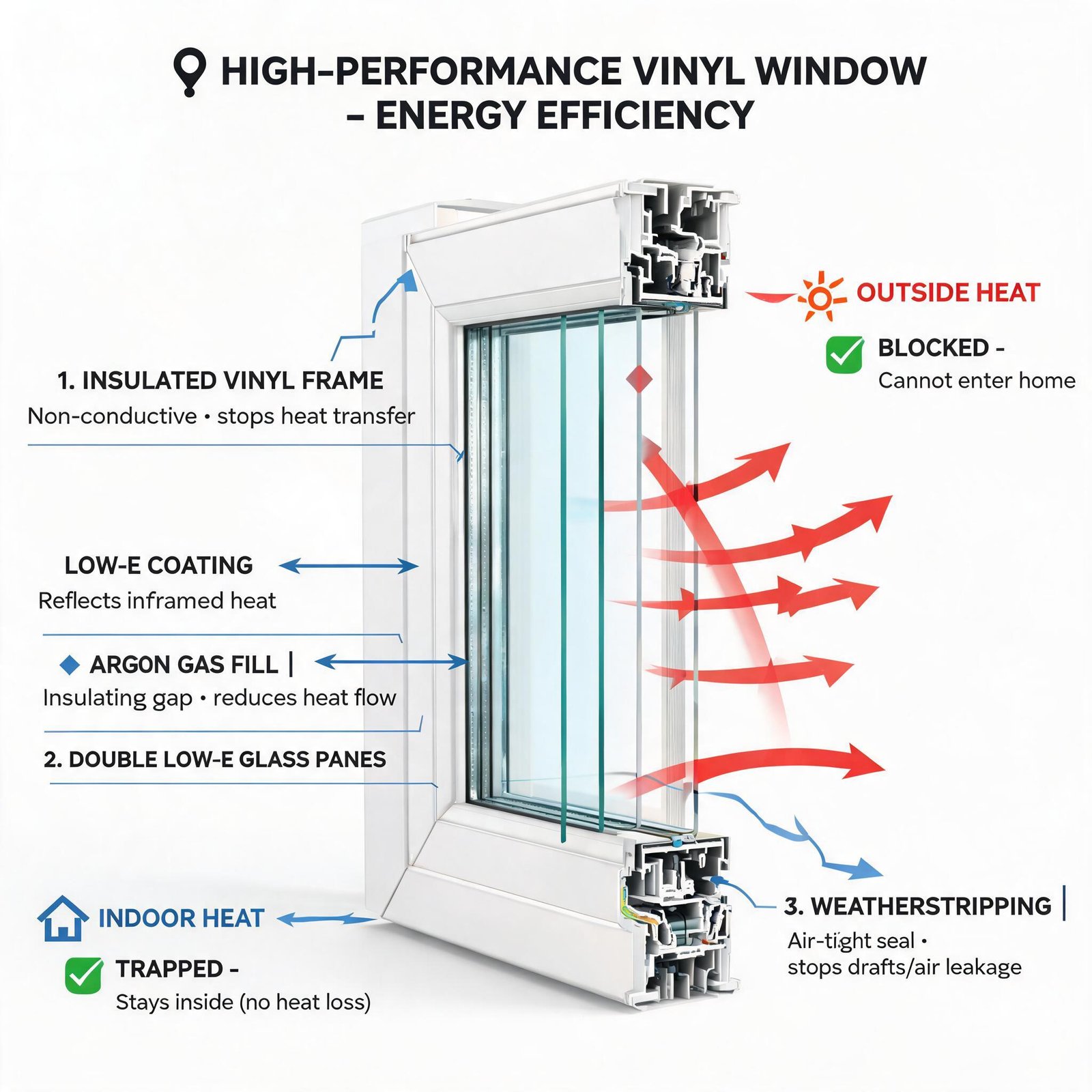
Let’s talk numbers. Standard aluminum or old single-pane windows have a U-factor of 1.2 or worse. That means they lose heat like a sieve. In Austin, your AC runs 8 months a year. A low-E, argon-filled vinyl window with a U-factor of 0.30 or lower can cut your cooling load by 30–40%. That’s not a theory—that’s real data from NFRC ratings. And because your HOA bans window units, every degree of inefficiency in your windows forces your central AC to work harder.
Superwindowhouse’s energy efficient vinyl sliding windows are a prime example: thermally broken frames, double or triple glazing, and a tight seal that meets the latest Austin energy code. They also offer impact-resistant options for storm-prone areas. And here’s the kicker: since these windows are custom-made to your rough opening, they don’t require shimming or gap-filling that often compromises flashing. They drop in, screw tight, and the flashing goes on clean.
Don’t forget the HOA angle. Austin’s HOAs love to regulate window styles, colors, and even grid patterns. Superwindowhouse offers a full range of customizations—from slim profile double-hungs to modern casements—so you can keep your HOA happy while getting industrial-grade performance. You’re not stuck with some monolithic builder-grade product. You get windows that match your home’s architecture and your energy goals.
The Superwindowhouse Approach: Custom Fit, Proven Performance
I’ve been swinging hammers for 15 years, and I’ve seen every brand under the sun. What separates Superwindowhouse from the big-box window giants is their willingness to treat each job as unique. When you’re doing a siding replacement, the window openings are rarely square—especially after foundation repair. You need a window that’s manufactured to within 1/16-inch of your actual rough opening, not some off-the-shelf size that leaves a 3/4-inch gap to be filled with spray foam. That gap is where leaks happen. That gap is where the building inspector fails you.
Superwindowhouse’s team measures each opening after the foundation is set and the old siding is stripped. They fabricate the windows in their facility, ship them ready to install, and provide a detailed flashing diagram that the siding crew can follow. Their nailing fins are pre-punched for fast, accurate attachment, and they include integrated j-channels that mate with vinyl siding or fiber cement. I’ve supervised installations where the siding crew finished the job in one day, no callbacks, no leaks. That’s the value of coordination.
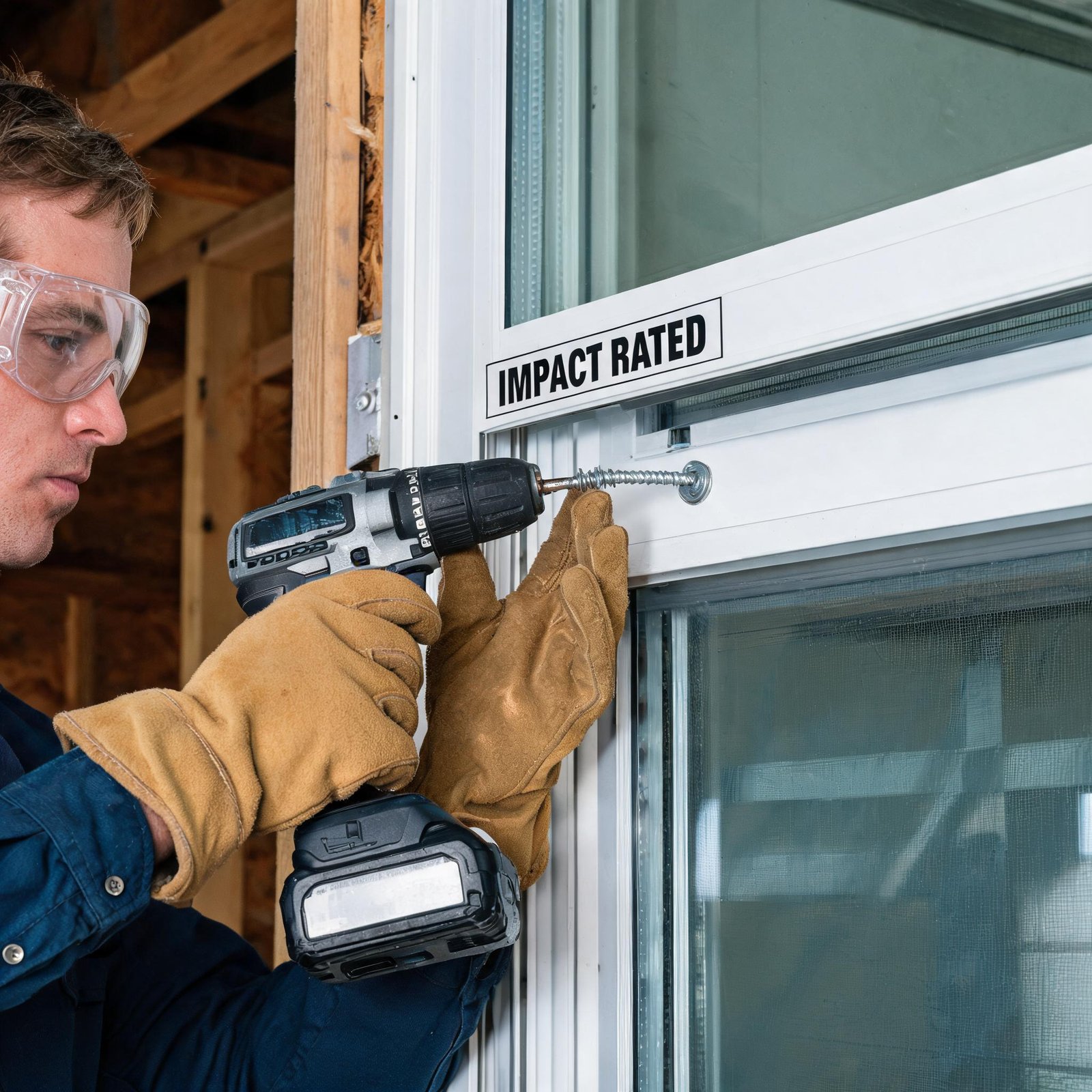
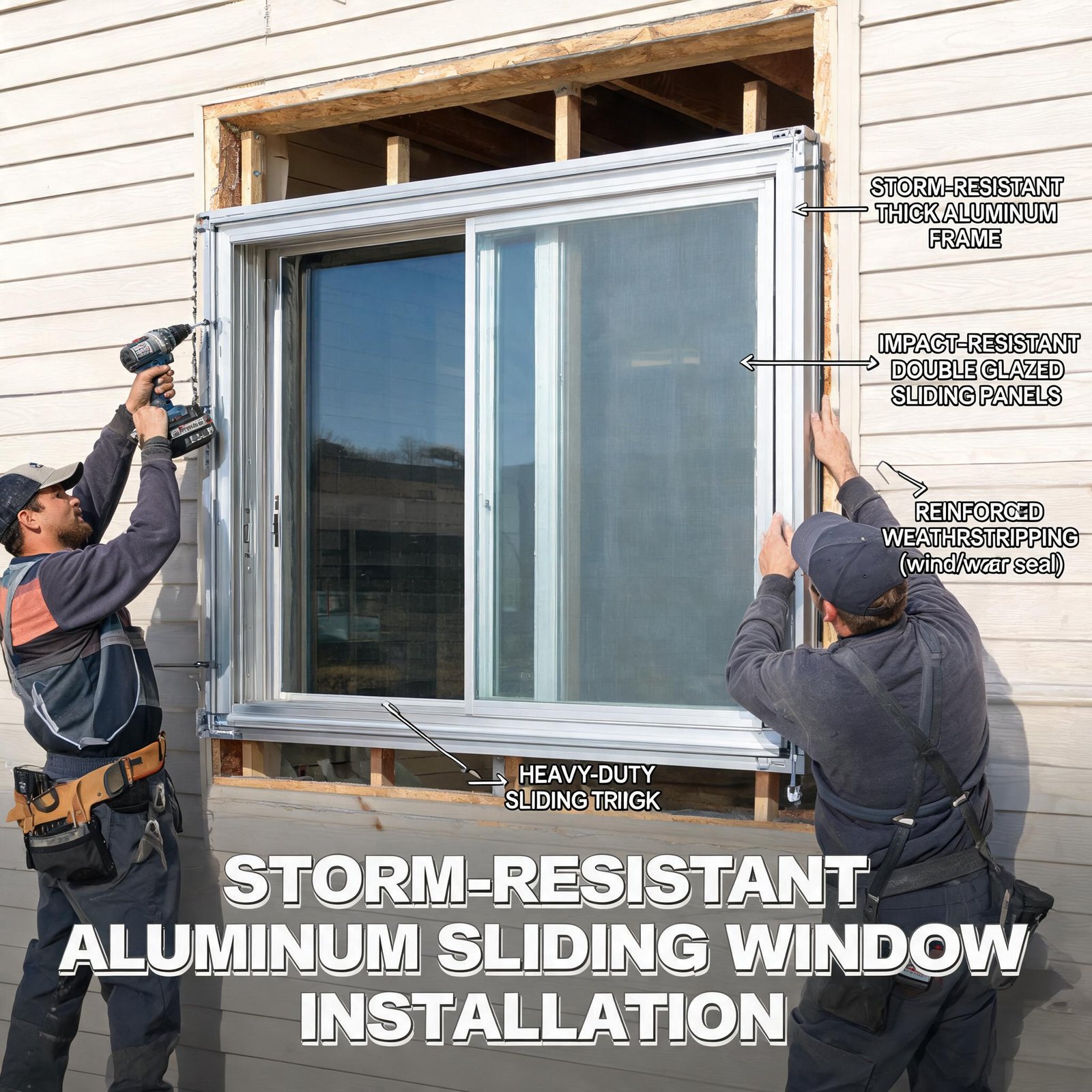
For homeowners who want the ultimate in storm protection—especially with Texas hail and high winds—Superwindowhouse also offers impact-resistant storm hung windows. These aren’t vinyl, but they share the same focus on flashing integration. The point is, you’re not limited to one material or design. You get a solution that fits your budget, your HOA rules, and your climate.
Real-World Case: A Homeowner in Round Rock, Texas
Here’s a story from last year. A homeowner in Round Rock (just north of Austin) had the exact same dilemma: foundation cracked, siding was 20-year-old cedar shake, HOA prohibited window units, and his windows were original aluminum sliders—leaky, foggy, and drafty. He planned to do siding replacement first. I advised him to pause. We fixed the foundation, then installed Superwindowhouse vinyl casement windows with triple glazing and low-E coating. Then the siding crew came in and wrapped the entire house with new HardiePlank. The windows fit so precisely that the siding guy told me, “This is the easiest flashing job I’ve ever had.” The homeowner reported his summer cooling bill dropped from $350 to $220 per month. That’s a 37% improvement. And when a line of thunderstorms hit later that fall, he had zero interior leaks—while his neighbor, who did siding first without touching his windows, found water in his walls.
Bottom Line: Don’t Let Siding Replacement Compromise Your Windows
Austin homeowners have enough to worry about with foundation issues, AC breakdowns, and HOA rules. The last thing you need is to discover a year after your siding replacement that the windows are leaking because someone cut corners on flashing. You have one shot to get it right. My advice: tackle your window upgrade at the same time as your siding replacement. Choose a brand that understands the integration—like Superwindowhouse—and you’ll walk away with a home that’s more comfortable, more energy-efficient, and worth more on the market.
Ready to plan your project? Visit superwindowhouse.com to talk with their team about custom options for your Austin home. They’ll work with your GC to make sure the flashing, sealing, and installation all come together. Because in the end, the best window is one that disappears into the wall—no drafts, no leaks, no regrets.
— A 15-year GC who’s seen enough bad flashing to fill a dump truck.