**2026 Window Replacement Cost Guide: What Homeowners Need to Know**
If you’re a homeowner in Northern California wondering about window replacement costs for 2026, you’re not alone. This is one of the most common questions we hear at Super Window House, and for good reason. Windows are a significant investment that affects your home’s comfort, energy efficiency, and curb appeal. In this comprehensive guide, we’ll break down everything you need to know about how much are windows in the current market, what factors influence pricing, and how to make the smartest investment for your property.
**Why Window Replacement Costs Matter More Than Ever**
The window industry has evolved dramatically over the past few years. Material costs have shifted, energy efficiency standards have tightened, and homeowners are increasingly looking for solutions that balance upfront investment with long-term savings. In California’s unique climate, where summers bring intense heat and winters can be surprisingly chilly, the right windows do more than just frame your view—they actively work to stabilize your indoor environment.
Many homeowners make the mistake of focusing solely on the lowest price tag. But here’s the reality: the cost of replacement windows reflects the quality of materials, precision of installation, and the technology behind the glass. A cheaper window today often means higher energy bills tomorrow, not to mention potential issues with condensation, drafts, and premature wear.
**The Real Numbers: Average Window Replacement Costs in 2026**
Let’s get straight to the numbers. Based on current market analysis and our experience serving Sacramento, Roseville, and surrounding areas, homeowners can expect to pay between $700 and $1,200 per window for a standard double-hung replacement, including professional installation. This is the figure most people search for when they ask how much are house windows, and it represents the sweet spot for quality vinyl windows with good energy performance.
However, this range can vary significantly based on several factors:
– **Window style:** Casement windows typically cost 10-15% more than double-hung
– **Material choice:** Vinyl remains the most affordable, while fiberglass and wood command premium prices
– **Glass package:** Double-pane with Low-E coating is standard, but triple-pane adds cost
– **Installation complexity:** Retrofit installations are less expensive than full-frame replacements
– **Number of windows:** Volume discounts often apply for whole-house projects
For a typical three-bedroom home with 10-15 windows, the total project cost for replacement windows usually falls between $8,000 and $18,000. This is a significant investment, but one that typically recovers 70-80% of its value in increased home resale value.
**Breaking Down the Cost Components**
**Window Materials: What You’re Really Paying For**
When evaluating how much are windows, the material choice is the single biggest cost driver. Here’s what you need to know about each option:
**Vinyl Windows**
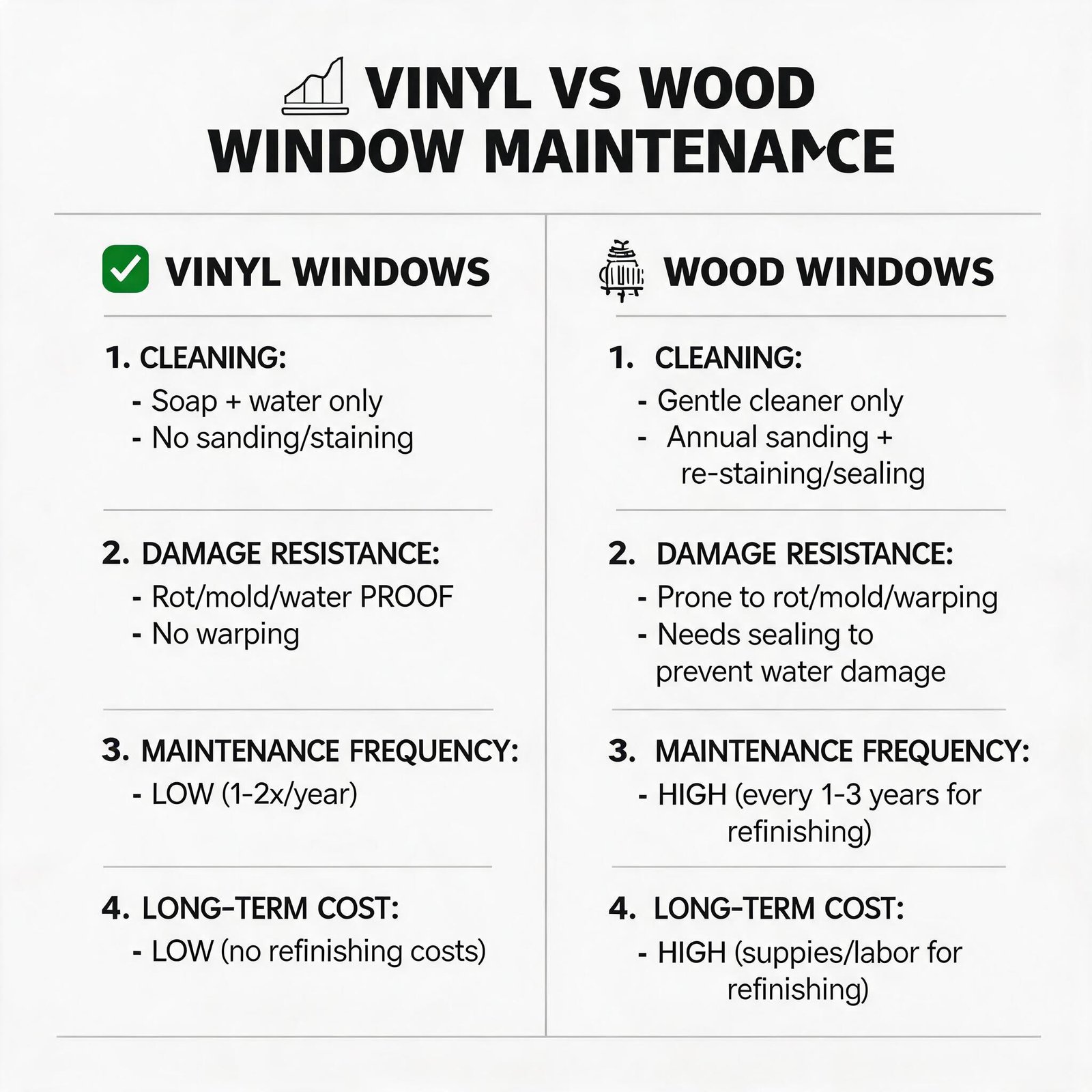
Vinyl dominates the replacement market for good reason. Modern vinyl windows offer excellent thermal performance, require virtually no maintenance, and come in a wide range of styles and colors. The material itself is inexpensive to manufacture, which keeps costs down. However, not all vinyl is created equal. Higher-quality vinyl windows use multi-chambered frames for better insulation and reinforced sashes for durability. Expect to pay $400-$800 per window for good-quality vinyl, with installation adding another $200-$400.
**Fiberglass Windows**
Fiberglass is gaining popularity because it combines the strength of wood with the low maintenance of vinyl. These windows are incredibly stable, meaning they don’t expand and contract with temperature changes like vinyl can. They also accept paint exceptionally well, giving you more design flexibility. The trade-off is cost: fiberglass windows typically run $600-$1,200 per window before installation.
**Wood Windows**
Wood windows offer unmatched aesthetic appeal and natural insulation properties. They’re the traditional choice for historic homes and high-end renovations. However, wood requires regular maintenance—painting, staining, and sealing—to prevent rot and weather damage. Expect to pay $800-$1,500 per window for quality wood windows, with installation costs on the higher end due to the precision required.
**Aluminum Windows**
Aluminum is less common in residential replacement projects today, but it’s still used in certain applications. It’s strong, lightweight, and recyclable. However, aluminum conducts heat and cold readily, making it less energy-efficient unless it includes a thermal break. These windows typically cost $300-$700 per window, making them an option for budget-conscious projects where energy efficiency is less of a concern.
**Glass Technology: The Hidden Performance Factor**
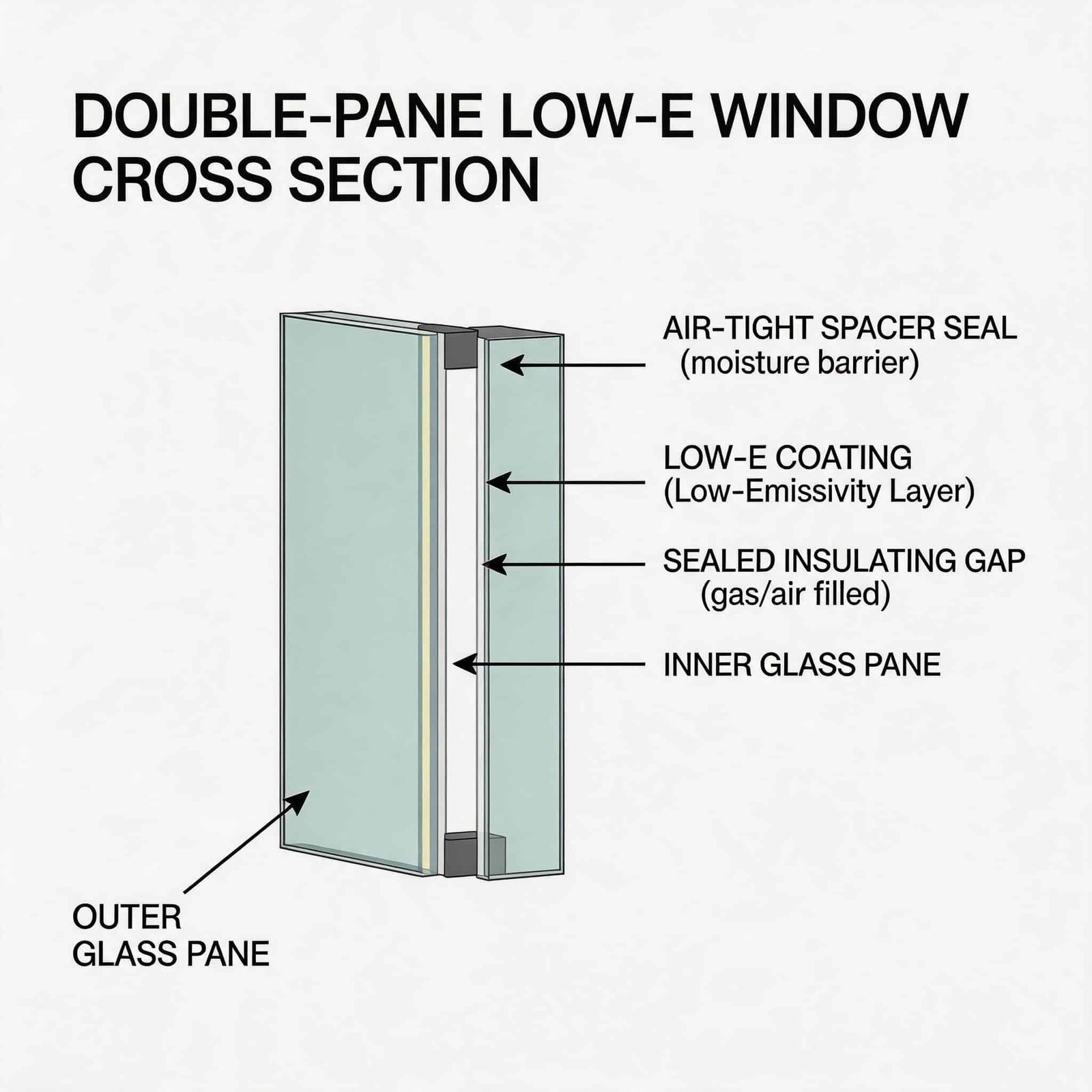
The glass package you choose dramatically affects both the cost and performance of your windows. Standard double-pane glass has been the baseline for years, but today’s options go far beyond that.
**Double-Pane with Low-E Coating**
This is the standard for modern replacement windows. Low-E (low-emissivity) coating is a microscopic metallic layer that reflects infrared heat while allowing visible light to pass through. In summer, it keeps heat out; in winter, it keeps heat in. This technology adds about 10-15% to the window cost but can reduce your energy bills by 15-30% annually.
**Argon or Krypton Gas Fill**
Between the panes of glass, manufacturers inject inert gases that are denser than air, providing better insulation. Argon is the most common and cost-effective option. Krypton offers superior performance but at a higher price point. Gas-filled windows typically add $50-$100 per window to the total cost.
**Triple-Pane Windows**
For homeowners in extreme climates or those seeking maximum energy efficiency, triple-pane windows offer three layers of glass with two gas-filled cavities. These windows are significantly heavier and more expensive—often adding 30-50% to the cost of a comparable double-pane window. In California’s moderate climate, triple-pane is usually unnecessary unless you live in a high-elevation area with severe winters.
**Installation Method: Retrofit vs. Full Frame**
The installation approach you choose has a major impact on the cost of replacement windows. Understanding the difference can save you money without sacrificing quality.
**Retrofit Installation**
Also called insert replacement, this method involves removing only the old sashes and installing new windows within the existing frame. It’s faster, less invasive, and typically costs 20-30% less than full-frame installation. Retrofit is ideal when your existing window frames are in good condition—no rot, no water damage, and proper structural integrity.
**Full-Frame Installation**
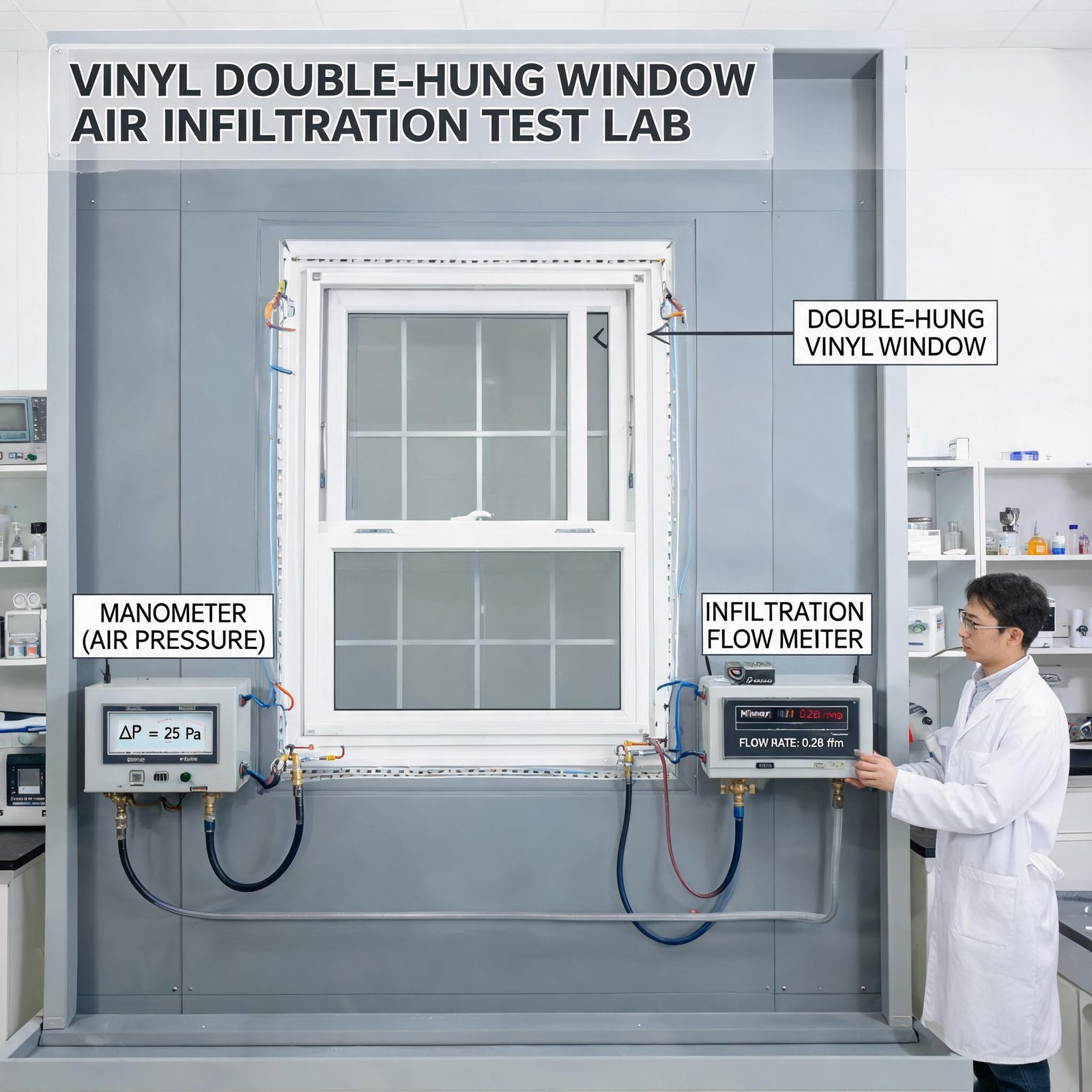
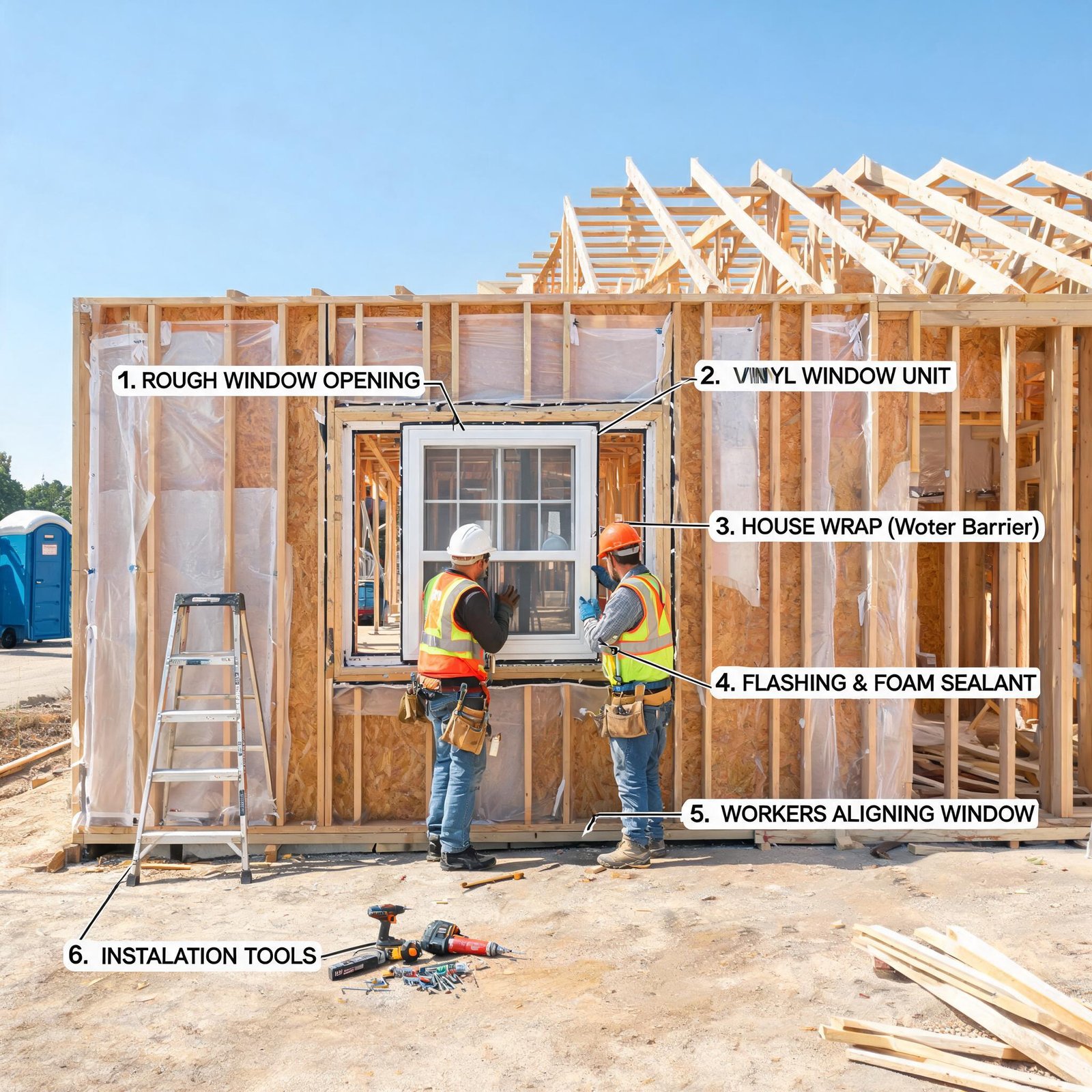
This method removes the entire old window, including the frame, down to the rough opening. It’s more labor-intensive and expensive but necessary when the existing frame is damaged, when you’re changing window sizes or styles, or when you want to maximize energy efficiency by addressing air leaks around the frame. Full-frame installation also allows for proper flashing and weatherproofing, which is critical in California’s varied climate.
**Regional Considerations for Northern California Homeowners**
Living in Northern California presents unique considerations for window replacement. Our region experiences everything from coastal fog to Central Valley heat, and your window choice should reflect your specific microclimate.
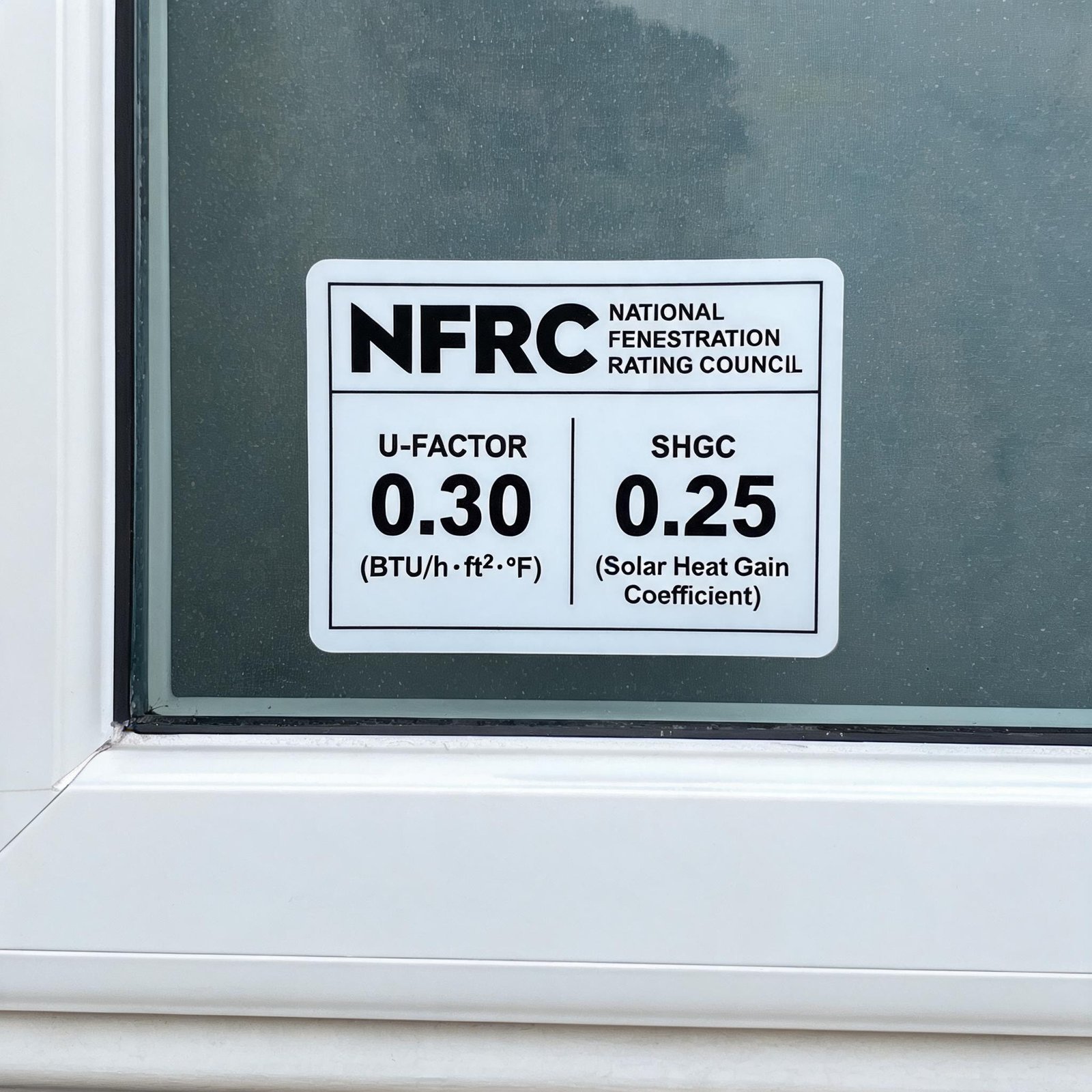
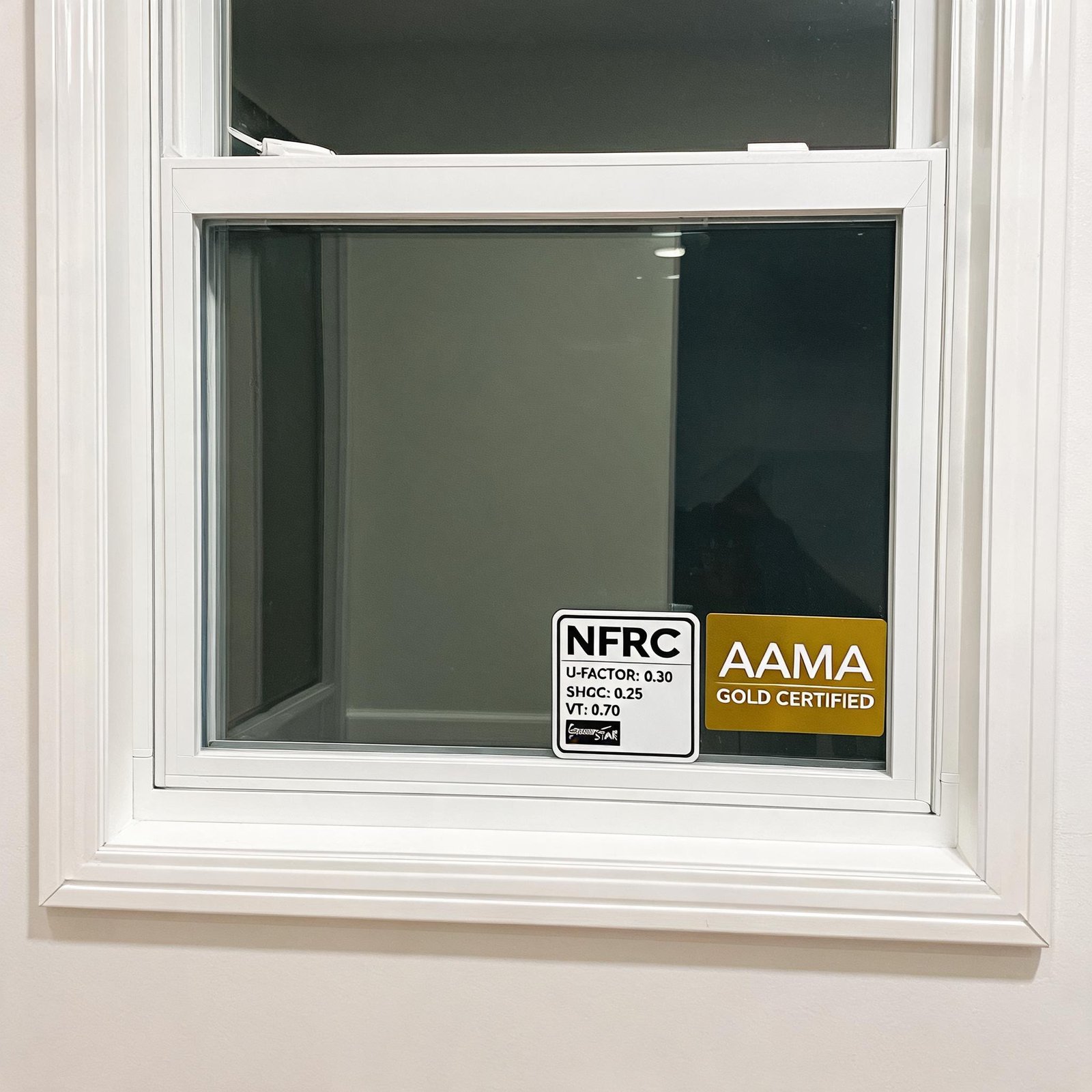
In Sacramento and the Central Valley, where summer temperatures regularly exceed 100°F, solar heat gain coefficient (SHGC) becomes a critical factor. Windows with a low SHGC rating (0.25 or below) will significantly reduce cooling costs. In contrast, homeowners in cooler coastal areas like San Francisco or Santa Cruz might prioritize a higher SHGC to capture passive solar heating during foggy months.
Local building codes also play a role. California’s Title 24 energy standards are among the strictest in the nation, and any replacement windows must meet specific U-factor and SHGC requirements. Working with a knowledgeable installer who understands these regulations is essential—not just for compliance, but for ensuring your windows perform as expected.
**Energy Efficiency and Long-Term Savings**
One of the most overlooked aspects of window replacement is the long-term financial benefit. While the upfront cost of replacement windows can seem daunting, the energy savings over time often justify the investment.
A typical single-pane window has a U-factor around 1.0, meaning it loses heat readily. Modern double-pane Low-E windows have U-factors between 0.25 and 0.35—a dramatic improvement. For a 2,000-square-foot home with 15 windows, upgrading from single-pane to energy-efficient double-pane windows can save $200-$600 per year on heating and cooling costs.
When you factor in the federal energy tax credits and local utility rebates available for qualifying window replacements, the net cost becomes even more attractive. In 2026, homeowners can claim up to $600 in federal tax credits for ENERGY STAR-certified windows, and many California utilities offer additional rebates of $50-$100 per window.
**Return on Investment: What Your Windows Add to Your Home**
Beyond energy savings, new windows significantly impact your home’s resale value. According to the Remodeling Cost vs. Value Report, window replacement consistently ranks among the top home improvement projects for return on investment. In the Western region of the United States, homeowners typically recoup 70-80% of the project cost when they sell their home.
But the value extends beyond dollars. New windows improve your home’s curb appeal, reduce outside noise, eliminate drafts, and make your living spaces more comfortable year-round. They also reduce condensation problems that can lead to mold and mildew issues—a significant concern in California’s older homes.
**Choosing the Right Contractor**
The quality of installation matters as much as the quality of the windows themselves. A poorly installed premium window will underperform, while a well-installed mid-range window can exceed expectations.
When evaluating contractors, look for:
– **Proper licensing and insurance:** California requires contractors to hold a valid CSLB license
– **Manufacturer certifications:** Many window manufacturers require installers to complete training programs
– **Written warranties:** Both the windows and the installation should be backed by clear warranty terms
– **Local references:** Ask for recent installations in your area and speak with those homeowners
– **Detailed estimates:** A professional estimate should itemize materials, labor, permits, and cleanup
**Frequently Asked Questions**
**Q: How long does window replacement take for a typical home?**
A: For a standard 10-15 window home, professional installation typically takes 2-3 days. Retrofit installations are faster than full-frame replacements. Weather conditions can affect the timeline, especially if caulking and sealants need time to cure.
**Q: Can I replace windows one at a time?**
A: Yes, many homeowners choose to phase their window replacement project to spread out the cost. However, this approach may limit your ability to get volume discounts and could result in inconsistent appearance if window styles change between phases.
**Q: What is the best time of year to replace windows?**
A: Spring and fall offer the most moderate temperatures for installation, which is ideal for sealants and caulking. However, professional installers can work year-round in most California climates. Scheduling during off-peak seasons (late fall or winter) may result in faster availability.
**Q: How do I know if I need retrofit or full-frame installation?**
A: A professional inspection is the best way to determine this. Signs that full-frame installation may be necessary include visible rot or water damage around the frame, windows that are difficult to open or close, and visible gaps between the frame and the wall.
**Q: Are there financing options available for window replacement?**
A: Many reputable contractors offer financing options, including low-interest loans and payment plans. Additionally, some energy-efficient window upgrades qualify for PACE (Property Assessed Clean Energy) financing, which allows you to repay the cost through your property taxes.
**Q: How much are house windows if I want the most energy-efficient option available?**
A: For top-tier energy performance with triple-pane glass, premium frames, and advanced coatings, you can expect to pay $1,200-$2,000 per window installed. While this is a significant investment, the energy savings and comfort improvements are substantial, particularly in homes with extreme temperature exposure.
**Making Your Decision**
Window replacement is one of the most impactful home improvement projects you can undertake. The key is balancing your budget with your long-term goals. If you’re planning to stay in your home for many years, investing in higher-quality windows with better energy performance makes financial sense. If you’re preparing to sell, mid-range windows that offer good performance and strong curb appeal may be the better choice.
Remember that the cheapest quote isn’t always the best value. Look for a contractor who offers quality products, professional installation, and transparent pricing. A well-executed window replacement project will serve your home for 20-30 years or more, making it a decision worth careful consideration.
At Super Window House, we’ve helped thousands of Northern California homeowners find the right windows for their homes and budgets. Whether you’re replacing a single window or your entire home, understanding the true cost of replacement windows helps you make an informed decision that you’ll be happy with for decades to come.