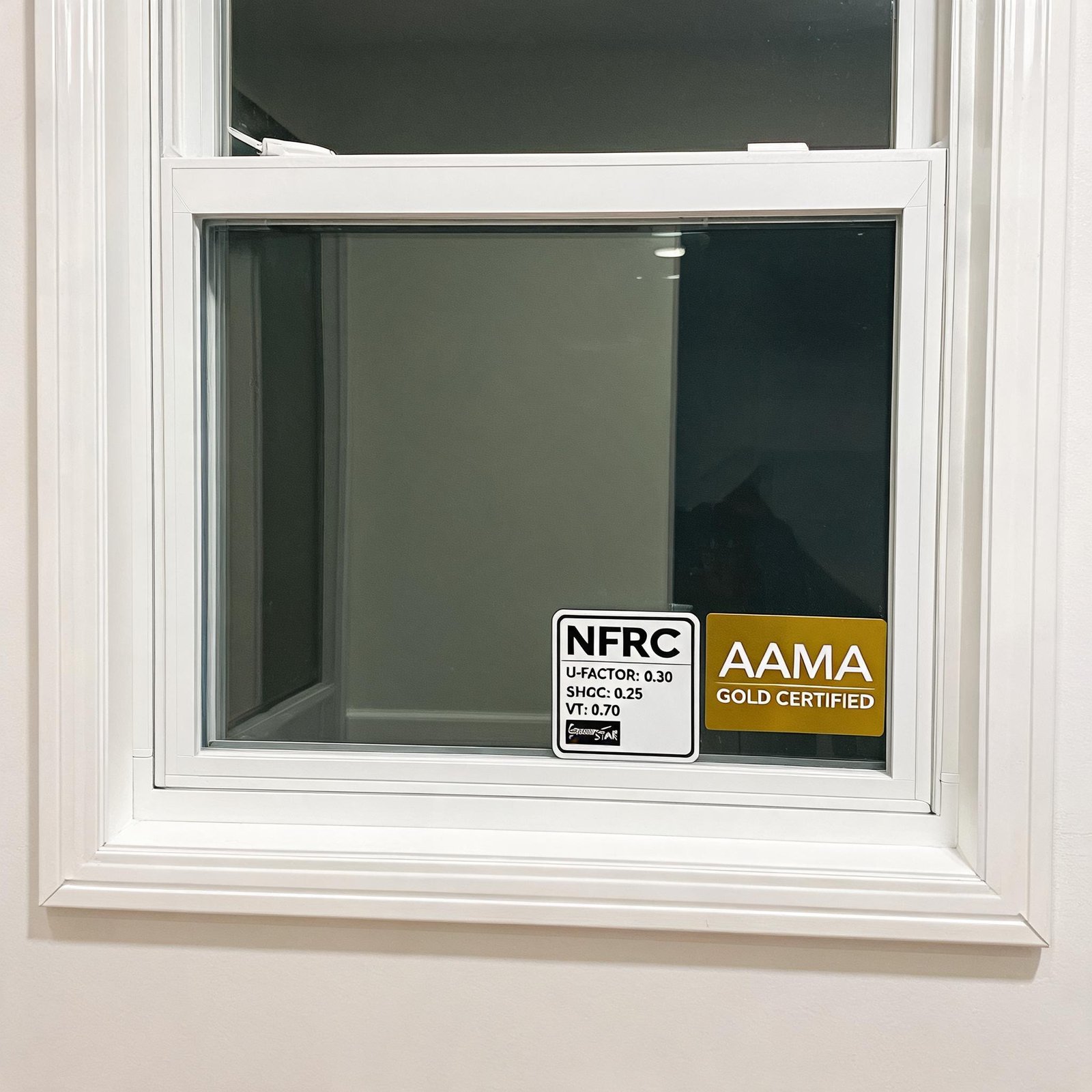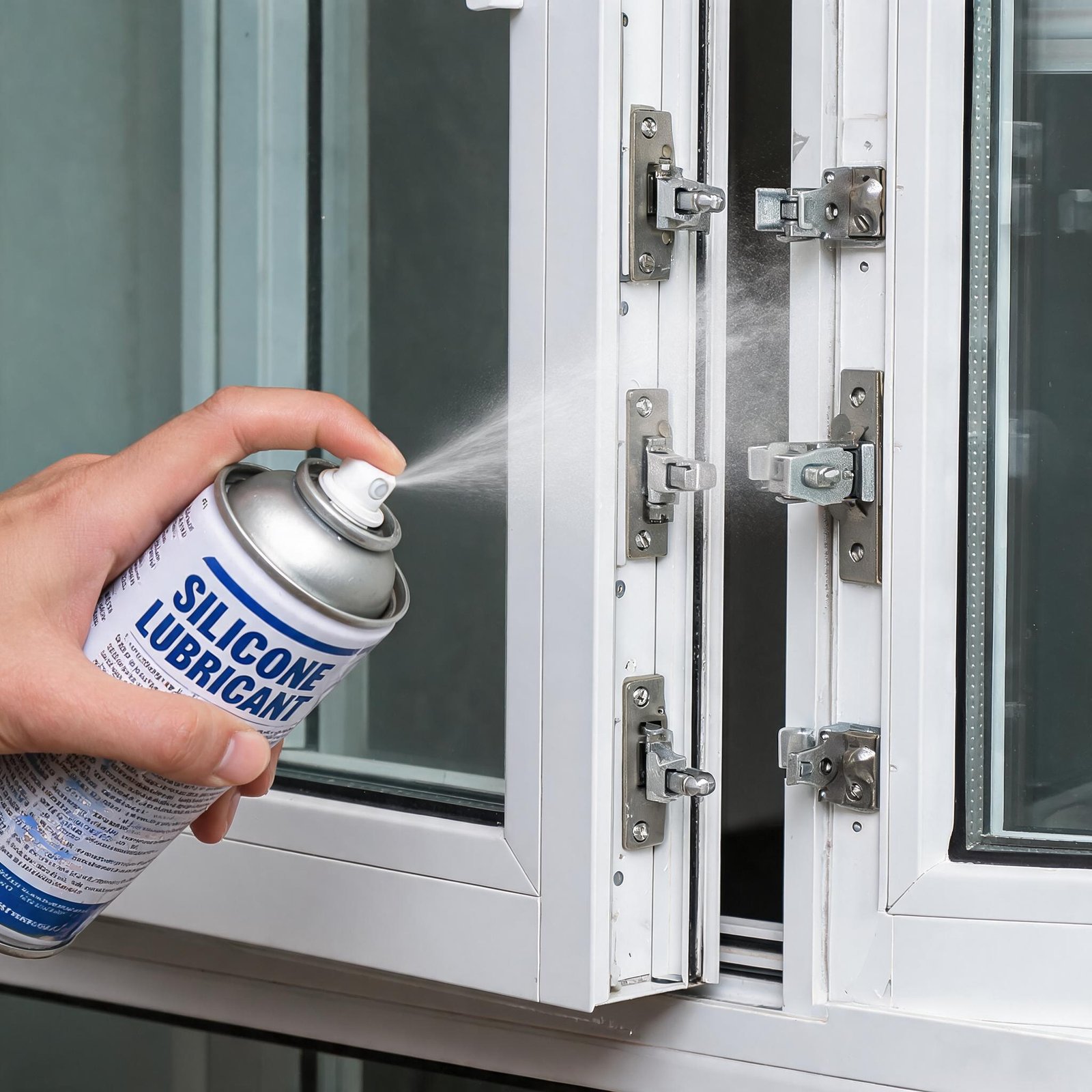
Understanding Window Materials: Why Vinyl Dominates the Market
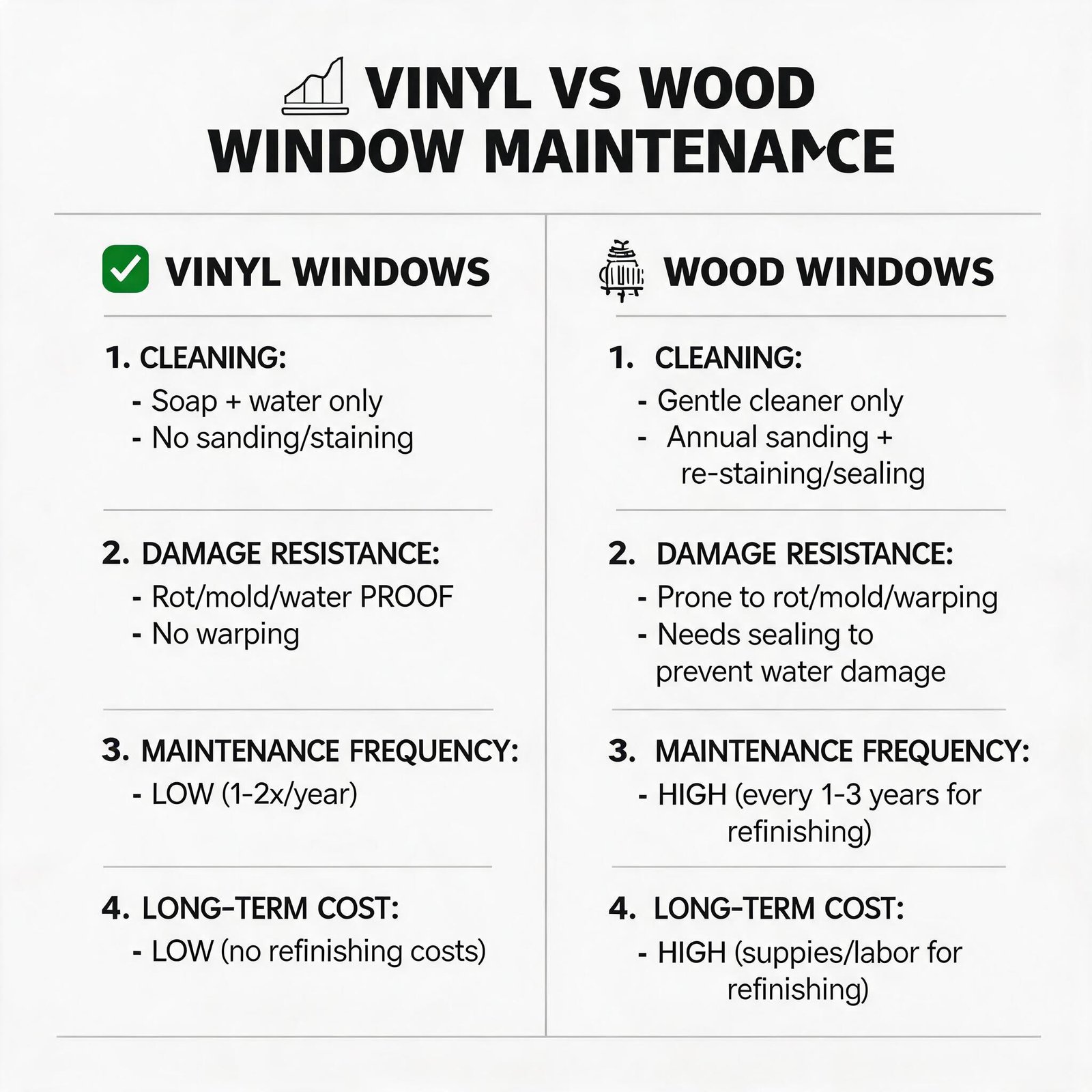
The window industry has evolved significantly over the past thirty years. While wood windows still hold appeal for historic homes and high-end custom builds, vinyl has become the dominant material for residential windows, and for good reason.
Vinyl windows offer exceptional thermal performance because the material itself is a natural insulator. Unlike aluminum frames that conduct heat and cold directly into your home, vinyl frames create a thermal break that keeps interior temperatures stable. This isn’t just marketing talk—it’s basic physics. The cellular structure of PVC (polyvinyl chloride) traps air, creating a barrier that slows heat transfer.
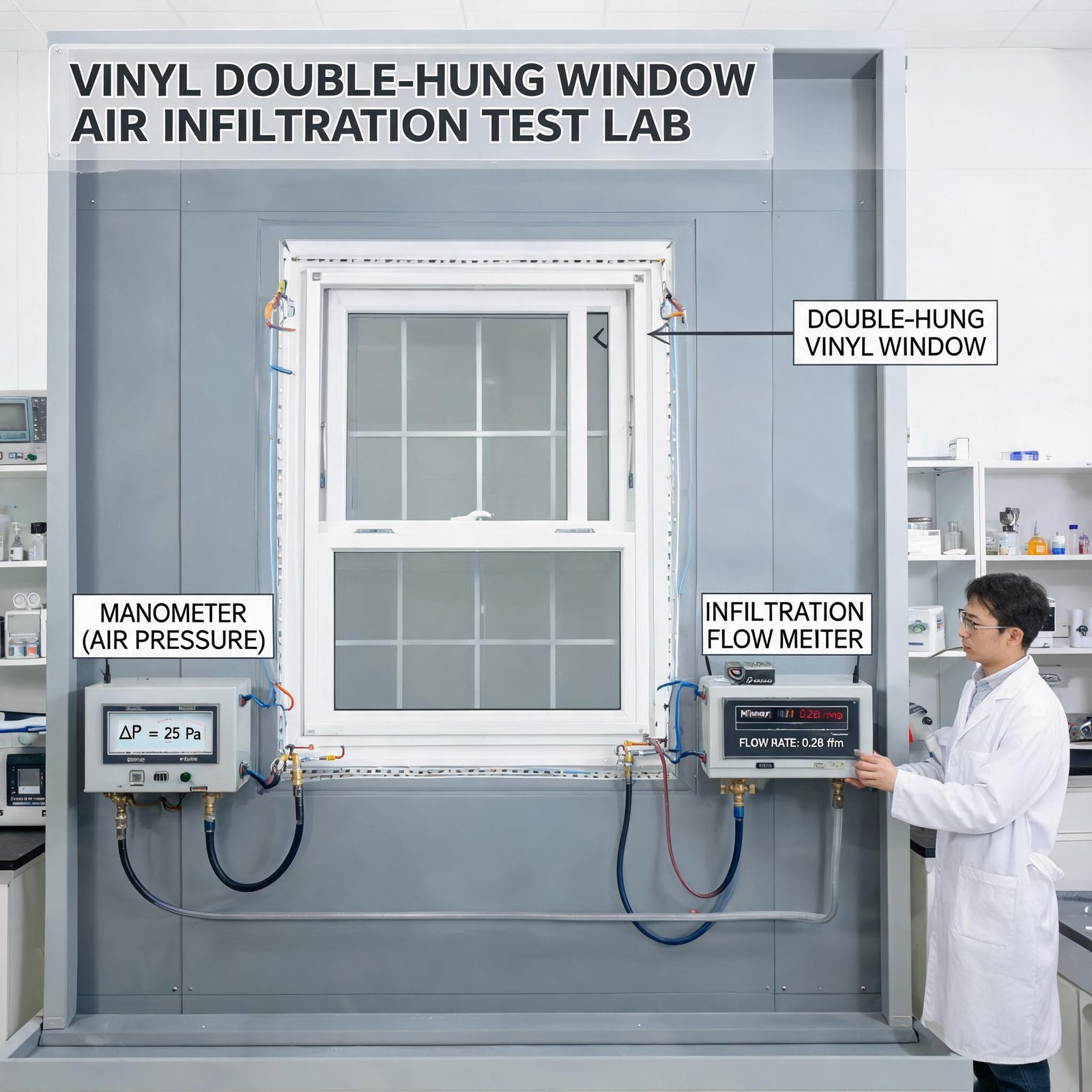
From a manufacturing perspective, vinyl offers another critical advantage: consistency. When we extrude vinyl window frames in our facility, every single piece meets the same exacting standards. There are no knots, no warping, no moisture absorption issues that plague natural wood. This consistency translates directly into better performance for homeowners.
Durability is where vinyl truly shines. Modern vinyl windows are formulated with UV stabilizers and impact modifiers that prevent yellowing, cracking, and brittleness even after years of direct sun exposure. We’ve tested our window formulations in accelerated weathering chambers that simulate decades of sunlight, and the results consistently show minimal color shift and no structural degradation.
For homeowners wondering where to purchase windows that balance quality and value, vinyl represents the sweet spot in the market. You’re getting professional-grade performance without the premium price tag of fiberglass or the maintenance headaches of wood.
Energy Efficiency Features That Actually Make a Difference
Every window manufacturer talks about energy efficiency, but not all energy-efficient windows are created equal. Understanding what actually drives performance will help you make an informed decision rather than falling for marketing hype.
Low-E Coatings Explained Simply
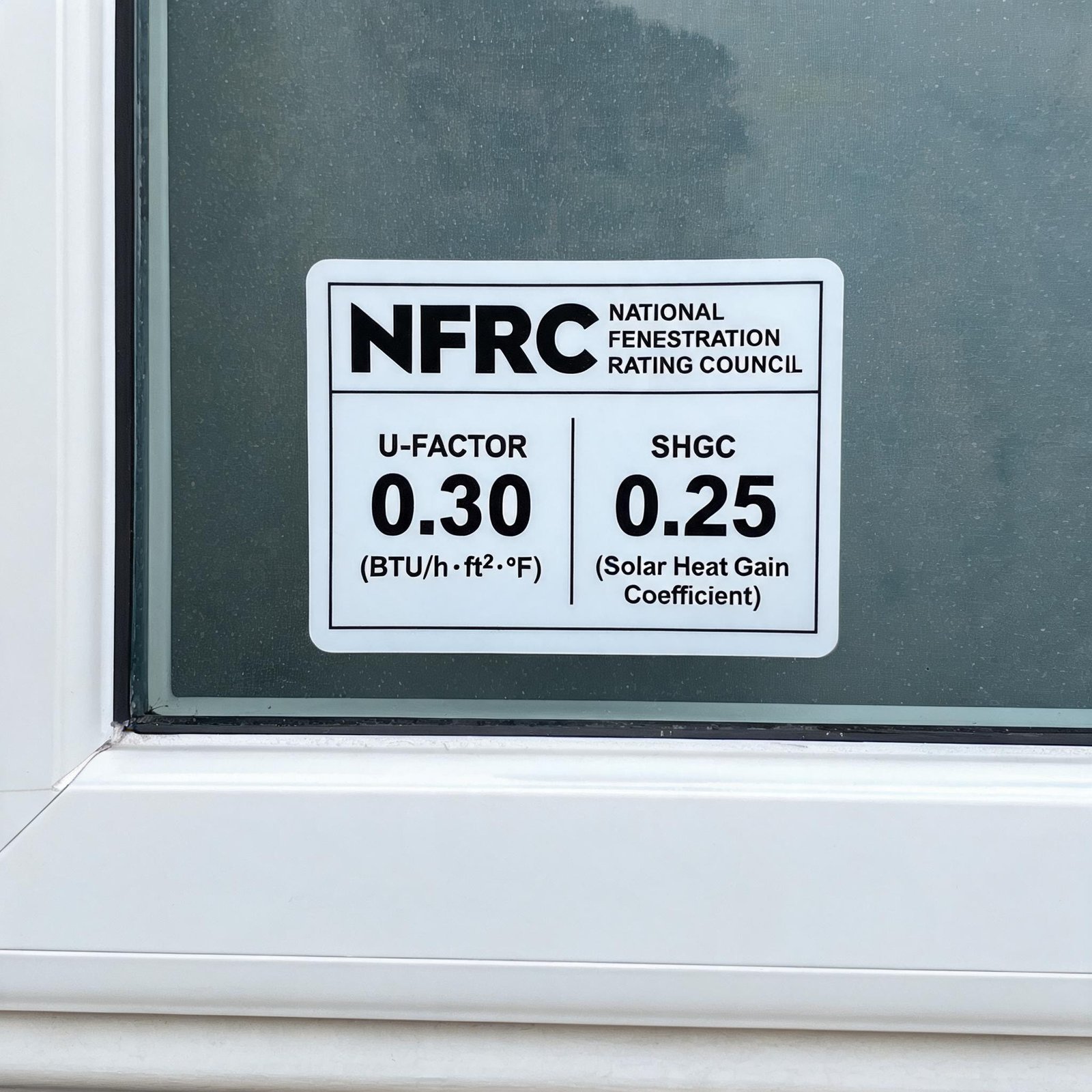
Low-emissivity (Low-E) coatings are microscopic metallic layers applied to window glass that reflect infrared heat while allowing visible light to pass through. In summer, this means the sun’s heat bounces off your windows instead of baking your living room. In winter, the heat generated by your furnace stays inside rather than radiating out through the glass.
There are different types of Low-E coatings for different climates. For hot southern climates, we recommend a “solar control” Low-E coating that blocks more solar heat gain. For northern climates, a “passive” Low-E coating allows more solar heat to enter while still preventing indoor heat from escaping. Many homeowners don’t realize that choosing the wrong Low-E coating can actually reduce their energy savings.
Double Pane vs Triple Pane: What You Need to Know
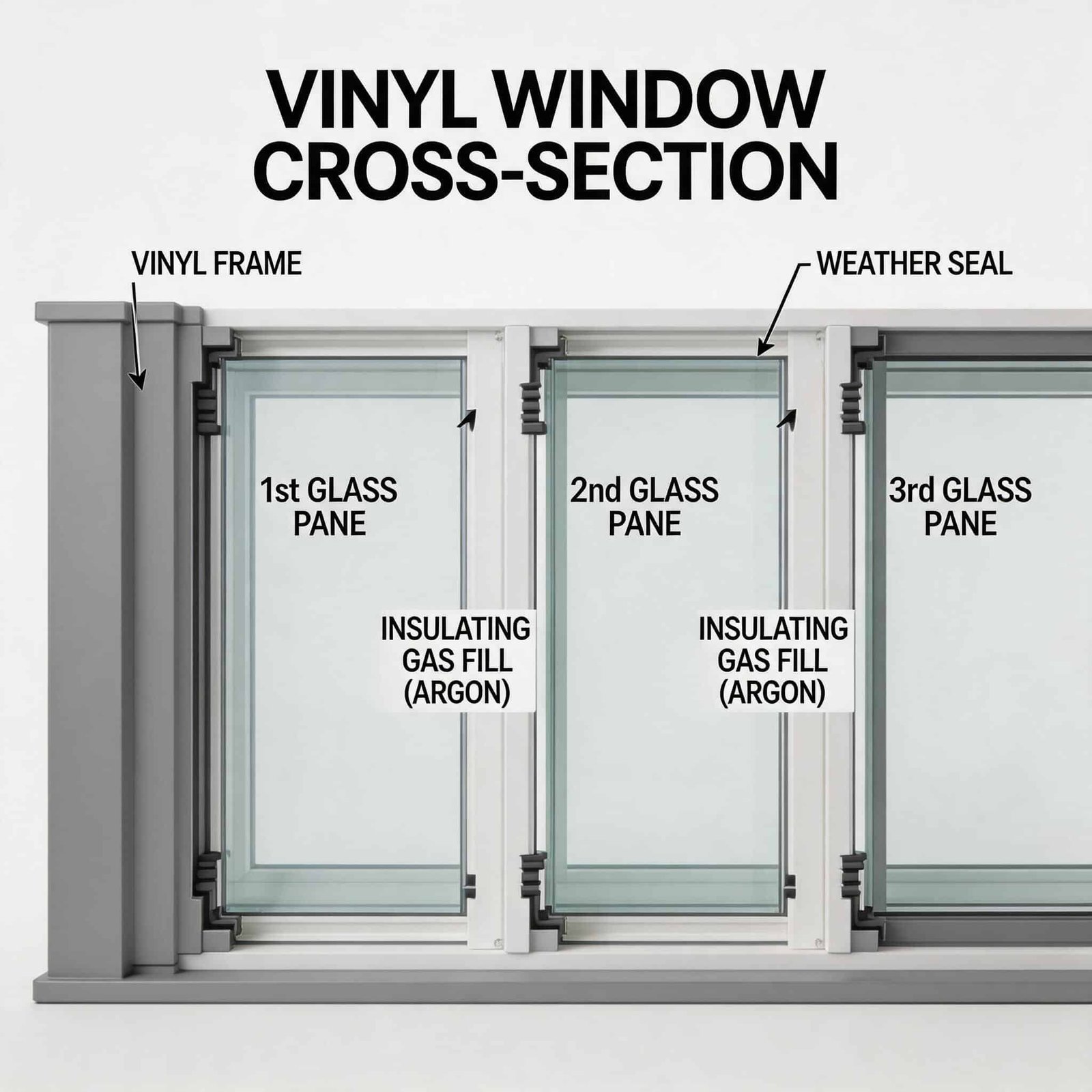
Double-pane windows have been the standard for energy-efficient homes for years, and they remain an excellent choice for most applications. The space between the panes is filled with an inert gas—typically argon or krypton—that provides additional insulation beyond what air alone would offer.
Triple-pane windows take this concept further by adding a third layer of glass and a second gas-filled cavity. The performance difference is measurable, but whether it’s worth the additional cost depends on your specific situation. In extreme climates like northern Minnesota or the Canadian prairies, triple-pane windows can pay for themselves through reduced heating costs. In moderate climates, the return on investment is less compelling.
New Construction vs Replacement Windows: Making the Right Choice
One of the most common questions we hear from homeowners is whether they need new construction or replacement windows. The answer depends entirely on the condition of your existing window frames and the scope of your project.
New Construction Windows
New construction windows come with a nailing fin—a flange that extends around the frame and gets nailed directly to the sheathing of your house. These windows are designed for installation before the exterior siding goes on, or when you’re completely removing the old window down to the rough opening.
When to choose new construction:
- Building a new home or addition
- Complete window replacement where existing frames are rotted or damaged
- Changing the size or shape of window openings
- Major exterior renovations where siding is being replaced anyway
The advantage of new construction windows is a more secure installation with better weatherproofing. The nailing fin creates a mechanical connection to the structure that replacement windows simply cannot match.
Replacement (Remodel) Windows
Replacement windows, also called pocket windows, are designed to fit inside your existing window frame. They slide into the old frame after the sashes (the moving parts of the window) have been removed. The exterior trim and frame remain in place.
When to choose replacement windows:
- Existing window frames are in good condition
- You want to minimize interior and exterior disruption
- Budget constraints make full-frame replacement impractical
- Historic homes where preserving original trim is important
For homeowners searching for where to buy replacement windows that fit existing openings, this option offers significant savings in both material and labor costs.
Window Styles and Their Practical Applications
Beyond the basic construction type, the style of window you choose affects ventilation, natural light, cleaning access, and the overall look of your home.
Casement Windows
Casement windows hinge on the side and crank outward, providing excellent ventilation because they catch side breezes and direct them into the room. When closed, the sash presses against the frame, creating an exceptionally tight seal. This makes casement windows among the most energy-efficient options available.
Best applications: Kitchens (easy to reach over sinks), bedrooms requiring maximum ventilation, and areas where you want unobstructed views since there’s no center meeting rail.
Awning Windows
Awning windows hinge at the top and open outward from the bottom. Their design allows them to remain open during light rain without water entering the home. They’re often installed above or below other windows or in basements where egress isn’t required.
Best applications: Bathrooms requiring privacy ventilation, basements, and combination installations with fixed picture windows.
Double Hung Windows
The classic American window features two sashes that slide vertically past each other. Both sashes can tilt inward for easy cleaning from inside the home—a feature that becomes increasingly valuable as you age.
Best applications: Traditional home styles, second-floor windows where exterior cleaning is difficult, and rooms where you want flexible ventilation options.
Sliding Windows
Sliding windows operate horizontally on tracks and offer a modern, clean look. They’re simple to operate and require no cranks or hardware that can break over time.
Best applications: Wide openings where vertical operation isn’t practical, contemporary home designs, and areas where you want maximum glass area.
Common Window Installation Mistakes to Avoid
Even the best windows will perform poorly if installed incorrectly. Over the years, we’ve seen the same mistakes repeated by well-meaning DIYers and even some contractors.
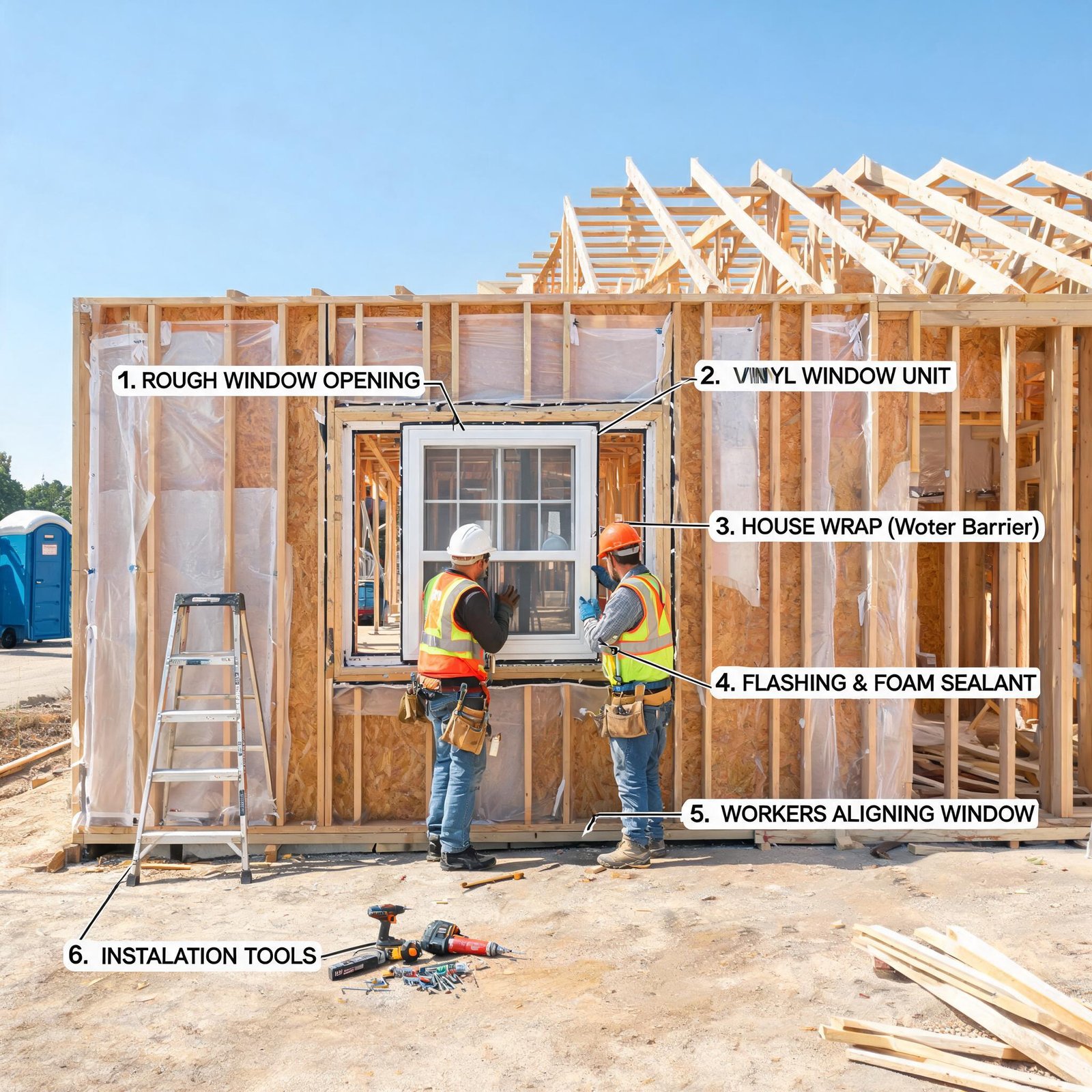
Improper flashing is the number one cause of window leaks. The flashing system must direct water away from the window opening, not trap it against the frame. This requires careful layering of weather-resistant barriers and proper integration with the existing siding.
Over-tightening fasteners can warp vinyl frames, causing operational issues and seal failures. Vinyl expands and contracts with temperature changes, and the installation must accommodate this movement.
Failing to level and square the opening leads to windows that bind, leak, and fail prematurely. A window that’s even slightly out of square will put uneven pressure on the glass, potentially causing seal failure down the road.
Accessories and Tools for Window Installation
Proper window installation requires more than just the windows themselves. Having the right accessories on hand can mean the difference between a professional result and a problematic installation.
Shims are essential for leveling windows in rough openings. Plastic shims are preferable to wood because they won’t absorb moisture and rot over time.
Low-expansion foam fills gaps between the window frame and rough opening without putting pressure on the frame that could cause binding. Standard expanding foam can exert enough force to bow window frames.
Proper fasteners must be corrosion-resistant and appropriate for your siding material. Stainless steel screws are worth the extra cost for their longevity.
Frequently Asked Questions About Buying Windows
Q: How long should vinyl windows last?
A: Quality vinyl windows with proper installation typically last 20 to 40 years. The glass seals may fail sooner in extreme climates, but the frames themselves remain serviceable for decades.
Q: What is the difference between single hung and double hung windows?
A: Single hung windows have only one movable sash (the bottom one), while double hung windows have two movable sashes. Double hung windows offer better ventilation control and easier cleaning since both sashes tilt inward.
Q: Do I need to replace all my windows at once?
A: No, but replacing windows in phases can lead to inconsistent appearance and performance. If budget allows, replacing all windows at once ensures uniform energy efficiency and aesthetics.
Q: How do I measure for replacement windows?
A: Measure the width at the top, middle, and bottom of the existing frame, then measure the height at the left, center, and right. Use the smallest measurements to ensure the new window fits. Always confirm measurements with the manufacturer before ordering.
Q: Are custom window sizes much more expensive than standard sizes?
A: Custom sizes typically cost 20-40% more than standard sizes because they require additional setup and material handling. Whenever possible, design your rough openings around standard window sizes.
Q: What is the best window for noise reduction?
A: Laminated glass with different pane thicknesses provides the best sound reduction. Triple-pane windows also help, but the laminated glass makes the biggest difference for traffic and neighborhood noise.
Q: How do I know if my windows need replacing?
A: Signs include drafts around closed windows, condensation between panes, difficulty operating windows, visible rot or damage to frames, and consistently high energy bills despite other efficiency improvements.
Q: Can I install windows myself to save money?
A: While possible for experienced DIYers, window installation requires specific skills and tools. Improper installation voids warranties and can cause water damage that costs far more than professional installation.