When you invest in new windows for your home, you’re not just buying a product—you’re making a decision that will affect your comfort, energy bills, and property value for decades. Among the most common questions we hear from homeowners is a simple one: how long do vinyl windows last? The answer, like most things in home improvement, depends on several factors. But here’s the good news: modern vinyl windows, when properly manufactured and installed, can serve your home faithfully for 20 to 40 years, with many premium options lasting even longer.
This comprehensive guide draws on decades of manufacturing experience and thousands of installations to give you the unvarnished truth about vinyl window longevity. We’ll explore what determines lifespan, how to spot warning signs, and when it makes sense to repair versus replace. By the time you finish reading, you’ll have the knowledge to make an informed decision about your home’s windows.
**What Determines Vinyl Window Lifespan?**
Not all vinyl windows are created equal. The difference between a window that lasts 15 years and one that lasts 40 years comes down to several critical factors that many homeowners overlook.
**Material Quality and Manufacturing Standards**
The vinyl itself—polyvinyl chloride (PVC)—is only as good as its formulation. Premium window manufacturers use virgin vinyl with UV stabilizers and impact modifiers that resist yellowing, warping, and brittleness. Lower-cost windows often incorporate recycled materials or less effective stabilizers, which can lead to premature degradation.
We’ve seen windows from budget manufacturers begin to chalk and fade within a decade, while properly formulated vinyl from reputable producers maintains its appearance for 30 years or more. The extrusion process matters too: consistent wall thickness, proper fusion of corners, and reinforced chambers all contribute to structural integrity that stands up to thermal expansion and contraction.
**Installation Quality: The Hidden Variable**
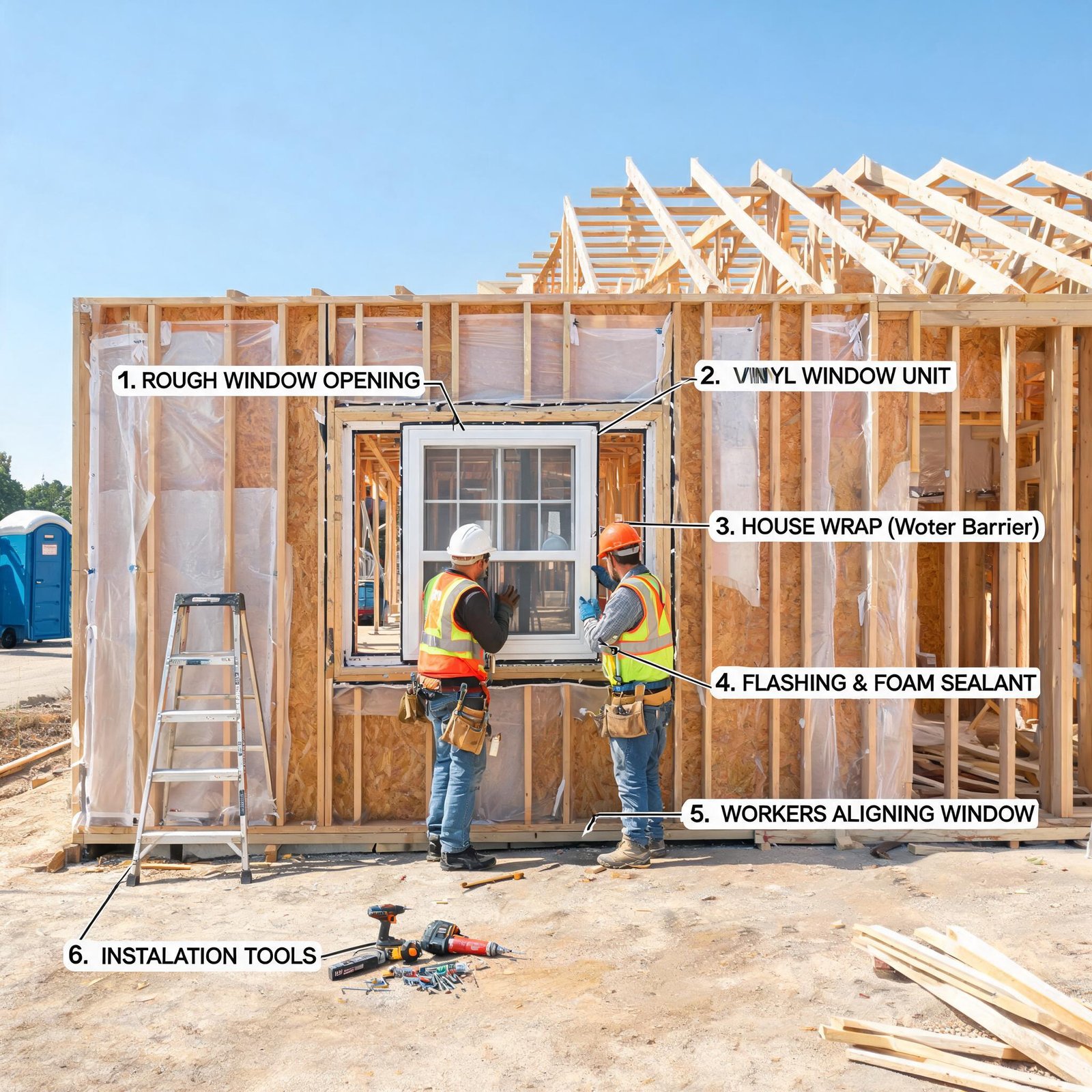
Even the finest vinyl window will underperform if installation is subpar. Improper flashing, inadequate insulation around the frame, or incorrect shimming can create pathways for moisture infiltration, air leakage, and stress points that lead to premature failure. A window installed with gaps around the frame will experience condensation issues, potential rot in surrounding wood framing, and reduced energy efficiency from day one.
Professional installation by experienced contractors who understand building science principles is non-negotiable for maximizing lifespan. The labor represents a fraction of the total investment, yet it determines whether your windows will perform as designed for their full expected life.
**Climate and Environmental Exposure**
Where you live dramatically affects how long should vinyl windows last. Homes in coastal regions face salt spray and intense UV radiation that accelerates degradation. Properties in the desert Southwest endure extreme temperature swings and relentless sun that can cause vinyl to expand and contract more dramatically. Northern homes contend with freeze-thaw cycles that stress seals and hardware.
Manufacturers often design windows for specific climate zones, and choosing the right product for your region makes a substantial difference. For example, windows with enhanced thermal breaks and reinforced sashes perform better in cold climates, while those with advanced UV protection are essential in sunny regions.
**Signs Your Vinyl Windows Need Attention**
Even the best windows will eventually show their age. Recognizing the warning signs early can help you address issues before they lead to more significant problems like structural damage or skyrocketing energy costs.
**Visible Physical Deterioration**
Look for these telltale signs that your windows are approaching the end of their service life:
– **Fogging between panes**: This indicates seal failure in double- or triple-pane units. Once the inert gas between panes escapes, the window loses its insulating value and may develop permanent condensation that obscures the view.
– **Cracks or warping in the frame**: Vinyl that has become brittle from UV exposure may develop hairline cracks, particularly at corners. Warping suggests the material has lost its dimensional stability.
– **Difficulty operating sashes**: Windows that stick, bind, or require excessive force to open and close often have hardware issues or frame distortion that worsens over time.
– **Visible gaps between the frame and wall**: These indicate settling or installation problems that compromise energy efficiency and allow moisture intrusion.
**Performance Indicators**
Beyond visible damage, pay attention to how your windows perform:
– **Draft detection**: Hold a lit candle or incense stick near window edges on a windy day. If the flame flickers or smoke moves horizontally, you have air leakage that wastes energy.
– **Rising energy bills**: A sudden or gradual increase in heating and cooling costs without other explanations often points to failing windows.
– **Exterior noise intrusion**: If you suddenly notice more street noise inside your home, your windows may have lost their acoustic sealing properties.
– **Condensation patterns**: Interior condensation on window surfaces indicates poor insulation or excessive humidity, but condensation between panes signals seal failure that requires replacement.
**How Often Do Vinyl Windows Need to Be Replaced?**
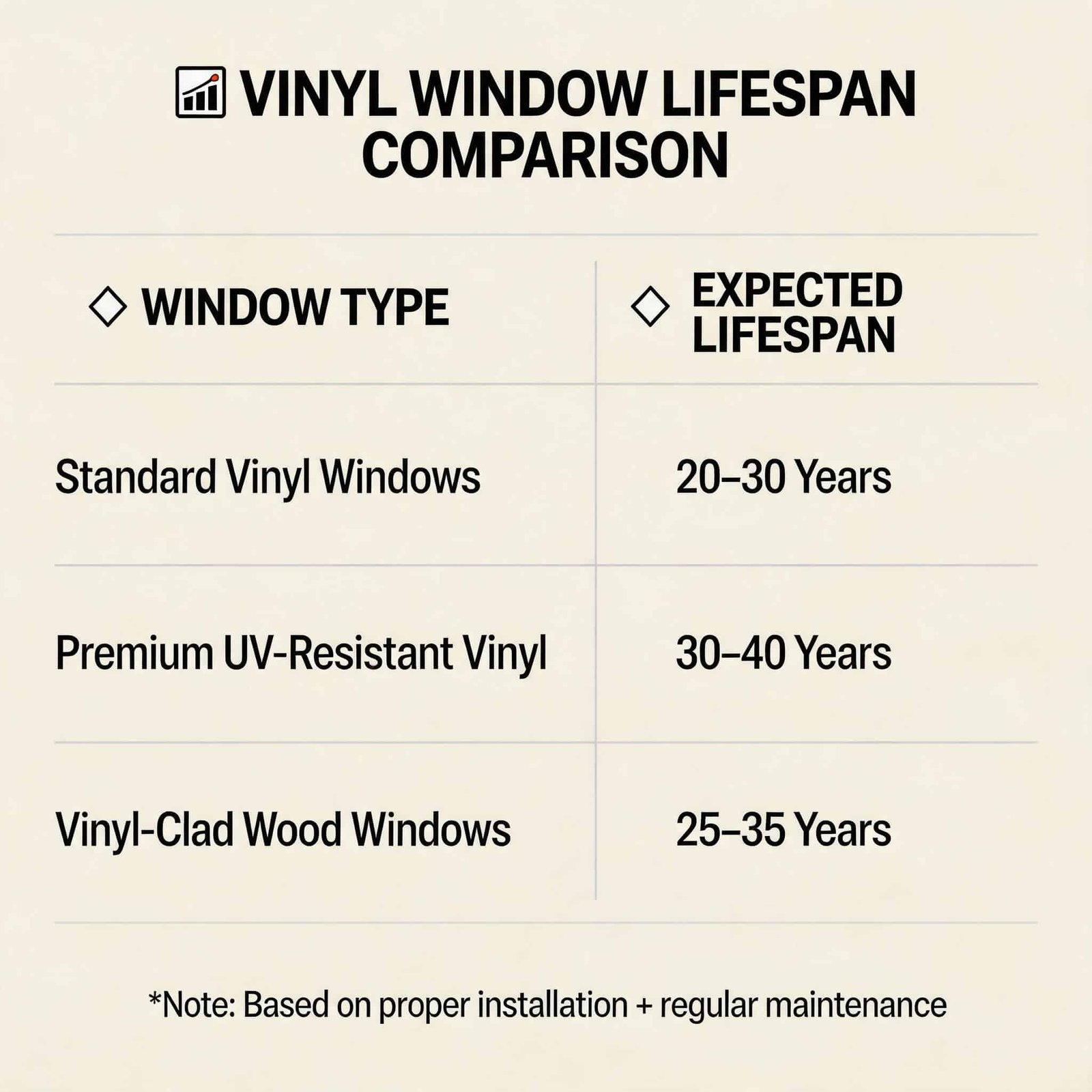
This is the question that brings most homeowners to this guide. The straightforward answer: most quality vinyl windows should be replaced every 20 to 30 years, with premium products potentially lasting 35 to 40 years. However, the replacement timeline depends heavily on the factors we’ve discussed.
**The 20-Year Assessment**
At the 20-year mark, even well-maintained windows deserve a thorough evaluation. Many manufacturers’ warranties cover this period, and components like weatherstripping, balances, and seals may begin to show wear. A professional inspection at this point can identify windows that still have years of service left versus those nearing replacement.
**When Replacement Becomes Inevitable**
Some conditions make replacement the only sensible option:
– **Multiple failed seals**: When more than one or two panes show fogging, the remaining windows are likely approaching the same fate. Replacing individual panes becomes impractical.
– **Frame rot or water damage**: If moisture has penetrated the surrounding wall structure, replacement allows for proper remediation and prevents further damage.
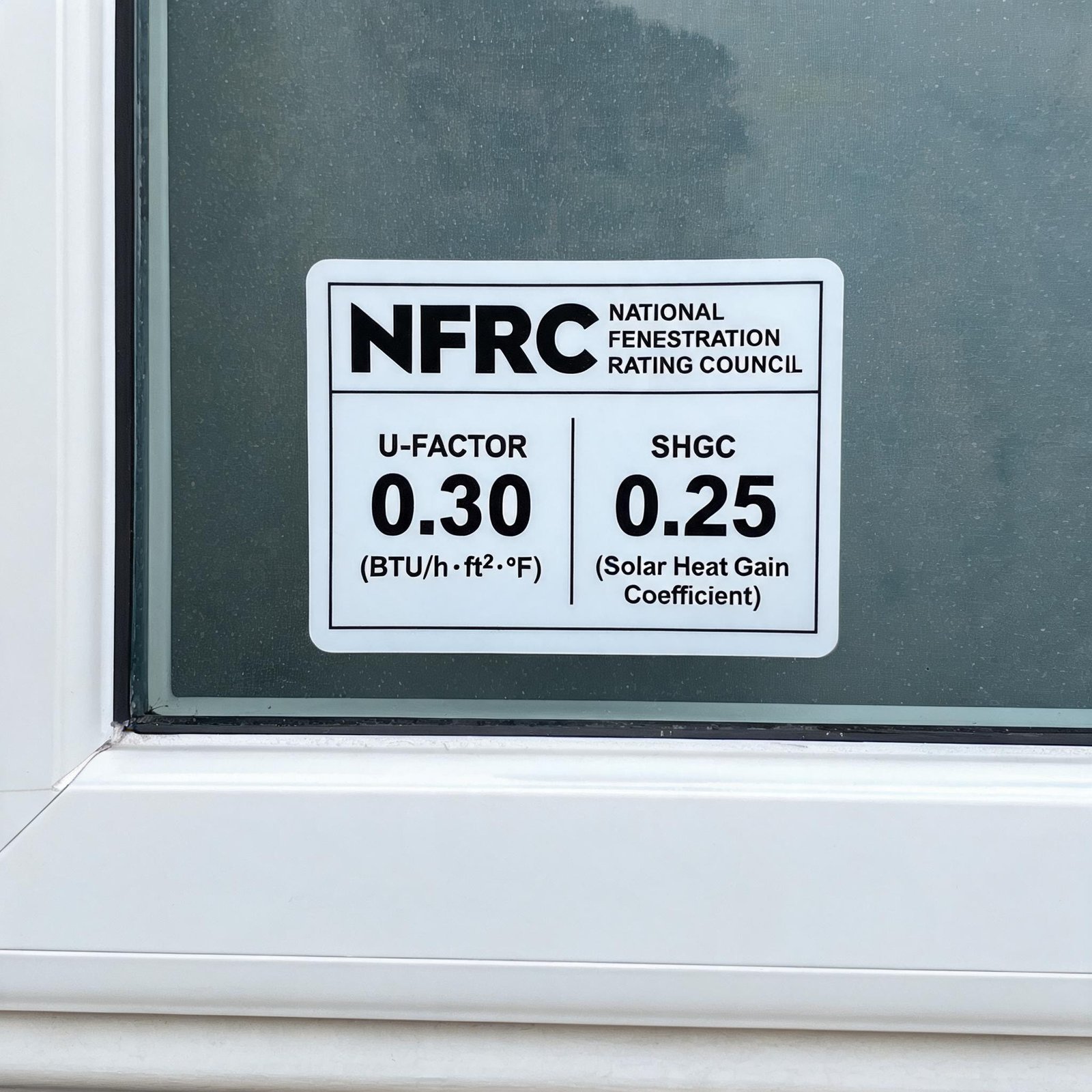
– **Outdated energy performance**: Windows manufactured before 2000 typically have U-factors of 0.50 or higher, while modern Energy Star certified windows achieve 0.30 or lower. The energy savings from upgrading can offset replacement costs within a few years.
– **Aesthetic obsolescence**: While not a functional issue, windows that look dated can reduce home value and curb appeal. Many homeowners choose replacement during renovations for this reason.
**Repair vs. Replace: Making the Right Decision**
Not every window issue requires full replacement. Understanding when repair suffices versus when replacement is necessary can save thousands of dollars.
**When Repair Makes Sense**
– **Single-pane failure**: If only one window in a home has seal failure, replacing just that insulated glass unit (IGU) is often cost-effective.
– **Hardware issues**: Sticky sashes, broken locks, or worn balances can usually be repaired without replacing the entire window.
– **Weatherstripping deterioration**: Replacing weatherstripping is inexpensive and can restore energy performance for several more years.
– **Minor frame damage**: Small cracks or surface issues can sometimes be repaired with specialized fillers and paints designed for vinyl.
**When Replacement Is the Better Investment**
– **Multiple failing windows**: When several windows show problems, the cost of individual repairs approaches that of replacement, and new windows offer better performance and warranties.
– **Structural frame damage**: Water-damaged or rotted frames cannot be effectively repaired and require replacement.
– **Energy efficiency upgrade**: If your goal is reducing energy costs, replacing old windows with modern, high-performance units provides the best return.
– **Aesthetic consistency**: Replacing all windows at once ensures uniform appearance, which is important for home resale value.
**Replacement Options 101: What You Need to Know**
When the time comes for replacement, understanding your options helps you make an informed choice that balances cost, performance, and longevity.
**Full-Frame Replacement**
This involves removing the entire existing window, including the frame, and installing a completely new unit. It’s the most thorough approach and allows for inspection and repair of the surrounding wall structure. Full-frame replacement is ideal when the existing frame is damaged or when you want to change window size or style. It typically costs more but provides the best long-term results.
**Insert Replacement (Pocket Installation)**
With this method, the existing frame remains in place, and a new window is installed within it. This is less expensive and less disruptive, making it popular for homes where the existing frame is sound. However, it slightly reduces glass area and may not address underlying frame issues. Insert replacement works well when the original frame is in good condition and you’re satisfied with the window size.
**Material Considerations Beyond Vinyl**
While this guide focuses on vinyl, it’s worth noting that other materials offer different trade-offs:
– **Fiberglass**: More expensive than vinyl but offers superior strength, dimensional stability, and paintability. Fiberglass windows can last 50 years or more.
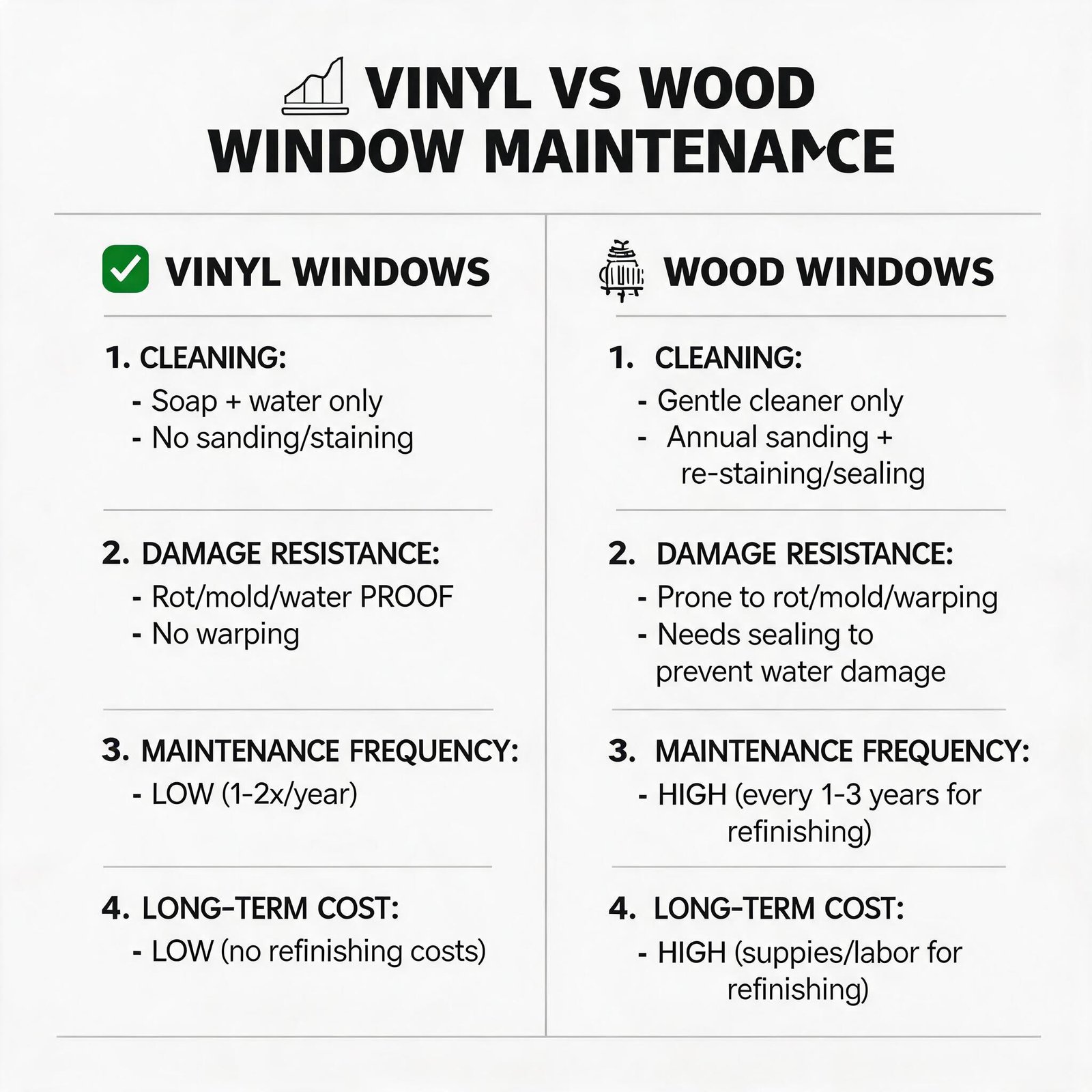
– **Wood**: Classic appearance but requires regular maintenance and is susceptible to rot. Properly maintained wood windows can last 100 years.
– **Aluminum**: Durable and low-maintenance but conducts heat and cold, making them less energy-efficient in extreme climates.
**Maximizing Your Vinyl Window Investment**
You’ve made the decision to invest in quality vinyl windows. Here’s how to ensure they deliver maximum value over their lifespan.
**Proper Maintenance Practices**
Vinyl windows require surprisingly little maintenance, but what they do need matters:
– **Clean tracks and weep holes annually**: Debris accumulation can prevent proper drainage and lead to water damage.
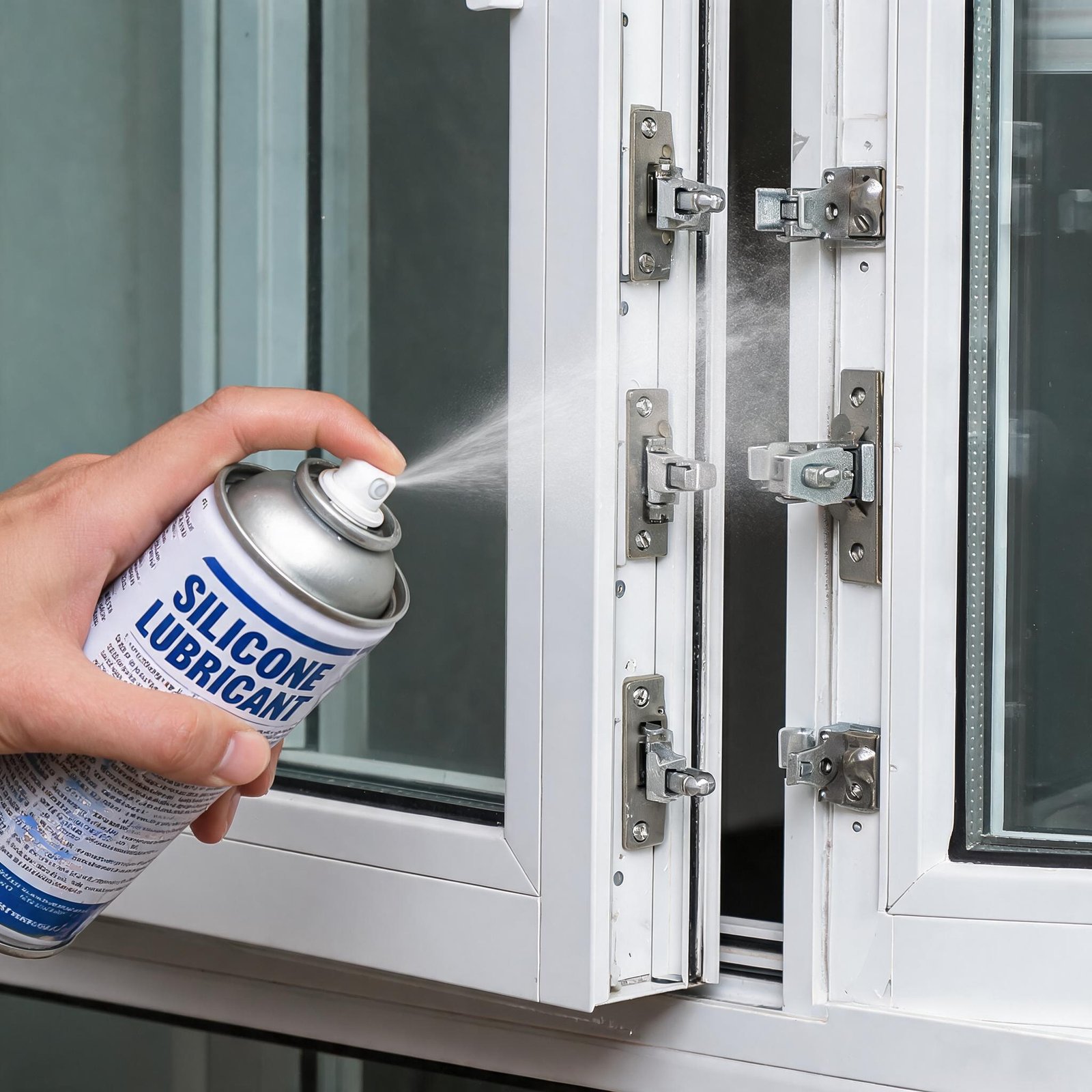
– **Lubricate moving parts**: Use silicone-based lubricant on tracks, hinges, and balances once or twice per year.
– **Inspect weatherstripping annually**: Replace worn strips before they cause air leakage.
– **Clean with mild soap and water**: Avoid harsh chemicals that can degrade vinyl surfaces.
**When to Call a Professional**
Some maintenance tasks are best left to professionals:
– **Annual inspection**: A qualified window contractor can spot developing issues before they become problems.
– **Hardware adjustments**: Improper tension on balances or misaligned sashes can cause premature wear.
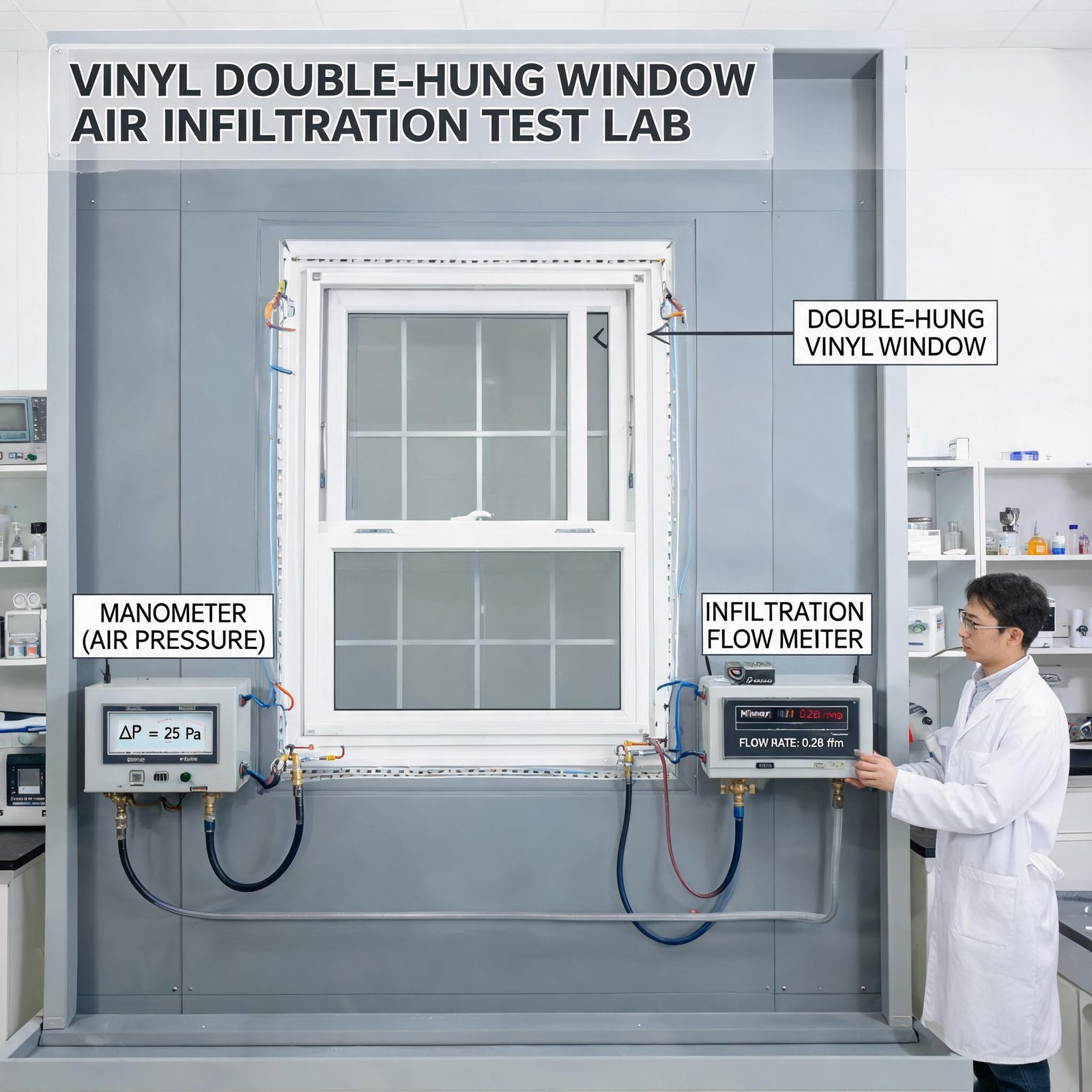
– **Seal evaluation**: Professional testing can identify failing seals before fogging appears.
**The Cost Reality: What to Budget**
Understanding the financial aspect of window replacement helps you plan effectively. While costs vary significantly based on location, window size, and installation complexity, here are realistic ranges:
– **Budget vinyl windows**: $300-$500 per window installed
– **Mid-range vinyl windows**: $500-$800 per window installed
– **Premium vinyl windows**: $800-$1,500 per window installed
The price difference reflects material quality, energy performance ratings, warranty coverage, and aesthetic options. Investing in mid-range or premium windows typically provides the best value over the long term, as they offer superior longevity and energy savings that offset the higher initial cost.
**Frequently Asked Questions**
**Q: Can vinyl windows be painted to change their color?**
A: While vinyl can be painted with specialized coatings, it’s not recommended for most applications. Paint may not adhere properly and can void manufacturer warranties. If color change is important, consider windows with factory-applied color or choose a different material like fiberglass or wood.
**Q: Do vinyl windows expand and contract significantly with temperature changes?**
A: Yes, vinyl has a higher coefficient of thermal expansion than materials like fiberglass or aluminum. Quality windows are designed with this in mind, incorporating expansion gaps and flexible seals. This is why proper installation that accounts for movement is critical.
**Q: How do I know if my windows are Energy Star certified?**
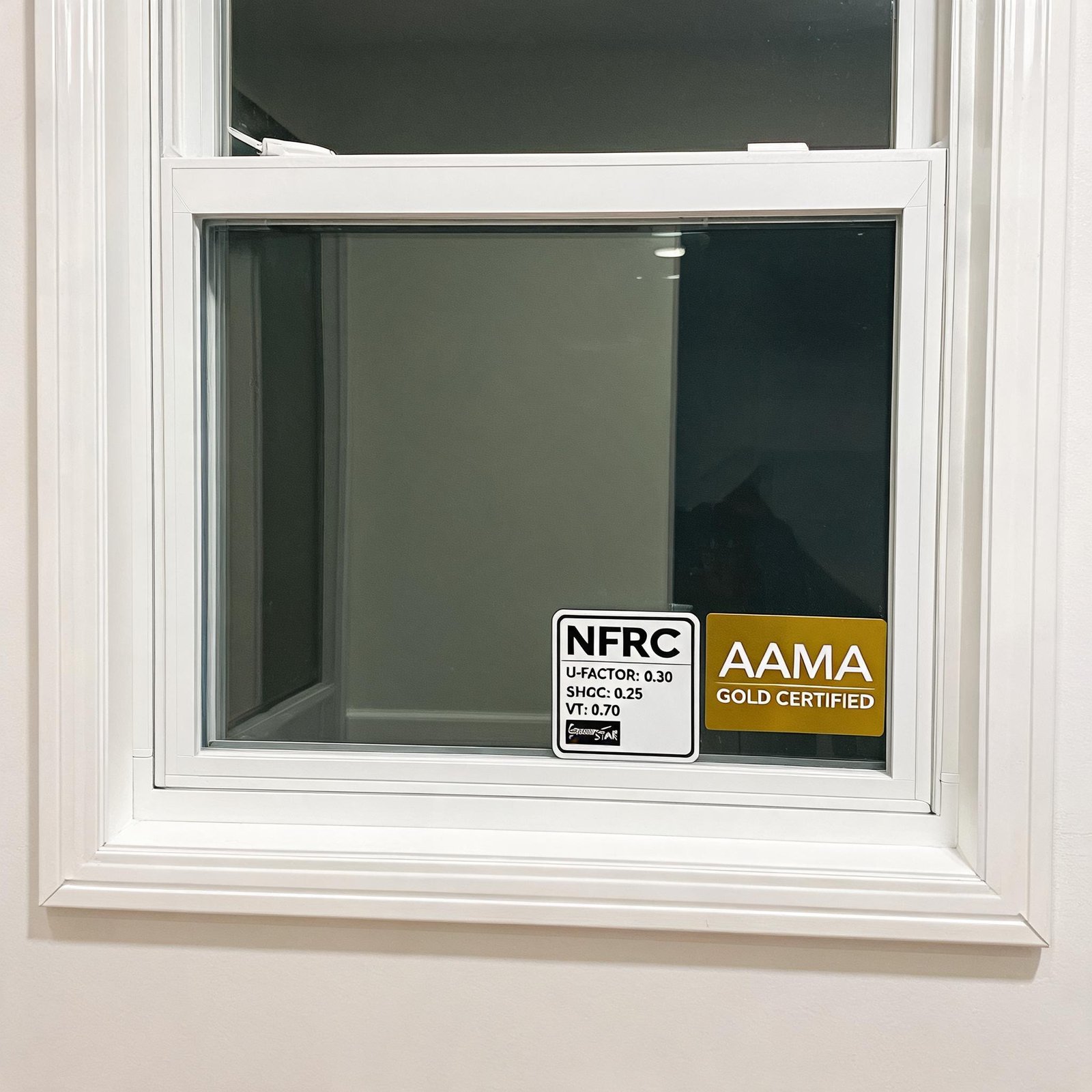
A: Look for the Energy Star label on the window frame or sash. You can also check the National Fenestration Rating Council (NFRC) label, which provides U-factor, Solar Heat Gain Coefficient, and other performance ratings.
**Q: Is it worth replacing windows before selling my home?**
A: New windows typically recoup 70-80% of their cost in increased home value, according to remodeling cost vs. value reports. They also make homes more marketable by addressing a common buyer concern.
**Q: What warranty should I expect with quality vinyl windows?**
A: Premium manufacturers offer lifetime warranties on vinyl components, 10-20 years on insulated glass units, and 5-10 years on hardware. Always read the fine print to understand what’s covered and what voids the warranty.
**Q: Can I replace windows one at a time, or should I do them all at once?**
A: While you can replace windows individually, doing them all at once is usually more cost-effective and ensures uniform appearance and performance. If budget constraints require phased replacement, start with the most problematic windows or those in the most-used rooms.
**Making Your Final Decision**
Choosing when and how to replace your vinyl windows is a significant home improvement decision. The key takeaway from this guide is that quality matters—both in the windows you select and in their installation. A well-made vinyl window from a reputable manufacturer, installed by experienced professionals, should serve your home for 30 years or more with minimal maintenance.
If you’re evaluating your current windows, start with a thorough inspection using the checklist we’ve provided. Look for signs of seal failure, frame damage, and operational issues. Consider your energy bills and comfort levels. And don’t hesitate to consult with a qualified window contractor who can provide an objective assessment.
Remember that windows are more than just glass and frames—they’re your home’s connection to the outdoors, its first line of defense against the elements, and a significant factor in your daily comfort and energy costs. Investing wisely in their replacement pays dividends for decades to come.
For homeowners considering how often do vinyl windows need to be replaced, the answer ultimately comes down to the quality of the original product and the care taken in its installation. When you choose windows built with premium materials and have them installed by professionals who understand building science, you’re making an investment that will serve your home through multiple decades of changing seasons and evolving family needs.
The best time to evaluate your windows is before problems become emergencies. Take the time now to assess your home’s windows, understand their condition, and plan for replacement when the time comes. Your future self—and your energy budget—will thank you.