When you start researching window replacements, one question comes up more than any other: are vinyl windows good? It’s a fair question, especially with so many materials on the market and conflicting opinions online. As a manufacturer who has been in the window industry for years, I can tell you that vinyl windows have become the most popular choice for American homeowners for good reason. But like any product, they have strengths and limitations that matter depending on your specific situation.
This guide covers everything you need to know about vinyl windows, including how they perform, what they cost, how long they last, and whether they’re the right fit for your home. We’ll look at the real data, not just marketing claims, so you can make an informed decision.
What Is a Vinyl Window?
Before we dive into the pros and cons, let’s clarify what a vinyl window actually is. When people ask “what is a vinyl window,” they’re usually referring to windows made from polyvinyl chloride, or PVC. This is the same material used in plumbing pipes, siding, and countless other construction products.
Vinyl windows are manufactured through a process called extrusion, where heated PVC is forced through a die to create hollow frames. These frames are then cut, welded at the corners, and fitted with glass units, weatherstripping, and hardware. The hollow chambers inside the frames can be filled with insulation to improve thermal performance.
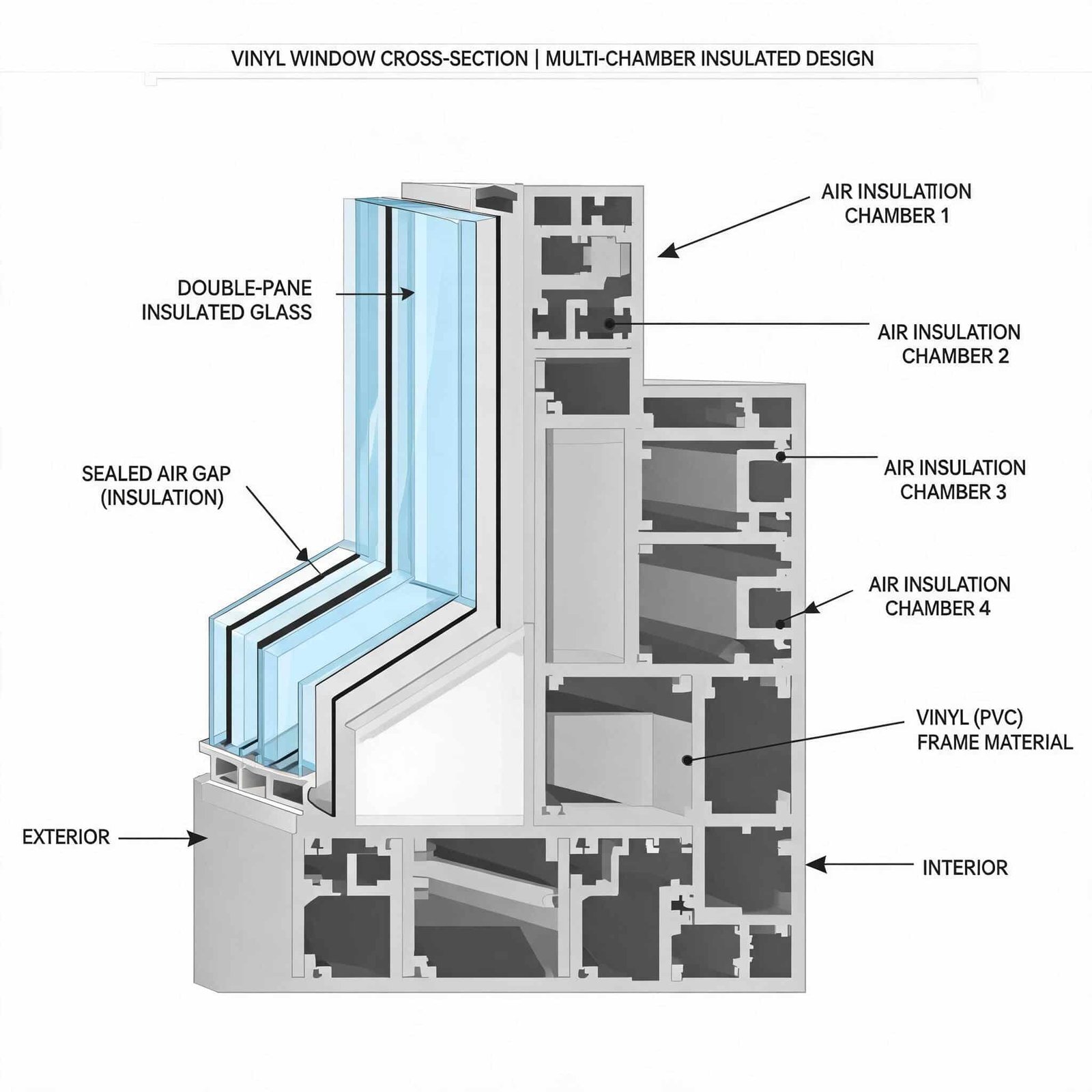
The key difference between vinyl and other materials like wood or aluminum is that vinyl is inherently insulating. It doesn’t conduct heat or cold the way metal does, and it won’t rot or warp like wood when exposed to moisture. This combination of performance and durability is what makes vinyl so popular.
Are Vinyl Windows Any Good for Energy Efficiency?
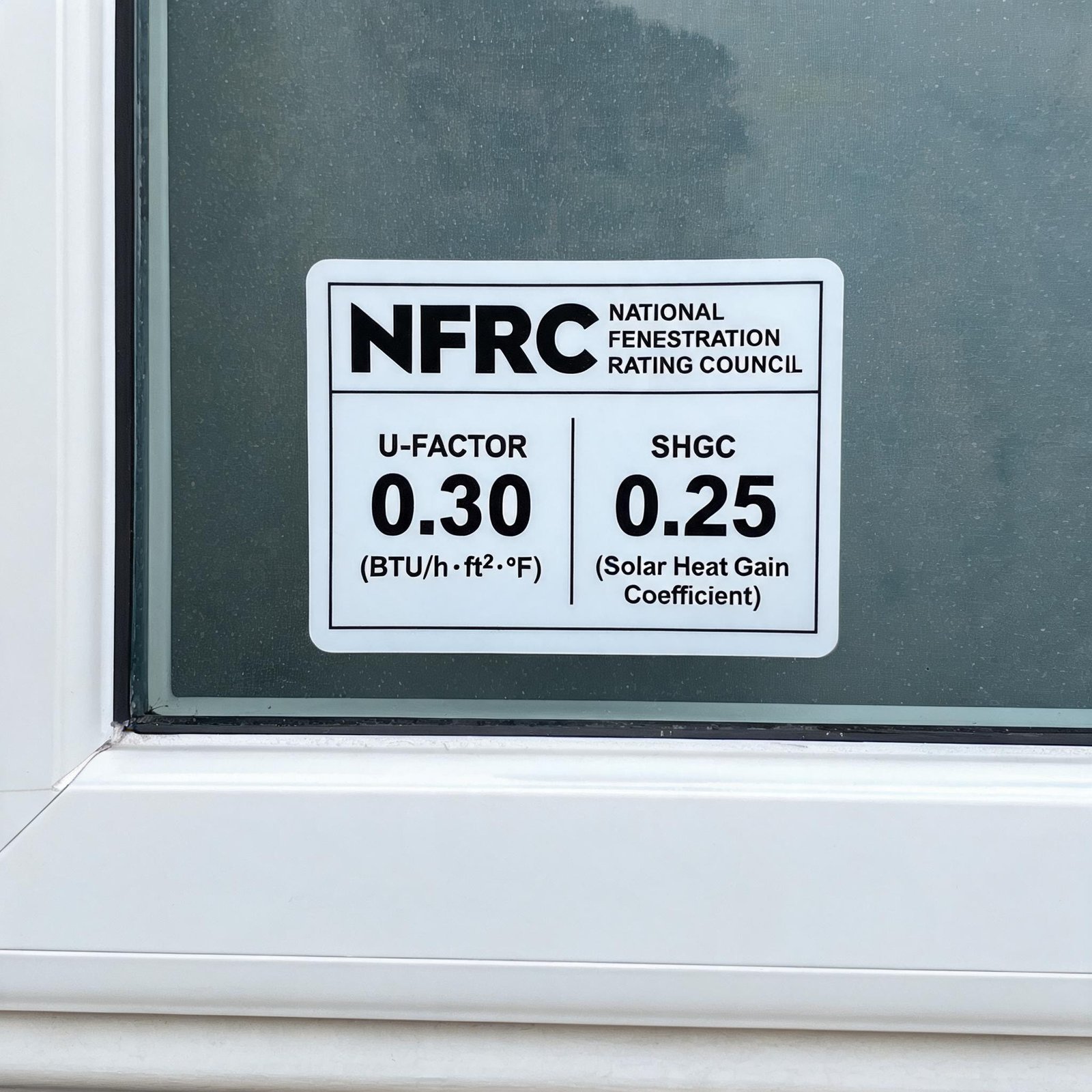
This is where vinyl windows truly shine. Modern vinyl windows, especially those with multi-chambered frames and Low-E glass coatings, offer exceptional thermal performance. The U-factor, which measures how well a window prevents heat from escaping, can be as low as 0.25 or even 0.20 for high-performance vinyl windows. Compare that to older single-pane windows with U-factors around 1.0, and the difference is dramatic.
The energy efficiency of vinyl windows comes from several design features working together:
- Multi-chambered frames create dead air spaces that resist heat transfer
- Thermally broken frames prevent cold from traveling through the frame
- Low-E glass coatings reflect infrared heat back into your home during winter and block solar heat during summer
- Argon or krypton gas fills between panes reduce convection inside the glass unit
- Warm edge spacers minimize heat loss at the glass edge
For homeowners in colder climates, vinyl windows can reduce heating costs significantly. In warmer regions, they help keep cooling costs down by blocking solar heat gain. The U.S. Department of Energy estimates that replacing single-pane windows with ENERGY STAR certified vinyl windows can save homeowners between $100 and $600 annually on energy bills.
The Pros of Vinyl Windows
1. Cost-Effective Without Sacrificing Quality
Vinyl windows typically cost between $300 and $800 per window installed, depending on size, style, and features. This makes them significantly more affordable than wood windows, which can run $800 to $1,500 or more per window. Fiberglass windows fall somewhere in between, usually $500 to $1,200 per window.
The lower cost doesn’t mean lower quality. Modern vinyl windows use advanced engineering to deliver performance that rivals more expensive materials. For homeowners on a budget, vinyl offers the best value per dollar spent.
2. Low Maintenance Requirements
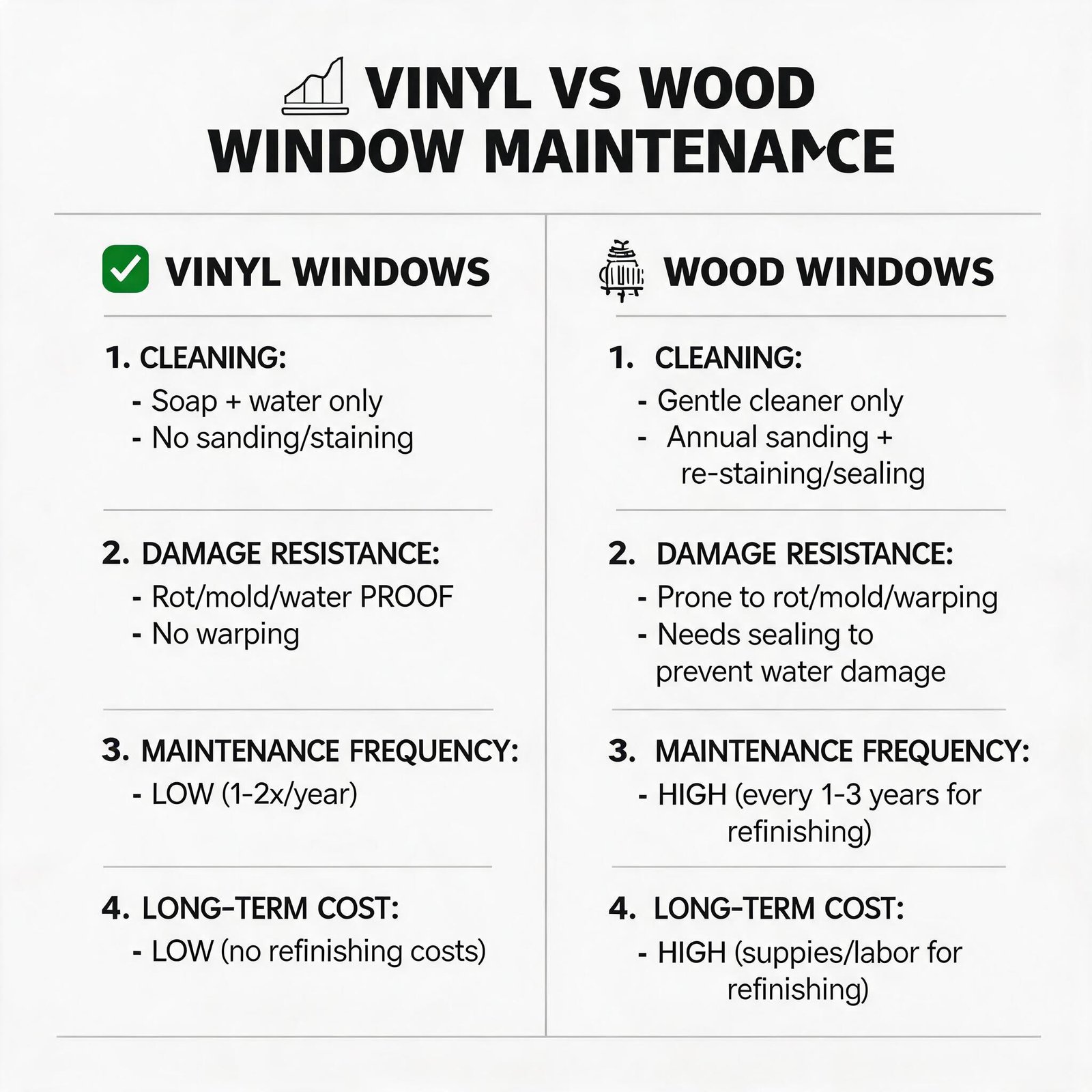
One of the biggest advantages of vinyl windows is that they require almost no maintenance. Unlike wood windows that need periodic painting, staining, or sealing, vinyl windows simply need occasional cleaning with soap and water. The color is molded into the material, so it won’t peel, chip, or fade over time.
This is especially valuable for homeowners who don’t want to spend weekends on a ladder with a paintbrush. It’s also a major selling point for rental properties or vacation homes where regular maintenance isn’t practical.
3. Excellent Moisture Resistance
Vinyl is naturally resistant to moisture. It won’t rot, swell, or warp when exposed to rain, humidity, or condensation. This makes vinyl windows ideal for bathrooms, kitchens, and basements where moisture levels are high. In coastal areas where salt spray can corrode aluminum frames, vinyl holds up exceptionally well.
4. Good Sound Insulation
The multi-chambered design of vinyl frames, combined with double or triple-pane glass, provides effective sound reduction. For homes near busy roads, airports, or noisy neighbors, vinyl windows can significantly reduce outside noise. The thicker the glass and the wider the air gap between panes, the better the sound insulation.
5. Environmental Benefits
While vinyl has a reputation for being less environmentally friendly than wood, modern manufacturing processes have improved significantly. Many vinyl windows are now made with recycled content, and the frames themselves are recyclable at the end of their lifespan. Additionally, the energy savings from vinyl windows often offset the environmental impact of manufacturing within the first year of use.
The Cons of Vinyl Windows
1. Limited Color Options
Vinyl windows are available in a range of colors, but the selection is more limited than wood or aluminum. White and beige are the most common, though many manufacturers now offer darker colors like bronze, gray, and black. However, dark-colored vinyl frames can absorb more heat, which may cause warping in extreme climates.
If you want a custom color or a wood-grain finish, you’ll need to look at wood or fiberglass windows. Some manufacturers offer vinyl windows with a laminated exterior finish, but these add cost and may not last as long as the base material.
2. Potential for Warping in Extreme Heat
Vinyl windows are designed to withstand normal temperature ranges, but in extremely hot climates, dark-colored frames can absorb enough heat to cause warping or distortion. This is more common in desert regions where summer temperatures regularly exceed 100°F. Manufacturers have addressed this with reinforced frames and heat-resistant additives, but it’s still something to consider if you live in a very hot area.
3. Less Structural Strength Than Aluminum or Fiberglass
Vinyl is a strong material, but it’s not as rigid as aluminum or fiberglass. Large vinyl windows may require additional reinforcement to prevent sagging or bowing over time. This is particularly important for oversized windows or those in high-wind areas. Look for windows with internal reinforcement, such as aluminum or steel inserts, if you need extra strength.
4. Environmental Concerns During Manufacturing
The production of PVC involves chlorine-based chemicals and can release harmful dioxins if not properly controlled. While modern manufacturing facilities have strict emissions controls, the environmental impact of vinyl production is still higher than some alternative materials. However, the long lifespan and energy savings of vinyl windows often offset this impact over time.
Are Vinyl Windows Bad for Certain Applications?
Some homeowners wonder “are vinyl windows bad” for specific situations. The answer depends on your priorities and climate. Vinyl windows are generally not recommended for:
- Historic homes where maintaining original appearance is important
- Extreme climates where temperatures regularly exceed 110°F or drop below -40°F
- Very large windows that require structural reinforcement
- Homes with strict HOA rules that require specific materials or colors
For most standard residential applications, however, vinyl windows perform excellently and offer the best combination of cost, performance, and durability.
Vinyl vs. Other Window Materials
Vinyl vs. Wood
Wood windows offer unmatched aesthetic appeal and can be painted or stained to match any decor. However, they require regular maintenance and are susceptible to rot, insect damage, and moisture issues. Wood windows also cost significantly more than vinyl.
Vinyl windows are more practical for most homeowners, offering similar energy performance at a lower cost with minimal maintenance. The trade-off is that vinyl doesn’t have the same natural look and feel as wood.
Vinyl vs. Fiberglass
Fiberglass windows are stronger and more dimensionally stable than vinyl. They resist warping better in extreme temperatures and can be painted to match your home’s exterior. However, fiberglass windows cost more and are less common, which can make replacement parts harder to find.
Vinyl windows are more affordable and widely available, with a proven track record of performance in most climates. For the average homeowner, vinyl offers better value.
Vinyl vs. Aluminum
Aluminum windows are strong and lightweight, but they conduct heat and cold very efficiently. This makes them less energy-efficient than vinyl unless they have thermal breaks, which add cost. Aluminum windows are also prone to condensation and corrosion in coastal areas.
Vinyl windows outperform aluminum in energy efficiency and moisture resistance, making them the better choice for most residential applications.
How Long Do Vinyl Windows Last?
A well-made vinyl window should last 20 to 30 years with proper care. Some high-quality windows can last even longer, especially if they’re installed correctly and maintained properly. The glass units themselves may need replacement sooner if the seals fail, but the frames typically outlast the glass.
Factors that affect vinyl window lifespan include:
- Quality of manufacturing – Cheap windows with thin frames won’t last as long
- Installation quality – Poor installation leads to air leaks and water damage
- Climate conditions – Extreme temperatures and UV exposure accelerate wear
- Maintenance – Regular cleaning and inspection extend lifespan
When you’re shopping for vinyl windows, look for frames that are at least 1/16 inch thick and have welded corners rather than mechanically fastened ones. Welded corners are stronger and more airtight.
What to Look for When Buying Vinyl Windows
If you’ve decided that vinyl windows are right for your home, here’s what to look for:
Frame Construction
Look for multi-chambered frames with at least three chambers. More chambers mean better insulation and structural strength. The frame should be at least 2.5 inches deep for standard windows, though deeper frames offer better performance.
Glass Package
Double-pane glass is standard, but triple-pane offers better insulation and sound reduction. Look for Low-E coatings and argon gas fill for optimal energy performance. The glass should be at least 3/16 inch thick per pane.
Hardware Quality
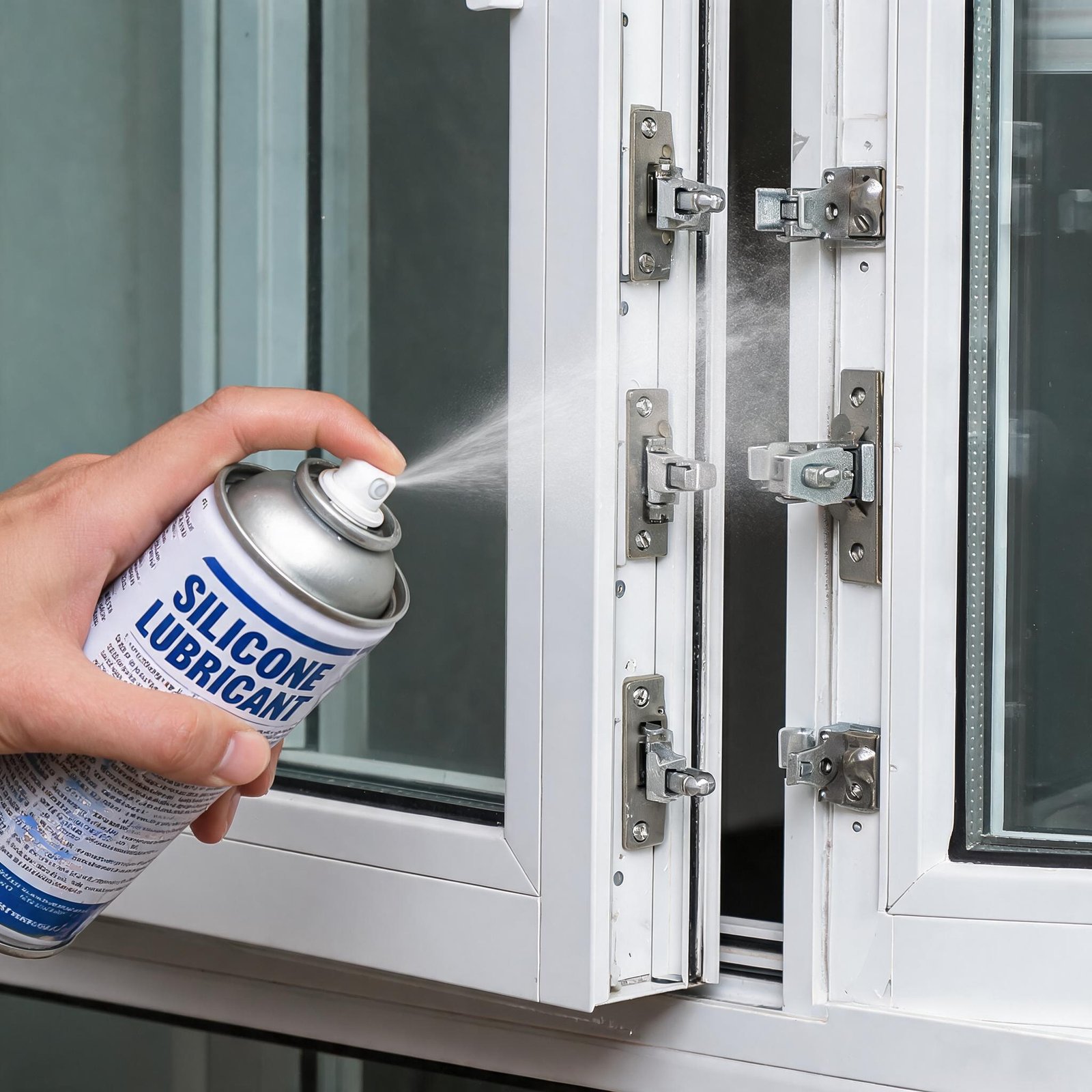
Test the locks, hinges, and operators. They should feel smooth and solid, not flimsy. Quality hardware from brands like Andersen, Pella, or Truth Hardware indicates a well-made window.
Warranty
A good vinyl window should come with a limited lifetime warranty on the frame and a 10 to 20 year warranty on the glass. Read the fine print to understand what’s covered and what’s excluded.
Energy Ratings
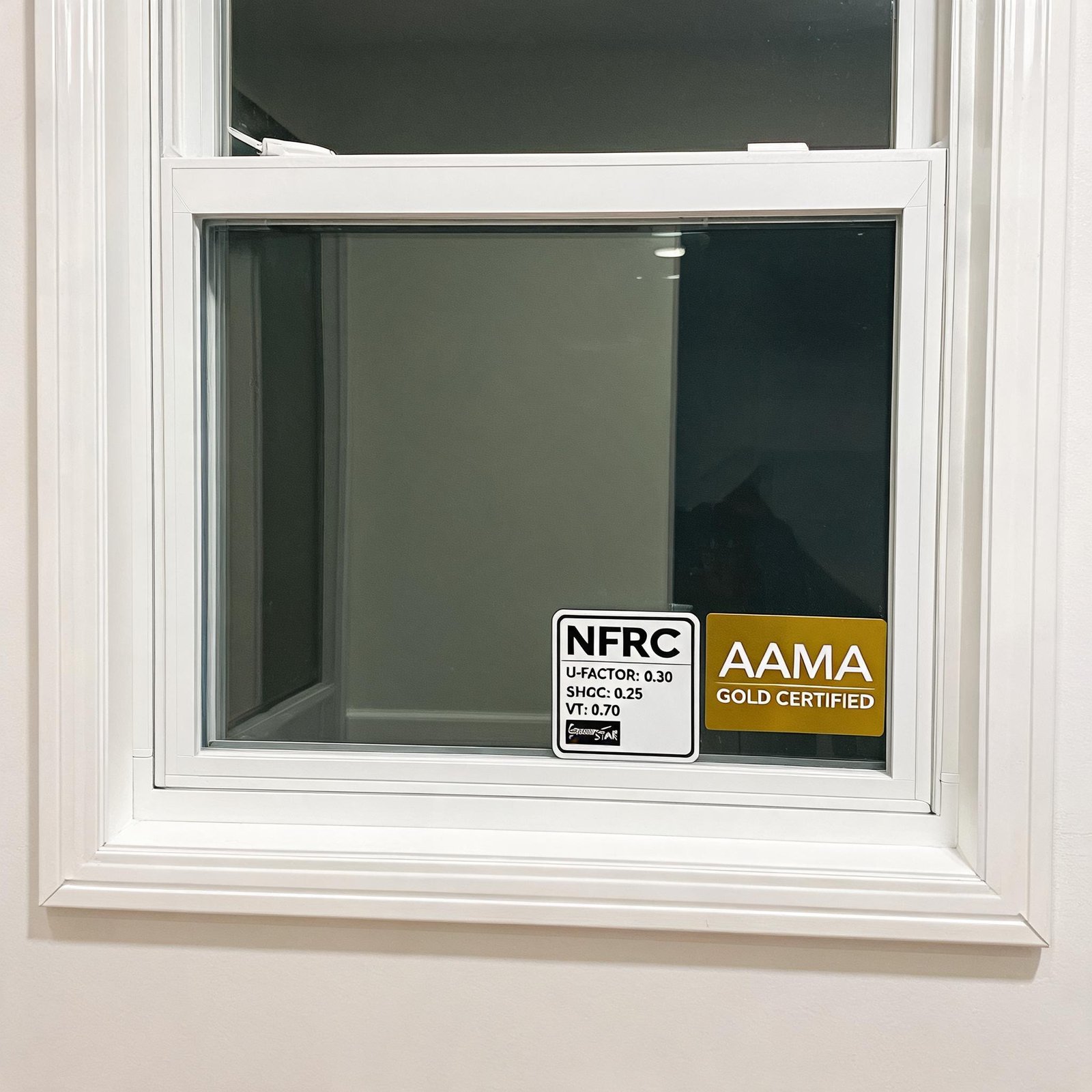
Look for ENERGY STAR certification and check the NFRC ratings. For cold climates, look for a U-factor below 0.30. For warm climates, look for a Solar Heat Gain Coefficient below 0.40.
Installation Matters More Than You Think
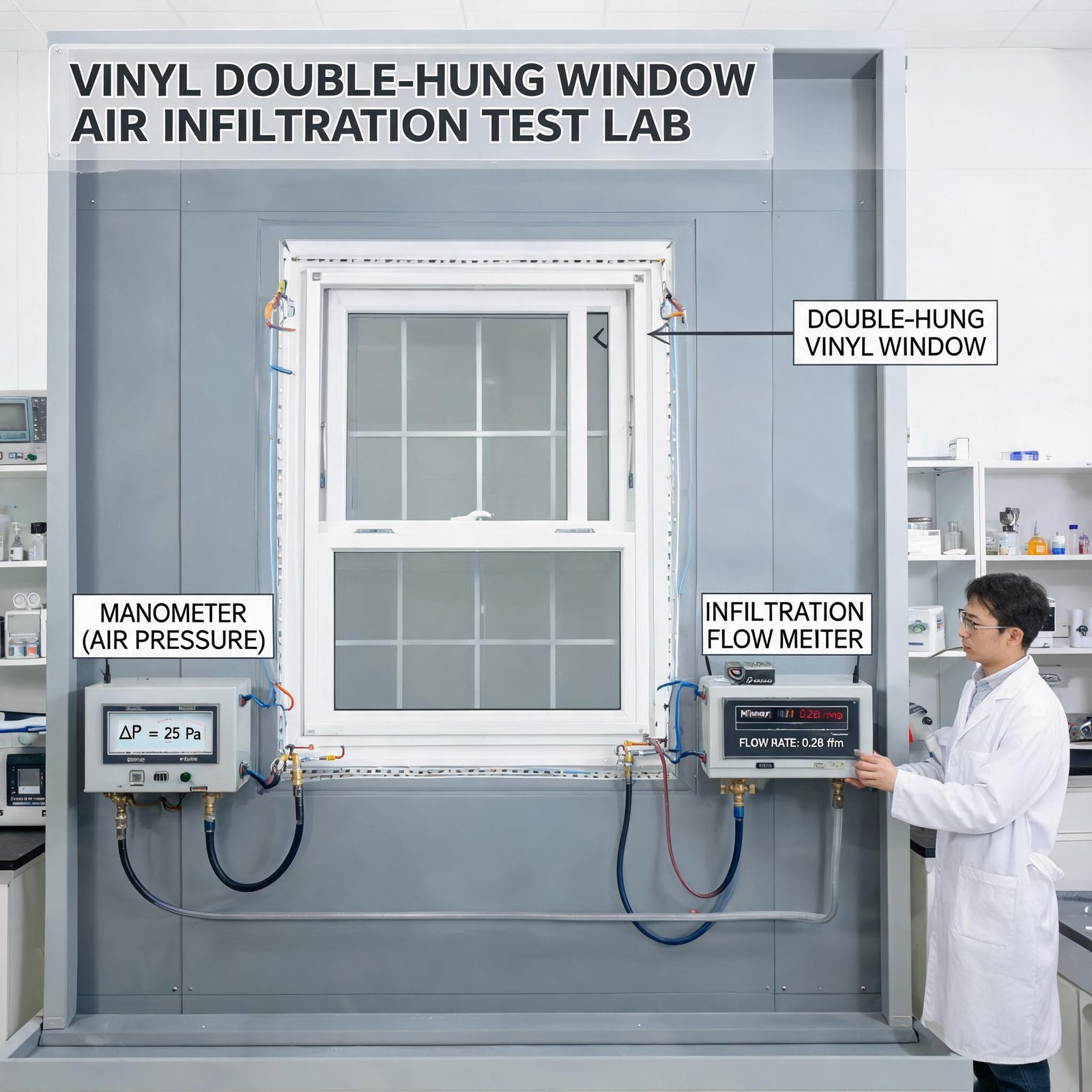
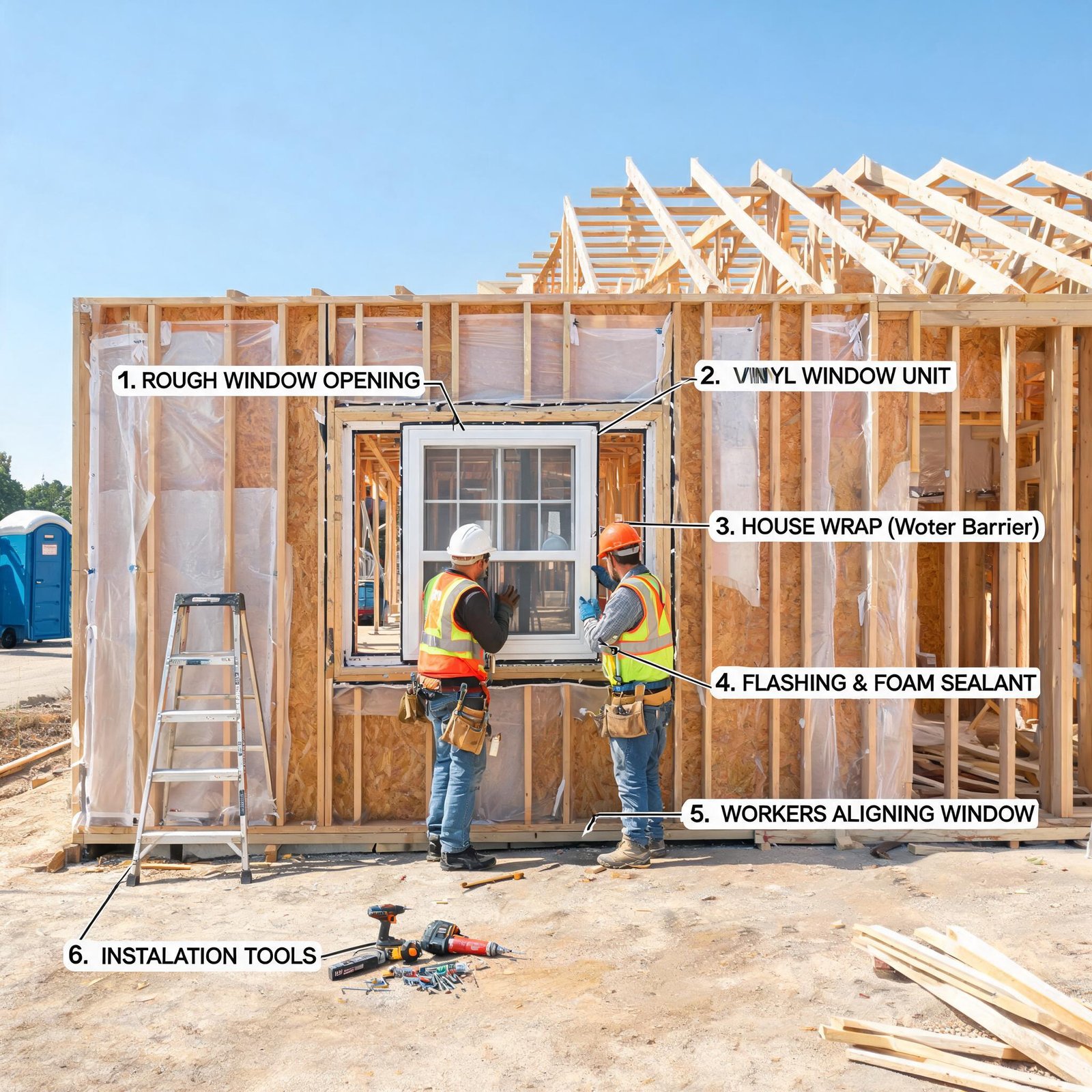
Even the best vinyl window won’t perform well if it’s installed poorly. Air leaks around the frame can negate the energy efficiency of the window itself. Water intrusion from improper flashing can lead to rot and mold in the surrounding wall structure.
Professional installation by experienced contractors is worth the investment. Look for installers who use proper flashing techniques, foam insulation around the frame, and shims to ensure the window is square and level. A good installation should include a warranty on both materials and labor.
If you’re considering a DIY installation, be honest about your skills. Window installation requires precision and knowledge of building science. Mistakes can be costly to fix.
The Bottom Line on Vinyl Windows
So, are vinyl windows good? For the vast majority of homeowners, the answer is yes. They offer excellent energy efficiency, low maintenance, good durability, and affordable pricing. They’re not perfect for every situation, but they’re the best all-around choice for most residential applications.
The key is to buy quality windows from reputable manufacturers and have them installed by experienced professionals. Cheap windows with thin frames and poor hardware will disappoint, regardless of the material. Invest in quality, and your vinyl windows will serve you well for decades.
If you’re still unsure whether vinyl windows are right for your home, consider your priorities. If you value affordability, energy efficiency, and low maintenance, vinyl is likely your best option. If you prioritize aesthetics above all else and have the budget for it, wood or fiberglass might be worth considering. But for most homeowners, vinyl delivers the best combination of performance and value.
Frequently Asked Questions
Are vinyl windows good for cold climates?
Yes, vinyl windows perform exceptionally well in cold climates. The insulating properties of the PVC material, combined with multi-chambered frames and Low-E glass, help keep heat inside your home. Look for windows with U-factors below 0.30 for optimal cold-weather performance.
Do vinyl windows fade in the sun?
Modern vinyl windows are formulated with UV stabilizers that prevent fading and discoloration. White and light-colored vinyl windows are particularly resistant to UV damage. Dark-colored vinyl may show some fading over time, especially in direct sunlight.
Can vinyl windows be painted?
Vinyl windows can be painted, but it’s not recommended. The paint may not adhere properly, and it can void the manufacturer’s warranty. If you want colored windows, it’s better to order them in the color you want from the factory.
Are vinyl windows recyclable?
Yes, vinyl windows are recyclable. The PVC material can be ground down and used to make new products, including new window frames. Many manufacturers now offer recycling programs for old windows.
How do I clean vinyl windows?
Clean vinyl windows with mild soap and water using a soft cloth or sponge. Avoid abrasive cleaners, scouring pads, or pressure washers, which can damage the surface. For stubborn stains, a mixture of vinegar and water works well.
What is the average cost of vinyl window replacement?
The average cost for vinyl window replacement ranges from $300 to $800 per window installed, depending on size, style, and features. Full-house replacements typically cost between $3,000 and $10,000 for an average home.
Do vinyl windows expand and contract with temperature changes?
Yes, vinyl expands and contracts with temperature changes, but quality windows are designed to accommodate this movement. Proper installation includes leaving a small gap around the frame and using flexible sealants that move with the window.
Can vinyl windows be repaired if damaged?
Minor damage like scratches or dents can often be repaired with vinyl repair kits. Cracked frames may need replacement. Glass units can be replaced individually if the seals fail, without replacing the entire window.