The Ultimate Guide to Choosing Replacement Windows: What Every Homeowner Must Know Before Buying
If you’re a homeowner standing in front of a drafty, fogged-up window wondering whether it’s time for a replacement, you’re not alone. The window industry is filled with technical jargon, conflicting advice, and high-pressure sales tactics that can leave even the most diligent researcher feeling overwhelmed. This guide is designed to cut through the noise. We’ll walk through every critical question you need to ask, every specification you need to understand, and every material choice you’ll face when you decide how to choose replacement windows that truly fit your home, climate, and budget.
**Why This Decision Matters More Than You Think**
Windows are not just holes in your wall that let in light. They are complex building systems that impact your home’s energy efficiency, structural integrity, curb appeal, and resale value. A poorly chosen window can cost you hundreds of dollars annually in wasted energy, while the right window can pay for itself over time through reduced utility bills and increased comfort. The average homeowner replaces windows only once or twice in a lifetime, so getting this decision right the first time is essential.
**The Seven Questions You Must Ask (And Three You Probably Haven’t Considered)**
**Question 1: New Construction or Replacement Windows?**
This is where every window project begins. New construction windows have a nailing fin or flange that attaches directly to the rough opening of the wall framing. They are designed for new homes, additions, or complete tear-outs where you have access to the bare studs. Replacement windows, also called pocket windows, are designed to fit inside your existing window frame without disturbing the surrounding siding or interior trim.
For most homeowners replacing existing windows, replacement units are the practical choice. They install from inside your home, require less labor, and avoid the expense of repairing exterior siding and interior drywall. However, if your existing window frames are rotted, damaged, or out of square, you may need new construction windows to ensure a proper seal and structural integrity. A qualified contractor can assess your existing frames and advise you on which approach makes sense for your specific situation.
**Question 2: What Do All These Window Terms Actually Mean?**
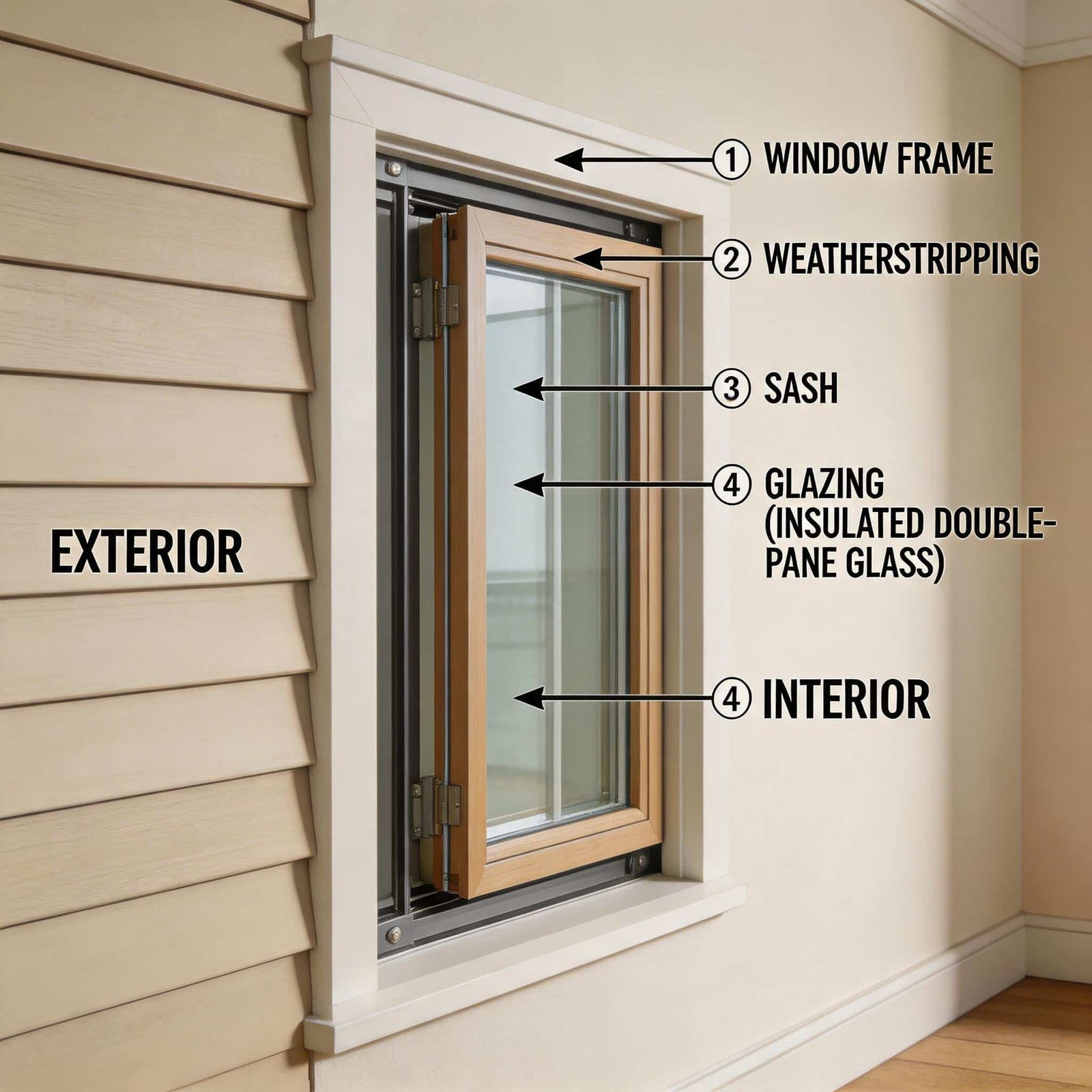
Window manufacturers love their industry terminology, but understanding a few key terms will transform you from a confused shopper into an informed buyer. The frame is the outer structure that holds everything together. The sash is the movable part of the window that holds the glass. The sill is the bottom horizontal surface, and the jamb is the vertical side piece. Glazing refers to the glass itself, and a glazing unit is the sealed assembly of multiple panes of glass with gas fills and coatings.
When you hear terms like “double glazing” or “triple glazing,” the manufacturer is referring to how many layers of glass are in each sash. Each additional layer improves insulation but adds weight and cost. Understanding these basics will help you compare products accurately and avoid being impressed by fancy marketing terms that describe standard features.
**Question 3: Which Window Style Fits Your Home Best?**
The style of window you choose affects everything from ventilation to cleaning to architectural aesthetics. Double-hung windows are the classic American choice, with two sashes that slide vertically. They offer excellent ventilation control and are easy to clean if the sashes tilt inward. Casement windows hinge on the side and crank outward, providing a tight seal when closed and excellent airflow when open. They are often preferred for energy efficiency because the compression seal is superior to sliding windows.
Awning windows hinge at the top and open outward, making them ideal for rainy climates because you can leave them open during light showers. Sliding windows move horizontally on tracks and are popular for wide openings where height is limited. Fixed windows or picture windows don’t open at all but offer the best energy efficiency and unobstructed views. Many homeowners mix styles within the same project, using casement windows for bedrooms where ventilation matters and picture windows for living rooms where views take priority.
When you learn how to shop for windows, one of the first decisions is matching style to function. For example, if you have a room that faces prevailing winds, casement windows may be preferable because they can actually funnel breezes into the room rather than blocking them.
**Question 4: What Glass Technology Actually Matters?**
This is where the science of windows gets interesting. Single-pane glass is essentially obsolete for new windows. Double-pane windows with low-E coating and argon gas fill are now the industry standard, and for good reason. Low-E coating is a microscopically thin metallic layer applied to the glass that reflects infrared heat back into your home during winter and reflects solar heat away during summer. It also blocks harmful UV rays that fade furniture and flooring.
Argon gas is an inert, non-toxic gas that is heavier than air. It is injected between the panes of glass to reduce heat transfer through convection. Krypton gas is even more effective but significantly more expensive, typically used in triple-pane windows where the space between panes is narrower. Warm-edge spacers, which separate the panes of glass at the edges, reduce heat loss around the perimeter of the window and prevent condensation.
For homeowners in extreme climates, triple-pane windows with two low-E coatings and krypton gas fill can achieve remarkable insulation values. However, the added cost may take decades to recoup through energy savings in moderate climates. A good rule of thumb is to invest in the best glass package your budget allows, because you cannot upgrade the glass later without replacing the entire window.
**Question 5: How Do You Read Energy Performance Ratings?**
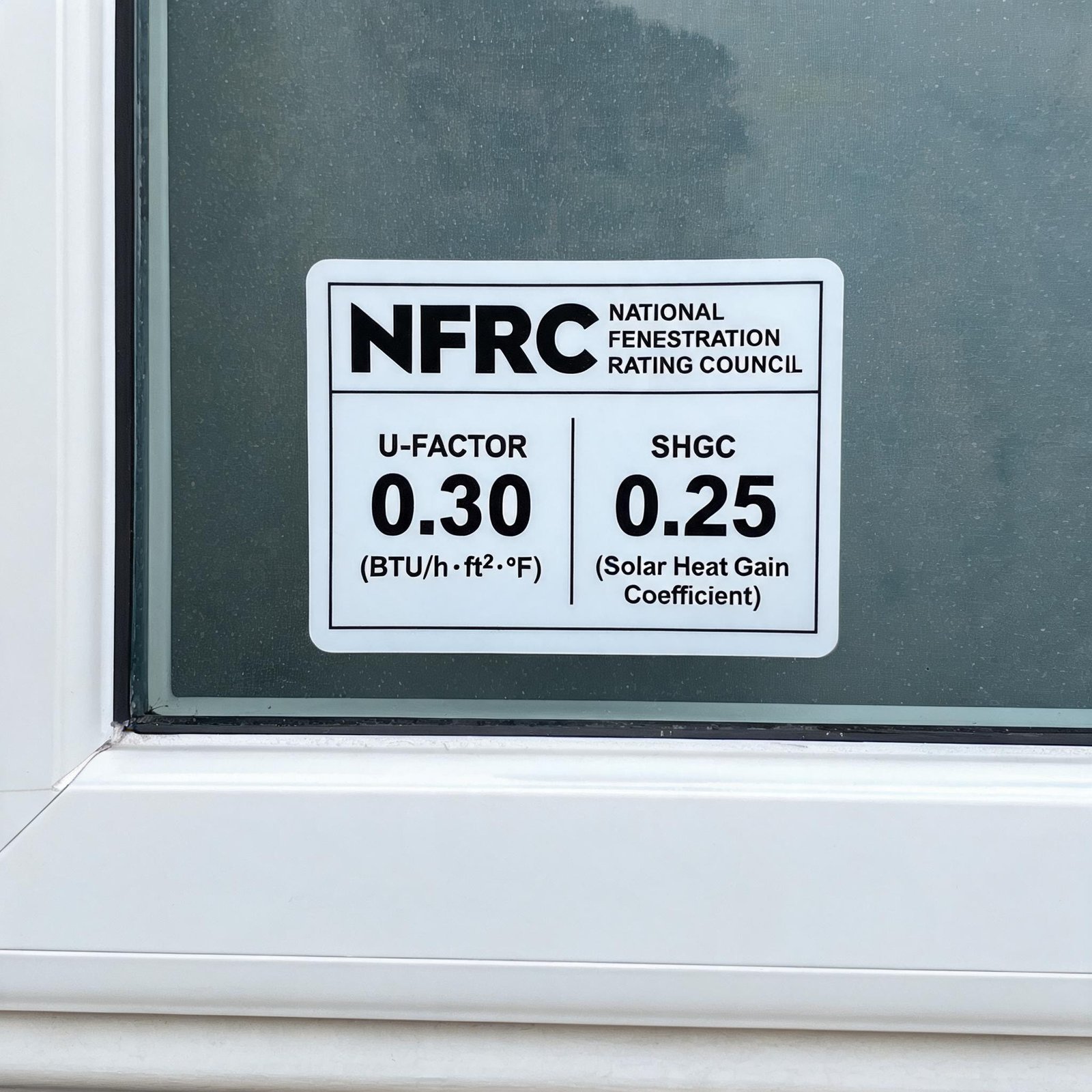
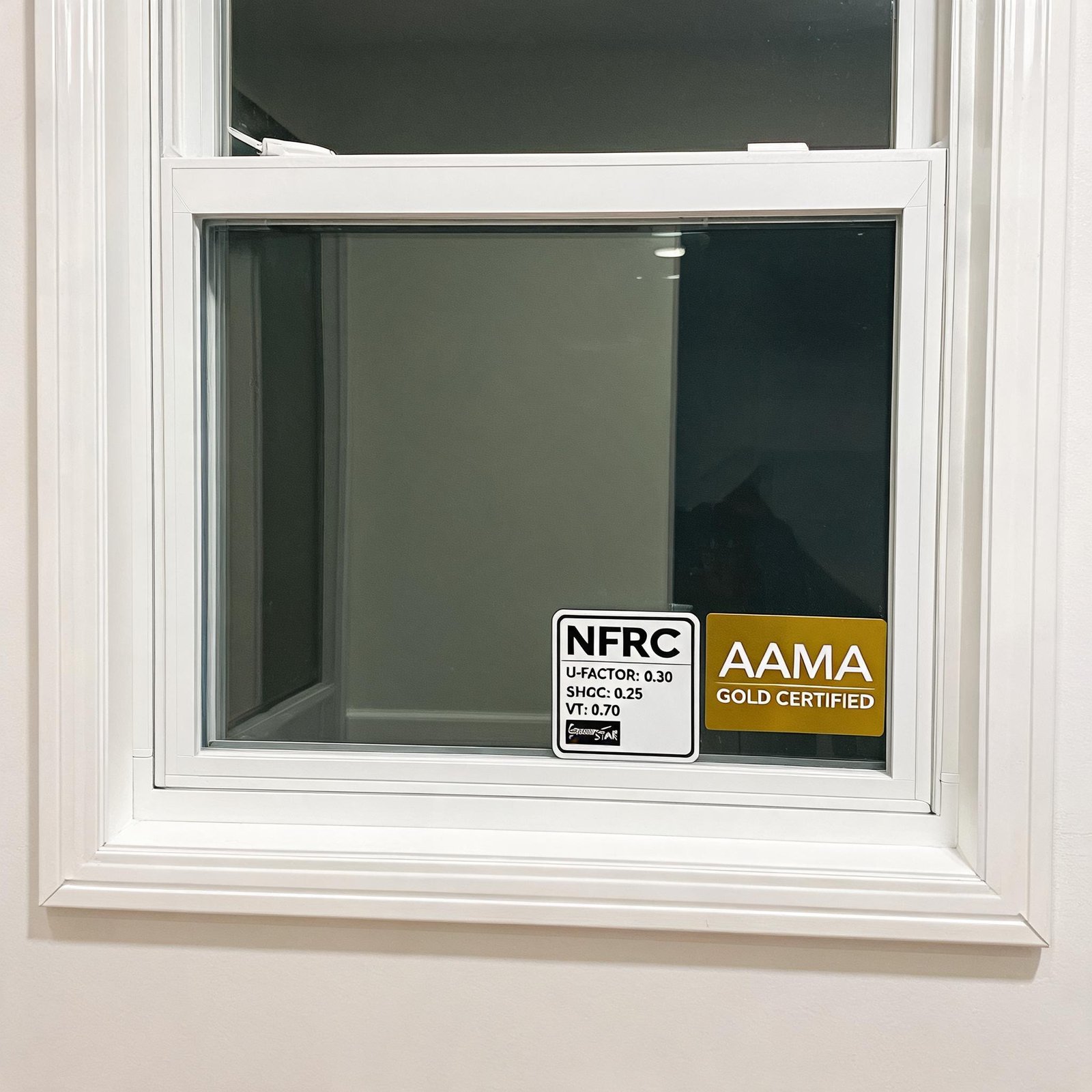
The National Fenestration Rating Council provides standardized labels that allow you to compare windows from different manufacturers. Two numbers matter most. The U-factor measures how well the window prevents heat from escaping. Lower numbers mean better insulation. A U-factor of 0.30 or below is excellent for most climates. The Solar Heat Gain Coefficient measures how much solar radiation passes through the window. Lower numbers mean less solar heat enters your home, which is desirable in hot climates. Higher numbers are beneficial in cold climates where you want passive solar heating.
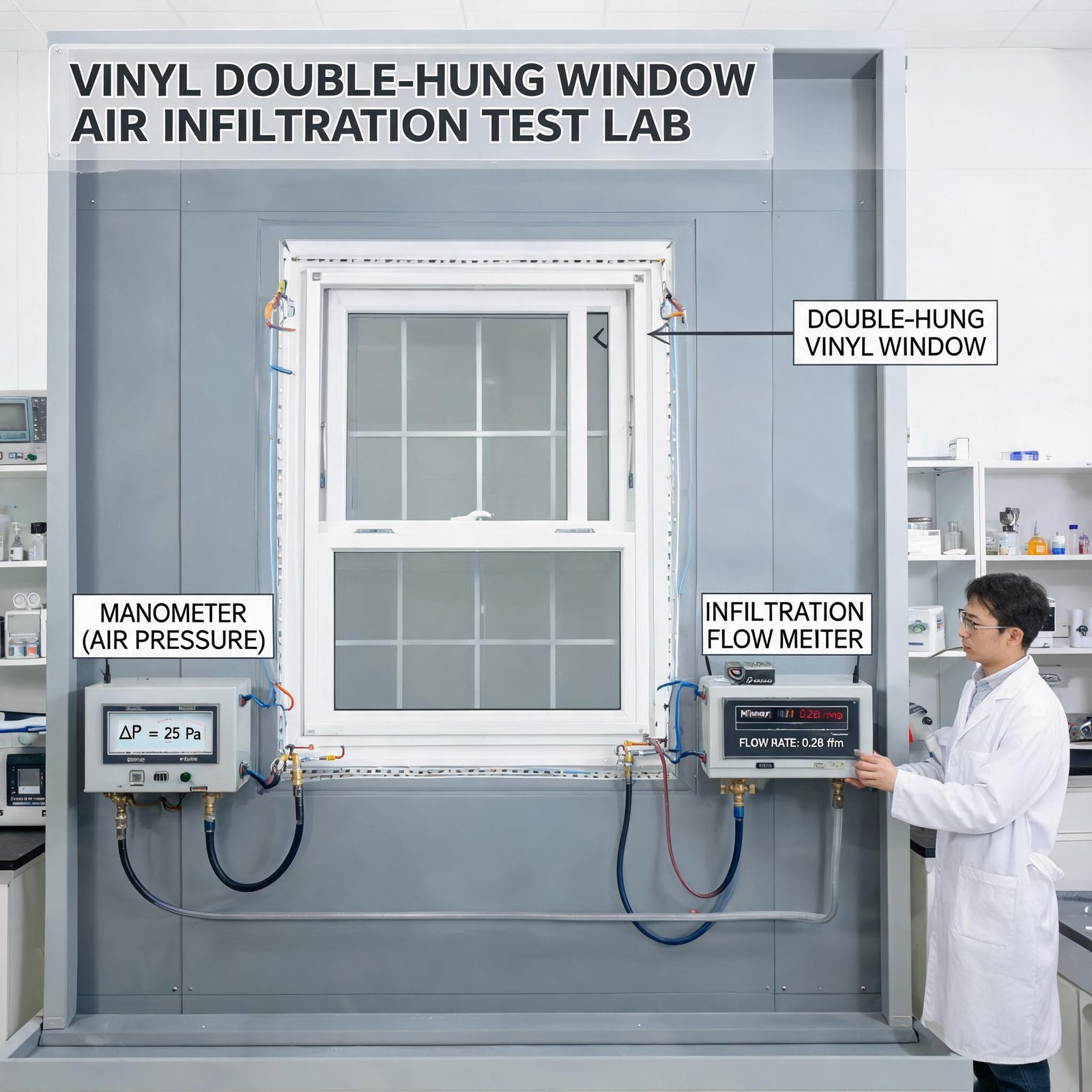
Visible transmittance measures how much natural light passes through, and air leakage measures how much air infiltrates around the window components. Look for an air leakage rating of 0.30 or less. These numbers are not marketing claims but verified laboratory measurements. Any reputable manufacturer will provide NFRC ratings for their products. If a salesperson cannot or will not provide them, consider that a red flag.
**Question 6: What Window Frame Material Should You Choose?**
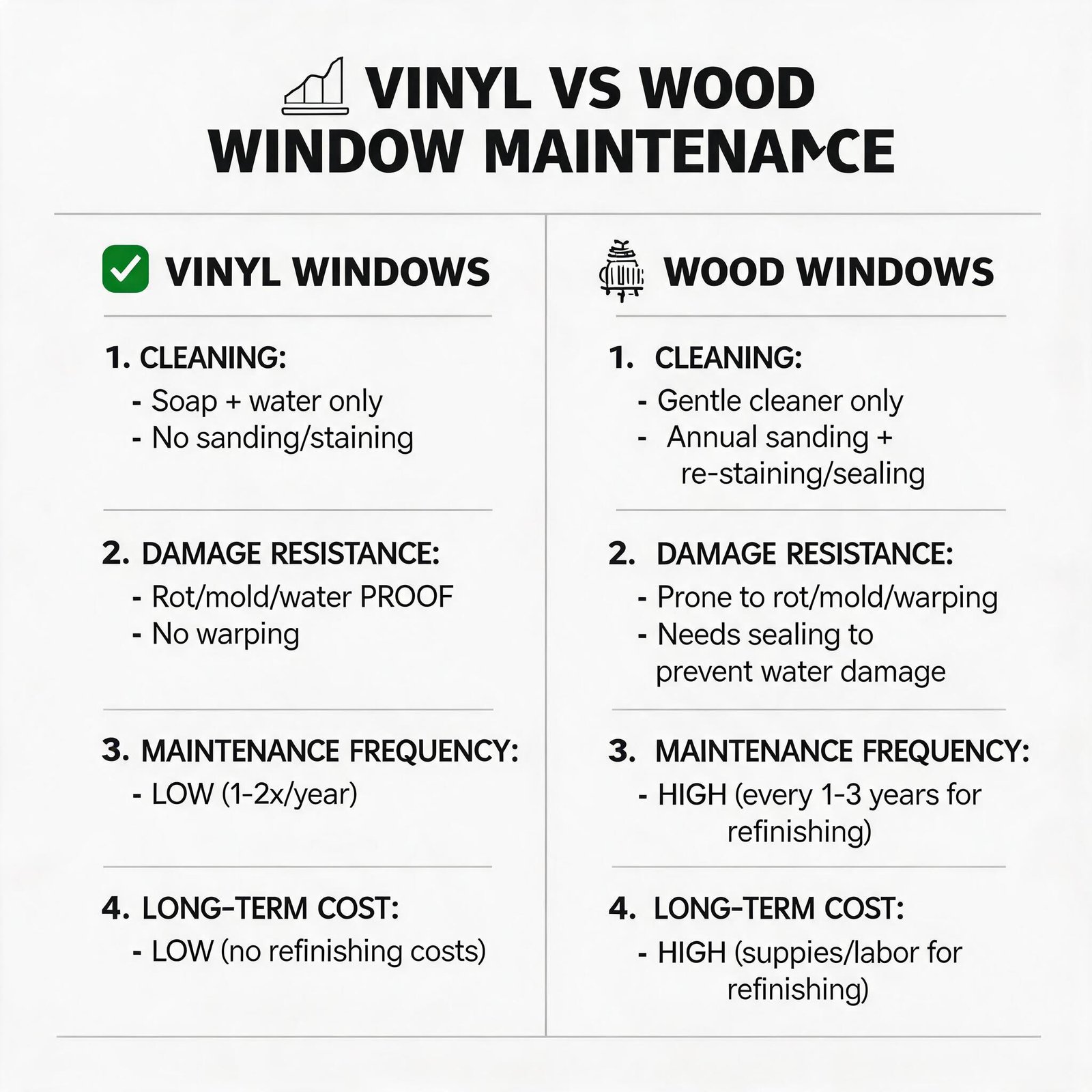
This decision will affect your windows’ appearance, maintenance requirements, durability, and cost for decades. Vinyl windows are the most popular choice for their affordability and low maintenance. They do not require painting, resist moisture, and offer good insulation. However, vinyl expands and contracts significantly with temperature changes, which can compromise seals over time. Vinyl also has limited color options and can look cheap in higher-end homes.
Wood windows offer timeless beauty and excellent insulation. They can be painted or stained to match any interior decor. However, wood requires regular maintenance including painting or staining every few years. Wood is also susceptible to rot and insect damage if not properly maintained. For homeowners who love the look of wood but want less maintenance, wood-clad windows feature a wood interior with an aluminum or fiberglass exterior that resists the elements.
Fiberglass windows have gained popularity for their exceptional strength and dimensional stability. Fiberglass does not expand and contract like vinyl, so seals remain tight through temperature extremes. It can be painted and accepts paint better than vinyl. Fiberglass is stronger than vinyl and can support larger panes of glass. The main drawback is cost, which is typically higher than vinyl but comparable to wood.
Aluminum windows are strong and lightweight but conduct heat and cold readily, making them less energy-efficient unless they include thermal breaks. They are most common in commercial buildings and warmer climates where insulation is less critical.
If you are considering how to trim exterior windows with pvc, you should know that PVC trim boards work well with vinyl and fiberglass windows because they share similar expansion characteristics. Wood windows may require different trim materials to allow for natural movement.
**Question 7: How Much Should You Expect to Pay?**
Cost is the question every homeowner wants answered but rarely gets a straight answer about. National averages for replacement windows range from $500 to $1,500 per window installed, with the wide range reflecting differences in material, glass package, window style, and installation complexity. Vinyl windows typically cost $400 to $800 installed. Fiberglass windows range from $600 to $1,200 installed. Wood windows can cost $800 to $1,500 or more installed.
Installation costs typically account for 30 to 40 percent of the total project cost. A poor installation can ruin even the best window, so choosing an experienced, insured installer is as important as choosing the window itself. Get at least three written quotes, and make sure each quote specifies the exact window model, glass package, warranty terms, and installation details.
**The Three Questions Most Homeowners Forget to Ask**
**What Happens During Installation?**
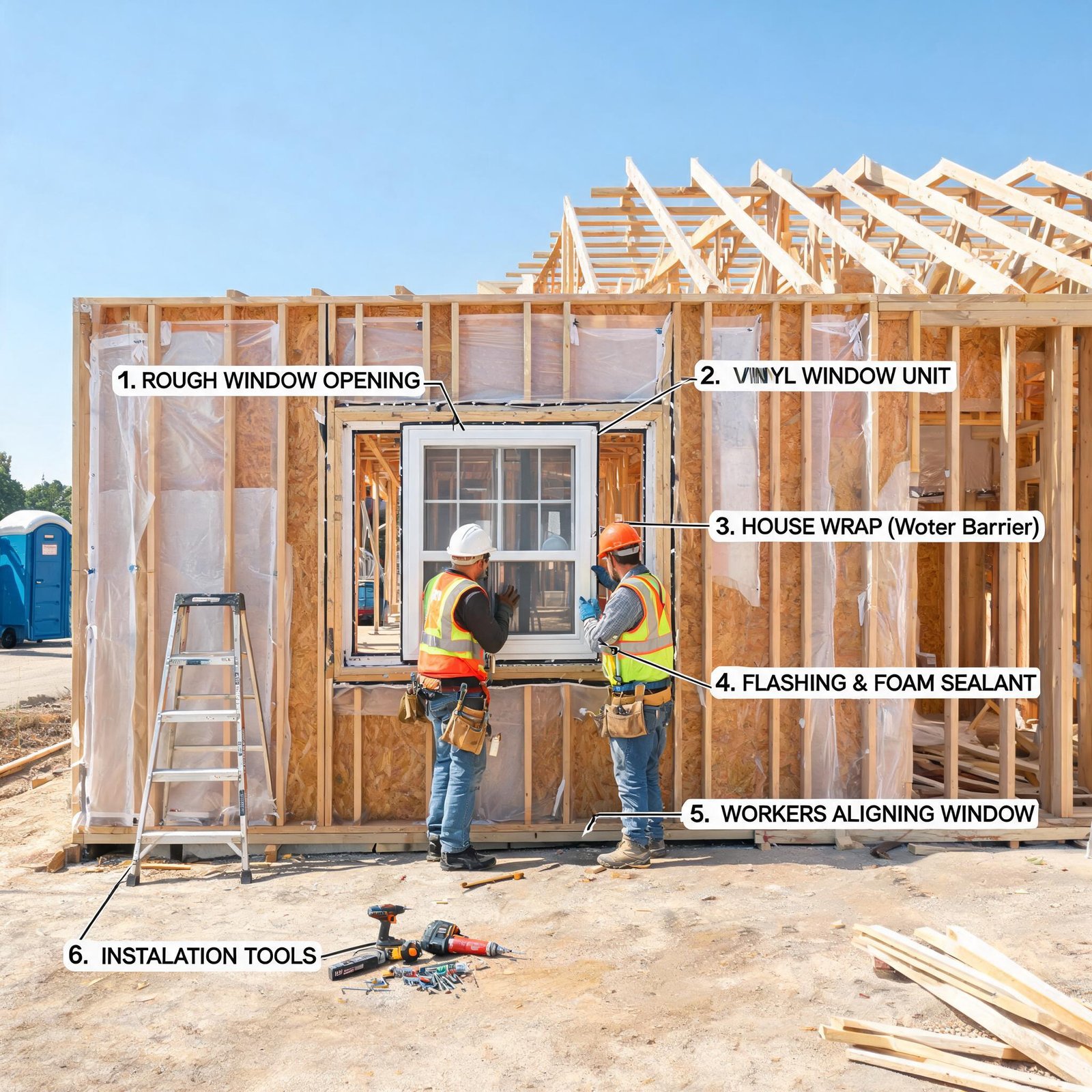
Understanding the installation process helps you prepare your home and set realistic expectations. For replacement windows, the installer removes the old sashes and hardware while leaving the existing frame in place. The new window slides into the frame, is leveled and shimmed, and then secured. The gaps are filled with insulation, and interior and exterior trim are reinstalled or replaced. The entire process typically takes 30 to 60 minutes per window for experienced installers.
Ask your contractor whether they will replace the exterior trim, how they handle lead paint if your home was built before 1978, and what they do if they discover rot or damage during installation. A reputable contractor will have clear procedures for these situations rather than making decisions on the fly.
**What Is the Real Return on Investment?**
Replacement windows rarely deliver the energy savings that some salespeople claim. While you can expect to save 10 to 30 percent on heating and cooling costs, the payback period typically ranges from 10 to 25 years depending on your climate, existing windows, and energy costs. However, the return on investment goes beyond energy savings. New windows eliminate drafts, reduce outside noise, improve home security, and enhance curb appeal. According to real estate data, window replacement recovers approximately 70 to 80 percent of its cost in increased home value at resale.
**What Warranty Protection Do You Actually Have?**
Window warranties are not all created equal. Most manufacturers offer a limited lifetime warranty on the glass and frame, but the coverage details vary significantly. Some warranties cover only the glass, while others include hardware, screens, and seals. Some are prorated, meaning you pay more as the window ages. Others are fully transferable to a new homeowner, which adds value if you sell your home.
Equally important is the labor warranty from your installer. A manufacturer may replace a defective window, but you will pay for the labor to remove and reinstall it unless your installer provides a labor warranty. Ask for both warranties in writing and understand what voids them, such as improper cleaning methods or using harsh chemicals.
**Making Your Final Decision**
When you are ready to move forward, take the time to visit a showroom and see the windows in person. Open and close them. Feel the weight and quality of the hardware. Look at the seals and weatherstripping. Compare the clarity of the glass and the finish of the frame. A showroom visit reveals quality differences that no brochure or website can convey.
Ask for references from recent customers who had similar projects. Call those references and ask about the installation experience, how the windows perform in extreme weather, and whether any issues arose after installation. A company that stands behind its work will gladly provide references.
Finally, trust your instincts. If a salesperson pressures you to sign today, offers a discount that expires in 24 hours, or discourages you from getting other quotes, walk away. Reputable window companies let their products and service speak for themselves.
**Frequently Asked Questions**
**How long do replacement windows typically last?**
Vinyl windows generally last 20 to 40 years depending on quality and climate exposure. Fiberglass windows can last 30 to 50 years. Wood windows can last 30 to 60 years with proper maintenance. The glass itself can last indefinitely, but the seals that prevent fogging typically last 15 to 25 years.
**Can I replace windows one at a time?**
Yes, but it is usually more cost-effective to replace all windows at once because installation costs per window decrease with volume. If budget is a concern, prioritize windows that face the sun, are drafty, or show signs of seal failure first.
**Do I need a permit to replace windows?**
Most municipalities require permits for window replacement, especially if you are changing the size or type of window. Your contractor should handle permit applications. Replacing windows without permits can create issues when you sell your home.
**How do I know if my windows need replacement or just repair?**
If the glass is fogged between panes, the seals have failed and the window needs replacement. If the window is drafty but the glass is clear, weatherstripping replacement may solve the problem. If the frame is rotted or the window will not open or close properly, replacement is usually the best option.
**What is the best time of year to buy windows?**
Late winter and early spring are typically slower seasons for window companies, and many offer discounts during this period. However, installation may need to wait until weather permits. Fall is also a good time because manufacturers often offer promotions before the heating season begins.
**Can I install windows myself to save money?**
While DIY installation is possible for experienced homeowners, window installation requires precise measurements, proper flashing, and knowledge of building codes. Mistakes can lead to water damage, air leaks, and voided warranties. Professional installation is strongly recommended for most homeowners.