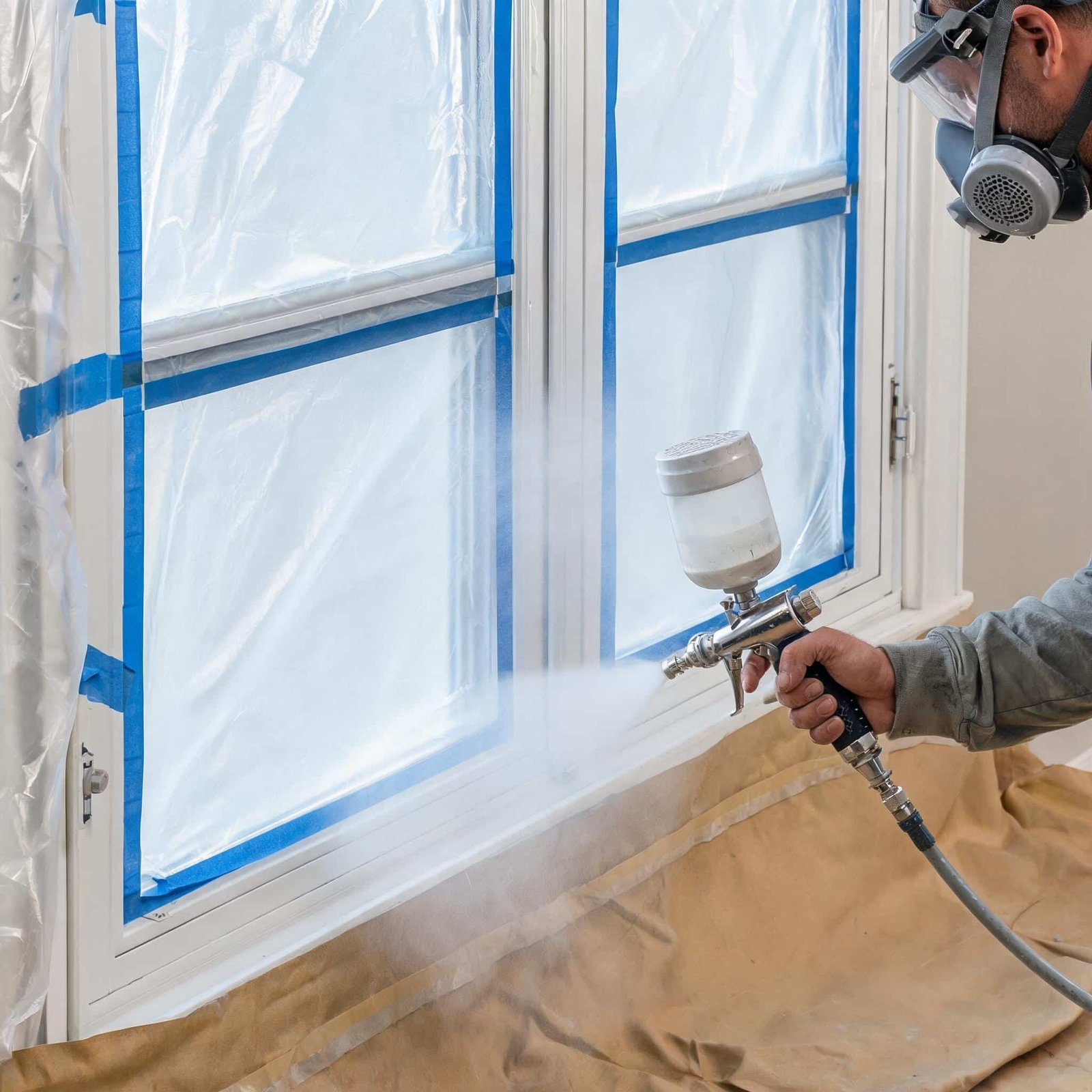
When you’re planning a sauna build — whether it’s a compact backyard retreat or a full-scale custom installation — every material choice affects not just the look but the safety and longevity of your hot room. One of the most common questions I hear from DIYers and professional builders alike sounds simple but carries huge consequences: “What kind of glass should I use for my sauna windows?” And closely related, and just as urgent, can you use vinyl windows in a sauna? The quick answer is no, but the full story goes much deeper than a yes or no.
As a manufacturer that’s spent years engineering high‑performance glazing for extreme environments, I’ve seen what works, what fails spectacularly, and where the real knowledge gaps are. This guide brings together everything you need — glass specifications, installation steps, framing tips, cost expectations, code considerations, and a clear explanation of why vinyl and other common materials have no place inside a sauna hot room. Consider this your one‑stop resource, designed to be more detailed and more practical than any other article on the subject.
Why Your Sauna Window Choice Is More Critical Than You Think
Sauna windows aren’t just decorative. They’re pressure points for heat, moisture, thermal expansion, and safety. A sauna hot room routinely reaches 175°F to 200°F (80°C to 95°C) with sudden spikes when water hits the rocks. Humidity can jump from dry to nearly 100% relative humidity almost instantly, then drop back down. Add the deep temperature differences between inside and outside in winter, and you have a recipe for glass to crack, seals to fail, and frames to warp.
Get this wrong and you might face:
- Shattered glass from thermal shock
- Permanent fogging between panes
- Wood rot or mould from condensation inside the wall cavity
- Dangerous situations if non‑tempered glass breaks near bathers
Getting it right, on the other hand, means clear views, rock‑solid performance for decades, and a detail that elevates the whole sauna experience.
The Gold Standard: Insulated Tempered Glass (1/4 inch)
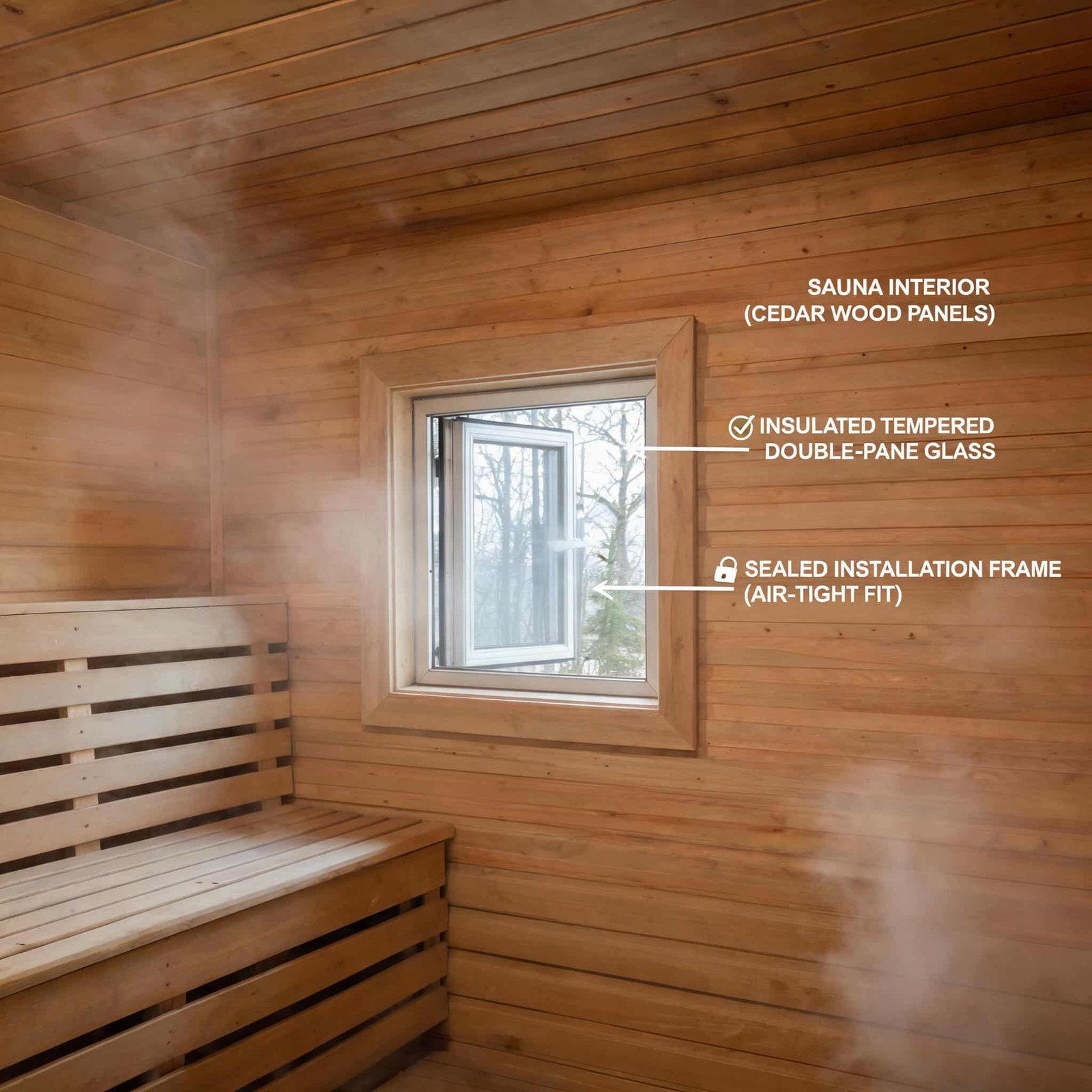
For 99% of residential sauna windows, the unequivocal recommendation is 1/4‑inch (6mm) insulated tempered glass. Let’s unpack exactly what that means and why.
Tempered Glass: Safety First
Tempered glass is heat‑treated to be four to five times stronger than ordinary annealed glass. When it does break — which is extremely rare in a properly installed sauna — it crumbles into small, pebble‑like pieces instead of sharp shards. Building codes around the world require tempered glass in any door, window near the floor, or location where human impact is possible. A sauna, where people sit, move, and often lean, is absolutely such a location.
Insulated (Double‑Pane) Construction: The Thermal Break
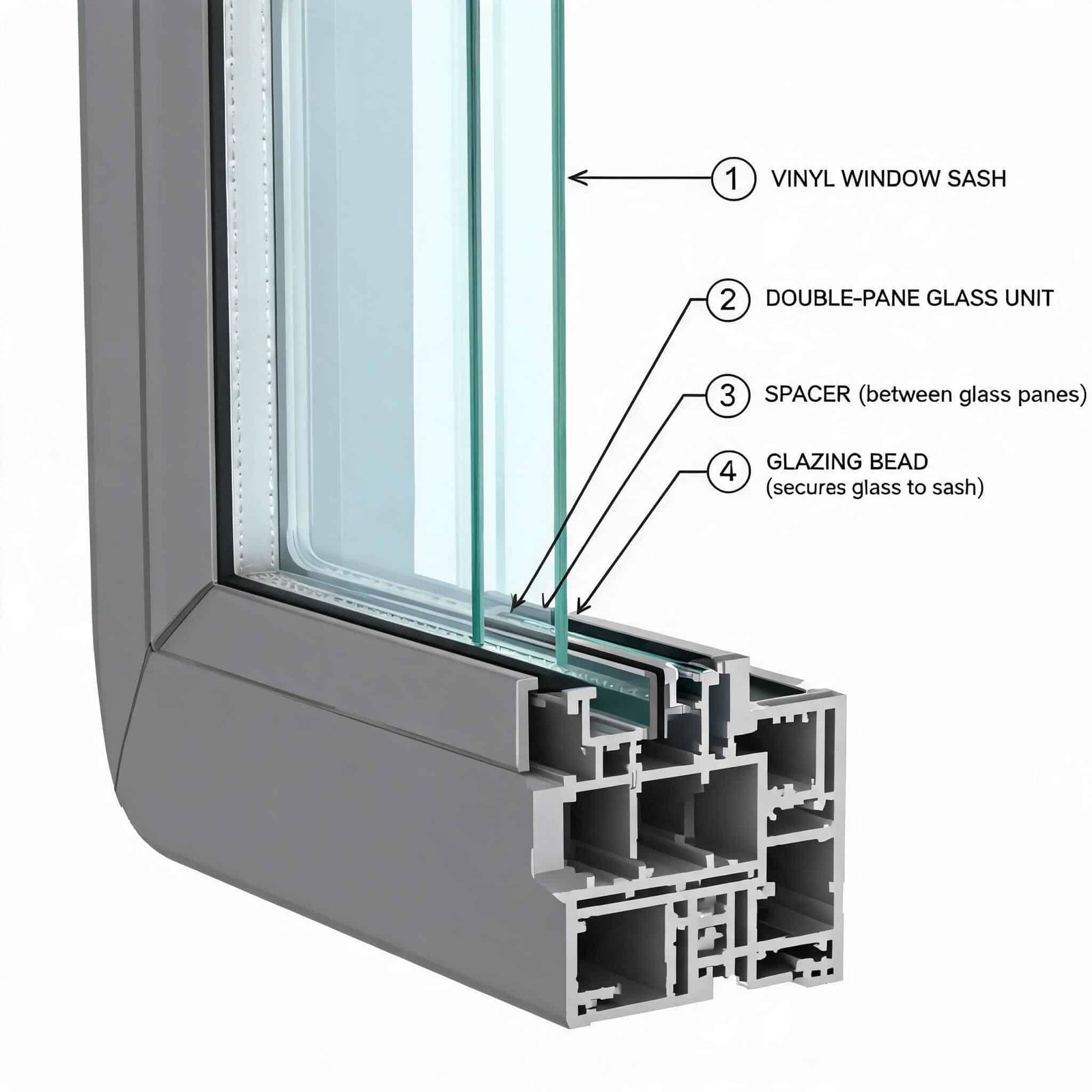
A single pane of glass in a sauna window will sweat. Hot, moisture‑laden air inside hits the cool glass surface and immediately forms condensation that runs down the wall, eventually damaging framing and insulation. An insulated glass unit — two panes separated by a sealed air space — creates a thermal barrier. The inner pane stays warmer, virtually eliminating interior condensation while the outer pane handles the external cold.
In sauna applications, you want a spacer between the panes that can cope with high heat and humidity. Standard aluminium spacers can eventually degrade. Insist on a stainless‑steel or non‑metallic “warm‑edge” spacer system, which drastically reduces seal failure and condensation at the edge of the glass.
Why Not Argon‑Filled or Low‑E Glass?
Many energy‑efficient residential windows fill the space between panes with argon gas or use low‑E coatings to reflect heat. In a sauna, these aren’t necessary and can even introduce problems. Argon will not leak or explode, but the extremely high temperatures can accelerate spacer deterioration. Low‑E coatings on the inner surface have been known to delaminate over time under sauna conditions. Plain, clear insulated tempered glass with a properly sealed air space is the trouble‑free, time‑tested choice.
Materials You Should Never Use Inside a Sauna
The internet is full of dangerous shortcuts. Let’s clarify which materials simply don’t belong inside a hot room.
Can You Use Vinyl Windows in a Sauna?
Vinyl (PVC) window frames and sashes will start to soften and deform at around 140°F (60°C). A sauna regularly exceeds that by 40°F or more. Continued exposure makes the vinyl warp, lose its structural integrity, and off‑gas unpleasant odours. Even if the glass unit inside a vinyl window is theoretically suitable, the frame itself becomes a safety and performance failure waiting to happen. For a sauna hot room, the answer is unambiguous: avoid vinyl windows completely.
That said, when you’re working on the rest of your house, high‑performance vinyl can be an excellent investment. If you’re replacing standard windows in living areas or need a durable, energy‑efficient option away from extreme heat, explore high‑quality UPVC window profiles with advanced weather sealing. These are engineered to hold up beautifully in everyday residential settings, just not inside a 190°F sauna.
Plexiglass, Acrylic, and Polycarbonate
All plastics have a maximum service temperature. Even “high‑heat” polycarbonate can begin to soften and discolour around 180°F–200°F. More importantly, these materials expand and contract dramatically, breaking caulk seals and distorting over time. They scratch easily, will cloud, and lack the crystal‑clear rigidity of glass. Never substitute plastic for glass in a sauna.
Single‑Pane Non‑Tempered Glass
Regular window glass (annealed glass) in a single layer is a triple threat: it’s not impact‑safe, it breaks under thermal stress, and it condenses so much moisture that you’re virtually guaranteeing mould inside the wall cavity. Tempering is non‑negotiable; double‑paning is borderline mandatory for anything larger than a tiny candle window.
How to Frame and Install Sauna Window Glass: A Step‑by‑Step Approach
Even the best glass performs poorly if it’s installed incorrectly. The goal is to allow for thermal movement while keeping moisture out of the wall system.
- Plan the window size and location. Transom windows above the door, small candle windows near the bench, and door‑lites are all popular. Keep the window well away from the heater unless you’re using a heat shield.
- Frame the rough opening with sauna‑grade material. Use clear, kiln‑dried cedar or another rot‑resistant softwood. Do not use treated lumber or any wood that off‑gasses.
- Order your insulated tempered glass unit. Contact a local glass shop, not a big‑box store. Give them the exact measurements of your rough opening. Specify: 1/4″ overall insulated tempered unit, clear, with a stainless‑steel or warm‑edge spacer. Have them cut the glass unit 1/8″ to 1/4″ smaller in both width and height than the framed opening — this gap is essential for expansion and to prevent binding.
- Install wood stops or a cedar jamb. The glass should sit on dense rubber setting blocks at the bottom edge and be held in place with cedar trim stops on all four sides. Never let glass touch the framing directly; use small neoprene or high‑temp silicone pads to cushion.
- Seal with high‑temperature neutral‑cure silicone. Apply a continuous bead between the glass and the wood stop on the exterior side, and a less aggressive bead on the interior to allow for drainage. Avoid acidic‑cure silicone, which can corrode metal spacers.
- Test for condensation in the first few cycles. A properly installed double‑pane unit should show no moisture between panes. If you see fogging that doesn’t clear, the seal has failed — and the unit must be replaced.
Sizing Guidelines: When Single Pane Is Acceptable (and When It Isn’t)
Very small windows, like a 12″ × 12″ candle window placed high and away from direct water spray, can sometimes get away with a single pane of tempered glass if the sauna is well insulated and used intermittently. But be realistic: condensation will still form on cold days. As a rule of thumb, any window larger than about 20″ × 30″ should absolutely be insulated. If you ever plan to use the sauna in freezing temperatures, go double‑pane regardless of size.
For large panoramic windows that make up an entire wall, you may need to step up to commercial‑grade glass with additional structural support. In those cases, consult an experienced fenestration supplier; the principles remain the same but the engineering becomes more involved.
Cost and Budgeting for Sauna Windows
Custom‑cut insulated tempered glass units are surprisingly affordable. In the United States, a typical 20″ × 42″ double‑pane unit ordered from a local glass shop will run between $100 and $180, depending on your region. Smaller sizes can drop to $60–$90. When you compare that to the cost of rotten framing, failed caulking, and a full window replacement down the line, it’s the least expensive part of the build to get right.
For the remainder of the building, where standard windows need to be replaced, many homeowners balance cost and performance with modern alternatives. While your sauna demands specialised glazing, the rest of the house can benefit from versatile PVC window options for all climates that offer excellent thermal efficiency without the extreme‑temperature requirements.
Special Considerations for a Truly Definitive Sauna Window Setup
Heat Shields and Stove Clearance
If your window is close to the sauna heater, add a small metal heat shield between the glass and the stove. This prevents direct radiant heat from creating a dangerous temperature differential across the pane. A simple piece of polished stainless steel mounted 2–3 inches from the glass on standoffs works well.
Building Code and Safety Glazing Requirements
Most jurisdictions require tempered glass in any door panel, sidelight, or window within 18 inches of the floor. Since sauna doors almost always include a window, be certain your glass supplier provides a permanent “bug” or etching indicating tempered safety glass. This is not optional — it’s a code requirement, and inspectors will look for it.
Mobile Sauna Windows
Saunas on trailers or skids endure road vibration, twisting, and more extreme racking forces. Here, the 1/8″ gap around the glass unit becomes even more critical. Additionally, consider laminated glass (two layers of glass with a plastic interlayer) for the inner pane if you want extra breakage protection. Insulated laminated tempered units are heavier and more expensive but provide bullet‑proof‑like peace of mind.
Tinted and Reflective Glass
In outdoor saunas or south‑facing installations, tinted glass can reduce daytime glare without significantly affecting heat gain. High‑performance sputter‑coat low‑E on the outside surface (not the inner) can be used if you discuss the temperature exposure with your glass supplier. But for most builds, clear glass is the safest and most predictable choice.
Frequently Asked Questions
Can you use vinyl windows in a sauna?
No. Vinyl window frames cannot withstand sauna temperatures above 140°F and will warp, soften, and potentially off‑gas. While vinyl windows are perfectly fine for the rest of the house, they have no place inside a sauna hot room. Always specify wood‑framed window assemblies, preferably cedar, with proper insulated tempered glass.
What type of glass is best for a sauna door window?
1/4‑inch insulated tempered glass, exactly the same specification as a wall window. Because a door slams and undergoes vibration, ensure the framing captures the glass securely with high‑temperature silicone and that the unit has a robust stainless‑steel spacer.
Can I use an old double‑pane house window for my sauna?
It’s risky. Most residential double‑pane windows use aluminium spacers that aren’t designed for sauna heat and humidity cycles. They often already have moisture‑laden seals from years in service. You also need to verify the glass is tempered, which typically requires a visible label. Starting fresh with a new custom unit eliminates those risks entirely.
What size gap should I leave around the glass for expansion?
A minimum of 1/8 inch on all sides, up to 1/4 inch for larger windows. This space allows the wood framing and the glass to move independently without stress.