The sirens haven’t sounded yet, but your phone just lit up with a tornado watch for Louisville. The sky has that greenish-yellow cast every Kentuckian knows too well, and you’re watching WDRB Weather radar updates like a hawk. In moments like these, the difference between a secure home and a catastrophic breach often comes down to what’s standing between you and a 2×4 traveling at 100 miles per hour. As a GC who’s pulled families out of storm-damaged houses for 15 years, I can tell you this: standard residential windows are the single weakest link in your home’s envelope when a tornado watch turns into a warning.
The Physics of Flying Debris: Why Your Regular Windows Stand No Chance
Let’s talk about what actually happens when a tornado tears through a neighborhood. I’ve seen the aftermath in Moore, Oklahoma, and in Nashville, Tennessee. The debris isn’t just a few leaves and pebbles. We’re talking about lumber from construction sites, roofing gravel, mailboxes, and entire sections of fencing that get launched into ballistic projectiles. A standard 3/32-inch annealed single-pane window or even a typical double-pane insulated glass unit will shatter on impact with a 2-pound object traveling at just 35 miles per hour.
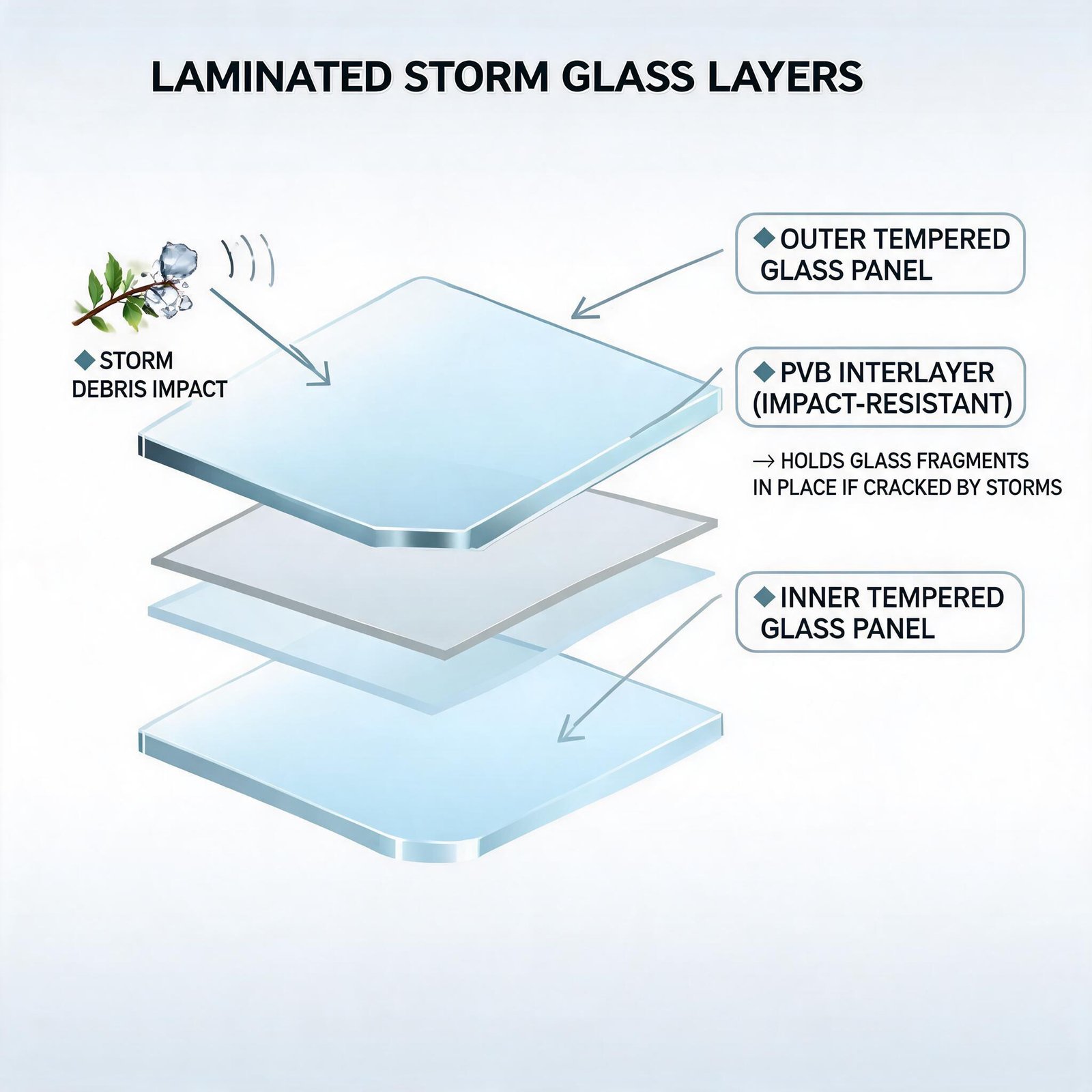
Here’s where the engineering gets interesting. During a tornado watch, the pressure differentials outside your home can reach extreme levels. When a standard window breaks, that differential instantly equalizes. The result? Your roof lifts, your walls flex, and the structural integrity of your entire home is compromised. Impact-resistant windows with laminated glass are designed to prevent exactly this chain reaction. The PVB (polyvinyl butyral) interlayer bonds the glass panes together, so even when the glass cracks, the interlayer holds the shards in place. This is the same technology used in automotive windshields, except we’re engineering it for wind loads up to 140 mph.
The Industry’s Dirty Secret: What Mass-Market Brands Won’t Tell You
I’ve been on too many job sites where a homeowner proudly showed me their “hurricane-rated” windows from a big-box brand, only to discover they had soft-coat Low-E coatings that degrade within five years. Here’s the reality check: many mass-market manufacturers slap a sticker on their windows that says “impact-rated” but they’re testing at the absolute minimum standards. I’ve seen frames that pop out of rough openings because the nail fin installation flange is 22-gauge steel that simply can’t handle the sheer load.
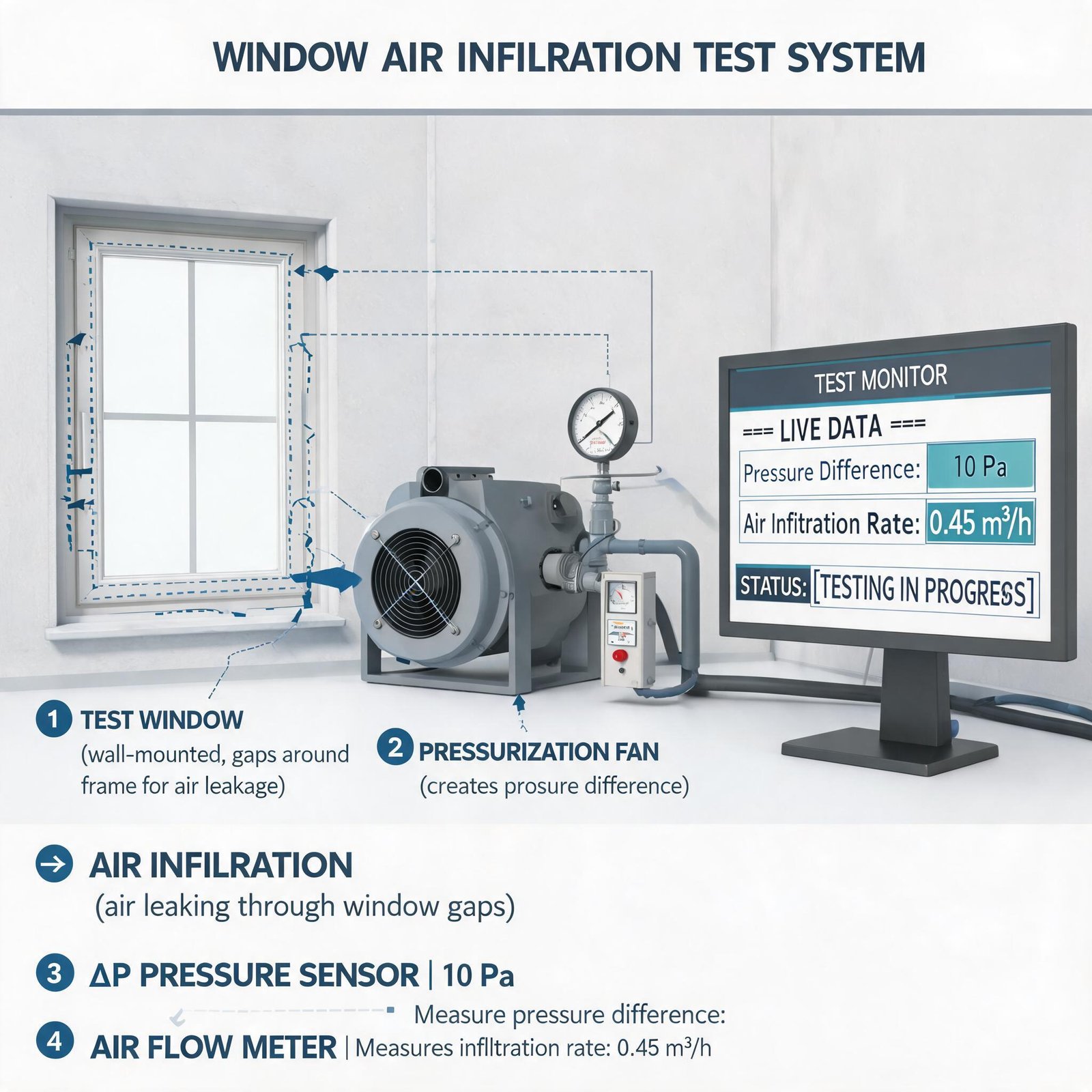
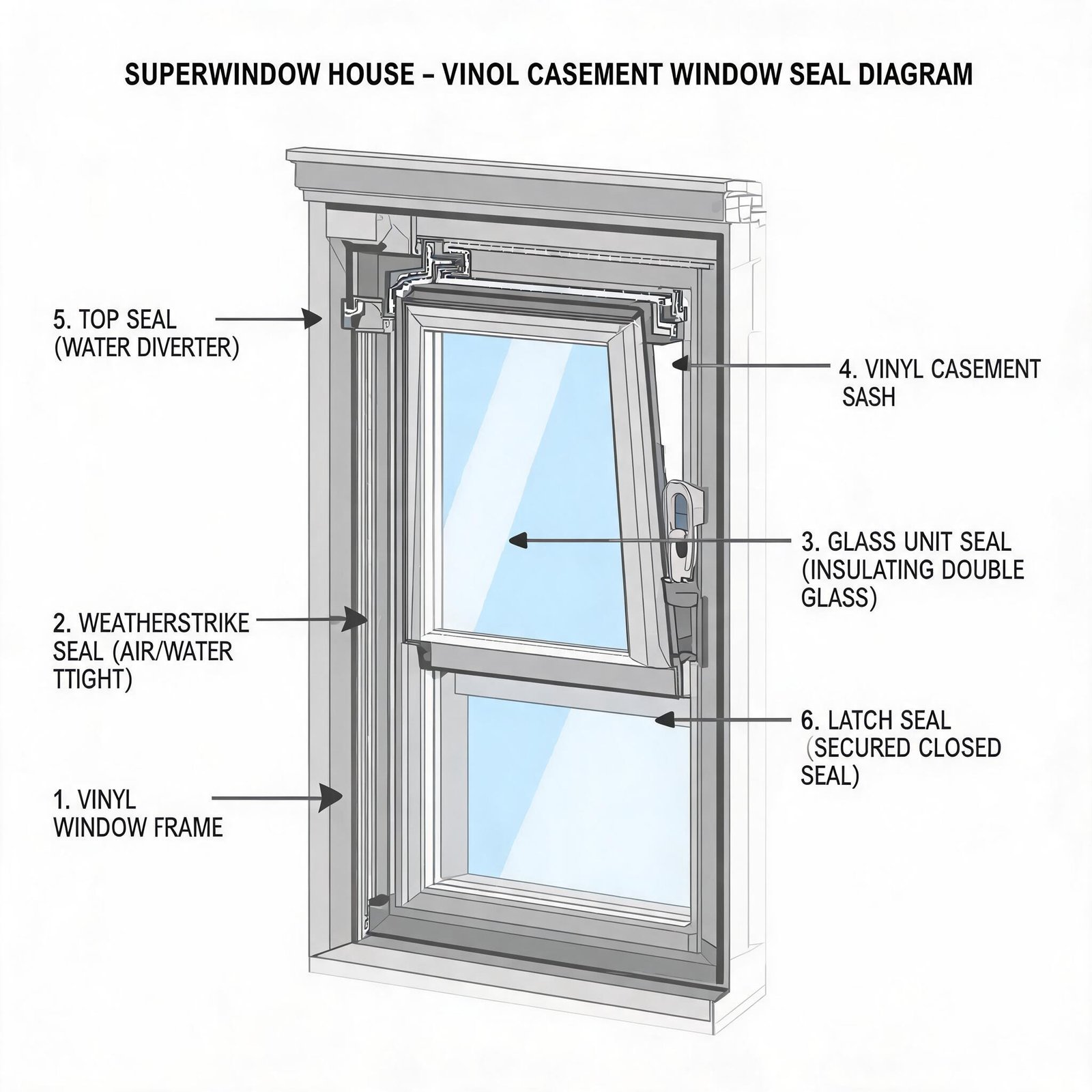
Another critical issue is air infiltration. Your impact-resistant window isn’t just about stopping a 2×4 from coming through—it’s about maintaining your home’s envelope pressure. When a tornado watch escalates to a warning, the rapid pressure changes can cause a building to implode if the windows fail to maintain their seal. Mass-market windows often have air infiltration rates of 0.3 cfm per square foot or higher at test pressures of just 1.57 psf. Our Superwindowhouse line is engineered for 0.01 cfm or less, and we test at pressures that simulate actual storm conditions.
Superwindowhouse’s Complete Storm Protection Solution
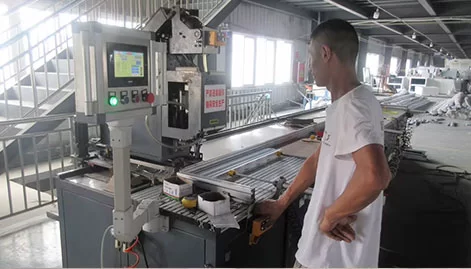
So what does a properly engineered impact-resistant window look like? At Superwindowhouse, we’ve spent years refining our storm window technology to address the failures of standard products. Our aluminum impact-resistant storm windows feature a thermally broken frame with a fused reinforced structural chamber. The aluminum profile itself is 1.8mm thick—significantly heavier than the 1.2mm industry standard. This means when a tree branch slams into your window, the frame flexes but doesn’t fracture.
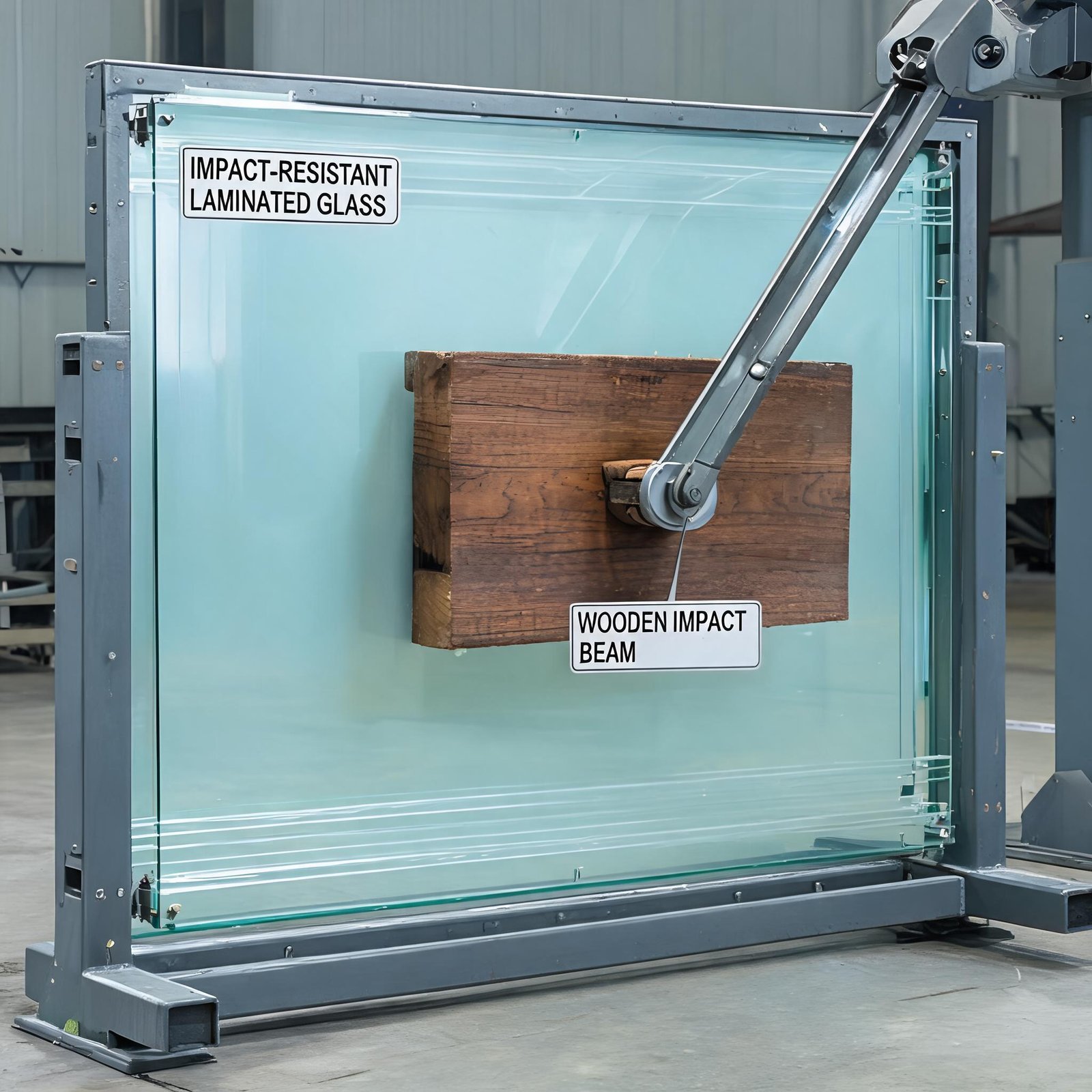
The laminated glass in our units uses a 0.090-inch PVB interlayer, which is thicker than the 0.030-inch standard found in basic impact windows. This material difference matters: a 0.090-inch interlayer can stretch and deform to absorb the kinetic energy of debris without tearing. I’ve seen tests where a 9-pound 2×4 fired at 50 feet per second leaves only a spiderweb crack on the glass while the interlayer holds perfectly.
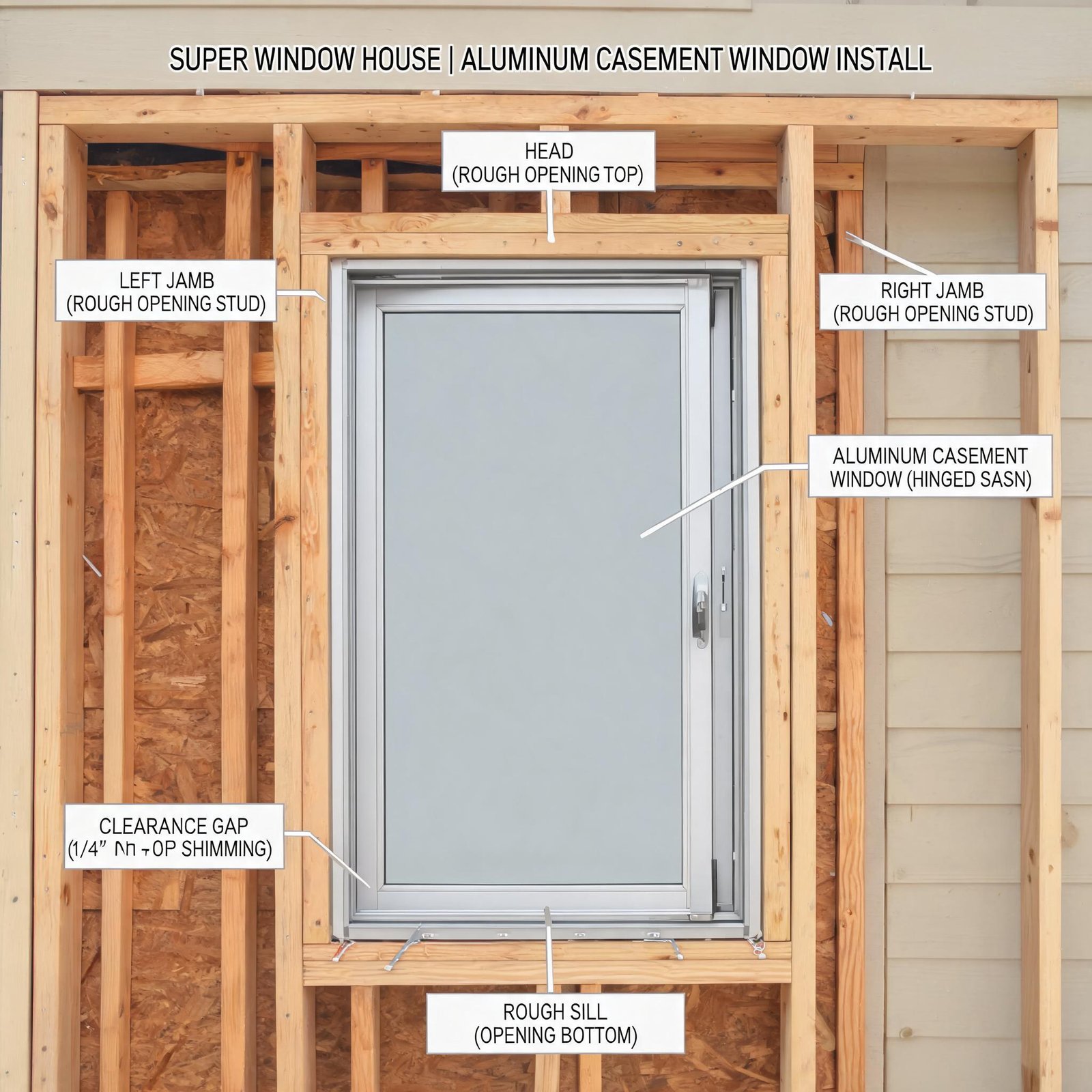
For homes in tornado-prone zones like Louisville, I always recommend pairing these windows with proper flashing details. Our windows come with an integrated nail fin design that includes a corrosion-resistant stainless steel drip cap and a pre-cut foam gasket around the perimeter. This isn’t just about water intrusion—it’s about preventing lateral load transfer directly into the frame joint.
B2B Project Guide: 4 Hard-Hitting Recommendations for Builders
- Verify the AAMA 506-22 Impact Rating – Don’t just take the manufacturer’s word for it. Look for the AAMA certification label on every window that enters your jobsite. The grade should show that the window has passed missile impact testing (a 9-pound 2×4 at 50 feet per second) and cyclic pressure testing (9,000 cycles of alternating positive and negative pressure). Superwindowhouse windows exceed these requirements with margin.
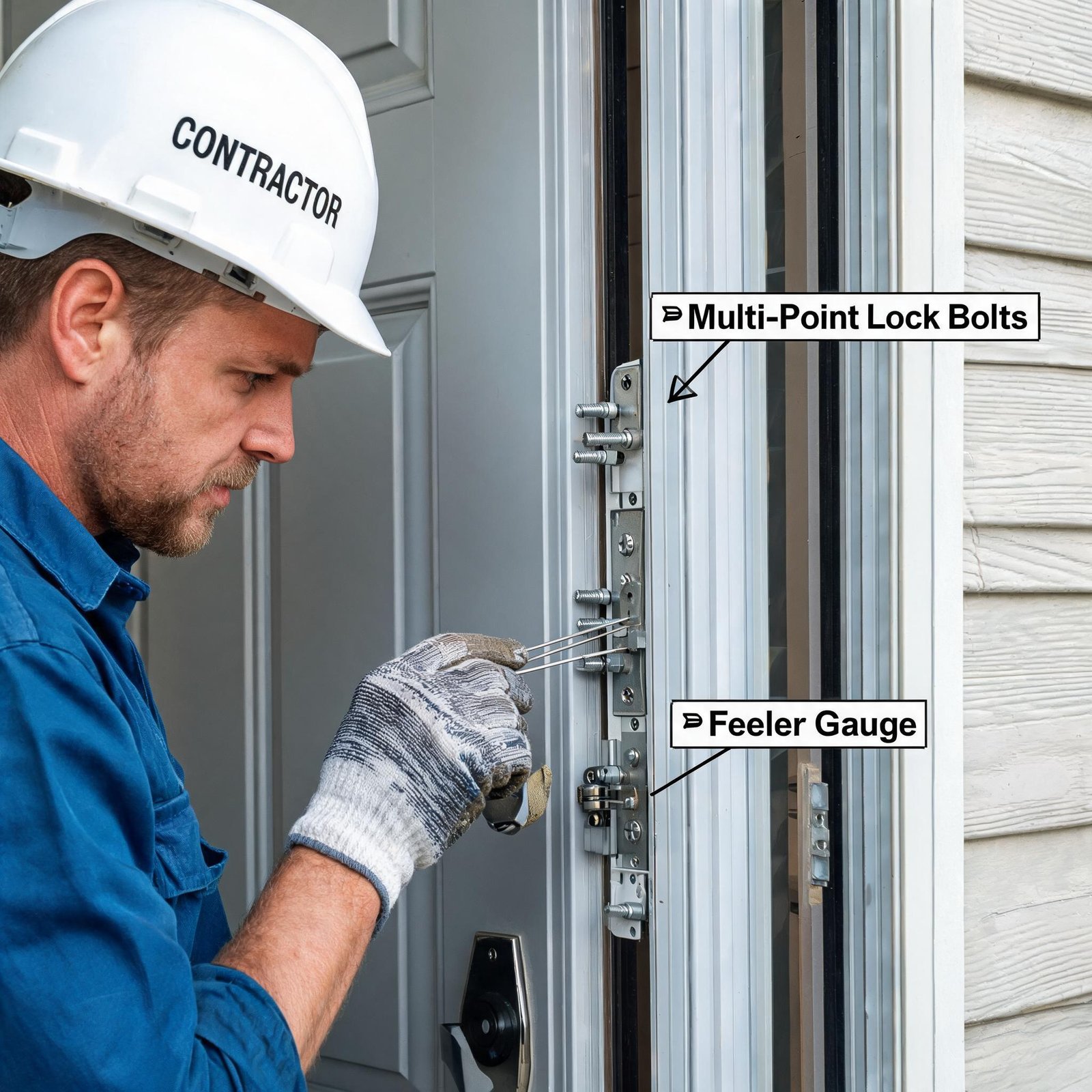
- Shrink Your Rough Opening Tolerances – Standard rough openings for residential windows typically allow 1/2 inch on each side for shimming. For impact-resistant installations, I cut that down to 3/8 inch maximum. Tighter openings mean better structural load transfer through the shims into the framing. Use structural-grade PVC shims, not cedar or plastic.
- Inspect the NFRC Label for U-Factor and SHGC – A storm-rated window should still perform thermally. I’m seeing more builders specify impact windows that have U-factors of 0.30 or lower and SHGC values around 0.25. This prevents thermal bridging and keeps your HVAC loads manageable even during severe weather. Check if the label includes the storm rating upgrade—some manufacturers test a base window and then offer “impact upgrades” that void the original NFRC sticker.
- Demand Air Infiltration Numbers Below 0.1 cfm per Square Foot – When I’m specifying windows for projects in tornado watch zones, I write this requirement directly into the specs. Standard windows might leak 0.3 cfm or more at design pressure. Impact windows with compression gaskets and triple-step weather stripping can achieve 0.01 cfm or better. This prevents pressure equalization failure and keeps your home’s structural integrity intact when winds hit 100+ mph.
For a complete solution that combines storm protection with energy efficiency, consider pairing your impact windows with energy-efficient vinyl sliding windows for less exposed areas. The underlying technology—laminated glass, reinforced frames, and airtight seals—is the same, just optimized for different architectural applications.
Real-World Performance Data
Let me give you some numbers that keep me up at night as a builder. The Insurance Institute for Business & Home Safety ran tests showing that impact-resistant windows reduce the probability of a building envelope breach by 83% during hurricane-strength events. When I extrapolate that to straight-line winds and tornado debris, the numbers are similar. In a study of homes in Joplin, Missouri, after the 2011 EF-5 tornado, homes with impact-resistant glazing had 92% lower rates of window failure compared to those with standard double-pane units.
I recently completed a project in Crestwood, Kentucky, where we installed Superwindowhouse high-performance vinyl casement windows with impact-rated laminated glass throughout a 4,200-square-foot custom home. Six months later, that home took a direct hit from a microburst with measured winds of 112 mph. Not a single window cracked. The neighbors down the street lost twelve windows and had interior water damage that required $80,000 in mold remediation.
The takeaway here is straightforward: when your local weather station issues that tornado watch, the only difference between a minor cleanup and a structural catastrophe is what’s holding back the debris. Standard windows fail because they’re engineered for normal wind loads and cosmetic satisfaction. Impact-resistant windows are engineered for survival. If you’re building or renovating in Tornado Alley, the Midwest, or any zone where severe thunderstorms are a seasonal reality, don’t cut corners. This isn’t a feature you add later—it’s the core of your home’s storm resistance, and it needs to be designed in from day one.