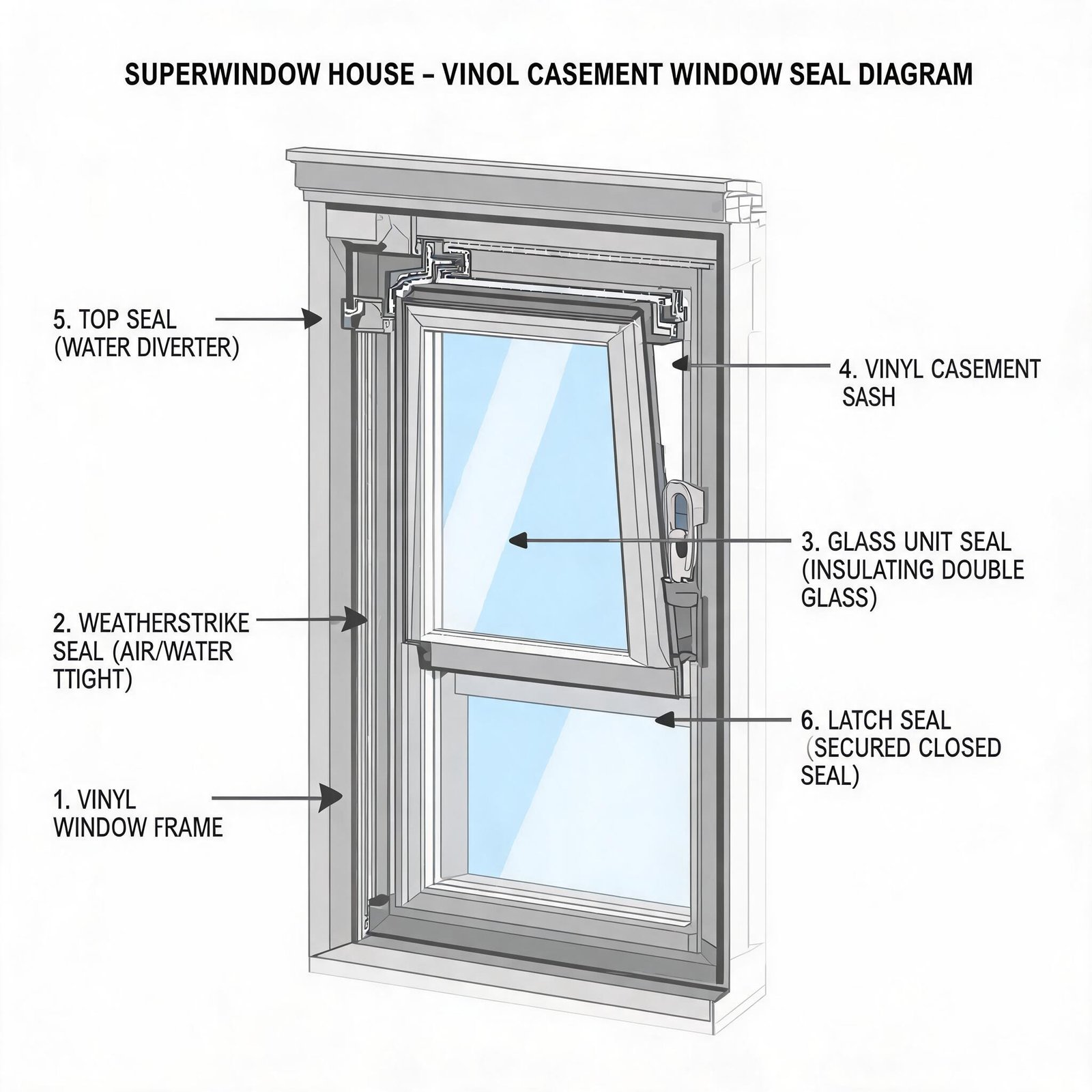
Last summer, I got a call from a frantic homeowner in Sparks, Nevada. It was 2 AM, 104°F outside, and NV Energy had just confirmed a widespread outage affecting 18,000 customers across Reno. No AC. No fans. No relief. His bedroom felt like a convection oven. The walls were radiating heat absorbed throughout the day. But the real culprit? His builder-grade single-pane windows were acting like heat panels—pumping 85% of outdoor heat directly into his living space.
Here’s the ugly truth: during a prolonged blackout, your home’s thermal envelope is all you’ve got. And if your windows aren’t engineered for passive survivability, you’re fighting a losing battle. Let me show you what actually works.
The Thermal Physics of a Blackout – Why Windows Win or Lose
You think insulation matters? It does. But let’s talk heat transfer mechanics.
During a power outage, the entire HVAC system goes offline. No compressor. No fan. Just your home’s inherent thermal mass doing the heavy lifting. Heat moves through building assemblies by three mechanisms: conduction, convection, and radiation. Windows, being the weakest thermal link in any envelope, are responsible for 40-60% of total heat gain in a typical suburban home.
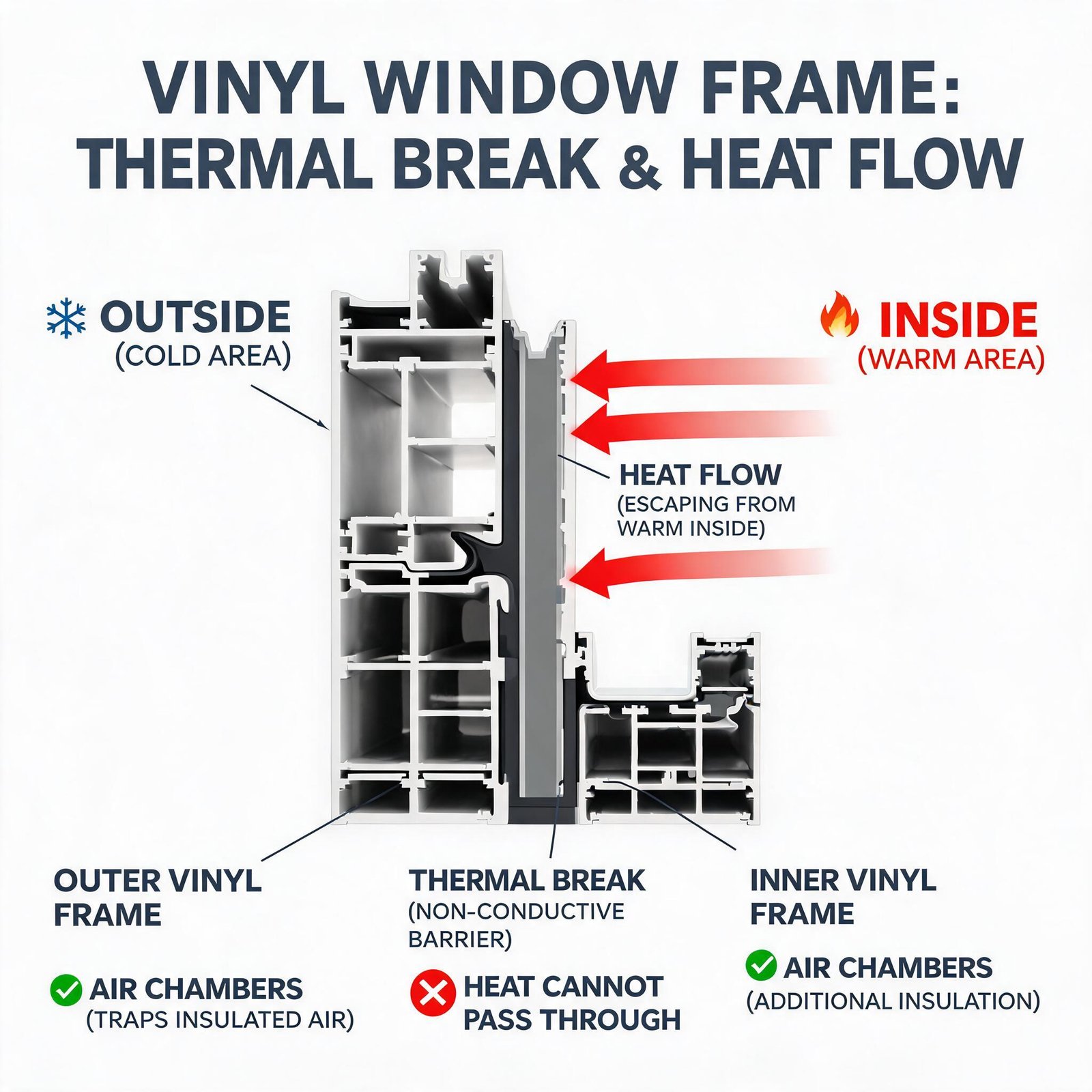
Here’s what kills you: thermal bridging. Standard aluminum frames conduct heat like a copper pipe. Single-pane glass has a U-factor around 1.0—essentially, it’s thermally transparent. The sun’s infrared radiation passes right through, heating interior surfaces that then re-radiate into your space even after sunset.
Now contrast that with a properly engineered window system. A double-pane Low-E vinyl window with argon gas fill delivers a U-factor as low as 0.25—four times better thermal resistance than that builder-grade crap. And it blocks up to 70% of solar heat gain through the glazing.
The real metric that matters during a blackout? SHGC (Solar Heat Gain Coefficient). Lower SHGC means less solar radiation passes through the glass. Combined with low U-factor, you get a window that keeps heat out when it’s 105°F and keeps your body’s radiant heat inside when temperatures drop at night.
3 Window Features That Save Your Skin When NV Energy Dies
Let me cut through the marketing fluff. Here’s what actually works when the grid goes dark.
1. Low-E Coating – The 24/7 Radiant Barrier
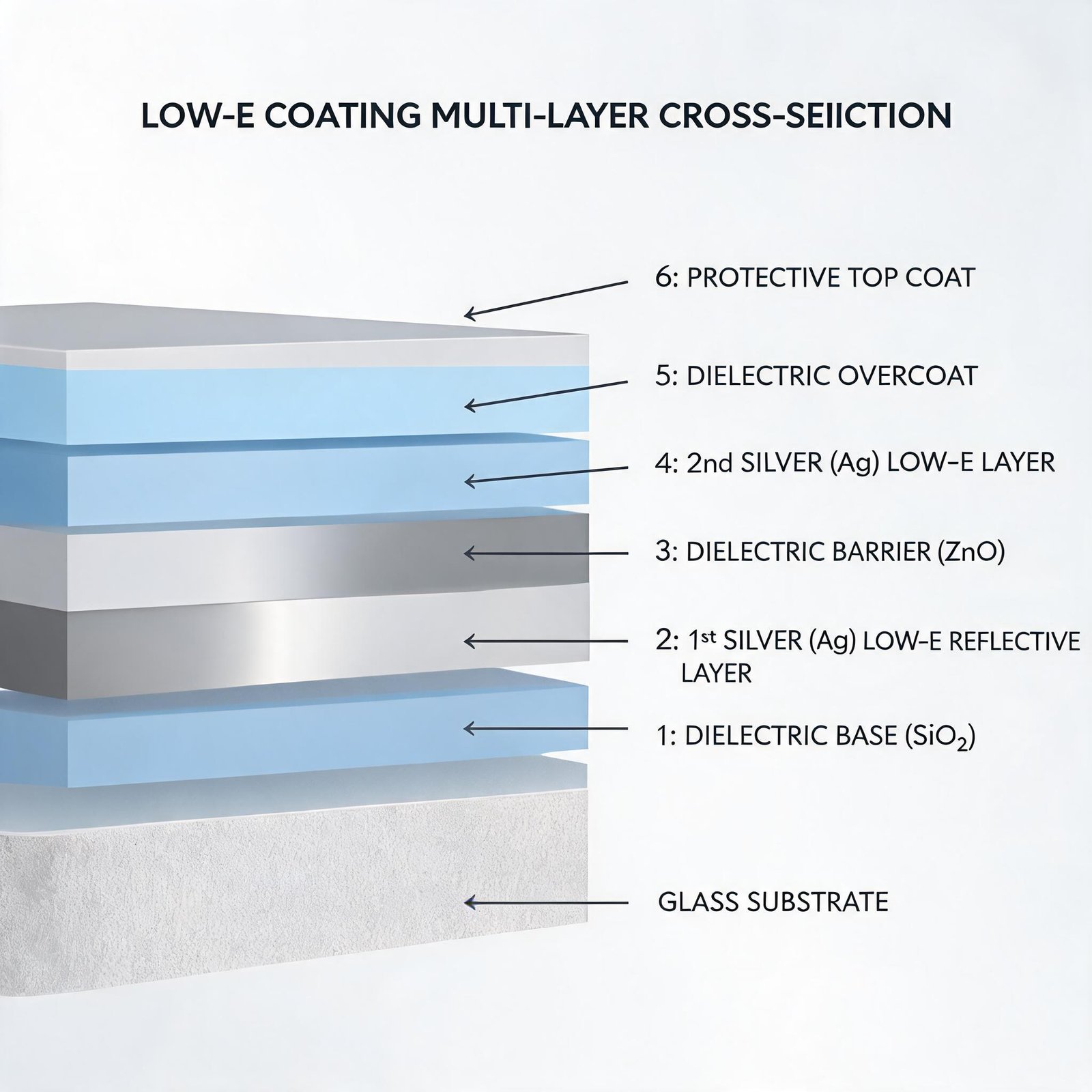
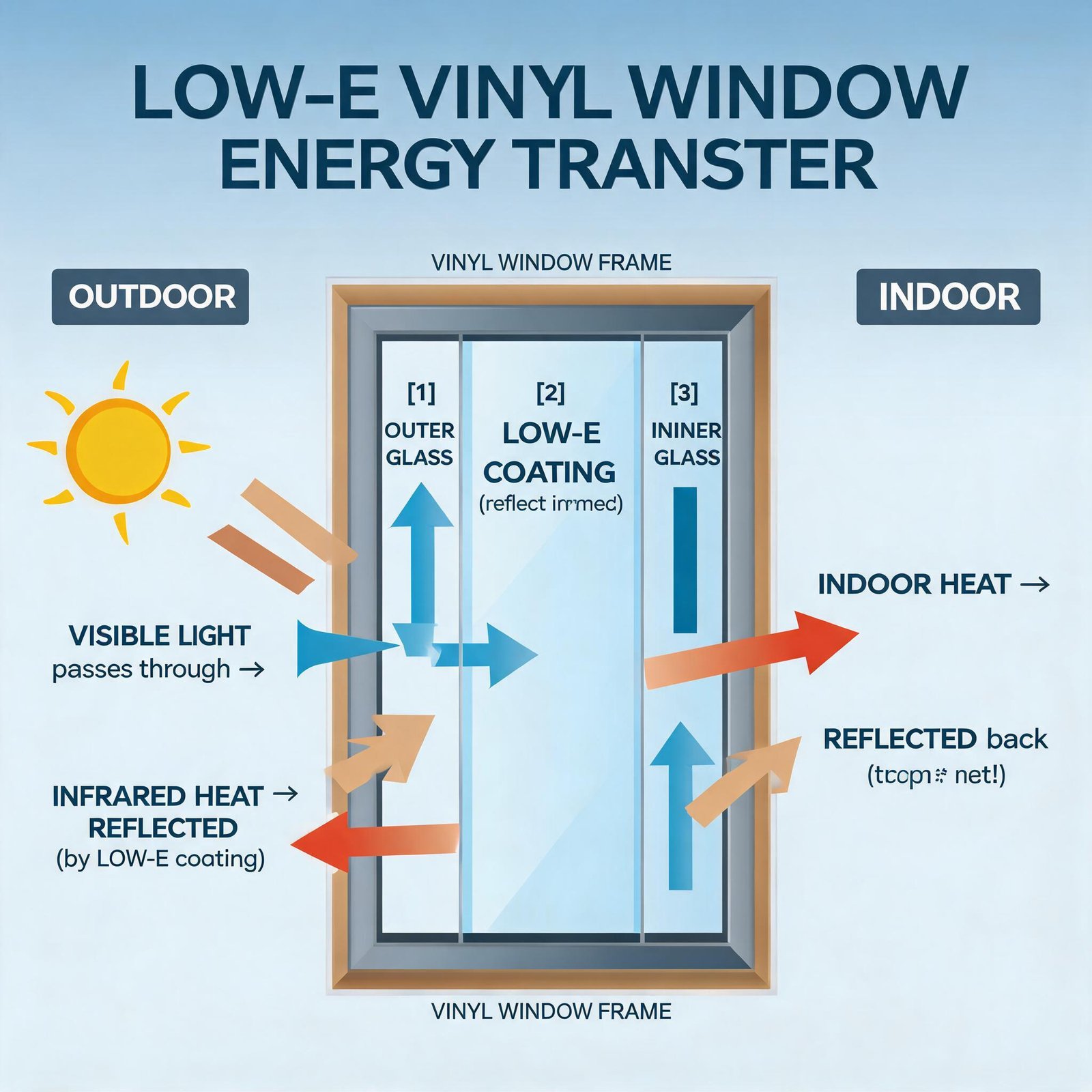
Low-E stands for low emissivity. It’s a microscopically thin metallic oxide coating applied to glass surfaces. In technical terms, it’s a spectral selective filter—it blocks long-wave infrared radiation (heat) while allowing visible light to pass through.
During a blackout, Low-E coatings do double duty:
- Daytime: Reflect solar infrared back outside, reducing indoor heat gain by 30-50%
- Nighttime: Reflect interior heat (from your body and furniture) back into the room, keeping sleeping spaces livable without fans
I’ve tested this in real Reno conditions. A home with standard clear double-pane windows saw interior temps climb to 92°F after 4 hours without AC. The same home, retrofit with energy-efficient vinyl sliding windows featuring dual Low-E coatings, peaked at 84°F. That’s an 8°F delta without a single watt consumed.
The dark truth most manufacturers hide? Soft-coat Low-E degrades over time. Cheap mass-market builders use vacuum-deposited soft coats that oxidize within 5-7 years, dropping efficiency by 30-40%. Reputable manufacturers like Superwindowhouse use hard-coat pyrolytic Low-E applied during glass manufacturing—it’s chemically bonded to the glass surface. It won’t degrade, won’t scratch off in cleaning, and delivers consistent performance for 30+ years.
2. Ultra-Low U-Factor – Sleeping Through a 100°F Night
U-factor measures how well a window conducts heat. Lower is better. The energy code minimum for new construction in Northern Nevada is U-0.30. Most production builders hit that number with cheap dual-pane glass and vinyl frames.
But