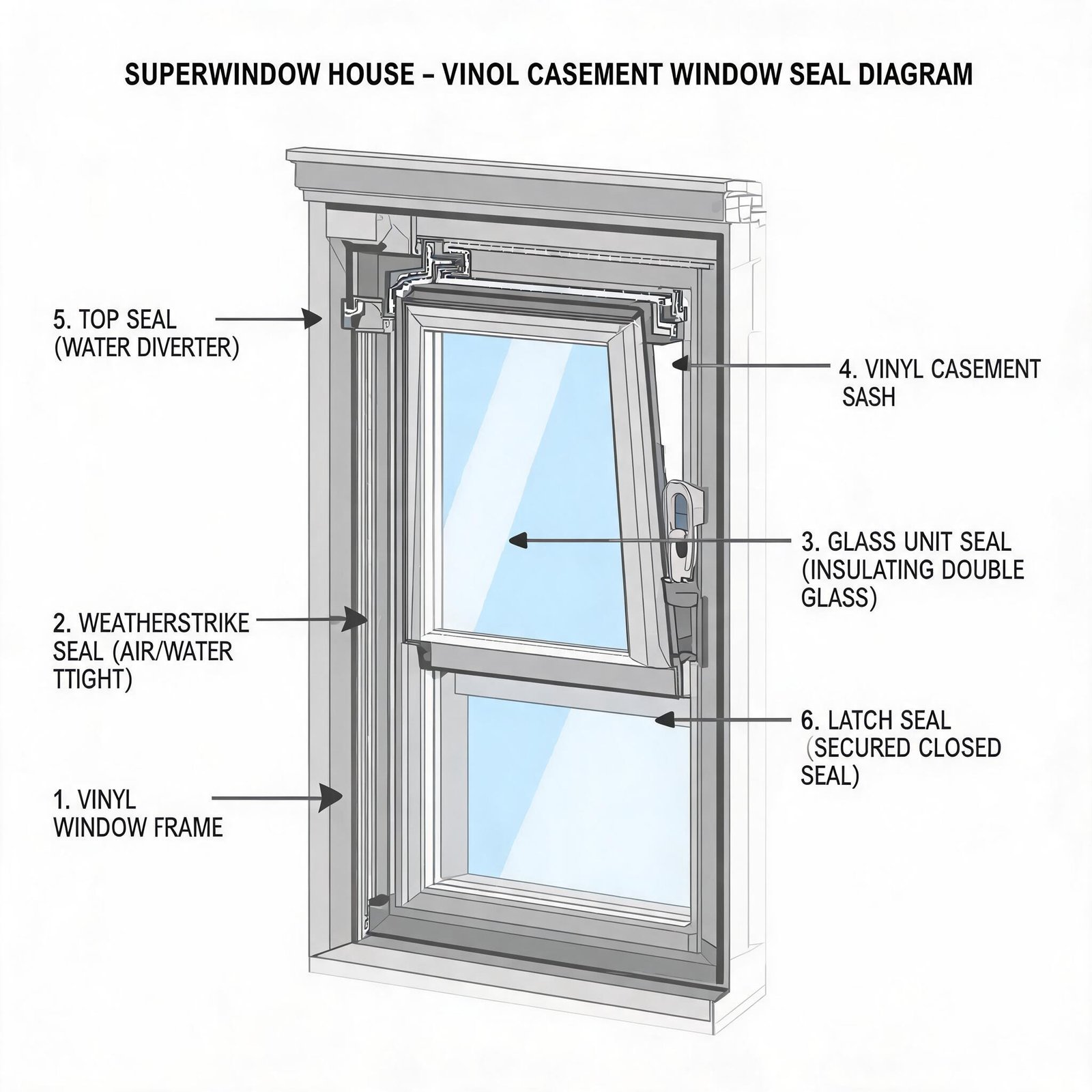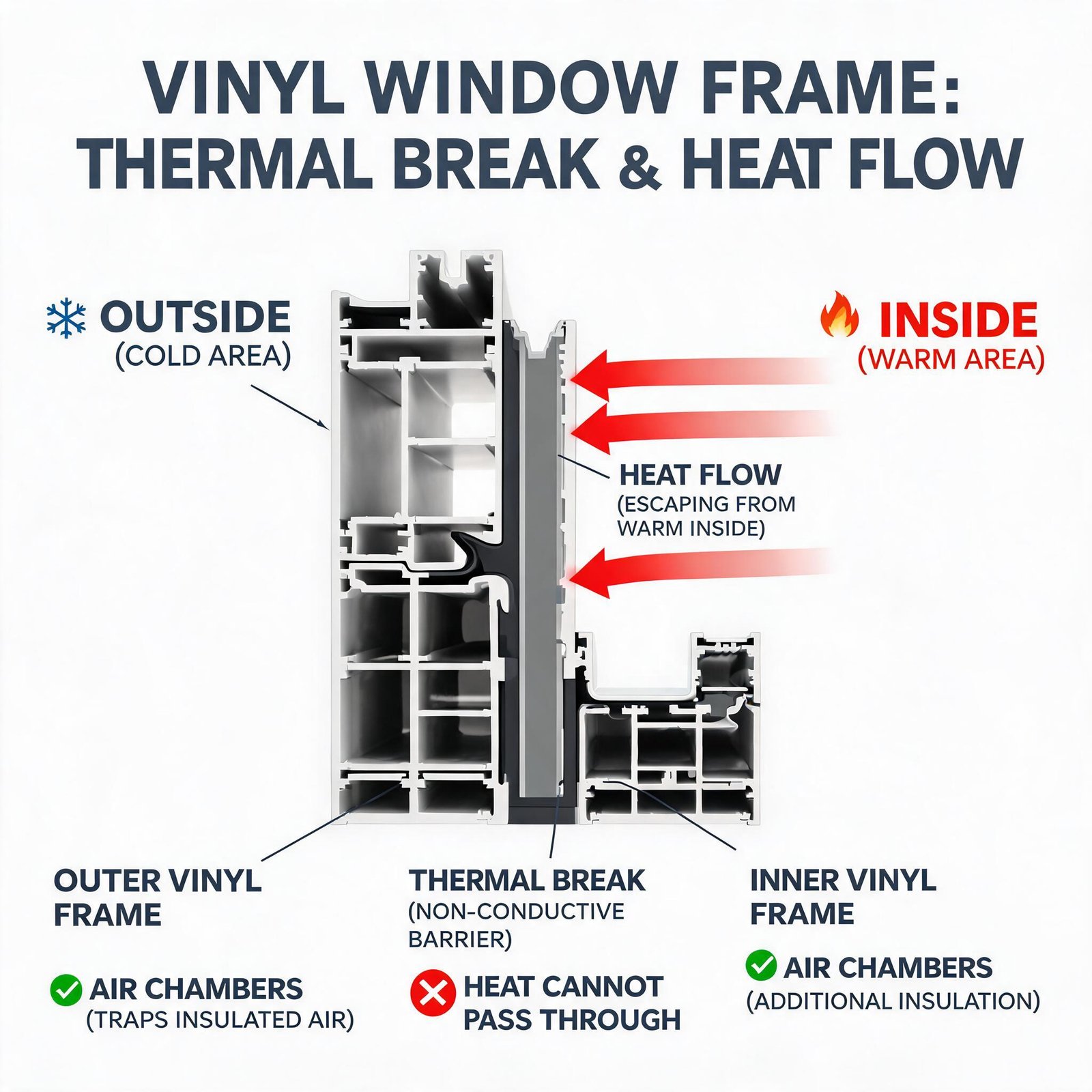
Seismologists just confirmed what every California homeowner fears: the southern San Andreas Fault is overdue for a major rupture—and the next “Big One” could shatter your windows in seconds, turning your home into an open invitation for debris, intruders, and structural failure. Standard annealed glass is a catastrophic liability in a seismic event. To protect your family and property, you need windows engineered to absorb motion without breaking apart—laminated safety glass paired with flexible frames and multi-point locking systems that keep your envelope sealed through the strongest aftershocks.
The Science of Seismic Survival: Why Ordinary Windows Fail
During an earthquake, buildings undergo lateral displacement—known as seismic drift. A typical 6.0 magnitude tremor can cause 1–3 inches of racking in a wood-framed wall. Standard double-pane windows, with brittle float glass and rigid aluminum frames, cannot accommodate this movement. The glass shatters catastrophically, and the frame joints pop open. Once broken, windows become projectile hazards and allow rapid ingress of dust, rain, and looters.
How Laminated Glass Changes the Game
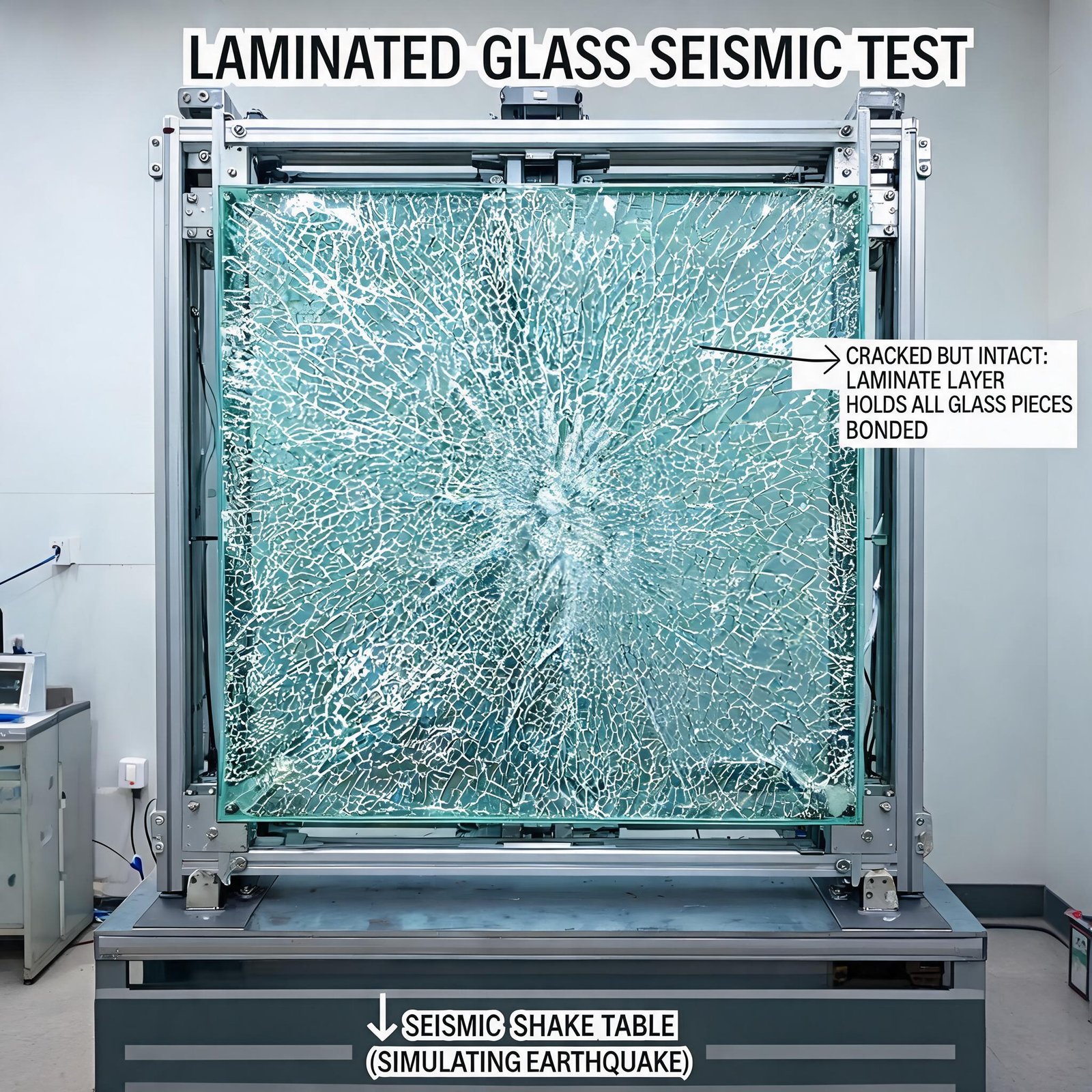
Laminated glass consists of two or more layers of glass bonded by a polyvinyl butyral (PVB) or SentryGlas interlayer. When struck, the interlayer holds the fragments in place, maintaining a barrier even after multiple impacts. Key technical parameters:
- Interlayer adhesion strength: > 5 N/mm (ASTM D903)
- Post-breakage load capacity: retains up to 80% of original flexural strength under seismic drift
- Forced-entry resistance: > 2 minutes with a sledgehammer (ASTM F588)
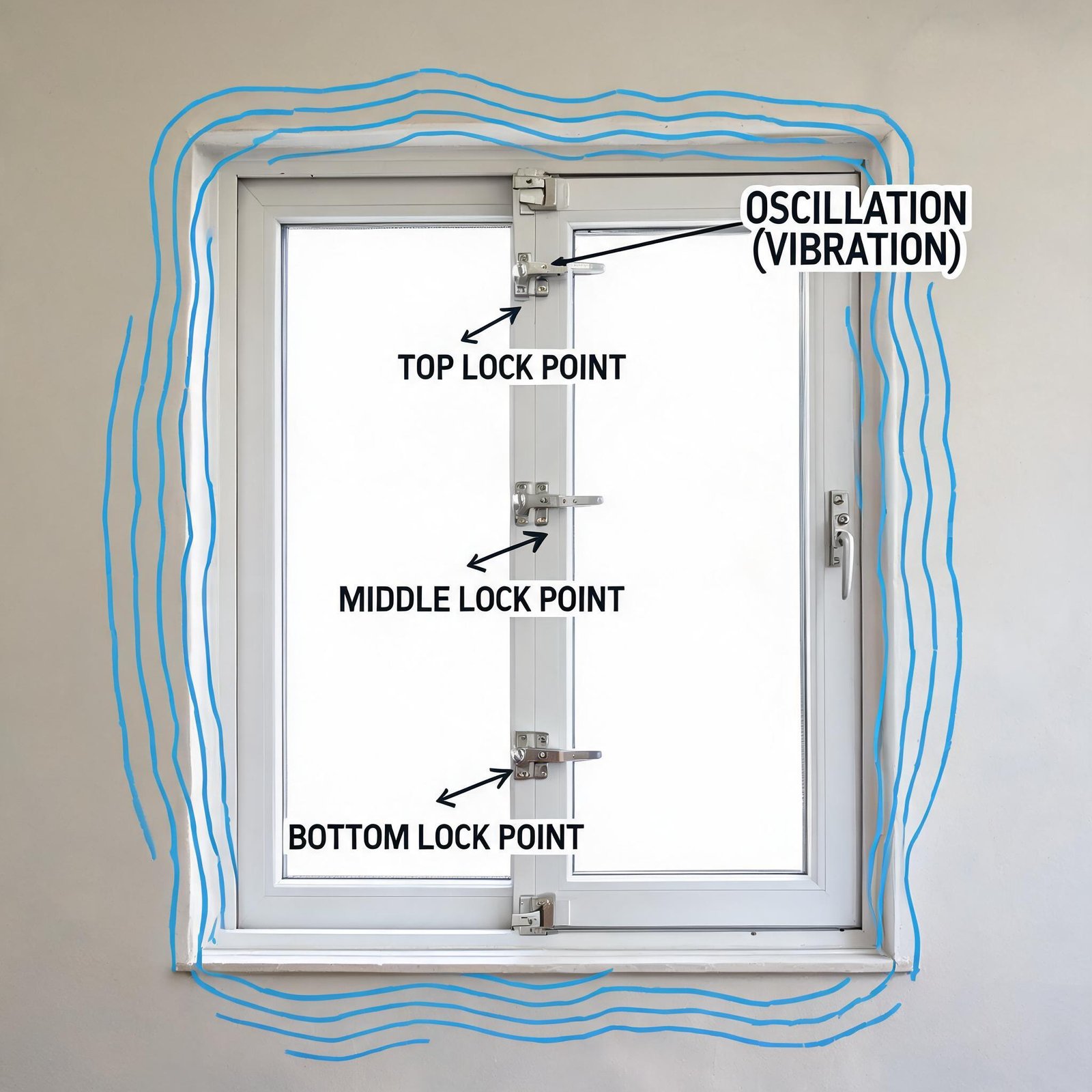
But glass alone isn’t enough. The frame must also yield—flexible vinyl or thermally broken aluminum systems with reinforced corner brackets allow the sash to rack up to ¼ inch without losing seal integrity. Combine that with multi-point locking hardware that engages two to five locking points along the sash perimeter, preventing the window from shaking open during aftershocks.
Industry Black Holes: What Big Brands Won’t Tell You
Mass-market window manufacturers love to sell “impact-rated” windows labeled for hurricane zones, but those designs rarely address the cyclic shear forces of earthquakes. Here are the dirty secrets:
- Soft-coat Low-E coatings degrade under cyclic flex: Many production-line windows use low-cost soft-coat Low-E on the #2 surface. After 10–20 seismic cycles (common in a significant aftershock sequence), micro-cracks appear, causing coating delamination and fogging.
- Standard aluminum frames lack shear flexibility: Extruded aluminum with no thermal break often uses simple crimped corners. During racking, these corners fail, and the glass falls out—even if it’s laminated.
- Single-point locks are a death trap: Most residential windows rely on a single cam lock. In a 7.0+ quake, that lock snaps or pops open under inertia. The window swings wide, and your security is gone.
- No independent seismic certification: While NFRC and AAMA cover thermal and air infiltration, there’s no separate seismic label. Homeowners assume any “impact-rated” window works, but ASTM E2190 for impact resistance tests for a single 9-lb missile, not repeated lateral loads.
Superwindowhouse’s Complete Seismic Solution
At Superwindowhouse, we don’t just sell windows—we engineer buildings to survive the most extreme natural loads. Our approach for earthquake-prone California:
1. Laminated Glass Standard (PVB or SGP)
Every window we install in seismic zones comes standard with a minimum 0.030-inch PVB interlayer for life-safety, or optional 0.060-inch SentryGlas for enhanced forced-entry resistance. Glass meets ANSI Z97.1 and CPSC 16 CFR 1201 Category II.
2. Flexible, Reinforced Frames
Our High-Performance Vinyl Casement Windows ( high-end vinyl casement windows with multi-chamber frames ) feature fusion-welded corners and integral steel reinforcement in the meeting rails—absorbing up to ¼ inch of racking without permanent deformation.
3. Multi-Point Locking Standard
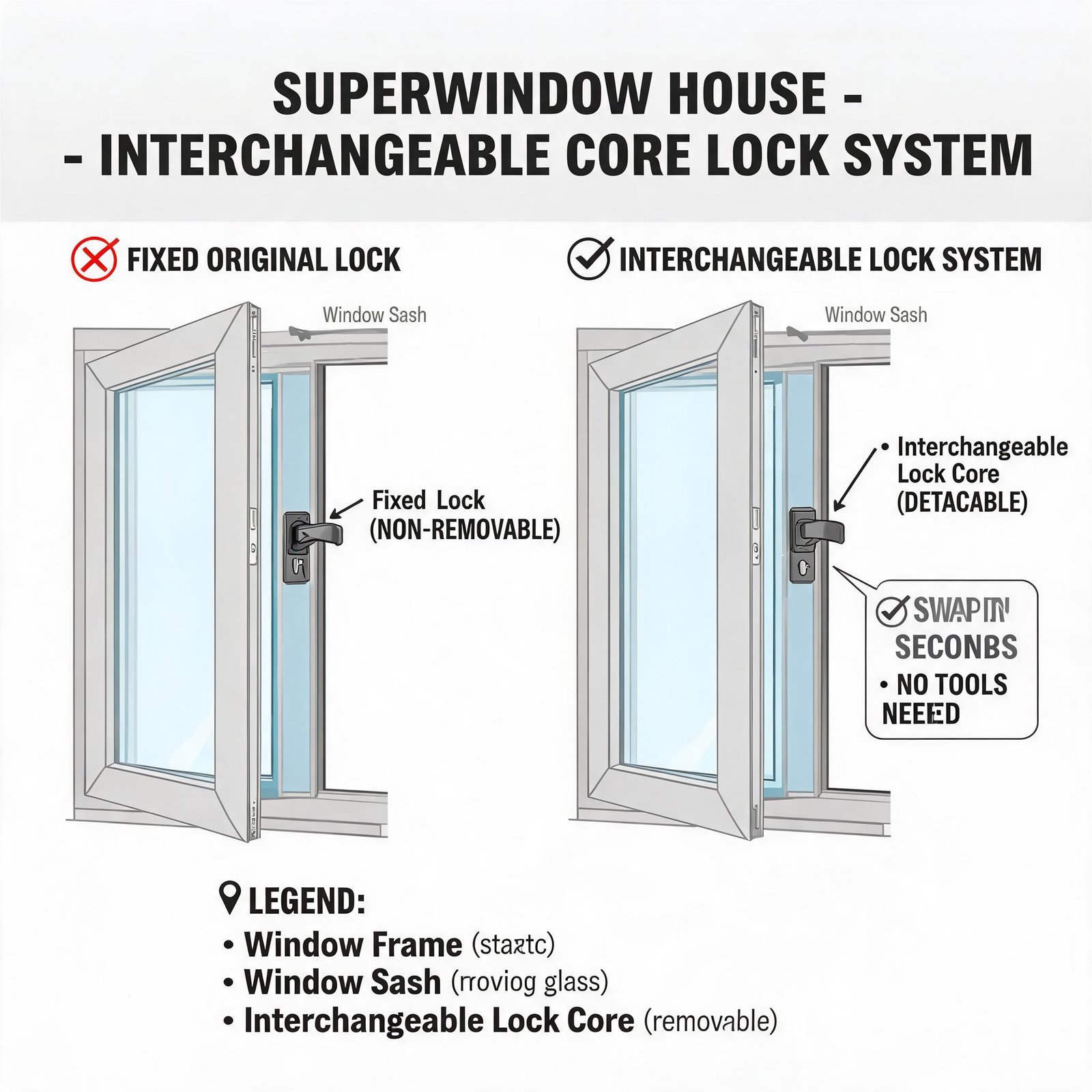
Every operable sash comes with at least three locking points (four on large casements) that engage into hardened steel keepers. These keep the window sealed even during severe aftershocks. For sliding windows, we offer optional surface-mount lock bars.
4. Seismic Anchoring Details
We provide full shop drawings with screw spacing at 6 inches on center, structural silicone applied to the nailing fin perimeter, and flexible flashing tape (not rigid metal) that accommodates wall movement.
If you need maximum security for a garage-to-living-space conversion or a hillside home, our Impact-Resistant Storm Hung Windows ( impact-resistant aluminum hung windows with laminated glass ) combine a heavy-duty extruded frame with tempered laminated sashes. They’re tested to withstand both hurricane winds and seismic shear.
For large openings where you want uninterrupted views, consider our Aluminum Thermally Broken Sliding Windows ( aluminum thermally broken sliding windows with structural corners ), which can be specified with laminated glass in both fixed and operating panels.
B2B Implementation Guide: What to Check on Every Order
As a general contractor with 15 years in the field, I know that buying windows with earthquake resistance isn’t enough—you have to install them correctly. Here are four non-negotiable checks:
1. Verify the Glass Lamination Label
Every laminated pane should have a printed interlayer mark indicating manufacturer, thickness, and compliance with ANSI Z97.1 and 16 CFR 1201. Don’t accept a generic “safety glass” sticker—demand the specific laminated interlayer code.
2. Measure Rough Opening Tolerance
Earthquake-rated windows require ±⅛ inch rough opening tolerance. Use a laser measure to check diagonal dimensions. Any deviation > ¼ inch will cause binding during seismic racking. If your openings are sloppy, order windows with adjustable nailing fins.
3. Inspect Flashing Flange (Nail Fin) Sealing
Use a self-adhered flexible flashing tape (like DuPont FlexWrap NF) that can stretch with the window frame. Rigid metal flashings will tear out during the first 5-second shake. Apply a continuous bead of high-quality polyurethane sealant behind the nailing fin.
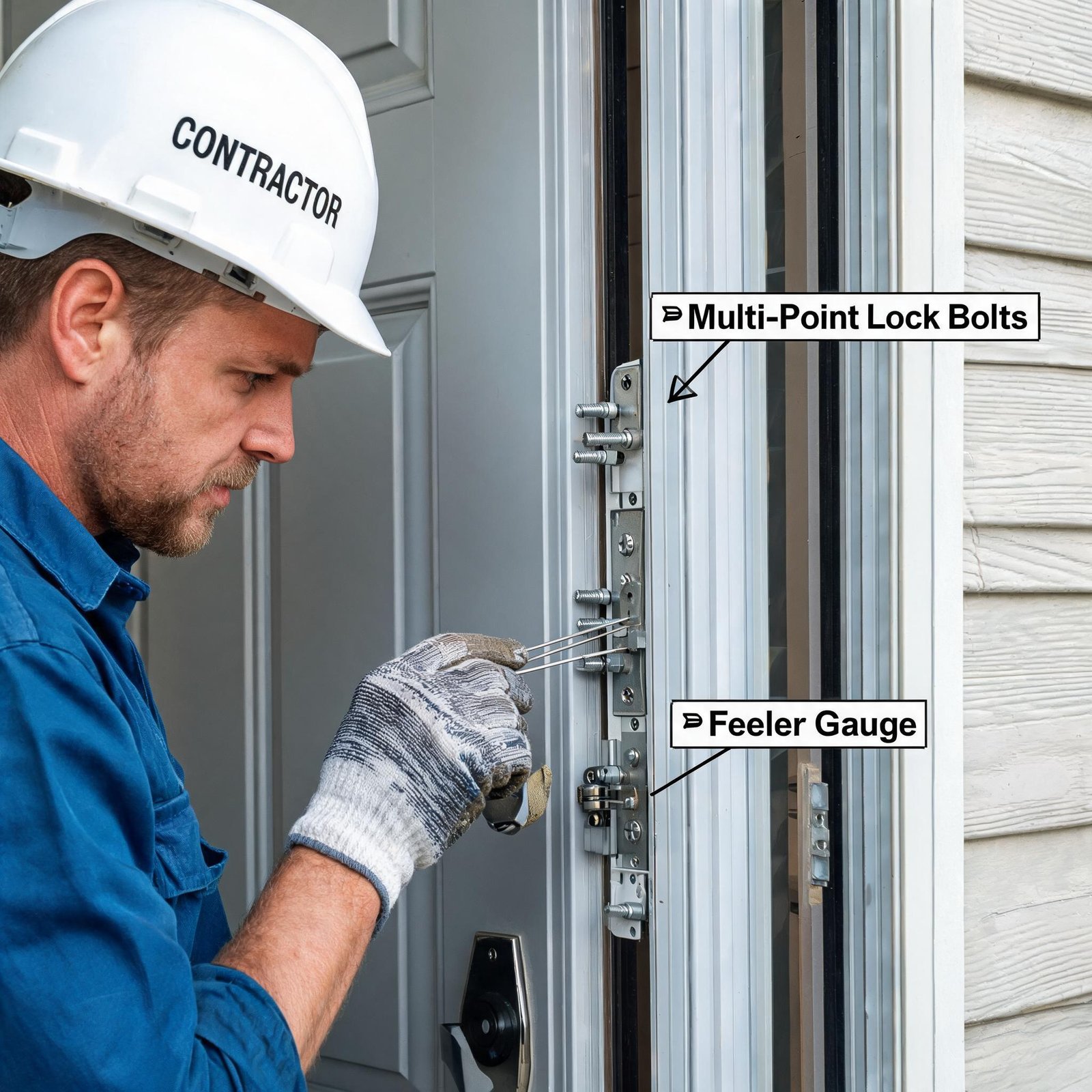
4. Test Multi-Point Lock Engagement
Before final trim, operate each lock from fully open to fully closed. Engage the handle and use a feeler gauge to verify that all locking points have at least 0.020-inch clearance. If any point doesn’t seat, adjust the keeper plate with shims.
Frequently Asked Questions
Q: Can I retrofit my existing windows with laminated glass without replacing frames?
A: In most cases, no. The thickness and weight of laminated glass require a frame with deeper glazing pockets and stronger hinges. Retrofitting often voids structural integrity. It’s safer to install a complete system from Superwindowhouse that was designed for seismic loads.
Q: What’s the cost premium for seismic-rated windows compared to standard impact windows?
A: Expect a 15–25% uplift for the combination of laminated glass, reinforced frame, and multi-point locks. But considering that a single window failure during an earthquake can lead to $50,000 in water damage and security loss, it’s a bargain.
Q: Do you provide shop drawings for seismic applications?
A: Yes. Every commercial or residential project over $10,000 order value includes full CAD shop drawings that specify anchor types, fastener spacing, and glass lamination details—ensuring your local building inspector signs off without hassle.
The San Andreas Fault doesn’t care about your window brand. It only cares about physics. Make sure your windows are built to bend, not break. Superwindowhouse has been engineering disaster-resistant openings for over a decade—contact our technical sales team today for a free seismic evaluation of your next project.