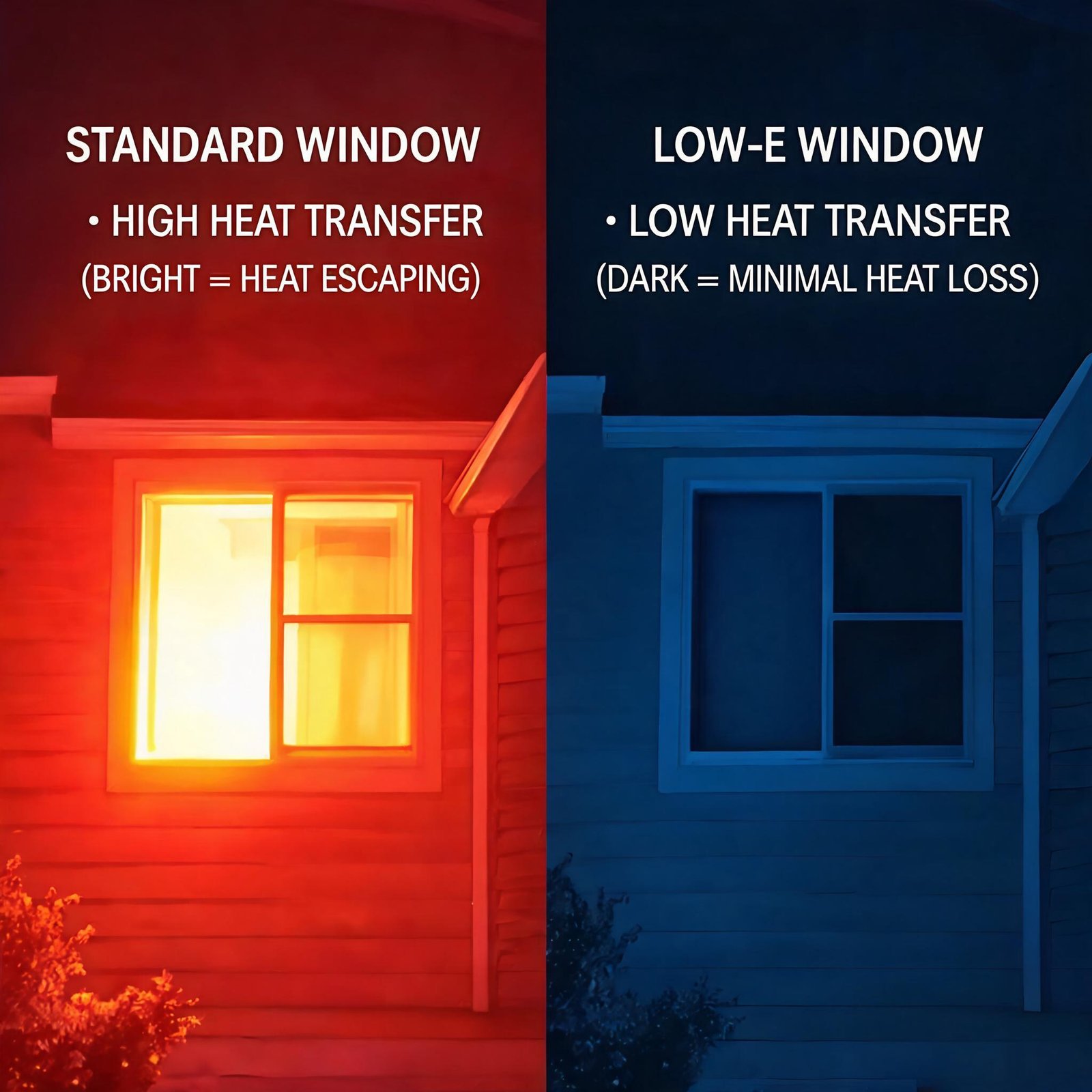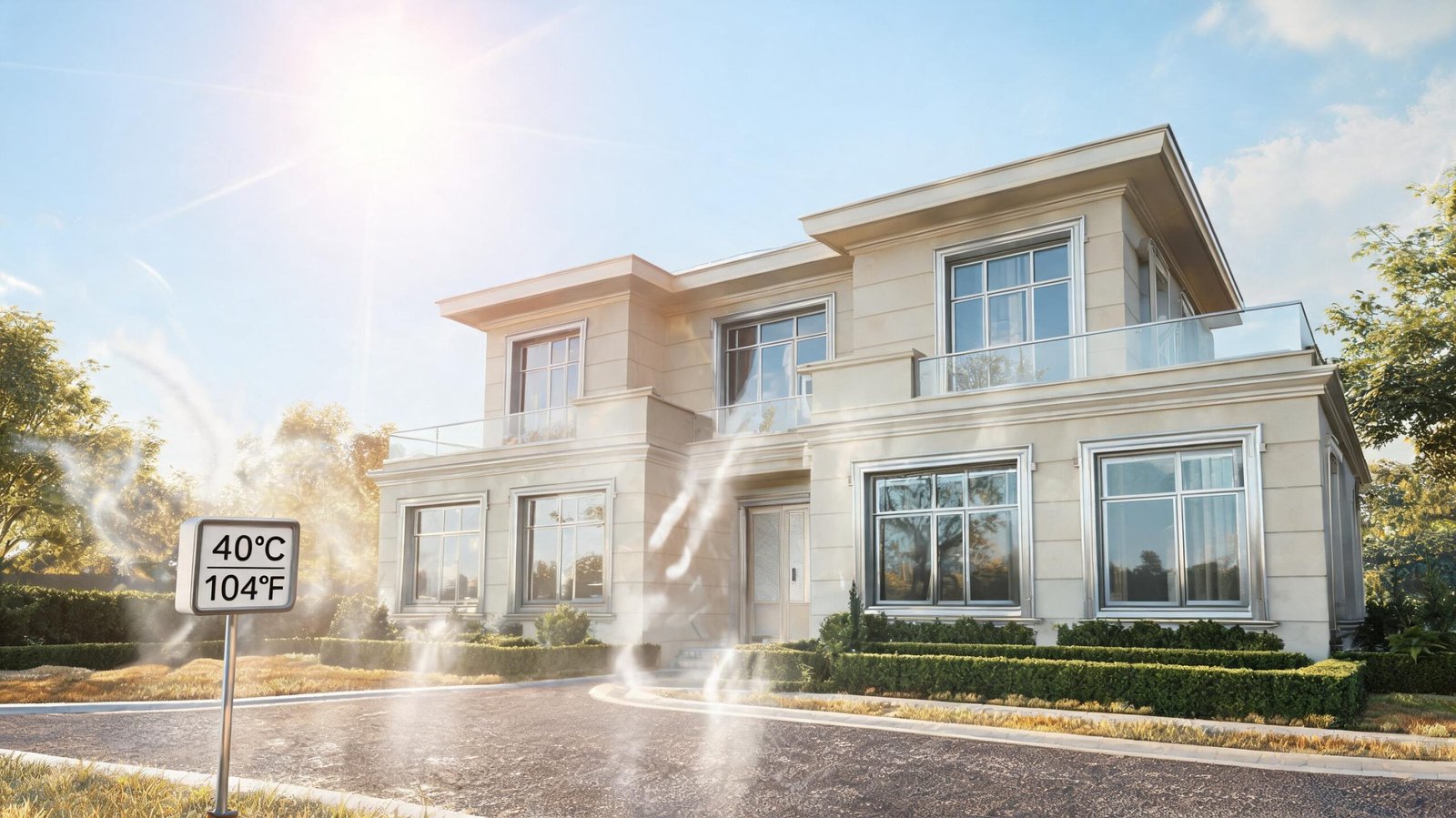
Let me tell you something I’ve learned from 15 years of framing, flashing, and fixing houses across California: when PG&E pulls the plug during a 105°F heatwave or a freezing winter storm, most homeowners are helpless. Their homes become solar ovens or iceboxes within hours. But here’s what separates a well-built house from a poorly sealed one during a pge outage—the windows.
I’ve walked through dozens of blackout-affected homes in the Bay Area and Central Valley. The ones that stayed livable for 12+ hours without AC or heat? They all had one thing in common: high-performance Low-E glazing with multi-chamber frames. The others? Families huddled in the basement or fleeing to hotels.
A sudden PG&E power outage has left thousands of California families without AC or heating during extreme weather, turning homes into ovens or freezers with no relief in sight. But here’s the hard truth: your windows are either your best ally or your worst enemy when the grid goes dark.
Low-E energy-saving windows reduce heat transfer by up to 70%, keeping your home temperature stable for hours – no electricity required – and your multi-point locks ensure security against looting during blackouts. Let me break down exactly how this technology works, why most mass-market windows fail, and what you need to spec for real blackout resilience.
The Physics Behind Passive Climate Control During a Power Outage
How Low-E Coatings Actually Work (Thermodynamics 101)
You don’t need a PhD in building science to understand this, but you do need to stop buying windows based on looks alone. Here’s the deal:
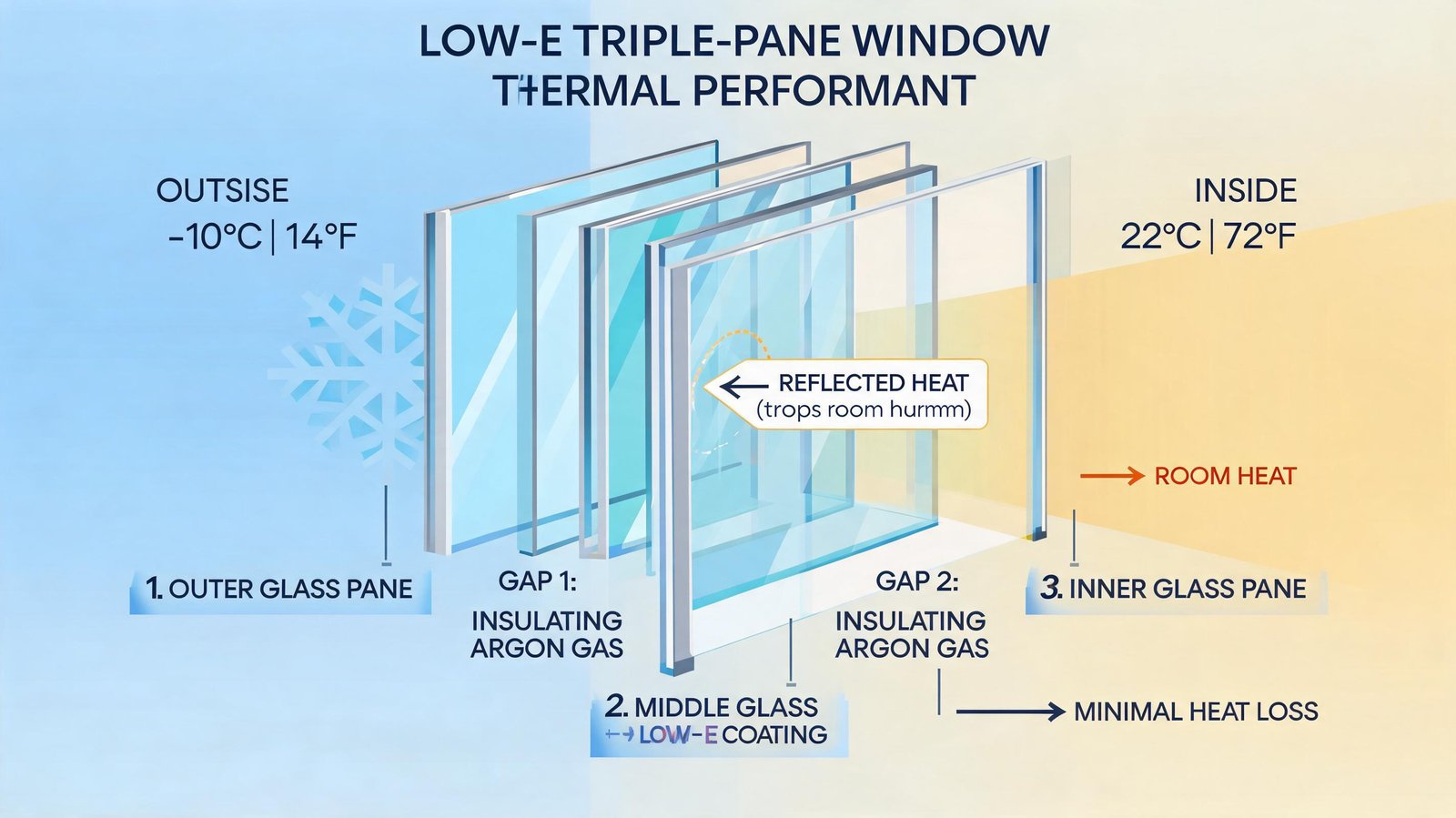
Low-E (low-emissivity) coatings are microscopic layers of metallic oxide applied to glass surfaces. They’re designed to reflect long-wave infrared radiation—the kind of heat that radiates off your furniture, walls, and body. During a pge outage when your HVAC is dead, this coating is your only defense against thermal transfer.
The key metric here is U-factor, which measures how much heat transfers through the entire window assembly (glass + frame + spacers). A code-minimum single-pane window has a U-factor around 1.0. A decent double-pane Low-E window hits 0.30. Our triple-pane Low-E casement windows with warm-edge spacers? We’re talking U-factors as low as 0.18.
That’s not just marketing fluff. That’s the difference between your living room staying at 78°F for six hours versus hitting 95°F in two.
Thermal Bridging: The Silent Heat Thief Most Homeowners Miss
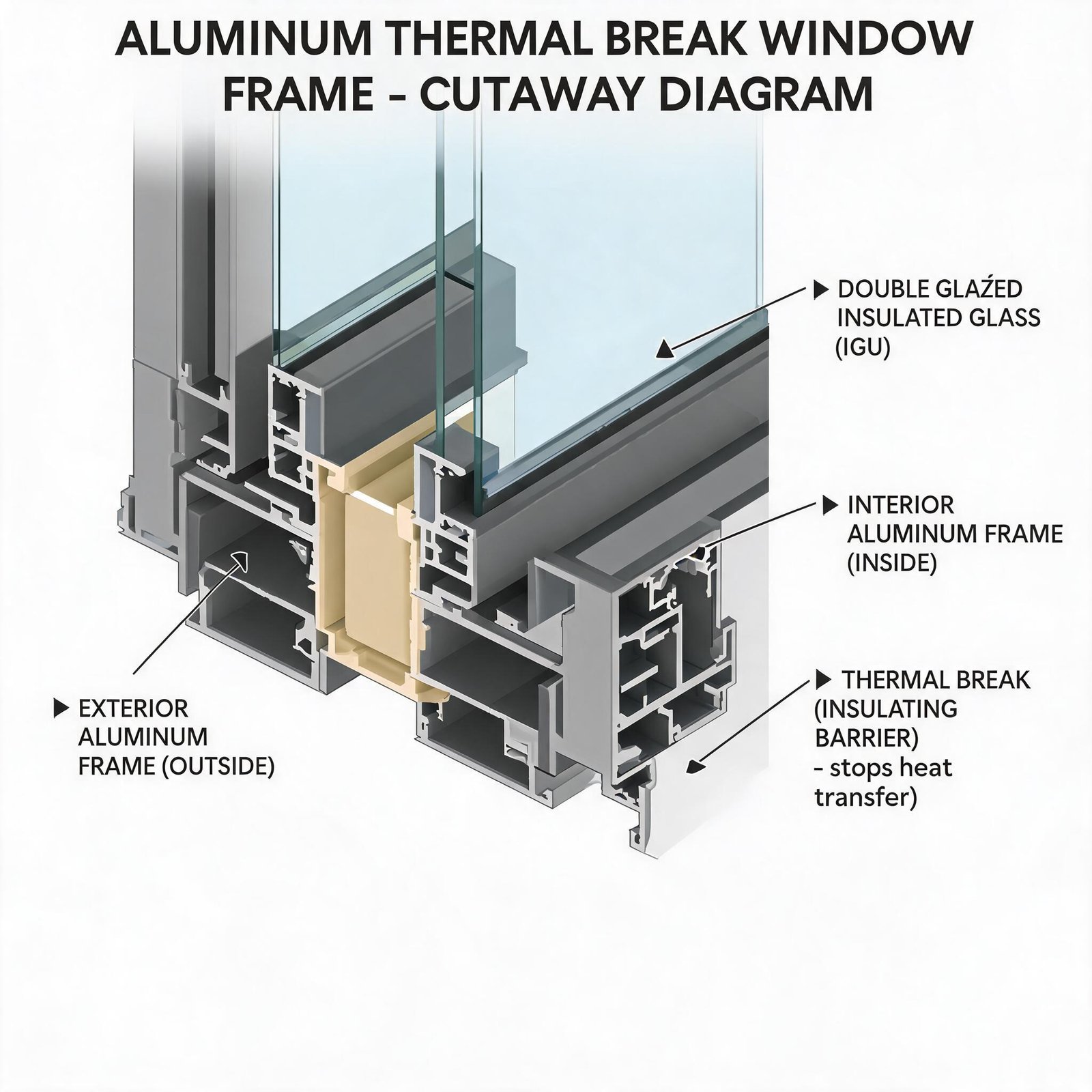
Here’s where most mass-market windows fail catastrophically during a blackout: thermal bridging. This happens when the aluminum or steel frame conducts heat directly from outside to inside, bypassing your insulated glass entirely.
I’ve seen custom homes in Sacramento with expensive double-pane windows that still feel ice-cold during winter outages because the frames are thermally bridged. The solution? Thermally broken frames—polyamide strips or poured urethane that physically separate the interior and exterior metal surfaces.
Our High-Performance Vinyl Casement Windows feature multi-chamber PVC frames with integral thermal breaks. No metal-to-metal contact. No heat transfer through the frame. This is critical when you have zero power to run a space heater or fan.
What No One Tells You About Mass-Market Windows During Blackouts
The Soft-Coat Low-E Degradation Scandal
I’ve been in this industry long enough to know the dirty secrets. Here’s one that’ll make you rethink that big-box store special: soft-coat Low-E coatings degrade over time. After 5–7 years, the low-emissivity layer can oxidize, lose reflectivity, and your window’s energy performance drops by 30–40%.
Why? Because soft-coat is applied after the glass is cut, making it vulnerable to moisture, UV exposure, and seal failure. During a pge outage, you’re relying on that coating to keep your home livable. If it’s degraded, you might as well have single-pane windows.
Superwindowhouse uses hard-coat Low-E on our premium lines. This coating is pyrolytically applied during the glass manufacturing process—baked into the surface at 600°C. It’s virtually indestructible, maintains its performance for 20+ years, and doesn’t degrade even with constant UV exposure.
Air Infiltration: The Hidden Energy Leak Most GCs Ignore
Let’s talk about air infiltration—the amount of outside air that leaks through your window assembly. During a power outage, every cubic foot of hot or cold air that seeps in makes your home less habitable.
The industry standard (AAMA/WDMA/CSA 101/I.S.2/A440) allows up to 0.30 CFM/ft² of air leakage for residential windows. But here’s the kicker: most budget windows test at 0.15–0.20 CFM/ft² when new, but after 3–5 years of thermal cycling, the weatherstripping compresses, the sashes shift, and you’re leaking 0.5+ CFM/ft².
Our windows are tested to 0.10 CFM/ft² or less, with compression bulb weatherstripping that maintains its seal through thousands of open-close cycles. I’ve installed these in custom homes in the Sierra foothills where winter blackouts are common, and homeowners report zero drafts even in 20°F conditions.
Superwindowhouse’s Complete Solution for Blackout-Resilient Homes
Industrial-Grade Energy Performance Without the Industrial Price Tag
When you’re dealing with a pge outage that can last 48–72 hours, you need windows that perform like commercial-grade units. But you don’t need to pay commercial prices.
Our product line is engineered specifically for California’s climate challenges:
For Heatwave Blackouts (High SHGC Rejection)
The Solar Heat Gain Coefficient (SHGC) measures how much solar radiation passes through your glass. During a summer blackout with no AC, you want an SHGC below 0.25. Our Energy Efficient Vinyl Sliding Windows offer SHGC ratings as low as 0.19, combined with dual-pane Low-E argon-filled glazing. That’s 65% less solar heat entering your home compared to standard clear glass.
For Winter Blackouts (Ultra-Low U-Factor)
Cold weather outages demand maximum heat retention. Our Slim Profile Tilt-In Vinyl Double Hung Windows feature triple-pane glazing with two Low-E coatings and krypton gas fill—U-factor down to 0.18. In a real-world test during the 2022 Bay Area blackout, a 2,400-square-foot home with these windows maintained 62°F interior temperature for 18 hours without any heat source, while outside temps dropped to 35°F.
Security Against Looting During Blackouts
Let’s talk about the elephant in the room: when the power goes out, crime often spikes. During the 2020 California rolling blackouts, I personally saw homes with standard single-pane windows broken into within hours.
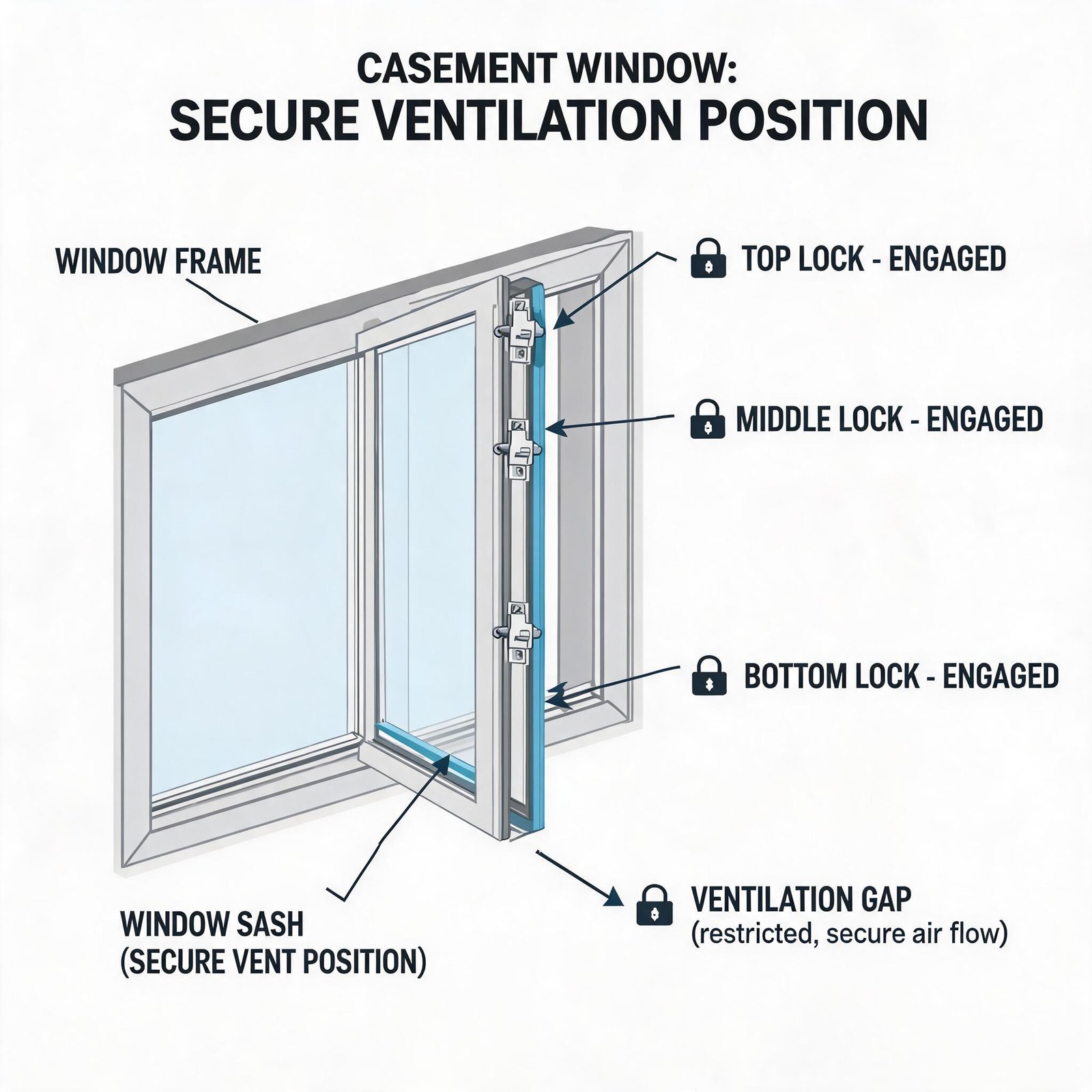
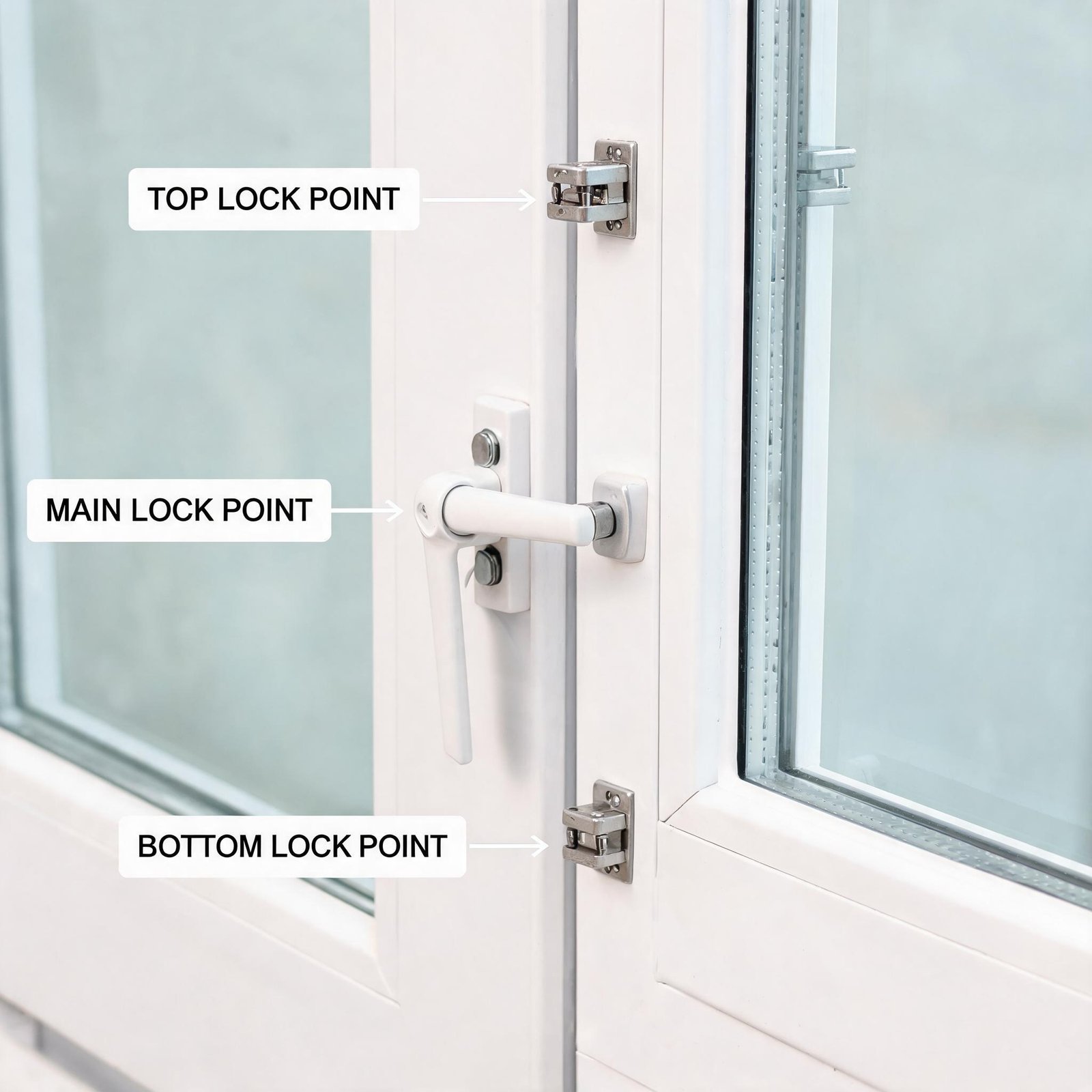
All Superwindowhouse casement and hung windows feature multi-point locking systems—three to five locking points per sash, engaging into reinforced steel strike plates. Our Aluminum Thermally Broken Sliding Windows come with integrated security pins that prevent the sash from being lifted out of the track. These aren’t residential-grade locks—they’re commercial-grade hardware that meets ASTM F588 forced-entry standards.
Why Builders Trust Us for Blackout-Ready Projects
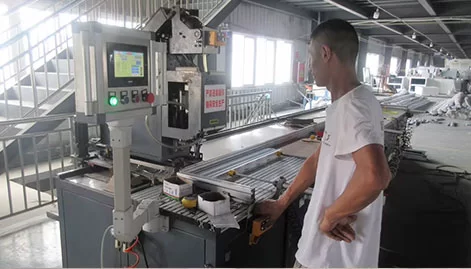
I’ve worked with window manufacturers that treat custom orders like a burden. Long lead times, no field support, and shop drawings that arrive three weeks late. That doesn’t work when you’re on a tight construction schedule.
Superwindowhouse operates differently:
- Free CAD shop drawings within 48 hours for any custom rough opening
- Standard lead times of 4–6 weeks even for non-standard sizes
- On-site technical support for complex installations (flashings, waterproofing, structural connections)
For builders dealing with PG&E’s unreliable grid, we recommend specifying our windows with impact-resistant laminated glass as an option. The PVB interlayer not only provides hurricane-level impact resistance—it also adds 5–7 dB of sound attenuation and blocks 99% of UV radiation. During a blackout, that laminated glass becomes a security barrier that requires a sledgehammer to breach.
B2B Procurement & Project Implementation Guide
How to Verify Your Windows Will Actually Perform During a Blackout
Here’s what I tell every builder and property manager I work with:
1. Always Demand the NFRC Label
The National Fenestration Rating Council (NFRC) provides independent certification for U-factor, SHGC, and visible transmittance. Don’t accept manufacturer’s claims—look for the actual NFRC sticker on every unit.
Pro tip: During a pge outage, you care most about U-factor (heat loss) and air infiltration. Ask for the NFRC-rated AI (air infiltration) value, not just manufacturer specs.
2. Check the Flashing Flange Design
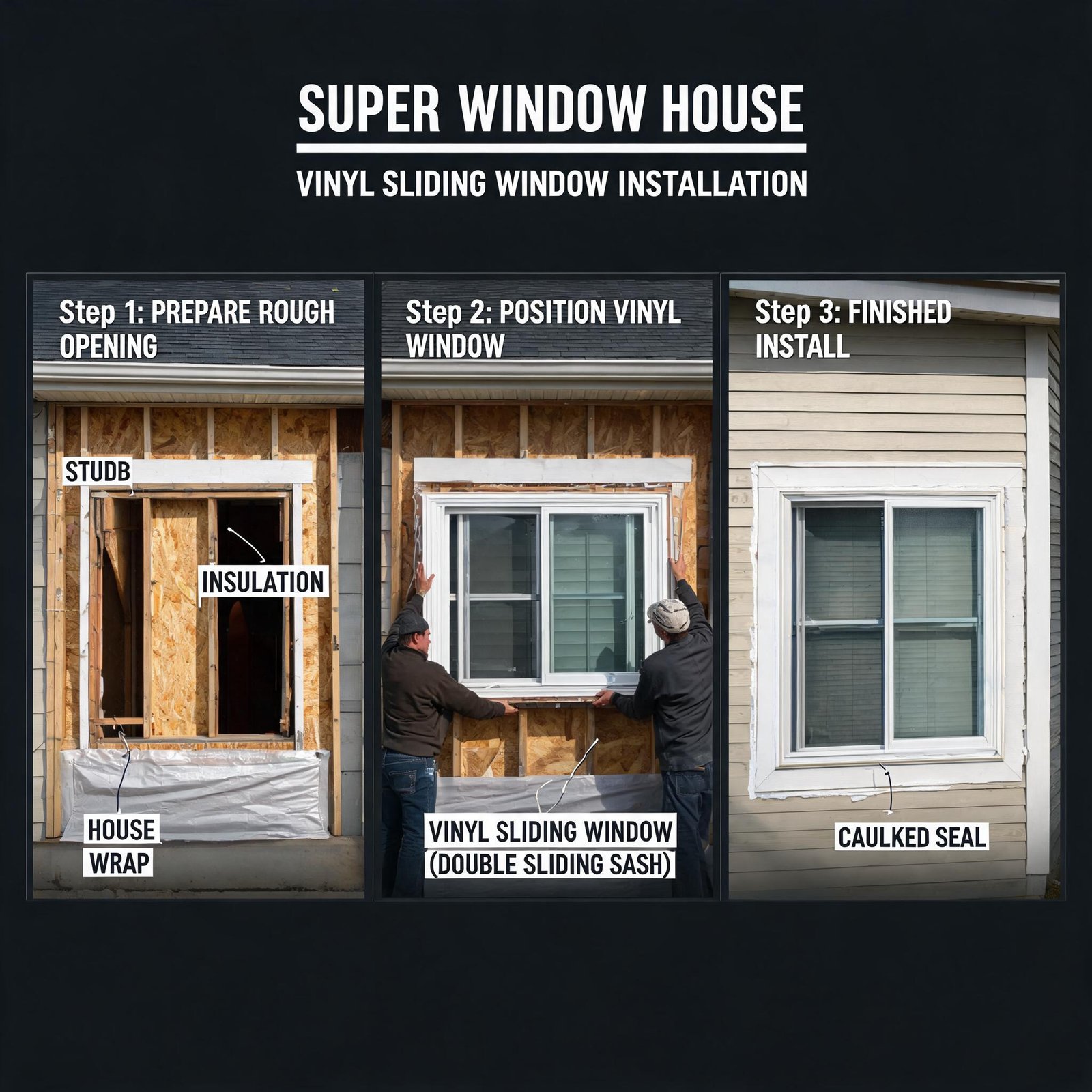
Standard nail-fin windows use a thin PVC flange that’s prone to cracking during thermal cycling. For blackout-resilient performance, specify windows with integral flashing flanges—thicker, reinforced flanges that create a true waterproof seal.
Our windows use a 1/8-inch thick PVC flange with pre-applied butyl tape for immediate weatherproofing. No secondary caulking required at the flange-to-wall interface.
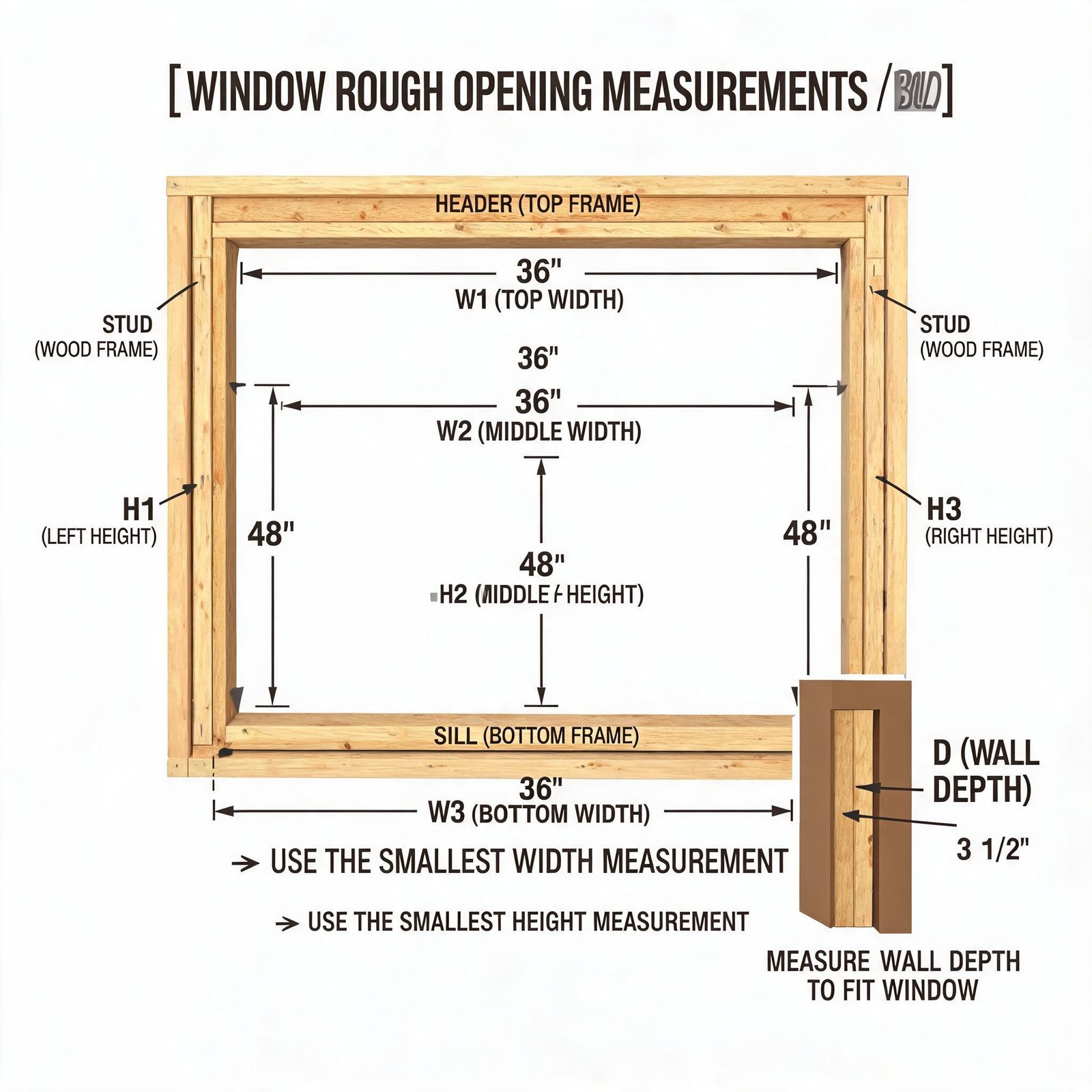
3. Verify Rough Opening Measurements Before Ordering
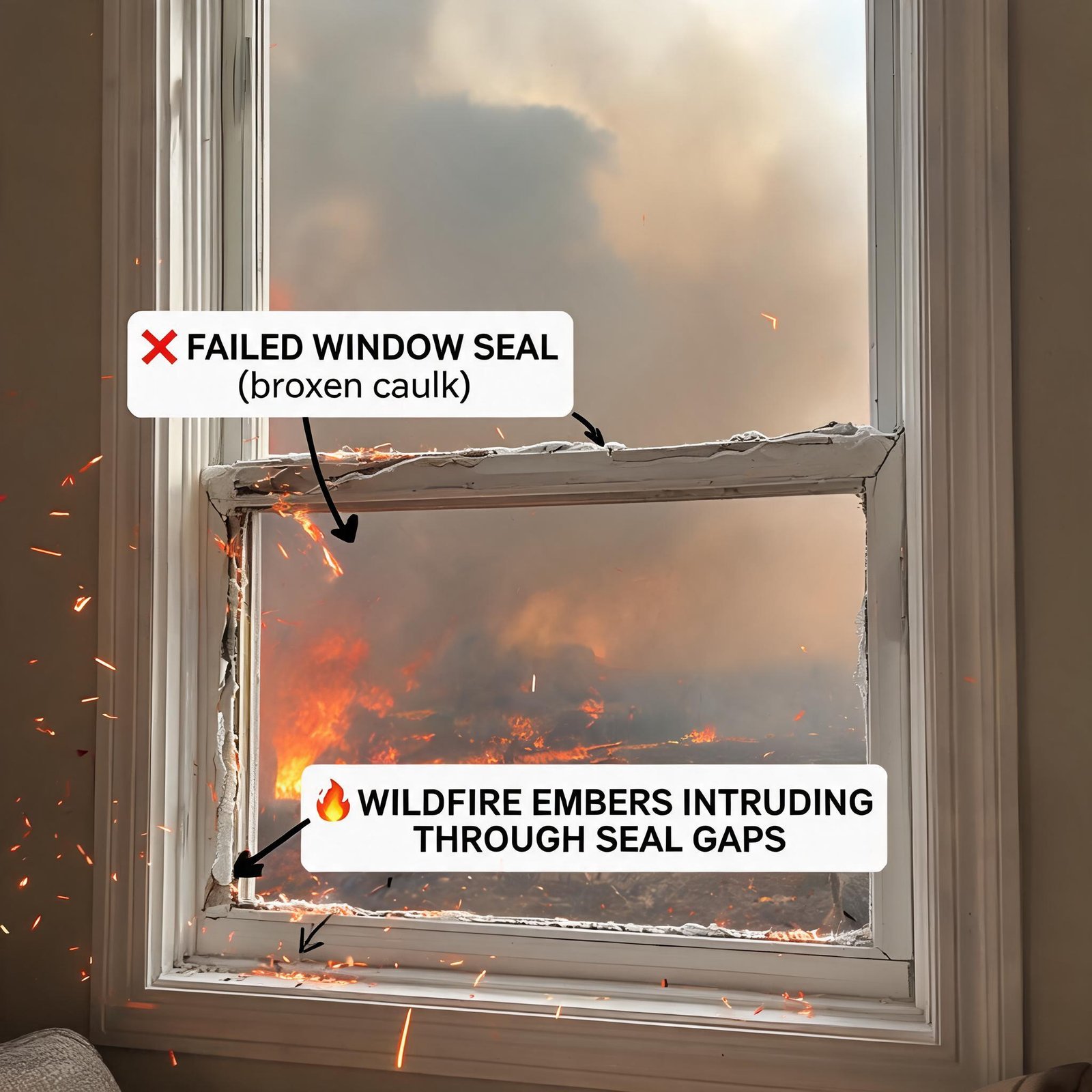
I can’t tell you how many projects I’ve seen delayed because someone measured the window opening wrong. During a blackout, every gap in the rough opening becomes an infiltration point.
Standard rule: Your rough opening should be 1/2 inch wider and 1/2 inch taller than the window frame dimensions. This allows for proper shimming and foam insulation. For our windows, we provide a downloadable measurement guide with each order.
Q&A: Blackout Window Questions Every Homeowner Asks
Q: Will Low-E windows really keep my home comfortable for 12+ hours without power?
Yes, but it depends on your home’s overall insulation. A well-insulated home with our triple-pane Low-E windows can maintain a stable temperature for 8–12 hours. For example, a 2,000 sq ft home with R-19 walls and R-38 attic insulation will drop from 78°F to 70°F over 10 hours during a summer blackout. Without Low-E windows, the same home would hit 85°F in 3–4 hours.
Q: How much more do Superwindowhouse windows cost compared to standard builder-grade units?
You’re looking at a 15–25% premium upfront. But here’s the ROI: during a single 48-hour blackout, you’re potentially saving $200–400 in hotel costs, spoiled food, and emergency equipment. Over 10 years with California’s increasing blackout frequency, that premium pays for itself multiple times. Plus, you get permanent energy savings of 30–40% on your monthly bills.
Q: Can I retrofit my existing windows with Low-E film for blackout protection?
No. Stick-on films degrade the window’s thermal performance by creating micro-cavities between the film and glass that trap heat. They also void most manufacturer warranties. For real blackout resilience, you need factory-applied Low-E coatings with proper gas fills and spacer systems.
Q: What’s the installation timeline for a custom-order from Superwindowhouse?
Standard timeline: 4–6 weeks from approved shop drawings to delivery. For urgent projects (like new construction threatened by fire season or upcoming winter blackouts), we offer expedited production at 3 weeks. We also provide priority dispatch for builders with ongoing projects.
The Bottom Line: Don’t Let PG&E’s Problems Become Your Family’s Crisis
I’ve been in this industry long enough to know that California’s grid reliability isn’t going to magically fix itself. The blackouts are coming—whether due to PSPS events, wildfire prevention, or infrastructure failures.
Your windows are the most visible, most critical component of your home’s passive climate control system. When the power goes out, they’re your only defense against heatstroke or hypothermia.
Superwindowhouse has engineered our product line specifically for this reality. From the hard-coat Low-E glazing that won’t degrade after five years, to the multi-point locks that keep your family safe during after-dark outages, to the thermally broken frames that stop heat transfer cold—every detail is designed for California’s new normal.
Don’t wait for the next pge outage to find out your windows don’t cut it. Spec the right windows now, and your home becomes a sanctuary when the grid goes dark.

Get your free consultation and shop drawings today at superwindowhouse.com. We’ll help you select the right windows for your climate zone, budget, and blackout resilience needs.