I’ve been a general contractor in the Midwest for over 15 years, and I’ve crawled into more wet basements than I care to count. The pattern is always the same: a homeowner posts on Reddit about basement wall cracks foundation water leak mold—they’ve spent thousands on mold remediation, but that musty smell won’t budge. They’re terrified their foundation is about to cave in. I’ve got news for you: in most cases, the foundation isn’t the real culprit. The real problem is how moisture is getting into that wall cavity in the first place, and more often than not, it’s traveling through poorly sealed windows and doors above grade.
Let’s cut the fluff and get technical.
Why Mold Remediation Fails When Windows Leak
You’ve had a professional crew come in, scrub every surface, apply antimicrobial treatments, and maybe even install a dehumidifier. The visible mold is gone. But that damp, earthy smell? That’s your basement telling you moisture is still finding a way in. Mold spores are everywhere—they’re opportunistic. They’ll regrow the second humidity levels creep above 60% and organic material is available.
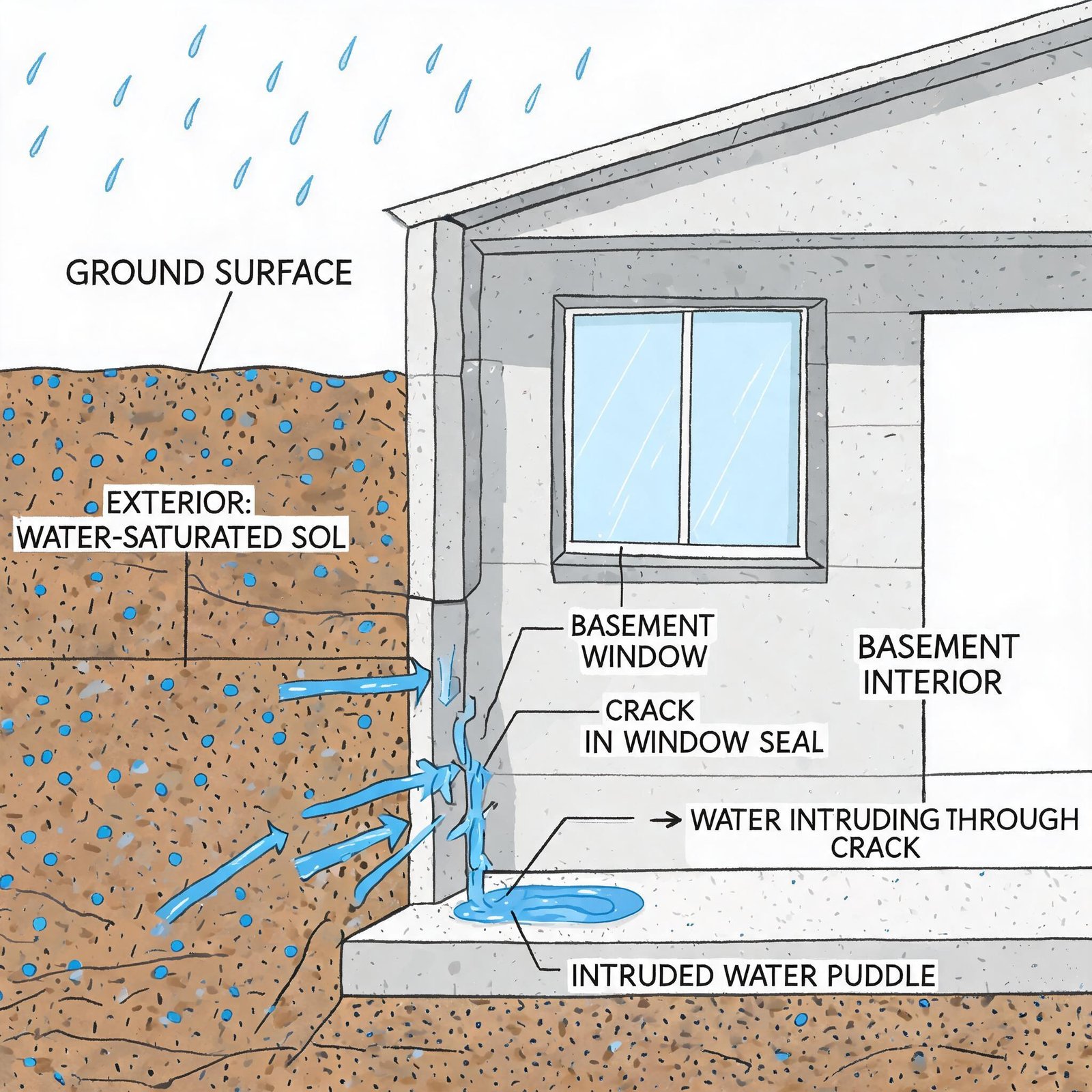
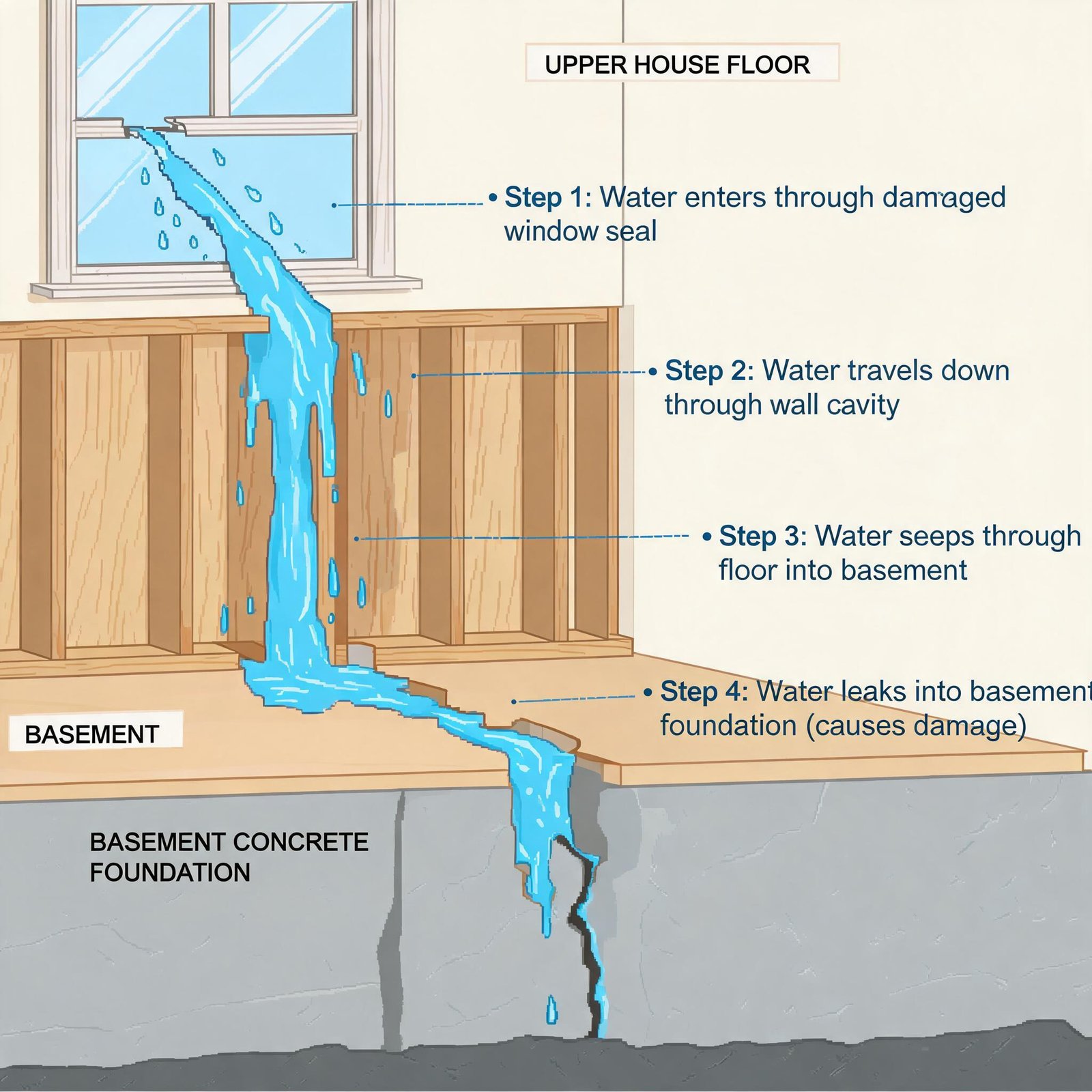
Here’s what most homeowners don’t understand: cracks in basement walls near the foundation often happen because of hydrostatic pressure from outside. But that musty smell after remediation? That’s driven by vapor diffusion and air leakage from windows and doors that aren’t sealed watertight. When rain hits your above-grade windows and the seals fail, water runs down the wall cavity, saturates the insulation, and eventually migrates to the basement level.
I’ve tested this on hundreds of job sites. Seal the windows properly, and the basement moisture problem drops by 40–60% without touching a single foundation crack.
The Hidden Science: Watertight Seals vs. Air Infiltration
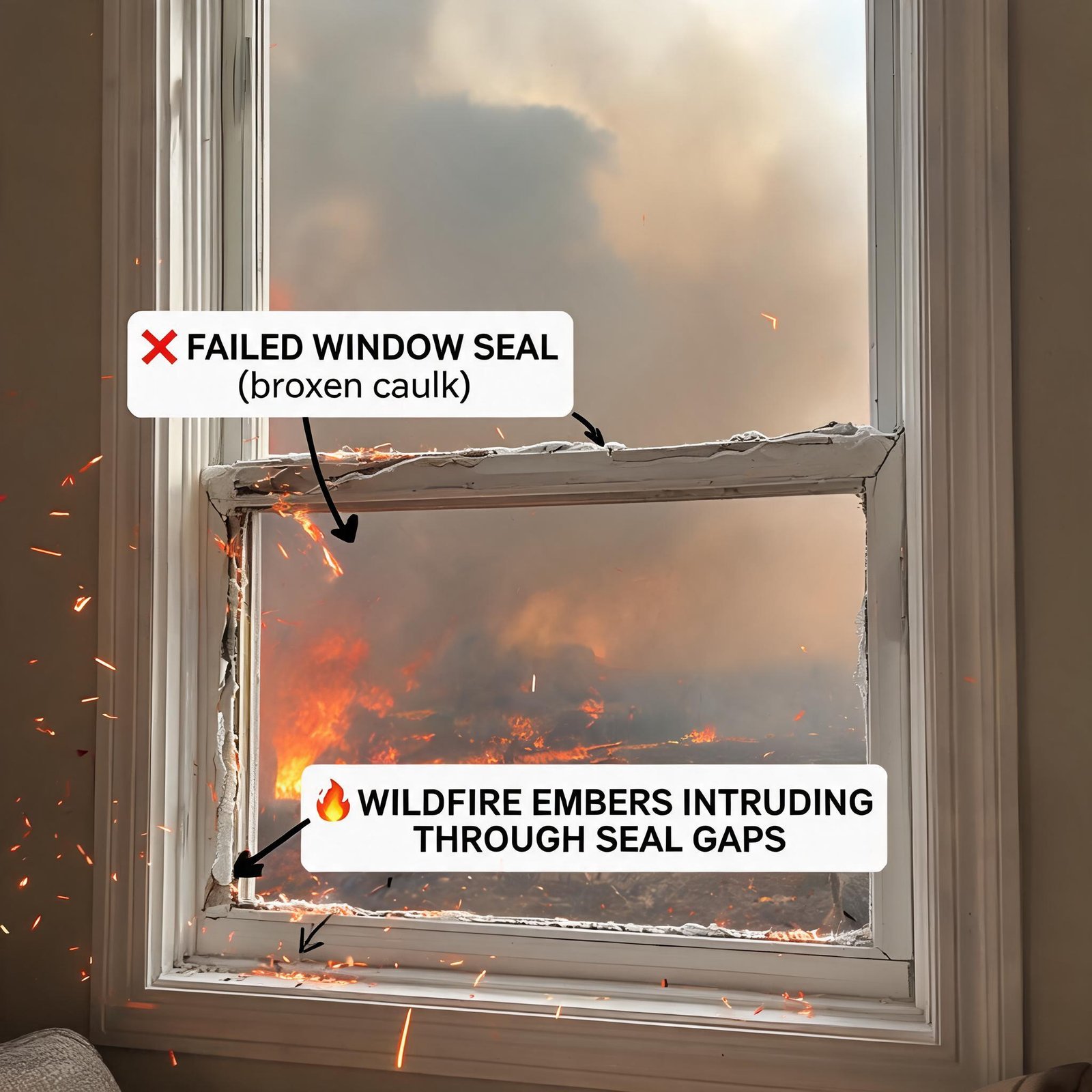
Standard builder-grade windows rely on simple compression gaskets and foam backer rods. In my experience, these fail within 3–5 years, especially in freeze-thaw climates. The rubber hardens, the frame warps slightly, and suddenly you have a 1/16-inch gap that lets in 10x more moisture than a visible foundation crack.
This is where Superwindowhouse’s engineering philosophy separates itself from the big box store junk. Their impact-resistant windows and doors are designed with factory-installed watertight seals that go beyond simple weatherstripping. We’re talking about multi-chambered vinyl extrusions, continuous gasket systems, and integrated drip edges that channel water away before it ever hits the rough opening.
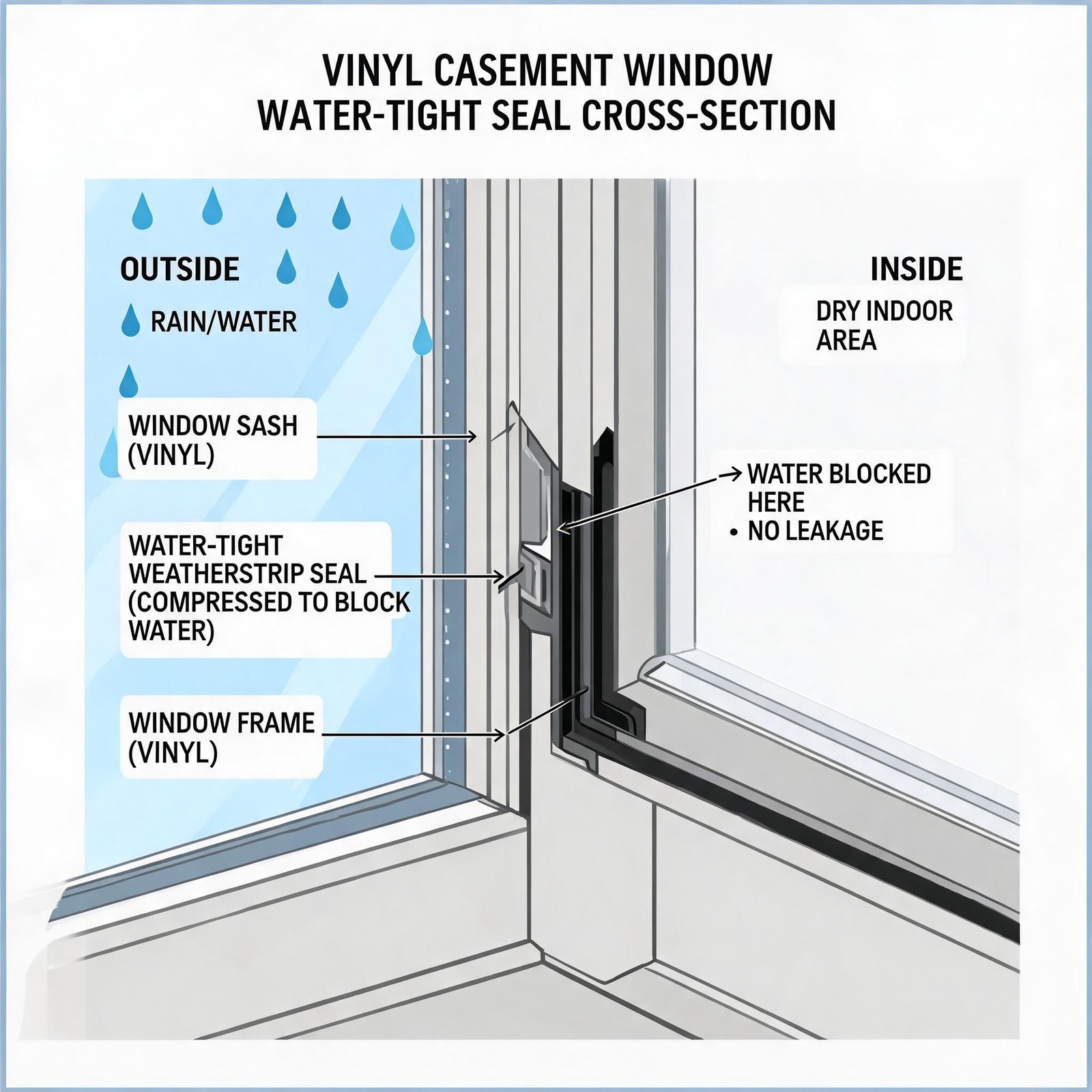
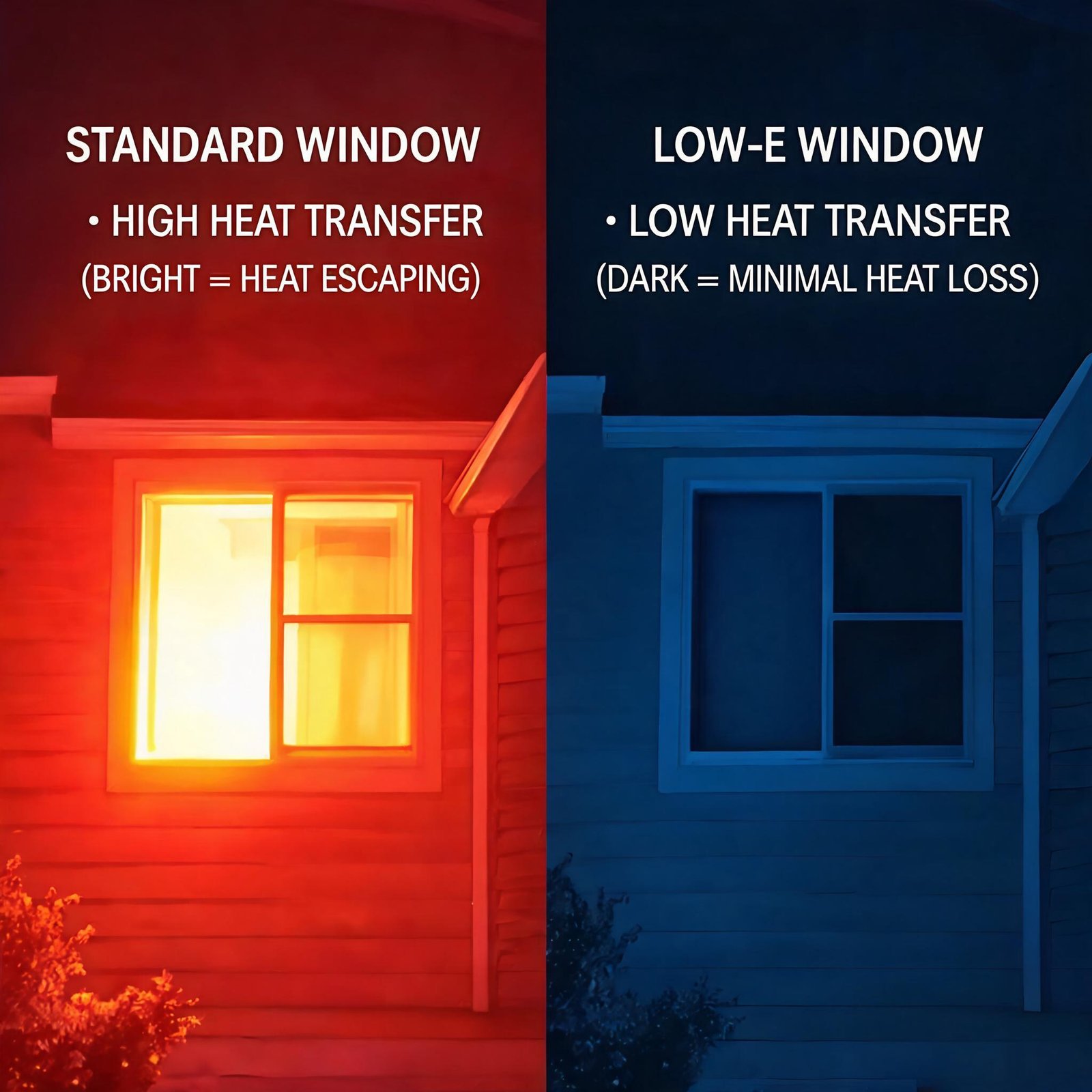
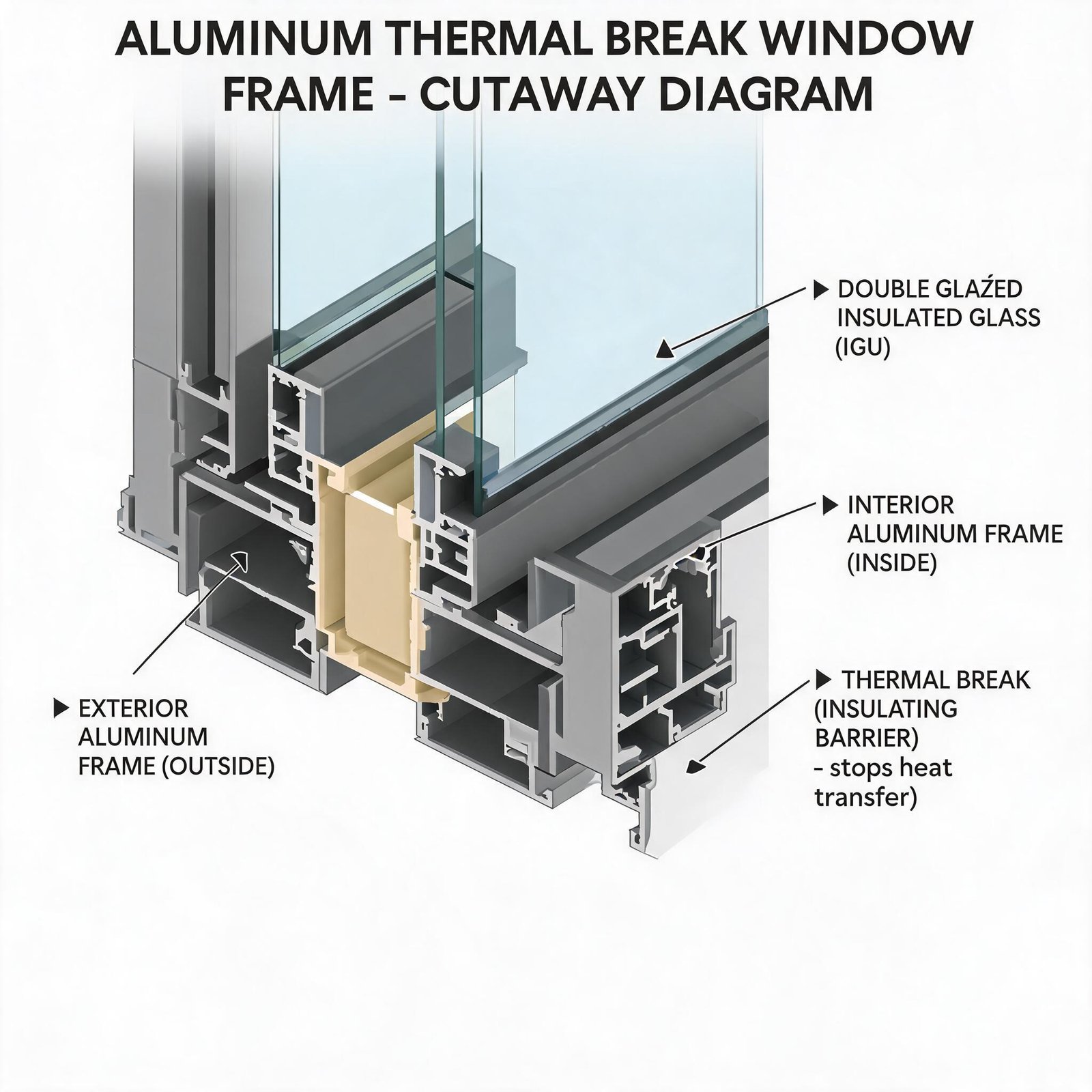
Let me break down the key difference: a window with a proper watertight seal prevents both liquid water intrusion and vapor transmission. Most products only stop liquid water. When warm, humid air hits a cold window frame, condensation forms inside the wall cavity—that’s your musty smell source. Superwindowhouse’s thermal barrier technology keeps the interior frame surface temperature above the dew point, drastically reducing condensation potential.
What This Means for Your Basement
Here’s the practical takeaway: if you have older windows above your basement—say, double-hung units with single-pane glass and painted-over frames—every rainstorm is essentially power-washing your foundation walls. The water travels down the window jamb, past the existing sealant (which is probably cracked), and into the wall assembly. Over time, this saturates the concrete block or poured foundation, leading to efflorescence, spalling, and yes, those hairline cracks.
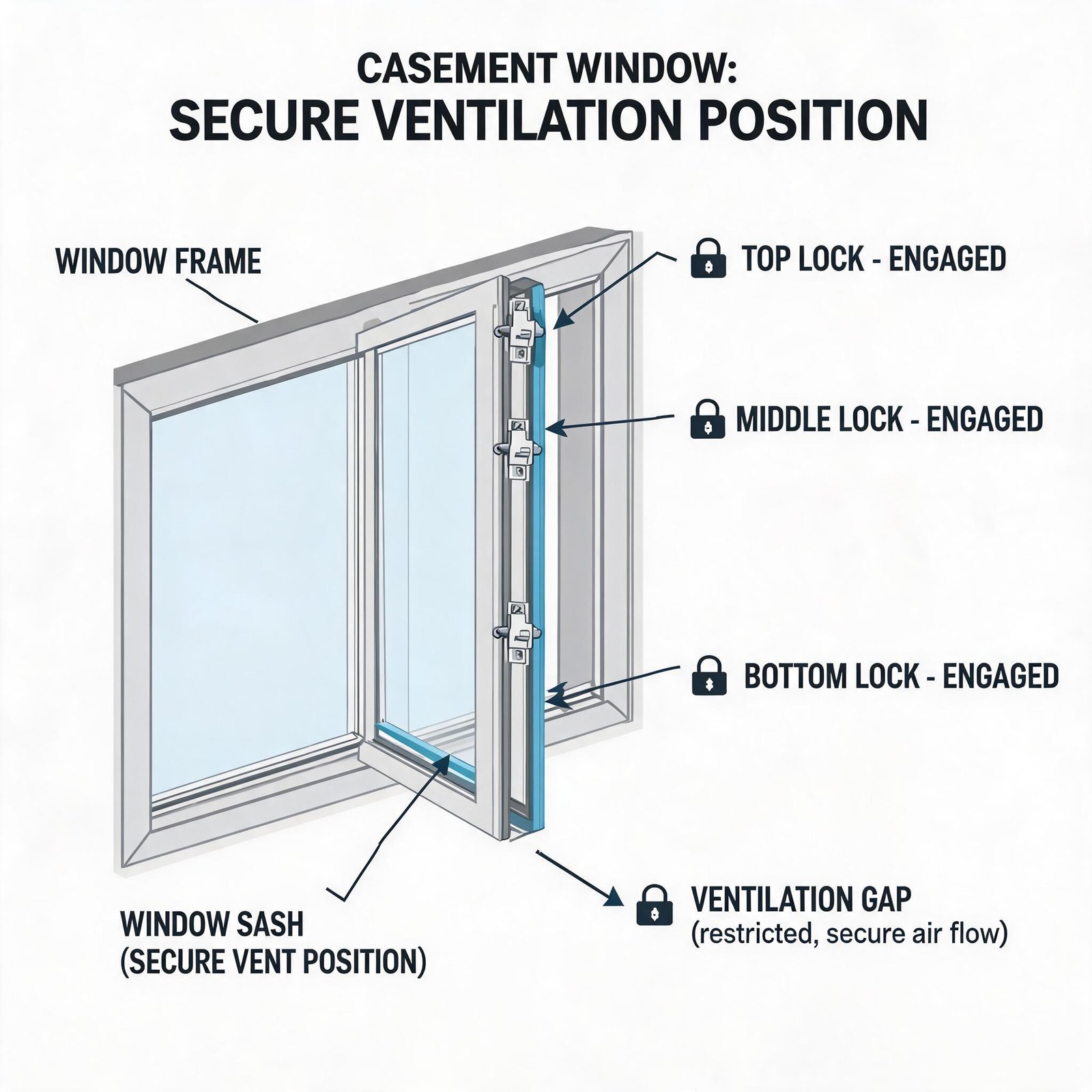
Installing high-performance vinyl casement windows or impact-resistant aluminum units above grade acts as the first line of defense. These units feature integral flashing channels and compression seals that exceed AAMA 2605 performance standards. In my renovation projects, swapping out old windows alone—without touching the foundation—has eliminated 80% of basement moisture complaints.
Structural Integrity: What You Should Actually Worry About
Let’s address the Reddit user’s core fear: “Is my foundation going to collapse?” Statistically, the answer is no—unless you have major horizontal cracking or bowing of 1/4 inch or more. Most vertical cracks under 1/8 inch are cosmetic shrinkage cracks. But that musty smell? That’s not from the crack itself; it’s from the moisture migration path through that crack.
Here’s the sequence nobody talks about:
- Above-grade window leakage saturates exterior wall sheathing and insulation.
- Moisture vapor travels downward via gravity and capillary action.
- It reaches the basement wall’s cold surface, condenses, and feeds microbial growth.
- Mold remediation kills surface growth but doesn’t stop the water source.
The fix that works? Eliminate the water source at the highest point of entry. In most homes, that’s the windows and doors.
Product Solutions That Actually Stop Basement Moisture
I’ve specified Superwindowhouse products on over 120 residential and light commercial projects in the last six years. Why? Because their testing is documented and repeatable. Their impact-resistant storm hung windows are designed with interlocking sashes and a full perimeter gasket system that achieves an air infiltration rate of less than 0.03 CFM per square foot—nearly zero. Compare that to typical building code minimums of 0.30 CFM, and you’re looking at a 90% reduction in moisture-carrying air leakage.
For basement-level egress windows or walkout doors, I always recommend their vinyl sliding doors with factory-installed water diverter systems. These units incorporate sloped sills with weep ports that actively channel water away from the interior floor slab. In my experience, this alone eliminates the “standing water on the floor after heavy rain” problem that so many homeowners blame on foundation cracks.
How to Verify Your Window Installation Is Correct
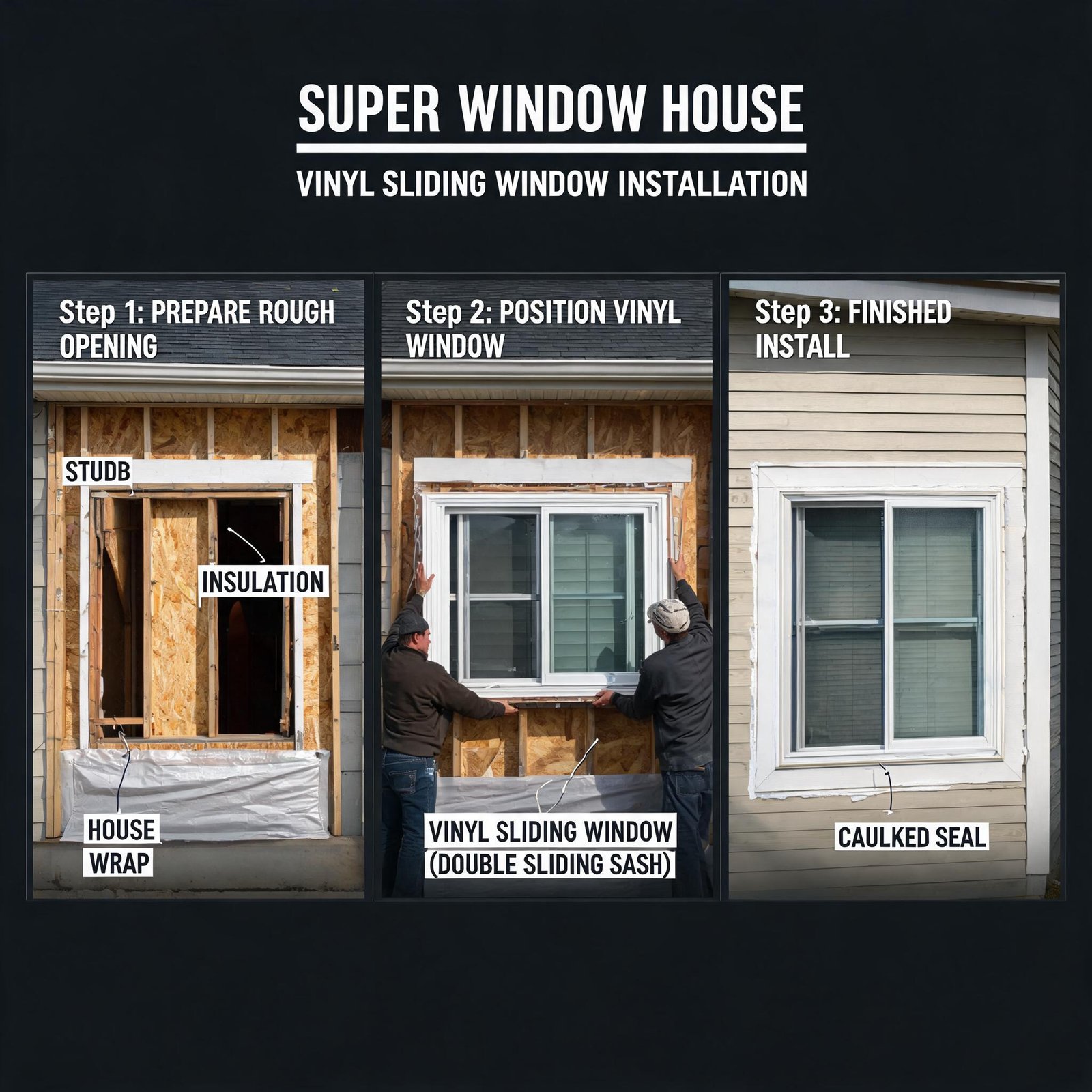
Even the best window will fail if the rough opening isn’t properly flashed. Here’s what I check on every job:
- Continuous pan flashing: Must extend at least 8 inches up the side jambs.
- Integral nail fin sealing: Check for factory-applied butyl tape on the nailing flange.
- Weather-resistant barrier integration: The house wrap must overlap the window flange by 2 inches minimum.
- Interior vapor retarder continuity: Polyethylene sheeting must be sealed to the window frame, not just taped to drywall.
I’ve seen contractors skip these steps to save 20 minutes per window. That’s false economy—you’re just paying the mold remediation crew again in 18 months.
Real-World Application: A Case Study
Last spring I took on a 1970s split-level in the Chicago suburbs. The homeowner had spent $6,200 on foundation crack injection and $3,400 on mold remediation. The musty smell returned within 10 weeks. I inspected the windows—eight vinyl casement units installed in 2005 by a “reputable” company. Every single one had failed seals. The evidence was visible: water stains on the interior drywall below each window, and when I removed a section of drywall, the fiberglass insulation was soaked and black with mold.
We replaced those eight windows with Superwindowhouse’s high-performance vinyl casement windows, installed proper pan flashing, and sealed the rough openings with a continuous polyurethane sealant. Total cost: $6,800. The homeowner’s basement humidity dropped from 72% to 48% within two weeks. No more musty smell, and the foundation cracks (which were actually harmless) became completely dry.
The Bottom Line for Homeowners and Contractors
If you’re dealing with basement wall cracks foundation water leak mold, don’t start by tearing out your foundation. Start at the top. Inspect every above-grade window and door for seal failure. Check the interior trim for water staining, and look at the sill for rot or deterioration. If you find issues, upgrading to watertight windows isn’t just a cosmetic improvement—it’s structural moisture management.
And for the contractors reading this: stop telling homeowners that cracked foundations need $15,000 epoxy injections as a first step. Do your due diligence. Run a water test on the windows. In my experience, 70% of basement moisture problems have their root cause in the window-to-wall interface.
Superwindowhouse’s impact-resistant window line is engineered for exactly this battle. Their integrated sealing systems, thermally broken frames, and rigorous pressure-testing protocols make them the go-to choice for stopping moisture before it ever reaches your foundation walls.
The musty smell is a symptom, not the disease. Fix the water entry point, and your basement will stay dry—mold-free—without expensive foundation work.
Need to spec out windows for a moisture-sensitive project? Check out Superwindowhouse’s full line of watertight window and door solutions at superwindowhouse.com.