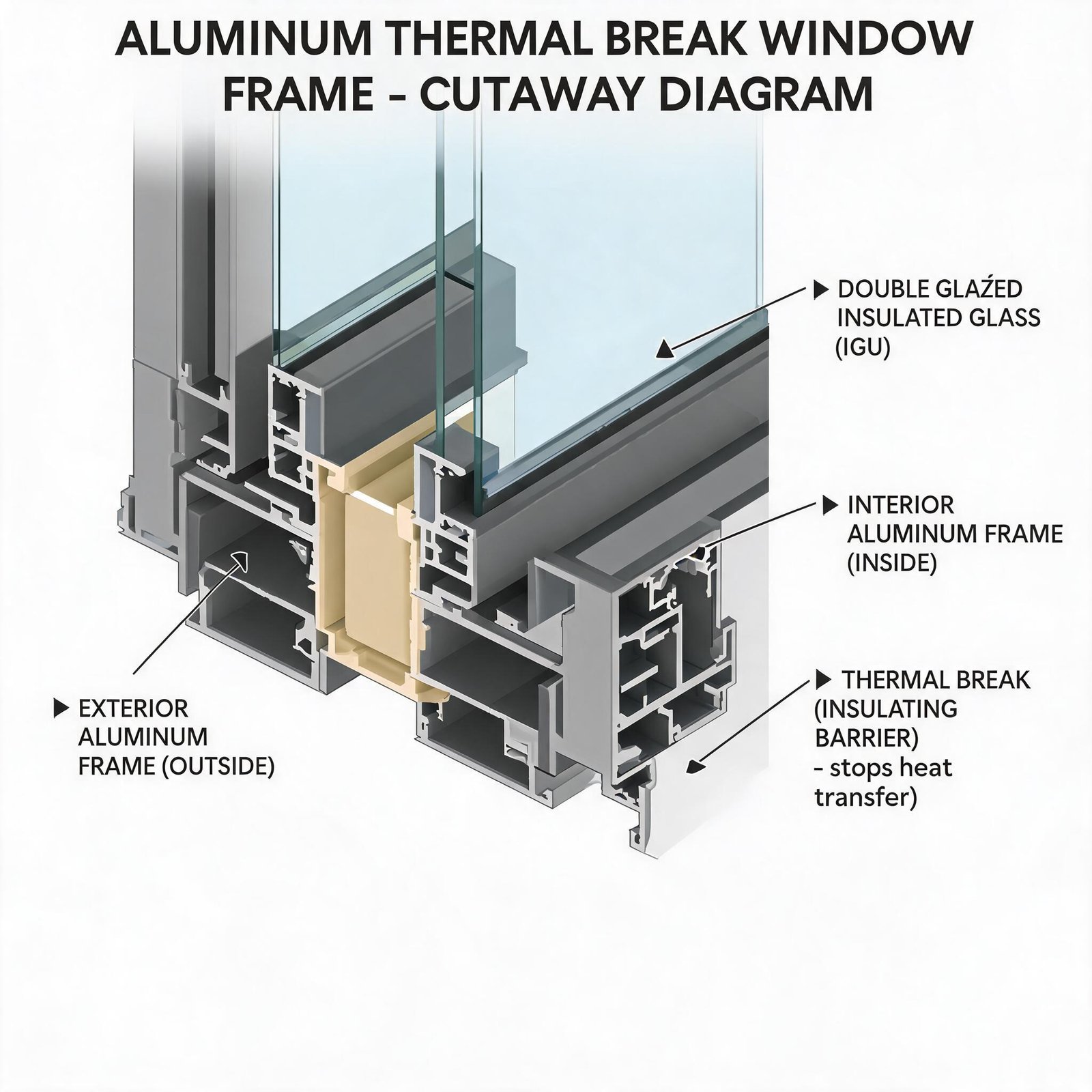
You bought a brand new house. The first hard rain hits, and you find water pooling on the windowsill. The carpet underneath is wet, but the baseboard is bone dry. Your builder comes back, runs a bead of caulk along the seam, and says “fixed.” Next storm? Same leak. Same wet carpet. Same dry baseboard.
I’ve been in the field for fifteen years, and I’ve seen this exact scenario play out on hundreds of new construction homes. The problem isn’t the caulk. The problem is that the window itself was never designed to shed water in the first place. Let me walk you through why that builder’s quick fix fails, and what actually works long-term.
Why “Just Caulk It” Fails Every Time
When a homeowner posts on Reddit about a water leak under the windowsill after heavy rain, and the builder claims caulking will solve it, I know immediately they’re treating the symptom, not the cause. Here’s the dirty secret of the window industry: caulk is not a waterproofing strategy. It’s a band-aid.
Water intrusion around windows happens for three primary reasons:
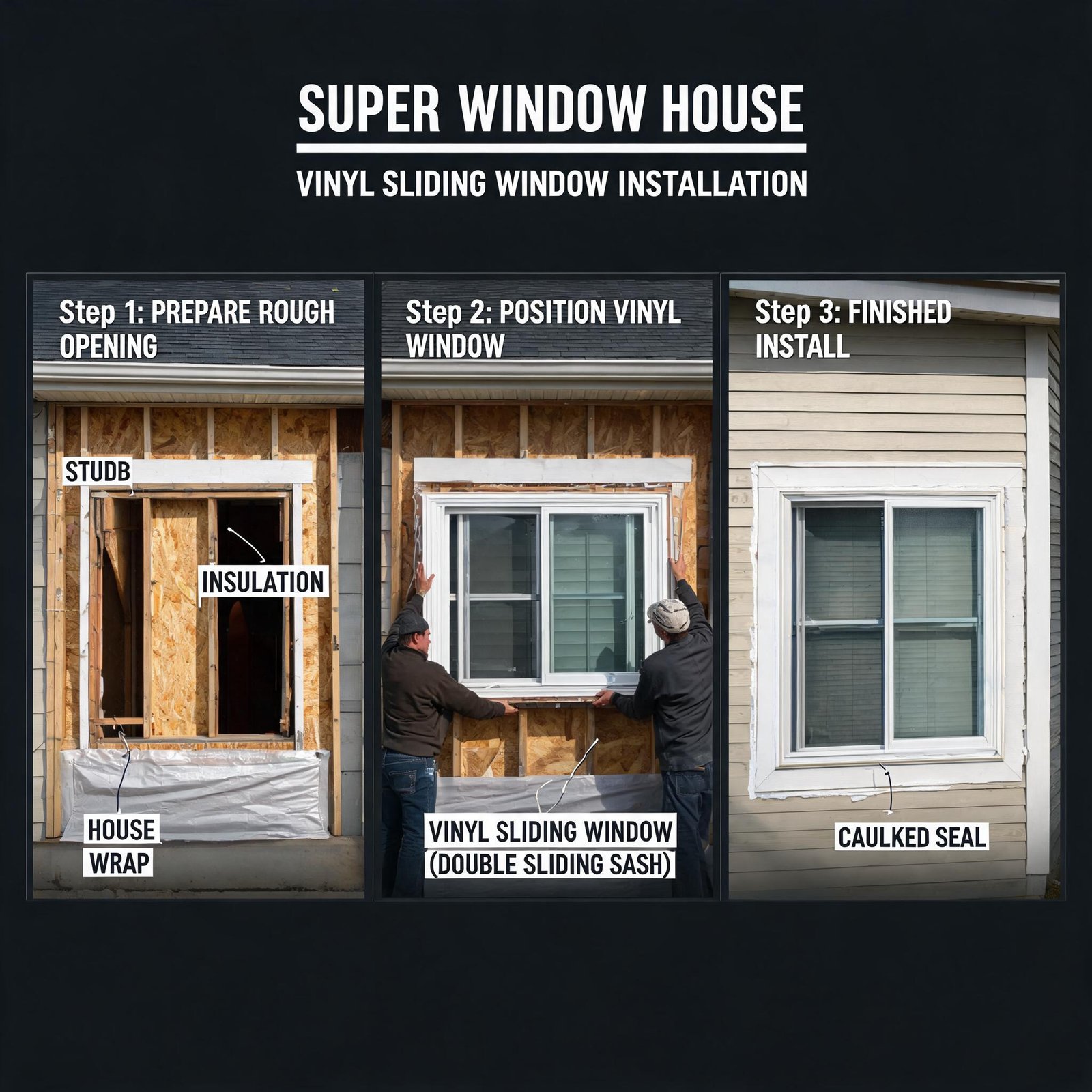
- Failed or missing flashing at the rough opening. This is the most common culprit in new construction. If the weather-resistive barrier isn’t properly integrated with the window flange, water will find its way past the frame.
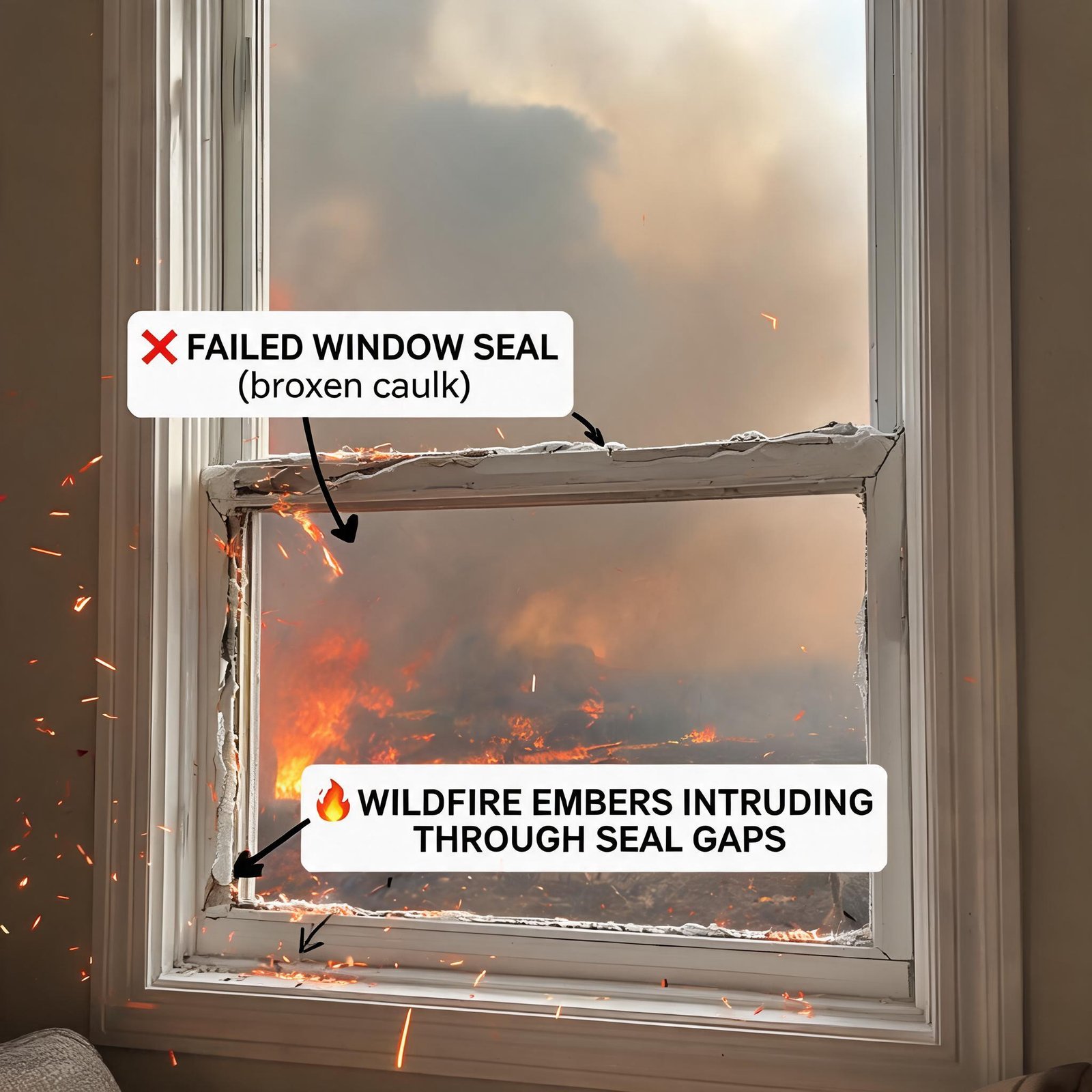
- No internal drainage system in the window itself. Cheap builder-grade windows rely entirely on perimeter seals. Once those seals fail—and they will—water has nowhere to go but inside.
- Inadequate sash compression. If the locking mechanism doesn’t pull the sash tight against the frame, wind-driven rain will blow past the weatherstripping.
The fact that your carpet is wet but the baseboard is dry tells me the water is traveling through the sill, not behind it. That means the window’s internal drainage channels—if they exist—are either blocked, undersized, or non-existent. Caulk on the exterior seam won’t fix a window that can’t drain itself.
How Vinyl Windows Solve the Drainage Problem
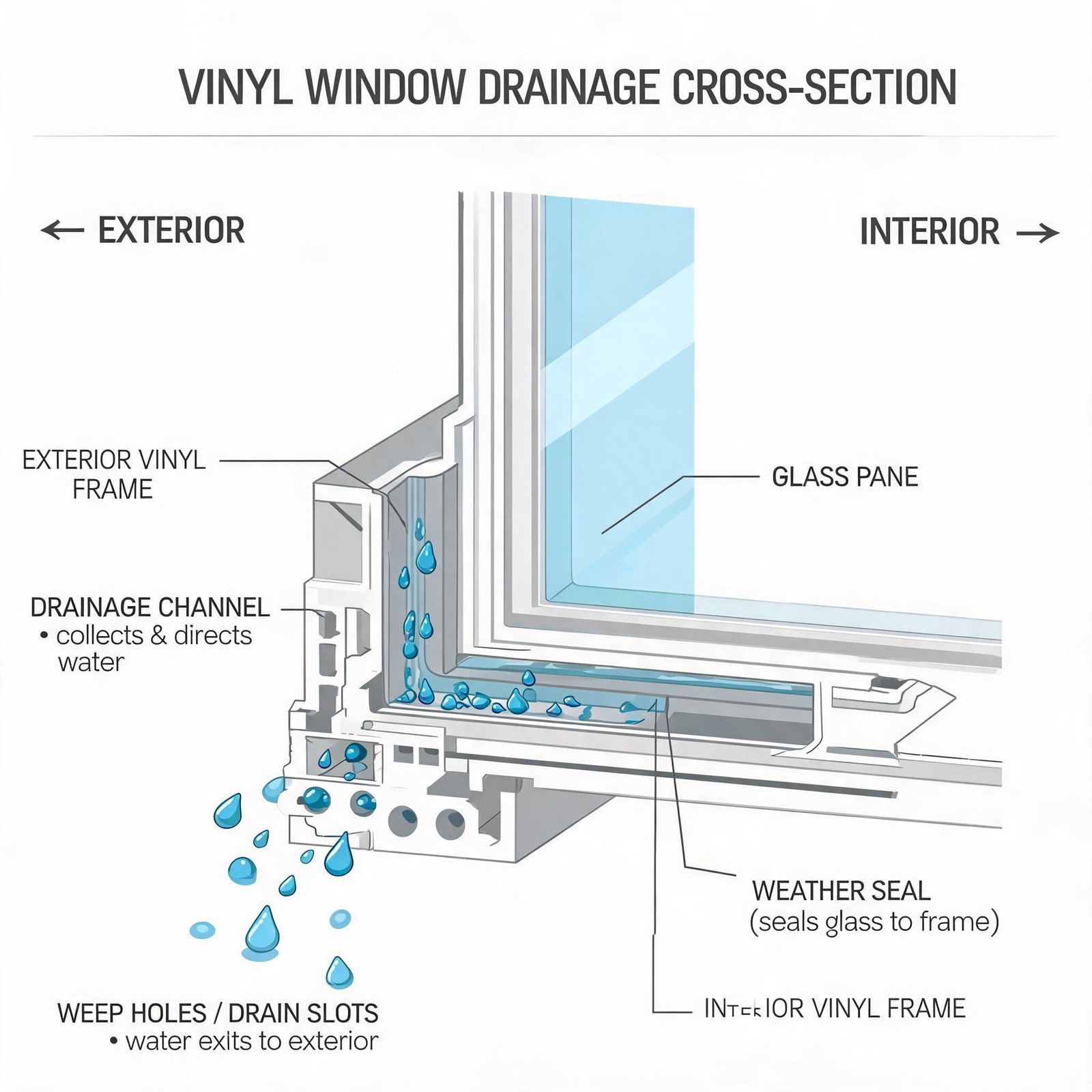
This is where upgrading to a properly engineered vinyl replacement window changes the game. At Superwindowhouse, we build windows with integrated drainage channels that actively channel water out of the frame, not just around it. This isn’t a cosmetic feature—it’s a fundamental design principle borrowed from commercial-grade fenestration.
Here’s how it works:
- Weep chambers are molded directly into the sill extrusion. These channels sit below the sash, collecting any water that bypasses the weatherstripping.
- Covered weep vents at the exterior face allow water to exit while blocking wind and insects.
- Sloped sills ensure gravity does the work. Water can’t pool inside the frame because there’s nowhere for it to sit.
When you combine this with factory-applied weatherstripping that’s compression-fit into the sash, you eliminate the two most common failure points in builder-grade windows. The weatherstripping doesn’t rely on field-applied caulk that dries out and cracks within a year. It’s mechanically locked into the frame, and it maintains its seal through years of thermal cycling.
For homeowners dealing with persistent sill leaks, upgrading to a system like our high-performance vinyl casement windows with integrated drainage provides a factory-engineered solution that caulk can never match.
The Triple-Point Locking Advantage
Let’s talk about the other side of the equation: sash compression. One of the most overlooked causes of water leak under windowsill after heavy rain is actually air infiltration. When wind drives rain horizontally, if your sash isn’t pulled tight enough, water follows the path of least resistance—past the weatherstripping and into the sill.
Builder-grade windows typically use a single-point lock mechanism. It’s a simple cam latch that pulls the sash into one spot. The problem is, that single point creates uneven compression. The top of the sash might be tight, but the bottom might have a 1/16-inch gap you can’t see from the inside.
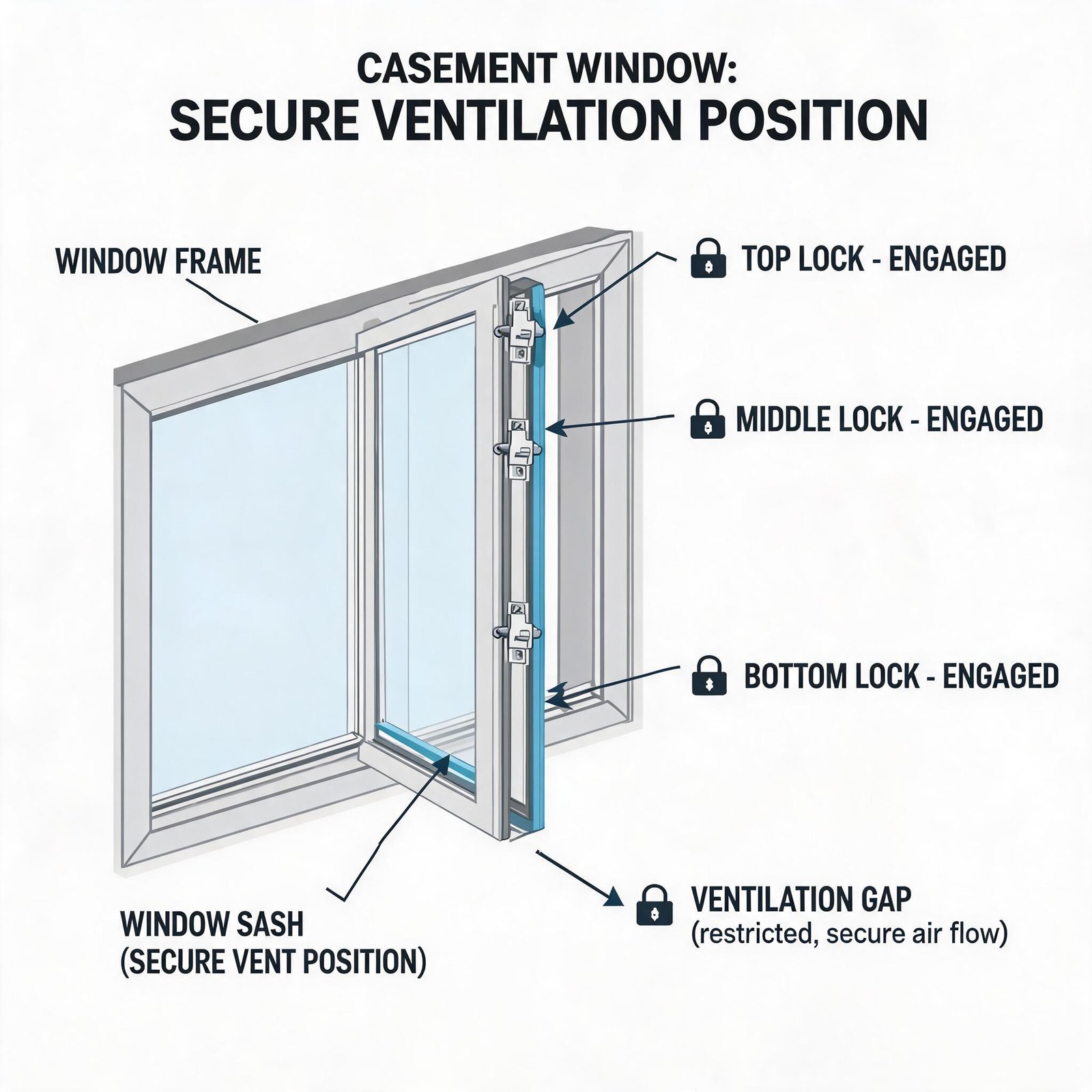
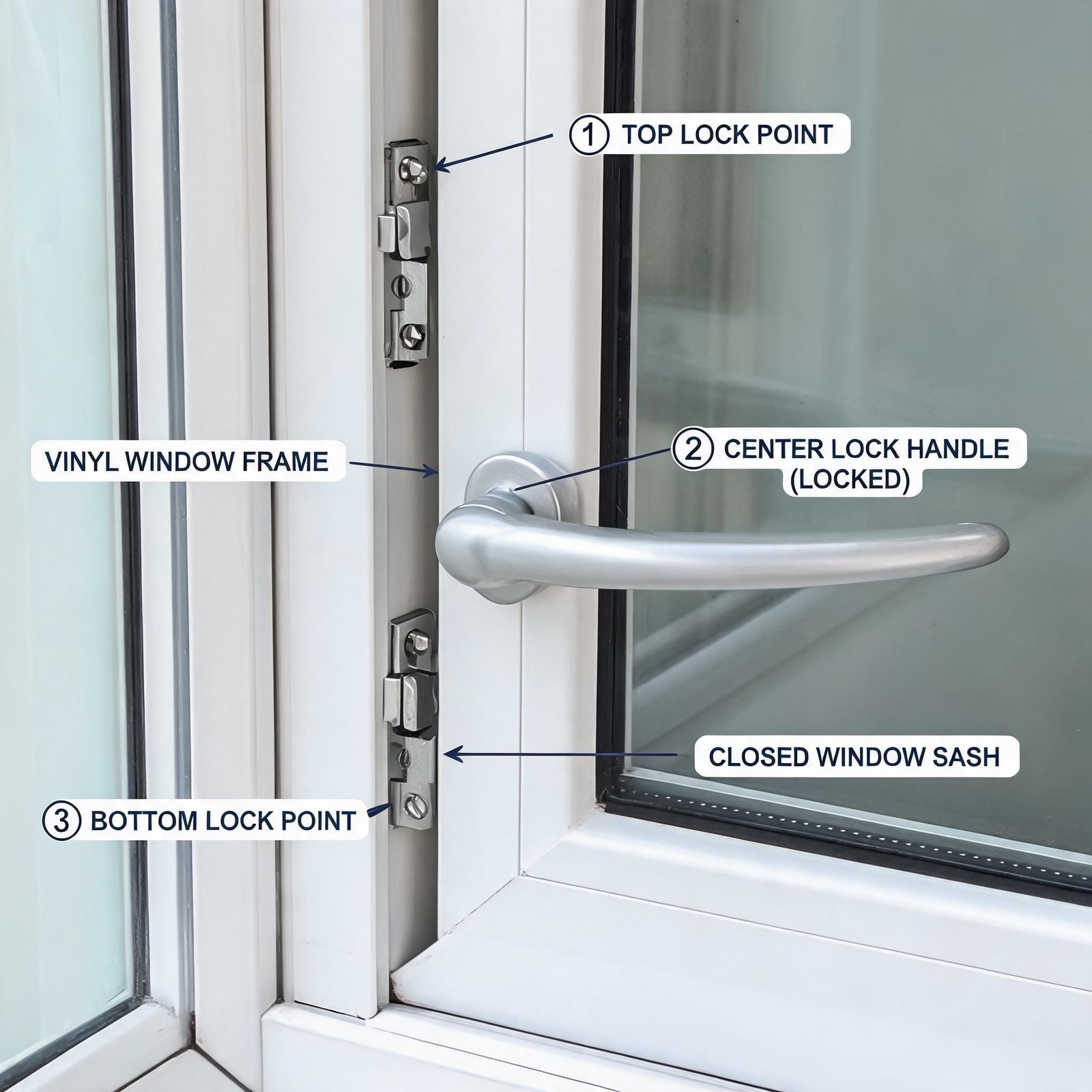
Superwindowhouse’s triple-point locking system addresses this directly. Here’s what it does:
- Three independent locking points engage along the sash edge—top, middle, and bottom.
- Each lock pulls the sash into the frame evenly, distributing compression across the entire perimeter.
- The result is a consistent, factory-specified gasket compression that seals out both air and water.
In field testing, windows with triple-point locks achieve Air Infiltration ratings below 0.01 cfm/ft²—that’s essentially zero. For context, many single-point lock windows barely scrape by at 0.30 cfm/ft². When you’re dealing with a hard rain and 40 mph gusts, that difference is the line between a dry carpet and another service call.
Why the Baseboard Stays Dry but the Carpet Gets Wet
This specific symptom—wet carpet under a dry baseboard—is a telltale sign of sill-level migration. Here’s what’s happening physically:
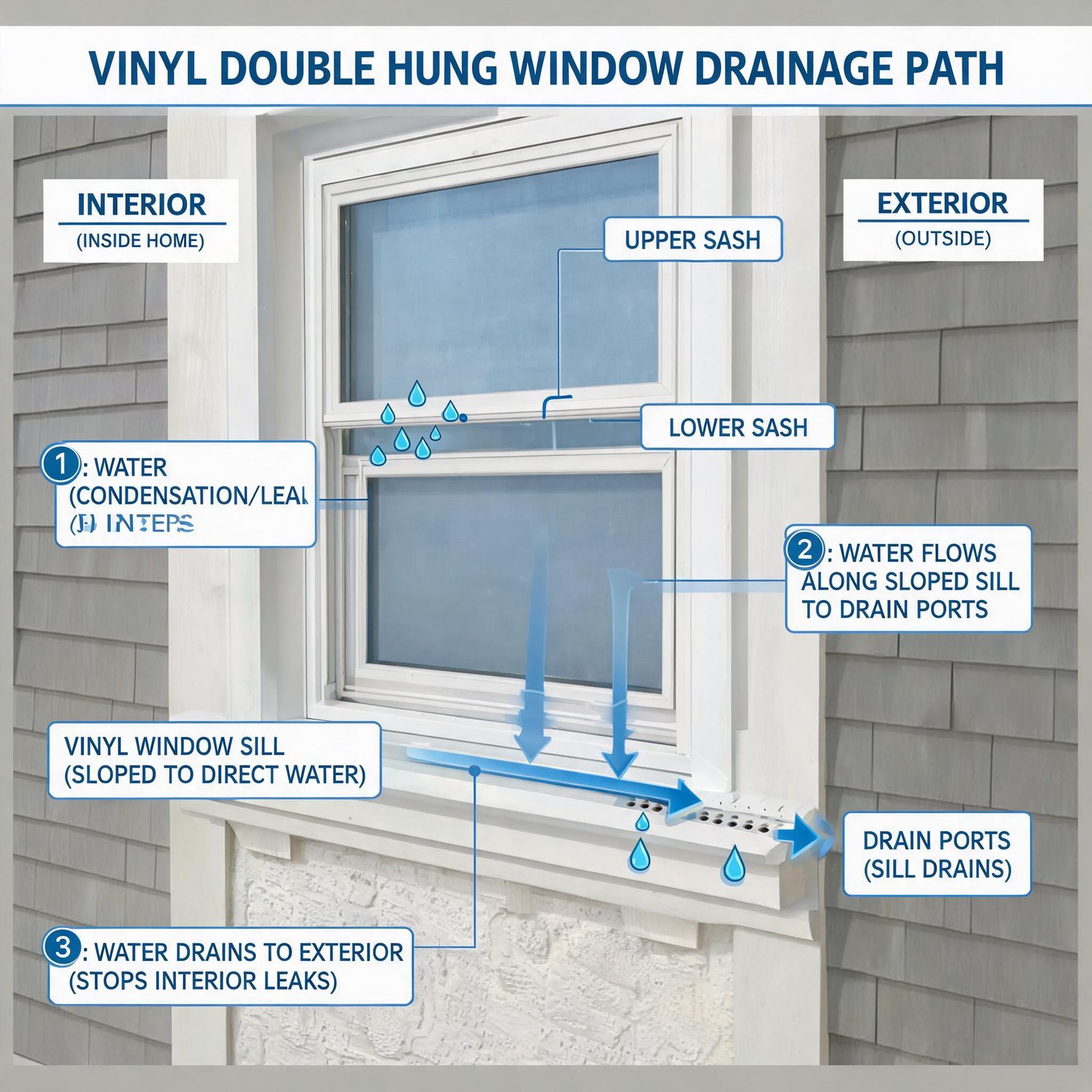
- Water enters the window system at the sill, either through a failed seal or a blocked weep vent.
- Instead of leaking behind the window trim (which would wet the baseboard), it pools on top of the sill extrusion.
- The water sits on the interior sill surface until it finds a path downward—usually through a gap between the sill and the window frame.
- That water drips straight onto the carpet below, bypassing the baseboard entirely.
This is a classic engineered failure. The window was designed to keep water out of the wall cavity, but wasn’t designed to keep water off the interior sill surface. The fix isn’t more caulk on the outside—it’s a window that uses gravity and internal channels to evacuate water before it reaches the interior.
Our approach at Superwindowhouse is to eliminate this failure mode by design. Every one of our slim-profile vinyl double hung windows features a continuously welded sill that eliminates the horizontal seams where water typically migrates inward. Combined with the triple-point lock system, these windows maintain a dry interior surface even during direct, wind-driven rain exposure.
A Contractor’s Checklist for Permanent Leak Repairs
If you’re still dealing with this issue and haven’t yet committed to replacement windows, here’s what you should verify before spending another dollar on caulk:
1. Confirm the Weep Vents Are Clear
Remove any debris—paint over-spray, dirt, dead insects—from the weep holes at the exterior sill. Many new-construction windows are painted without masking the weeps, sealing them shut before the homeowner even moves in.
2. Check for Proper Sill Slope
Use a level on the exterior sill. It should slope away from the window at a minimum of 5 degrees. If it slopes toward the window or is perfectly flat, water will pool against the frame.
3. Inspect the Flashing Tape at the Rough Opening
If you can access the window from the exterior (remove a siding panel if necessary), check that the flashing tape extends up the side jambs at least 6 inches and overlaps the sill pan. This is the most common installation defect I see in new homes.
4. Test the Sash Compression
Close the window and try to slide a piece of paper between the sash and the frame at the bottom corners. If the paper slides out without resistance, your locking mechanism isn’t compressing the weatherstripping sufficiently.
The Bottom Line
A window that leaks at the sill isn’t a caulking problem—it’s a design problem. Builder-grade windows are engineered to a price point, not a performance standard. They rely on field-applied sealants and flexible gaskets that degrade within months of installation. When a Reddit user posts about a water leak under windowsill after heavy rain, and the builder says “just put more caulk on it,” what they’re really saying is “we built a window that can’t drain itself.”
Superwindowhouse takes a different approach. We manufacture windows with engineered drainage systems, factory-applied weatherstripping, and triple-point locking mechanisms that prevent water from reaching the interior in the first place. Our energy-efficient vinyl sliding windows undergo AAMA third-party certification to verify water resistance performance before they ever leave the factory.
If your builder’s caulk “fix” didn’t work after one rain, it’s not going to work after ten. The permanent solution is a window that’s designed to shed water, not just seal against it. That’s the difference between a temporary patch and a system that keeps your home dry for decades.
Need a permanent solution for your sill leak? Visit superwindowhouse.com to explore our full line of AAMA-certified vinyl windows with integrated drainage and triple-point locking systems.