**PVC vs Aluminium Windows: The Definitive Guide for US Spec Home Builders**
Choosing the right window frame material can make or break a spec home project. For US builders who import European windows, the debate between uPVC and aluminum isn’t just about aesthetics—it directly impacts your bottom line, project timelines, and buyer satisfaction. After analyzing hundreds of installations across American markets, we’ve compiled the most comprehensive comparison available. This guide goes beyond surface-level differences to give you the technical, financial, and practical insights you need to make informed decisions for every project type.
**Understanding the Core Differences Between uPVC and Aluminum**
Before diving into specific comparisons, it’s essential to understand what makes these materials fundamentally different. uPVC (unplasticized polyvinyl chloride) is a thermoplastic polymer that has dominated European window markets for decades. Aluminum, on the other hand, is a non-ferrous metal prized for its strength and slim profiles. Each material brings distinct advantages and limitations to the construction site.
The manufacturing processes differ significantly. uPVC windows are extruded into hollow chambers, then welded at corners to create airtight frames. Aluminum windows are typically extruded into profiles, then assembled using mechanical joints or thermal breaks—a polyamide strip that separates the interior and exterior metal surfaces to reduce heat transfer. This thermal break technology is what makes modern aluminum windows viable for energy-conscious builders.
**Thermal Performance: Breaking Down the Numbers**
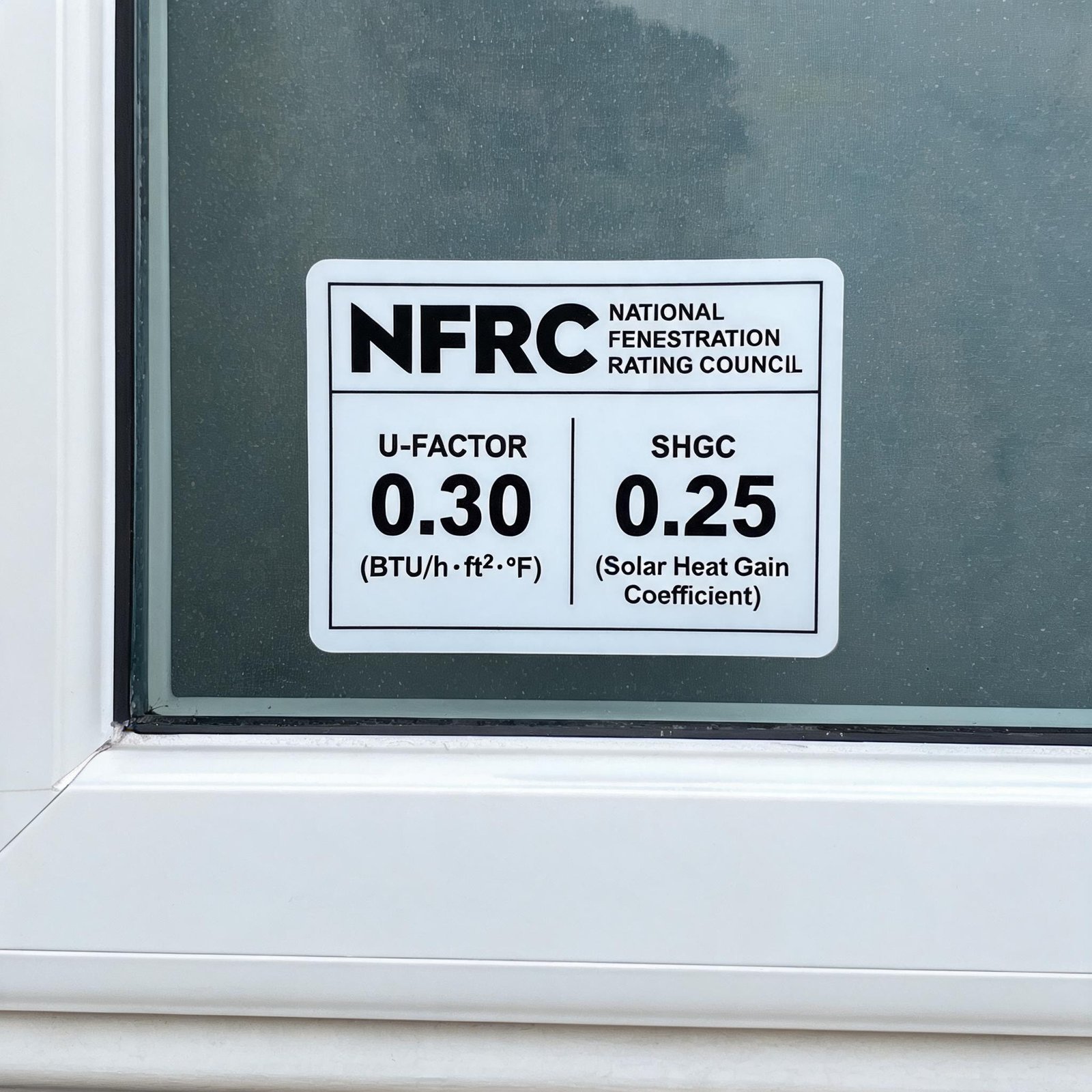
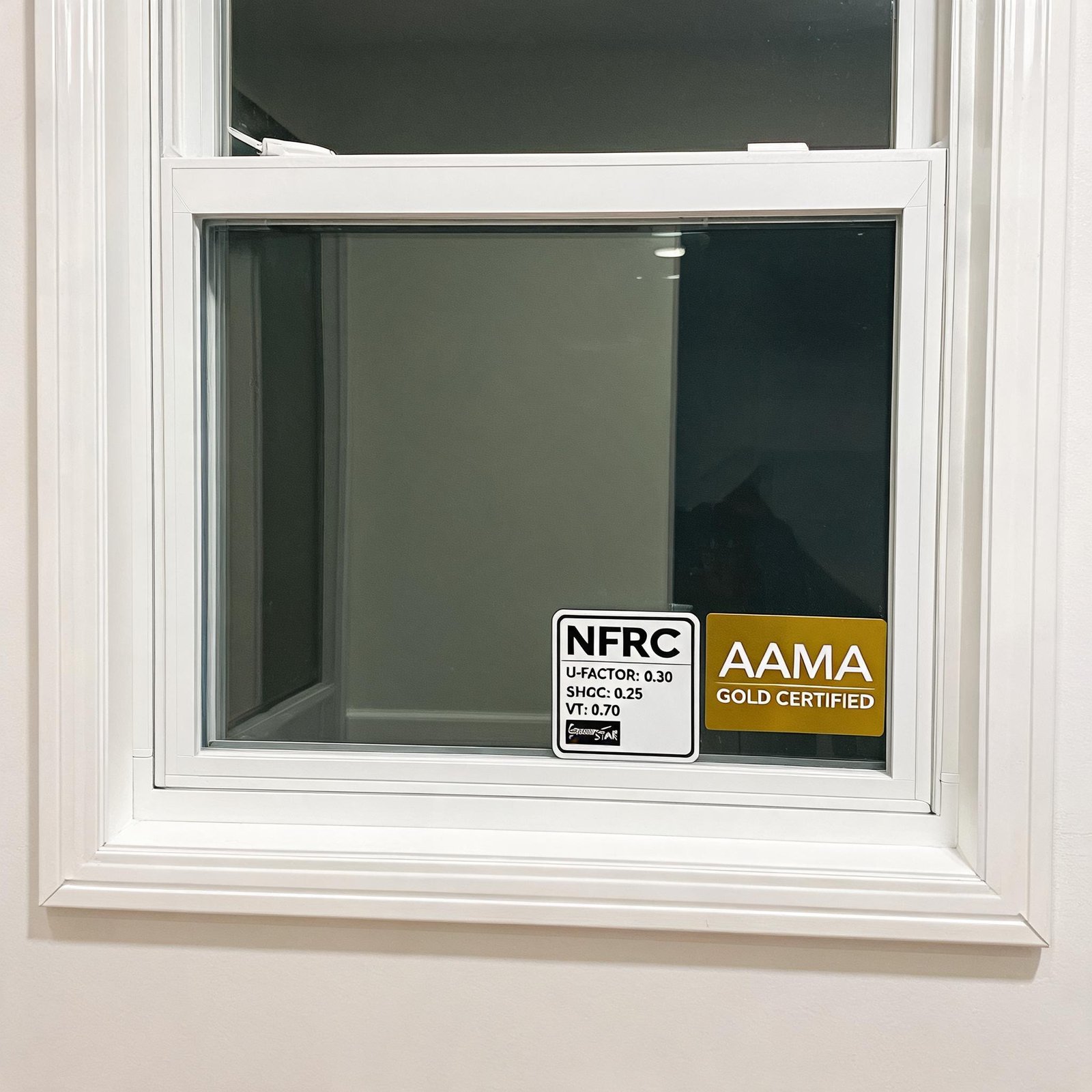
When builders ask “are aluminium windows better than pvc” regarding insulation, the answer depends heavily on the specific products being compared. Standard uPVC windows typically achieve U-values between 0.18 and 0.30 Btu/h·ft²·°F, depending on glazing and chamber design. Thermally broken aluminum windows can achieve similar or even better performance, with premium systems reaching U-values as low as 0.15 Btu/h·ft²·°F.
However, there’s a critical distinction that many articles overlook: thermal bridging. Aluminum is naturally conductive, meaning without proper thermal breaks, the frame acts as a heat sink. This is why budget aluminum windows often perform poorly in cold climates. High-end aluminum systems with multi-chamber thermal breaks and foam-filled cavities eliminate this issue entirely. For US builders working in climate zones 4 through 7, investing in thermally broken aluminum is non-negotiable if you choose metal frames.
For projects where budget constraints are tight, uPVC offers excellent thermal performance at a lower price point. The multi-chamber design inherent to uPVC extrusions naturally traps air, creating effective insulation without additional engineering. This makes uPVC particularly attractive for affordable housing developments and entry-level spec homes.
**Structural Integrity and Size Limitations**
One of the most overlooked factors in the pvc vs aluminium windows debate is structural capacity. Aluminum’s inherent strength allows for larger glazing areas with slimmer frame profiles. This is crucial for modern architectural designs that demand floor-to-ceiling windows or expansive sliding door systems. A standard uPVC window typically maxes out around 6 feet in height for operable sashes, while aluminum systems can easily accommodate 8-foot or taller panels without requiring steel reinforcement.
For spec home builders targeting luxury markets, this difference is decisive. Luxury buyers expect unobstructed views and dramatic glazing. Aluminum systems from manufacturers like Aluprof or Reynaers can support triple glazing in frames as slim as 3 inches, creating the minimalist aesthetic that commands premium pricing. uPVC simply cannot match this visual appeal at scale.
However, for standard residential openings—typically 3 to 5 feet wide and 4 to 6 feet tall—uPVC performs admirably. Modern uPVC profiles with steel reinforcement can handle these dimensions without deflection or operational issues. The key is matching the material to the specific window dimensions your project requires.
**Durability and Maintenance Considerations**
Both materials offer excellent durability, but their failure modes differ significantly. uPVC is resistant to moisture, rot, and corrosion, making it ideal for coastal environments where salt spray can damage metal frames. However, uPVC can become brittle over time when exposed to extreme UV radiation, particularly in southern US states like Arizona, Texas, and Florida. Premium uPVC formulations include UV stabilizers and titanium dioxide to mitigate this, but budget products may yellow or chalk within 5 to 10 years.
Aluminum windows, when properly finished with powder coating or anodizing, maintain their appearance for decades. The finish is baked onto the metal surface, creating a durable bond that resists fading, chipping, and corrosion. For builders in high-UV regions, aluminum is often the safer long-term choice. The trade-off is that aluminum frames can dent or bend under impact, whereas uPVC tends to crack rather than deform.
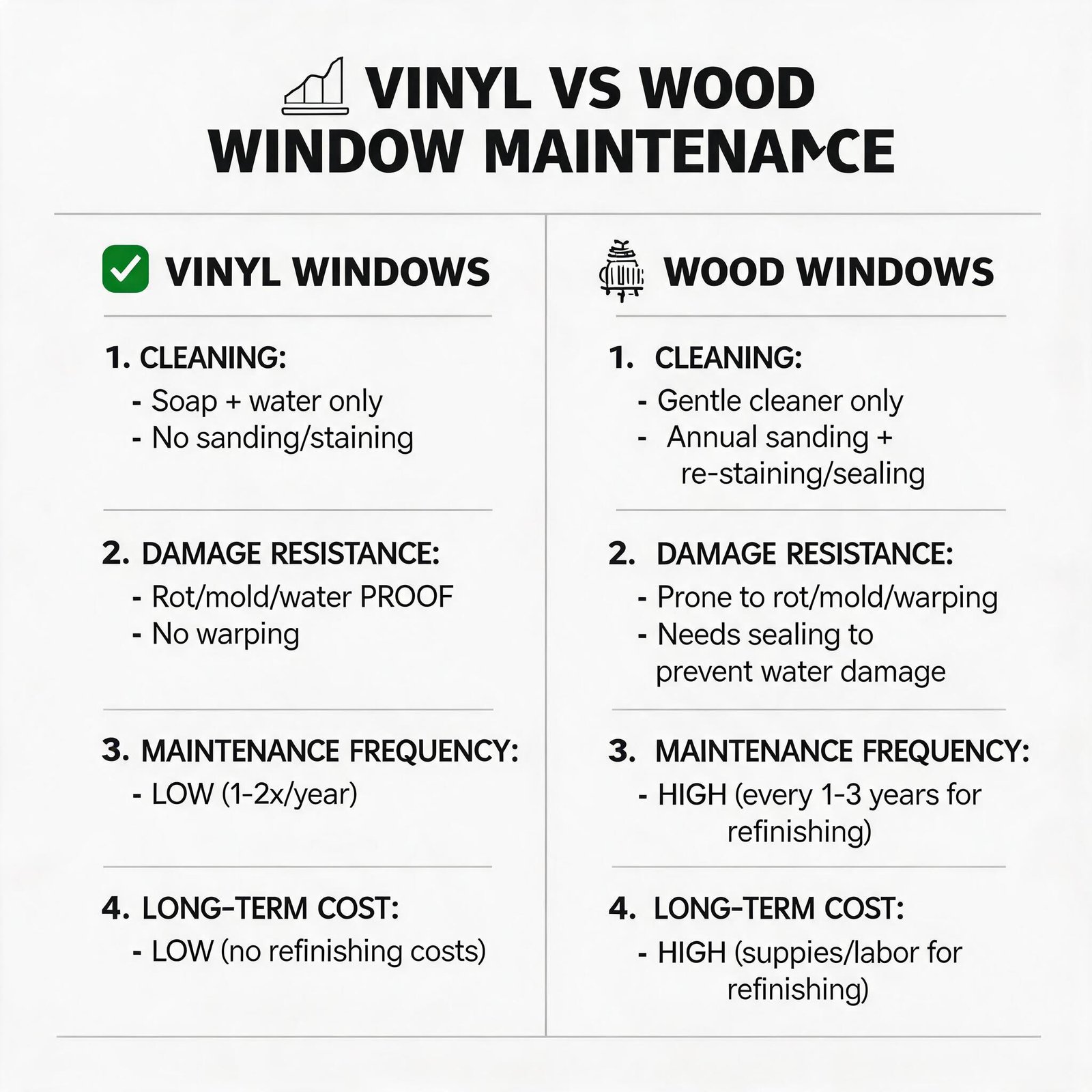
When considering “are pvc or aluminium better” for maintenance, aluminum wins for commercial applications where cleaning access is limited. Powder-coated aluminum requires only occasional washing with mild soap and water. uPVC frames can develop dirt buildup in corners and require more frequent cleaning to maintain appearance, though this is rarely a dealbreaker for residential projects.
**Cost Analysis: Beyond the Initial Price Tag**
The upfront cost difference between uPVC and aluminum is significant. For a typical 3×5-foot double-hung window, uPVC might cost $200 to $400, while a comparable thermally broken aluminum window could range from $500 to $900. However, focusing solely on initial cost misses the bigger picture for spec home builders.
Consider the ROI implications. In a $400,000 spec home, upgrading from uPVC to aluminum windows might add $3,000 to $5,000 to your total construction cost. But if that upgrade allows you to market the property as “luxury European windows” and justifies a $15,000 to $25,000 higher asking price, the math becomes compelling. This is particularly true in competitive markets where buyers are willing to pay premiums for architectural authenticity.
For affordable housing projects or entry-level spec homes, uPVC remains the clear economic choice. The cost savings allow you to allocate budget to other value-adding features like upgraded flooring or kitchen finishes. The key is understanding your target buyer’s priorities and aligning window specifications accordingly.
**Design Flexibility and Aesthetic Options**
Aluminum offers unparalleled design flexibility. Extruded profiles can be shaped into virtually any geometry, allowing for curved windows, custom angles, and integrated sunshades. The slim sightlines create a contemporary look that appeals to modern architecture enthusiasts. Color options are virtually unlimited with powder coating, including wood-grain finishes that mimic traditional materials.
uPVC has improved dramatically in aesthetic terms over the past decade. Modern profiles can achieve clean lines and are available in a wide range of colors, though the material’s inherent thickness means frames are typically bulkier than aluminum equivalents. For traditional or craftsman-style homes, uPVC’s ability to simulate painted wood is actually an advantage, as the material won’t rot or require repainting.
For builders working on historic renovations or neighborhoods with strict architectural guidelines, aluminum’s ability to match specific color standards and profile shapes often makes it the only viable option. Many historic districts require windows that replicate original steel or wood profiles, and aluminum systems can be engineered to meet these specifications precisely.
**Sound Insulation and Acoustic Performance**
This is an area where many comparison articles fall short. Both materials can achieve excellent sound insulation, but the mechanisms differ. uPVC’s inherent density and multi-chamber structure naturally dampen sound transmission. A standard uPVC window with double glazing typically achieves STC ratings of 28 to 32, sufficient for most residential applications.
Thermally broken aluminum windows, when combined with laminated glass and acoustic interlayers, can achieve STC ratings exceeding 40. This makes aluminum the preferred choice for projects near airports, highways, or urban centers where noise pollution is a concern. The key is the combination of frame design and glazing specification—not the frame material alone.
For builders in quiet suburban or rural settings, uPVC’s standard acoustic performance is more than adequate. The cost premium for acoustic-rated aluminum systems is rarely justified unless noise is a documented issue in the property’s location.
**Environmental Impact and Sustainability**
Sustainability is increasingly important to homebuyers and building codes. uPVC production has a higher carbon footprint than aluminum manufacturing, but uPVC windows typically have a longer service life—30 to 40 years versus 25 to 35 years for aluminum. However, aluminum is infinitely recyclable without quality loss, while uPVC recycling is more limited and often results in downcycling to lower-grade products.
For LEED or Green Building certification projects, aluminum windows with thermal breaks can contribute to energy efficiency credits. Some manufacturers now offer aluminum profiles made from recycled content, further improving environmental credentials. uPVC manufacturers have also improved recycling programs, but the material’s recyclability remains inferior to aluminum’s closed-loop potential.
From a lifecycle perspective, the choice depends on your project’s sustainability goals and whether the windows will be replaced before the building’s structural lifespan ends. For temporary structures or buildings with short design lives, uPVC’s lower embodied energy may be preferable. For permanent installations where future recyclability matters, aluminum is the stronger choice.
**Installation Considerations for US Builders**
Importing European windows introduces unique installation challenges regardless of material choice. Aluminum windows are typically heavier than uPVC equivalents, requiring more robust rough openings and potentially additional structural support. A standard aluminum casement window might weigh 80 to 120 pounds, compared to 50 to 70 pounds for a comparable uPVC unit.
This weight difference affects shipping costs, labor requirements, and installation timelines. For projects with tight schedules, uPVC’s lighter weight can speed up installation significantly. However, aluminum’s dimensional stability means fewer callbacks for warped frames or operational issues over time.
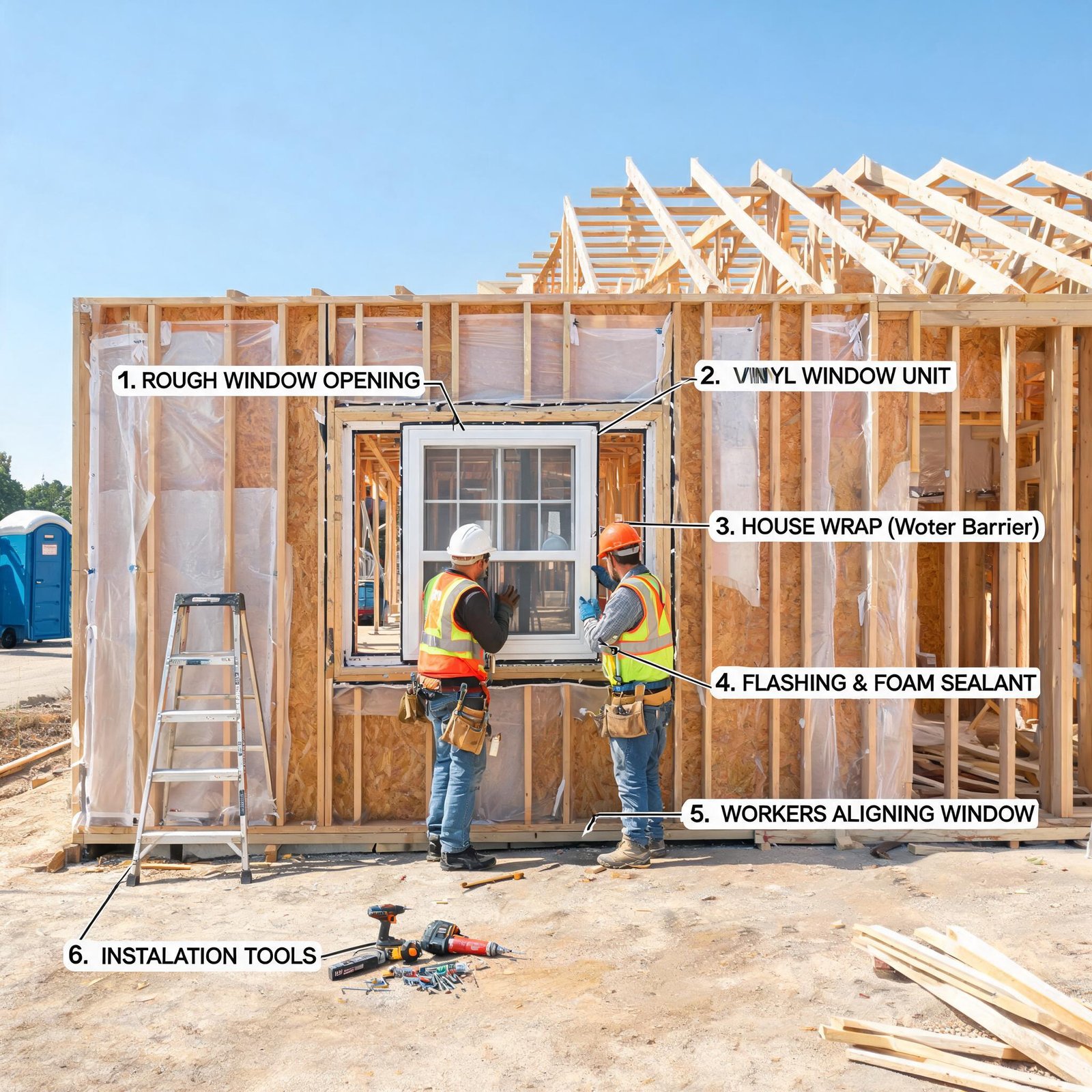
Both materials require proper flashing and sealing to prevent water intrusion. European windows typically use different installation methods than US standards, so working with experienced installers familiar with imported products is essential. Many builders find that the learning curve for aluminum installation is steeper due to the precision required for thermal break alignment and sealant application.
**Making the Final Decision for Your Project**
After evaluating all factors, the choice between uPVC and aluminum windows comes down to three variables: project budget, target market, and architectural requirements. For entry-level spec homes and affordable housing, uPVC delivers excellent value with reliable performance. For luxury projects where design flexibility and slim sightlines are paramount, thermally broken aluminum is the clear winner.
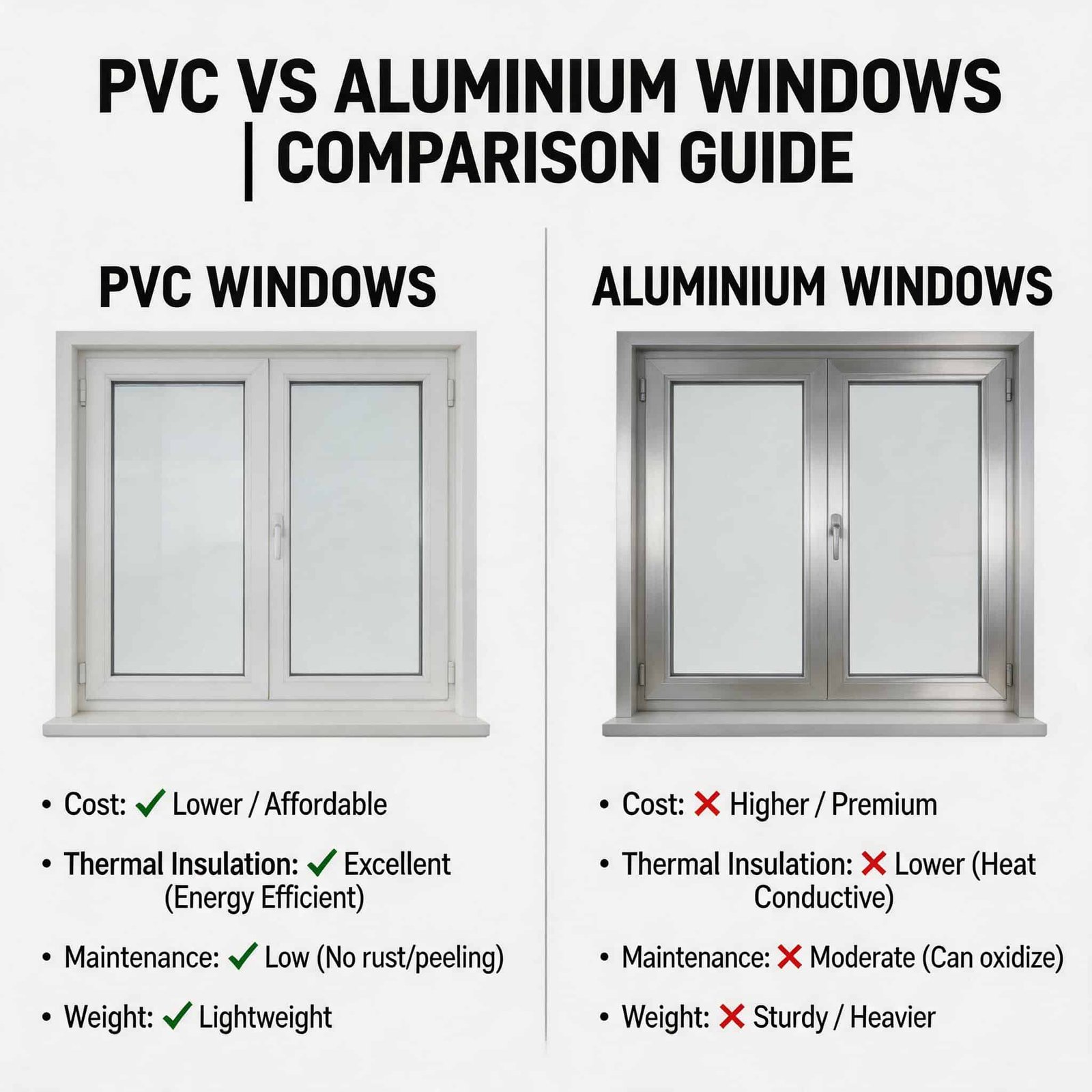
The sweet spot for many builders is using both materials strategically within the same project. Consider specifying aluminum for large glazing areas, sliding doors, and prominent elevations, while using uPVC for standard bedroom and bathroom windows. This hybrid approach optimizes cost while maximizing visual impact where it matters most.
Remember that the quality of installation and glazing specification often matters more than the frame material itself. A poorly installed uPVC window will outperform a premium aluminum window that leaks air and water. Invest in proper training for your installation crews and specify high-performance glazing regardless of frame choice.
**Frequently Asked Questions**
**Q: Are aluminum windows better than PVC for energy efficiency?**
A: Modern thermally broken aluminum windows can match or exceed uPVC energy performance, but standard aluminum without thermal breaks performs poorly. For cold climates, always specify thermally broken aluminum with U-values below 0.30 Btu/h·ft²·°F.
**Q: How long do uPVC windows typically last compared to aluminum?**
A: uPVC windows generally last 30 to 40 years with proper maintenance, while aluminum windows typically last 25 to 35 years. However, aluminum’s finish may require refinishing after 20 years, while uPVC’s color is integral to the material.
**Q: Can uPVC windows be used in coastal areas?**
A: Yes, uPVC is naturally resistant to salt spray and corrosion, making it an excellent choice for coastal properties. However, ensure the uPVC formulation includes UV stabilizers to prevent degradation from intense sun exposure.
**Q: Which material offers better security features?**
A: Both materials can be equipped with multi-point locking systems and reinforced frames. Aluminum’s inherent strength provides better resistance to forced entry, but reinforced uPVC with steel cores offers comparable security for standard residential applications.
**Q: Are pvc or aluminium better for large window openings?**
A: Aluminum is superior for large openings due to its higher strength-to-weight ratio. Aluminum frames can support expansive glazing without deflection, while uPVC typically requires steel reinforcement for windows exceeding 6 feet in height.
**Q: Do aluminum windows cost more to maintain than uPVC?**
A: Aluminum windows generally require less maintenance than uPVC, as powder-coated finishes resist dirt buildup and fading. However, aluminum frames may need periodic inspection of thermal breaks and sealants, which can add maintenance costs over time.
**Q: Can I paint uPVC windows if I want to change the color?**
A: Painting uPVC is possible but not recommended, as the paint may peel or chip due to the material’s thermal expansion properties. Aluminum windows can be repainted or powder-coated if color changes are desired later.
**Q: Which material is better for soundproofing?**
A: Thermally broken aluminum with laminated glass achieves superior sound insulation, with STC ratings exceeding 40. Standard uPVC with double glazing typically achieves STC ratings of 28 to 32, adequate for most residential settings.