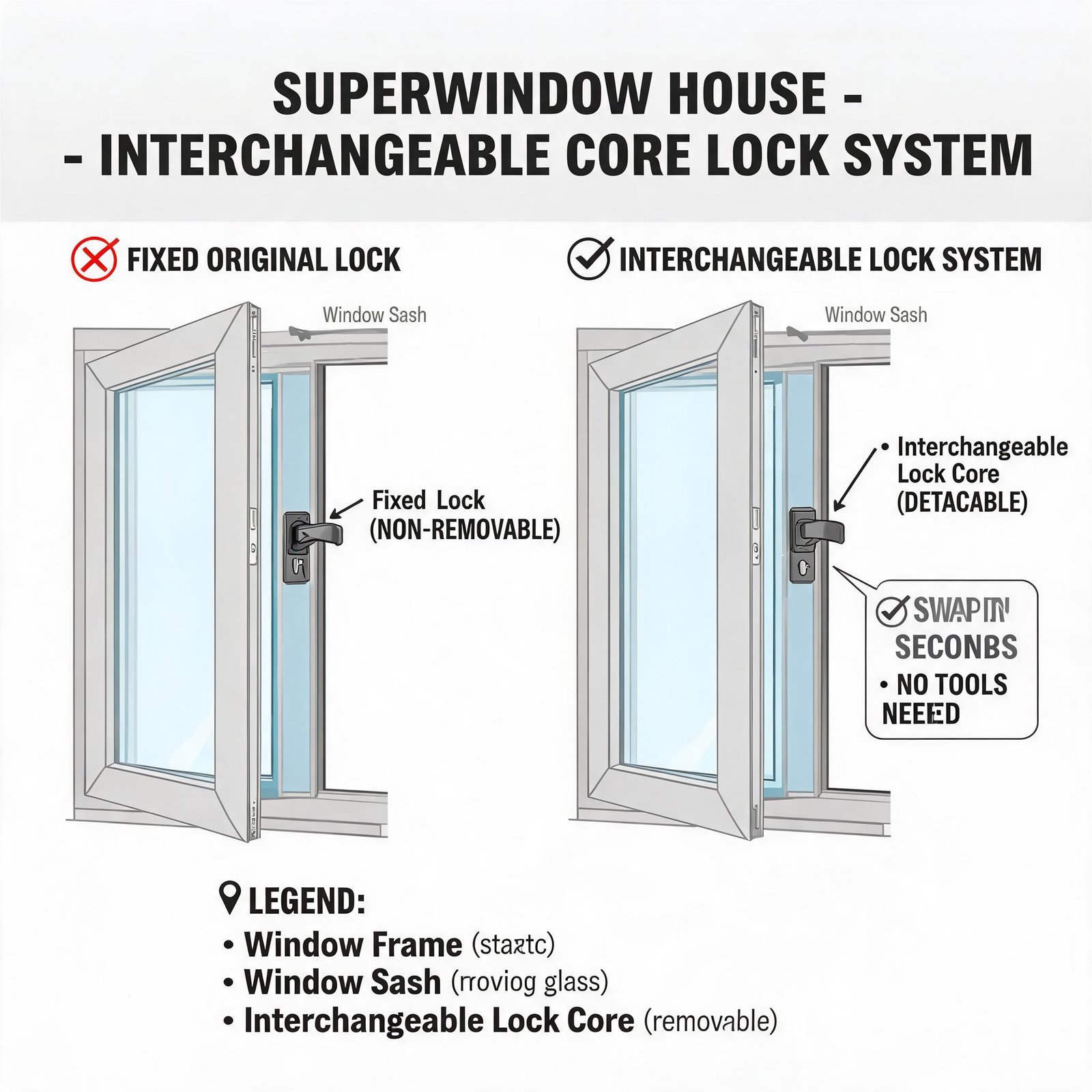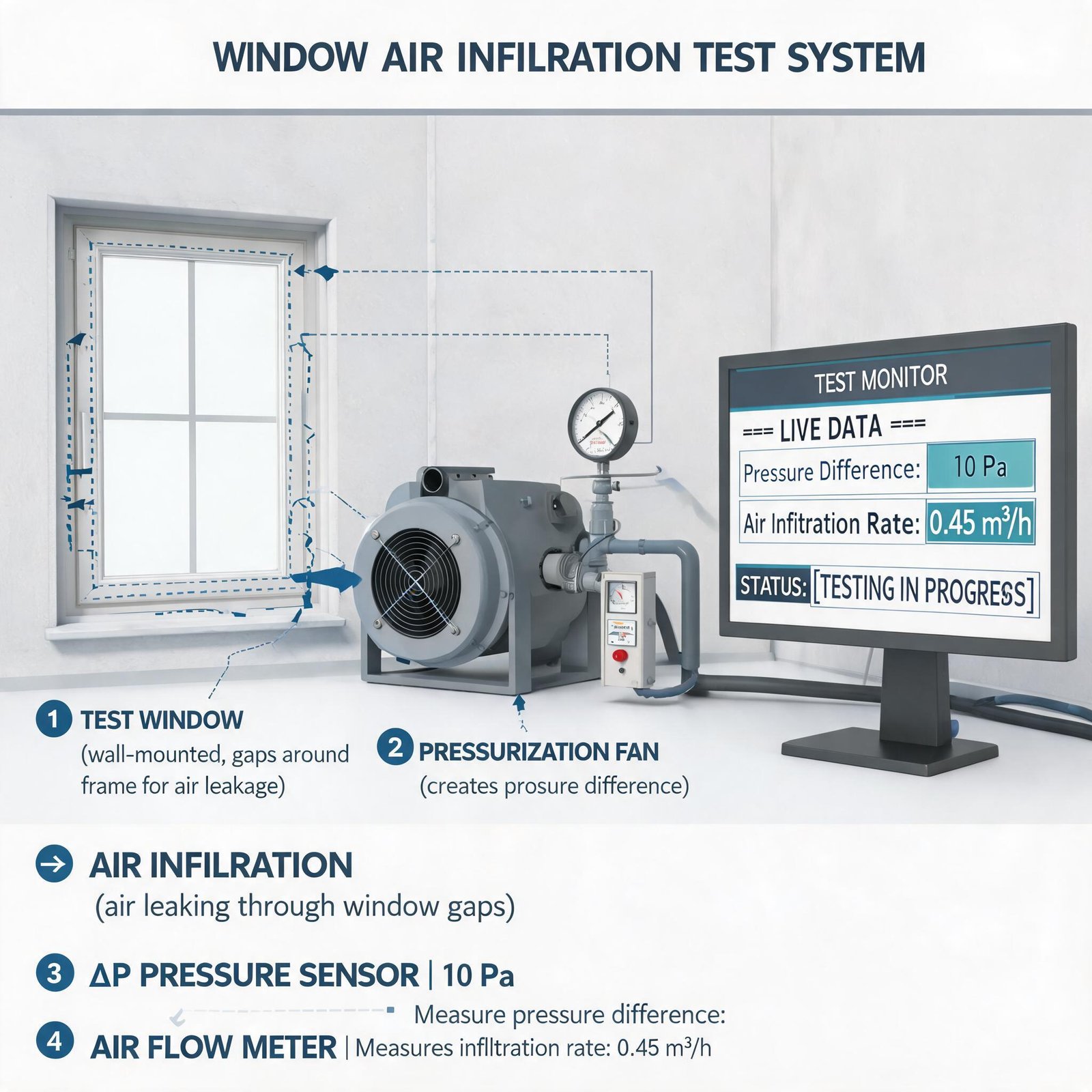
Residents across California are waking up to the same nightmare: new seismological data confirms the San Andreas Fault stress level has climbed to the highest reading in over a decade. When the Big One hits, the first thing to fail in your home won’t be the foundation—it’s the windows. Single-pane units shatter into hundreds of razor-sharp projectiles, turning every room into a hazard zone. Broken frames leave gaping holes that invite looters. If you’re a builder, property manager, or homeowner who cares about structural survival, you need to stop thinking about “regular windows” and start demanding impact-resistant systems engineered for seismic resilience.
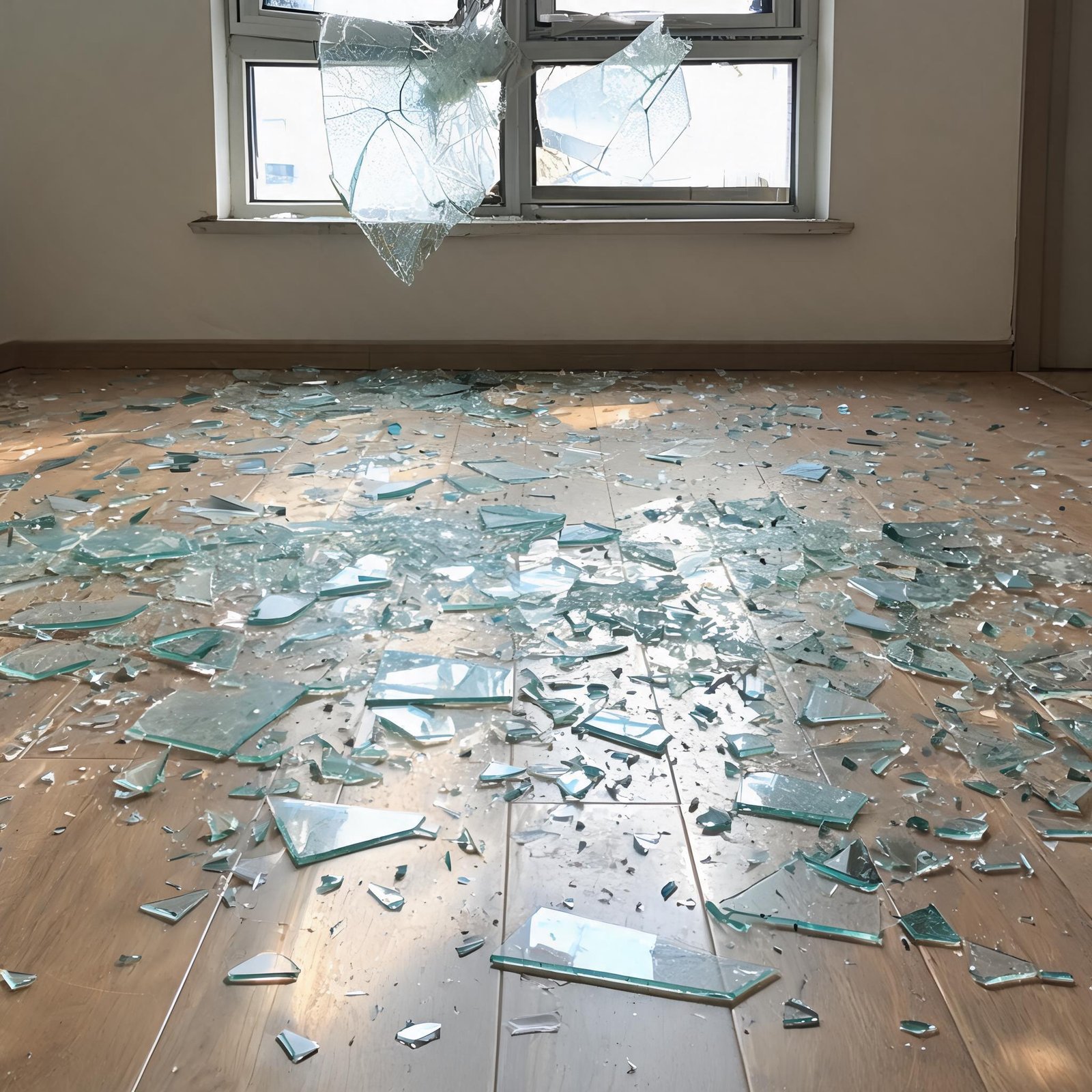
The Physics of Failure: Why Standard Windows Fail During Earthquakes
Most residential windows are designed for static loads—wind, rain, gravity. But earthquakes impose dynamic loads: rapid back-and-forth acceleration that can exceed 0.5g. Standard annealed glass has no ductility; it cracks at stress concentrations from frame distortion. The window frame itself, often a thin extruded aluminum or low-grade vinyl, lacks the torsional rigidity to maintain squareness during lateral movement. When the rough opening shifts by half an inch, the glazing system fails: glass pops out, or the frame collapses under cyclic loading.
The engineering solution lies in three areas:
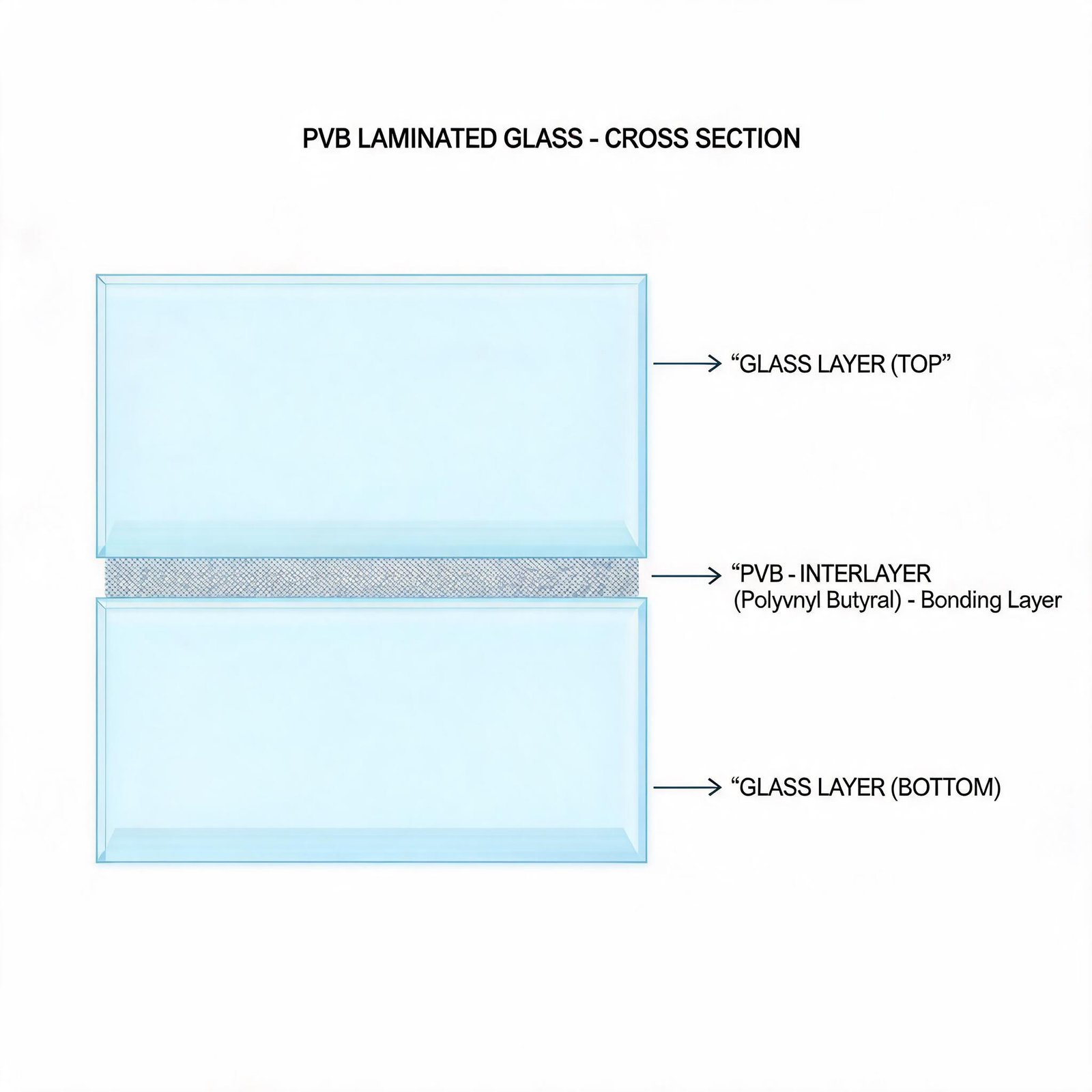
- Laminated glass: A polyvinyl butyral (PVB) interlayer bonds the glass panes together. Even if the glass cracks, the interlayer holds fragments in place, preventing dangerous shards and maintaining a barrier against intrusion.
- Reinforced frame construction: Multi-chamber profiles with internal steel or aluminum reinforcement resist racking. The frame must be mechanically anchored to the structural substrate—not just nailed through a thin flange.
- Secured glazing stops: Mechanical stops or structural silicone capture the glass unit, preventing it from being ejected during severe shaking.
These principles are well understood in hurricane-rated windows, where windborne debris and high-pressure differentials demand similar performance. The same technology applies perfectly to earthquake-prone regions—yet most California builders still spec low-end “builder grade” windows that fail the first time the ground rolls.
The Big Secret Mass-Market Window Brands Don’t Tell You
After 15 years in the field, I’ve seen the dirty side of the window industry. National brands that sell hundreds of thousands of units a year do not design for seismic events. Their catalog windows are built for price point, not performance. Here are the three traps you must avoid:
- Soft-coat Low-E degradation – Cheap low-e coatings applied via magnetron sputtering delaminate over time, accelerating seal failure. Once the seal breaks, the insulating gas (argon or krypton) escapes, and the window no longer meets the U-factor claimed on the NFRC label. During an earthquake, a compromised seal means the glass unit can slide inside the frame, increasing breakage risk.
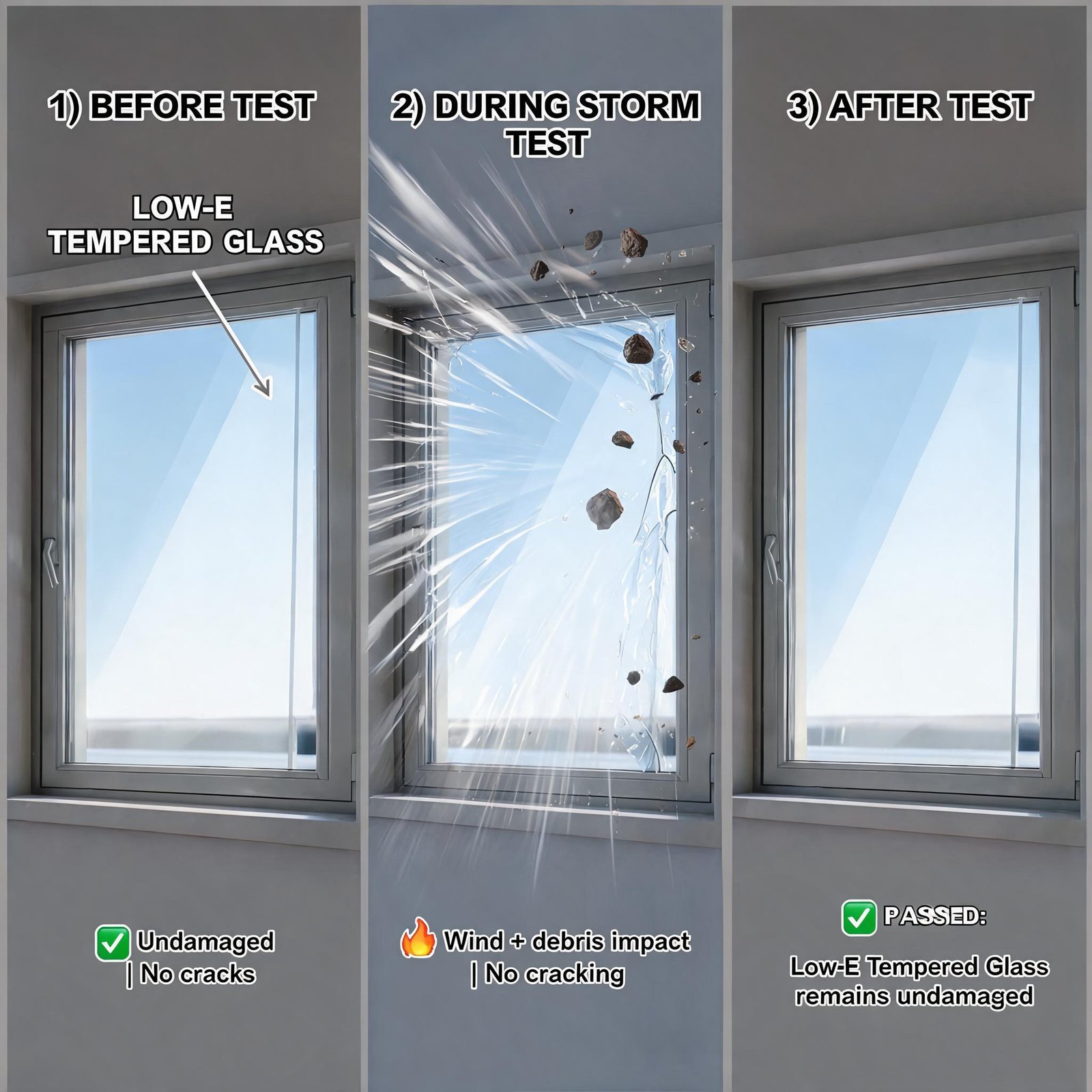
- False “impact” claims – I’ve inspected windows sold as “impact-resistant” that use a single sheet of 3/16″ tempered glass with no interlayer. Tempered glass explodes into small cubes under stress, offering zero security. Real impact windows require laminated glass that passes ASTM E1886 & E1996 test protocols—not just a marketing sticker.
- Installation shortcuts – The best window in the world performs like junk if the rough opening isn’t square, the flashing flange isn’t properly sealed, and the anchoring screws don’t engage the structural timber. Most mass-market brands provide zero field support; they ship the product and leave you to figure out the details. When the ground shakes, those unsealed gaps admit water, air, and eventually structural failure.
For a contractor or developer buying in volume, these hidden costs translate into callbacks, rework, and liability exposure. You need a partner who understands the installation environment, not just a supplier pushing boxes off a truck.
Superwindowhouse’s Industrial-Grade Seismic Solution
At superwindowhouse.com, we don’t sell “one-size-fits-all” windows. We engineer custom solutions that meet the demands of high-seismic zones. Our impact-resistant storm hung windows combine a heavy-duty aluminum frame with 5/8″ laminated glass (PVB interlayer) that exceeds the highest cyclic load requirements. They’ve been tested to withstand 100-mph debris impacts and repeated pressure cycles—the same forces generated by ground acceleration.
But we go further. For builders who need both thermal performance and seismic safety, our aluminum thermally broken windows deliver a U-factor as low as 0.28 while maintaining frame rigidity that resists racking. The thermal break (a polyamide strip) also adds structural damping, which helps absorb vibration. No other product on the market offers this combination of energy efficiency and earthquake resilience.
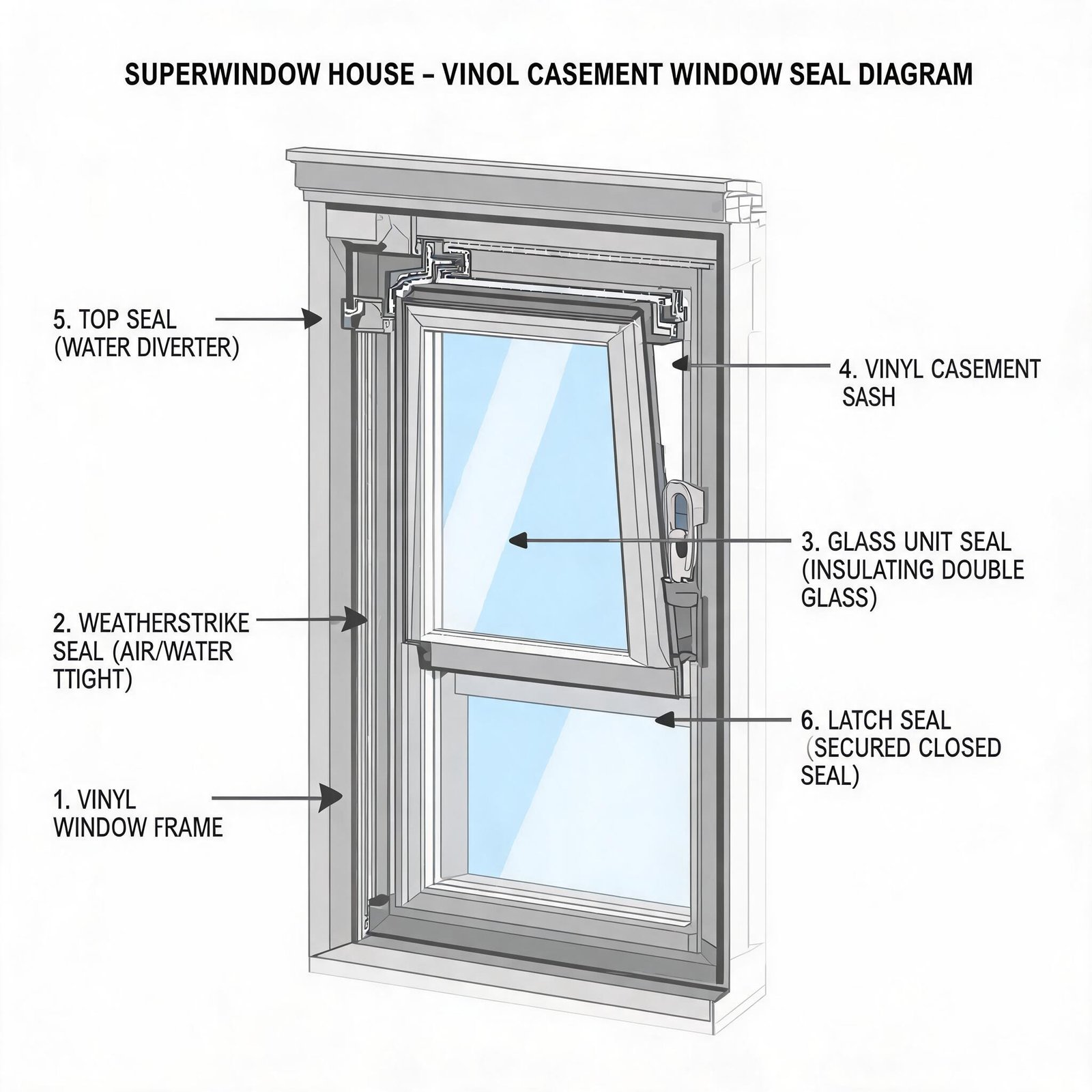
For residential retrofits where budget matters, our high-performance vinyl casement windows feature multi-chamber frames and welded corners that create a monolithic structure. They pass ASTM E2112 dynamic tests for water and air infiltration, even after severe shaking. Every unit comes with a NFRC-certified label—not a generic sticker—so you can claim whatever utility rebates your project qualifies for.
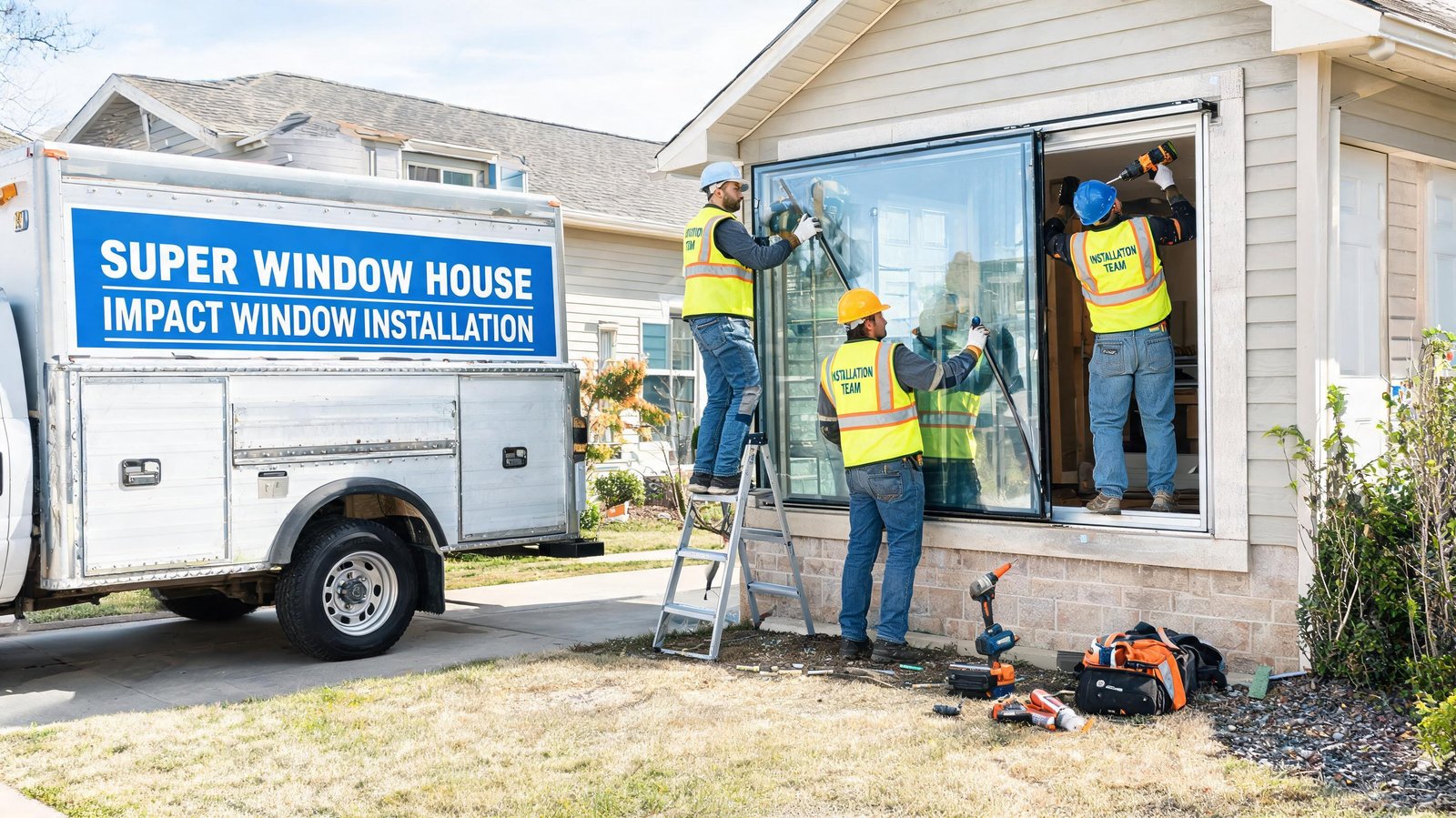
We also solve the installation headache. Superwindowhouse provides free shop drawings for each project, with precise rough opening dimensions, flashing details, and anchor schedules. Our team of former GCs reviews your plans to catch conflicts before they become field problems. And we guarantee lead times—8 weeks for standard orders, expedites available—so you’re not waiting months while your project sits open to the elements.
B2B Procurement & Project Execution Guide (Q&A)
1. How do I verify a window’s seismic rating?
Look for an ICC-ES evaluation report or a ASTM E2088 cyclic load test certificate. Impact windows should also carry a Florida Building Code or Texas Department of Insurance approval—these standards are the most rigorous in North America and directly correlate with earthquake resistance. Never accept a verbal claim; demand a written test report.
2. What rough opening tolerances should I enforce?
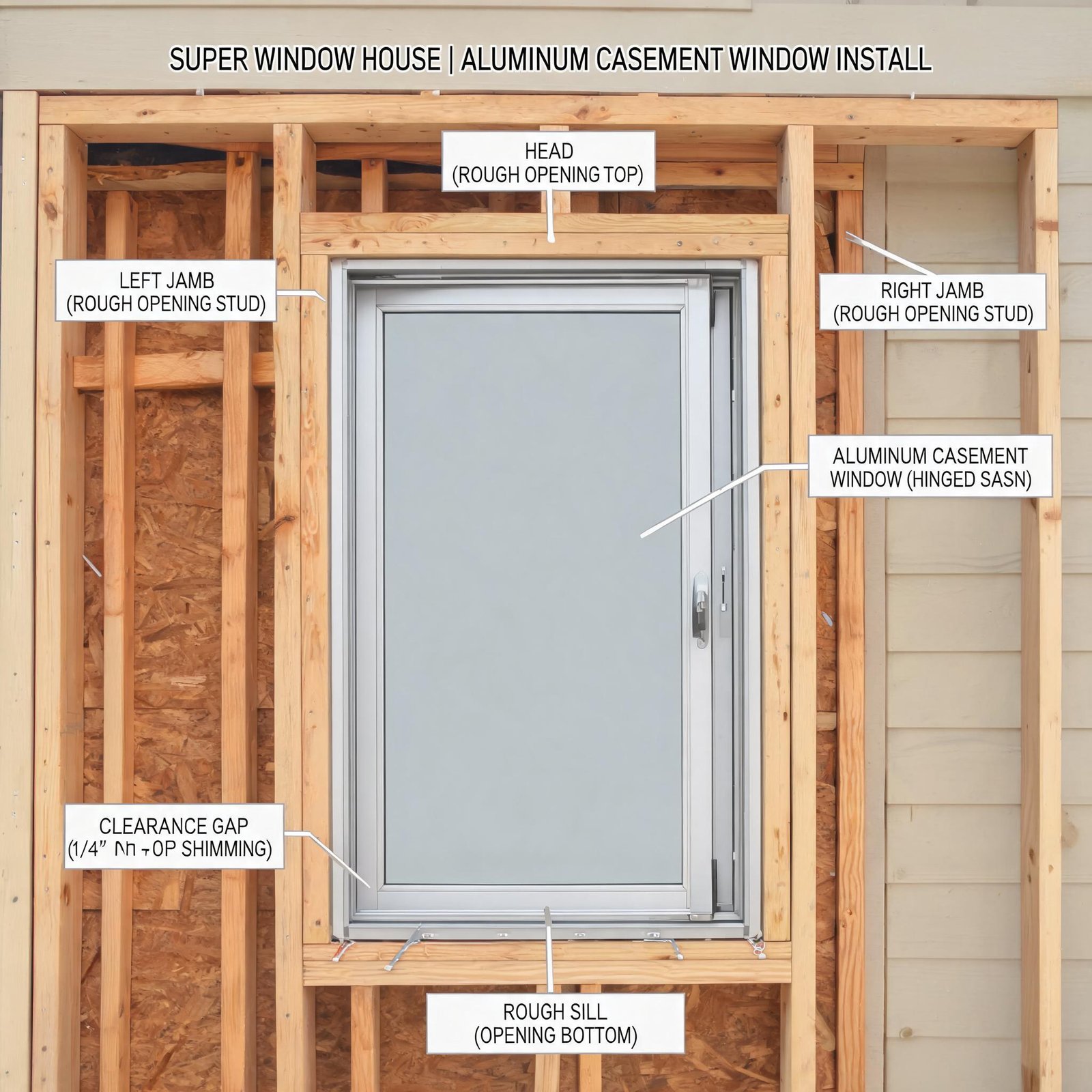
For impact windows, the rough opening width and height must be within ±1/8″ of the planned dimensions. Any gaps larger than 1/4″ require shimming and structural reinforcement. A common mistake is to order windows based on “opening size” without accounting for the manufactured frame thickness. Always have the window shop provide a rough opening schedule before framing.
3. How critical is the flashing flange?
Critical. A properly installed nail fin (flashing flange) must be integrated with the weather-resistant barrier using a compatible sealant and flashing tape. During an earthquake, the wall assembly flexes—if the flashing isn’t continuous, water will migrate behind the window and rot the framing. Specify dual drainage systems with weep slots and a sloped sill. Our Superwindowhouse units come with pre-installed nail fins and a reinforced corner that prevents cracking during rough handling.
4. Can I combine seismic windows with other upgrades?
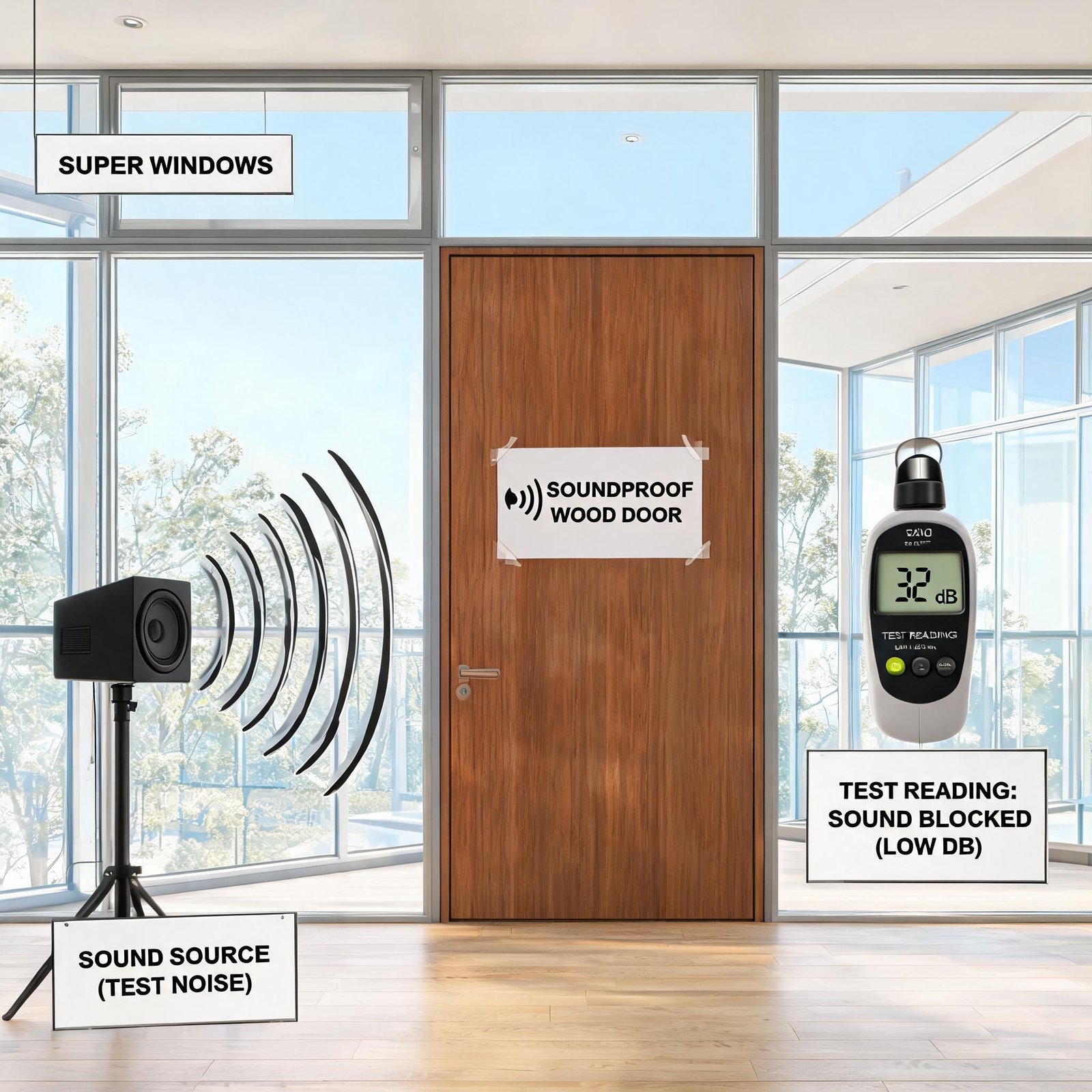
Yes. Pair our impact windows with our vinyl sliding patio doors for a unified envelope. The sliding door uses the same laminated glass and multi-point locking system, so your entire glazed perimeter offers consistent protection. For interior security, consider interior wood doors with solid-core construction—they won’t warp after a seismic event like hollow-core doors do.
Don’t Wait for the Next Aftershock
The San Andreas Fault stress level isn’t a distant prediction—it’s a current reality. Every week that passes with standard windows installed is a week your property is exposed to unnecessary risk. Impact-resistant windows aren’t just for hurricane states anymore. They belong on every California home and commercial building that values life safety and long-term asset protection. Contact superwindowhouse.com today for a free seismic audit of your project. We’ll help you choose the right glazing, frame, and anchoring system—and keep your building standing when the ground stops shaking.