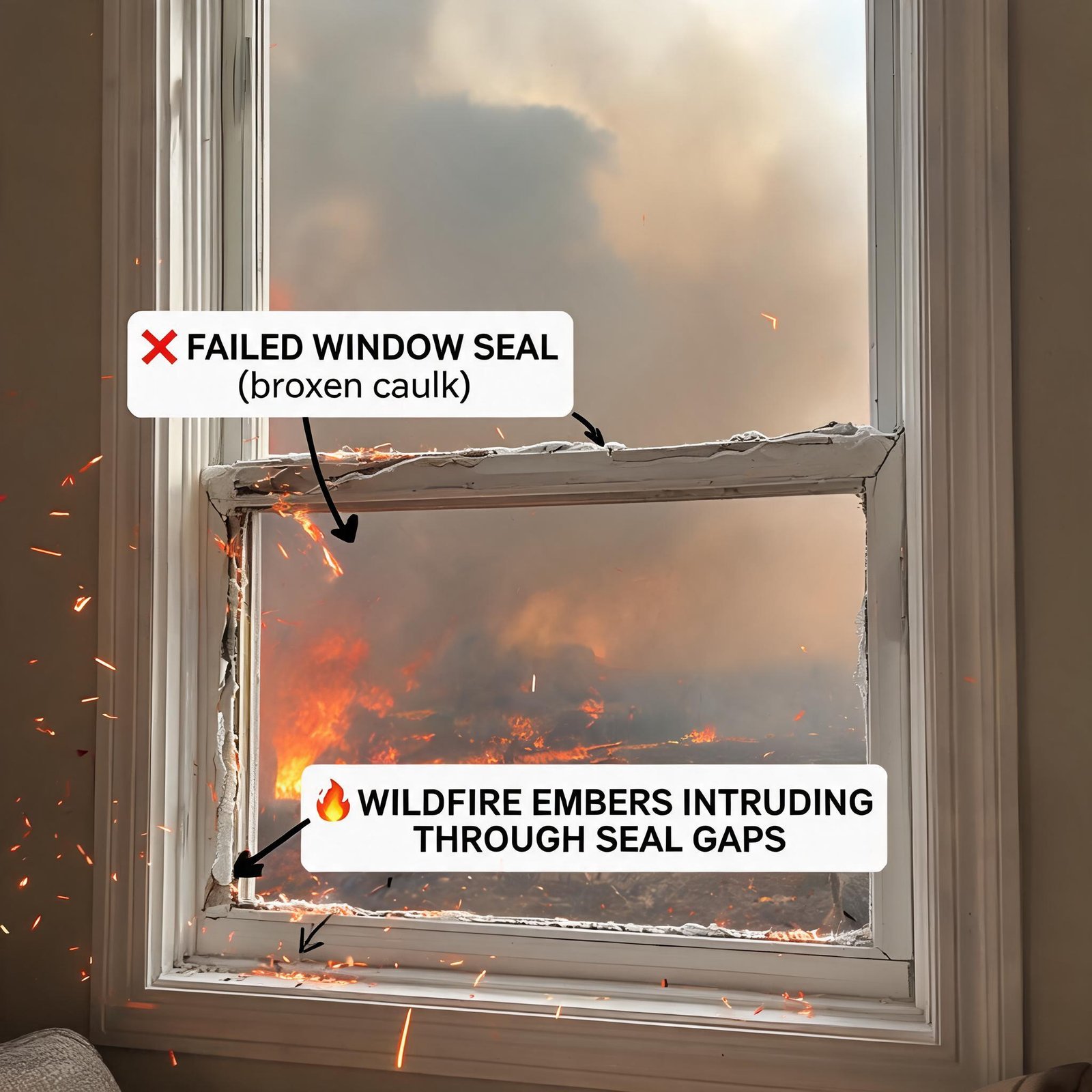
When the ground stops shaking in Venezuela and the death toll begins to surface, the first thing homeowners and builders realize is this: standard windows don’t stand a chance. A 6.0 magnitude tremor doesn’t just crack foundations—it turns ordinary glass into thousands of razor-sharp projectiles traveling at lethal speeds. I’ve been in this industry long enough to tell you that the difference between a house that survives a seismic event and one that becomes a death trap often comes down to what’s holding the glass in place.
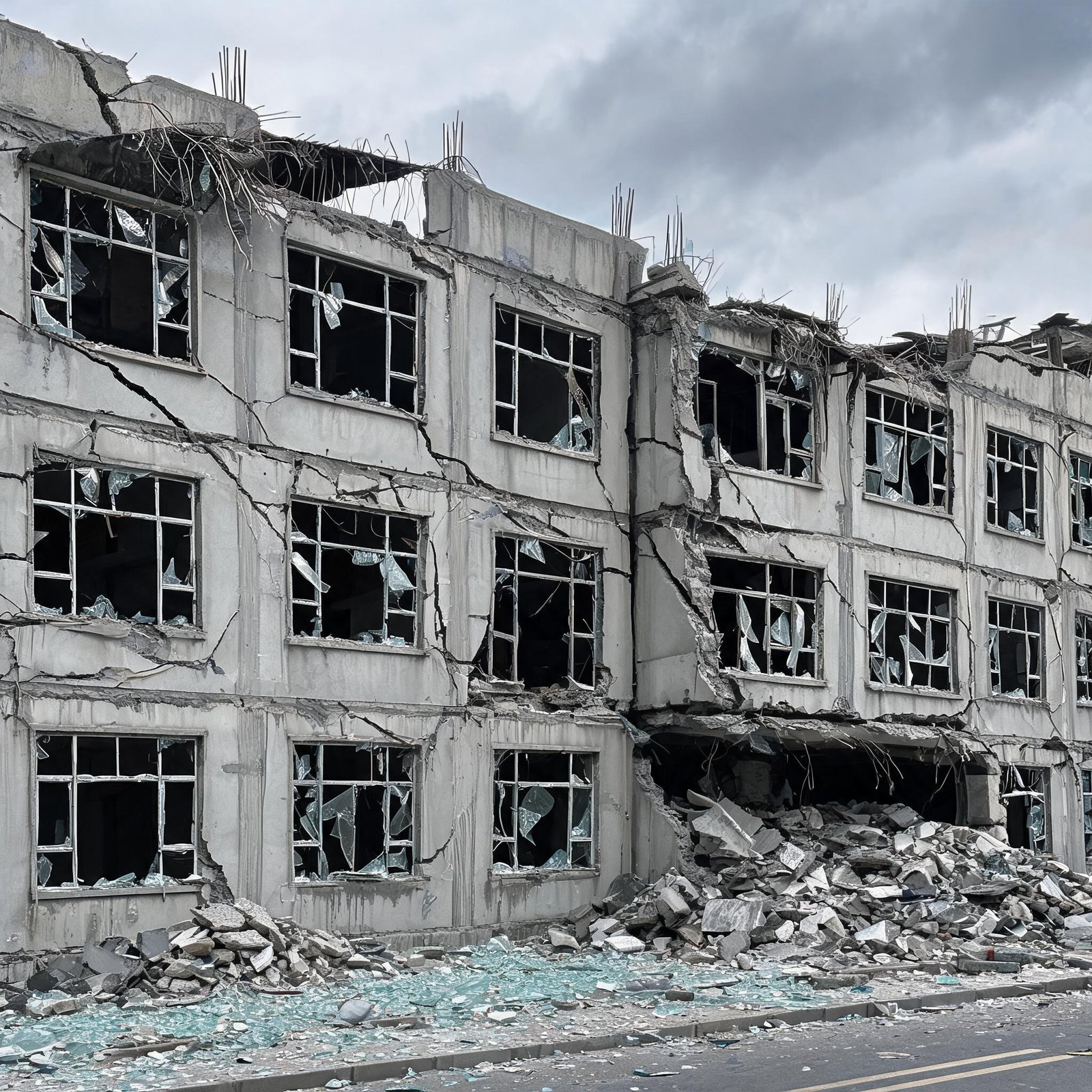
Why Standard Windows Fail Catastrophically in Earthquakes
Let’s cut through the marketing fluff. A typical double-hung window from a big-box retailer is designed for one thing: keeping the weather out in calm conditions. It’s not engineered for lateral loads, torsional stress, or the kind of racking forces that rip a building apart during a seismic event. When an earthquake hits, the building frame twists. The rough opening deforms. And what happens to that cheap single-pane or even standard insulated glass unit? It pops out of the frame, shatters on impact, and suddenly you’ve got a room full of glass shards.
The physics here is brutal. The natural frequency of a standard window assembly—usually around 8 to 12 Hz—matches closely with the primary frequency of seismic waves. That resonance amplifies the stress on the glass edge, which is the weakest point. In a properly constructed impact-resistant window, the glass is laminated with a polyvinyl butyral (PVB) interlayer that acts like a car windshield. It cracks, but it stays bonded to the interlayer. It doesn’t fall out.
I’ve seen the aftermath of earthquakes in California, Chile, and now Venezuela. The pattern is always the same: the death toll isn’t just from collapsing structures. It’s from flying glass severing arteries, from people being cut while trying to evacuate, from secondary injuries that turn a survivable tremor into a mass casualty event.
The Engineering Behind Impact-Resistant Glass That Survives Seismic Events
This is where the rubber meets the road. The ASTM E1886 and ASTM E1996 standards that govern hurricane impact windows also apply to seismic resistance. Why? Because the threat profile is almost identical: flying debris traveling at 50 feet per second, and the structural racking that follows a blast or ground motion.
Our high-performance vinyl casement windows are built with a multi-chambered extruded frame that’s reinforced with galvanized steel or aluminum inserts. The frame rigidity is critical. When the building shifts, the window frame must be able to move with it—elastically—without cracking the glass. That requires a certain amount of flex in the PVC profile, combined with a mechanical interlock at the sash-to-frame interface.
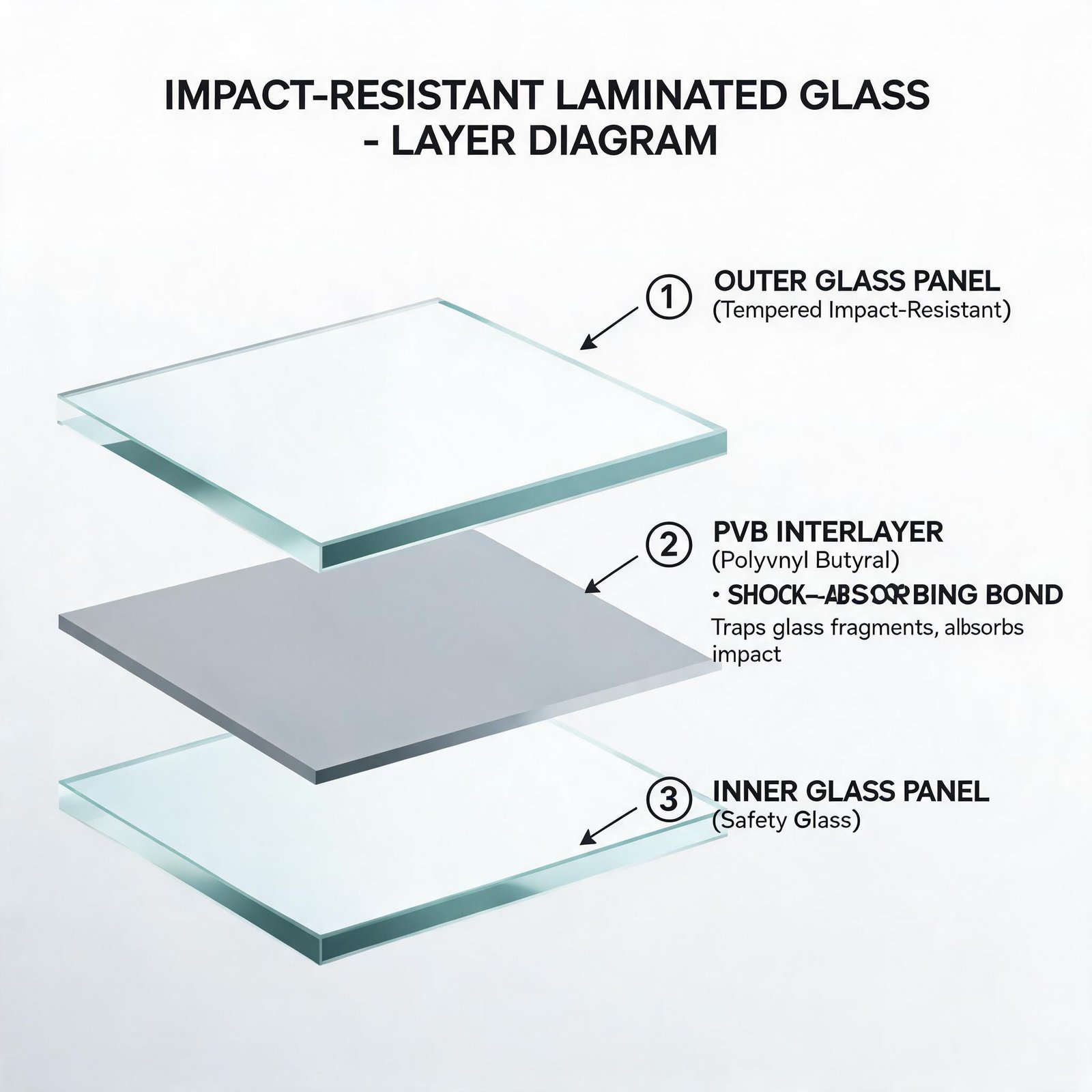
The glass itself is where most manufacturers cut corners. Mass-market brands use annealed glass with a thin EVA interlayer that degrades under UV exposure within 5 years. The result? Delamination and failure when you need it most. True impact-resistant glass uses fully tempered or heat-strengthened glass (typically 3mm to 6mm) laminated with a structural PVB interlayer that’s 0.060 to 0.090 inches thick. That interlayer is what keeps the glass in the frame when the building rattles.
We also spec our units with a structural silicone seal at the perimeter rather than the standard glazing tape. That seal provides a continuous bond that prevents the glass unit from shifting within the frame during seismic racking. It’s an extra step that adds cost, but it’s the difference between a window that survives and one that becomes a projectile launcher.
Thermal Bridging and the Hidden Weakness of Cheap Impact Windows
Here’s something the marketing brochures won’t tell you about cheap impact windows: they create massive thermal bridges. To achieve impact ratings on a budget, manufacturers pack the frame with aluminum reinforcement that extends from the interior to the exterior. That creates a direct thermal path that bypasses any insulation. In a seismic event, the thermal cycling from that thermal bridge can cause the frame to expand and contract at different rates, creating stress risers that initiate cracks in the glass edge.
The solution is thermal break technology. Our aluminum thermally broken sliding windows use a structural polyamide strip that separates the interior and exterior aluminum extrusions. This achieves a U-factor of 0.35 or lower while maintaining the structural rigidity needed for impact ratings. That’s not just an energy efficiency upgrade—it’s a structural necessity for any window that’s expected to survive both seismic stress and daily thermal cycling.
What the Death Toll Doesn’t Tell You About Secondary Injuries
When you search for “venezuela earthquake death toll,” you’re looking at a number that represents lives lost. But what about the injuries that aren’t counted? The lacerations from broken glass that become infected in a disaster zone. The people trapped in their homes because their windows have deformed shut. The homeowners who survive the earthquake but lose their homes to water damage because every window on the west side has been blown out.
I’ve worked on retrofit projects in earthquake-prone regions where we replaced standard single-pane windows with impact-resistant units. In every case, the homeowners reported that they could sleep through aftershocks because they knew their windows wouldn’t turn into shrapnel. That’s not just comfort—that’s a measurable reduction in panic-related injuries during evacuation.
The Nail Fin and Flashing Nightmare That Gets Overlooked
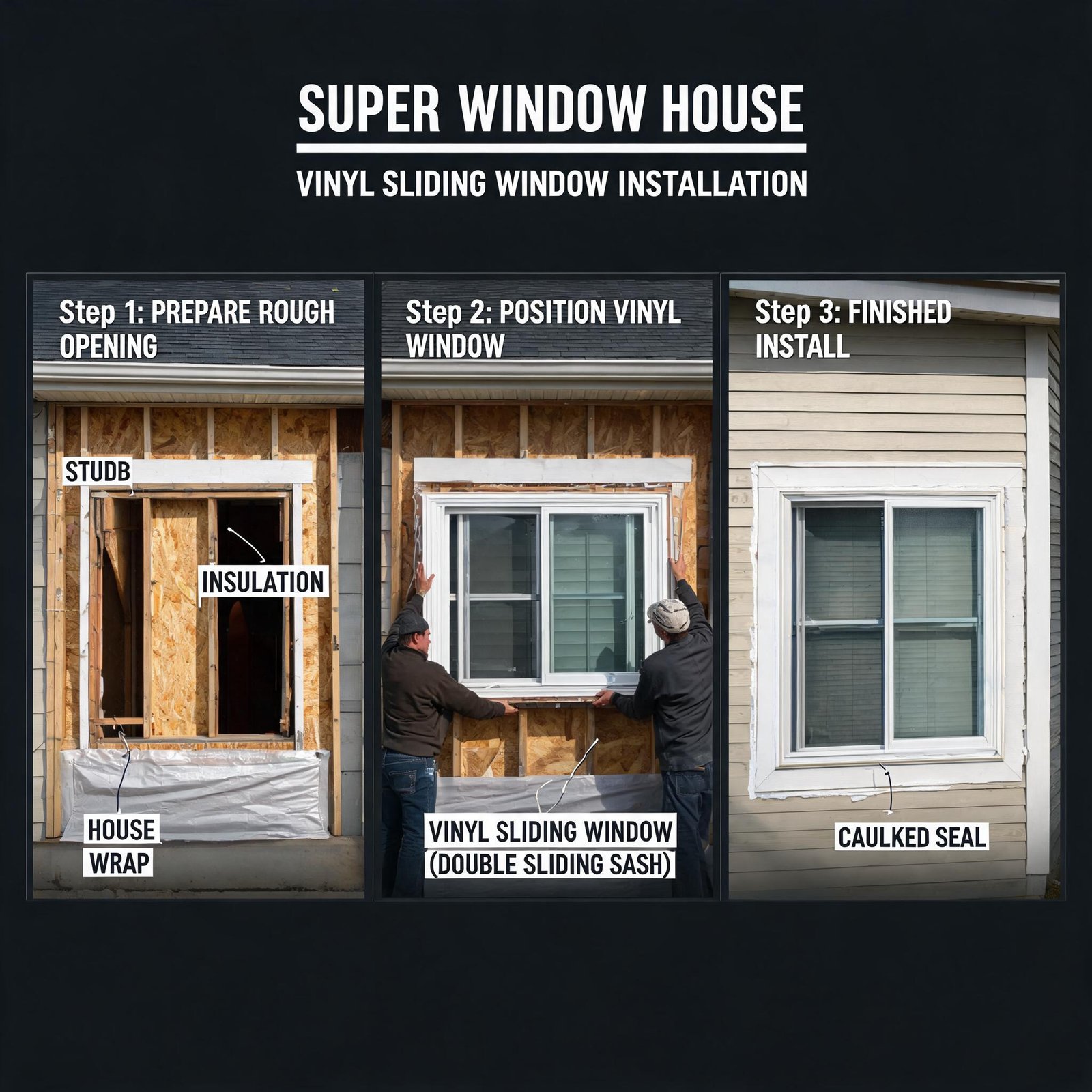
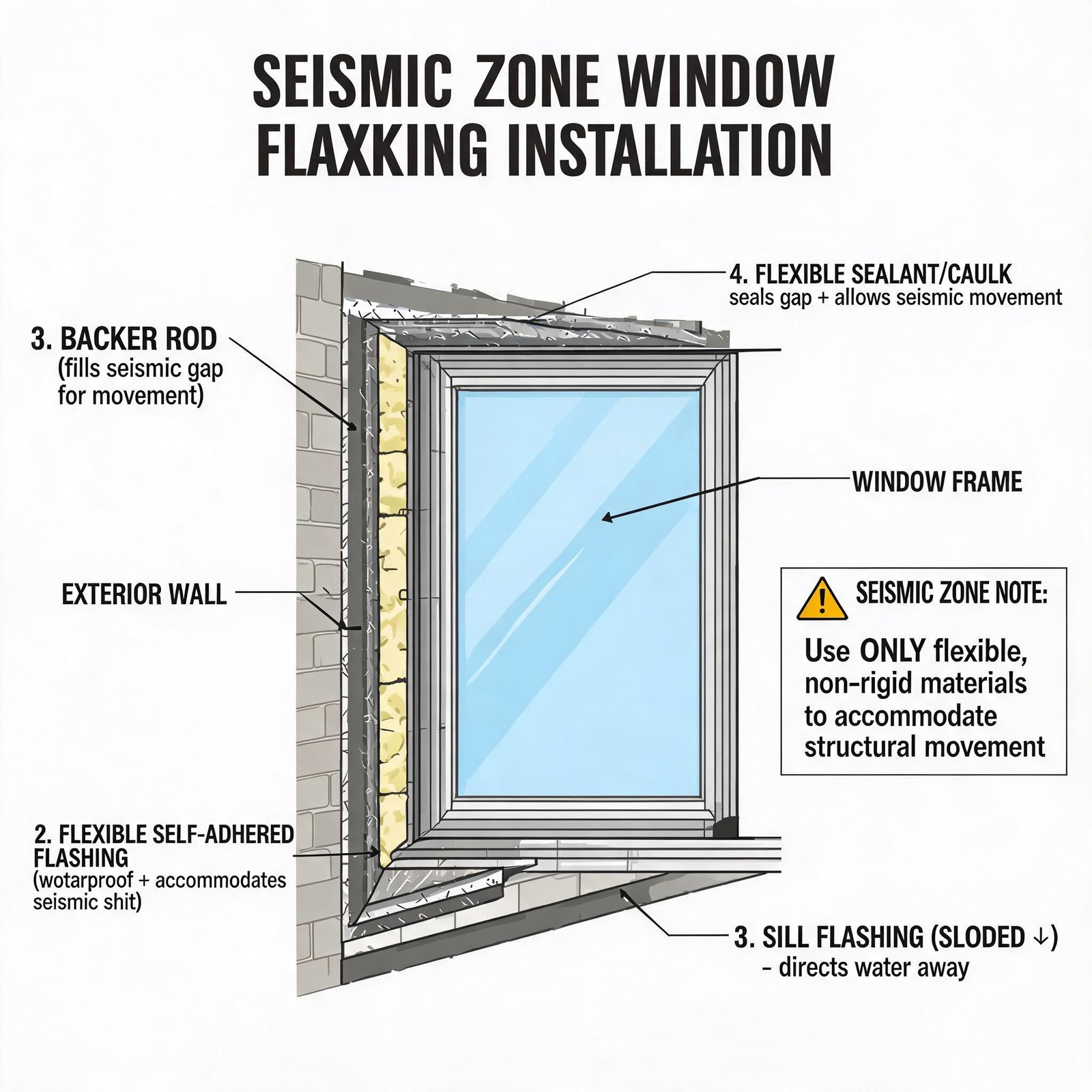
Here’s a dirty secret the window giants don’t want you to know about impact window installation in seismic zones: the flashing and attachment system is just as important as the glass. If you install an impact-rated window with a standard nail fin and a single bead of exterior caulk, you’re creating a failure point. The seismic forces will rip that window right out of the rough opening, regardless of how strong the glass is.
The proper approach is to use a continuous structural sealant bead at the perimeter, combined with a proper pan flashing system that directs water away from the assembly. The window should be mechanically fastened through the jambs into the structural framing, not just through the nail fin. We provide detailed shop drawings and installation guides with every order, because the best window in the world is useless if it’s installed wrong.
The Superwindowhouse Solution: Industrial-Grade Impact Windows for Seismic Resilience
This is where we separate ourselves from the pack. At Superwindowhouse, we don’t build windows for the big-box retail market. We build them for general contractors and homeowners who understand that the cheap option is almost always the expensive mistake. Our product lineup includes:
Our impact-resistant storm hung windows are built with a reinforced aluminum frame and fully tempered laminated glass that exceeds ASTM E1886. These units have been independently tested to withstand missile impact at 50 fps and cyclic pressure loads that simulate hurricane force winds—exactly the kind of loading that occurs during seismic events.
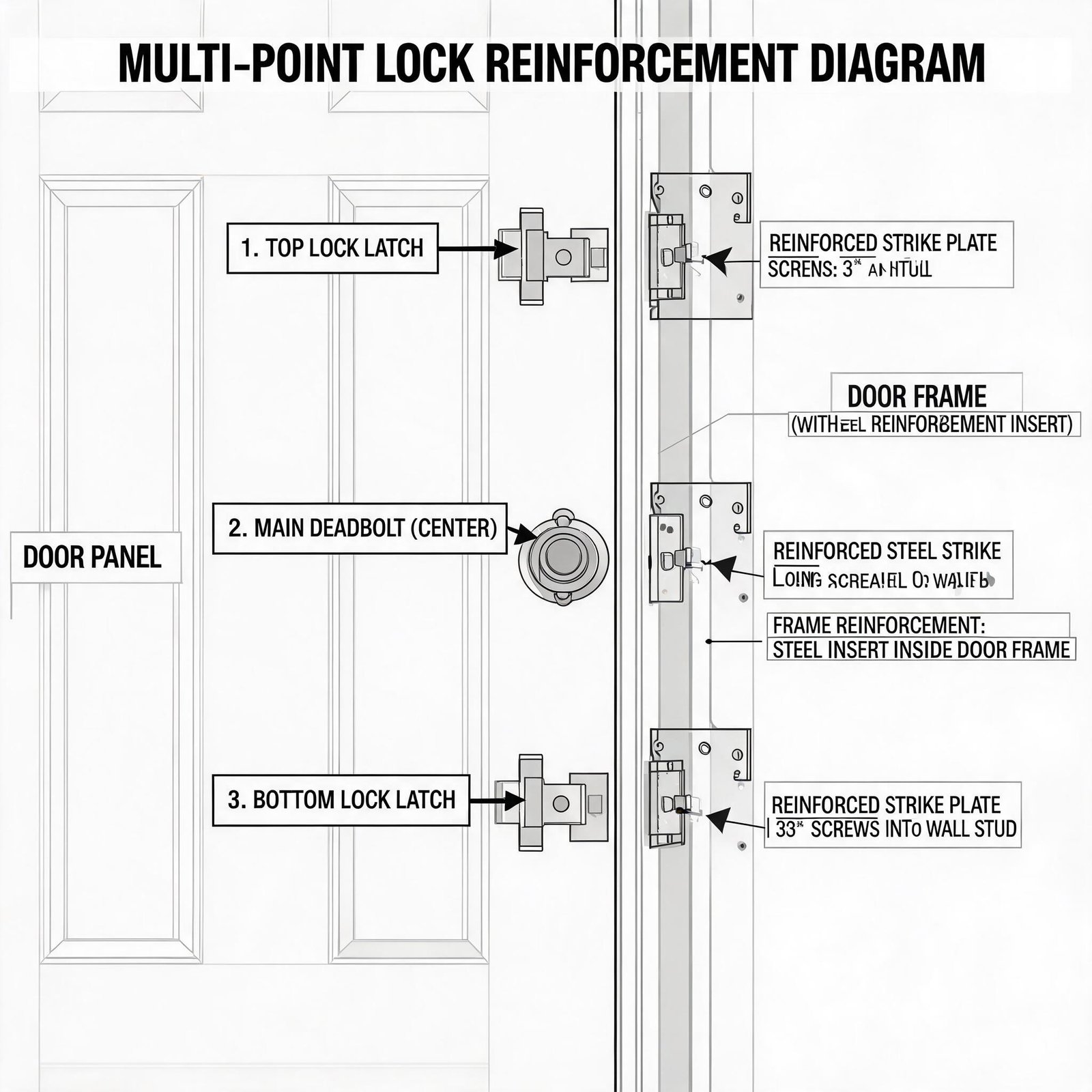
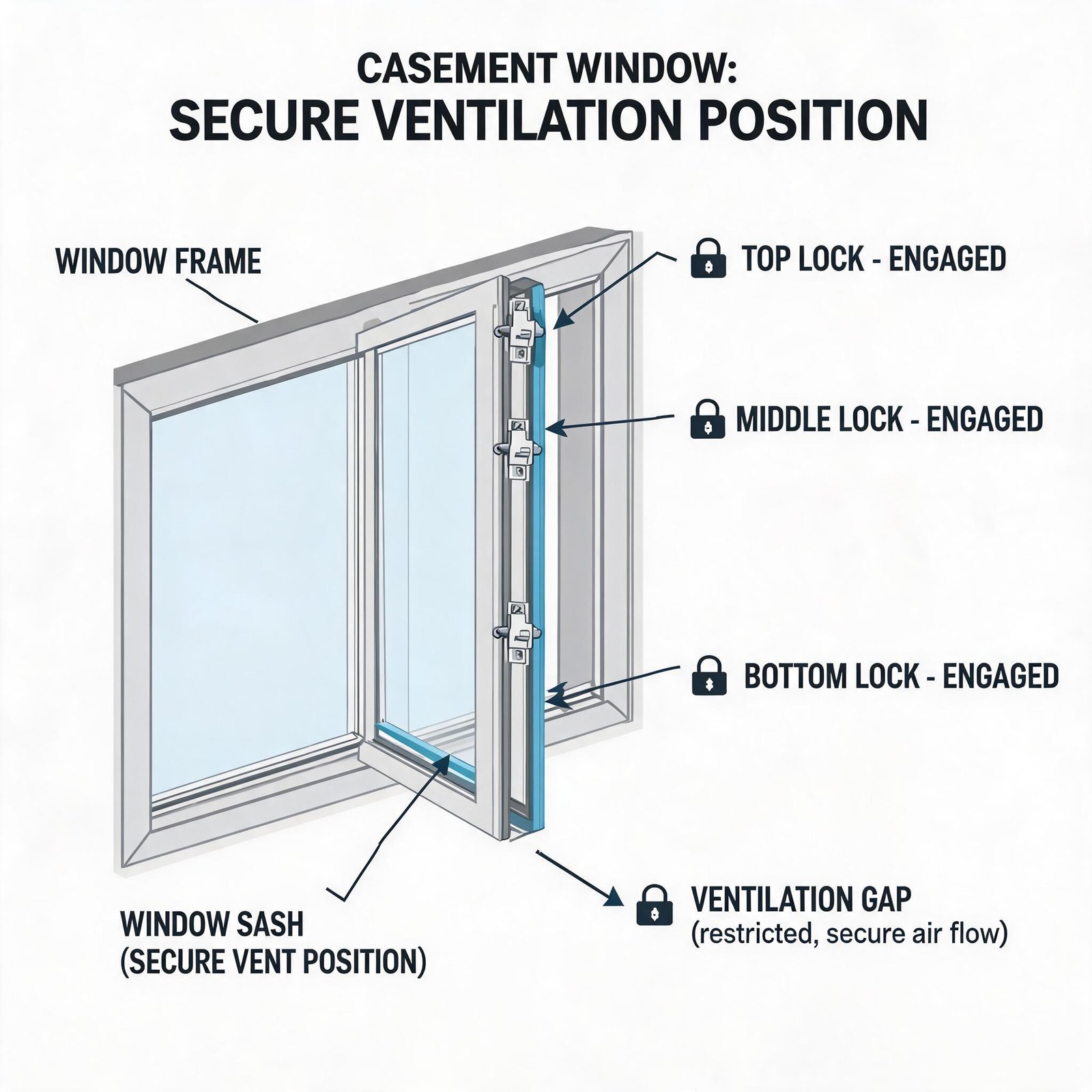
For projects where thermal performance is critical, our slim frame modern aluminum casement windows incorporate a 40mm thermal break with a U-factor as low as 0.28. The casement design uses a multi-point locking system that engages stainless steel keepers at four points around the perimeter, ensuring the sash stays sealed under racking loads.
And for commercial-scale projects or multi-family buildings, our aluminum thermally broken sliding windows offer a high-performance solution that meets Miami-Dade County impact standards—which are arguably the toughest in the world.
B2B Procurement and Project Implementation: What You Need to Know
If you’re a general contractor or property developer looking to specify impact-resistant windows for a project in a seismic zone, here are the three things I tell every architect I work with:
First, verify the NFRC label. The National Fenestration Rating Council label will tell you the U-factor, SHGC (Solar Heat Gain Coefficient), and visible transmittance. But more importantly, it confirms that the unit has been tested and certified by an independent lab. Skip the label, and you’re buying hope, not performance.
Second, check the structural test data. Ask for the test report showing deflection under 150% of design load. A window that deflects more than L/175 under test conditions is going to fail during a seismic event. Don’t accept a generic “meets code” statement. Demand the actual numbers.
Third, think about the rough opening. If you’re retrofitting an existing building, every window rough opening might be different. Measure each one individually. Don’t assume they’re all the same—I’ve seen 2-inch differences between windows on the same floor. We provide free CAD-based shop drawings and field measurement support to ensure every window fits perfectly.
Q&A: What Every Builder Should Ask About Impact Windows
Q: Can I use standard hurricane windows for earthquake protection, or do I need specific seismic-rated products?
A: The short answer is yes, but with caveats. Hurricane impact windows that meet ASTM E1996 will generally perform well in earthquakes, but you need to ensure the framing system is rigid enough to handle lateral racking. Cheap impact windows with thin aluminum frames will still fail.
Q: How does laminated glass affect energy performance?
A: Laminated glass typically has a higher U-factor than standard insulated glass. That’s why we pair it with a thermal break in the frame and a low-E coating on the interior surface. The net effect is a U-factor between 0.28 and 0.35, which is competitive with any high-performance window on the market.
Q: What’s the typical lead time for custom impact windows?
A: From order to delivery, expect 4 to 6 weeks for standard sizes and 8 to 10 weeks for completely custom dimensions. We can expedite for urgent projects, but the best approach is to plan ahead—especially if you’re in a region like Venezuela where supply chains might be disrupted.
The Bottom Line
The venezuela earthquake death toll is still being counted, but the lesson is already clear: standard windows have no place in structures that need to survive seismic events. Impact-resistant glass isn’t a luxury feature. It’s a life-safety system, just like your fire sprinklers or your structural bracing.
When you spec your next project, don’t ask yourself whether you can afford impact windows. Ask yourself whether you can afford the liability of windows that turn into weapons when the ground starts shaking.