The Definitive Guide to Painting PVC and UPVC Window Frames: An Industry Expert’s Perspective
For decades, homeowners have looked at their faded, discolored, or simply outdated PVC window frames and asked one critical question: can these plastic frames be given a new lease on life with a coat of paint? As a manufacturer deeply embedded in the fenestration industry, I’m here to provide the definitive, no-nonsense answer and guide you through the process that so many get wrong. The short answer is yes, but the long answer—the one that determines whether your project is a lasting success or a peeling failure—requires expert insight.
This guide goes beyond the basic steps you’ll find on a DIY blog. We’ll delve into the chemistry of the materials, the long-term performance implications, and the crucial manufacturer perspectives often overlooked. Whether your goal is to modernize with a dark hue, refresh tired white frames, or seamlessly blend your windows with a new exterior color scheme, this is the comprehensive resource you need.
Understanding the Material: What Are You Actually Painting?
Before you pick up a brush, it’s vital to understand what PVC (Polyvinyl Chloride) and UPVC (Unplasticized Polyvinyl Chloride) are. These are not porous, absorbent materials like wood. They are slick, non-porous plastics designed to be durable and maintenance-free. Their surface is often coated with a protective layer during manufacturing. This inherent nature is why the standard approach to painting PVC window frames differs fundamentally from painting anything else on your home.
The primary challenge is adhesion. Without proper preparation and the correct products, paint will simply sit on top of the plastic, failing to form a mechanical bond. It will then be prone to chipping, peeling, and flaking off in sheets, especially when exposed to UV radiation and thermal expansion—two things windows experience daily.
Critical Pre-Work: Warranty, Expectations, and Color Science
The Warranty Question: This is the most frequently overlooked step. Contact your window manufacturer or installer before you begin. Many manufacturers state that applying a non-approved coating can void the warranty on the profile itself. They cannot guarantee how an unknown paint system will interact with the plastic over 10-20 years. Getting this in writing is your first crucial task.
The Color & Heat Consideration: This is a non-negotiable point from an engineering standpoint. PVC window frames are designed to perform within specific thermal ranges. Painting standard white frames a dark color (like black, charcoal, or navy) dramatically increases the surface temperature of the profile. This excessive heat can lead to:
Increased thermal expansion and contraction, stressing the frame and seals.
Potential warping or distortion of the profile over time.
Accelerated degradation of the PVC and the seals.
If you desire a dark color, it is strongly advised to consult with a professional. Some manufacturers offer dark-colored profiles from the factory that are compounded with higher heat-stabilizer additives to mitigate this risk—a protection a surface coat of paint cannot provide.
The Step-by-Step Process for Painting PVC Window Frames
What You Will Need: The Right Tools for the Job
Gathering professional-grade materials is 80% of the battle. Do not cut corners here.
Cleaning Supplies: Trisodium phosphate (TSP) cleaner or a dedicated PVC cleaner. Do not use standard household cleaners that leave silicones.
Abrasion Materials: 180-220 grit sandpaper or a grey Scotch-Brite pad. The goal is to “degrease” and “key” the surface, not sand it down.
Tack Cloths: For removing all sanding dust.
Painter’s Tape & Sheeting: High-quality tape for sharp lines and protecting glass and walls.
Primer: This is the most critical product. You must use a 100% acrylic latex bonding primer or a primer specifically formulated for plastics and vinyl. Do not use oil-based or standard primers.
Paint: Use a top-tier 100% acrylic latex exterior paint. For best durability, a satin or semi-gloss sheen is recommended as it is harder and more washable than flat paint.
Tools: High-quality synthetic bristle brushes (2-3 inch) and/or a small, high-density foam roller for flat sections.
Preparation: The Foundation of Durability
1. Protect & Mask: Cover adjacent walls, sills, and the glass. Apply painter’s tape carefully along the glass edge, leaving a tiny fraction of the frame exposed to ensure full coverage.
2. Deep Cleaning: Thoroughly wash the frames with a TSP solution or dedicated cleaner. You must remove all dirt, grime, algae, and most importantly, any wax or silicone residues. Rinse completely and let dry.
3. Surface “Keying”: Lightly abrade the entire surface to be painted with your sandpaper or Scotch-Brite pad. This creates microscopic grooves for the primer to grip. Wipe down thoroughly with a tack cloth afterward. The frame should have a uniform, dull matte appearance.
Application: Technique Matters
1. Priming: Apply a thin, even coat of your bonding primer. Ensure you cover every nook, corner, and groove. Pay special attention to the frame corners and where the frame meets the brickwork or siding. Let this dry completely as per the manufacturer’s instructions—do not rush.
2. Painting: Once the primer is fully cured, apply your first thin coat of topcoat paint. Avoid thick, gloopy applications, which are more likely to crack. Maintain a “wet edge” to prevent lap marks. For the smoothest finish on the broad, flat sections of the frame, a small foam roller can be used, followed immediately by a light “tip-off” with a dry brush to smooth any stipple.
3. Second Coat: After the first coat has dried completely (check the can for recoat time), apply a second thin coat. Two thin coats will always outperform one thick coat in terms of durability and appearance.
Professional Insights: Spray vs. Brush and Long-Term Care
While brushing is the most accessible method for DIYers, professionals often use HVLP (High Volume Low Pressure) spray systems. Spraying can provide a more uniform, factory-like finish, especially on complex profiles, and avoids brush marks. However, it requires immense skill in masking and containment to prevent overspray on your home and surroundings. For 99% of homeowners, a high-quality brush applied with care is perfectly sufficient.
Long-Term Maintenance: Your newly painted frames are not maintenance-free. Plan to inspect them annually. Wash them gently with a soft cloth and mild soapy water to remove dirt. Look for any signs of chipping or wear, particularly on sun-exposed and high-touch areas. A small touch-up with leftover paint can maintain the protection for years.
Frequently Asked Questions (Q&A)
Q: Will painting my PVC windows cause them to warp?
A: If proper precautions are taken, the risk is low. The primary risk factor is using dark colors, which absorb significantly more heat. Using a high-quality, flexible acrylic paint system and avoiding very dark colors on sun-drenched exposures minimizes this risk.
Q: How long will the paint job last on my PVC frames?
A: With impeccable surface preparation and the use of premium primer and paint, you can expect a durable finish to last 5-10 years. The longevity is directly tied to the quality of your prep work, the products used, and your local climate.
Q: Can I paint the window handles and hardware as well?
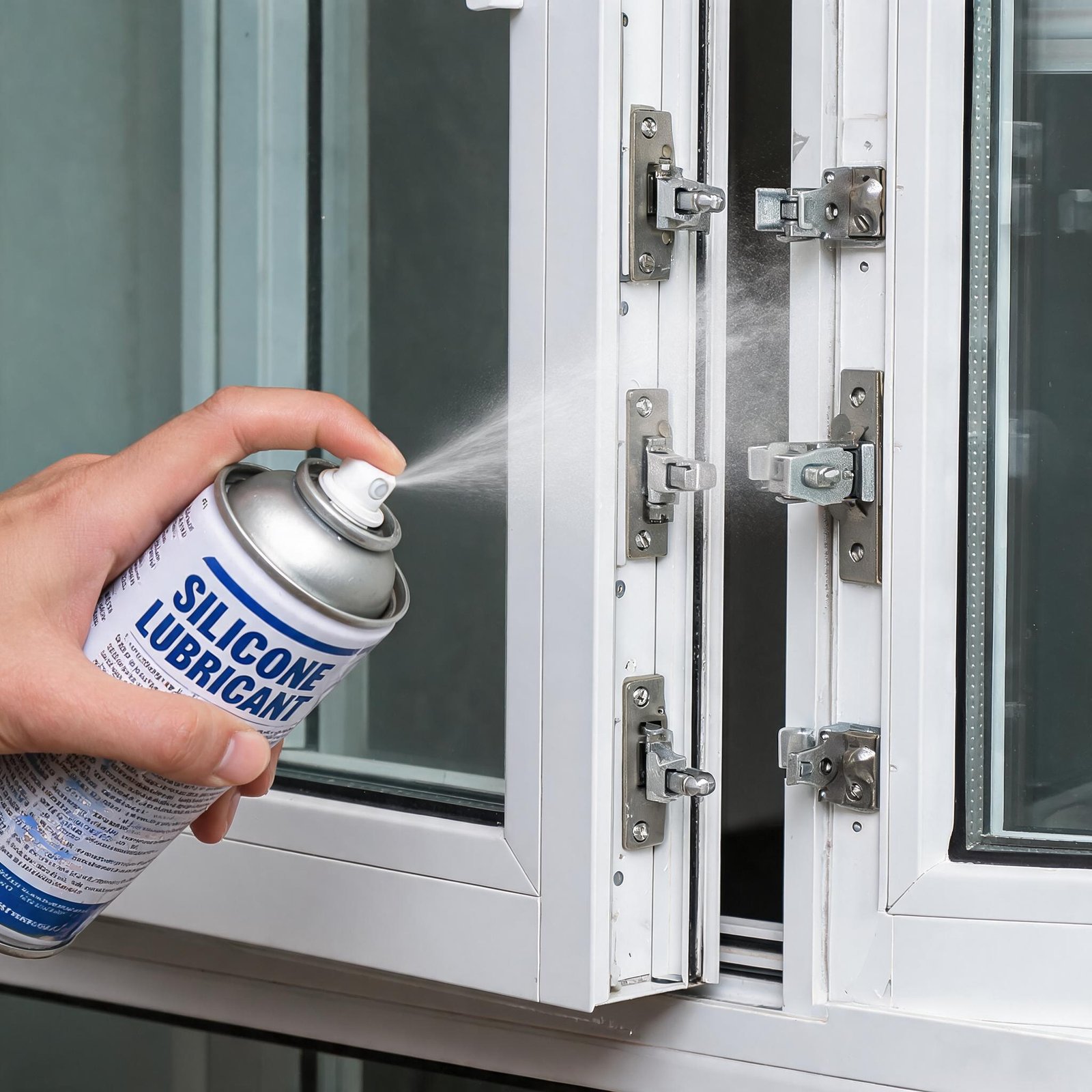
A: It is not recommended to paint the operating hardware (espagnolette handles, hinges). Paint will wear off quickly with use and can gum up the mechanism. For a cohesive look, it is better to purchase new hardware in your desired finish. Fixed elements like dummy handles on casement windows can be painted if prepared and primed correctly.
Q: Is it better to just replace the windows instead?
A: This is a cost-benefit analysis. Painting is a fraction of the cost of full replacement and is excellent for refreshing sound, functional windows. However, if your windows are failing (drafty, difficult to operate, seals blown), then replacing your PVC window frames with new, energy-efficient models is a wiser long-term investment that will improve comfort, reduce energy bills, and increase home value.
By following this expert guide, you can confidently transform the look of your home’s windows. The key is respecting the material, using the right chemistry, and investing time in preparation. Done correctly, painting your PVC or UPVC frames is a highly effective way to update your home’s aesthetic without the substantial cost of a full window replacement.