The Ultimate Guide to Vinyl Windows: A Manufacturer’s Deep Dive for Pittsburgh Homeowners
For Pittsburgh homeowners, the question of window replacement is more than just an aesthetic upgrade—it’s a critical investment in your home’s comfort, energy bills, and long-term value. As a manufacturer with decades in the fenestration industry, we see the same core question arise: are vinyl windows a genuinely good investment, or are they a compromise? The answer isn’t a simple yes or no. It hinges on understanding the material’s engineering, its performance in our specific climate, and how it aligns with your home’s needs. This guide goes beyond basic pros and cons to deliver the nuanced, authoritative insights you need.
Understanding the Vinyl Window: More Than Just Plastic
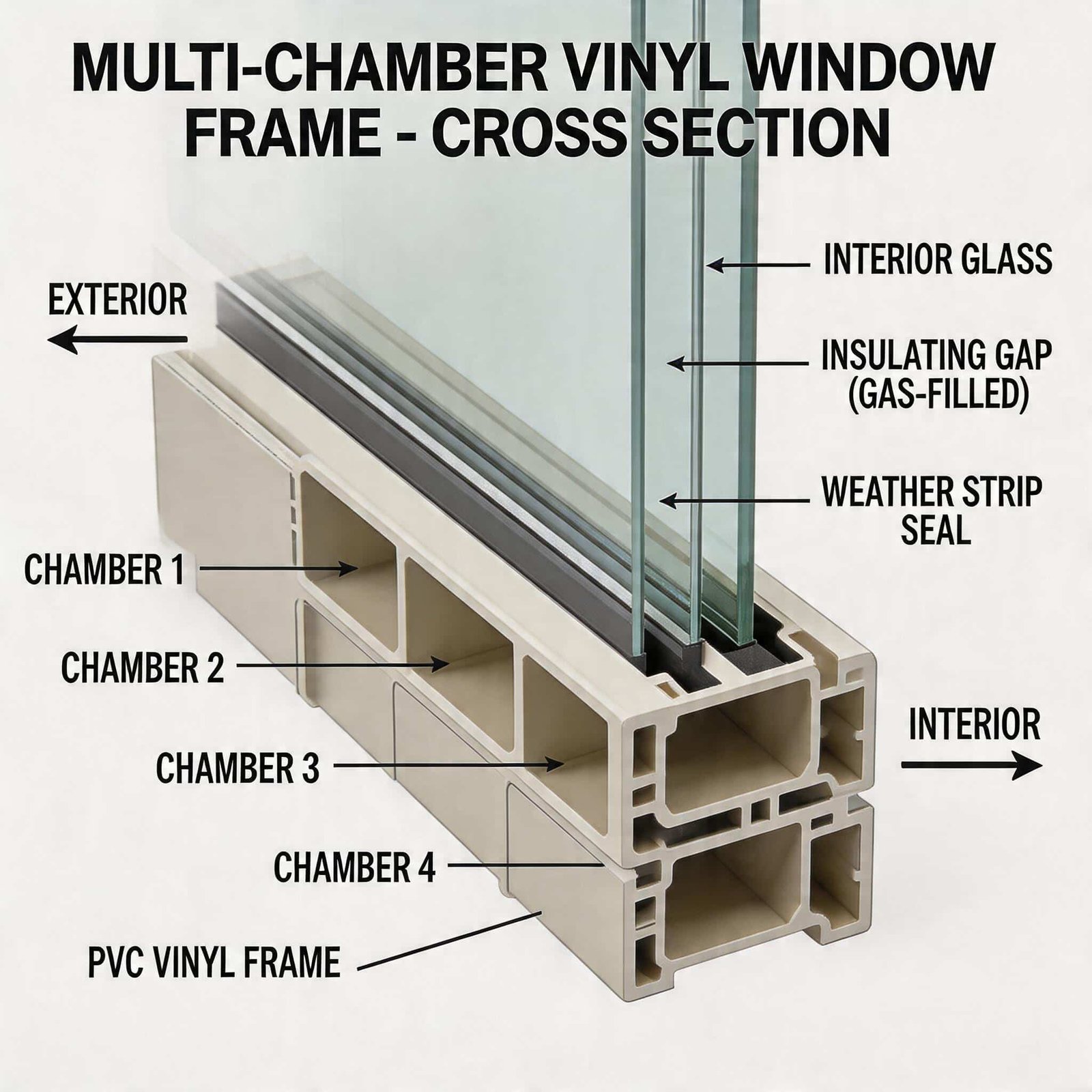
Vinyl windows are crafted from Polyvinyl Chloride (PVC), a material whose performance is dictated by its formulation and profile design. High-quality units use rigid, UV-stabilized PVC compounds with impact modifiers. The best profiles are multi-chambered—not just for insulation but for structural integrity—and reinforced with welded steel or composite materials at key stress points. This engineering is what separates a budget unit from a premium product that will last for decades.
Energy Efficiency: A Critical Consideration for Pittsburgh’s Climate
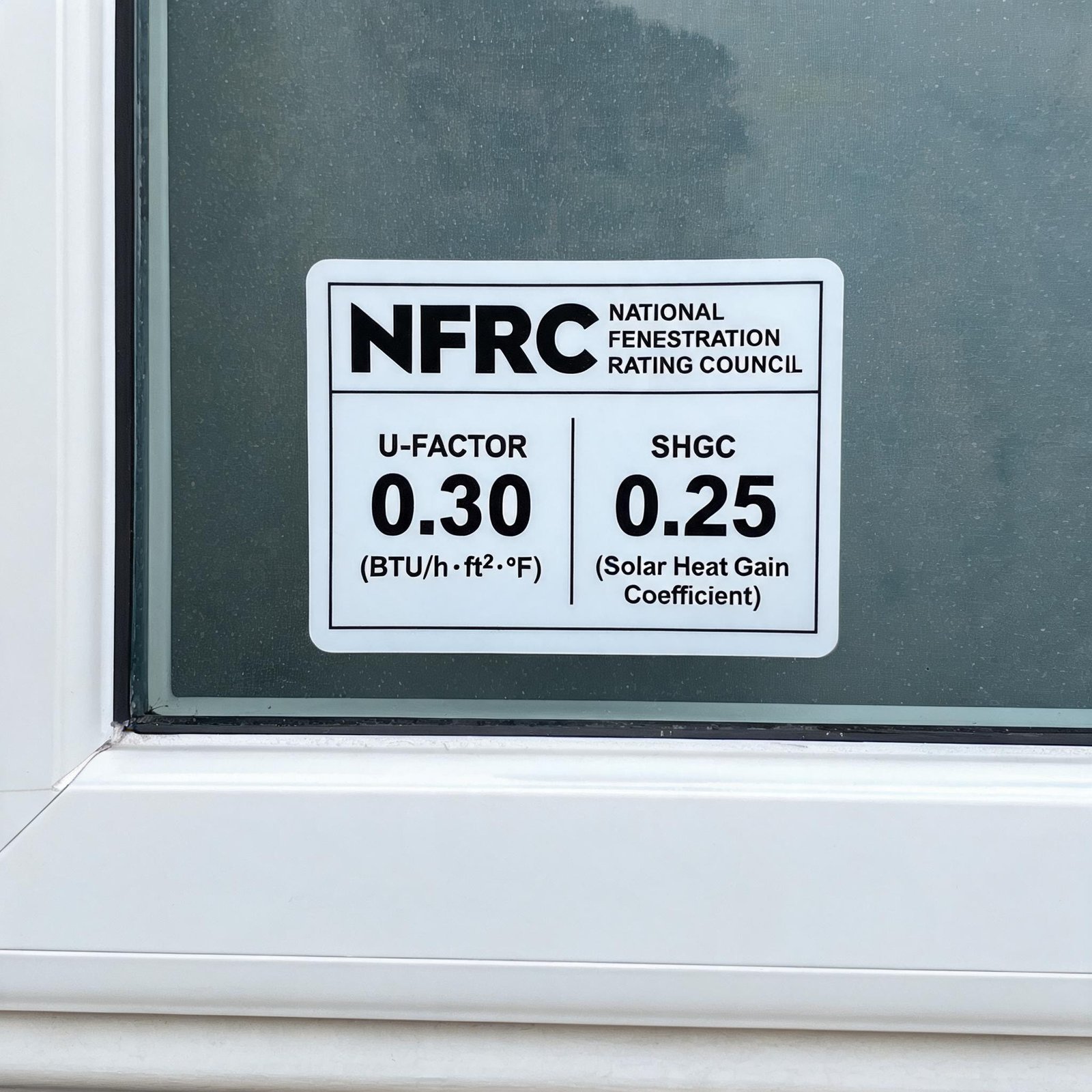
Our region experiences both sweltering summers and frigid winters, making thermal performance non-negotiable. The insulating properties of vinyl are inherent; PVC is a poor conductor of heat. When combined with Low-E glass, argon gas fills, and warm-edge spacers, a premium vinyl window achieves exceptional U-factors and Solar Heat Gain Coefficients (SHGC).
For Pittsburgh homes, we recommend a dual-pane configuration with a Low-E coating tailored for our climate—typically one that maximizes solar heat gain in winter (a low solar gain coating might be counterproductive here). The multi-chambered frame design further minimizes thermal transfer at the edges, a common failure point for condensation and heat loss.
Evaluating the Advantages: Where Vinyl Truly Excels
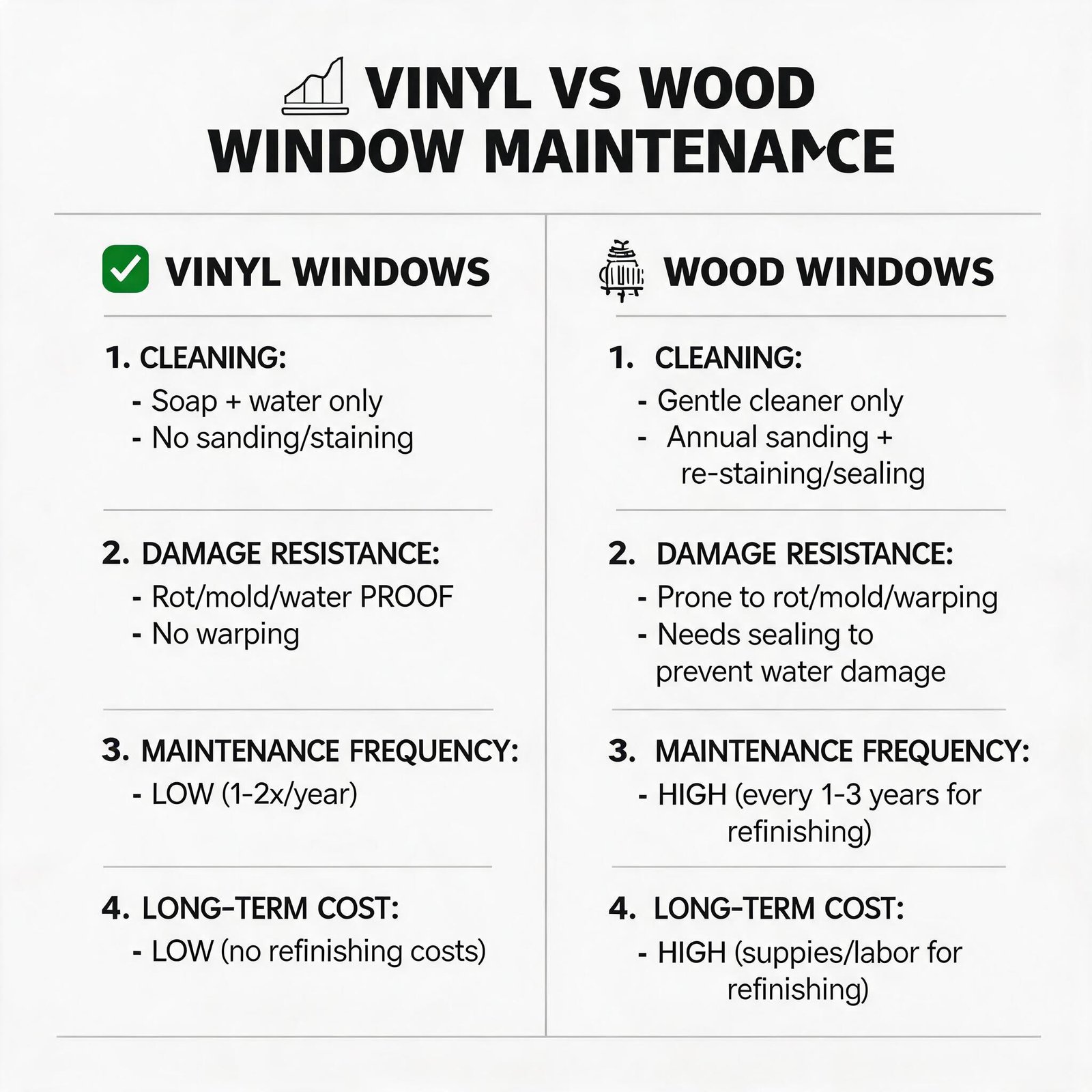
Low Maintenance & Longevity: Unlike wood, vinyl doesn’t require scraping, sanding, or repainting. The color is extruded throughout the profile, meaning it won’t peel or chip. A simple cleaning with soap and water is all that’s needed. This leads to a significantly lower total cost of ownership over the window’s lifespan.
Cost-Effectiveness: Vinyl remains one of the most affordable window frame materials upfront. It offers an excellent balance of performance and price, providing strong energy efficiency without the premium cost of fiberglass or composite materials.
Design Versatility: Modern vinyl windows are far from the bulky, white boxes of the past. Today’s offerings come in various colors, including custom laminates that mimic wood grain. They are available in every style: double-hung, casement, sliding, awning, and picture windows.
Moisture Resistance: PVC is impervious to moisture, which means it won’t rot, warp, or corrode in Pittsburgh’s humid summers. This makes it an ideal choice for areas prone to condensation or driving rain.
Addressing the Drawbacks: An Honest Appraisal
No product is perfect, and informed decisions require acknowledging limitations.
Limited Color Options Compared to Paint: While improved, the color palette for vinyl is typically fixed at manufacture. You cannot paint vinyl windows successfully long-term; paint will not properly adhere and will crack and peel.
Non-Repairable Frame: If the frame itself is damaged—cracked or severely warped—it generally cannot be repaired and must be replaced. High-quality vinyl is very impact-resistant, but extreme force can cause damage.
Potential for Thermal Expansion: All materials expand and contract. In cheaper vinyl with thin walls, this movement can be pronounced, potentially affecting operation in extreme temperature swings. Premium, thicker profiles manage this movement more effectively.
Aesthetic Perception: Some homeowners pursuing a high-end, historical look may still prefer the authentic sightlines and feel of wood, though vinyl cladding on wood interiors is a popular hybrid solution.
Vinyl Window Performance in Pittsburgh: A Localized View
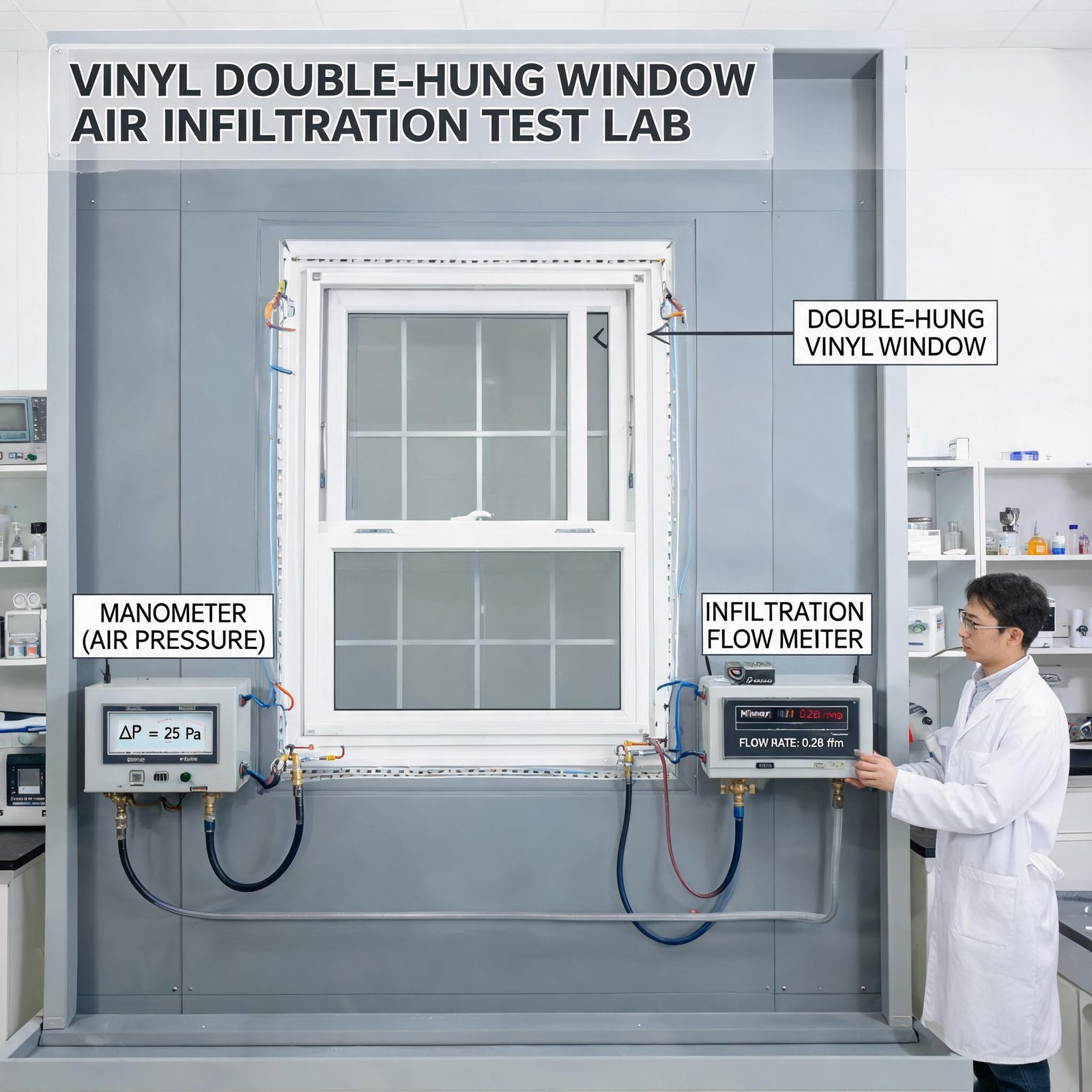
Pittsburgh’s specific weather patterns demand a robust product. The key is vinyl window durability against temperature fluctuations, wind-driven rain, and humidity. Look for windows with a strong design pressure (DP) rating—a measure of structural performance against wind and water. A DP rating of 40 or higher is excellent for our area. Furthermore, ensure the product has passed stringent tests for air and water infiltration (AAMA/WDMA/CSA 101/I.S.2/A440).
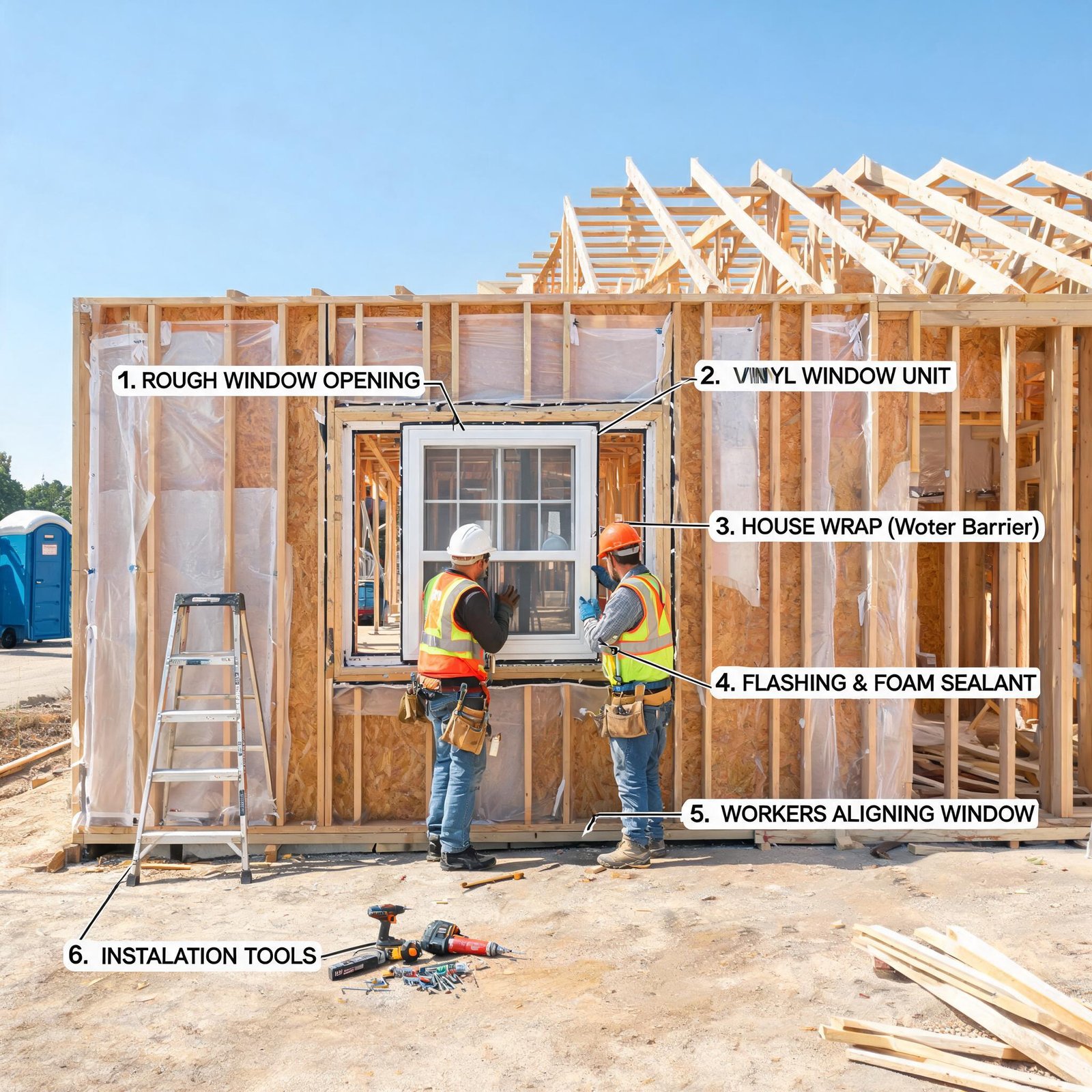
When considering is vinyl windows good for your century-old home or modern build, also evaluate the installation. Even the best window will fail if improperly installed. Pittsburgh’s older homes often have uneven openings, requiring skilled installers who understand flashing techniques and proper sealing to prevent air and water leaks.
Comparative Analysis: How Vinyl Stacks Up Against Other Materials
| Feature | Vinyl | Wood | Fiberglass | Aluminum |
| :— | :— | :— | :— | :— |
| Thermal Efficiency | Excellent | Good (with weatherstripping) | Excellent | Poor (thermal break helps) |
| Maintenance | Very Low | High (regular painting) | Low | Low |
| Durability | High | Moderate (prone to rot) | Very High | High (doesn’t corrode) |
| Cost | Moderate | High | High | Low-Moderate |
| Aesthetic Flexibility | Good | Excellent | Good | Good |
Cost Breakdown & Lifespan Expectations for Pittsburgh
For a standard, double-hung, mid-range vinyl window in our area, expect installed costs to range from 600 to 1,200 per window, depending on size, features (like between-pane blinds), and the complexity of the installation.
Lifespan is a direct function of quality. A budget vinyl window may last 15-20 years. A premium, well-maintained vinyl sliding window or casement, however, can easily last 30-40 years. The vinyl itself doesn’t degrade; the limiting factors are typically the longevity of the weatherstripping and hardware, which can often be serviced or replaced.
Your Decision-Making Checklist
1. Assess Your Needs: Is it energy savings, maintenance reduction, aesthetics, or all three?
2. Evaluate Quality: Don’t just shop by brand. Examine the profile thickness, weld strength, chamber count, and hardware quality.
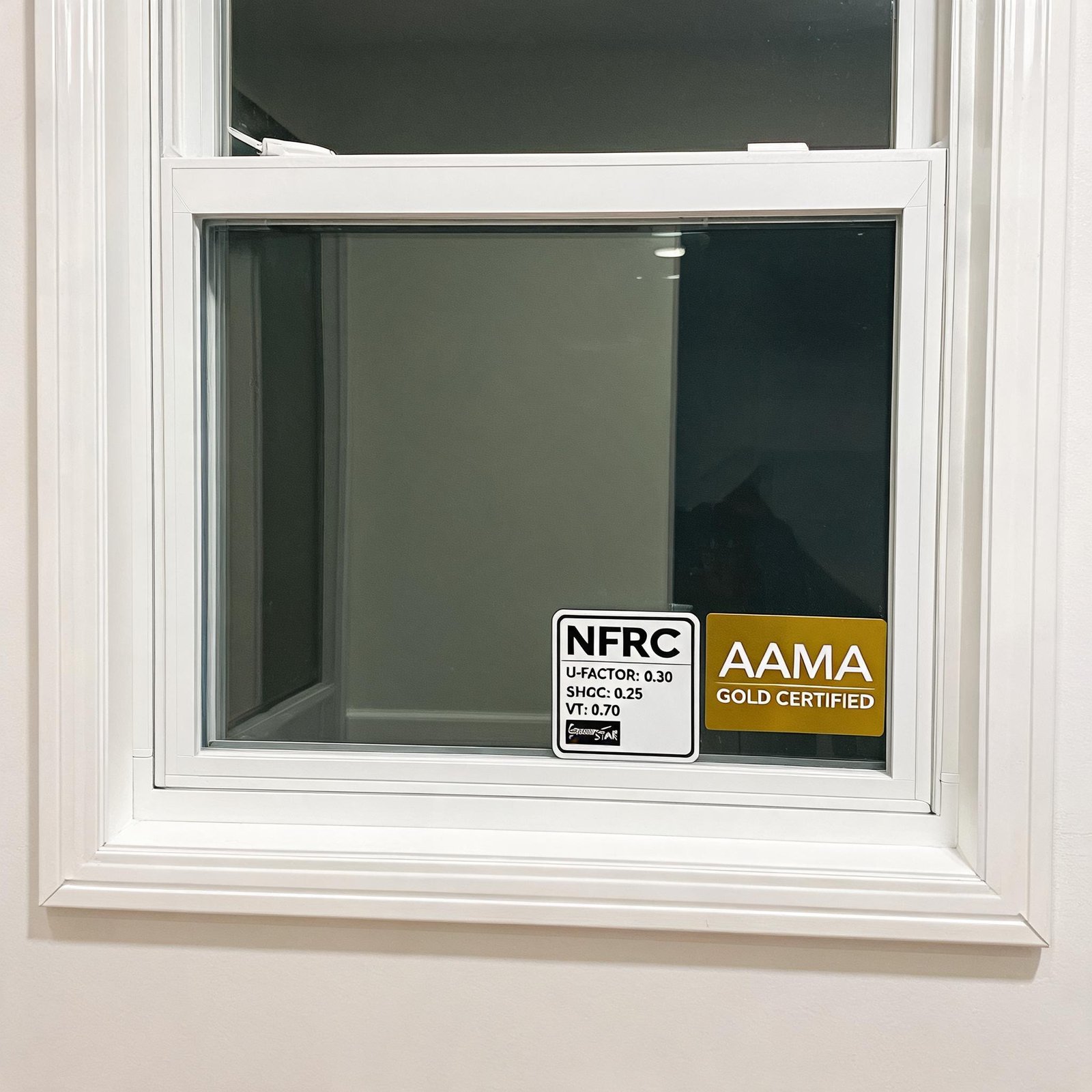
3. Check Ratings: Look for Energy Star certification, NFRC labels (U-Factor, SHGC), and AAMA certification.
4. Get Detailed Quotes: Ensure quotes include full scope of work: removal, installation, flashing, interior trim, and cleanup.
5. Prioritize Installation: Choose an installer with proven experience in Pittsburgh, specifically with your home’s architecture. Ask about their water management details.
6. Understand the Warranty: A strong warranty covers not just the glass but the frame, hardware, and against seal failure. Transferable warranties can add to your home’s value.
Frequently Asked Questions (Q&A)
Q: How long do vinyl windows typically last in Pittsburgh’s variable climate?
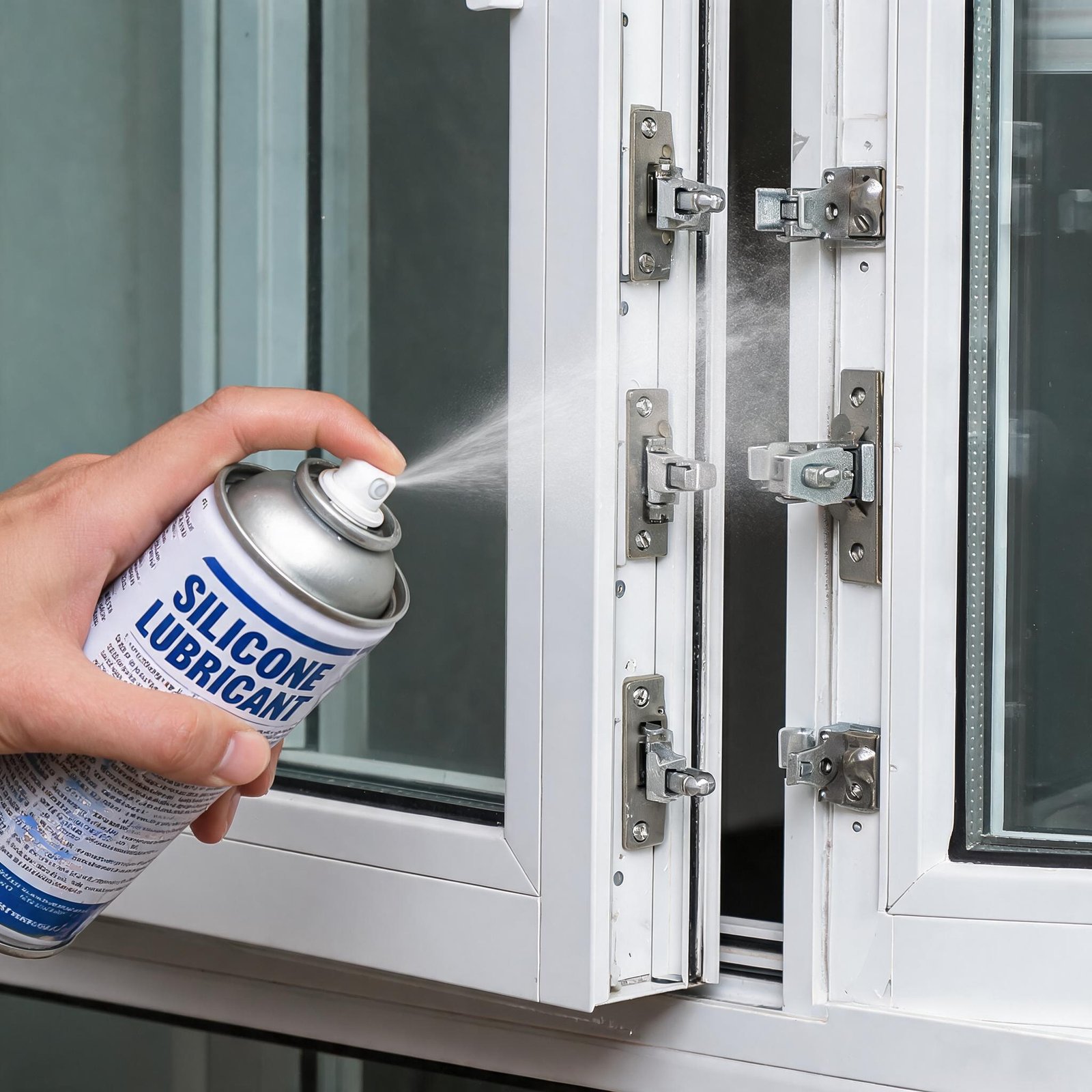
A: With proper installation, a quality vinyl window should last a minimum of 25-30 years in our climate. The primary factors are the quality of the vinyl profile and the protective UV inhibitors in the material. Regular cleaning of the tracks and hardware will ensure smooth operation for the life of the product.
Q: Can I install vinyl windows myself to save money?
A: While possible, we strongly advise against it for Pittsburgh homeowners. Window installation is a water-management system. Improper flashing and sealing—common in DIY jobs—can lead to hidden water damage, mold, and rot in the wall structure, costing far more to repair than professional installation. It’s a job for certified experts.
Q: Do vinyl windows fade or become brittle over time?
A: Lower-quality vinyl can fade, chalk, or become brittle due to UV exposure and plasticizer migration. High-quality, virgin vinyl compounds include titanium dioxide (for UV resistance) and impact modifiers that maintain flexibility and color integrity for decades. Always ask about the profile’s formulation.
Q: Are there any hidden costs with vinyl window replacement?
A: Potential hidden costs can include repair of rotted wood in the existing opening, updating interior trim, disposal fees for old windows (especially with old glazing containing lead paint), and permit fees if required by your local municipality. A reputable contractor will identify these in a detailed initial inspection.
Q: What is the most important feature to look for in a vinyl window for an older Pittsburgh home?
A: Beyond energy ratings, focus on durability and design pressure rating. Older homes can have significant air pressure differences. A window with a high DP rating (e.g., DP 40-50) will better resist air and water intrusion during our strong storms. Also, ensure the window style complements your home’s architectural integrity to maintain its value.