The Complete Guide to Window Types and Styles: What Every Homeowner Needs to Know
Choosing the right windows for your home is one of the most significant decisions you’ll make during a renovation or new construction project. Windows affect everything from your energy bills and home comfort to curb appeal and resale value. Yet many homeowners feel overwhelmed by the sheer number of options available. This comprehensive guide breaks down every major window style, explains where each one works best, and provides the technical insights that most articles overlook. Whether you’re building from scratch or replacing existing windows, understanding what types of windows are there will help you make an informed decision that serves your home for decades.
Why Window Selection Matters More Than You Think
Before diving into specific styles, it’s worth understanding why window choice carries such weight. Windows are not merely holes in your wall with glass. They are complex assemblies that must balance ventilation, natural light, insulation, security, and aesthetics. A poorly chosen window can lead to drafts, condensation problems, high energy costs, and even structural issues over time. Conversely, the right window enhances your living experience while protecting your investment.
The window industry has evolved dramatically in the last two decades. Modern windows offer triple-pane glazing, low-E coatings, argon gas fills, and thermally broken frames that would have seemed like science fiction thirty years ago. But all that technology means nothing if you select the wrong operating style for your specific needs.
The Seven Fundamental Window Types
Double-Hung Windows: The Timeless Classic
Double-hung windows remain the most popular choice in American homes, and for good reason. Both the upper and lower sashes slide vertically, allowing you to open either the top, bottom, or both simultaneously. This design provides exceptional ventilation control because warm air escapes through the top opening while cooler air enters through the bottom, creating natural convection.
Where they excel: Traditional and colonial-style homes, bedrooms, and living rooms where you want balanced airflow. They are particularly effective in two-story homes because you can clean the exterior glass from inside by tilting the sashes inward.
What most guides don’t tell you: The tilt-in cleaning feature varies significantly by manufacturer. Some budget windows use plastic tilt latches that break after a few years. Premium double-hung windows use metal or reinforced nylon components that last the life of the window. Additionally, the balance system that holds the sash in position can be either block-and-tackle or spiral. Spiral balances tend to be more durable and provide smoother operation over time.
Casement Windows: Maximum Ventilation and Energy Efficiency
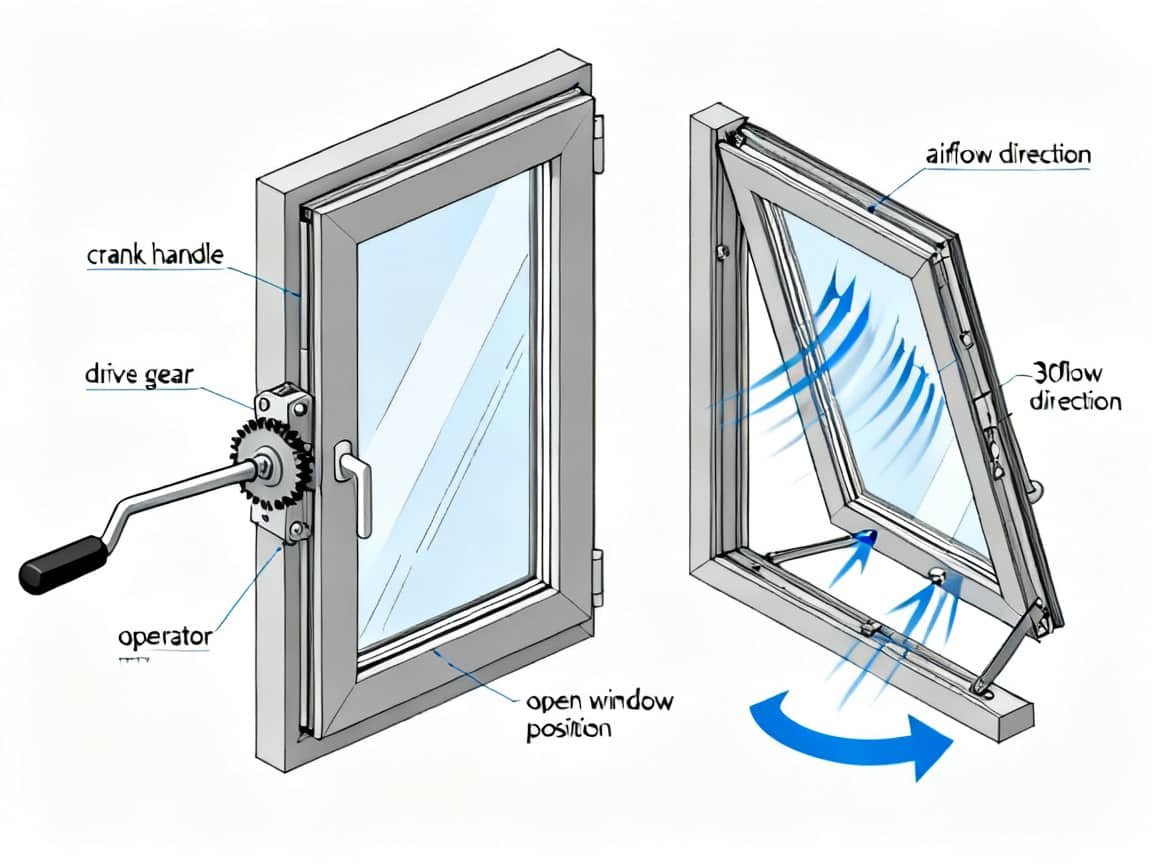
Casement windows hinge on one side and crank outward, creating a completely unobstructed opening. When fully open, they act like a sail, capturing breezes and directing them into your home. This design provides the best ventilation of any window style because the entire sash area becomes an opening.
Where they excel: Kitchens, bathrooms, and areas above sinks or countertops where you cannot reach a window that opens upward. They are also excellent for capturing prevailing winds in coastal or lakeside homes.
What most guides don’t tell you: The crank mechanism is the most common failure point on casement windows. Look for stainless steel gearing and a crank handle that folds flush when not in use. Also, casement windows seal more tightly than sliding windows because the sash compresses against the frame when closed. This makes them the most energy-efficient operating style available, often achieving air infiltration rates below 0.01 CFM per square foot.
Picture Windows: The Energy Efficiency Champion
Picture windows are fixed units that do not open. They consist of a single pane of glass set into a frame, with no moving parts. This simplicity makes them the most energy-efficient and airtight window style because there are no seals or weatherstripping that can degrade over time.
Where they excel: Living rooms, great rooms, and any space where you want an unobstructed view. They are ideal for walls that face spectacular scenery or for rooms where ventilation is handled by other means, such as a separate ventilation system or adjacent operable windows.
What most guides don’t tell you: Because picture windows are completely sealed, they can experience thermal stress cracking if the glass is not properly tempered or if the frame expands and contracts at a different rate than the glass. High-quality picture windows use structural silicone glazing that allows for differential movement without putting stress on the glass. Additionally, picture windows can be significantly larger than operable windows because there are no weight or balance limitations. Some manufacturers offer picture windows up to eight feet wide and ten feet tall.
Awning Windows: Ventilation in the Rain
Awning windows hinge at the top and crank outward from the bottom. This design creates a canopy effect that allows you to keep the window open during light rain without water entering your home. The opening angle directs airflow upward, which helps circulate air throughout the room rather than creating a direct draft.
Where they excel: Basements, bathrooms, and any room where you want ventilation but need protection from the elements. They are also commonly used above or below larger picture windows to provide ventilation without breaking the visual line.
What most guides don’t tell you: Awning windows are often the best choice for coastal homes because the upward-opening design resists wind-driven rain better than casement or sliding windows. However, the crank mechanism is exposed to the elements, so look for models with covered hardware or stainless steel components. Some premium awning windows use a push-out mechanism instead of a crank, which eliminates the most common failure point.
Sliding Windows: Simple and Reliable
Sliding windows, also called gliding windows, operate by moving one sash horizontally past another. They contain no cranks, hinges, or complex mechanisms, making them one of the most reliable and low-maintenance window styles available.
Where they excel: Contemporary and modern homes, rooms with limited exterior clearance where casement windows cannot swing outward, and areas where you want a wide, unobstructed view without vertical mullions breaking the sightline.
What most guides don’t tell you: The track system is the critical component in sliding windows. Inexpensive windows use nylon rollers that wear out quickly and cause the sash to drag or bind. High-quality sliding windows use stainless steel or brass rollers with sealed bearings. Also, the interlock where the two sashes meet is a common point of air leakage. Look for windows with a multi-point locking system that pulls the sashes tightly together when engaged.
Bay and Bow Windows: Architectural Statements
Bay windows project outward from the exterior wall, creating a three-dimensional architectural feature. A bay window typically consists of a large center picture window flanked by two smaller operable windows set at 30 to 45-degree angles. Bow windows are similar but use four or more windows arranged in a gentle curve.
Where they excel: Living rooms, dining rooms, and bedrooms where you want to create additional interior space, such as a window seat or breakfast nook. They also add significant curb appeal and can increase natural light from multiple angles.
What most guides don’t tell you: The structural support for bay and bow windows is often overlooked. These windows are heavy and require proper headers, support brackets, or a foundation if they extend significantly beyond the wall. Many homeowners discover too late that their bay window is sagging because the installer did not provide adequate support. Additionally, the roof or deck of a bay window must be properly flashed and sealed to prevent water infiltration. This is one area where professional installation is non-negotiable.
Specialty Windows: Unique Shapes and Functions
Beyond the standard operating styles, there are numerous specialty windows designed for specific applications. These include:
Garden windows that project outward like a small greenhouse, perfect for herbs and plants in the kitchen.
Hopper windows that hinge at the bottom and tilt inward, commonly used in basements.
Jalousie windows with multiple horizontal slats that crank open like louvers, popular in tropical climates.
Round-top or arch windows that add architectural interest above doors or standard windows.
What most guides don’t tell you: Specialty windows often require custom manufacturing, which can increase lead times and costs significantly. They also typically have lower energy efficiency ratings than standard shapes because the framing and glazing are more complex. If you are considering specialty windows, work with a manufacturer that has experience producing them rather than a general contractor who may not understand the technical requirements.
Window Frame Materials: The Foundation of Performance
The operating style is only half the equation. The frame material determines durability, maintenance requirements, insulation value, and cost. Here is what you need to know about each option.
Vinyl Frames
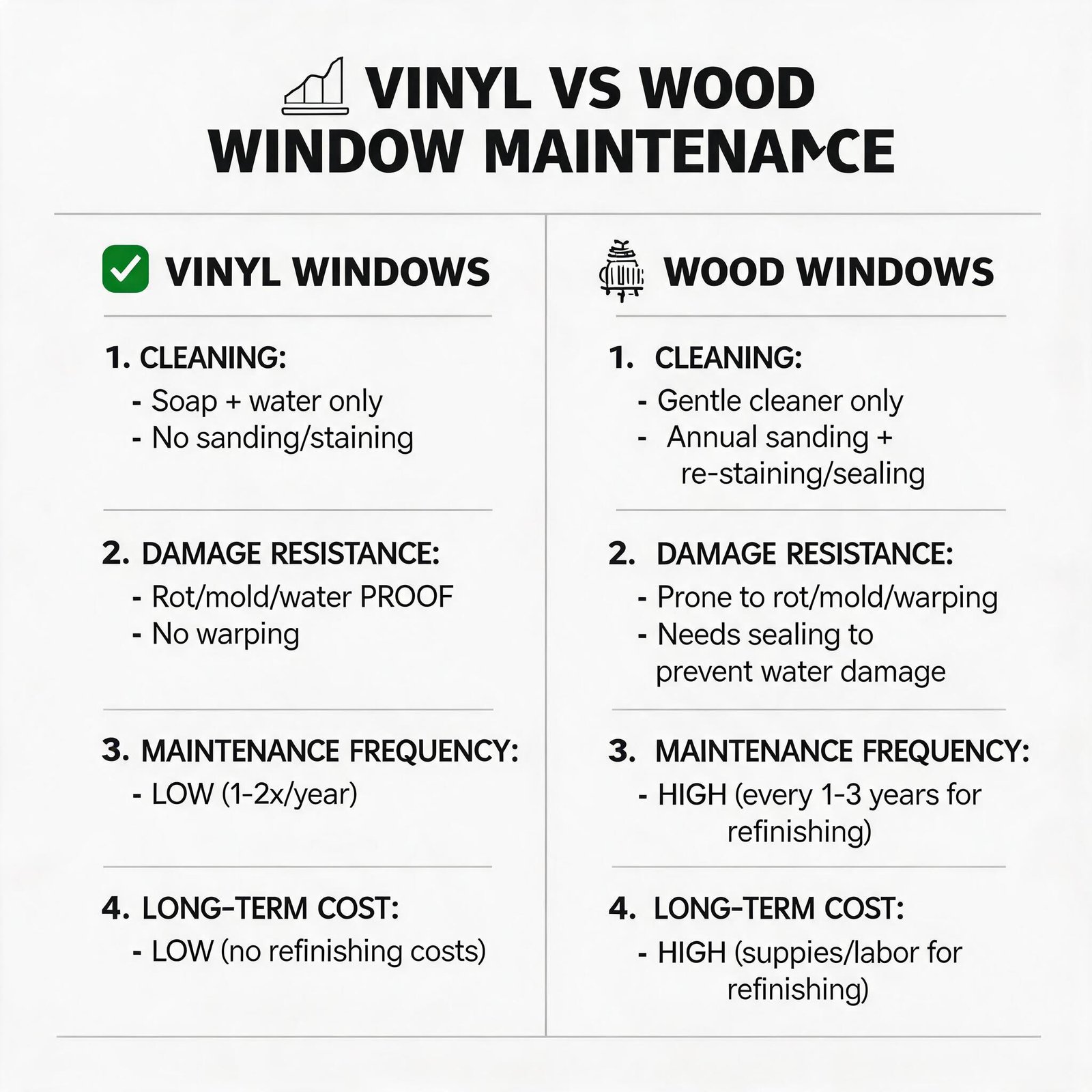
Vinyl windows dominate the replacement market because they offer excellent value. They do not rot, corrode, or require painting. Modern vinyl windows use multi-chambered extrusions that provide good thermal performance without the need for thermal breaks.
The overlooked detail: Not all vinyl is created equal. The quality of the PVC compound, the wall thickness of the extrusions, and the quality of the welds at the corners all affect longevity. Cheap vinyl windows can warp or discolor within a decade, while premium vinyl windows can last thirty years or more. Look for windows with fusion-welded corners and UV-stabilized material that resists yellowing.
Wood Frames
Wood windows offer unmatched aesthetic appeal and natural insulation properties. They can be painted or stained to match any interior decor and provide a warm, traditional look that vinyl cannot replicate.
The overlooked detail: Wood windows require ongoing maintenance. The exterior must be painted or stained every three to five years, depending on climate exposure. Modern wood windows often feature aluminum or vinyl cladding on the exterior to reduce maintenance while preserving the interior wood finish. This hybrid approach gives you the best of both worlds, but it adds cost.
Fiberglass Frames
Fiberglass windows combine the strength of wood with the low maintenance of vinyl. The material does not expand or contract significantly with temperature changes, which means the seals remain tight year after year. Fiberglass can also be painted to match your home’s exterior.
The overlooked detail: Fiberglass is significantly stronger than vinyl, which allows for larger glass areas and thinner frame profiles. This means more natural light and better views. However, fiberglass windows are typically more expensive than vinyl and require specialized manufacturing, which can limit your style options.
Aluminum Frames
Aluminum windows are strong, lightweight, and ideal for large openings. They are commonly used in commercial buildings and modern residential designs where slim sightlines are desired.
The overlooked detail: Aluminum is a highly conductive material, which means it transfers heat and cold readily. Unless the frame includes a thermal break, aluminum windows can feel cold in winter and hot in summer. Condensation is also more likely on aluminum frames in humid climates. Modern thermal break aluminum windows address these issues but come at a premium price.
Glazing Options: What the Glass Actually Does
The glass in your window is far more sophisticated than the single pane your grandparents had. Modern glazing options can dramatically improve energy efficiency, comfort, and even safety.
Double vs. Triple Pane
Double-pane windows have two layers of glass with an air or gas-filled space between them. Triple-pane windows add a third layer for even better insulation. The difference in energy performance is measurable but may not be cost-effective in all climates.
The overlooked detail: Triple-pane windows are significantly heavier than double-pane, which means the frames and hardware must be stronger. This adds cost and can affect the window’s operation over time. In moderate climates, the energy savings from triple-pane may never offset the additional cost. However, in extreme northern or southern climates, the comfort improvement can be substantial.
Low-E Coatings
Low-emissivity coatings are microscopic metallic layers applied to the glass that reflect infrared heat while allowing visible light to pass through. This keeps your home warmer in winter and cooler in summer.
The overlooked detail: There are different types of Low-E coatings optimized for different climates. Passive Low-E coatings are designed for cold climates to capture solar heat, while solar control Low-E coatings are designed for hot climates to reject solar heat. Using the wrong type can actually make your home less comfortable.
Gas Fills
The space between panes is often filled with argon or krypton gas instead of air. These gases are denser than air and provide better insulation.
The overlooked detail: Gas fills can leak out over time if the edge seals fail. The rate of gas loss depends on the quality of the seal system. Warm-edge spacers that use non-metallic materials reduce heat loss at the edge of the glass and help maintain gas retention. Look for windows with a warranty that covers seal failure for at least 20 years.
Installation: The Most Overlooked Factor
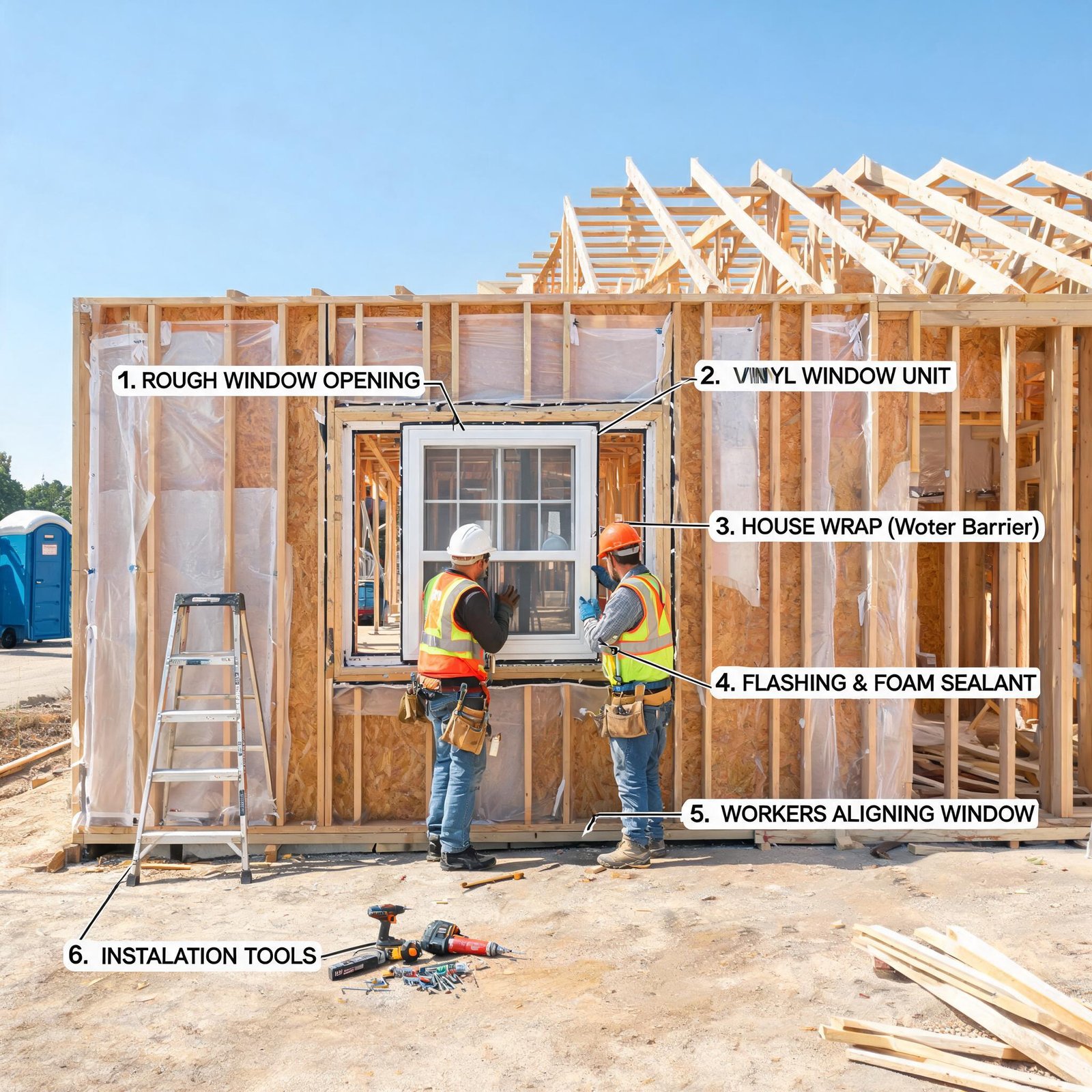
You can buy the best windows in the world, but if they are installed poorly, they will perform worse than cheap windows installed correctly. Proper installation includes:
– Flashing the rough opening to direct water away from the window
– Using expanding foam or fiberglass insulation around the frame
– Ensuring the window is square, level, and plumb
– Properly sealing the interior and exterior trim
What most guides don’t tell you: The installation method matters as much as the window itself. New construction windows have a nailing fin that is stapled to the sheathing. Replacement windows are inserted into the existing frame and secured with screws. Each method requires different techniques and materials. If you are replacing windows, consider whether full-frame replacement or insert replacement is appropriate for your situation. Full-frame replacement removes the old frame down to the rough opening, which allows you to inspect and repair any water damage. Insert replacement leaves the old frame in place, which is faster but may hide underlying problems.
Window Type FAQs
Q: What is the most energy-efficient window style?
A: Picture windows are the most energy-efficient because they have no moving parts and no operable seals. Among operable windows, casement windows typically offer the best energy performance because the sash compresses against the frame when closed, creating a tighter seal than sliding or hung windows.
Q: What types of windows are there for bathrooms?
A: Awning windows are ideal for bathrooms because they can remain open during rain for ventilation without compromising privacy. Casement windows with obscured or frosted glass are also popular. Hopper windows that tilt inward are another option for basement bathrooms.
Q: How long do windows typically last?
A: The lifespan varies by material and quality. Premium vinyl windows can last 20-30 years. Wood windows can last 30-50 years with proper maintenance. Fiberglass windows can last 40-50 years. Aluminum windows can last 30-40 years. The operating hardware and weatherstripping may need replacement sooner than the frame and glass.
Q: Can I mix different window styles in the same house?
A: Yes, and this is often the best approach. Using picture windows for views, casement windows for ventilation, and double-hung windows for traditional aesthetics allows you to optimize each room for its specific needs. The key is maintaining consistent trim and frame colors so the mix looks intentional rather than haphazard.
Q: What is a frame window and how does it differ from other types?
A: A frame window refers to the structural perimeter that holds the glass and operating components. All windows have frames, but the term is sometimes used to describe fixed or picture windows that consist entirely of a frame with glass, as opposed to operable windows that have moving sashes. The frame material significantly affects the window’s performance, maintenance requirements, and cost.
Q: Should I choose double-hung or casement windows for my bedroom?
A: Both work well, but the choice depends on your priorities. Double-hung windows provide excellent ventilation control and are easier to clean from inside. Casement windows offer better energy efficiency and a completely unobstructed view. If your bedroom is on a second floor, double-hung windows may be safer because they do not project outward where they could interfere with a fire escape.
Q: How do I know if my windows need replacement?
A: Signs include drafts even when windows are closed, condensation between panes indicating seal failure, difficulty operating the window, visible rot or decay in wood frames, and high energy bills. If your windows are more than 20 years old, they likely lack modern energy-efficient features like Low-E coatings and gas fills.
Q: What is the best window for soundproofing?
A: The most effective soundproofing windows use laminated glass with a sound-dampening interlayer, combined with a wide air gap between panes. Triple-pane windows with different glass thicknesses on each pane can reduce noise by disrupting sound wave resonance. For extreme noise situations, consider installing a secondary window inside the existing frame to create a double-window system.
Q: Are custom-shaped windows worth the extra cost?
A: Custom shapes like arches, circles, and trapezoids can add significant architectural interest and natural light to your home. However, they are more expensive to manufacture, may have longer lead times, and typically have lower energy efficiency than standard shapes. If you are building a custom home or doing a major renovation, the aesthetic benefit often justifies the cost. For a simple window replacement, stick with standard shapes.
Q: How important is the window’s U-factor rating?
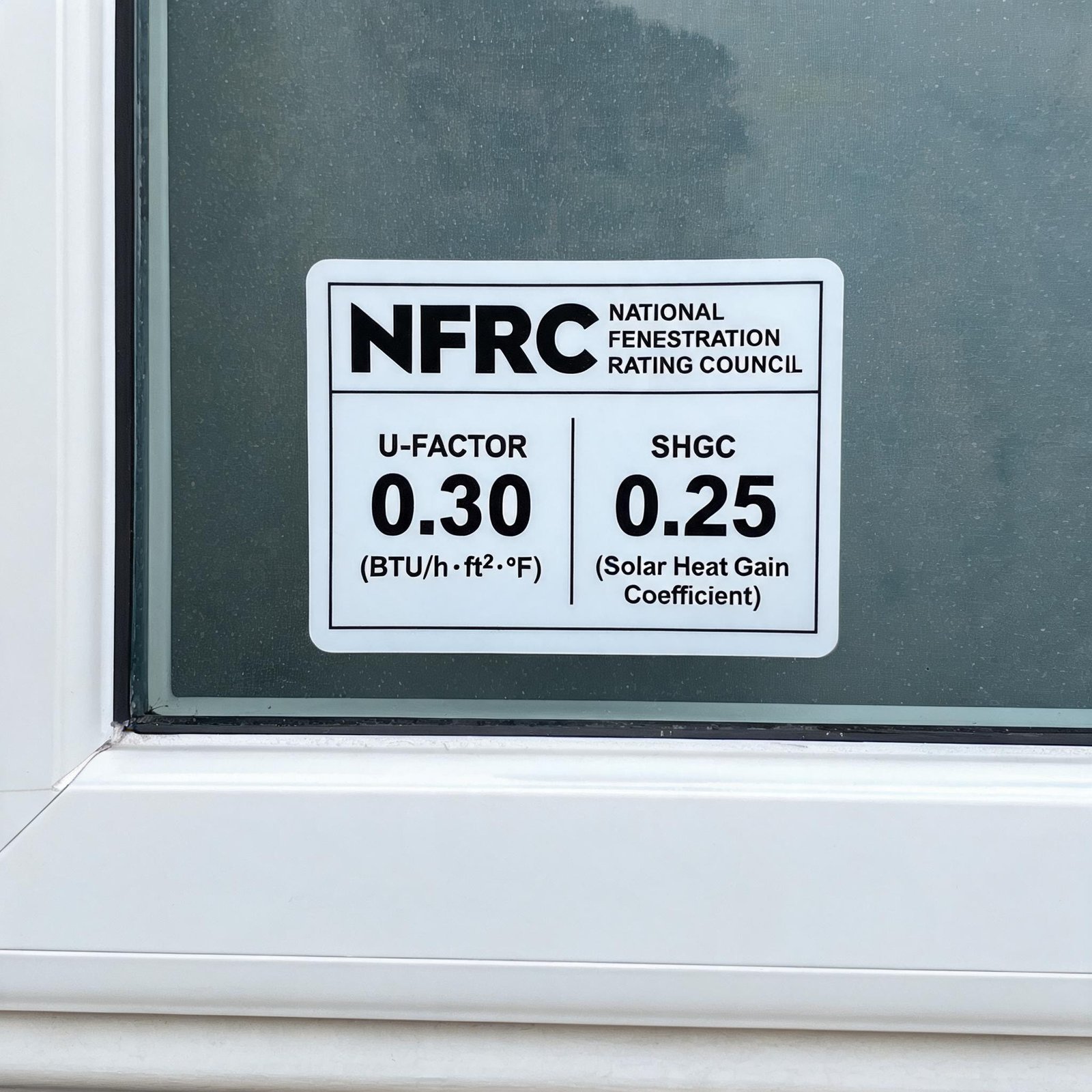
A: The U-factor measures how well a window prevents heat from escaping. Lower numbers indicate better insulation. For most climates, a U-factor of 0.30 or lower is recommended. However, U-factor is only one part of the energy performance picture. The Solar Heat Gain Coefficient (SHGC) is equally important because it measures how much solar heat enters the home. In cold climates, you want a higher SHGC to capture free solar heat. In hot climates, you want a lower SHGC to reduce cooling costs.
Q: What should I look for when comparing window brands?
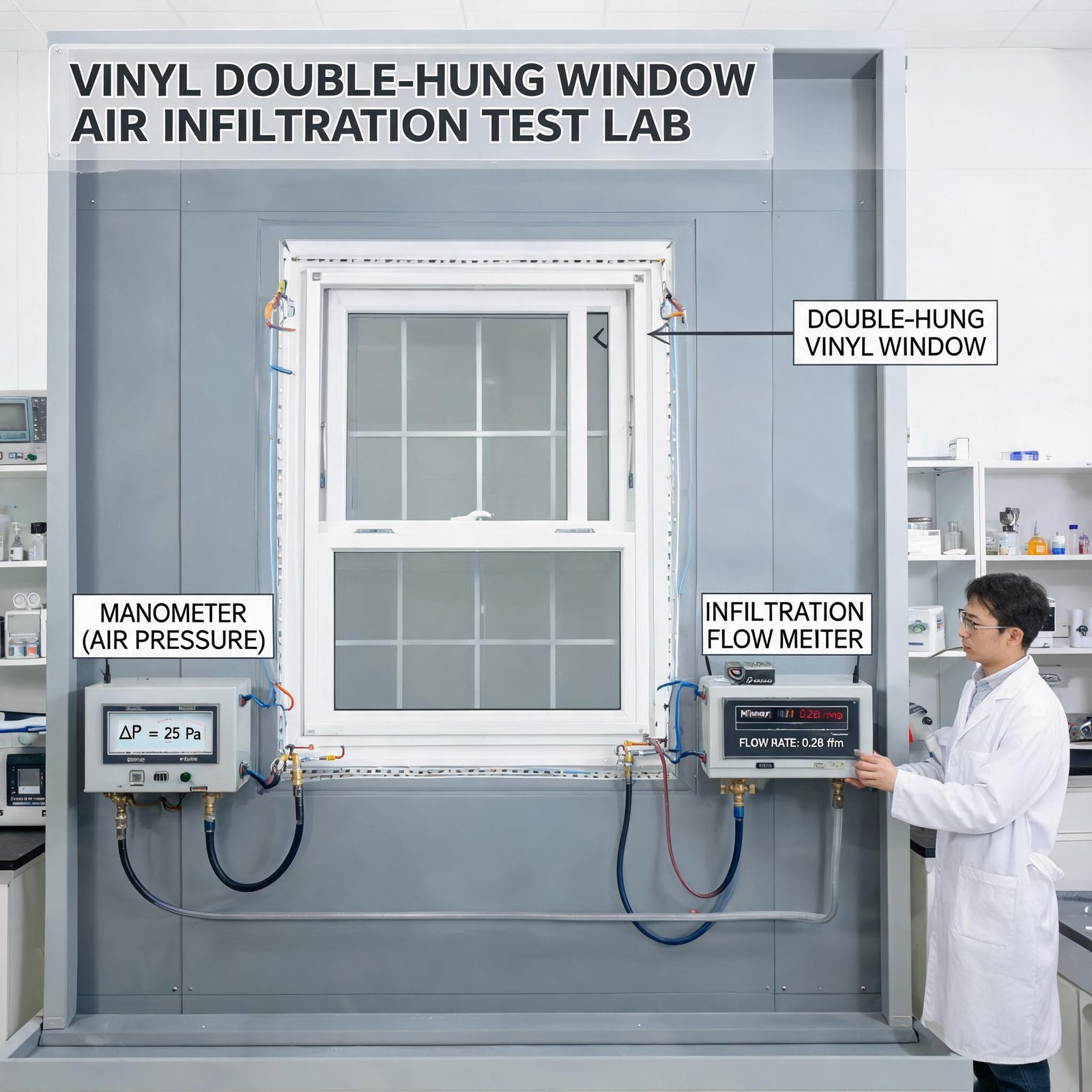
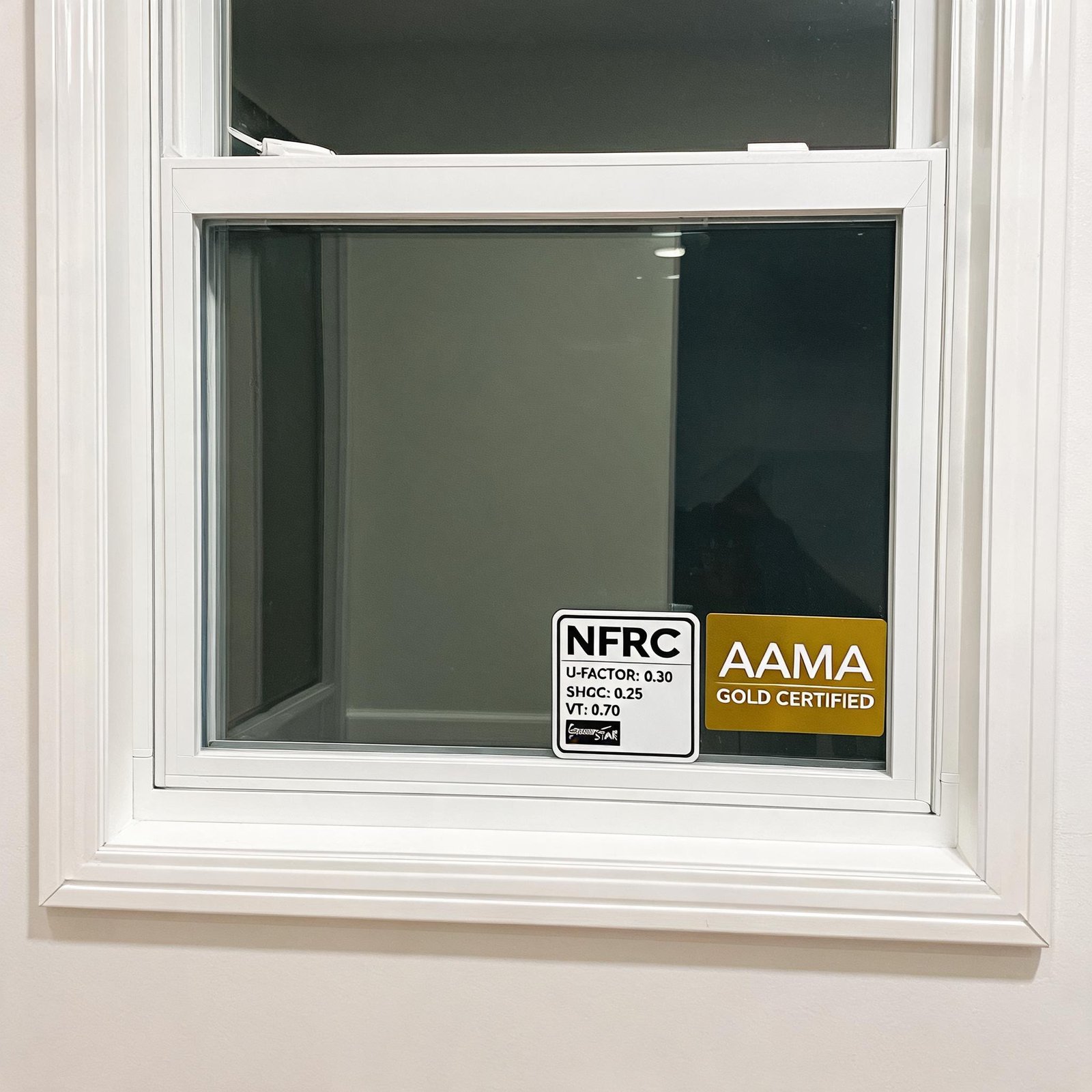
A: Beyond the glass and frame specifications, pay attention to the warranty. A good window should come with a limited lifetime warranty on the frame and glass, and at least a 10-year warranty on the hardware. Also, check the air infiltration rating. The best windows achieve 0.01 CFM per square foot or less. Finally, look at the NFRC label, which provides certified ratings for U-factor, SHGC, visible transmittance, and air leakage.
Q: Can I install windows myself to save money?
A: While it is possible for experienced DIYers, window installation is one of those projects where mistakes are costly and difficult to fix. Improper flashing can lead to water damage that rots your walls. An incorrectly sized opening can cause the window to bind or leak. Most manufacturers require professional installation for the warranty to remain valid. Unless you have significant construction experience, hire a professional.
Q: How do I choose between full-frame and insert replacement?
A: Full-frame replacement removes the old window down to the rough opening, allowing you to inspect for water damage and install new flashing. It is more expensive but provides a better result. Insert replacement fits the new window inside the existing frame, which is faster and less expensive but does not address potential issues behind the old frame. If your existing frames are in good condition and you are happy with the window size, insert replacement works well. If you suspect water damage or want to change the window size, go with full-frame replacement.
Q: What is the best window for a sunroom or four-season room?
A: For sunrooms, consider vinyl sliding window options that provide wide, unobstructed views and easy operation. Casement windows are also popular because they offer excellent ventilation and can be grouped together for a continuous look. For energy efficiency, choose windows with Low-E coatings and argon gas fills. If the sunroom gets intense afternoon sun, consider spectrally selective Low-E glass that blocks UV rays while allowing visible light to pass through.
Q: How do I maintain my windows to extend their lifespan?
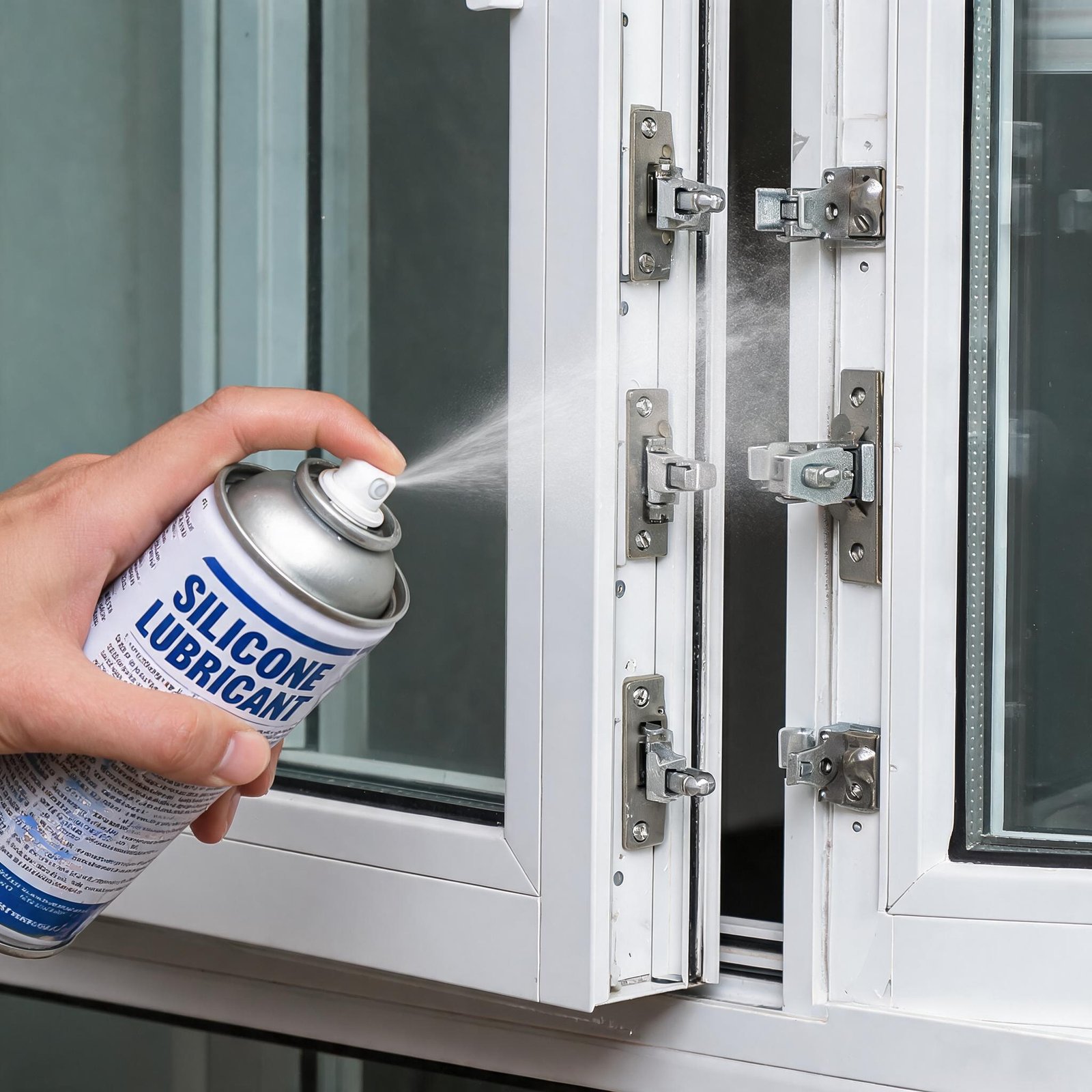
A: Clean the tracks and sills regularly to prevent dirt buildup that can interfere with operation. Lubricate moving parts annually with silicone spray. Inspect weatherstripping and replace it when it becomes brittle or compressed. For wood windows, check the paint or stain annually and touch up any bare spots immediately. For vinyl windows, clean with mild soap and water; avoid abrasive cleaners that can damage the surface. Check the caulking around the exterior frame annually and reseal any gaps.
Q: What are the latest innovations in window technology?
A: Smart windows with electrochromic glass that can change from clear to tinted on demand are becoming more affordable. Vacuum-insulated glazing that approaches the insulation value of a wall is in development. Some manufacturers now offer windows with integrated solar cells that generate electricity. While these technologies are still relatively expensive, they point to a future where windows are active components of the home’s energy system rather than passive openings.
Q: Should I choose a frame window with a grid or without?
A: This is primarily an aesthetic decision, but there are practical considerations. Grids between the glass (also called grilles between glass or GBG) are easy to clean because they are sealed inside the unit. Grids on the exterior surface require more maintenance but provide a more traditional look. Removable grids offer flexibility but can look cheap if not well-made. For a clean, modern look, skip the grids entirely. For traditional architecture, choose grids that match the period of your home.
By understanding the full range of window options, from operating styles and frame materials to glazing technologies and installation methods, you can make an informed decision that will serve your home for decades. The best window is not the most expensive or the most popular, but the one that fits your specific climate, architecture, and lifestyle needs.