What Are Vinyl Windows? The Complete Guide to Materials, Performance, and Value
When homeowners begin researching replacement windows, one question surfaces more than any other: what are vinyl windows, and are they the right choice for my home? It’s a fair question, especially given the flood of conflicting information online. Some sources praise vinyl as the ultimate energy-efficient solution, while others warn about durability concerns. The truth, as with most building products, lies somewhere in the middle—and depends heavily on quality, installation, and climate considerations.
This guide pulls back the curtain on vinyl window technology, manufacturing processes, and real-world performance. Whether you’re building a new home or replacing aging units, understanding what is vinyl window construction actually involves will help you make a confident investment.
What Are Vinyl Windows Made Of? A Look Inside the Material
To answer what are vinyl windows made of, we need to start with the raw material itself. Vinyl windows are fabricated from polyvinyl chloride (PVC), a type of plastic that has been modified specifically for window applications. But not all PVC is created equal.
The Chemistry Behind Vinyl Window Frames
Modern vinyl window frames use a specialized formulation called uPVC (unplasticized polyvinyl chloride). Unlike flexible PVC used in garden hoses or electrical insulation, uPVC contains no plasticizers that would cause the material to soften or degrade over time. Instead, manufacturers add:
- Impact modifiers to prevent brittleness in cold weather
- UV stabilizers (typically titanium dioxide) to resist sun damage
- Thermal stabilizers to maintain structural integrity during temperature swings
- Color pigments that are integrated throughout the material, not just surface-applied
This combination creates a rigid, durable material that can withstand decades of exposure to sun, rain, snow, and temperature extremes—provided the formulation is correct.
Extrusion: How Vinyl Frames Take Shape
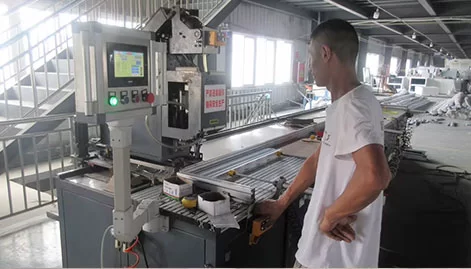
The manufacturing process begins with extrusion. Heated uPVC compound is forced through a die that shapes the frame profile. This is where the magic happens: the die creates hollow chambers within the frame. High-performance vinyl windows typically feature between three and seven separate chambers running the length of the frame.
These chambers serve multiple purposes. They create dead air spaces that dramatically reduce heat transfer, similar to how double-pane glass works. They also provide structural rigidity without adding excessive weight. The walls between chambers act as internal bracing, preventing the frame from twisting or bowing under load.
The Critical Role of Fusion Welding
One detail that separates premium vinyl windows from budget options is corner construction. Cheap windows often use mechanical fasteners or screws at the corners, which can loosen over time and create gaps. High-quality vinyl windows use fusion welding—a process where frame corners are heated and fused together under pressure.
This creates a monolithic joint that is actually stronger than the surrounding material. Fusion-welded corners prevent air and water infiltration at the most vulnerable points of the window frame. When you see a window advertised as “fusion-welded,” that’s a quality indicator worth paying attention to.
How Vinyl Windows Compare to Other Frame Materials
Understanding what is vinyl window performance relative to alternatives helps clarify whether this material suits your project.
Vinyl vs. Aluminum
Aluminum frames conduct heat and cold readily, making them poor insulators without thermal breaks. Vinyl naturally insulates far better. However, aluminum offers superior strength-to-weight ratios, which is why it remains popular for large commercial glazing. For residential applications, vinyl typically wins on energy performance and cost.
Vinyl vs. Wood
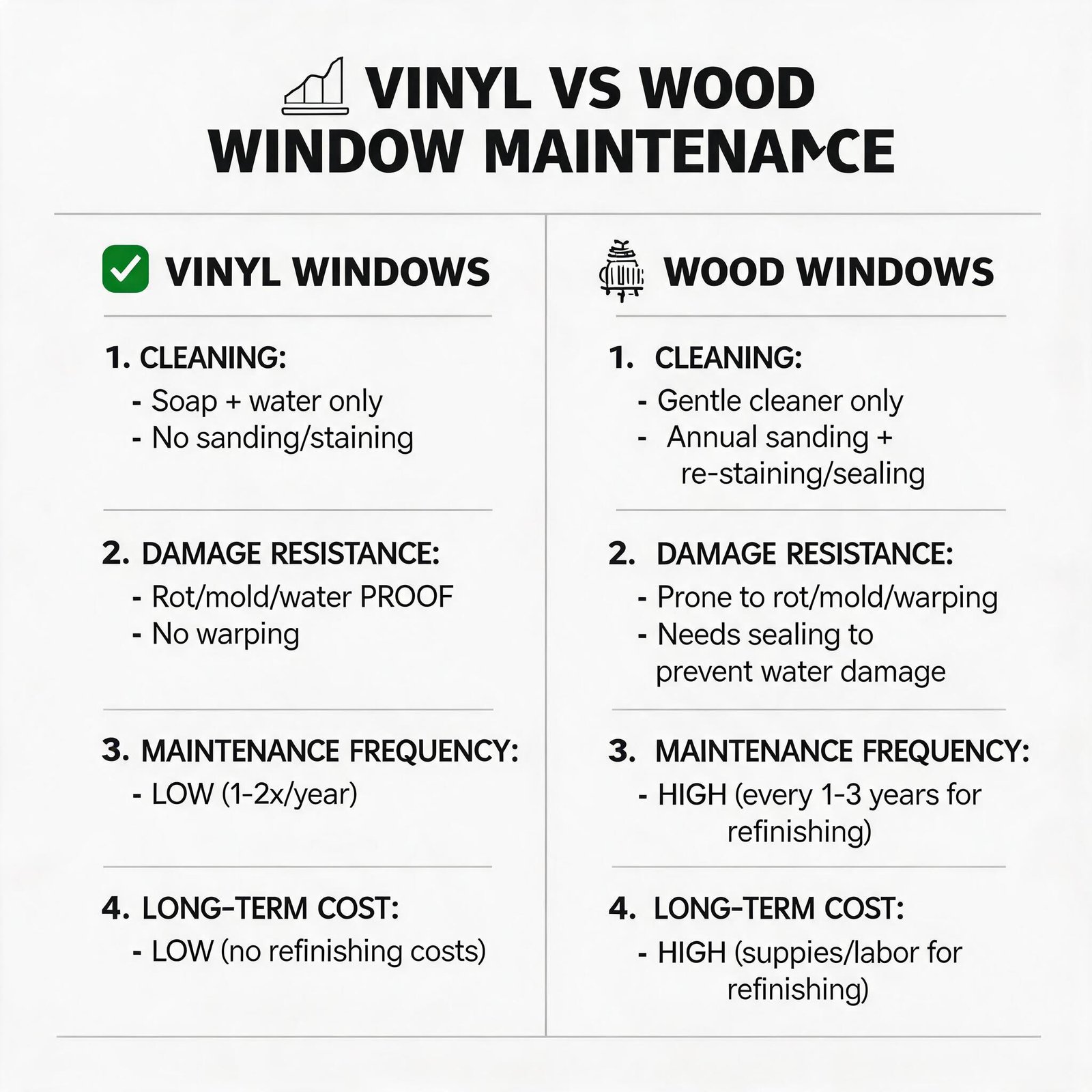
Wood offers timeless aesthetics and natural insulation properties, but it requires regular painting or staining to prevent rot and insect damage. Vinyl eliminates that maintenance burden entirely. The trade-off is that vinyl cannot match wood’s warmth or the ability to be refinished. Some homeowners compromise by choosing wood interiors with vinyl-clad exteriors.
Vinyl vs. Fiberglass
Fiberglass frames are stronger and more dimensionally stable than vinyl, meaning they expand and contract less with temperature changes. Fiberglass also accepts paint better than vinyl. However, fiberglass windows typically cost 30-50% more than comparable vinyl units. For most homeowners, the performance gap does not justify the price premium.
Energy Efficiency: Where Vinyl Windows Excel
Energy efficiency remains the primary reason homeowners choose vinyl windows. But efficiency depends on more than just the frame material.
The Complete System Approach
A window’s overall energy performance depends on four components working together:
- Frame material – Vinyl’s natural insulation properties reduce thermal bridging
- Glazing – Double or triple panes with Low-E coatings and gas fills
- Spacers – The material separating glass panes affects edge insulation
- Installation – Even the best window fails if improperly installed
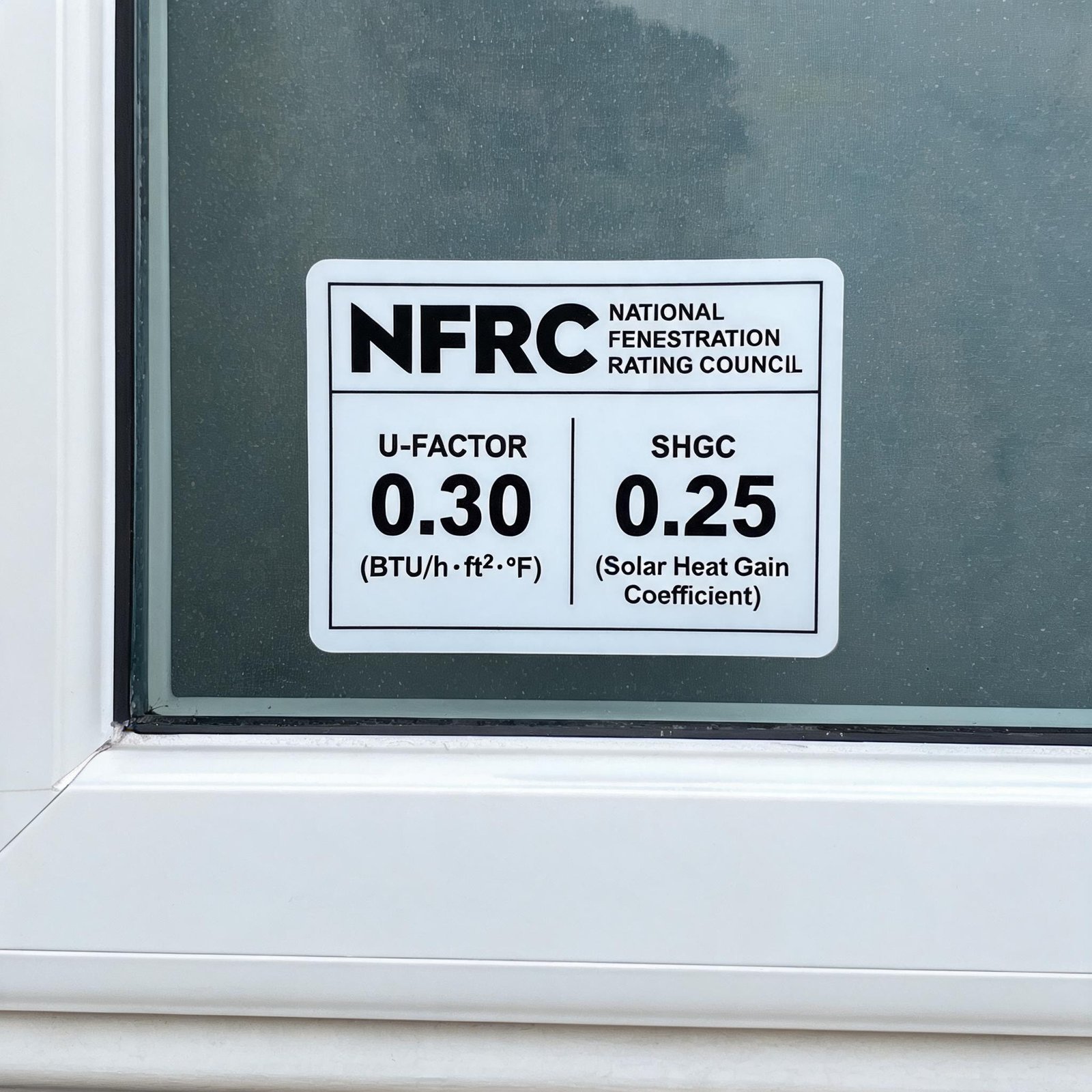
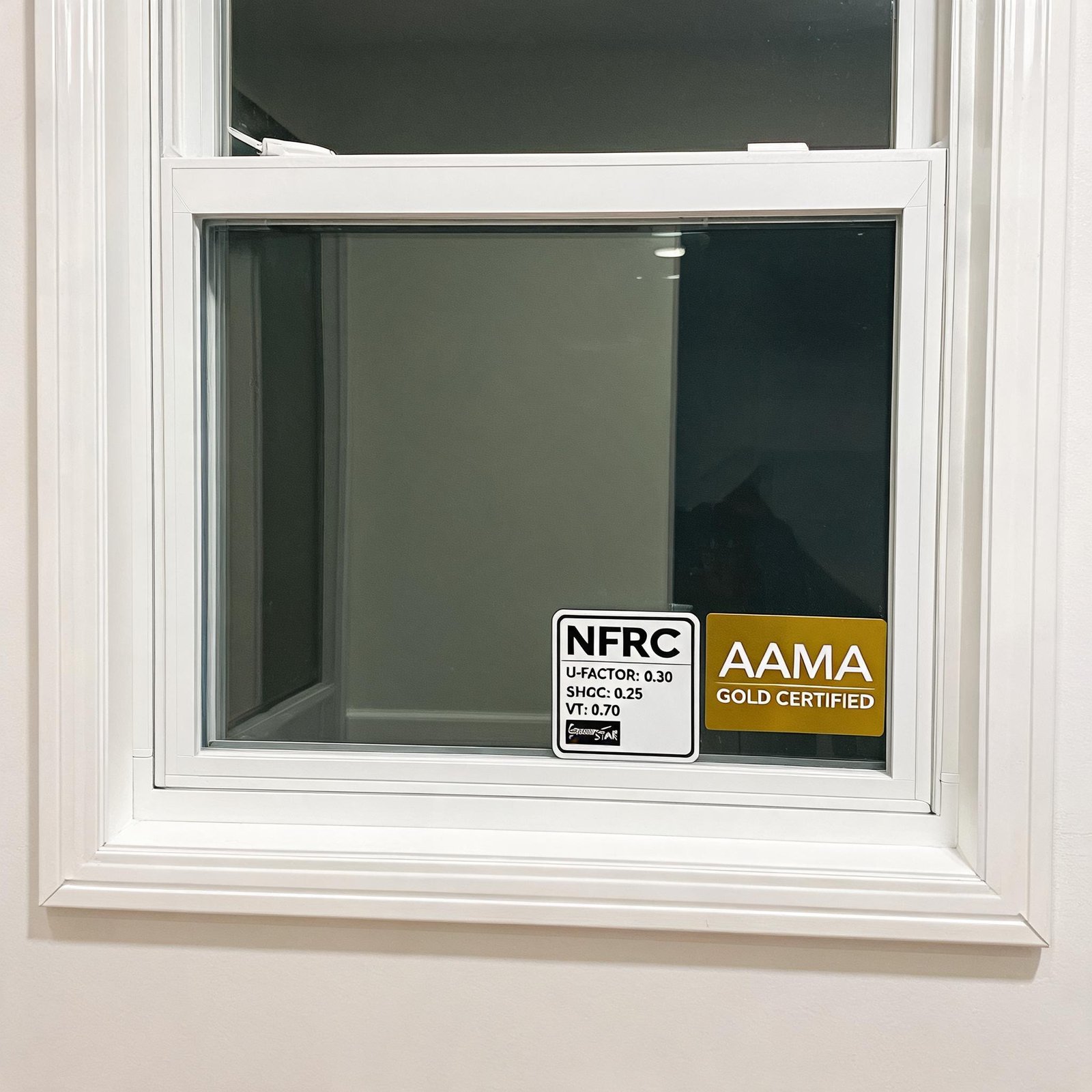
Vinyl frames achieve U-factors (a measure of heat transfer) between 0.20 and 0.30, which is excellent compared to aluminum (0.40-0.60) and competitive with wood and fiberglass.
Low-E Coatings and Gas Fills
Most quality vinyl windows now include Low-E (low emissivity) glass coatings. These microscopic metallic layers reflect infrared heat back into the home during winter while blocking solar heat gain during summer. When combined with argon or krypton gas fills between panes, the insulating value increases significantly.
The best vinyl windows achieve whole-unit U-factors below 0.25, meeting ENERGY STAR Most Efficient criteria. This translates to measurable reductions in heating and cooling costs.
The Pros and Cons of Vinyl Windows
No building material is perfect. Here is an honest assessment of vinyl window advantages and limitations.
Advantages That Matter
Maintenance freedom – Vinyl never needs painting, staining, or sealing. A simple wash with soap and water restores its appearance. For homeowners tired of scraping and painting wood windows, this alone justifies the choice.
Condensation resistance – Vinyl frames stay warmer than aluminum frames in cold weather because they don’t conduct heat away from the interior surface. This reduces condensation buildup that can lead to mold growth and sill damage.
Affordability – Vinyl windows typically cost 20-40% less than wood or fiberglass equivalents. For whole-house replacements, this difference can amount to thousands of dollars.
Sound dampening – The multi-chamber design of vinyl frames, combined with insulated glass, provides excellent noise reduction. Homes near busy roads or airports benefit significantly.
Limitations to Consider
Color limitations – While vinyl can be manufactured in various colors, dark colors absorb more heat and can cause warping in direct sunlight. White and light beige remain the safest choices. Some manufacturers now offer dark vinyl with specialized heat-reflective formulations, but these cost more.
Thermal expansion – Vinyl expands and contracts more than wood or fiberglass with temperature changes. Quality installation accounts for this by allowing proper clearance. Poor installation that restricts movement can cause buckling or seal failure.
Not repairable – If a vinyl frame cracks or becomes damaged, repair options are limited. Unlike wood that can be filled and painted, damaged vinyl typically requires full frame replacement.
Climate Considerations: Matching Vinyl to Your Region
Vinyl windows perform differently depending on your local climate. Here is how they handle various conditions.
Cold Climates
Vinyl excels in northern regions. The material’s natural insulation properties help maintain interior comfort during extreme cold. Multi-chamber frames with triple glazing and warm-edge spacers achieve exceptional performance. The key concern in cold climates is proper installation with adequate insulation around the frame to prevent cold air infiltration.
Hot and Humid Climates
Vinyl performs well in hot climates, but with caveats. Light-colored vinyl reflects solar radiation, keeping frames cooler than dark colors. However, vinyl’s expansion rate means frames must be installed with appropriate clearances. In coastal areas, look for vinyl formulations with enhanced UV stabilizers to prevent fading and degradation.
Mixed Climates
For regions with both hot summers and cold winters, vinyl’s balanced performance makes it an excellent choice. The material’s low thermal conductivity helps in both seasons. Look for windows with dual-action Low-E coatings that maximize winter heat retention while minimizing summer heat gain.
Installation Quality: The Hidden Variable
The best vinyl window in the world performs poorly if installed incorrectly. This cannot be overstated. Many negative reviews of vinyl windows actually reflect installation failures rather than product defects.
What Proper Installation Looks Like
Correct installation involves:
- Removing old windows down to the rough opening
- Inspecting and repairing any water damage to framing
- Applying proper flashing and weather-resistant barriers
- Using expanding foam insulation around the frame (not fiberglass stuffing)
- Ensuring the window is level, plumb, and square
- Allowing proper clearance for thermal expansion
- Sealing all interior and exterior joints
Red Flags to Watch For
Be wary of installers who:
- Install windows without removing exterior trim
- Use only caulk to seal gaps (instead of proper flashing)
- Stuff fiberglass insulation into gaps (it compresses and loses R-value)
- Fail to check for level and square installation
- Offer prices that seem too good to be true
Cost Expectations for Vinyl Windows
Pricing varies significantly based on quality, features, and installation complexity. Here are realistic ranges.
Entry-Level Vinyl Windows
Basic single-hung or double-hung windows with standard double glazing typically cost $300-$500 per window installed. These windows may have fewer chambers, thinner extrusions, and mechanically fastened corners. They provide basic performance but may not last as long as premium options.
Mid-Range Vinyl Windows
Most homeowners choose this tier, with installed prices ranging from $500-$800 per window. These feature fusion-welded corners, multi-chamber frames, Low-E glass, and argon gas fills. They typically carry 20-year or lifetime warranties.
Premium Vinyl Windows
High-end vinyl windows with triple glazing, enhanced Low-E coatings, krypton gas fills, and reinforced frames cost $800-$1,200 or more per window installed. These approach the performance of fiberglass windows at a lower price point.
Longevity and Warranty Considerations
How long do vinyl windows last? Quality vinyl windows installed correctly should last 20-30 years before requiring replacement. Some premium products last longer.
What Affects Longevity
- UV exposure – South and west-facing windows degrade faster
- Temperature extremes – Repeated expansion and contraction stresses materials
- Installation quality – Poor installation accelerates failure
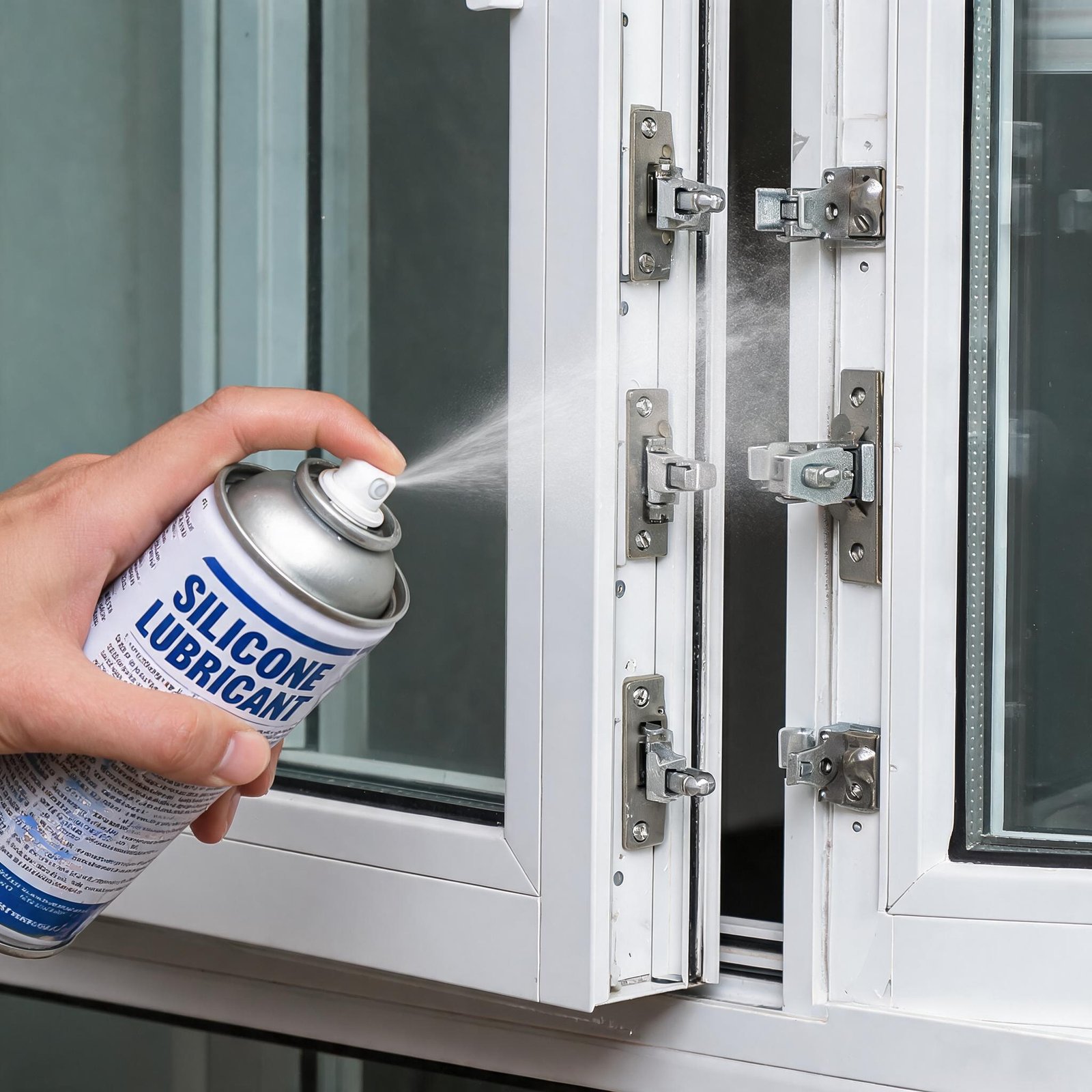
- Maintenance – Keeping tracks clean and lubricated extends life
Understanding Warranties
Vinyl window warranties typically cover:
- Frame and sash against defects for 20 years to lifetime
- Glass seal failure (fogging between panes) for 10-20 years
- Hardware for 5-10 years
Read warranty terms carefully. Some warranties are prorated, meaning coverage decreases over time. Others are fully transferable to new homeowners, which adds resale value.
Frequently Asked Questions About Vinyl Windows
Vinyl windows represent an excellent balance of performance, affordability, and low maintenance for most homeowners. By understanding what is vinyl window construction, how different quality levels compare, and what to expect from installation, you can make an informed decision that serves your home well for decades. The key is choosing quality products from reputable manufacturers and insisting on professional installation—because even the best window deserves to be installed correctly.