The Manufacturer’s Definitive Guide to Superior PVC Sliding Windows: Engineering, Efficiency, and Global Supply
For architects, builders, and procurement specialists sourcing high-performance fenestration, the choice of a sliding window system is a critical decision impacting aesthetics, energy costs, and project longevity. As an industry expert with decades in precision manufacturing, I’ve seen the evolution of PVC (Polyvinyl Chloride) profiles from basic alternatives to sophisticated engineered solutions. This guide delves beyond basic catalogs to explore the engineering principles, profile innovations, and strategic sourcing that define top-tier products in the global market, particularly from leading manufacturing hubs.
Decoding the Anatomy of a High-Performance PVC Sliding Window
The performance of any sliding window is dictated by its profile system. Not all PVC extrusions are created equal.
Understanding PVC Window Profile Types and Multi-Chamber Design
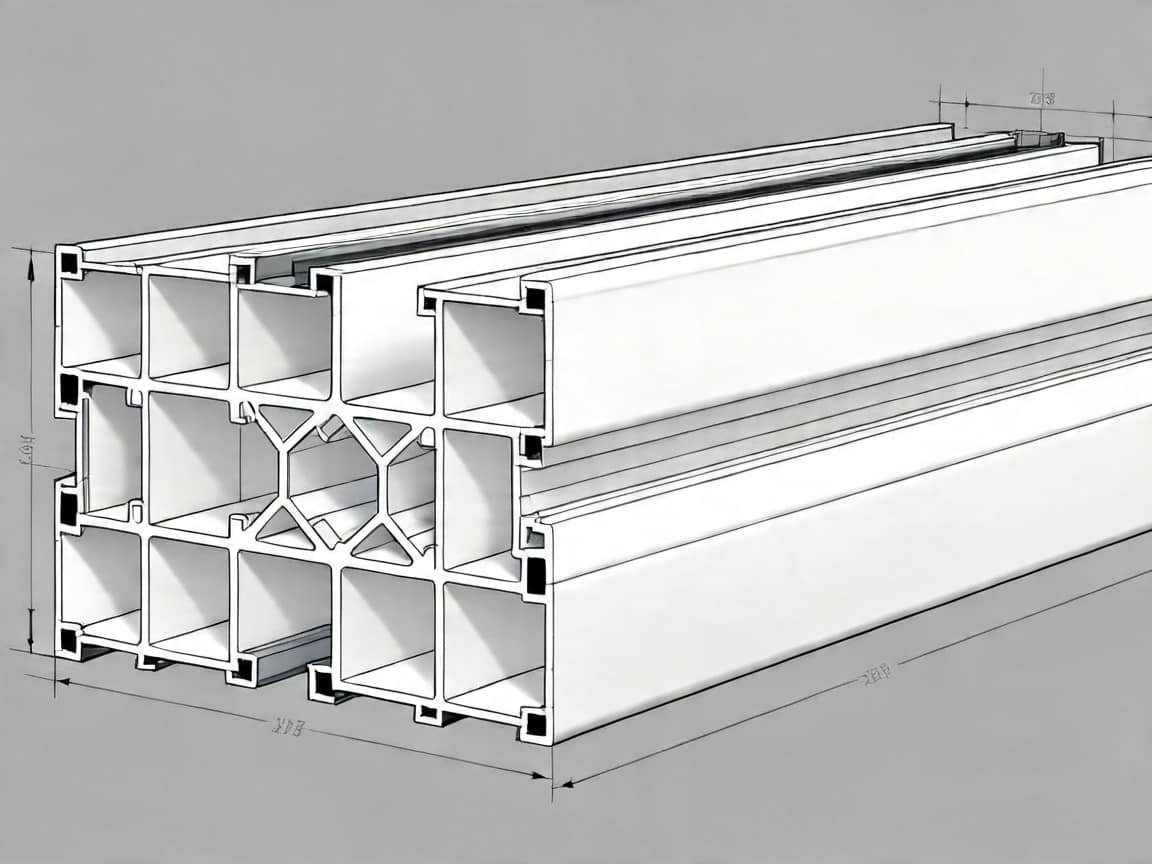
The core of a window’s insulating capability lies in its profile cross-section. Modern systems feature multi-chamber designs, where internal chambers act as barriers to thermal transfer and enhance structural rigidity. A basic profile may have 3-5 chambers, while high-performance systems engineered for extreme climates can incorporate 7 or more. These chambers are strategically placed to isolate the interior from exterior temperatures and to provide dedicated drainage pathways for condensation, a critical feature often overlooked in substandard designs.
The Critical Role of Reinforcement and Frame Integrity
Unreinforced PVC can flex and sag over time, compromising operation and seal integrity. The hallmark of a quality manufacturer is the integration of galvanized steel or, in premium cases, stainless steel reinforcement within the main frame and sash chambers. This reinforcement ensures dimensional stability under wind load, prevents warping, and guarantees smooth, consistent operation for decades. When evaluating suppliers, always inquire about the thickness, grade, and corrosion protection of the reinforcement used.
Engineering for Superior Energy Performance and Comfort
Today’s projects demand more than just a barrier from the elements; they require active contributors to a building’s energy envelope.
Achieving True Energy Efficiency with Advanced Glazing and Seals
An energy efficient PVC window is a system, not just a profile. It combines several elements:
Insulated Glass Units (IGUs): Look for double or triple glazing with Low-E (low-emissivity) coatings and argon gas fill. The spacer bar between panes should be a “warm edge” material like stainless steel or composite foam to prevent condensation at the glass edge.
Multi-Point Locking Systems: These compress the sash evenly against the frame around the entire perimeter, creating a uniform seal far superior to simple latch locks.
Continuous, Compression-Based Gaskets: High-quality EPDM (ethylene propylene diene monomer) gaskets provide a resilient, long-lasting seal that maintains flexibility across temperature extremes, unlike cheaper PVC-based gaskets that can harden and crack.
The Advantages of Modern Vinyl Window Profiles
The terminology “vinyl” and “PVC” is often used interchangeably in the industry. Today’s advanced vinyl window profiles are formulated with impact modifiers, UV stabilizers, and titanium dioxide for color consistency and weatherability. The best profiles offer a high degree of design flexibility, allowing for custom colors through foiling or laminating, and can be engineered to accommodate larger, more impressive sightlines without sacrificing strength.
A Practical Guide to Specification and Installation
Proper specification and installation are where theoretical performance meets reality.
Key Selection Criteria Beyond Price
When selecting a system, move beyond price-per-square-meter. Evaluate:
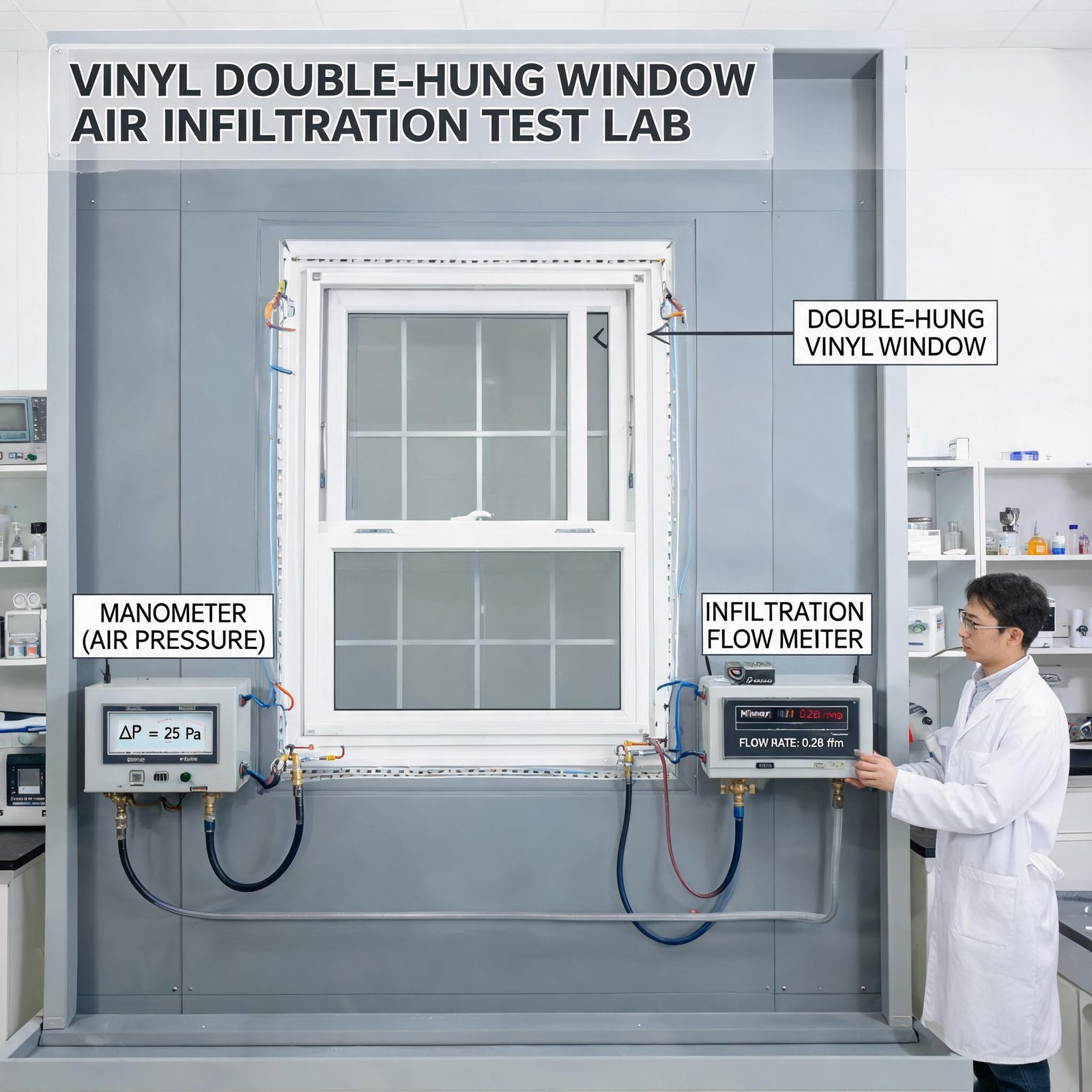
1. Air Infiltration Ratings: Seek windows certified to international standards like ASTM E283 or EN 12207, with low leakage rates.
2. Water Resistance Rating: Ensures the system can withstand driven rain (per ASTM E547 or EN 12208).
3. Design Pressure Rating: Indicates the window’s ability to withstand positive and negative wind loads.
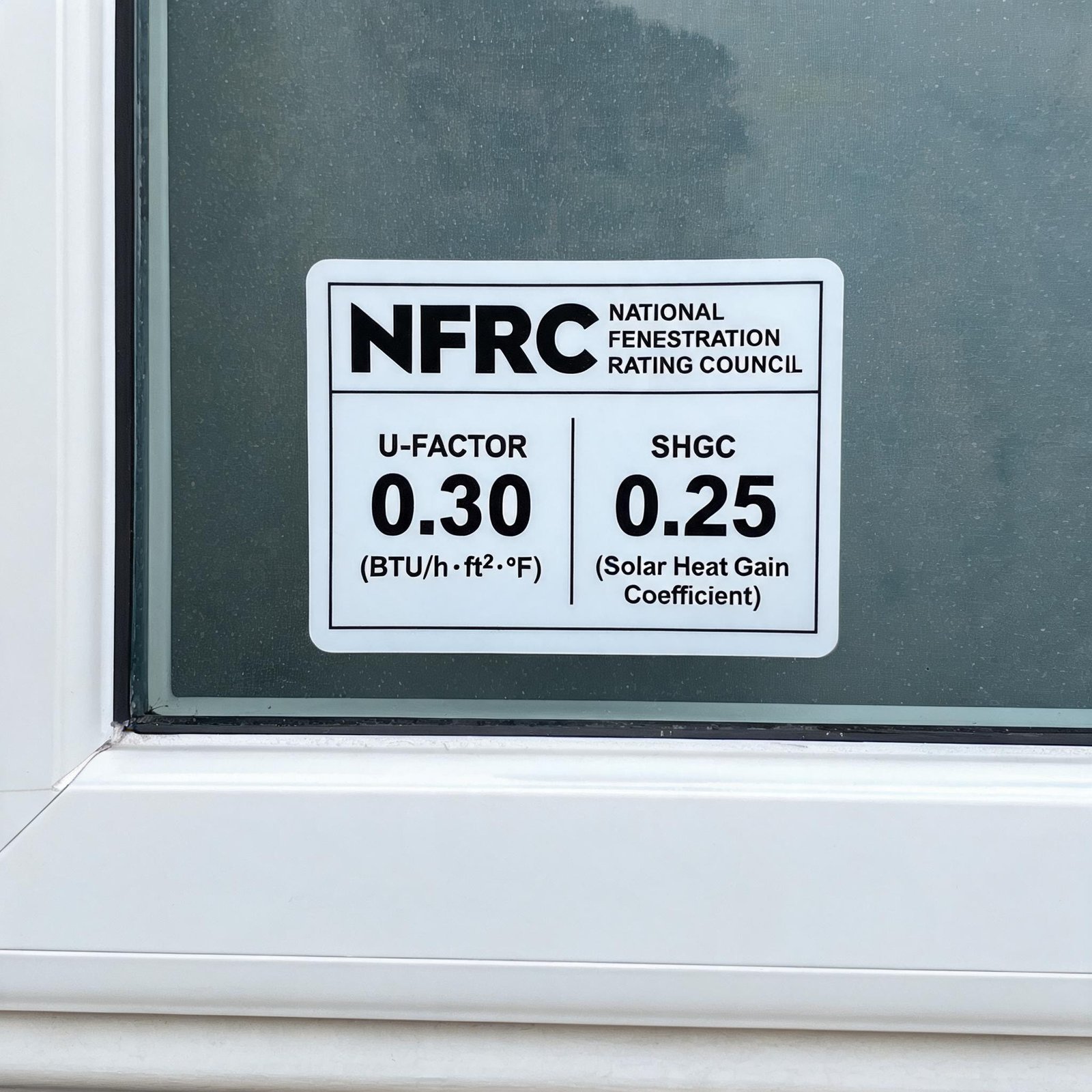
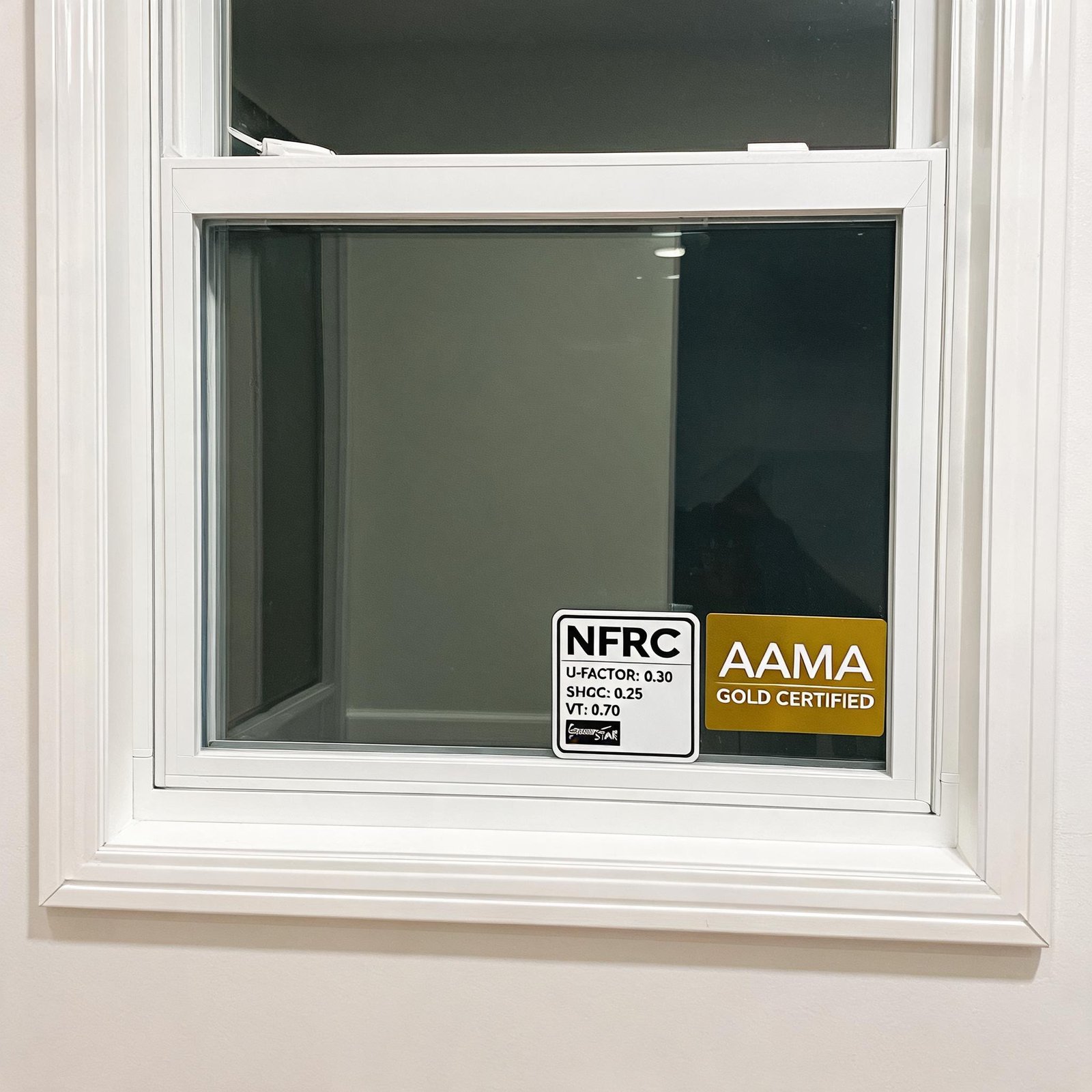
4. U-Factor and Solar Heat Gain Coefficient (SHGC): The critical metrics for thermal performance.
Best Practices to Install PVC Sliding Windows for Lasting Performance
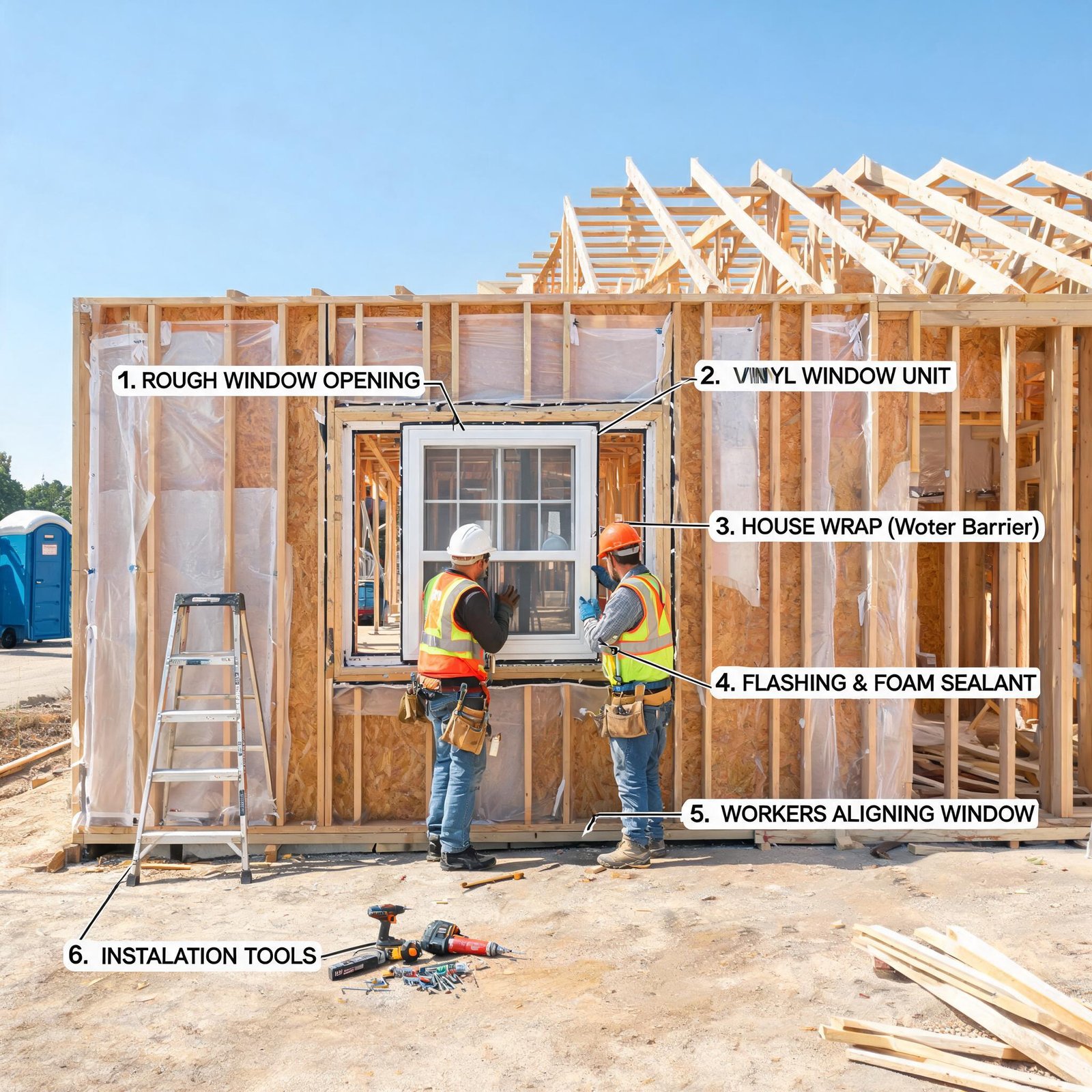
Even the best window will underperform if installed incorrectly. The process is as crucial as the product:
Preparation: The rough opening must be square, level, and plumb. A shimmed and straightened opening is non-negotiable.
Flashing and Water Management: Integrate the window with the building’s weather-resistive barrier using proper sill pan flashing or tapes. The goal is to manage any incidental water that bypasses the seals, directing it back to the exterior.
Anchoring: Use shims at pre-defined, structural points (never just the corners) and secure with corrosion-resistant screws through the frame’s reinforced chambers, not just the hollow PVC.
Insulation and Sealing: Apply low-expansion, minimally pressurizing foam around the perimeter of the installed frame, followed by sealing of the interior and exterior perimeters with appropriate, flexible sealants. For a detailed visual guide on this process for a specific system, see our resource on how to install PVC sliding windows correctly.
Navigating Global Supply: The Strategic Sourcing Advantage
Sourcing from a major manufacturing hub offers scale and expertise but requires diligent partnership.
The Hallmarks of a World-Class Manufacturer
Partner with suppliers who demonstrate:
In-House Tooling and Extrusion: Control over the extrusion process ensures consistency in profile dimensions and quality.
Advanced Welding Technology: Computer-controlled welding machines with four-head or six-head setups ensure perfect corner joints with strength and clean aesthetics.
Full-System Testing: Look for evidence of in-factory or third-party testing for the full window assembly, not just component parts.
Comprehensive Certification: ISO standards for quality management, plus product-specific certifications from recognized international bodies.
Ensuring Consistency and Logistics in Volume Supply
Clear communication on packaging standards, container loading plans, and documentation is vital. A reliable partner will provide detailed CAD drawings, technical data sheets, and installation manuals well in advance of shipment. They should also be proactive in discussing lead times, protecting edges and glass during transit, and providing clear labeling for on-site identification.
Expert Q&A: PVC Sliding Windows
How do I prevent a sliding window from becoming difficult to open over time?
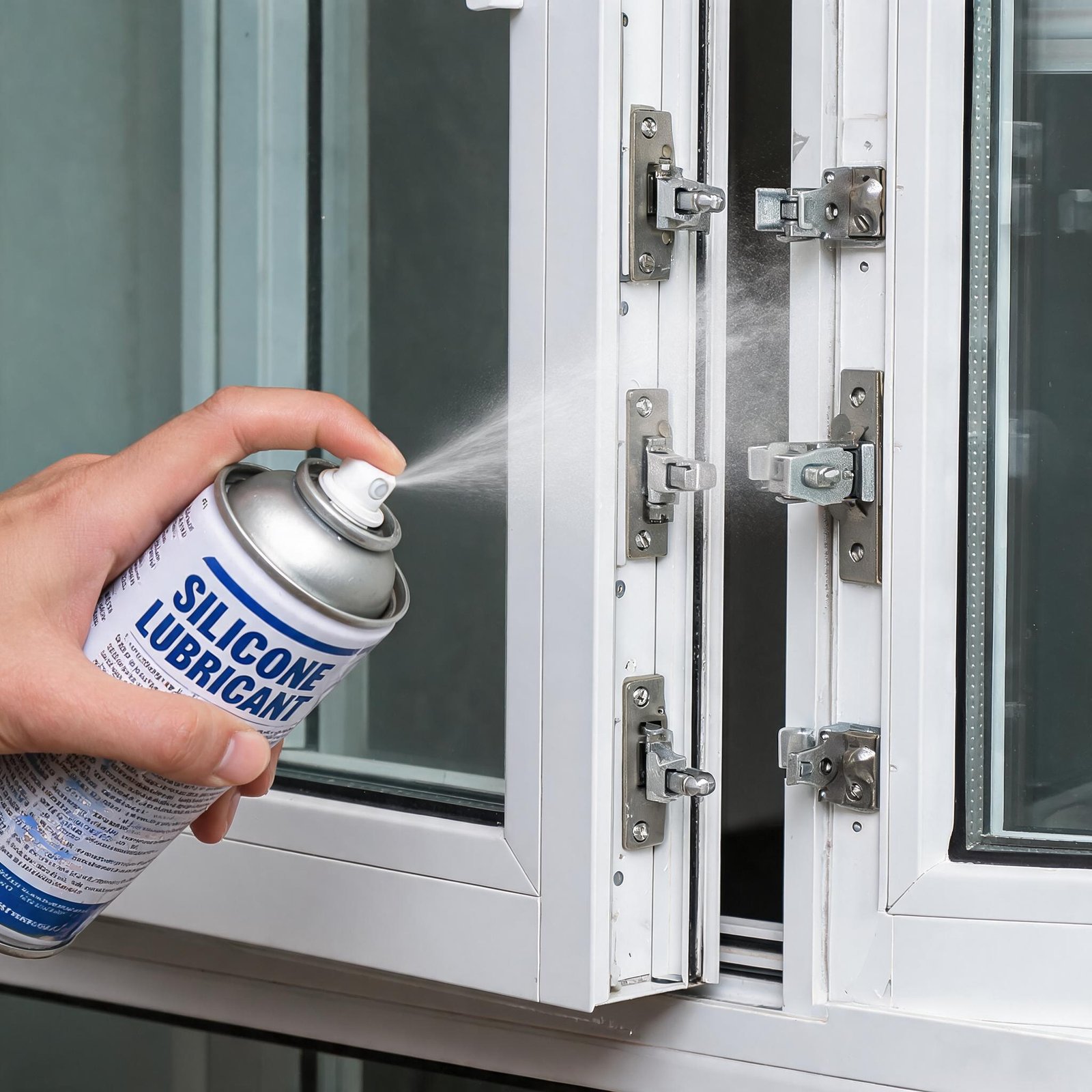
This is typically due to frame settlement, seal compression, or track issues. Ensure the installation allows for a slight clearance (as per manufacturer specs) to accommodate normal building movement. Regular cleaning of the track and occasional light application of a silicone-based lubricant on the rolling surfaces (not the seals) will maintain smooth operation. The quality of the roller hardware is paramount—opt for systems with stainless steel ball-bearing rollers.
Are PVC sliding windows suitable for high-rise buildings?
Absolutely, but with critical specifications. For high-rise applications, the profile must be heavily reinforced, the glazing must be appropriately thick (often laminated for safety), and the design pressure rating must be calculated by an engineer for the specific building height and location. The locking system must be a robust multi-point mechanism. Always work with a manufacturer experienced in high-rise projects.
What’s the real difference between a 3-chamber and a 5-chamber profile?
The additional chambers primarily improve thermal insulation (lower U-factor) and increase structural rigidity. A 5-chamber profile will typically have a wider overall frame, allowing for a larger IGU and better sightlines, while also providing more space for deeper reinforcement. For most residential applications in temperate zones, a well-made 3-chamber system is sufficient, but for passive house standards or extreme climates, moving to 5+ chambers is advisable.
Can the color of a PVC window fade?
Quality profiles use compounds with integrated UV inhibitors and pigments (like titanium dioxide) that are co-extruded throughout the entire profile wall thickness. This means the color is consistent all the way through. Fading or chalking is a sign of a low-quality surface finish or formulation. For added assurance, many manufacturers offer colored foils or laminates with extensive fade warranties.