**What Are uPVC Windows? The Definitive Guide for Homeowners**
When it comes to choosing new windows for your home, the options can feel overwhelming. You’ve probably heard the term “uPVC windows” thrown around by contractors, neighbors, and online articles, but what exactly does it mean? More importantly, why do millions of homeowners across the UK, Australia, Canada, and beyond choose this material over traditional timber or aluminium?
As a manufacturer with decades of experience in the fenestration industry, I can tell you that uPVC isn’t just another building material—it’s a carefully engineered solution that has revolutionized how we think about home comfort, energy efficiency, and long-term value. In this comprehensive guide, we’ll strip away the marketing jargon and give you the real story behind uPVC windows, including the practical details that most articles overlook.
**Understanding uPVC: More Than Just Plastic**
Let’s start with the basics. uPVC stands for unplasticized polyvinyl chloride. The “unplasticized” part is crucial—it means the material hasn’t been softened with chemical additives, making it rigid, durable, and structurally sound. This is different from the flexible PVC used in garden hoses or plumbing pipes.
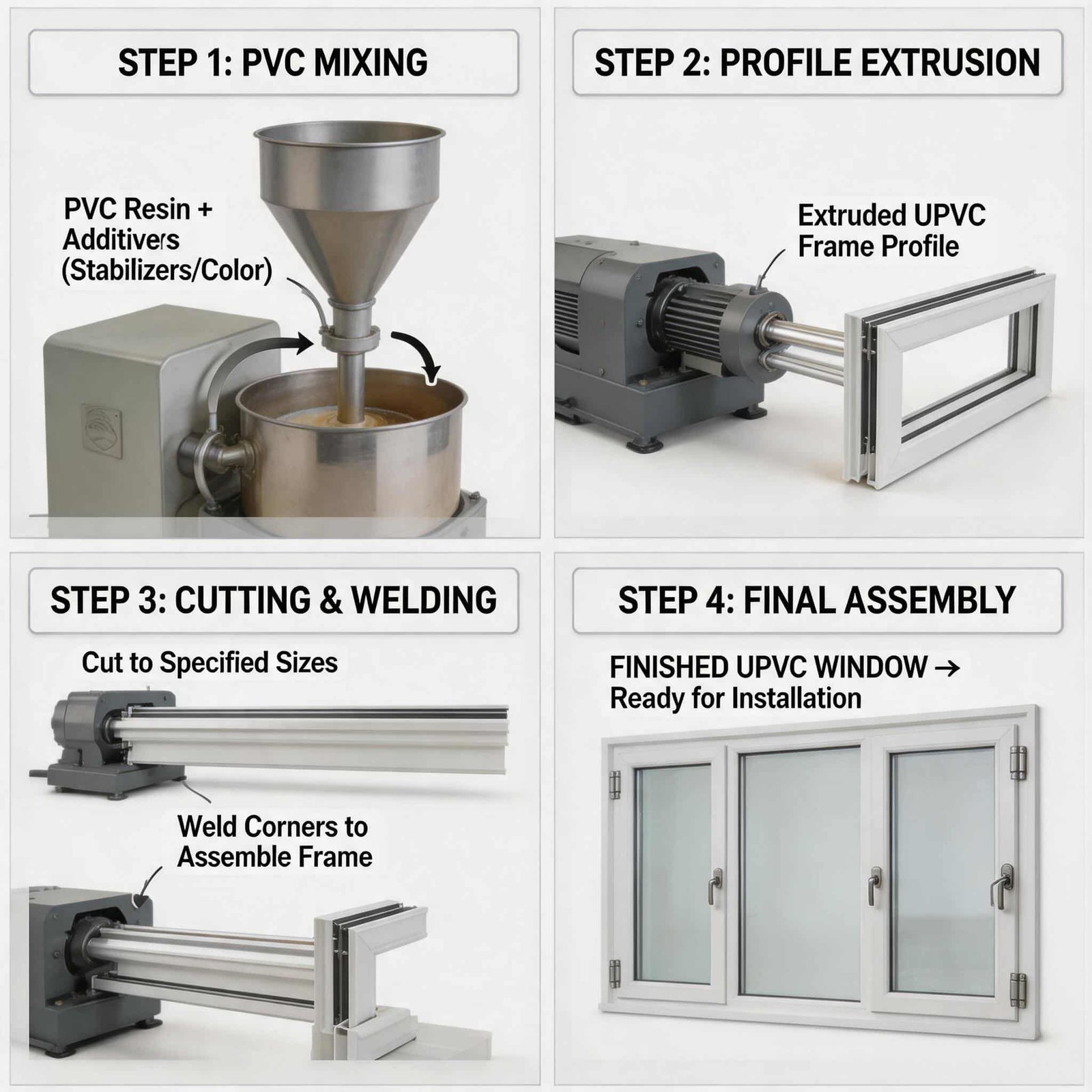
The confusion often starts with the question “are windows uPVC or PVC?” The answer is straightforward: quality window frames are always made from uPVC, not standard PVC. Standard PVC would be too soft to hold glass securely or withstand weather exposure. When manufacturers add stabilizers, impact modifiers, and UV-resistant compounds to uPVC, it becomes a premium building material that outperforms many natural alternatives.
What sets modern uPVC apart is its multi-chambered internal design. When you cut through a uPVC profile, you’ll see several hollow chambers running through the frame. These aren’t empty space—they’re engineered cavities that trap air, creating thermal breaks that dramatically reduce heat transfer. This is the same principle behind double-glazing, applied to the frame itself.
**The Manufacturing Difference: Why Quality Varies**
Not all uPVC windows are created equal. As a manufacturer, I can tell you that the difference between a budget window and a premium one comes down to three factors: the raw material formulation, the extrusion process, and the reinforcement.
High-quality uPVC starts with virgin material, not recycled scrap. Virgin uPVC contains precise ratios of titanium dioxide for UV protection, acrylic impact modifiers for strength, and calcium carbonate for dimensional stability. Cheap windows often use recycled material that has degraded polymer chains, leading to yellowing, brittleness, and warping within just a few years.
During extrusion, the molten uPVC is forced through precision-machined dies that create the chamber profiles. Premium manufacturers use computer-controlled systems that maintain consistent temperature and pressure, ensuring every millimeter of the profile has uniform density. This matters because thin spots in the frame can become weak points over time.
Steel reinforcement is another hidden differentiator. Most building codes require uPVC frames over a certain size to contain galvanized steel inserts. These reinforcements prevent the frame from twisting or sagging under the weight of large glass panels. A quality manufacturer will use continuous steel channels, not just short sections at the corners.
**Energy Efficiency: The Real Numbers**
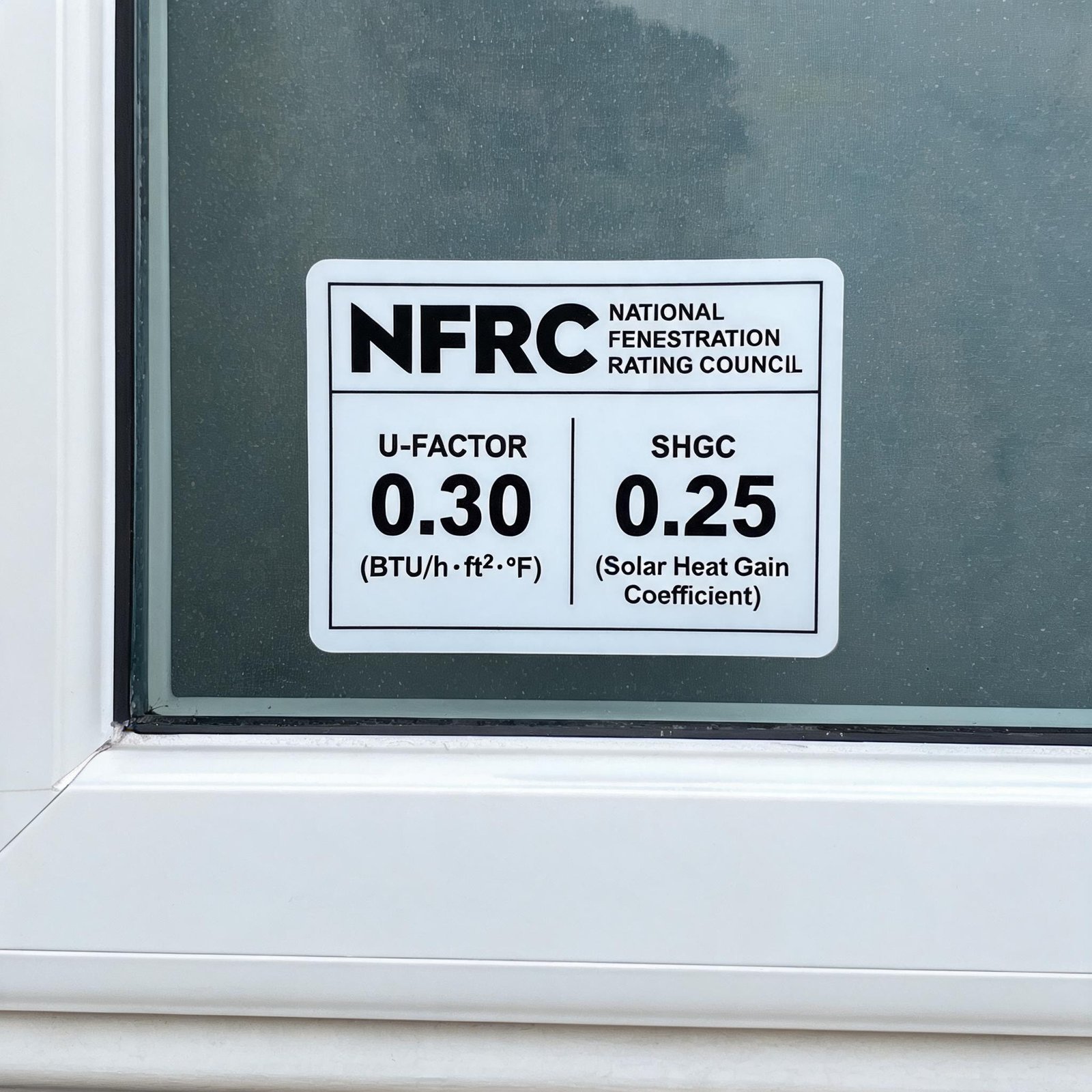
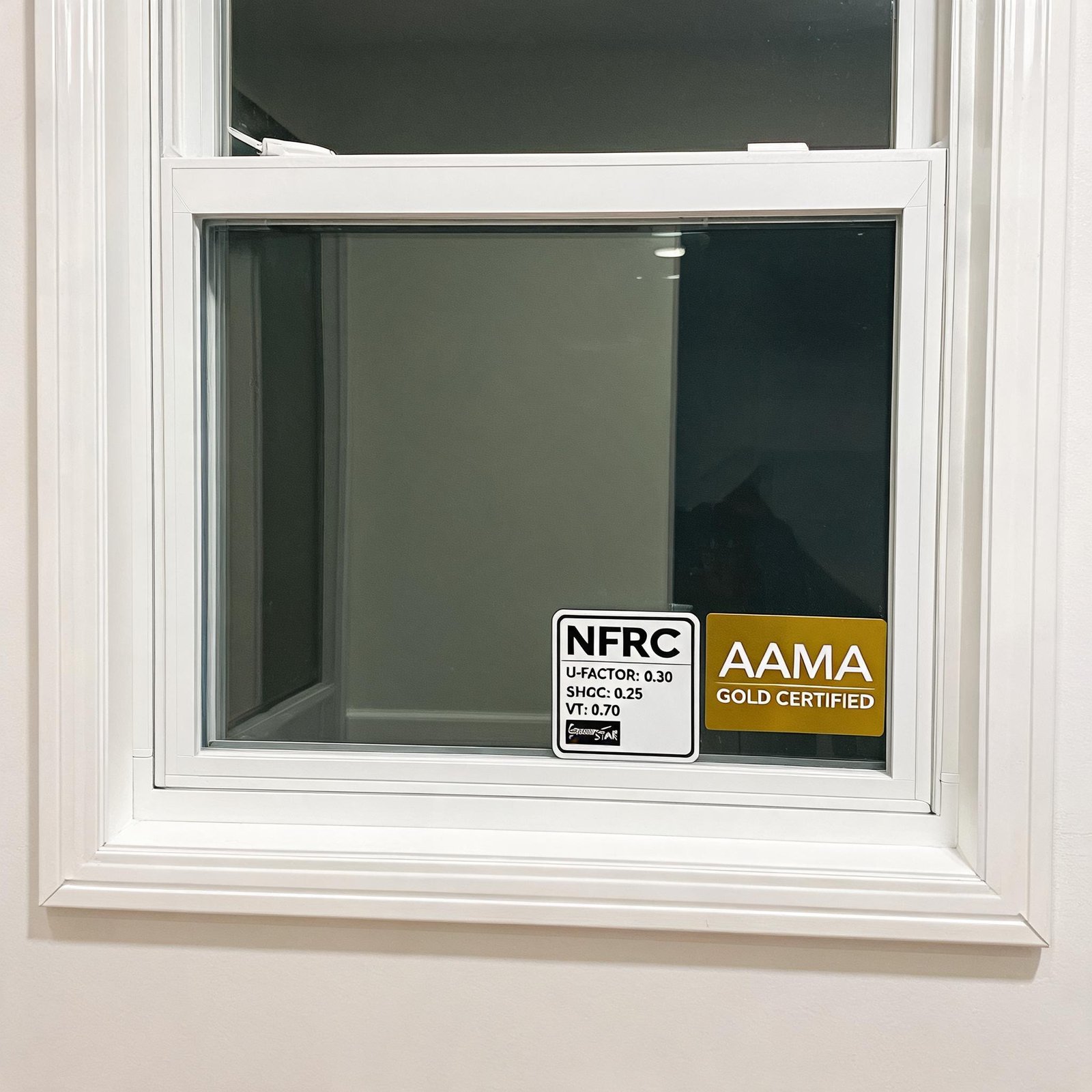
Every window company claims their products are energy efficient, but what does that actually mean in measurable terms? The key metric is the U-value, which measures how quickly heat passes through the window assembly. Lower numbers mean better insulation.
A standard double-glazed uPVC window typically achieves a U-value around 1.4 to 1.6 W/m²K. Compare this to a single-glazed timber window from the 1970s, which might have a U-value of 5.0 or higher. That’s a massive improvement in thermal performance.
But here’s what most articles don’t tell you: the frame itself accounts for about 20-30% of the total window area. If your frame has poor insulation properties, even the best triple-glazing won’t save you. This is where uPVC’s multi-chamber design becomes critical. A well-designed uPVC profile with five or seven chambers can achieve frame U-values as low as 1.0 W/m²K, rivaling thermally broken aluminium.
The energy savings are substantial. According to building physics calculations, replacing single-glazed windows with modern uPVC units can reduce heating costs by 30-40% in cold climates. For a typical home, that translates to hundreds of dollars or pounds saved annually.
**How Much Do uPVC Windows Cost? A Realistic Breakdown**
The question “how much do uPVC windows cost” doesn’t have a simple answer, but I can give you a realistic framework. Pricing depends on size, style, glass specification, hardware quality, and installation complexity.
For a standard residential casement window measuring roughly 1200mm by 1200mm, here’s what you might expect:
Entry-level uPVC windows from budget manufacturers start around $300 to $400 per window (installed). These typically use basic hardware, standard double-glazing, and simpler profiles with fewer chambers.
Mid-range windows from reputable brands run $500 to $800 per window. This price includes better hardware, improved thermal performance, and often a longer warranty. Most homeowners find this tier offers the best value.
Premium uPVC windows with advanced features like triple-glazing, acoustic glass, or heritage styling can cost $900 to $1,500 or more per window. These are typically custom-made and may include specialized finishes or security features.
Installation costs vary significantly by region. In major cities, expect to pay $150 to $300 per window for professional installation. This includes removing old windows, preparing the openings, fitting the new units, and finishing the interior and exterior.
The total cost for an average three-bedroom home with 12-15 windows typically ranges from $6,000 to $15,000, depending on your choices. While this seems like a significant investment, remember that quality uPVC windows last 20-30 years with minimal maintenance, making the annual cost surprisingly low.
**Comparing uPVC to Other Materials**
Every homeowner should understand the trade-offs between uPVC, timber, and aluminium before making a decision.
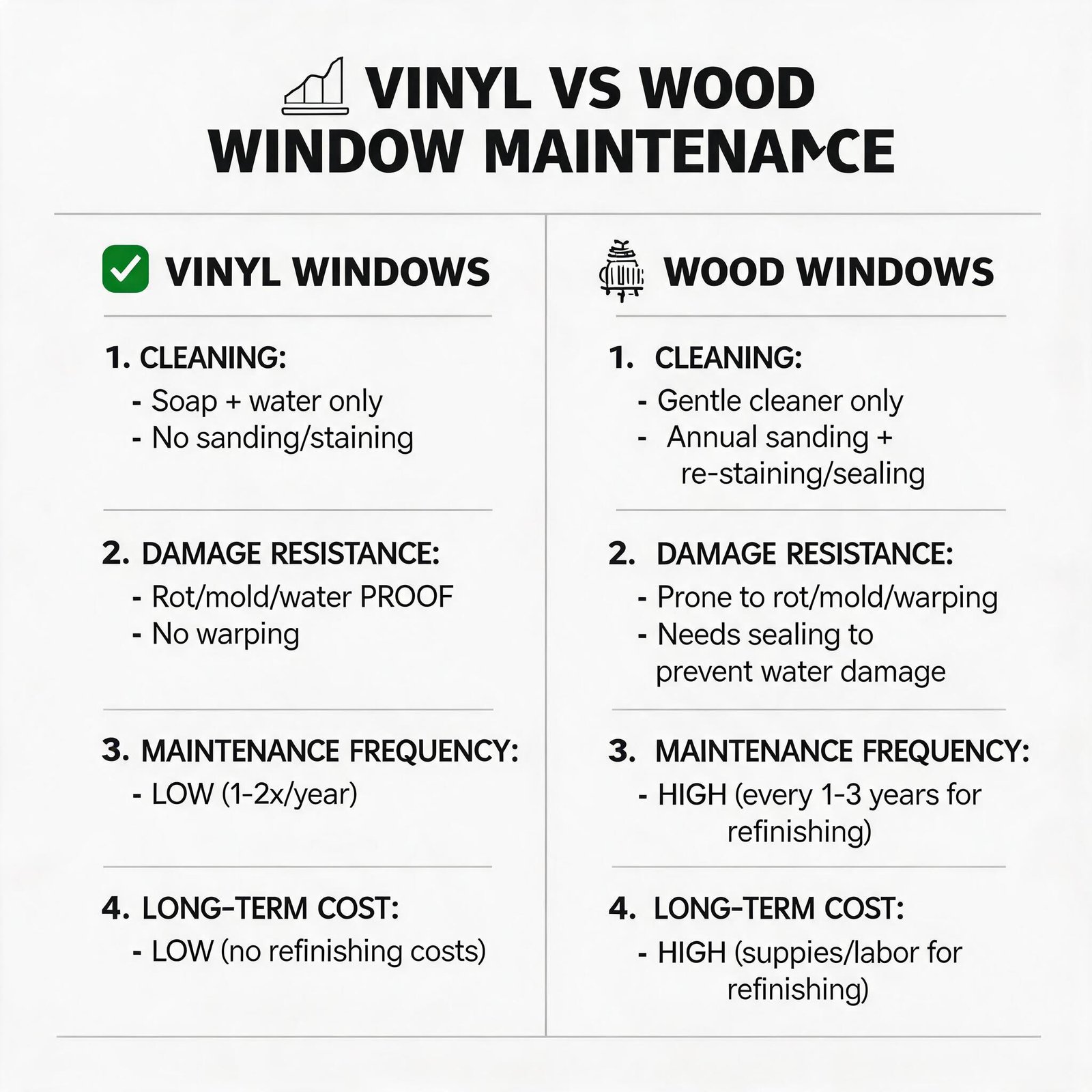
Timber windows offer unmatched aesthetic warmth and can last for decades with proper maintenance. However, they require regular painting or staining every 3-5 years, are susceptible to rot and insect damage, and cost significantly more than uPVC. A timber window can easily cost 50-100% more than a comparable uPVC unit.
Aluminium windows are incredibly strong and allow for slim sightlines, making them popular in modern architecture. But aluminium is a natural conductor of heat, meaning frames without thermal breaks will lose energy rapidly. Thermally broken aluminium windows address this issue but come at a premium price point, often 30-50% more than uPVC.
uPVC sits in the sweet spot between performance and affordability. It doesn’t rot, never needs painting, provides excellent thermal insulation, and offers good structural strength when properly reinforced. The main drawback is that uPVC expands and contracts more than aluminium with temperature changes, which is why quality installation with proper expansion gaps is essential.
**Window Styles and Configuration Options**
Modern uPVC manufacturing allows for virtually any window style you can imagine. The most common configurations include:
Casement windows are hinged on the side and open outward. They offer excellent ventilation and are the most popular choice for residential applications. Modern casement windows can open to 90 degrees or more, making cleaning easy from inside.
Tilt and turn windows are a European innovation that’s gaining popularity worldwide. The handle can be turned to either tilt the window inward for ventilation or swing it fully open like a door. This versatility makes them ideal for bedrooms and upper floors where safety is a concern.
Sliding windows operate horizontally on tracks and are perfect for spaces where outward opening isn’t practical. They’re common in contemporary homes and commercial applications.
Fixed windows don’t open at all but provide maximum energy efficiency and unobstructed views. They’re often combined with operable windows in larger openings.
Bay and bow windows project outward from the home, creating additional interior space and architectural interest. These require careful engineering to ensure the uPVC structure can support the weight of multiple glass panels.
**Installation: The Hidden Determinant of Performance**
You can buy the most expensive uPVC windows in the world, but if installation is poor, they’ll perform worse than cheap windows fitted correctly. This is the single most overlooked factor in window replacement.
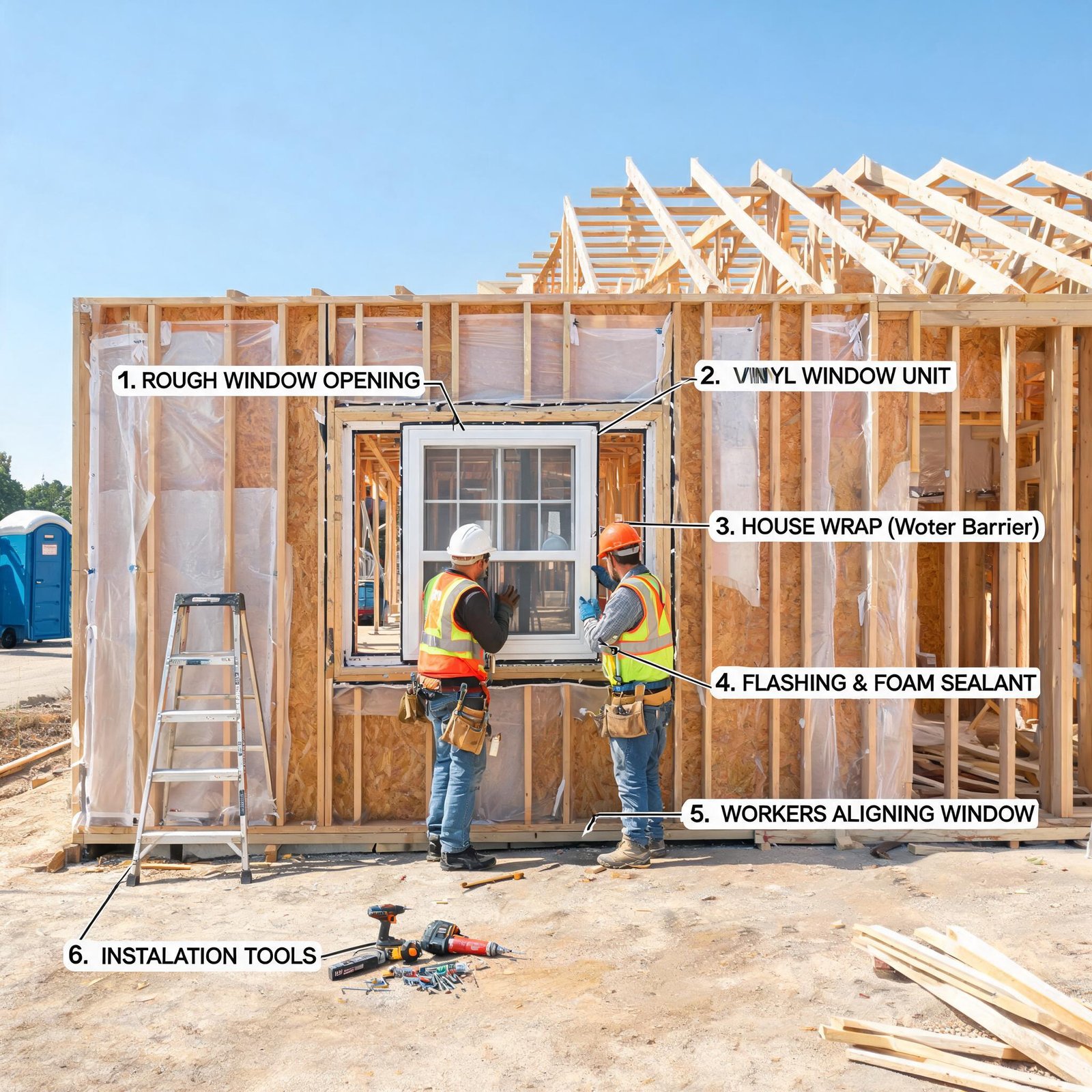
Proper installation begins with accurate measurements. The window opening must be square and level, with adequate clearance for expansion. Experienced installers will check for structural issues in the surrounding wall before proceeding.
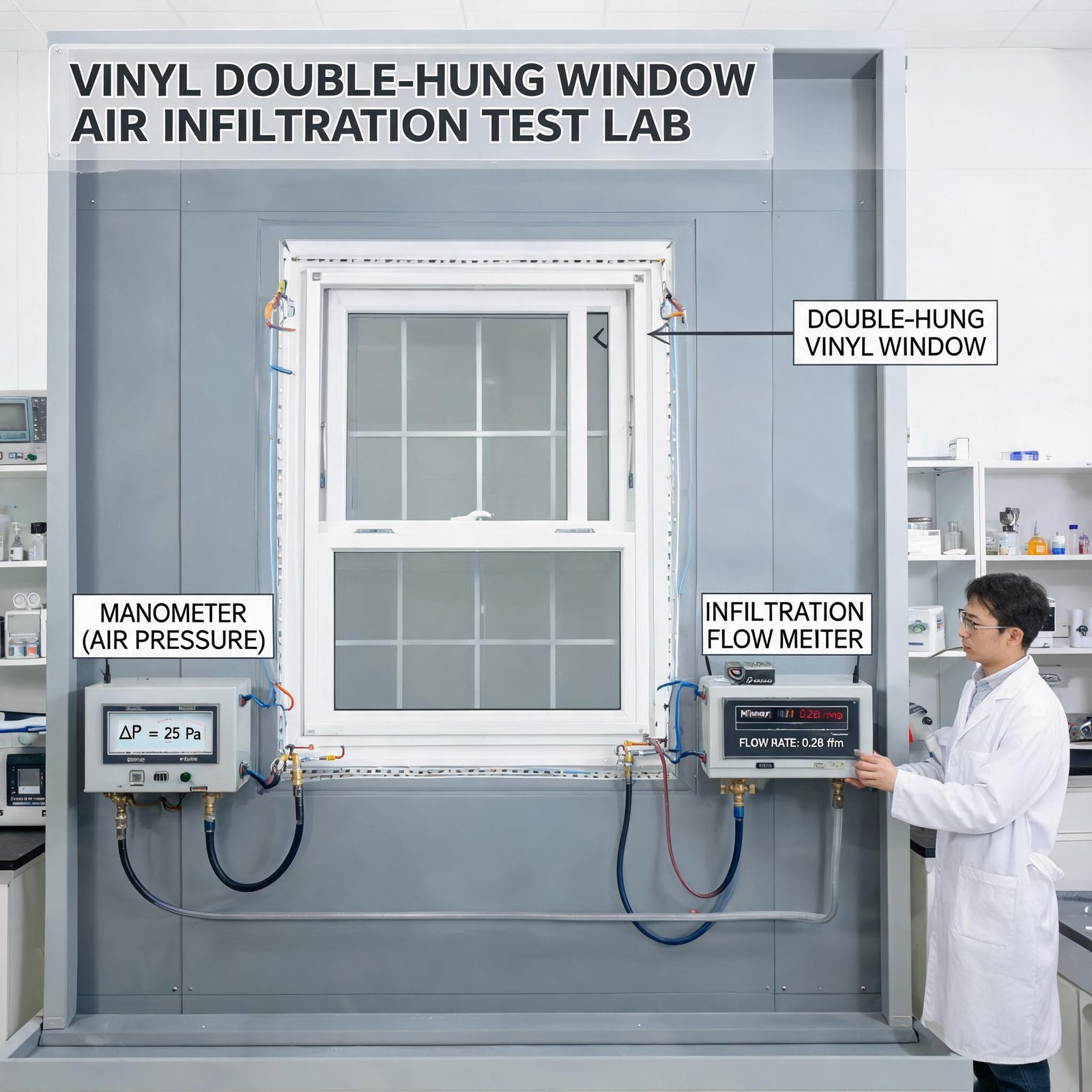
The gap between the window frame and the wall opening must be filled with expanding foam insulation, not just stuffed with fiberglass or left empty. This foam creates an airtight seal that prevents drafts and moisture infiltration. Quality installers use closed-cell foam that doesn’t absorb water.
Flashing and weatherproofing are critical for preventing water damage. The window must be integrated with the building’s weather barrier system, with proper drip edges and sealants at all joints. This is where many DIY installations fail.
Finally, the window must be properly anchored to the structure. Screws should penetrate into solid framing, not just into sheathing or brick veneer. The number and placement of fixings should follow manufacturer specifications, not guesswork.
**Maintenance: What You Actually Need to Do**
The promise of “maintenance-free” uPVC windows is somewhat misleading. While they don’t need painting or staining, they do require basic care to perform properly.
Clean the frames twice a year with mild soap and water. Avoid abrasive cleaners or solvents that can damage the surface finish. Pay special attention to the drainage channels at the bottom of the frame—these must remain clear to prevent water buildup.
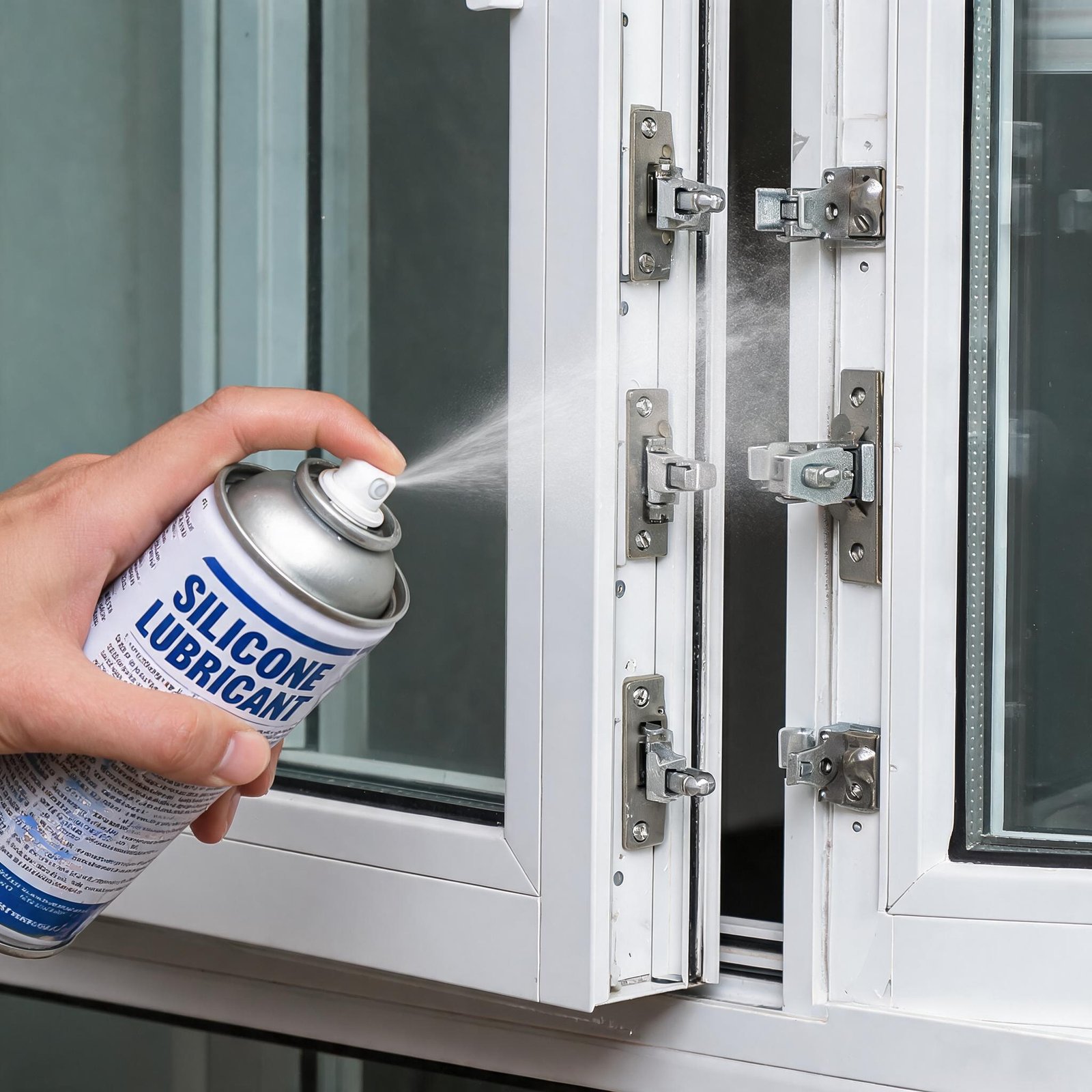
Lubricate hinges and locking mechanisms annually with silicone spray. This prevents squeaking and ensures smooth operation. Do not use oil-based lubricants, as they can attract dirt and cause buildup.
Check the weatherstripping around the opening sash every year. If you feel drafts or see daylight around the edges, the seals may need replacement. This is a simple DIY job that costs very little but can dramatically improve energy efficiency.
Inspect the glazing units for signs of seal failure, which appears as condensation between the glass panes. If this happens, the sealed unit needs replacement. Most manufacturers offer warranties covering seal failure for 10-15 years.
**Security Features You Should Know About**
Modern uPVC windows can be extremely secure when specified correctly. The frame itself is strong enough to resist forced entry, but the weak points are always the locking mechanisms and glass.
Multi-point locking systems engage at multiple points along the frame when you turn the handle. A good system will have at least three locking points, with some premium options offering five or more. These systems make it extremely difficult to pry the window open from outside.
Laminated glass is worth considering for ground floor windows. Unlike standard annealed glass, laminated glass has a plastic interlayer that holds the glass together even when broken. This makes it much harder for intruders to create an opening.
Security hinges with anti-jemmy features prevent the window from being lifted off its hinges. These are standard on quality windows but may be absent on budget options.
**Environmental Considerations**
uPVC has a complicated environmental profile. On one hand, it’s a petroleum-based product with significant embodied energy. On the other hand, modern uPVC windows can be recycled at the end of their life, and the energy savings they provide over their lifespan typically offset the manufacturing impact within a few years.
Many manufacturers now offer recycling programs for old windows. The uPVC is ground down, cleaned, and reprocessed into new products. This closed-loop recycling is becoming more common as the industry moves toward sustainability.
The thermal performance of uPVC windows also contributes to reduced carbon emissions from heating and cooling. Over a 30-year lifespan, the energy savings from replacing single-glazed windows with uPVC units can reduce a home’s carbon footprint by several tons.
**Frequently Asked Questions**
**How long do uPVC windows last?**
Quality uPVC windows typically last 20-30 years with proper maintenance. The frames themselves can last longer, but the sealed glazing units may need replacement after 15-20 years when the seals eventually fail.
**Can uPVC windows be painted?**
Yes, but it requires special preparation. uPVC is not naturally porous, so standard paint will peel. Specialized uPVC paint and primer systems are available, but most homeowners find that the original white or woodgrain finish lasts well enough that painting isn’t necessary.
**Do uPVC windows expand in heat?**
All materials expand with temperature, and uPVC expands more than aluminium or timber. Quality installation accounts for this by leaving appropriate expansion gaps. In extreme heat, frames may become slightly harder to operate, but this is normal and temporary.
**Are uPVC windows suitable for coastal areas?**
Yes, uPVC is highly resistant to salt spray and corrosion, making it an excellent choice for coastal properties. The material won’t rust or rot like metal or timber in marine environments.
**Can I replace just the glass in uPVC windows?**
In most cases, yes. The sealed glazing units can be replaced without removing the frame, provided the frame is still in good condition. This is often more cost-effective than full window replacement.
**Do uPVC windows reduce noise?**
Standard double-glazed uPVC windows provide significant noise reduction compared to single glazing. For high-noise areas, acoustic laminated glass can be specified, which reduces sound transmission by an additional 5-10 decibels.
**What warranty should I expect?**
Reputable manufacturers offer 10-year warranties on the uPVC profile against discoloration and structural failure. Glazing units typically have 10-15 year warranties against seal failure. Hardware warranties vary but often cover 5-10 years.
**How do I choose the right uPVC window company?**
Look for manufacturers who use virgin uPVC material, offer multi-chamber profiles, provide steel reinforcement, and have a proven track record. Check online reviews, ask for references, and always get multiple quotes. Remember that the cheapest option rarely provides the best long-term value.