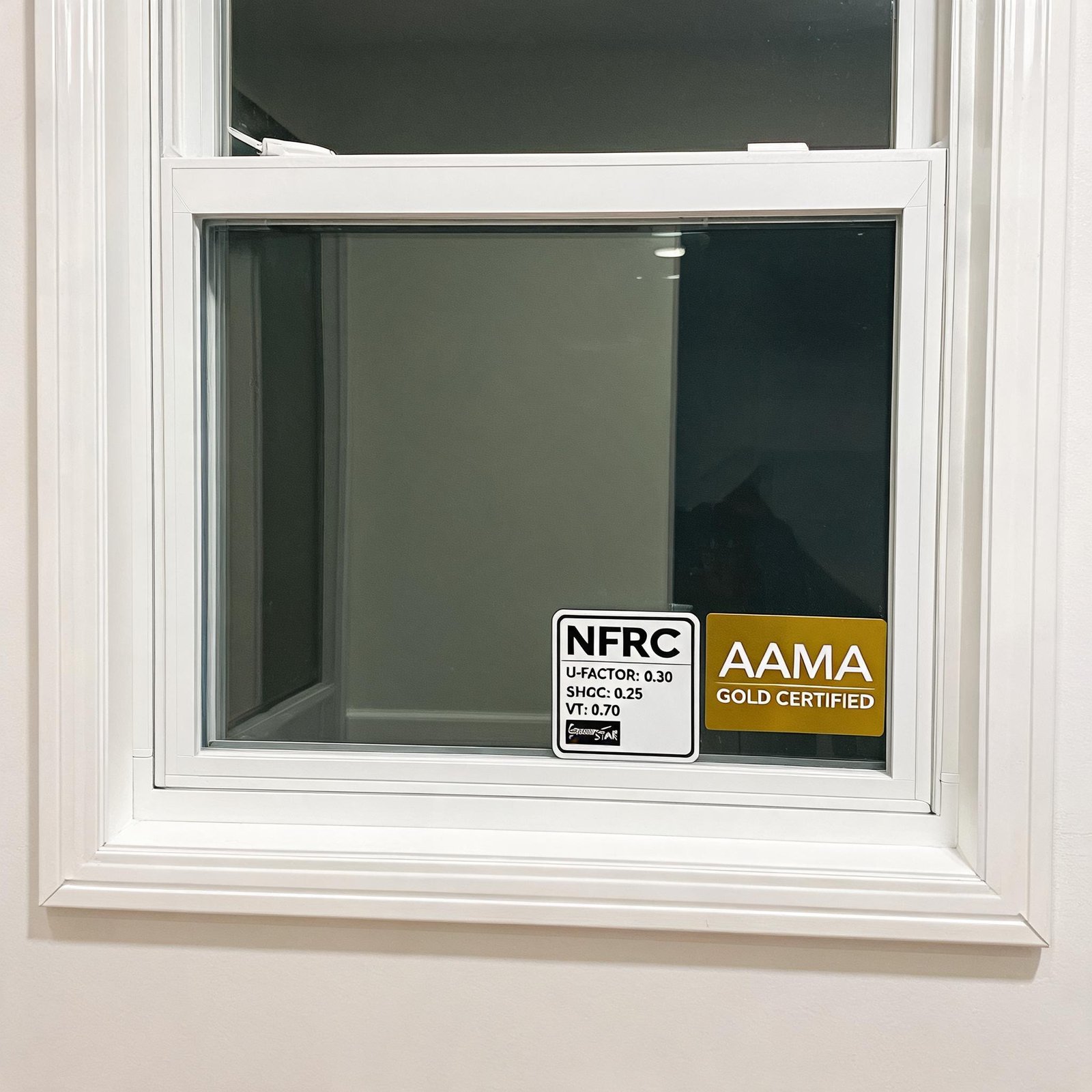
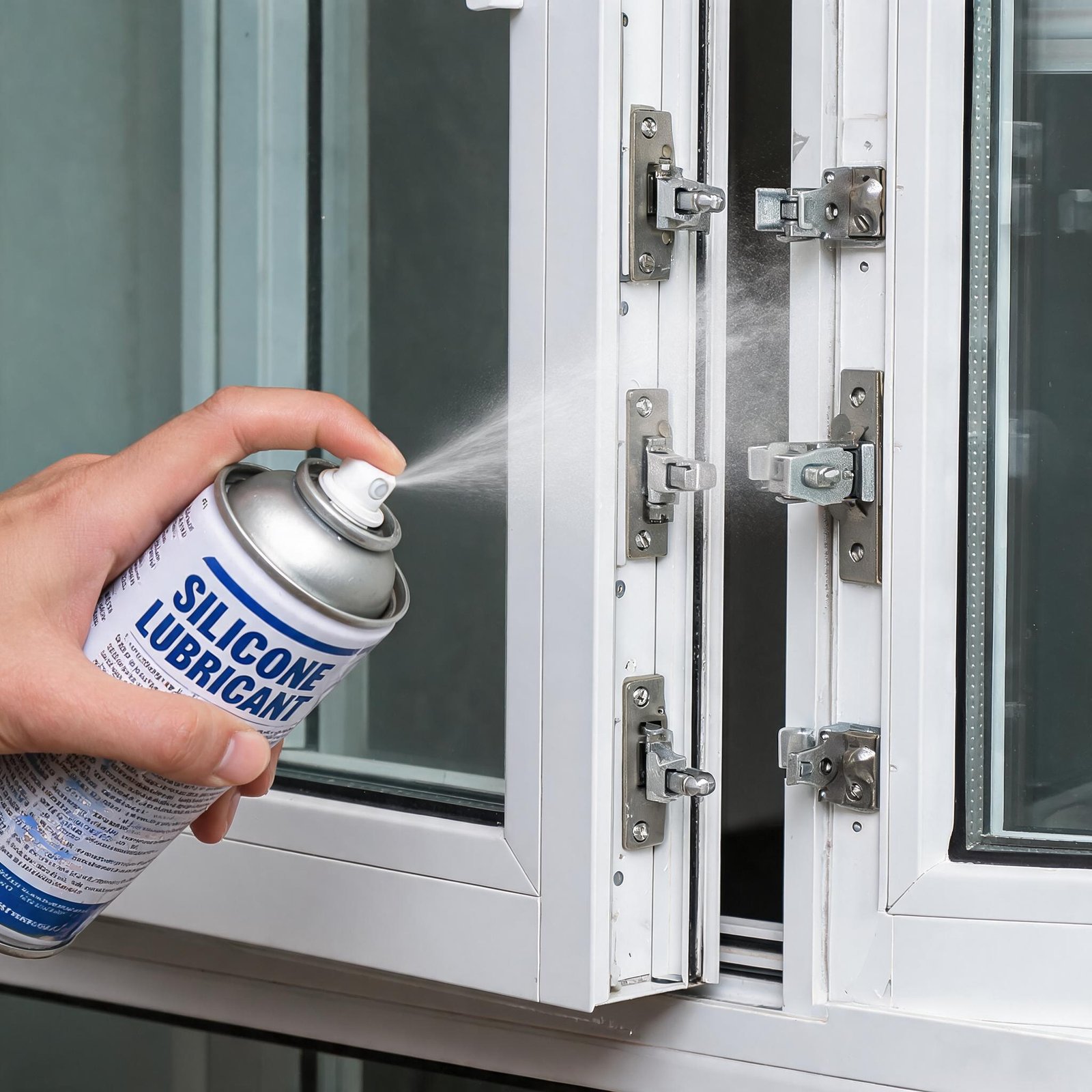
How to Fix Holes in PVC Window Frames: 4 Professional Methods That Last
Engineer Jason
How to Fix Holes in PVC Window Frames: The Professional’s Complete Repair Guide
If you’ve recently removed old blinds, curtain rods, or security sensors from your PVC window frames, you’re likely staring at unsightly holes that ruin the clean appearance of your windows. This is a common problem that homeowners face, yet most online advice falls short of providing a truly professional, lasting solution. As a manufacturer with decades of experience in PVC window fabrication and repair, I can tell you that the approach you take matters enormously—not just for aesthetics, but for the long-term integrity of your window frames.
In this comprehensive guide, we’ll move beyond the superficial tips found elsewhere and dive into the exact methods used by professional installers and window manufacturers. Whether you’re dealing with small screw holes from mounting hardware or larger gaps from removed fixtures, you’ll learn how to achieve a repair that is virtually invisible, weather-resistant, and durable for years to come.
Understanding Why PVC Window Frame Repair Requires Special Attention
Before we discuss specific techniques, it’s essential to understand what makes PVC (polyvinyl chloride) window frames different from wood or metal frames. PVC is a thermoplastic material that expands and contracts with temperature changes. It has a smooth, non-porous surface that resists adhesion from many common fillers. Additionally, PVC window frames typically have a UV-resistant coating or laminate that gives them their characteristic glossy finish.
This means that standard wood fillers, spackling compounds, or even many construction adhesives will fail over time. They may crack, shrink, or simply peel away from the slick PVC surface. The key to a successful repair lies in using materials that bond chemically with PVC or that mechanically lock into the substrate without causing stress points.
Many homeowners ask, can you screw into PVC framesafter filling holes? The answer is yes, but only if you use the correct filler material and technique. Improper repairs can lead to cracking when new screws are inserted, especially in colder weather when PVC becomes more brittle.
The Four Professional Methods for Filling Holes in PVC Window Frames
Based on our manufacturing experience and field testing, here are the four most effective methods for repairing holes in PVC window frames, ranked from best overall to situational solutions.
Method 1: Hard Wax Sticks – The Gold Standard for Invisible Repairs
Hard wax sticks, also known as furniture repair wax or seam fillers, represent the most elegant solution for small to medium-sized holes (up to approximately 1/4 inch in diameter). These sticks are composed of a blend of waxes and pigments that can be matched precisely to your window frame’s color.
Why this method works: Hard wax does not shrink, crack, or require curing time. It bonds mechanically with the rough edges of the drilled hole and can be smoothed to a finish that mimics the surrounding PVC surface. Unlike liquid fillers, wax will not run or drip, making it ideal for vertical surfaces.
Step-by-step professional application:
1. Clean the hole thoroughly
Remove any dust, debris, or loose PVC particles using a small brush or compressed air. The hole must be completely dry.
2. Select the correct color match
Most white PVC frames are not pure white but have subtle undertones of cream, gray, or blue. Hold several wax stick colors against the frame in natural light to find the closest match. For a truly seamless repair, you can blend two colors.
3. Soften the wax
Use a hairdryer on medium heat or a specialized wax melting tool to soften the tip of the wax stick. Do not overheat, as this can alter the pigment.
4. Press the wax firmly into the hole.
Overfill the hole slightly, ensuring the wax penetrates to the bottom. Use a plastic putty knife or your thumb (wearing a glove) to force the wax deep into the cavity.
5. Remove excess wax
Allow the wax to cool for 30–60 seconds, then use a sharp plastic scraper or a credit card edge to level the surface. Work from the center outward to avoid pulling wax from the hole.
6. Buff to a shine
Use a soft, lint-free cloth to buff the repaired area in circular motions. The friction will create a subtle gloss that matches the surrounding frame.
Durability:
Hard wax repairs will last for years in interior applications. For exterior frames exposed to direct sunlight and rain, we recommend applying a clear UV-resistant sealant over the wax to prevent softening on extremely hot days.
Method 2: Two-Part Epoxy PVC Filler – For Structural Repairs
When you need to how to fill holes in PVC window frames that are larger than 1/4 inch or that will bear weight (such as re-mounting hardware), two-part epoxy formulated specifically for PVC is the superior choice. These products create a chemical bond with the PVC surface and cure to a hardness comparable to the original frame material.
Professional application technique:
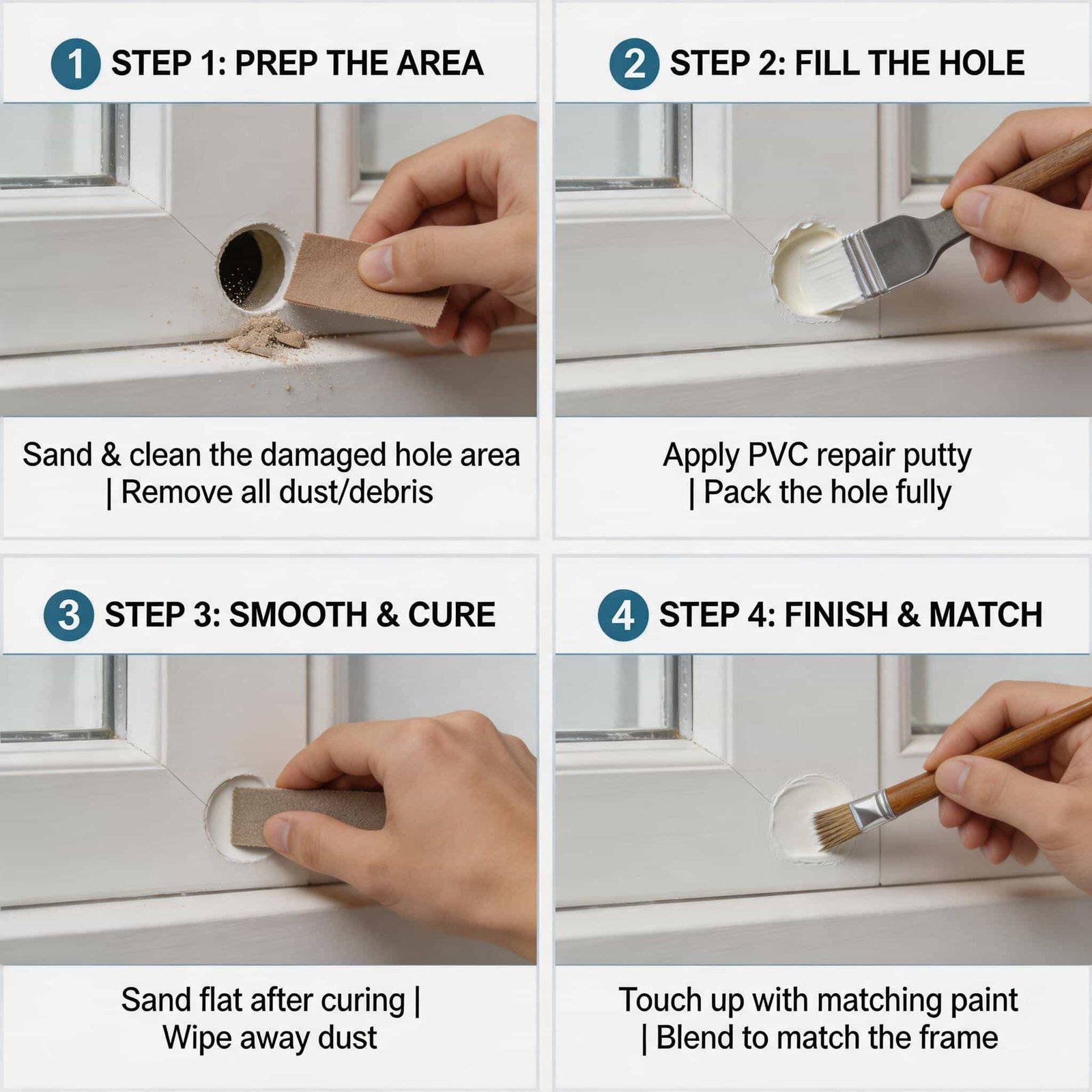
Mix the epoxy according to manufacturer instructions, typically in equal parts. Apply it with a small spatula, forcing it into the hole and slightly overfilling. The key difference from consumer-grade fillers is that epoxy must be shaped while it is still pliable. Use a tool dipped in isopropyl alcohol to smooth the surface before it sets. Once fully cured (usually 24 hours), sand the repair with fine-grit sandpaper (400–600 grit) using a sanding block to maintain flatness. Finally, apply a matching PVC-compatible paint or coating.
Important consideration:
Epoxy repairs are permanent. If you think you might need to drill into that spot again in the future, consider using wax instead.
Method 3: White Silicone Caulk – The Quick Cosmetic Fix
For homeowners seeking an immediate, low-cost solution, high-quality white silicone caulk can provide an acceptable temporary repair. However, this method has significant limitations that you should understand before proceeding.
When silicone works:
For very small holes (less than 1/8 inch) in low-visibility areas, and when you don’t require a perfectly smooth finish, silicone can be applied quickly. Use a 100% silicone product labeled for use on PVC or vinyl. Apply a small bead directly into the hole, then tool the surface with a wet finger or plastic tool.
The drawbacks:
Silicone cannot be sanded, painted, or easily removed once cured. It remains flexible, which means it can attract dust and dirt over time. The surface will never match the gloss of the original PVC frame. Additionally, silicone can inhibit adhesion if you later decide to paint or apply a different filler.
Professional tip:
If you choose silicone, apply painter’s tape around the hole first, then smooth the silicone and remove the tape immediately. This creates a cleaner edge than freehand application.
Method 4: Plastic Screw Caps – The No-Filler Alternative
Sometimes the simplest solution is the most effective. Plastic screw caps, also known as hole plugs or trim caps, are designed to snap into standard screw holes and provide a finished appearance without any filler material.
Best applications:
This method works well for holes that are exactly the size of standard screw heads (typically 1/4 inch or 3/8 inch). They are ideal for rental properties where you may need to reinstall hardware later, or for situations where you want a removable solution.
Installation:
Simply push the cap firmly into the hole until it seats flush with the surface. For a more secure fit, apply a tiny drop of clear silicone adhesive to the inside of the cap before insertion.
Aesthetic limitation:
Caps are available in limited colors and may not match your frame perfectly. They also create a visible circle, which may not be acceptable if you’re aiming for an invisible repair.
Professional Tools and Materials You Should Have on Hand
To achieve results that match factory-quality finishes, invest in these tools before starting your repair:
– Color-matched PVC repair kit:
Many window manufacturers offer proprietary repair kits that include wax sticks, liquid fillers, and touch-up paint specifically formulated for their frame colors. – Plastic putty knives:
Metal tools can scratch PVC surfaces. Always use plastic or nylon tools for spreading and smoothing. – Microfiber cloths:
These are essential for buffing wax repairs and cleaning surfaces without leaving lint. – Isopropyl alcohol (90% or higher):
Use this for cleaning holes and for smoothing epoxy fillers. – Heat gun with variable temperature:
A heat gun set to low (around 200°F) is more effective than a hairdryer for softening wax and accelerating epoxy cure times.
Hole Size
Best Solution
Durability
<1/8 inch
Silicone
Temporary
1/8-1/4 inch
Wax
5-10 years
>1/4 inch
Epoxy
Permanent
Structural damage
Replacement
Professional
Common Mistakes That Ruin PVC Frame Repairs
Through years of quality control analysis, we’ve identified the most frequent errors that lead to failed repairs:
Using wood filler or spackle: These materials absorb moisture, expand and contract differently than PVC, and will crack within weeks. They also cannot be smoothed to match the glossy PVC finish.
Over-sanding the surrounding area: PVC has a thin UV-resistant coating. Aggressive sanding can remove this coating, leading to discoloration and chalking over time. Always sand lightly and only on the repair area.
Applying filler in cold temperatures: PVC becomes more rigid below 50°F, and most fillers cure poorly in cold conditions. Always perform repairs when the frame temperature is between 60°F and 80°F.
Ignoring the hole depth: Shallow fillers will pop out when the frame expands in summer heat. Always fill the entire depth of the hole, not just the surface.
When to Call a Professional vs. DIY Repair
While most hole repairs are well within the capabilities of a diligent homeowner, certain situations warrant professional intervention:
– Holes larger than 1/2 inch in diameter: These may require cutting out the damaged section and welding in a new piece of PVC, which is a specialized skill. – Cracks radiating from the hole: This indicates structural stress or impact damage that may need frame reinforcement. – Multiple holes in a small area: A cluster of holes can weaken the frame integrity and may require a full section replacement. – Holes in structural corners or welds: Repairs in these load-bearing areas must be performed by a certified window technician.
Long-Term Maintenance After Repair
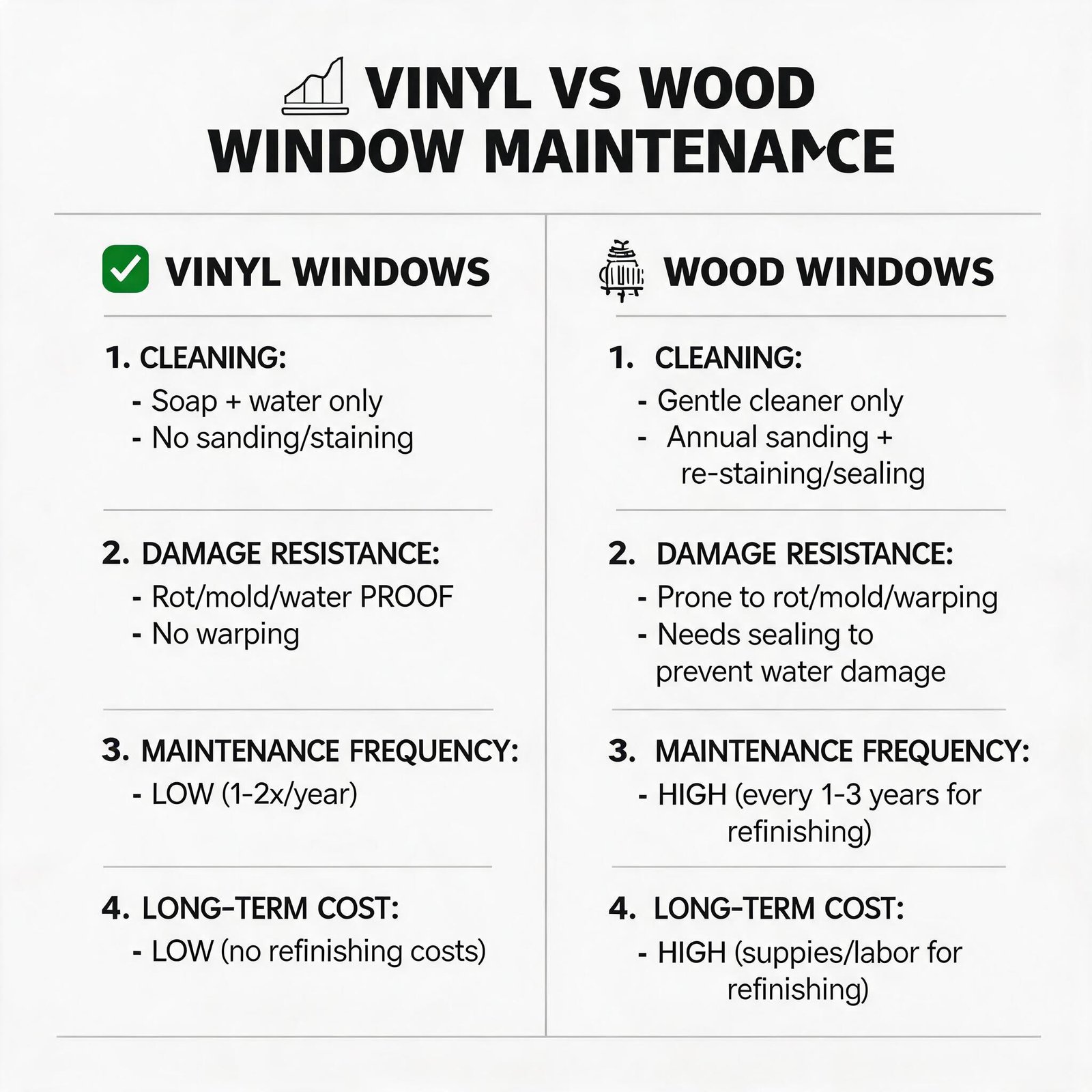
Once you’ve completed your repair, proper maintenance will ensure it lasts as long as the window itself. Avoid using abrasive cleaners or scrub pads on repaired areas. Clean with mild soap and water only. If you notice the repair beginning to yellow or crack after several years, it can be refreshed by lightly sanding (if epoxy) or reapplying wax (if wax filler).
For exterior frames, inspect your repairs annually before winter and summer seasons. Temperature extremes are when fillers are most likely to fail. A quick touch-up at the right time can prevent a small repair from becoming a major project.
Frequently Asked Questions About PVC Window Frame Hole Repair
Q: Can I paint over a wax repair on my PVC window frame?
A: No. Paint will not adhere to wax. If you plan to paint the entire frame, use a two-part epoxy filler instead, then sand and paint with a PVC-compatible paint.
Q: How long does a hard wax repair typically last?
A: In interior applications, a properly applied wax repair can last 5–10 years or longer. Exterior repairs may need refreshing every 2–3 years depending on sun exposure.
Q: Will filling holes void my window warranty?
A: Most manufacturers allow reasonable repairs as long as you use approved materials and techniques. Check your warranty documentation, or contact the manufacturer for specific guidance.
Q: Can I screw into a repaired area after filling?
A: Yes, but only if you used a structural filler like two-part epoxy. Wax repairs will not hold screw threads. For re-mounting hardware, drill a new pilot hole adjacent to the filled area.
Q: What is the best way to match the white color of my PVC frame?
A: Remove a small piece of the frame (such as a vent or cap) and take it to a specialty hardware store for color matching. Many manufacturers also provide color codes on a sticker inside the frame.
Q: Is it possible to repair holes in colored or wood-grain PVC frames?
A: Yes, but color matching is more challenging. Custom-mixed epoxy or specialized repair kits from the window manufacturer are your best options.
By following the methods outlined in this guide, you can achieve professional-quality repairs that restore your PVC window frames to their original appearance. Remember that the key to success lies in using the right material for your specific hole size and location, taking the time to prepare the surface properly, and allowing adequate curing time before exposing the repair to stress or weather. With these techniques, those unsightly holes will become a distant memory, and your windows will look as good as new.
When Repair Is Not Enough: Consider a Replacement PVC Window Solution
While small screw holes and cosmetic damage can often be repaired successfully, some PVC window frame problems indicate that repair may only be a temporary solution. As a professional PVC window manufacturer, we often evaluate damaged frames by looking beyond the visible hole itself — including the condition of the internal reinforcement, profile strength, welding joints, weather seals, and overall frame performance.
If your PVC window frame has multiple drilled holes, cracks around hardware points, water infiltration, warped profiles, or repeated repair failures, replacing the damaged window component may provide a more reliable long-term solution than applying additional fillers.
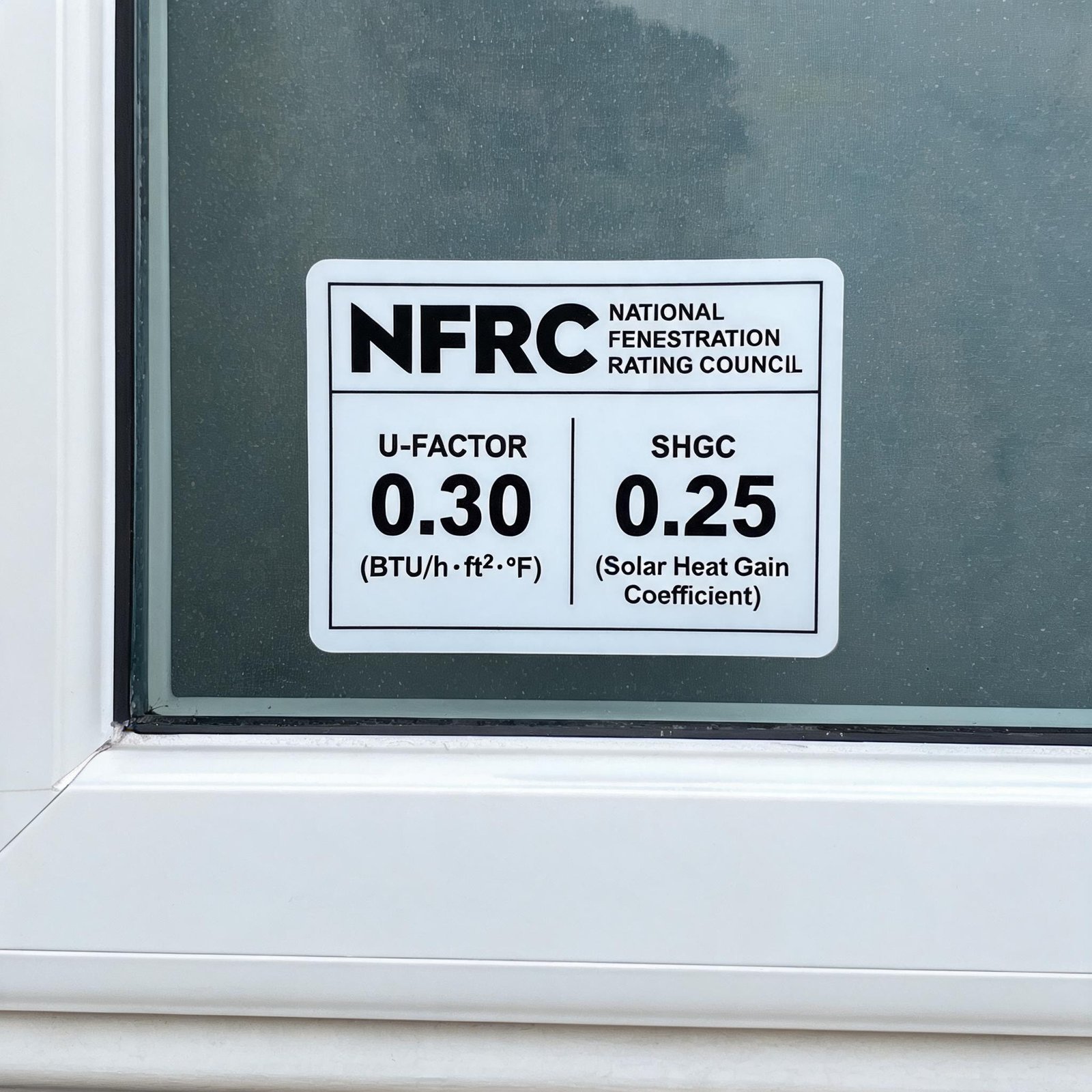
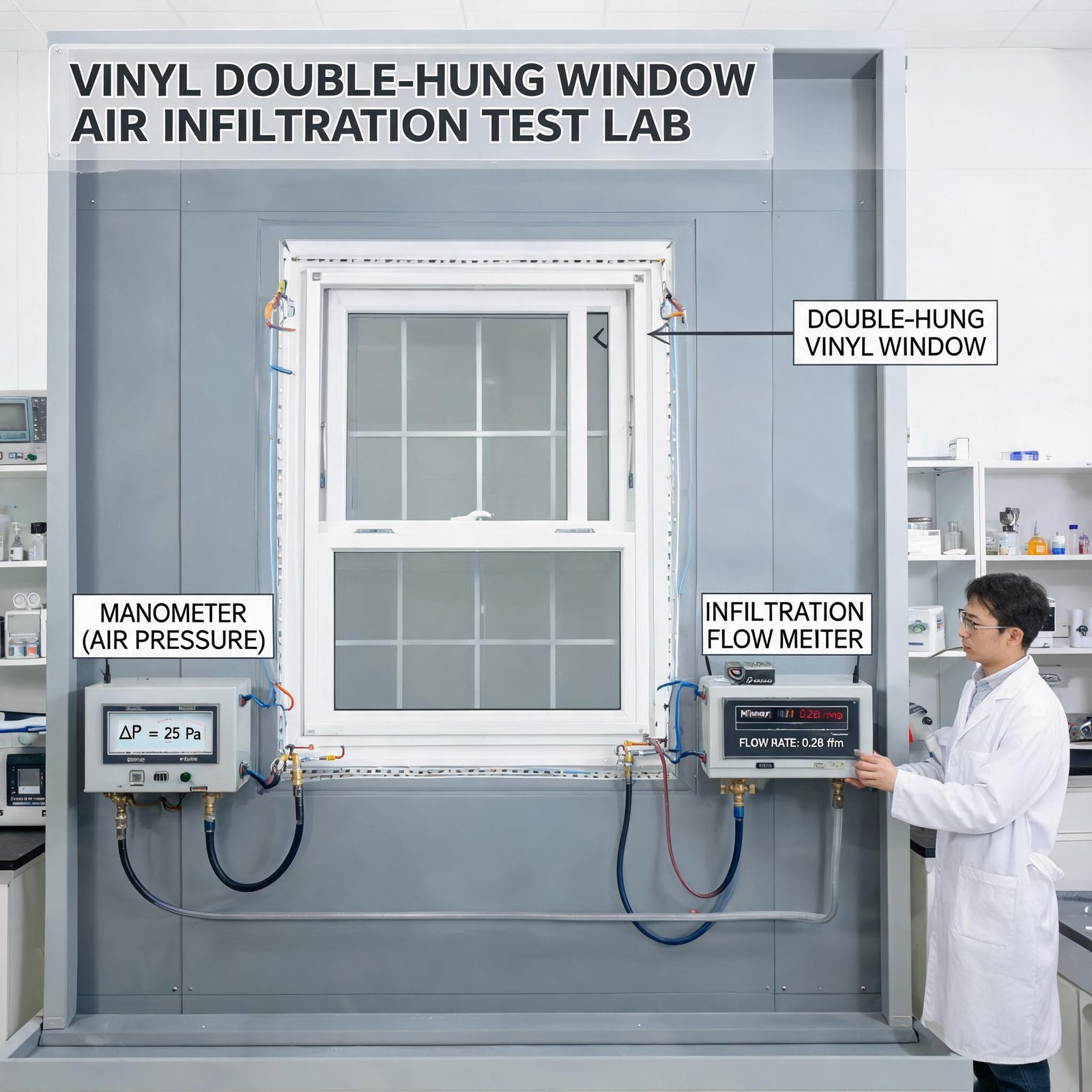
Modern PVC and uPVC window systems are engineered with reinforced profiles, multi-chamber designs, and improved weather sealing technology to deliver better insulation, durability, and low-maintenance performance. For homeowners, builders, and renovation projects, choosing a properly manufactured replacement window can restore not only the appearance of the opening but also the original energy efficiency and structural performance of the window system.
At SuperWindowHouse, we specialize in customized PVC and uPVC window solutions for residential and commercial applications. Our manufacturing process focuses on profile quality, precision fabrication, hardware compatibility, and long-term performance. Whether you need a replacement window for a damaged frame or a complete custom window solution for a new project, our team can help evaluate the right option based on your requirements.