You’ve measured the opening, browsed dozens of listings, and read conflicting advice on forums. Now you’re stuck at the crossroads: order your new windows online or step into a local store. As someone who runs a window manufacturing plant, I’ve seen the aftermath of both paths. Buying windows online vs. local stores isn’t just a price comparison—it’s a decision that affects your home’s comfort, energy bills, and even your sanity during installation. Let me pull back the curtain on what the big retailers and faceless e‑commerce sites won’t tell you.
The Hidden Risks of Buying Windows Online
Online convenience is addictive. With a few clicks you can order a refrigerator, a mattress, or even a car. Windows, however, don’t fit the one‑size‑fits‑all mould. When you buy windows purely from a website, you inherit several silent risks that often surface only after the delivery truck leaves your driveway.
Measurement Is Not a Suggestion—It’s Everything
Most online retailers will send you a measuring guide and wish you luck. But a quarter‑inch mistake on a rough opening means gaps that leak air, water, and noise. In my factory, we reject frames that deviate by more than 1/16 of an inch. Online buyers, armed with a tape measure and good intentions, rarely replicate that precision. Return shipping for a custom‑sized window? Good luck. Many e‑commerce vendors label it “custom” and refuse refunds altogether.
The Glass You Can’t Touch
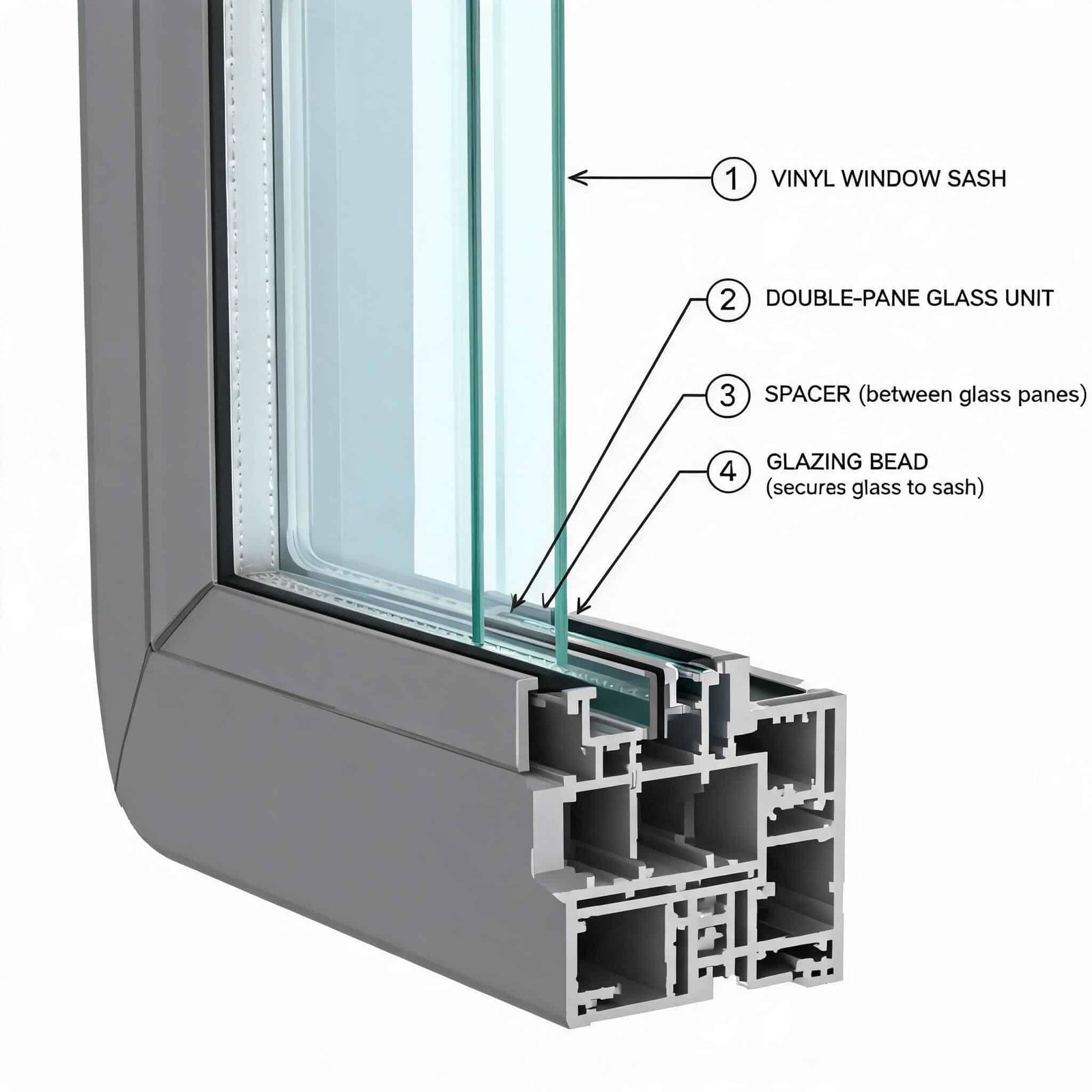
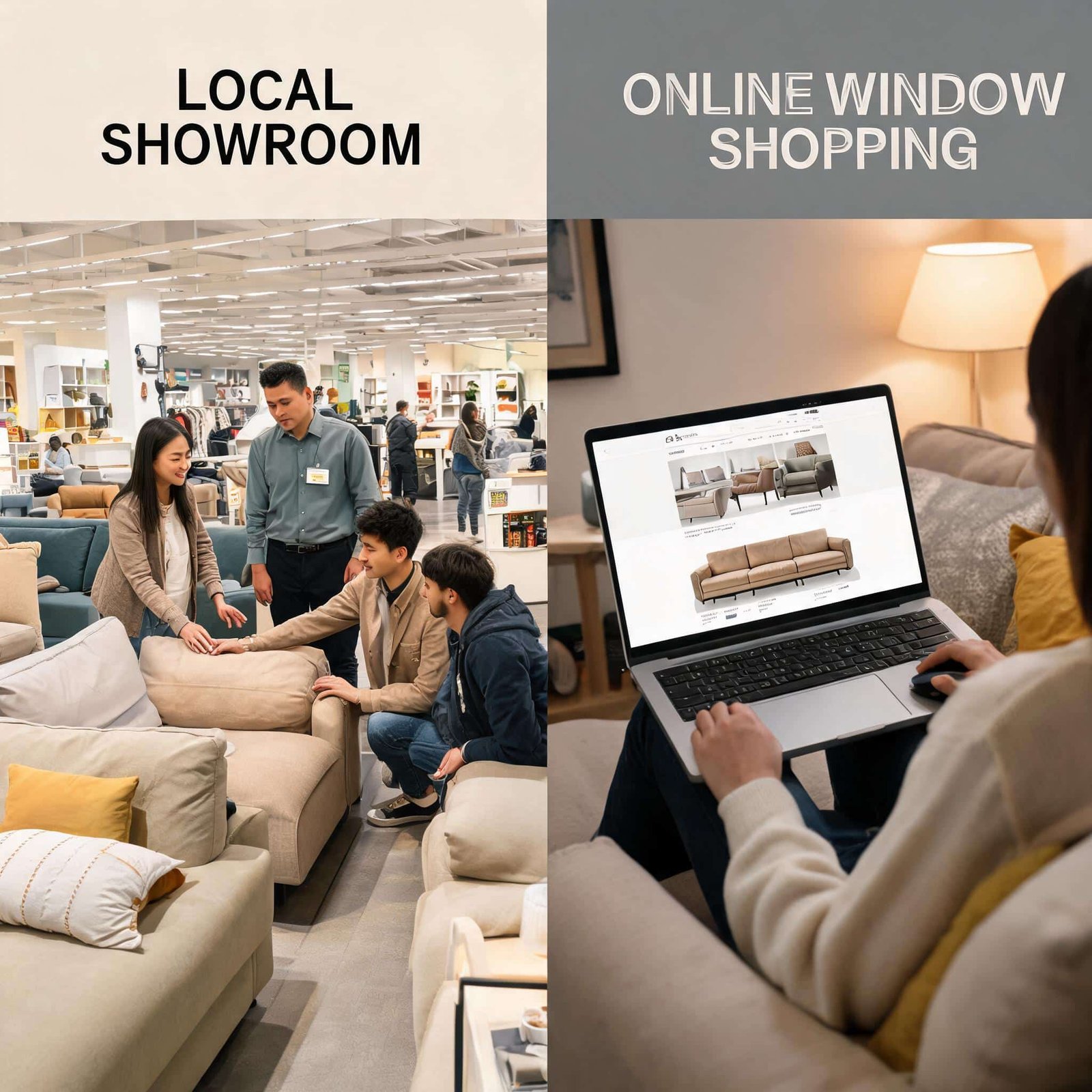
Online photos amplify the best light, hide edge welds, and never show a fogged double‑pane sample. When you stand in a local showroom, you can feel the weight of a triple‑glazed sash, tilt it open, listen to the latch click, and examine spacer bars under actual daylight. You can’t replicate that sensory check on a 15‑inch laptop screen. One of the most dangerous assumptions online buyers make is that all “Low‑E” coatings are identical. They’re not. The location of the coating, the emissivity value, and even the frame material determine whether your house will stay cool in July or turn into a greenhouse.
Shipping Damage and the Blame Game
Windows cross multiple hubs before reaching your curb. Forklift punctures, cracked vinyl corners, shattered panes—all common. When this happens, the online seller points at the freight carrier, the carrier points at the packaging, and you stand in your driveway staring at a broken product and a credit card charge you can’t erase. A local supplier loads your windows onto their own truck, often with custom‑cut foam racks, and the same crew that builds them might even deliver them.
The Undeniable Advantages of Buying from a Local Window Store
Walk into a local window store or an independent manufacturer’s showroom, and the experience changes instantly. Here you’re not a ticket number—you’re a homeowner who needs a solution that fits a 1970s ranch house with non‑standard jamb depths, or a historic bungalow that requires matching muntin profiles. The depth of knowledge hits you within minutes.
Expert Guidance from Day One
At my plant, the sales team includes people who’ve actually built window sashes, cut glass, and serviced failed units. They know why argon‑filled cavities perform better in colder climates, when a triple‑glazed unit is overkill, and how local building codes dictate egress requirements. If you’ve ever searched for where to buy windows online, you’ve probably noticed that technical advice stops at product descriptions. That’s because online platforms are set up for transaction speed, not for the 20‑minute conversation that saves you from ordering the wrong glass package.
See, Touch, and Operate Before You Buy
When you’re spending $800 to $1,500 per opening, you deserve to operate the actual hardware. Try the tilt‑latch. Listen for frame warping when you close a slider. Compare the thermal break in a vinyl extrusion against a cheap knockoff. These physical checks are impossible online, and they’re the very details that separate a 20‑year window from a 5‑year disappointment.
Flawless Measurements and Custom Fit
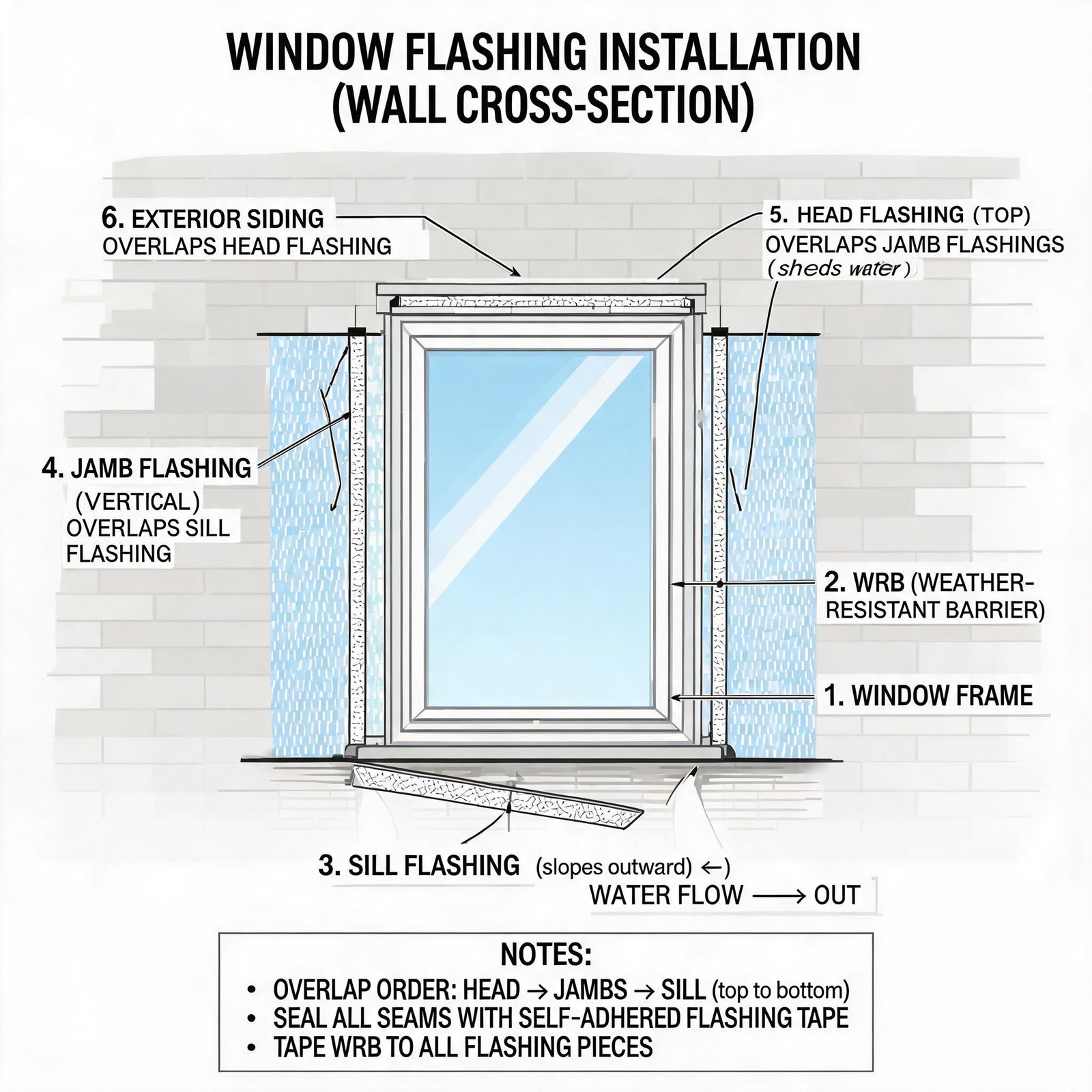
Local manufacturers send a trained technician—not a subcontractor, but someone on their payroll who understands how foam insulation, interior trim, and siding intersect. That technician will catch a sill that’s out of level by ½ inch, a condition that online ordering forms can’t accommodate. Combined with a factory that cuts frames to the nearest 1/16 of an inch, you get windows that slip into place with minimal shimming. This precision directly affects installation speed and long‑term air tightness.
Immediate Inventory and Zero Lead‑Time Surprises
One of the most frustrating online experiences is waiting four weeks for a window that arrives with the wrong hinge color. Locally, if you need a replacement pane or an extra sash, it’ll often be built the same week. Homeowners frequently ask who has windows in stock when a broken seal or a baseball mishap demands immediate action. Local manufacturers keep raw profiles, glass lites, and hardware in inventory. They can assemble a single unit and hand it to you by Friday, not ship it from three states away with a “maybe” delivery date.
Reliable Warranty and Accountability
When an online‑bought window fogs up after two years, you’ll navigate a call center and hope the brand still exists. A local factory has its reputation staked on every unit. If the glass fails or a weld cracks, you drive back to the same door you walked through when you placed the order. That face‑to‑face accountability forces local shops to use quality masterbatch vinyl, stainless steel hardware, and true warm‑edge spacer systems—because they know you’ll come back if something goes wrong.
How a Hybrid Approach Gives You the Best of Both Worlds
I’d be naive to ignore the digital shift. Many forward‑thinking local manufacturers now offer online ordering portals for standard sizes, accessory screens, or replacement parts. The difference is that those portals rest on a foundation of local expertise. You can configure your window online, but before the order enters the production queue, a real person reviews your selections against your address’s wind zone and climate data. You can choose to pick up the windows at the factory, bypassing freight carriers, or have the same in‑house crew deliver and install them. This hybrid model eliminates the gamble of pure online shopping while preserving the convenience of digital research.
In the end, the choice between buying windows online vs. local stores isn’t about rejecting technology—it’s about understanding what a window actually is. It’s a structural, custom‑fitted, energy‑critical component of your home. The screen may make the buying process look simple, but the hands‑on expertise, local accountability, and precision manufacturing you get from a storefront far outweigh the deceptive ease of a shopping cart. Trust your senses, talk to someone who builds windows every day, and protect the single biggest investment you’ll make in your home’s envelope.
Frequently Asked Questions About Buying Windows Online vs. Locally
Is it really cheaper to buy windows online?
Online prices often appear lower because they strip away measurement services, local code compliance checks, and installation support. Once you add freight, possible return fees, and the cost of hiring a separate installer who may not warranty the product, the final bill frequently exceeds what a local supplier would have quoted for a complete, warrantied package.
Can I return a window if it doesn’t fit?
Generally no. Most online window sellers classify any non‑standard size as a custom item and won’t accept returns. Even “standard” sizes are difficult to return because of the risk of hidden damage during shipping. Local shops can inspect the frame and, if a mistake was made, rebuild it quickly without the drama of cross‑country logistics.
How do I know if an online window seller is reputable?
Look for a physical manufacturing address, a direct phone line to a real person, and verifiable reviews that mention the product lasting beyond three years. Also check whether they hold certifications from associations like the American Architectural Manufacturers Association (AAMA). If the website offers no factory tour, no local pickup option, and no installation guidance, proceed with extreme caution.
Should I buy windows from a big‑box store’s website?
Big‑box retailers often act as intermediaries, not manufacturers. The online order still funnels through a third‑party vendor, which can complicate warranty claims. If you value the convenience of that retailer’s ecosystem, at least purchase the windows through their in‑store services desk, where a specialist can verify measurements and coordinate delivery to the store—not to your curb.
What’s the biggest mistake people make when ordering windows online?
The assumption that every vinyl window is the same. Vinyl quality varies dramatically based on the profile blend, reinforcement, and weld technique. Online listings rarely disclose these details. Always request a sample corner cut or a spec sheet showing u‑factor, solar heat gain coefficient, and AAMA rating before placing an order—something a local shop will hand you without hesitation.