Moisture beading on your window glass or frames can be alarming. You might worry about mold, rot, or a failing window. As a leading manufacturer of high‑performance vinyl windows, we field questions every day about fog, frost, and that persistent dampness around the sash. Understanding why it happens – and whether you’re seeing a harmless response to weather or a real problem – puts you in control. This guide explains everything you need to know about condensation on vinyl windows, from the basic science to actionable fixes and when replacement is the only answer.
Understanding Window Condensation: The Science in Plain Language
Condensation isn’t a window defect. It’s physics. When warm, moisture‑laden air meets a surface that is cooler than the dew point, water vapor turns into liquid droplets. In your home, the primary cold spots are window glass and frames, especially during winter. The humidity inside your house – from cooking, showers, houseplants, even breathing – constantly looks for the coldest place to condense. Vinyl windows, with their energy‑efficient design, often keep indoor glass warmer than older aluminum or single‑pane units, but no window can completely escape this natural process.
Three variables control whether condensation appears:
- Indoor relative humidity
- Outdoor temperature
- The thermal performance (U‑factor) of the window
Think of it as balancing a scale. The colder it gets outside, the lower your indoor humidity must be to prevent interior condensation. This is why a home that feels comfortable at 35% humidity in mild weather suddenly sees fog on windows during a cold snap. It doesn’t mean the window is leaking or “sweating” internally – it’s managing the dew point.
Three Places Condensation Shows Up – and What Each One Means
Where the moisture collects tells you almost everything you need to know about severity and cause. We’ll break it down location by location, with specific advice for vinyl window owners.
1. Condensation on the Inside of Your Windows
Fog or frost on the room‑side glass surface is the most common scenario. It often appears first in bathrooms, kitchens, and bedrooms after a chilly night. In most cases, this is a warning sign about indoor humidity levels, not about your windows. Modern vinyl windows are significantly more airtight than old wood or aluminum frames, which actually makes interior condensation more noticeable. Why? Because the drafty windows you replaced used to let moisture escape through air leaks. Now your tight vinyl windows keep conditioned air in, so humidity stays trapped indoors. This is a good thing for energy bills but means you need to manage moisture sources deliberately.
When to worry: If condensation is heavy enough to drip down onto the sill, persists for hours, or causes staining on painted surfaces, you may be flirting with mold growth and damage to drywall or window trim. Light mist that evaporates by mid‑morning is entirely normal.
The vinyl advantage: High‑quality vinyl frames resist moisture absorption. Unlike wood, they won’t swell, warp, or rot if occasional condensation contacts the frame. You’ll still want to wipe up standing water to protect the surrounding wall, but the window structure remains unaffected.
2. Condensation on the Outside of Your Windows
Waking up to dew on the exterior face of your vinyl windows might seem counterintuitive, but it’s actually a badge of honor. Exterior condensation occurs on calm, clear nights when the glass radiates heat to the cold sky and drops below the outdoor dew point. This happens most often on energy‑efficient windows with low‑E coatings and argon gas fills because they keep your interior heat from reaching the outer pane. The glass stays cooler, so moisture forms.
This phenomenon is identical to dew on grass or your car roof. It signals that your window is doing its job – reflecting indoor heat back into the room. No action is needed. The droplets will evaporate as the sun warms the exterior. You might see this more frequently in spring and fall when nighttime temperatures swing.
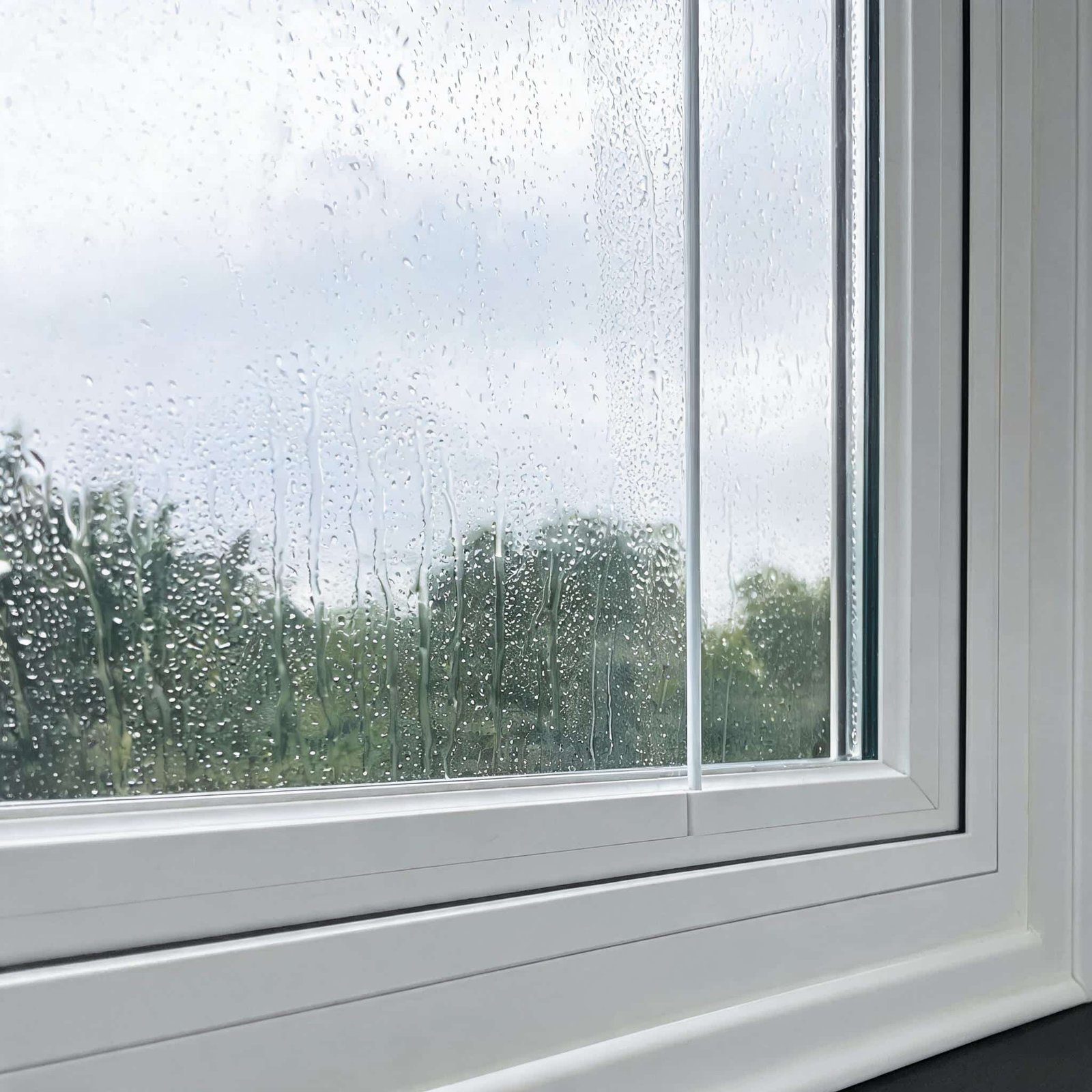
3. Condensation Between the Glass Panes
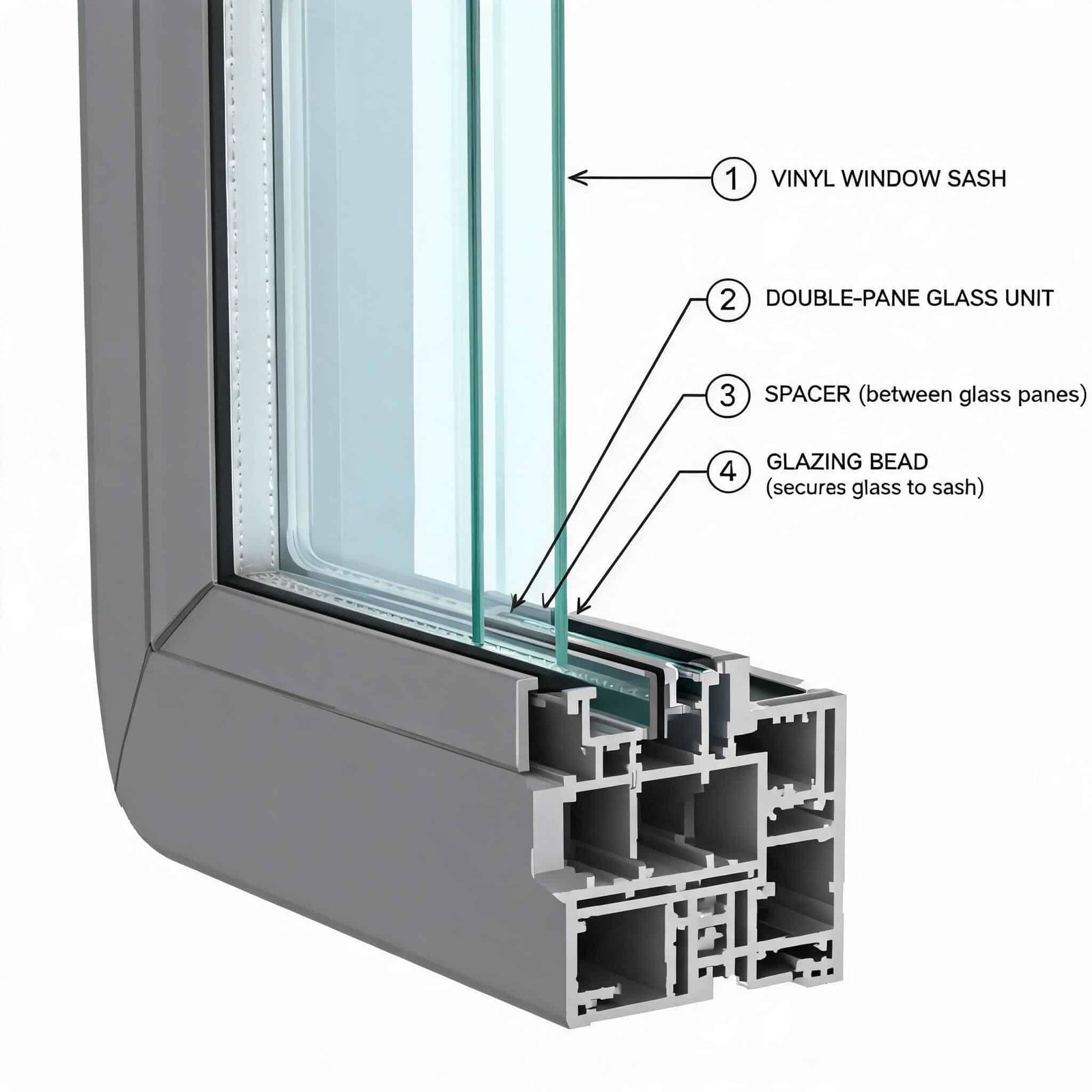
This is the red flag. Double‑ or triple‑pane windows rely on a sealed airspace filled with insulating gas. When moisture appears inside that sealed unit – fog, haze, or water droplets that you can’t wipe away from either side – the hermetic seal has failed. Once compromised, the insulating gas escapes and humid outside air gets pulled into the space between panes. Condensation follows, and the window’s thermal performance plummets.
Seal failure is not repairable in the field. While some services offer “defogging,” this only masks the symptom temporarily and doesn’t restore the insulating value. Permanent clarity and efficiency require replacement of the glass unit or the entire window. Good vinyl window designs incorporate dual‑seal mechanisms and robust spacer systems to extend seal longevity, but no sealed unit lasts forever.
So, Do Vinyl Windows Sweat? The Honest Answer
Homeowners often ask us: “Do vinyl windows sweat more than other materials?” The framing material itself does not cause condensation, but the interaction of material properties, frame design, and installation can influence where moisture appears.
Because vinyl is a non‑hygroscopic material, it does not absorb moisture the way wood does. If there’s a localized cool spot on a wood frame, the wood wicks away a bit of moisture, sometimes hiding the symptom temporarily (at the cost of internal rot). Vinyl can’t do that – any condensation on the frame beads up visibly. So you might notice moisture on a vinyl sash or frame edge sooner than on wood. But that beading is a surface phenomenon. The vinyl isn’t “sweating” from inside; it’s merely where the dew point is hitting.
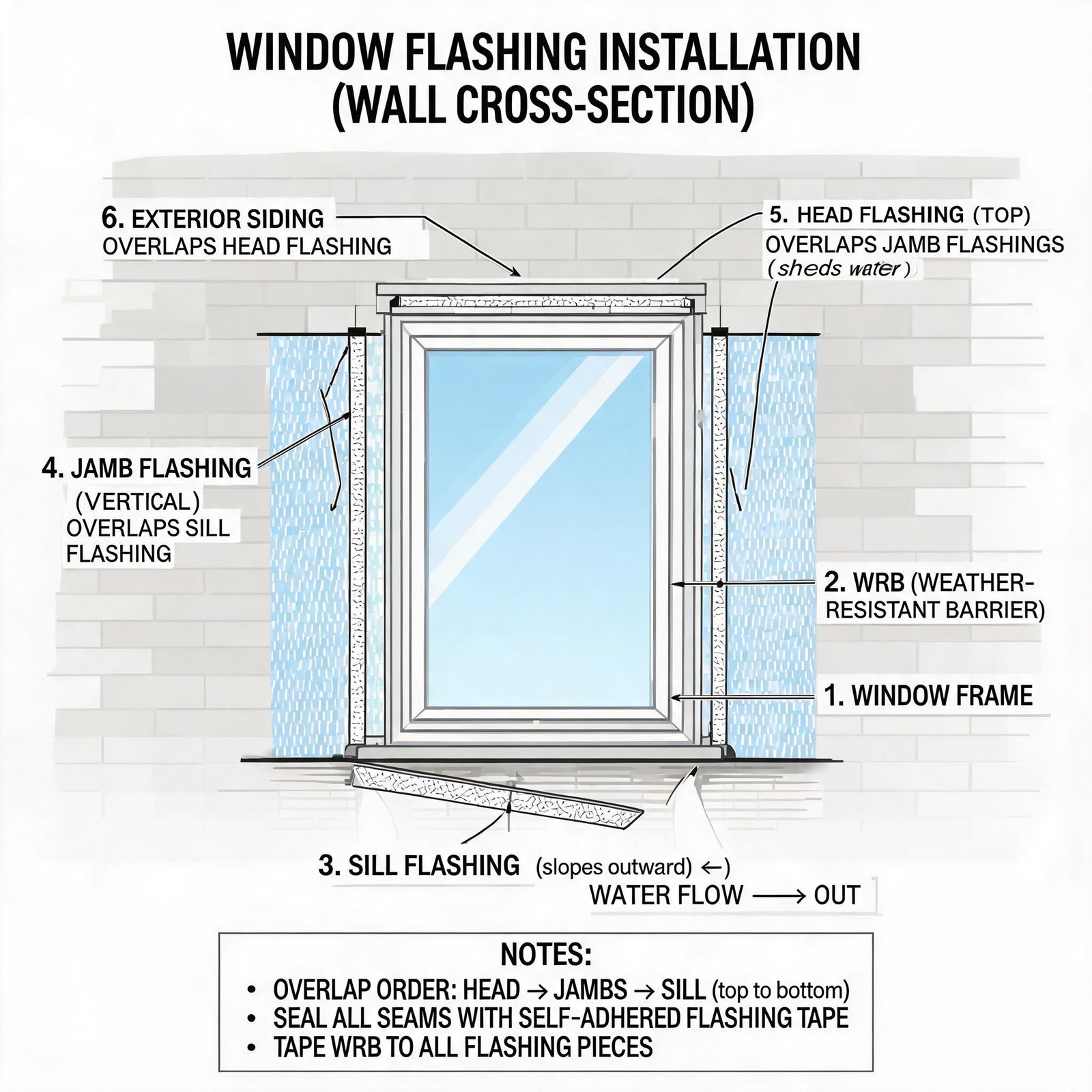
A properly fabricated vinyl window with multi-chamber construction includes thermal breaks that keep the interior frame temperature higher, reducing condensation risk on the frame itself. Poorly designed or uninsulated vinyl sections can become cold bridges, especially if the window install lacks proper air sealing around the rough opening. When condensation appears mostly on the frame corners or along the edge of the glass, suspect cold‑weather drafts finding a path to the interior.
Bottom line: Vinyl windows do not inherently sweat. What you’re seeing is the normal physics of humidity meeting a cold surface. The better the window’s energy performance and installation quality, the less likely you’ll see interior moisture – whether the frames are vinyl, wood, or fiberglass.
Why Do Vinyl Windows Have Condensation? The Hidden Culprits
If you’ve ruled out seal failure, the persistent reason for condensation on the interior glass or frame almost always traces back to excessive indoor humidity. But what’s feeding that humidity? Uncovering the sources often reveals simple fixes that cost nothing.
Common moisture generators:
- Daily showering and bathing without a ventilation fan running
- Cooking without a range hood that vents outdoors
- Drying laundry indoors on racks or an unvented dryer
- Large numbers of houseplants
- Storing firewood inside
- Humidifiers set too high for the season
- New construction or renovation – lumber, drywall compound, and paint release substantial moisture for months
- Inadequate air exchange in tightly sealed homes
In newer homes or after major weatherization upgrades, the natural air changes per hour drop dramatically. A house that once breathed through cracks now traps every drop of moisture. Vinyl windows, with their super‑tight construction, are part of that success story, but they also eliminate the built‑in “leak” path that old drafty windows provided. The result can be a home that needs mechanical ventilation to keep humidity in check.
Temporary spikes happen, too. A weekend of heavy cooking for a holiday gathering or a house full of overnight guests can push humidity into the condensation zone. That’s normal. It’s only a concern if the condensation becomes a daily, season‑long problem.
How to Stop Window Sweating and Eliminate Moisture Issues
Treating the symptom – wiping windows dry – never solves the root cause. A sustainable approach targets humidity control, airflow, and, if necessary, window upgrades. Here are actionable steps ranked from simplest to more involved.
Immediate, no‑cost actions:
- Run all bathroom exhaust fans for 20 minutes after a shower.
- Use the range hood fan (vented outdoors) every time you cook.
- Open curtains or blinds during the day to allow warm air to reach the glass and raise its temperature.
- Crack a window for 5–10 minutes each day to exchange moist indoor air with drier outside air, even in winter.
Low‑investment adjustments:
- Set whole‑house humidifiers to match outdoor temperature. A rough rule: at 0°F, keep humidity under 25%; at 20°F, aim for 30–35% maximum.
- Use portable dehumidifiers in problem rooms, especially basements where moisture migrates upward.
- Ensure dryer vents are sealed and exhausted outdoors, not into a crawlspace.
Structural and behavioral changes:
- Add or improve attic and basement insulation to reduce thermal differentials that drive moisture to window surfaces.
- Check window weatherstripping and re‑caulk around exterior frames to prevent cold air infiltration that chills the interior frame edge.
- If you have a lot of houseplants, group them in a sunroom or decrease numbers during the heating season.
- In new construction, give the house at least a full heating season to dry out. Use fans and dehumidifiers aggressively.
Targeted window solutions:
- Install high‑R‑value cellular shades that trap a layer of air against the glass, keeping the inner surface warmer.
- Apply a window insulator film kit to single‑pane or older double‑pane windows as a temporary fix.
- Upgrade to triple‑pane glass if you live in a very cold climate. The extra pane and gas‑filled cavity push the interior glass temperature closer to room temperature, dramatically reducing condensation potential.
- Retrofit insulated glass units into existing frames if the sash design allows, but be mindful of the total weight and balance system.
If you’ve tried everything and still see persistent, heavy condensation that rots sills or stains drywall, the window itself may no longer match your home’s thermal needs. Modern replacement windows engineered for cold climates combine multiple low‑E coatings, warm‑edge spacers, and insulating gas fills that virtually eliminate interior surface condensation under normal household conditions.
For those seeking a smart upgrade, exploring high-performance vinyl window designs can show you how today’s units combat condensation far better than windows built even a decade ago.
When Condensation Points to a Failed Window – Replacement Becomes the Cure
We saved the most serious conversation for last. Condensation trapped between panes cannot be managed with a humidifier or fan. It’s the definitive sign that the sealed unit has breathed its last. Once the desiccant inside the spacer bar becomes saturated, you’ll start to see mineral deposits, streaks, or permanent fog, even in dry weather. The window’s U‑factor can degrade by 50% or more.
Seal failure occurs for several reasons:
- Thermal pumping: the pressure difference between day/night expansion and contraction eventually fatigues the seal.
- Water infiltration into the frame that saturates the glazing pocket.
- Poor manufacturing: inadequate sealant application or spacer corner construction.
- Structural settling that torques the frame and breaks the adhesive bond.
While wood windows with individual stops can sometimes be reglazed to accept a new insulated glass unit, many older wood or aluminum windows make that process cost‑prohibitive. Modern vinyl windows often feature glazing beads that allow for glass‑only replacement, but if the window is already 20+ years old, you may gain more value from a full frame replacement that brings updated thermal technology, tighter air sealing, and fresh warranties.
Reasons to consider a complete replacement instead of a glass‑only swap:
- Your current frames have poor U‑factor ratings and make condensation worse along the perimeter.
- The operating hardware feels worn, drafty, or hard to lock.
- You want to upgrade to options like triple‑pane glazing, low‑E3 coatings, or argon/krypton gas blends.
- There is hidden moisture damage in the wall cavity around the window opening that needs remediation.
A professional evaluation will map where the seal failure occurred and whether the frame can be salvaged. If you go the full replacement route, insist on windows with a low condensation resistance factor (CRF) – a high CRF number means the window resists interior condensation better. Our climate‑specific glass packages are engineered to maintain high interior glass temperatures even at extreme cold, so you can keep a healthy indoor humidity without worrying about puddles on the sills.
Maintaining Healthy Indoor Humidity: The Long‑Term Strategy
Think of your home as a system. Windows are the visible interface where imbalances show up, but the solution involves ventilation, insulation, and lifestyle tweaks that benefit your health and your building envelope.
Air‑sealing improvements you make to save energy – like caulking, weatherstripping, and installing tight vinyl windows – must be balanced with mechanical ventilation. Many building codes now require whole‑house ventilation in new homes, either through a heat‑recovery ventilator (HRV) or an energy‑recovery ventilator (ERV). These units exchange stale, humid indoor air with fresh outdoor air while recovering most of the heat. An HRV can dramatically reduce condensation issues while maintaining energy efficiency. We recommend homeowners in cold climates look into this as a complementary upgrade when replacing windows.
During the “shoulder” seasons, when the furnace isn’t running much, a simple dehumidifier in the basement can be enough to cap relative humidity. Monitor using an inexpensive hygrometer on each floor; if the reading is consistently above 50% in winter, take action.
Frequently Asked Questions About Vinyl Windows and Condensation
Why do I see condensation mostly on my bedroom windows in the morning?
You and any partner exhale moisture all night, and the door is usually closed. This traps humidity in a small area. The glass cools overnight, and by dawn the temperature hits the dew point. Opening the door, running a ceiling fan on low, or cracking the window for a few minutes before bed helps.
Is condensation on the inside of a brand‑new vinyl window normal?
Often yes, especially in new construction or after a renovation. Construction moisture can take 6–12 months to fully dissipate. If the problem persists beyond the first winter, investigate humidity sources and ventilation.
Can window condensation cause mold on vinyl frames?
Vinyl itself doesn’t support mold growth because it’s non‑porous. However, mold can grow on accumulated dust, dead skin cells, or adjacent drywall if the moisture stays. Wiping frames regularly and keeping humidity controlled prevents this.
I’ve noticed condensation on the window frame more than on the glass. What does that mean?
It could indicate a thermal bridge – the frame area conducts cold more than the glass edge. Often this is due to missing insulation between the window and the rough opening, or a low‑quality frame lacking insulating chambers. Have an installer check for air leaks or consider a window with a thermally improved frame design.
Does installing storm windows help with condensation?
Yes. Exterior storm windows create an insulating air pocket that raises the temperature of the inner window surface, reducing condensation potential. They are a good retrofit solution if full replacement isn’t in the budget.
Will a ceiling fan reduce window sweating?
Absolutely. Moving air breaks up the boundary layer of cold, still air directly at the glass surface and mixes it with warmer room air. Run a fan on low, especially in rooms with tall windows, to minimize fog.
How can you tell if condensation is from seal failure versus indoor humidity?
If the fog or moisture is between the two panes of glass and you can’t wipe it off, it’s seal failure. If it’s on the room‑side surface and you can smudge it with your finger, it’s indoor humidity. Simple as that.
Are there special coatings that prevent condensation?
Some glass products feature “anti‑condensation” low‑E coatings that reflect heat back into the room more aggressively, keeping the interior glass warmer. These can reduce the frequency of condensation but won’t eliminate it if indoor humidity is extremely high. They work best as part of a comprehensive moisture‑management plan.
Should I be concerned about condensation on the outside of my brand‑new windows?
Not at all. It’s a positive sign that your low‑E windows are insulating properly. Just as a well‑insulated coffee mug will form condensation on the outside if you fill it with iced water, exterior dew on windows indicates the indoor heat is staying inside.
Closing Thoughts: Work with the Physics, Not Against It
Condensation on vinyl windows is rarely a window flaw. It’s a conversation between your indoor climate and the outdoor environment, with the glass and frame as the messenger. Recognizing the location and patterns of moisture gives you the power to tweak your home’s moisture balance, apply simple fixes, and know when the time has come for a window upgrade.
Today’s advanced vinyl windows, when properly selected and installed, shrink the conditions where condensation can occur. They keep interior glass warmer, eliminate frame cold spots, and stand up to moisture without warping or rotting. Pair them with smart humidity management, and you’ll get clear views, lower energy bills, and a healthier home through every season.