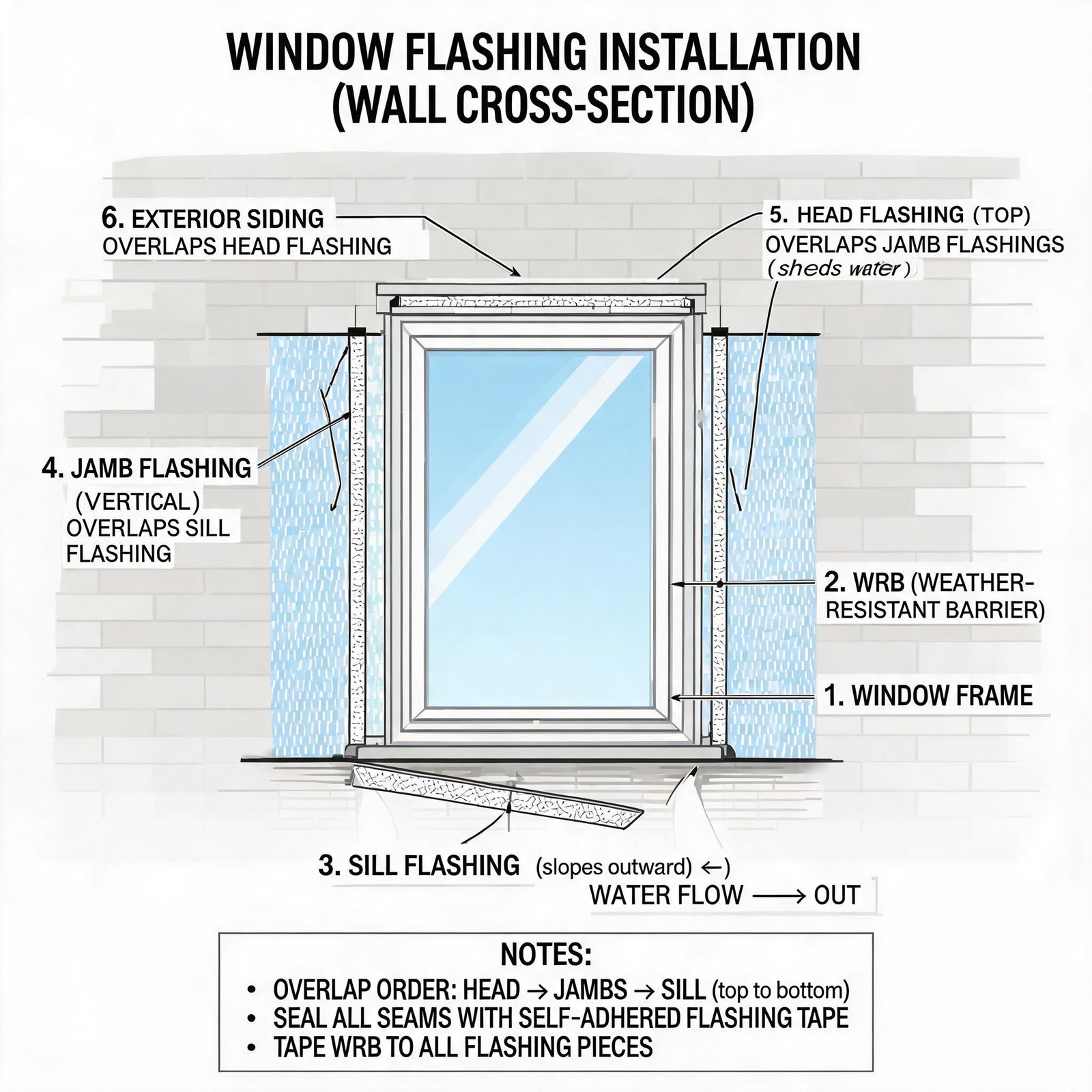
When it’s time to replace your home’s windows, you’re immediately hit with a wave of conflicting opinions. Neighbors, friends, and online forums all seem to have a strong take—especially when vinyl enters the conversation. Some say vinyl windows are the smartest money you’ll spend on your home. Others warn that they’ll cheapen your property’s look and drag down its resale price. So which camp is right? Let’s settle the question with real data, decades of industry insight, and a practical look at how today’s windows impact your biggest investment.
As a window manufacturer who’s helped thousands of homeowners upgrade their properties, I’ve watched vinyl products evolve from basic, hollow-feeling sashes into beautifully engineered, high‑performance windows that often outperform wood and fiberglass in price, energy efficiency, and long‑term durability. The real answer to “Do vinyl windows decrease home value?” isn’t a simple yes or no—it depends on which generation of vinyl you’re installing, how you match the style to your home, and what buyers in your market actually want. But when you choose premium, modern vinyl windows, the opposite is true: they consistently add value, slash energy bills, and make your property more attractive at the closing table.
What Really Moves Home Value When You Replace Windows
Before we zero in on vinyl specifically, it helps to understand the broader role windows play in a home’s valuation. The National Association of Realtors estimates that a full window replacement can recoup roughly 70% to 75% of the project cost at resale, depending on the material and the region. More importantly, real estate agents consistently rank curb appeal as a top driver of first impressions and final sale price. Windows—because they are both functional and highly visible—sit right at the intersection of aesthetics and energy performance.
When appraisers and buyers look at a home, they silently calculate the expected cost of repairs and upgrades. Outdated, drafty, or foggy double‑pane units subtract from the perceived value because the buyer knows replacement is expensive and disruptive. Conversely, a house with brand‑new windows checks off one of the biggest “hassle” items on a buyer’s checklist. This psychological lift translates into stronger offers and faster closings.
Beyond the appraisal, there is a comfort premium that buyers feel the moment they walk into a room. An older home with drafty single‑pane windows might feel chilly in winter and stifling in summer, whereas a home with tightly sealed, high‑performance vinyl windows feels immediately cozy and quiet. That sensory experience often tips the scales in favor of a higher bid, even if the buyer doesn’t consciously connect the feeling to the window material.
Vinyl: From Budget Option to Performance Leader
Vinyl windows earned a questionable reputation in the 1980s and 1990s, when many manufacturers cut corners with thin-walled extrusions, low‑grade UV stabilizers, and unreliable hardware. Those early products were prone to warping, yellowing, and sagging—a far cry from the crisp, square lines expected in a high‑end home. That’s why the question “do vinyl windows look cheap” still circulates among homeowners, particularly those in upscale neighborhoods where architectural integrity matters deeply.
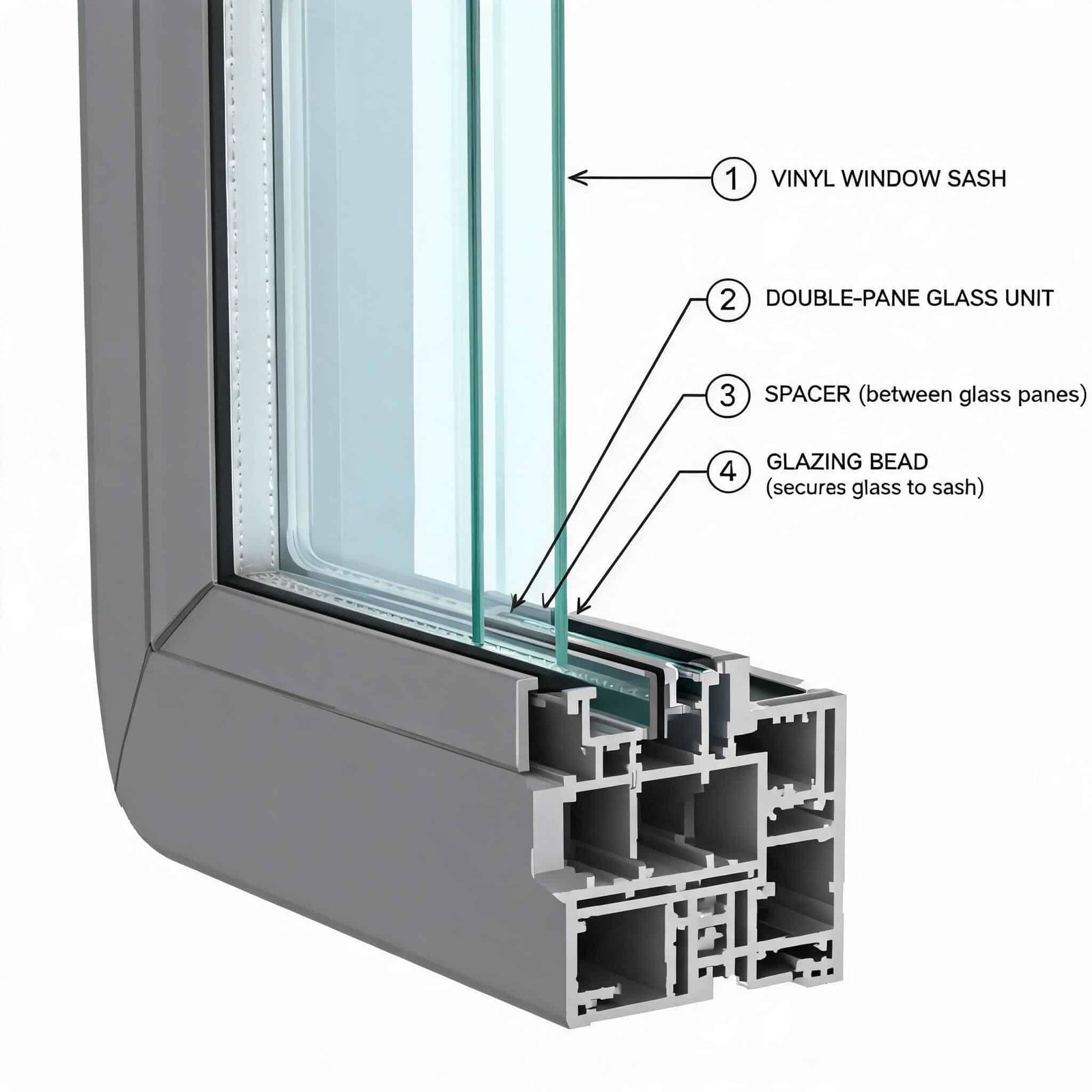
But the vinyl window that left a bad taste 30 years ago has almost nothing in common with a premium, multi‑chambered, fusion‑welded frame produced today. Modern vinyl extrusions can be reinforced with steel or composite beams to match the strength of aluminum, yet they still deliver vastly better thermal performance. Color‑fast acrylic caps, realistic wood‑grain laminates, and deeper frame profiles give a furniture‑quality finish that’s nearly indistinguishable from painted wood—minus the scraping and repainting every few years.
Manufacturers like SUP Window have spent years refining PVC formulations and multi‑point locking systems to the point where vinyl now dominates the mid‑range and even the upper‑mid‑range residential market across North America and Europe. The low‑maintenance promise alone is a powerful resale advantage: many millennial and Gen‑X buyers specifically seek out properties that won’t chain them to a ladder and a paintbrush every spring. When those buyers see low‑care vinyl windows already in place, they mentally add up the thousands of dollars they’ll save on maintenance over a decade of ownership.
Does Vinyl Hurt Appraisals in Premium Neighborhoods?
The concern about vinyl decreasing home value tends to come up most often in historic districts or luxury developments where wood windows are the assumed standard. It’s true that in a century‑old Queen Anne or a strict historic overlay, aluminum‑clad wood or full‑wood sashes may be required by preservation guidelines to maintain architectural character. In those rare scenarios, mismatched vinyl windows could indeed raise a red flag and potentially lower a buyer’s offer because restoration becomes an immediate project.
However, for the vast majority of suburban and urban homes built after 1950, high‑quality vinyl windows are not just acceptable—they are expected. I’ve fielded calls from real estate agents who specifically ask about SUP Window’s thermally efficient lines because their clients demand something that will keep the home warm through Chicago winters without bleeding money through the walls. If you install a premium vinyl product that complements your home’s color palette and trim style, appraisers treat it as a neutral to positive update, on par with a new roof or a modern HVAC system.
The key is selecting the right configuration. A large picture window with slim sightlines, or a custom bay and bow assembly clad in a rich, wood‑grain interior laminate, can elevate a living space dramatically. It’s only when homeowners choose the absolute cheapest white‑on‑white box‑store window—with thick frames that reduce glass area and a shiny, plastic‑like sheen—that the “cheap” perception can creep back in. So the material itself isn’t the culprit; the product grade and installation quality are what truly steer value up or down.
Energy Efficiency: The Hidden Equity Builder
One of the most overlooked ways that are vinyl windows a good investment is through their transparent impact on energy bills. According to the U.S. Department of Energy, heat gain and loss through windows account for 25% to 30% of residential heating and cooling energy use. Premium vinyl frames, especially those with multiple internal air chambers and optional foam insulation, drastically reduce thermal bridging—the process by which heat escapes through the frame material itself. When you pair a well‑engineered vinyl sash with a Low‑E, argon‑filled double or triple glazing, you can easily drop your energy consumption by 15% to 20% annually.
From a resale standpoint, those savings are an invisible but bankable amenity. A buyer who compares two similar homes—one with 15‑year‑old builder‑grade windows and another with Energy Star‑certified vinyl replacement windows—will quickly calculate the utility cost difference. Over a typical five‑ to seven‑year ownership horizon, the energy savings can exceed $1,500 or more. That’s enough to tilt the perceived value of the home by several thousand dollars, even before factoring in the avoided replacement expense. In markets with harsh winters or blazing summers, energy performance practically sells the house itself.
Incentives and rebates amplify the financial case. Many utility companies and state programs offer cash‑back rebates for upgrading to energy‑efficient vinyl windows. When a homeowner can show that the window replacement was partially subsidized and has already generated verified utility savings, buyers feel confident they’re walking into a fiscally efficient home. This tangible documentation of performance often persuades buyers to choose a house with vinyl windows over a comparable property without them.
Safety, Soundproofing, and the Comfort Factor Buyers Remember
Beyond energy, a new generation of vinyl windows addresses two more areas that homebuyers care deeply about: security and noise reduction. Multi‑point locking hardware—often standard on high‑end European‑style tilt‑and‑turn vinyl units—engages the frame at three or more points, drastically increasing resistance to forced entry compared to older sliding or single‑hung windows that rely on a single latch. When I walk buyers through a spec sheet that shows a PAS 24 or similar security rating, I see their posture shift; the window moves from “cosmetic update” to “critical family protection investment.”
Soundproofing also offers a return that doesn’t appear on an appraisal report but absolutely influences sale prices. Laminated glass and tight‑sealing multi‑chamber vinyl frames can cut exterior noise by up to 70%—a feature that transforms a home on a busy street into a serene sanctuary. Urban buyers, in particular, will pay a premium for a home where they don’t have to crank up the TV to drown out traffic. If you’ve invested in quality vinyl windows that deliver a near‑silent interior, that selling point alone often retrieves a good chunk of the original window cost.
Matching Style to Architecture: The Real “Cheap” Factor
When homeowners worry that vinyl will look cheap, they’re usually reacting to a visible mismatch between window style and house design. A colonial‑style home with ornate trims looks off if it’s fitted with ultra‑modern, slab‑white casement windows with no visible frame on the exterior. Conversely, a sleek mid‑century modern house can look stunning with a dark‑bronze vinyl frame that echoes the clean, unbroken lines of the era. So the material itself is rarely the issue—it’s the design choice.
To prevent any value‑draining style clash, focus on two things: profile depth and exterior color retention. Deep, multi‑chambered frames allow a sufficient glass‑to‑frame ratio so the window doesn’t look chunky, and modern color technologies like co‑extruded acrylic capstock or UV‑resistant foils mean even dark‑colored vinyl stays vibrant for decades. Manufacturers can now match historical color palettes, from classic cream to deep forest green, without the risk of peeling or fading. This unlocks vinyl for a much wider range of architectural styles than was possible a generation ago.
I often suggest that homeowners thinking about do vinyl windows look cheap visit a local showroom and physically handle a premium vinyl sample along with a wood sample. Run your fingers over the welded corners and feel the weight of the sash. Open and close it. The difference in craftsmanship between a well‑engineered vinyl window and a flimsy budget import is night‑and‑day tactile, and that quality is what ultimately gets communicated to future buyers when they tour the home.
Cost vs. Value: Breaking Down the Numbers
According to Remodeling Magazine’s annual Cost vs. Value report, a mid‑range vinyl window replacement for an average American home costs somewhere between $20,000 and $25,000, with a return on investment hovering in the high 60% to low 70% range when the home sells. That’s a significantly better percentage than an upscale wood window replacement, which costs more upfront and recoups a smaller fraction because buyers won’t usually pay a dollar‑for‑dollar premium for wood that they’ll have to maintain anyway.
If you frame the decision purely as a financial investment, the math tips in favor of vinyl because the initial outlay is lower and the annual upkeep is practically zero. A homeowner who installs vinyl windows enjoys decades of thermally efficient, no‑paint performance, and when it’s time to sell, they recoup the majority of that cost in a higher sale price and faster transaction. Compare that to wood, where a portion of the upfront cost goes toward a maintenance obligation that the next owner may or may not want to shoulder.
It’s also worth noting that some of the “recoup” happens indirectly through avoided costs. A home with drafty windows often needs to spend a couple hundred dollars more per year on HVAC wear‑and‑tear, filter replacements, and humidity-related damage. Modern vinyl windows reduce that system strain, which translates into lower maintenance on furnaces, air conditioners, and even flooring and furniture that might otherwise degrade from excessive moisture or UV exposure. These cumulative savings grow the financial cushion that makes the window investment feel smaller with each passing season.
Beyond the Resale Price: Faster Sales and Multiple Offers
Home value isn’t measured solely by the final sale price. A property that sits on the market for 60 or 90 days carries its own costs: mortgage payments, utilities, insurance, and the mental weight of keeping the home constantly show‑ready. Homes with recent, high‑quality window replacements tend to attract more showings and often sell faster because buyers perceive the whole house as well‑maintained. A “move‑in ready” label gets applied more readily when the windows are clearly new.
In competitive markets, sellers have reported receiving multiple offers that escalate above asking price because the home stood out as requiring the least amount of immediate work. While you can’t attribute every additional dollar to the windows alone, it’s accurate to say that vinyl replacement windows act as a powerful deal‑clincher. They offer a visual signal that the home has been cared for and that the owner invested in long‑term quality—not cosmetic quick fixes.
Real estate agents I’ve collaborated with say that in neighborhoods where most homes still have original 1970s aluminum or wood windows, a property that has already absorbed the headache and expense of a full vinyl retrofit instantly jump‑aheads in the buyer’s shortlist. That competitive edge translates directly into financial leverage at the negotiation table.
The Future‑Proofing Argument: Homes Built for Tomorrow’s Buyers
Energy codes and buyer expectations aren’t getting any less strict. The International Energy Conservation Code (IECC) continues to raise the bar for U‑factors and air‑leakage standards in new construction and renovations. Homeowners who install high‑performance vinyl windows today are essentially future‑proofing their property against a time when poorly insulated windows become a visible liability on inspection reports. This is particularly relevant in states that require energy audits or disclosures during real estate transactions.
Vinyl’s inherent longevity—galvanized steel reinforcements, fusion‑welded joints, and fade‑resistant surfaces—means a high‑quality installation will still look and perform well a decade or two down the road, right when you might be considering a sale. That durability shuts down the buyer’s inner negotiator from asking for a “window credit” at closing. In essence, you’re removing a bargaining chip from the other side of the table, which is money in your pocket just as surely as a higher asking price.
Finally, environmentally conscious buyers increasingly view vinyl windows more favorably because of their insulation properties and long service life, which reduce overall energy consumption. Many premium PVC formulations are now 100% recyclable at the end of their lifespan, a point that resonates with younger buyers who scrutinize a home’s carbon footprint. The green cachet further elevates vinyl from a “value product” to a responsible, modern choice that contributes positively to the home’s overall appeal.
Frequently Asked Questions
Will cheap vinyl windows lower my home’s appraisal?
In most cases, an appraiser won’t deduct value simply because windows are vinyl, but if the installation is obviously low‑grade—with misaligned frames, fogged glass, or extreme color fading—it could be flagged as a defect. The material matters less than the condition. Any window that’s visibly failing will hurt your home’s value.
Do I need to replace all my windows at once to see a resale benefit?
No, but a consistent look across the home matters. Replacing only the front elevation with premium black vinyl windows while leaving the back with faded 40‑year‑old aluminum frames creates a disjointed appearance that astute buyers will notice. If budget is tight, phase the work but stick to the same product line and color to maintain visual continuity.
What should I look for when buying vinyl windows to protect resale value?
Seek out multi‑chamber extrusions, fusion‑welded corners, a reputable hardware brand (like Roto or Truth), and an Energy Star label for your climate zone. Frame reinforcements made of steel or a composite material add long‑term structural stability. These features tend to distinguish windows that add value from those that might detract.
Do vinyl windows work in historic preservation districts?
Some districts allow look‑alike vinyl windows if the profile and exterior finish match the historic standard. Always check local guidelines before purchasing. Where strict material‑original‑only rules apply, you’ll need wood or aluminum‑clad wood to maintain property value and avoid fines.
How long do vinyl windows typically last?
Premium vinyl windows can last 25 to 40 years or more with minimal maintenance. UV‑resistant capstock and robust weatherstripping prevent the yellowing and air‑leakage issues that plagued earlier generational products. The longevity itself adds to resale value because buyers don’t face an immediate re‑replacement expense.
Are there specific colors that add more value?
Neutral, timeless colors such as white, beige, and bronze tend to appeal to the widest buyer pool. Bold, trend‑driven colors might look fantastic today but can date a home quickly. If you want a dramatic exterior, opt for a dual‑finish window that offers a dark exterior and a light, neutral interior, so future buyers have an easier time decorating around it.