The Blackout Isn’t the Problem—Your Windows Are
When Dominion Energy customers in Virginia and the Carolinas suddenly lose power during a July heat wave or January polar vortex, the panic is real. No AC. No furnace. No fans. And within hours, indoor temperatures become unbearable—or dangerous. But here’s the brutal truth most homeowners miss: the grid failure isn’t what makes you suffer. It’s your windows.
Standard builder-grade windows are thermal disasters. Single-pane or cheap double-pane units with air-fill gas and no low-e coating? They turn your house into a solar oven in summer and a walk-in freezer in winter. When the power goes out, those windows become giant heat exchangers, dumping your carefully maintained indoor air straight into the backyard.
I’ve been in this industry for 15 years, and I’ve seen families trapped inside 95°F homes with no escape. The solution isn’t a generator or more insulation—it’s upgrading to high-performance Low-E glazing that works passively, 24/7, regardless of what Dominion’s grid is doing.
Why Low-E Windows Are Your Passive Thermal Lifeline
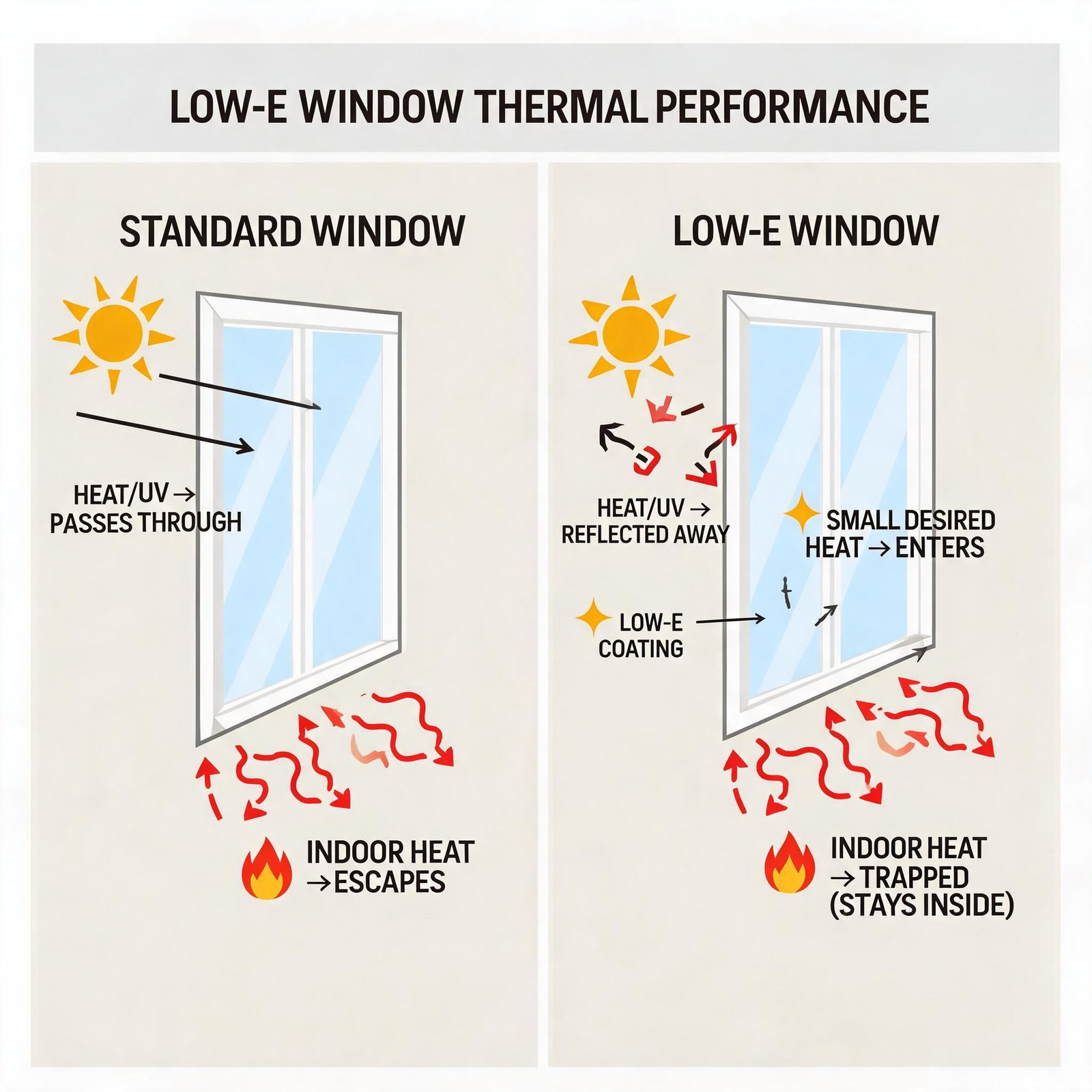
Let’s talk physics. Heat moves through windows three ways: conduction, convection, and radiation. Low-E (low-emissivity) coatings address the most insidious one—radiant heat transfer.
A standard clear window has an emissivity of about 0.84, meaning it absorbs and re-radiates 84% of the heat hitting it. A quality hard-coat Low-E coating drops that to 0.04 or lower. That’s a 95% reduction in radiant heat transfer—passively, with zero electricity.
The Critical Numbers You Need to Know
U-factor: This measures how well a window prevents heat from escaping. For passive survivability during a blackout, you want U-factor at 0.30 or lower. Our high-performance energy-efficient vinyl casement windows achieve U-factor as low as 0.27 with triple glazing and Low-E coatings. That means even when your furnace is dead, your house loses heat 70% slower than standard windows.
SHGC (Solar Heat Gain Coefficient): This measures how much solar radiation passes through. For summer blackout survivability, you want a moderate SHGC—around 0.30 to 0.45—to keep solar heat out while still allowing daylight. Too low, and you lose natural warming in winter. Too high, and your home becomes an oven the moment the AC dies.
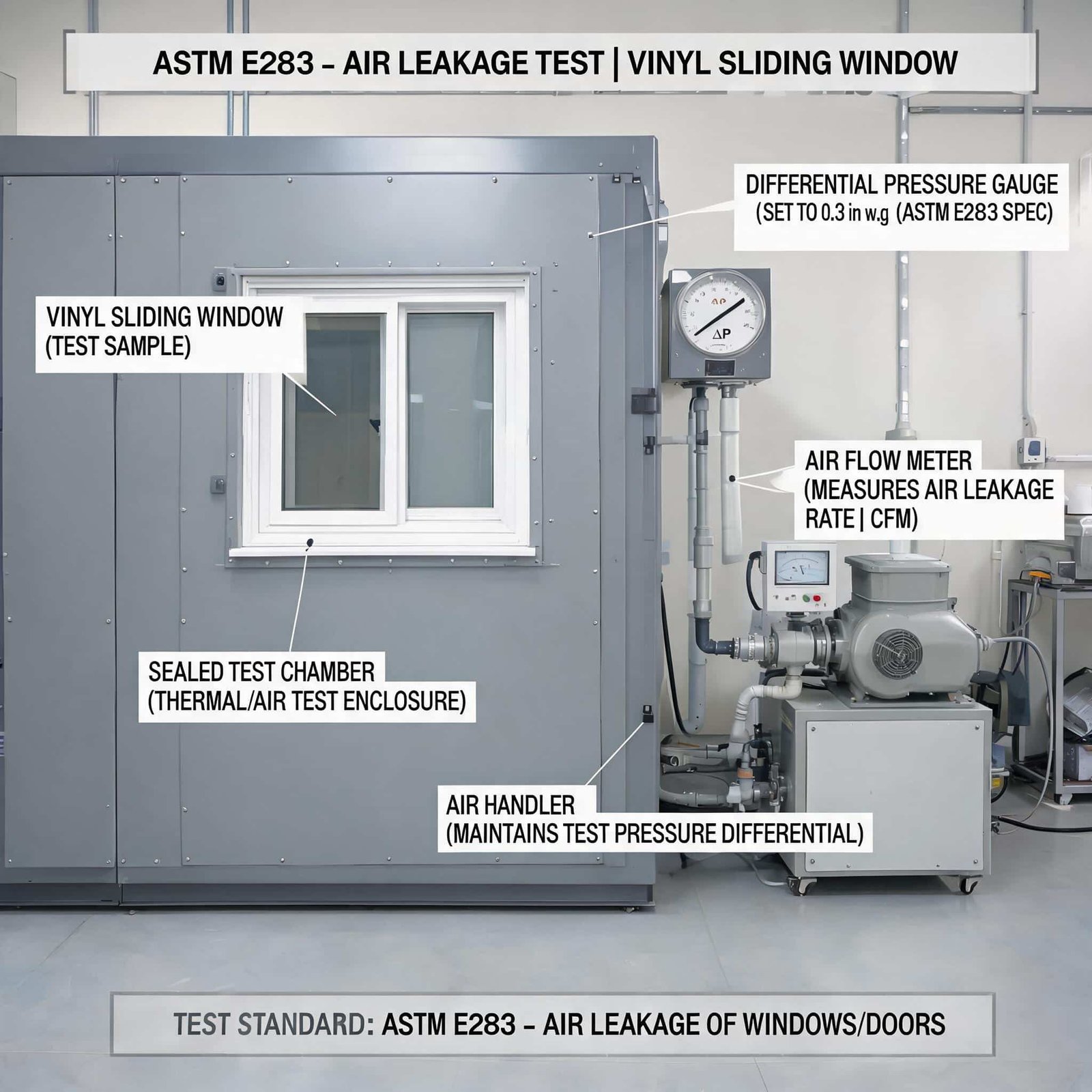
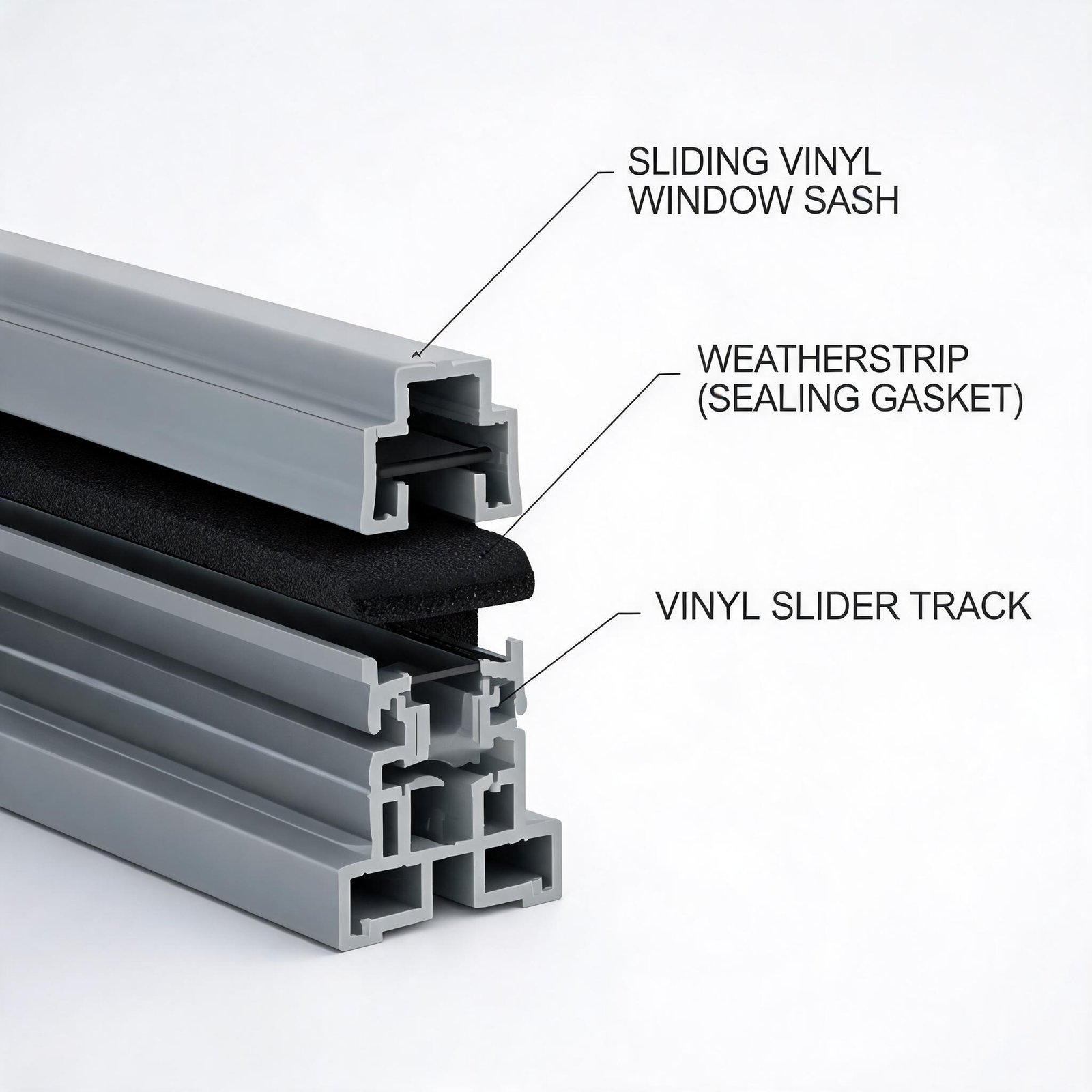
Air Infiltration: This is the silent killer. Many mass-market windows leak 0.30 cubic feet per minute or more per linear foot of sash. When the power’s out, drafts are your enemy. Our windows are engineered for air infiltration rates below 0.05 cfm/ft²—essentially airtight.
The Thermal Bridging Problem
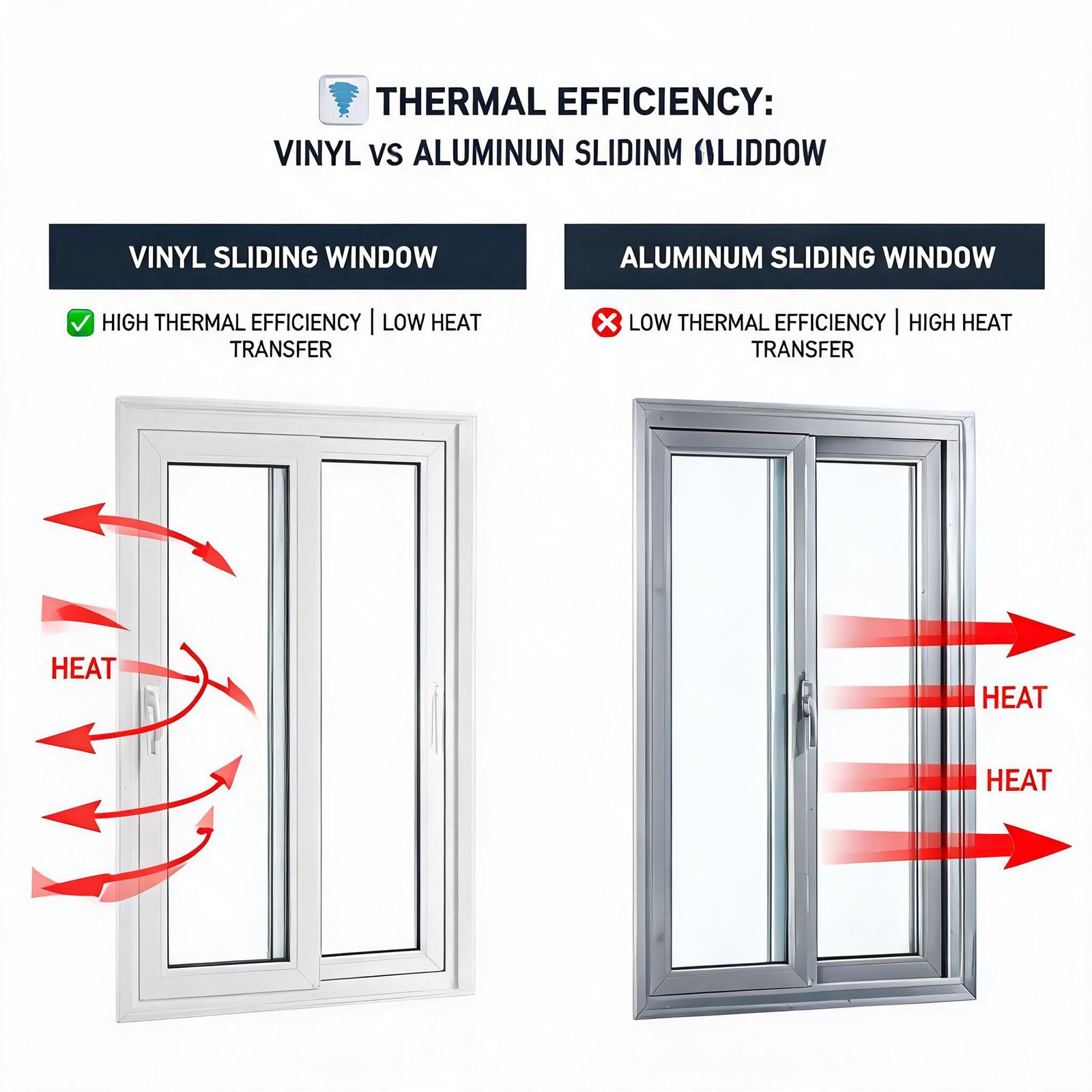
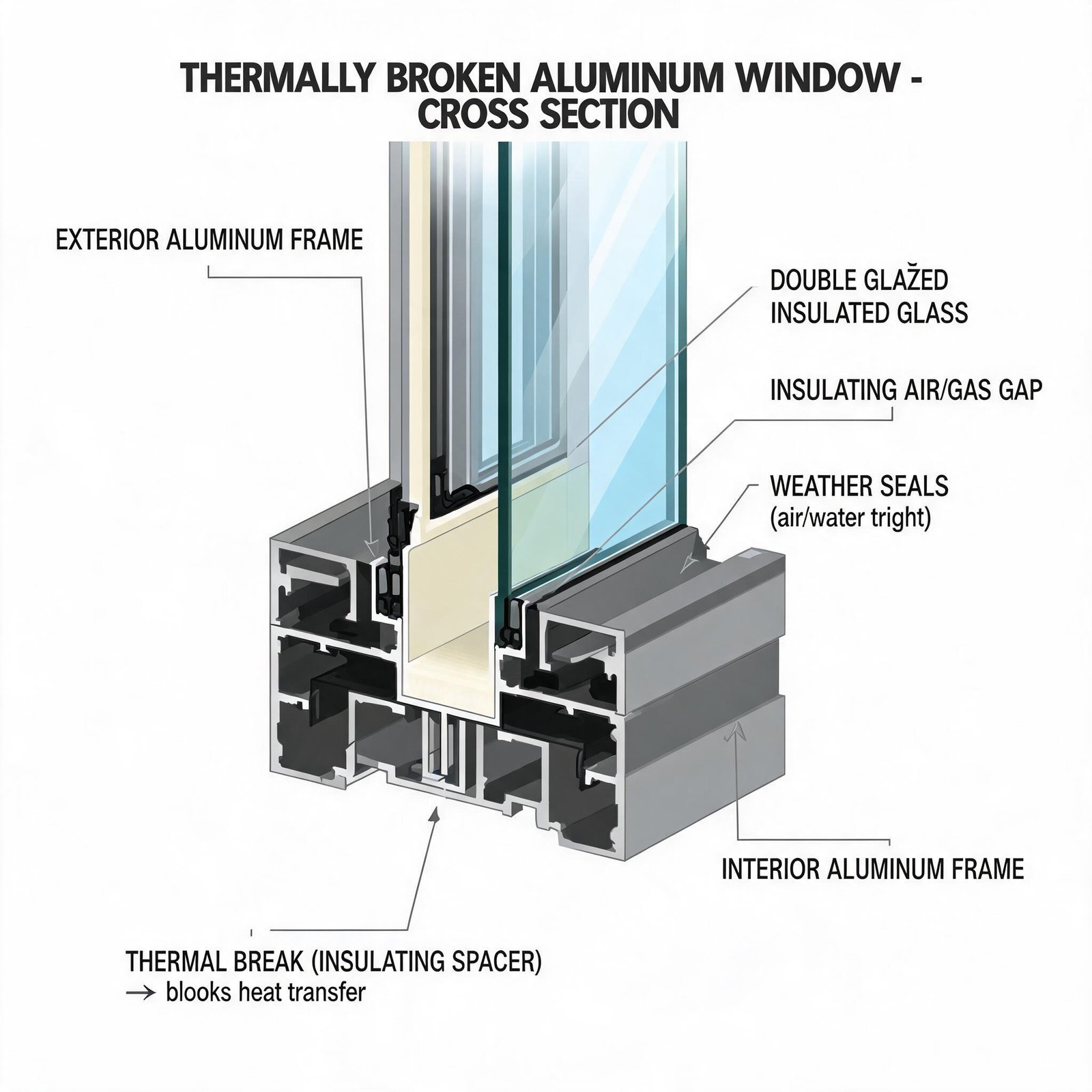
Most cheap windows have aluminum frames that act as thermal bridges—metal pathways that conduct heat directly from outside to inside. When Dominion cuts power, those aluminum frames become heat superhighways. Our thermally broken aluminum line uses polyamide strips to break that connection, delivering U-factor improvements of 40% over non-thermal-break frames.
The Dirty Secret Big Brands Won’t Tell You
Here’s where I get blunt. I’ve installed windows from every major manufacturer in this market, and there’s a dark side to the Low-E story that mass-market brands pray you never discover.
Soft-coat Low-E coatings degrade. Period. Many manufacturers use soft-coat (sputtered) Low-E because it’s cheaper to apply. But soft-coat layers are delicate—they oxidize, scratch, and lose performance over time, especially in moisture-prone climates like the Mid-Atlantic. Within 5-8 years, you’ve lost 30-50% of your thermal performance. That’s a death sentence when the grid fails.
Hard-coat (pyrolytic) Low-E is applied during the glass manufacturing process at high temperatures. It’s fused into the glass surface, making it virtually indestructible. It lasts 30+ years with minimal degradation. Superwindowhouse specs hard-coat Low-E as standard on all our energy-efficient lines—because when Dominion blackouts hit, I want your windows delivering full performance today, next year, and a decade from now.
Another dirty trick: U-factor games. Some brands advertise “Low-E” but pair it with single-pane glass or thin air gaps. They meet minimum code requirements but fail miserably under passive survivability scenarios. Always ask for the NFRC (National Fenestration Rating Council) label. Look at both U-factor AND visible transmittance (VT). A window with U-factor 0.35 but VT 0.30 is sacrificing natural light for thermal performance—not ideal for blackout scenarios where you need daylight.
Superwindowhouse’s Industrial-Grade Solution for Dominion Customers
When Dominion Energy customers face extended power outages, they need windows that work with the building’s thermal mass, not against it. Here’s how our product lineup delivers:
For Summer Blackout Survivability (Dominion’s Peak Demand Season)
The energy-efficient vinyl sliding windows from Superwindowhouse feature dual-chamber argon-filled Low-E glazing with a U-factor of 0.28. The combination of low air infiltration and high solar rejection means your home stays 10-15°F cooler inside during a blackout than homes with standard windows. No generator required.
For Winter Blackout Protection (The Polar Vortex Scenario)
Our high-performance vinyl casement windows achieve U-factor as low as 0.27 with triple-pane Low-E and krypton gas fill. In a Dominion blackout during January, these windows reduce heat loss by over 70% compared to standard double-pane units. Your family’s body heat and any passive solar gain stay inside—literally living in a better envelope.
The Installation Difference Most Contractors Ignore
A Low-E window is only as good as its installation. Every seal, every flashing flange, every thermal break matters. We provide full shop drawings and engineering support to contractors. We don’t just ship windows—we partner on the envelope performance.
B2B Practical Guide: Specifying Windows for Passive Survivability
Q: How do I verify a window’s actual passive survivability performance?
A: Never trust marketing claims. Pull the NFRC label (required by code). Look for U-factor ≤ 0.30 and SHGC between 0.25-0.45 depending on your climate zone. Our Virginia and Carolina clients consistently spec our windows because we provide certified NFRC data for every unit—no games.
Q: What about rough opening measurements for retrofit?
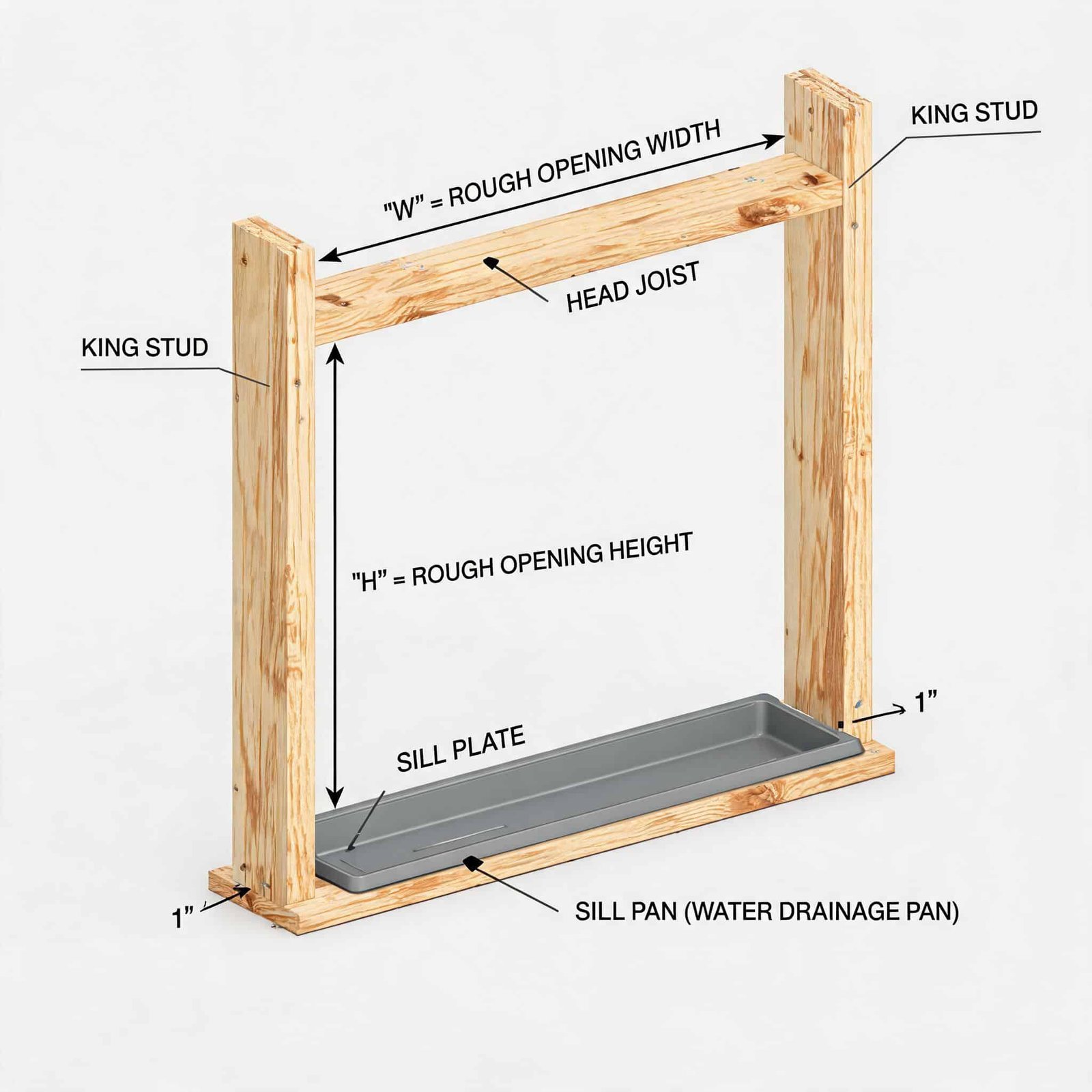
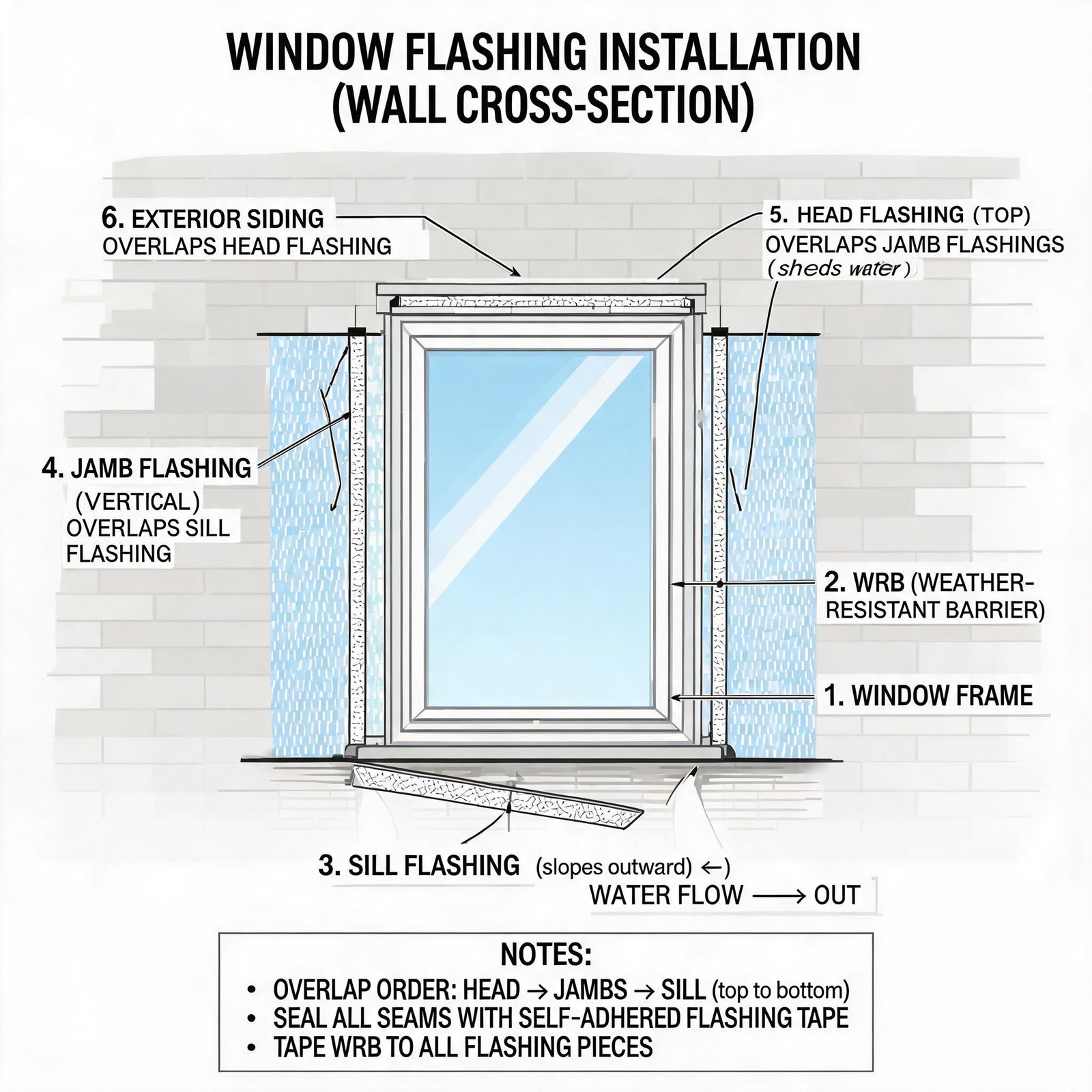
A: Measure the actual opening—don’t trust old plans. Subtract 3/8″ on each side for shimming. For flashings, use a self-adhered flexible flashing tape that bonds to both the window flange and the weather-resistive barrier. Most failures happen at the sill corner—extend flashing at least 6″ up the jambs. Superwindowhouse windows come with pre-installed nail fins that integrate seamlessly.
Q: Can Low-E windows qualify for Dominion rebates or tax credits?
A: Yes, but only if the windows meet ENERGY STAR Most Efficient criteria. Our entire vinyl and thermally broken aluminum lines qualify. Ask for the specific NFRC certificate—Dominion often requires it for their energy efficiency rebates. We provide that documentation with every shipment.
Q: What’s the upgrade cost vs. long-term blackout protection?
A: Expect to pay 15-25% more for genuine hard-coat Low-E triple-glazed windows vs. standard double-pane. But factor this: one extended 3-day Dominion blackout in a 90°F July can cost $2,000-$5,000 in spoiled food, hotel stays, and medical issues for vulnerable family members. The windows pay for themselves in the first major outage.
The Bottom Line
Dominion power outages aren’t going away. The grid is aging, demand is rising, and extreme weather is the new normal. Your windows are the single most impactful passive system in your home. Not generators. Not solar panels. Not insulation alone. The windows. When the lights go out, your Low-E windows become your thermal lifeline. Superwindowhouse builds the industrial-grade glazing systems that turn a terrifying blackout into a manageable inconvenience. Don’t wait until Dominion cuts power next July—upgrade now, while the grid is still working. Your family’s comfort—and safety—depends on what’s between you and the outside. Make sure it’s more than cheap glass.