The Physics of Failure—Why Mass-Market Windows Let You Down Under Seismic Loads
Lateral Forces and Frame Distortion
Let’s talk about what really happens when an earthquake hits a standard window. The building sways, the rough opening deforms from a perfect rectangle into a parallelogram. A conventional vinyl or aluminum frame, with minimal bracing and thin-walled extrusions, can’t resist this distortion. The result? The sash pops out of its tracks, the glass cracks under compressive stress, and the entire unit becomes a liability.
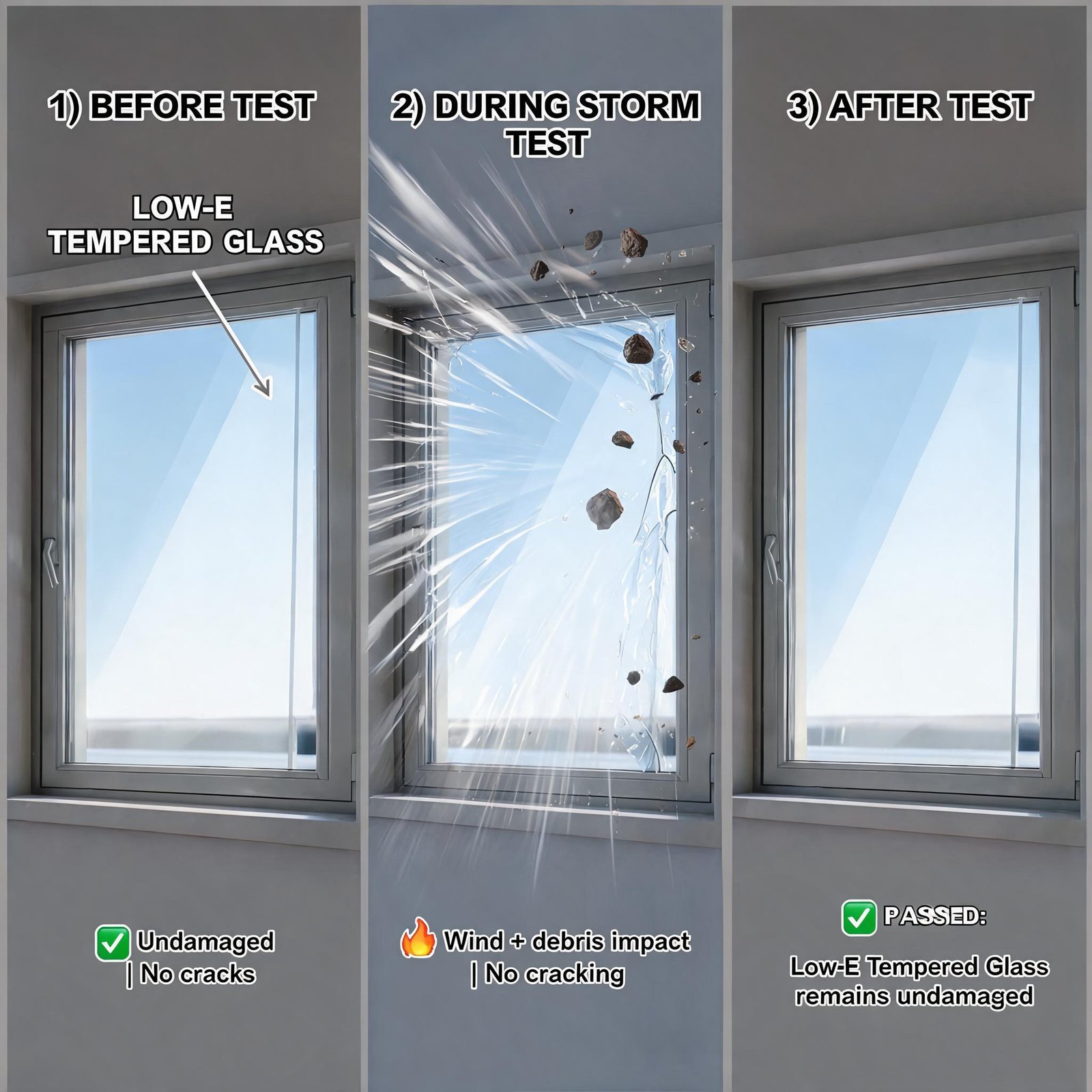
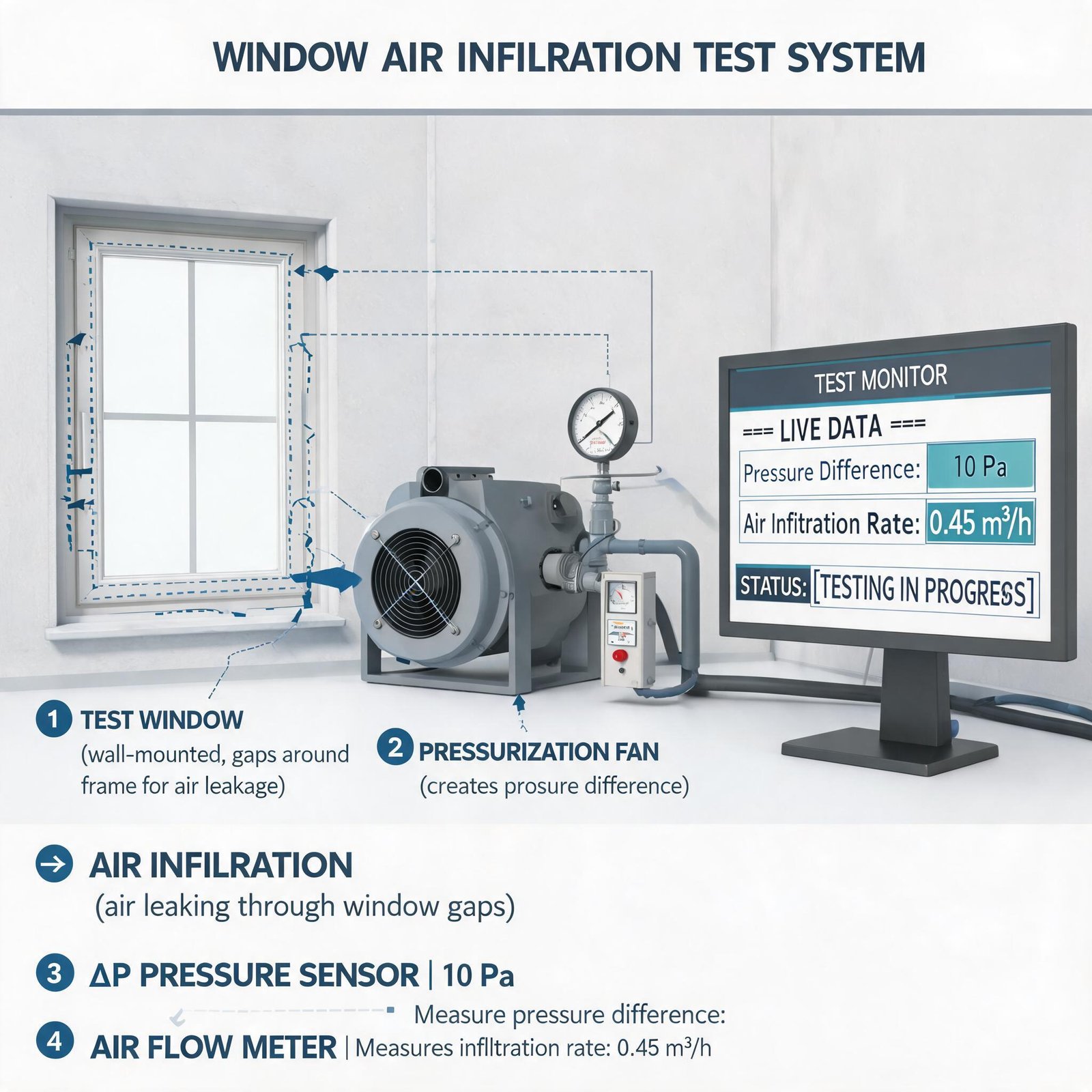
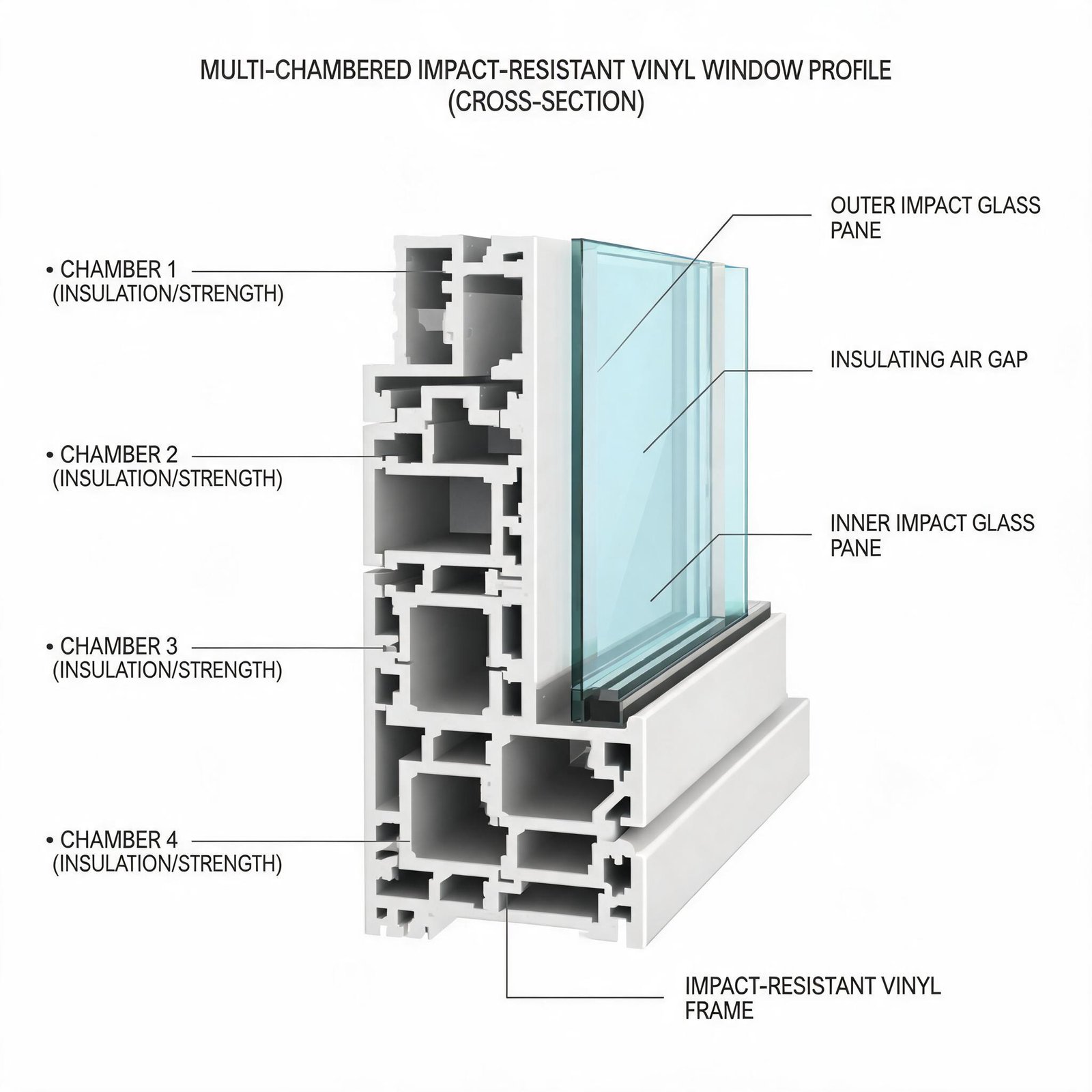
From an engineering standpoint, the critical parameter here is air infiltration and structural deflection. A properly engineered impact-resistant window, by contrast, uses multi-chambered frames and reinforced sashes that maintain their geometry even under extreme racking loads. The PVB (polyvinyl butyral) interlayer in laminated glass—a technology borrowed from windshields and hurricane zones—holds shattered fragments together, maintaining a barrier even after impact.
Code Alignment and Performance Standards
If you’re working in Maryland, you should be paying close attention to AAMA (American Architectural Manufacturers Association) certification and NFRC (National Fenestration Rating Council) ratings. Post-disaster, insurance adjusters and building inspectors will scrutinize your replacement choices. A window that doesn’t meet minimum design pressure (DP) ratings for your specific wind zone—or worse, lacks independent NFRC labeling—could trigger failed inspections and denied claims.
Impact-resistant windows designed for hurricane-prone regions (DP50 or higher) naturally excel in seismic retrofit scenarios because they’re tested for dynamic pressure cycles and missile impact. The same principles that stop a 2×4 at 50 mph will protect against debris shaken loose by an aftershock.
The Dark Side of Big-Box Retail—What the Major Brands Won’t Tell You
The “Good Enough” Trap
I’ve been inside enough warehouse stores and big-box lumberyards to recognize the marketing gloss. Major brands push “energy efficiency” and “low maintenance,” but their silence on structural resilience is deafening. Here’s the inside scoop:
- Soft-coat Low-E degradation: Many mass-market windows use soft-coat Low-E coatings applied to the interior surface of the glass. Under thermal cycling and humidity—conditions aggravated by a broken seal after an earthquake—these coatings can delaminate within 5-7 years. You’ll lose 30-40% of your insulating performance without ever seeing a crack.
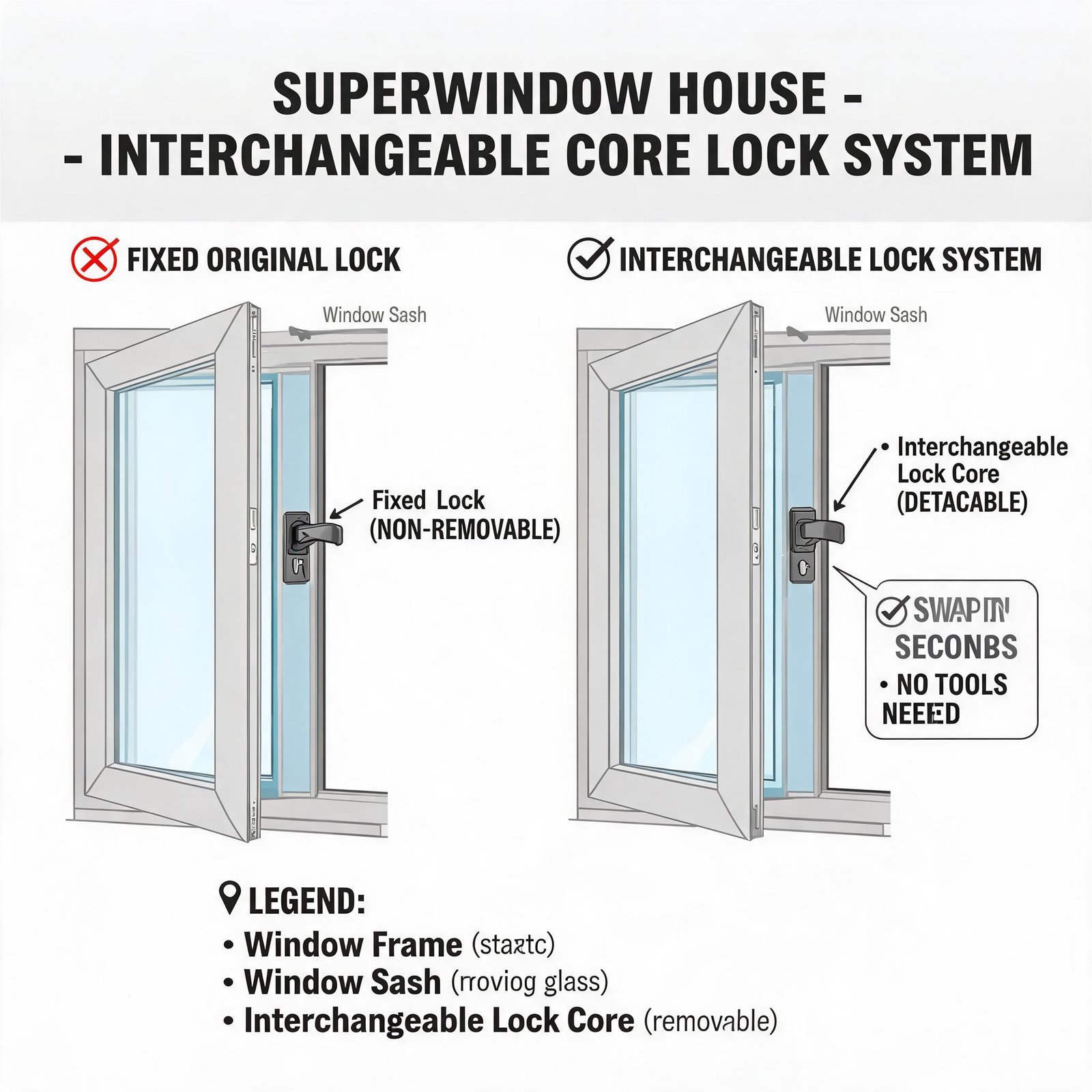
- Weak multi-point locks: A “multi-point locking system” on a $200 builder-grade window is often a marketing gimmick. The locking points are small, plastic-tipped hooks with minimal engagement depth. Under seismic vibration, they simply shear off.
- Retrofit complexity: Most big-box vendors have zero on-site engineering support. You order a standard size, wait 6-8 weeks for delivery, and then pray it fits your out-of-square earthquake-damaged opening. Spoiler: It won’t.
The Installation Nightmare
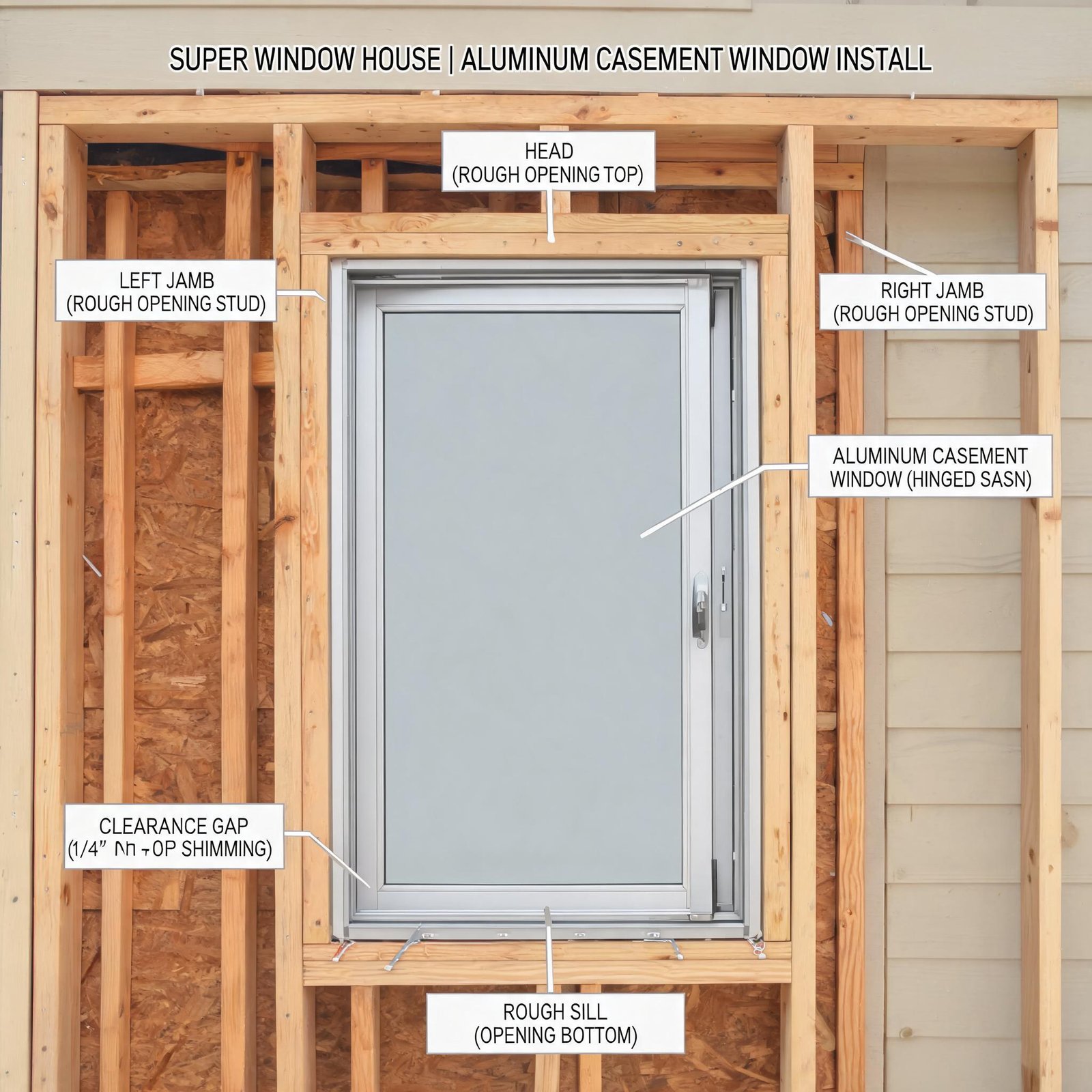
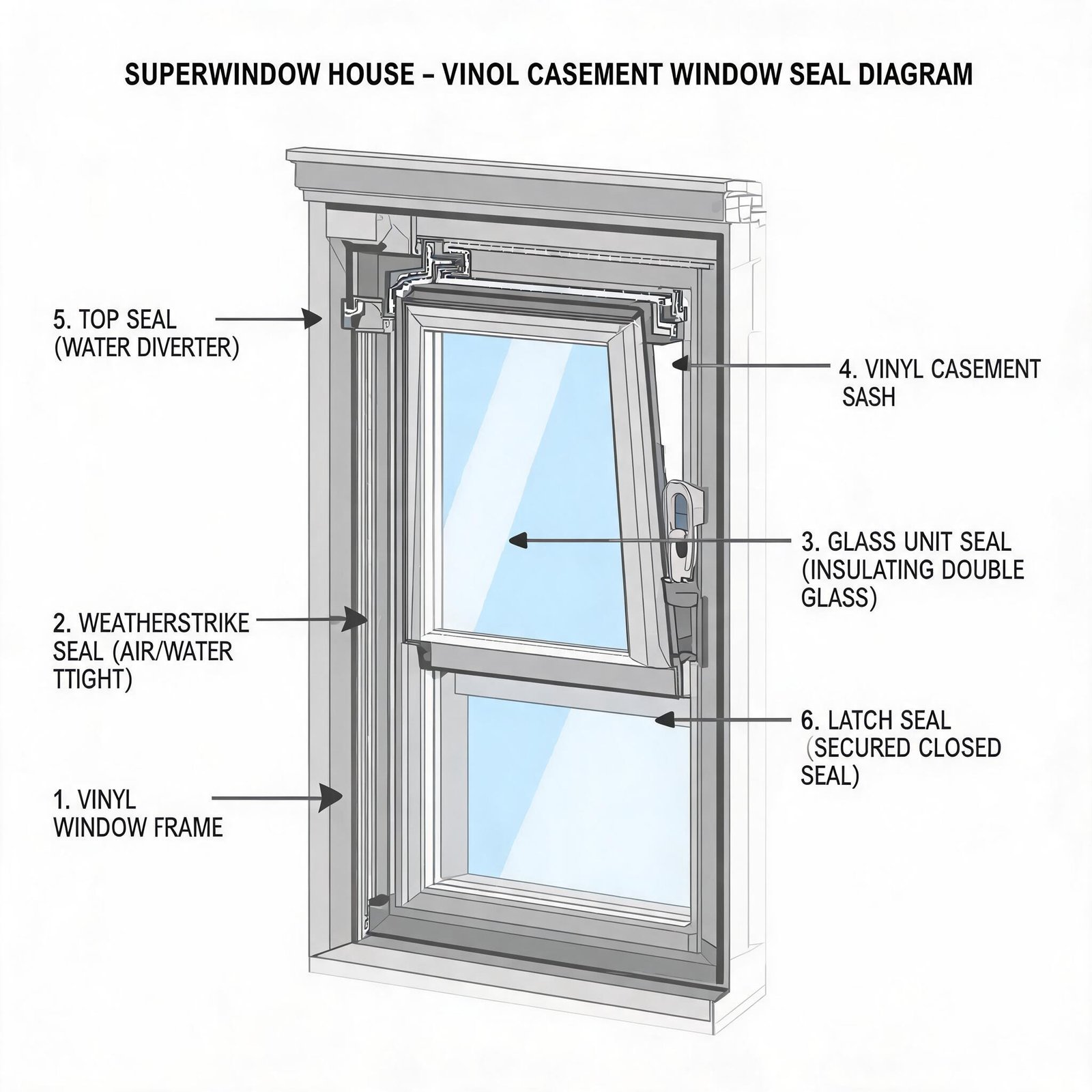
A window is only as good as its installation. Post-earthquake, your rough openings are likely warped. Typical flashing details (pan flashings, membrane-integrated nail fins) assume a plumb, square frame. When the opening is off by 1/4 inch—which is common after seismic settling—standard windows force you to shim aggressively, creating gaps that defeat airsealing and water management.
Experienced general contractors know this: “Flash and forget” is the enemy. A proper retrofit demands a window with an integrated nail fin (flashing flange) that can be mechanically fastened and fully taped to the weather-resistive barrier (WRB). If your window lacks this, you’re inviting rot and mold within two years.
Superwindowhouse’s Complete Retrofit Solution—Speed Without Sacrificing Strength
When the dust settles—literally—you need a partner who can deliver engineered solutions, not just off-the-shelf “stock” windows. This is where Superwindowhouse’s full product ecosystem steps in.
Impact-Resistant Windows Engineered for Seismic Zones
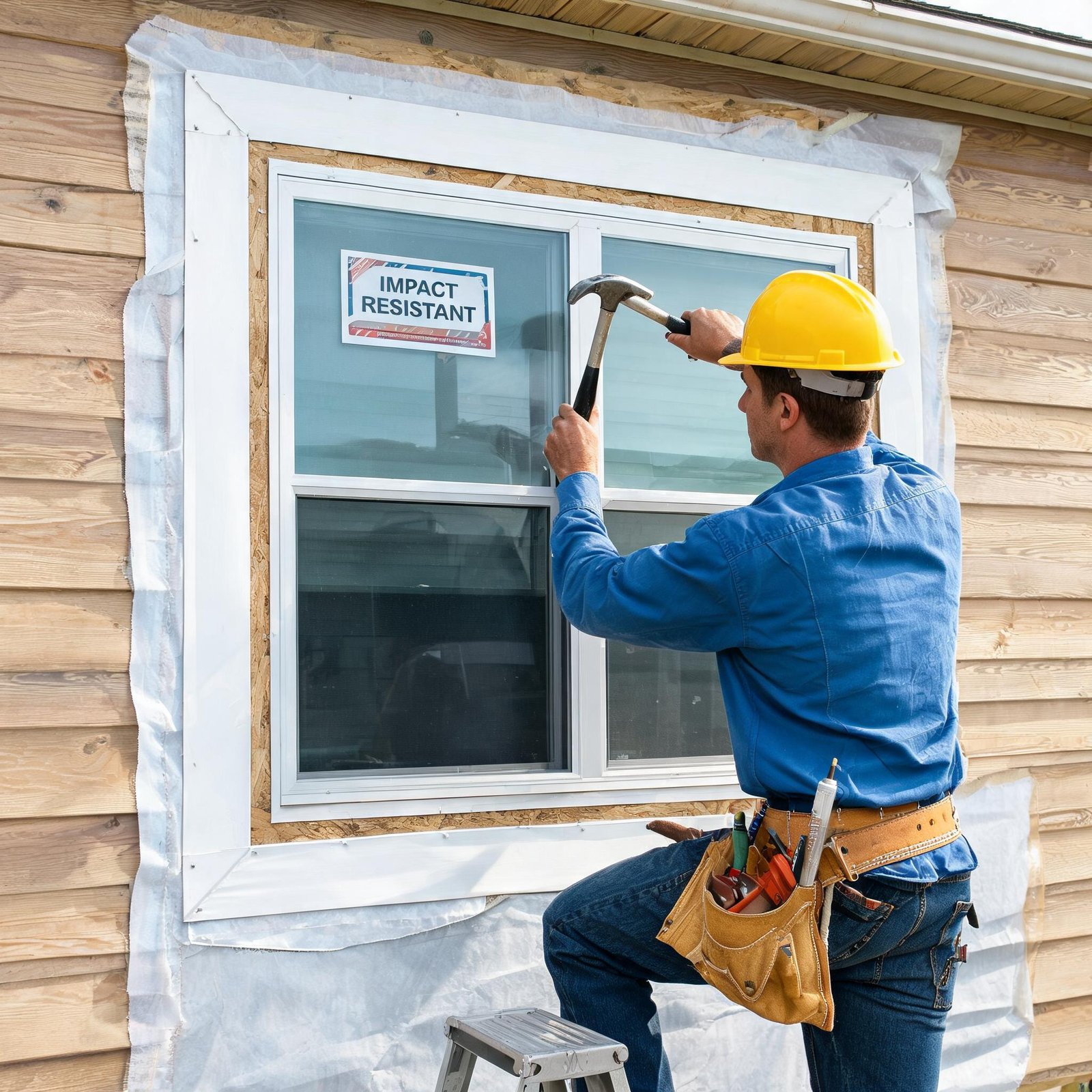
Our Impact-Resistant Storm Hung Windows are built with heavy-gauge aluminum frames and fully laminated PVB glazing. The multi-point locking system uses hardened steel shootbolts that engage directly into a reinforced keeper plate—not flimsy plastic hooks. This creates a continuous mechanical lock around the perimeter, dramatically increasing resistance to forced entry and seismic racking.
Key parameters:
- Design Pressure (DP) rating: Up to DP60 (exceeds most hurricane-zone requirements)
- U-factor: As low as 0.30 (NFRC certified)
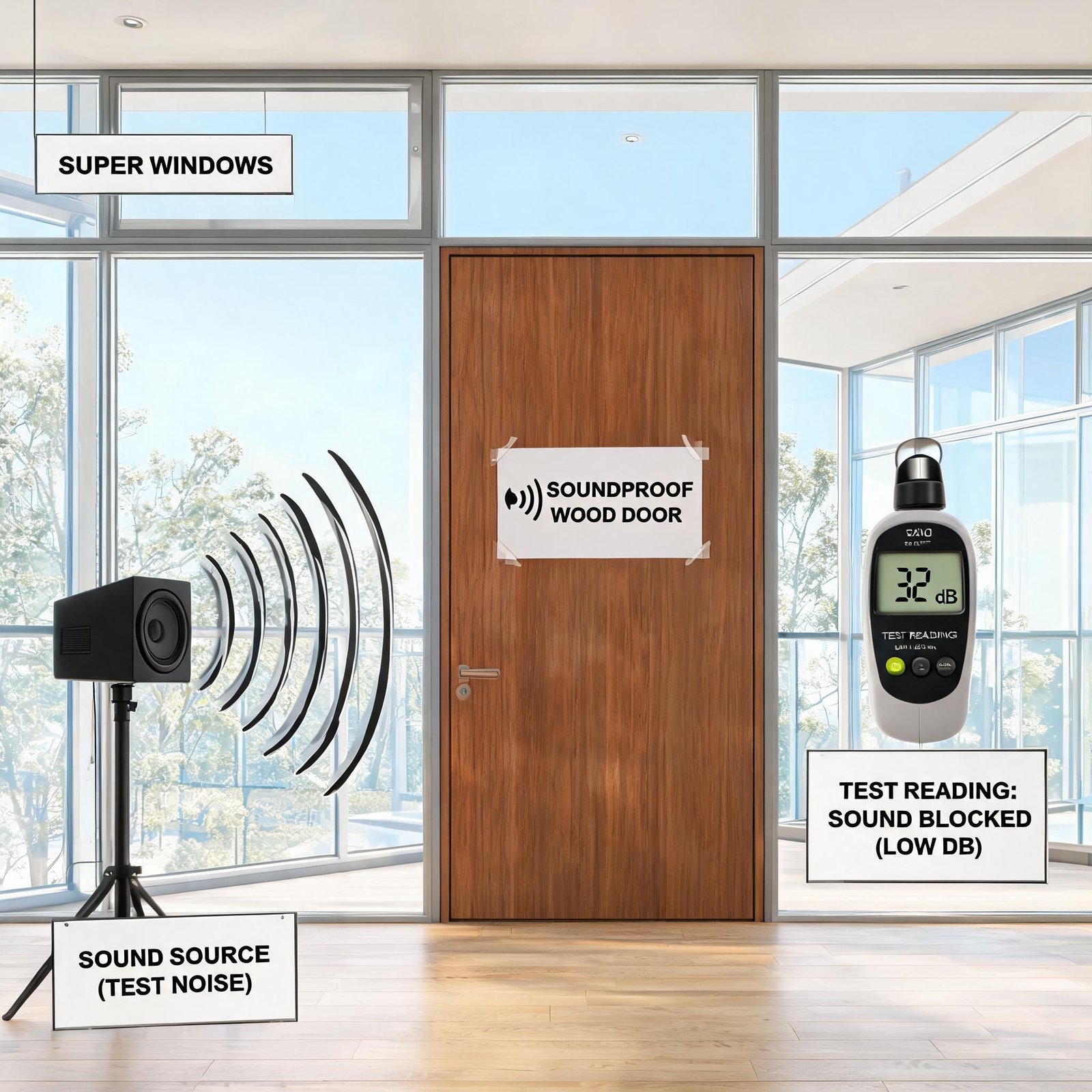
- STC rating: Up to 38 (significant noise reduction, a bonus for nervous homeowners)
- Air infiltration: <0.04 cfm/ft² (impervious to post-earthquake drafts)
For homeowners who prefer a sliding window aesthetic, our Energy Efficient Vinyl Sliding Windows are no slouch either. They feature dual-pane glass, warm-edge spacers, and a deep interlock system that prevents sashes from lifting out of their tracks—a common failure mode during shaking.
Rapid Retrofitting—How We Reinforce Existing Openings
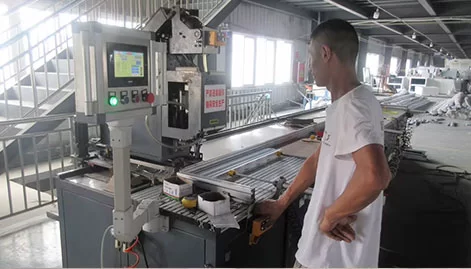
We don’t just sell windows. We provide full shop drawing support and dimensional coordination for earthquake-damaged openings. Our team can measure your out-of-square rough opening, design custom shimmed expansion frames, and deliver within 2-3 weeks—not 8.
For retrofits where full replacement isn’t immediately feasible (historical districts, condos with aesthetic restrictions), we offer retrofit reinforcing kits: Add-on aluminum stiffeners that bolt into the existing frame, upgrading the locking engagement and glass retention without altering the interior finish.
Beyond Windows—Securing the Entire Building Envelope
An earthquake doesn’t just break windows. It can rack door frames, causing interior doors to bind or swing open. If you’re doing a full post-disaster service, consider our Interior Wood Doors —crafted with engineered cores that resist warping even after structural settling. For exterior sliders, our Vinyl Sliding Patio Doors feature impact-resistant glass and heavy-duty rollers that maintain smooth operation even on misaligned tracks.
B2B Field Guide—3 Hard-Hitting Questions Contractors Must Ask Before Ordering Post-Earthquake Windows
Q1: How Do I Verify the Rough Opening is Measurable When the Frame Is Crushed?
Answer: Don’t rely on the existing window’s dimensions. If the frame is visibly distorted, cut it out professionally and measure the structural opening (stud-to-stud, header-to-sill) with a laser level. Report the minimum and maximum dimensions to us. We’ll design a custom unit that fits the largest dimension and includes adjustable shim channels for the smaller side.
Q2: What’s the Single Most Common Flashing Mistake in Earthquake Retrofits?
Answer: Skipping the jamb-to-sill transition. In a standard install, the sill pan extends up the jambs. After an earthquake, the jamb may have shifted laterally, exposing the corner. We recommend a fully integrated nail fin with pre-applied butyl tape at all four sides, plus a metal Z-closure at the sill. Never use caulk as a primary water barrier.
Q3: How Do I Know the New Window Is Truly Impact-Resistant and Not Just “Tempered”?
Answer: Check for a permanent laminated interlayer (PVB or SentryGlas) in the glass. Tempered glass alone shatters into small cubes but does not remain bonded. Impact-resistant glass must pass ASTM E1886/E1996 testing—ask for the certification report. Superwindowhouse provides independent test documentation with every DP50+ order.
Conclusion—Don’t Wait for the Aftershock
The earthquake in Bel Air, MD, was a wake-up call. Standard windows failed. Homeowners are scared. Contractors are scrambling for solutions that won’t fail again. This is your moment to differentiate: offer engineering, not just products.
Superwindowhouse stands ready with inventory, fast custom fabrication, and field-tested technical support. Whether you need a single unit for a worried homeowner or 50 windows for a damaged townhouse complex, we deliver the specs that matter: impact-resistant glazing, steel-hardened locks, and NFRC-certified performance.
Stop patching. Start fortifying. Contact Superwindowhouse today for a rapid retrofit quote and same-day technical consultation.
Internal links used in this article: