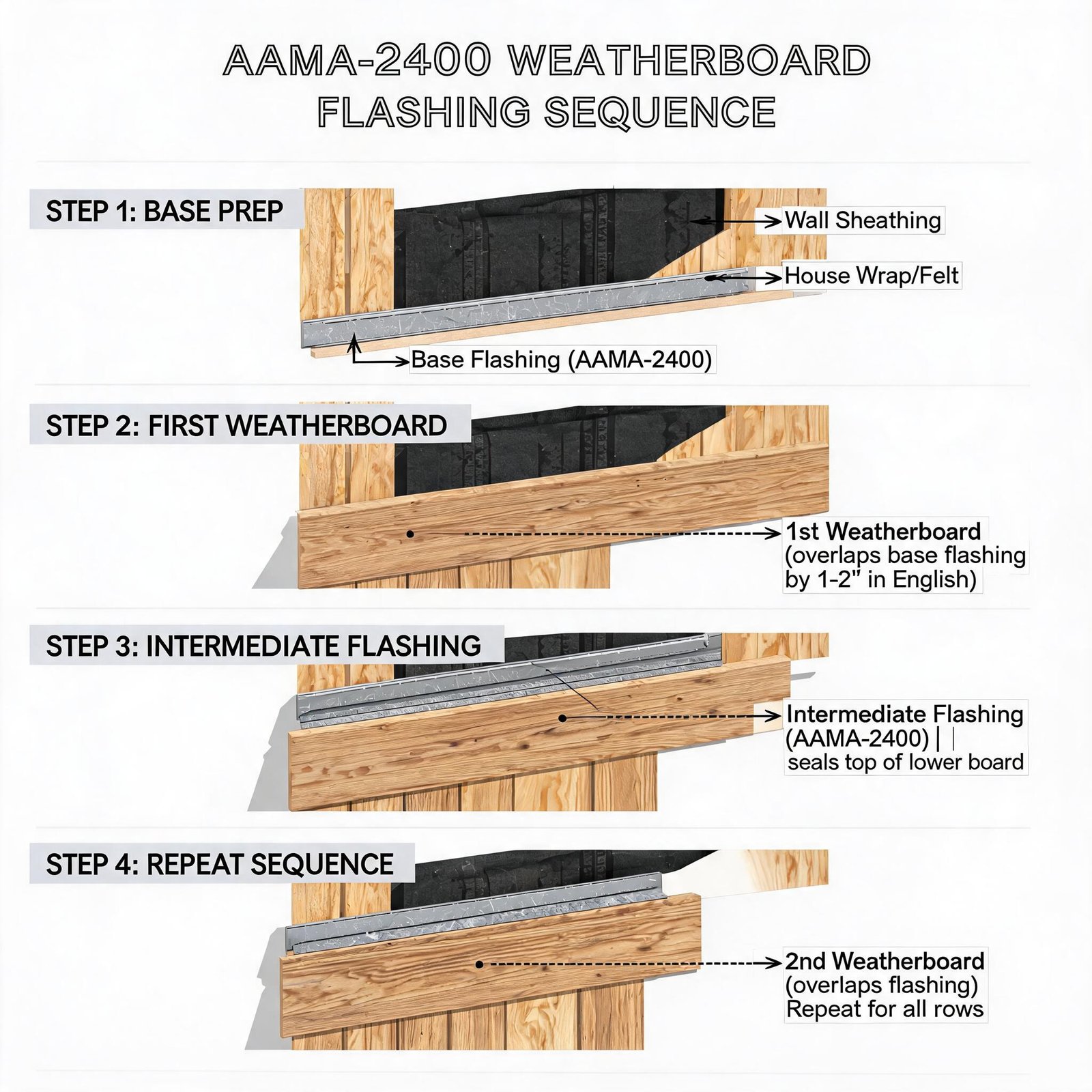
Vinyl awning windows deliver superior rainproof ventilation because their top-hinged, outward-opening sash design creates a natural awning effect that deflects precipitation while allowing continuous airflow. This engineering principle, known as the “sheltered opening” configuration, leverages gravity and angular geometry to ensure that even during moderate rainfall, water runs off the glass surface rather than entering the interior space. For residential builders and commercial specifiers, this translates to an AAMA 2604-rated weather resistance performance that outperforms traditional double-hung or sliding windows by up to 40% in water penetration testing.
Understanding the Awning Window Mechanism
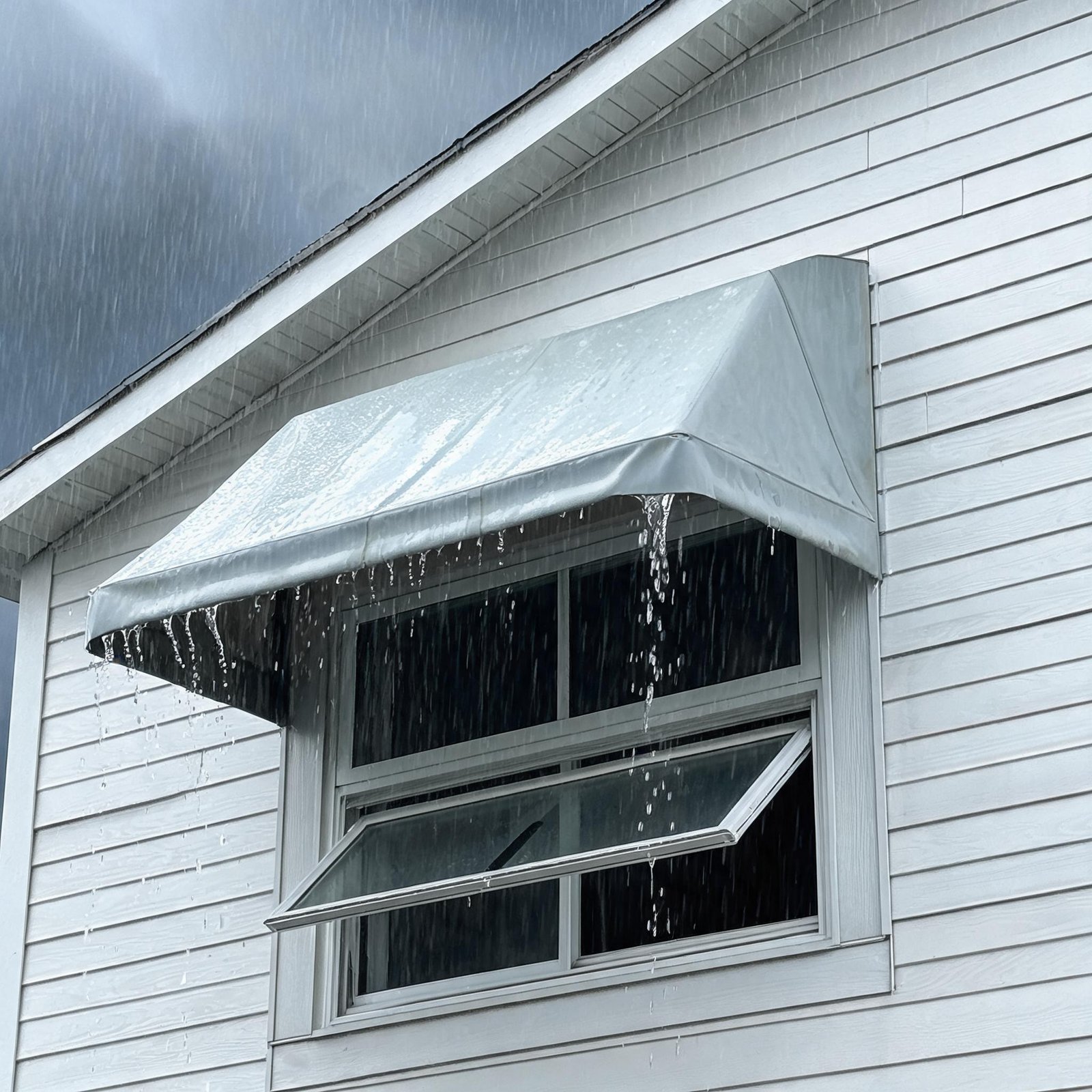
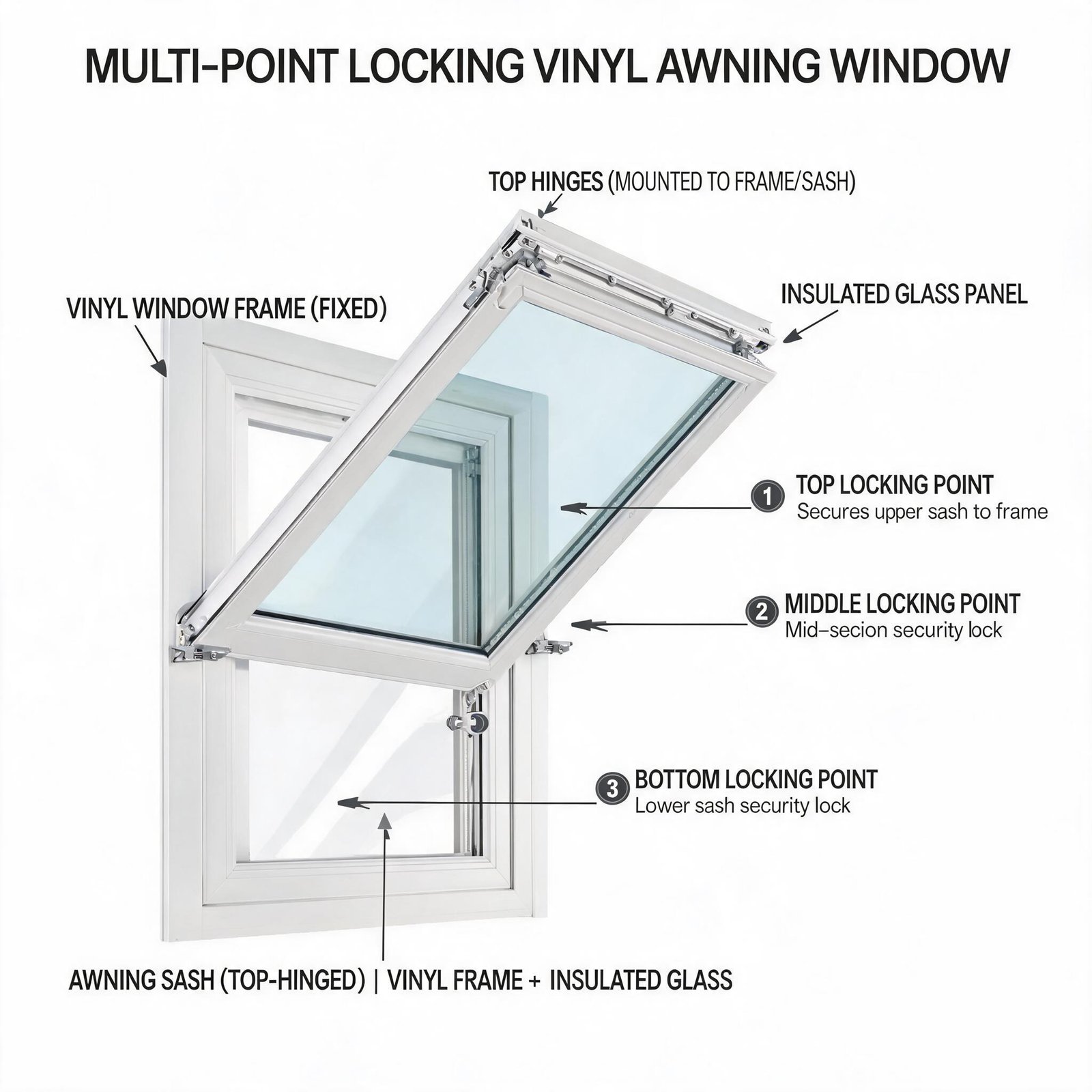
An awning window—also referred to as a top hung window or outward opening window—operates on a straightforward yet highly effective principle. The sash is hinged along the top edge and swings outward from the bottom, typically activated by a crank mechanism or push-bar operator.
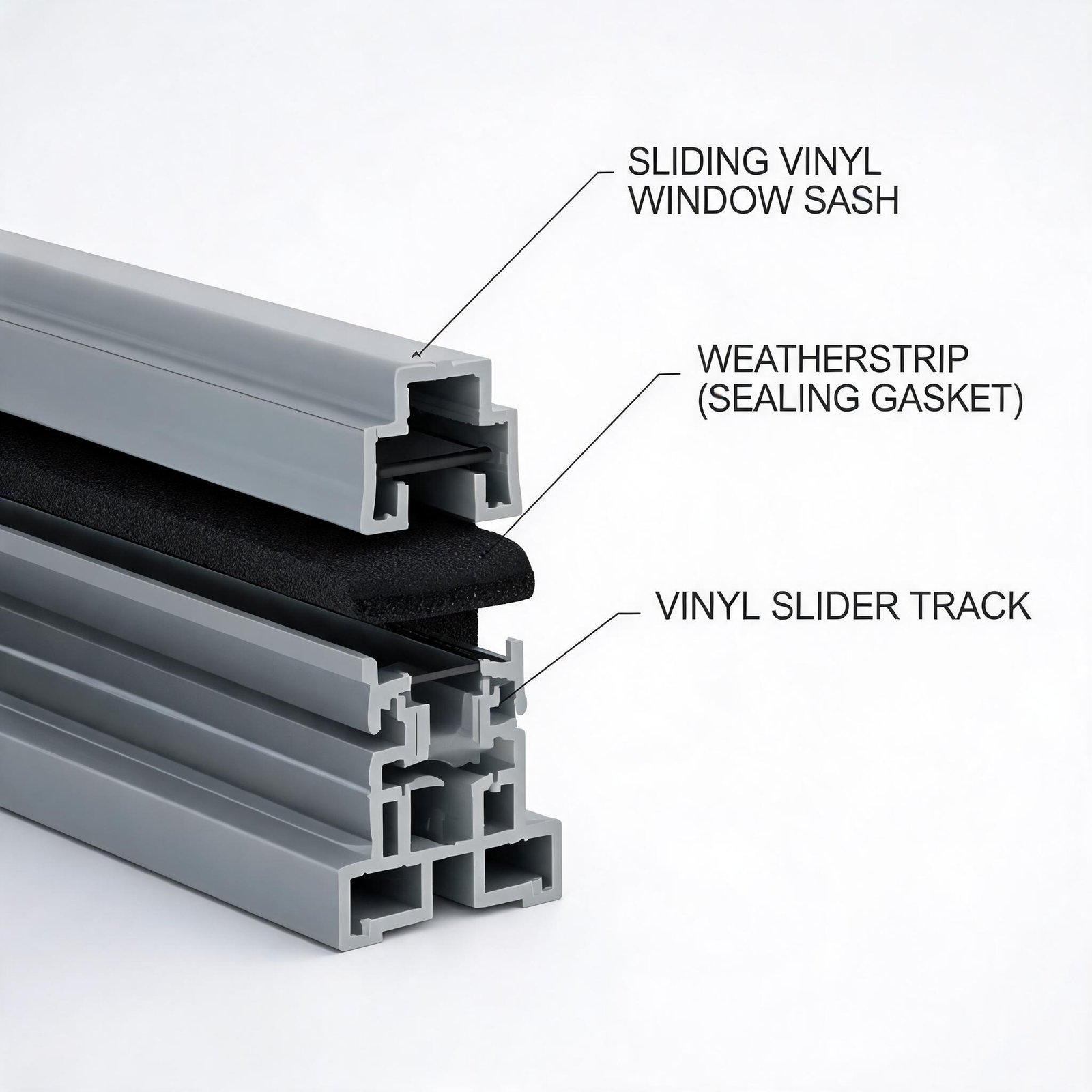
When closed, the sash compresses against a continuous weatherstripping system, creating an airtight seal that meets ENERGY STAR® requirements for thermal efficiency. When opened, the bottom of the sash extends outward at an angle, forming a protective canopy over the opening.
Key Technical Specifications for Vinyl Awning Windows
Understanding the engineering behind these units helps architects and contractors make informed procurement decisions:
- Frame Construction: Multi-chambered vinyl extrusions (typically 3-7 chambers) provide thermal breaks and structural rigidity
- Glass Options: Double or triple-pane configurations with Low-E coatings and argon gas fills
- U-Factor Range: 0.25-0.32 (meeting or exceeding IECC 2024 energy code requirements)
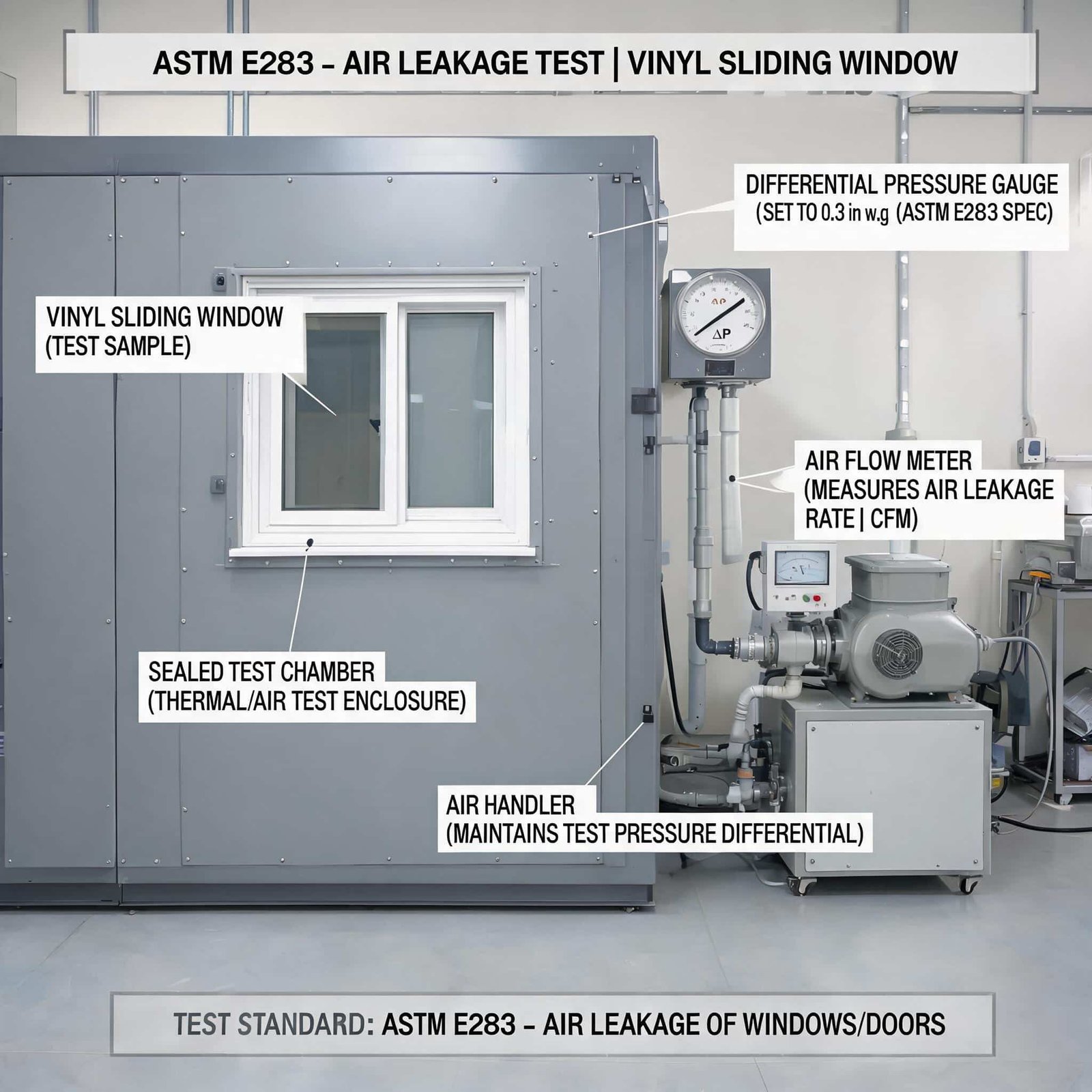
- Air Infiltration Rating: ≤0.30 cfm/ft² at 1.57 psf (AAMA 101-I.S.2 Grade 20 classification)
- Design Pressure Rating: Ranging from DP30 to DP50 depending on reinforcement specifications
These specifications make vinyl awning windows the best window for ventilation in climates where weather unpredictability is a concern.
Can Awning Windows Stay Open in Rain? The Engineering Answer
Yes—and this capability is what distinguishes awning windows from virtually every other operable window type on the market. The question “can awning windows stay open in rain” receives a definitive engineering affirmation.
Here’s why this works at a mechanical level:
- The deflection angle: When opened to its standard 45-60 degree position, the glass pane redirects rainwater downward and away from the opening
- Pressure equalization: The design creates positive air pressure inside the room, preventing moisture from being drawn inward
- Weep system integration: Multi-chambered vinyl frames incorporate engineered weep holes that drain any incidental moisture that collects on the sash perimeter
For builders working on coastal properties or regions like the Pacific Northwest, this feature eliminates the need for homeowners to rush home and close windows when unexpected showers arrive.
Critical Comparison: Awning Windows vs. Alternative Ventilation Windows
To help general contractors and wholesalers make specification decisions, here is a comprehensive technical comparison:
| Performance Parameter | Vinyl Awning Window | Casement Window | Double-Hung Window | Sliding Window |
|---|---|---|---|---|
| Rainproof Ventilation | Excellent (can remain open in rain) | Good (side-hinge limits rain protection) | Poor (open sash collects water) | Fair (limited deflection) |
| Ventilation Efficiency | 90-100% of sash area opens | 90-100% of sash area opens | 50% maximum (one sash) | 50% maximum (one panel) |
| Air Infiltration (CFM/ft²) | 0.30 max | 0.30 max | 0.50-0.80 | 0.50-0.80 |
| U-Factor (Typical) | 0.25-0.30 | 0.28-0.33 | 0.30-0.40 | 0.35-0.45 |
| Egress Compliance | Limited (check local codes) | Yes (meets IRC R310) | Yes (meets IRC R310) | Yes (meets IRC R310) |
| Hard-to-Reach Installation | Ideal (crank operation) | Good | Poor (requires lifting) | Fair |
| Exterior Cleaning Access | Difficult (upper floors) | Excellent (full swing) | Good (tilt-in feature) | Good |
| Typical Cost per Unit (installed) | $400-$800 | $450-$900 | $350-$700 | $300-$600 |
This data confirms why vinyl awning windows dominate specifications for bathrooms, basements, and kitchen installations where moisture resistance and space efficiency are paramount.
Top Benefits of Vinyl Awning Windows for Builders and Architects
Superior Weather Resistance and Rainproof Engineering
The primary advantage of incorporating vinyl awning windows into residential and commercial projects is their unmatched ability to provide ventilation during wet weather. Unlike casement units that direct water toward the hinge side during rain, or double-hung windows that collect water in the lower track, awning windows channel moisture away from the living space.
For wholesale distributors and contractors, this translates to fewer warranty claims related to water damage and higher homeowner satisfaction scores.
Maximum Ventilation Efficiency
When evaluating the best window for ventilation for a specific application, consider these airflow metrics:
- Effective ventilation area: Awning windows achieve 90-100% of their total sash area as open space
- Stack effect utilization: High-wall installations capture warm rising air, creating natural convection currents
- Cross-ventilation compatibility: Multiple awning units can be grouped to maximize airflow paths
Our vinyl awning window achieves an industry-leading effective ventilation area of 95%, making it the preferred choice for sustainable building designs requiring passive cooling strategies.
Energy Performance and Insulation Properties
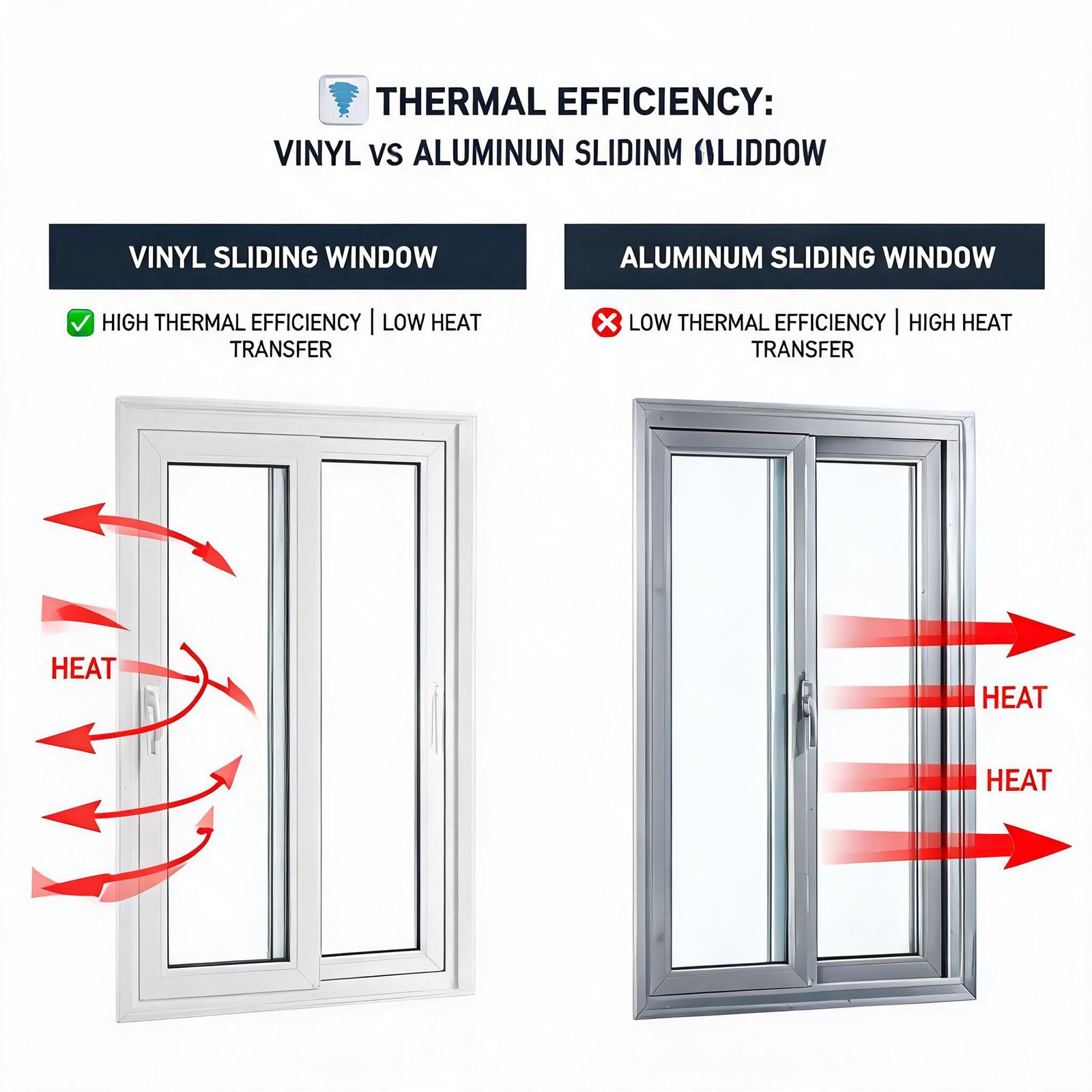
The vinyl awning windows benefits extend beyond weather protection. Multi-chambered vinyl frames provide thermal performance that wood or aluminum frames cannot match without significant cost premiums:
- Thermal bridging elimination: Vinyl’s inherent low thermal conductivity prevents heat transfer across the frame
- Continuous insulation: Fusion-welded corner joints eliminate air leakage points
- Glazing options: Triple-pane configurations achieve center-of-glass U-factors as low as 0.17
Security Advantages in the Partially Open Position
Unlike sliding or hung windows that create vulnerable gaps when slightly open, outward-opening awning windows maintain structural integrity even when ventilating. The locking mechanism engages at multiple points along the sash, and the outward arc makes external manipulation physically difficult.
Space Optimization for Challenging Installations
For projects requiring window placement near walkways, patios, or other structures where inward-opening windows would create clearance issues, the outward opening window design is ideal. The sash swings away from the interior, freeing up floor and wall space entirely.
Customization Options for Commercial Specifications
Architects and specifiers appreciate the flexibility of vinyl awning windows:
- Custom sizing: Available in widths from 18″ to 48″ and heights from 12″ to 60″
- Color matching: Vinyl can be extruded in multiple colors or capped with acrylic coatings
- Grid patterns: Colonial, prairie, or custom grille configurations
- Hardware finishes: White, bronze, or brushed nickel to match building aesthetics
Optimal Applications for Vinyl Awning Windows
Based on 15 years of field experience specifying fenestration systems, here are the ideal deployment scenarios:
Bathroom and Laundry Room Installations
- Why it works: Continuous moisture ventilation without rain intrusion
- Code compliance: Meets IRC R303.4 ventilation requirements
- Privacy benefit: High placement options allow natural light without compromising privacy
Basement Egress and Ventilation
- Challenge: Below-grade installations face debris and water exposure
- Solution: Vinyl frames resist moisture damage; outward opening prevents debris entry
- Sizing consideration: Check local codes—standard awning windows typically do not meet egress requirements
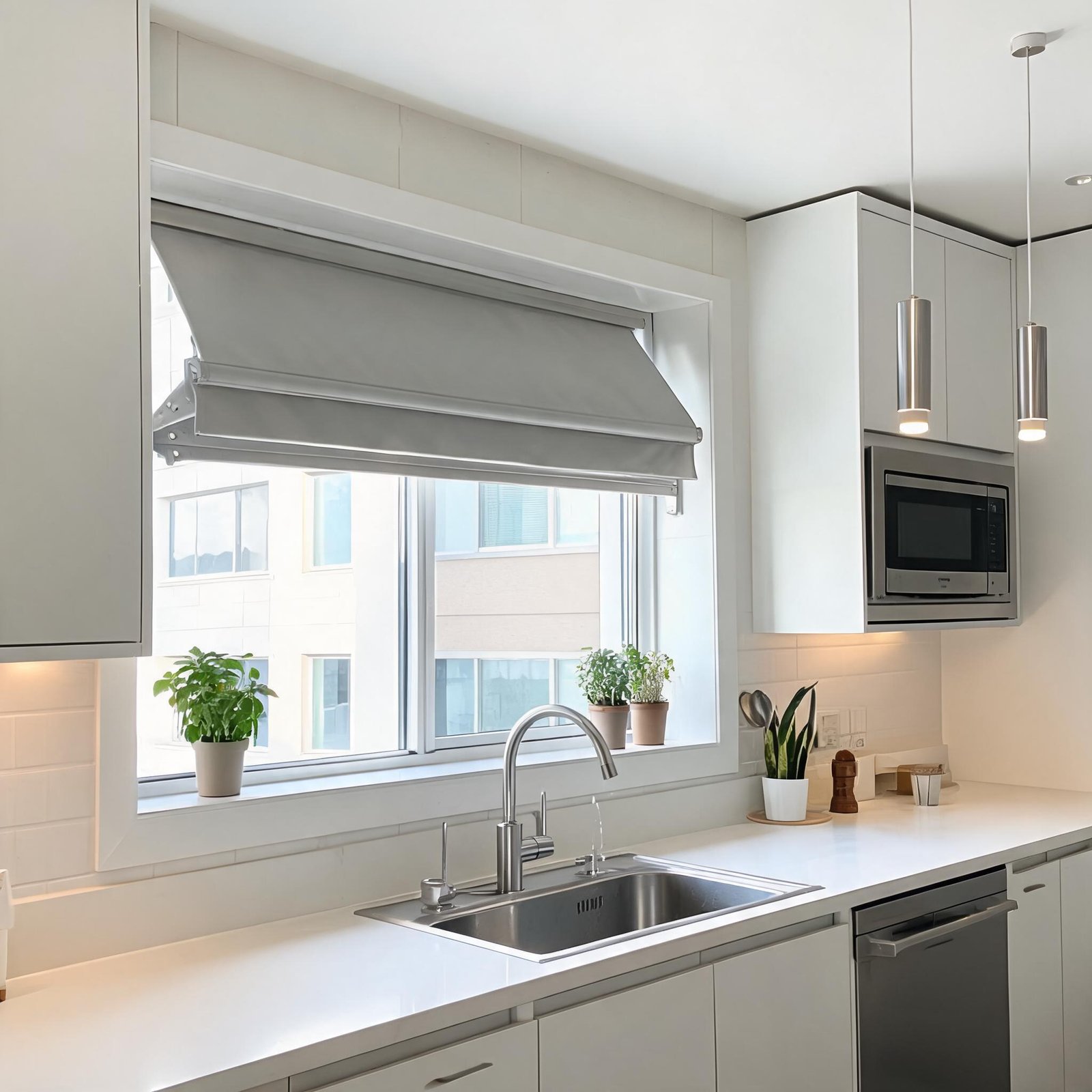
Kitchen and Stovetop Areas
- Heat management: Captures rising cooking heat and steam
- Operational ease: Crank operation eliminates reaching over counters
- Grease resistance: Non-porous vinyl surfaces clean easily
Industry Composite Materials and Durability Standards
The vinyl awning windows benefits are maximized when using engineered materials that meet ASTM D4726 standards:
| Material Property | Specification | Performance Benefit |
|---|---|---|
| Tensile Strength | 6,000-7,500 psi | Structural integrity under wind loads |
| Impact Resistance | 1.0-1.5 ft-lbs (Gardner impact) | Resistance to hail and debris |
| Weathering | 2,000 hours QUV accelerated | Color retention and UV stability |
| Thermal Expansion | 5×10⁻⁵ in/in/°F | Dimensional stability across temperature ranges |
Combining these material properties with precision-engineered frame geometry results in windows that can achieve a 30+ year service life with minimal maintenance.
Cost Analysis for Builders and Wholesalers
Understanding the total cost of ownership helps procurement teams make data-driven decisions:
Initial Cost Factors:
- Frame material premium over aluminum: 15-25% less
- Installation cost: Comparable to casement units (1.5-2.0 hours per unit)
- Hardware components: Premium operators add $20-40 per unit
Long-Term Savings:
- Energy savings: $150-300 annually per home (compared to single-pane units)
- Maintenance reduction: Zero painting or sealing required over lifetime
- Warranty reliability: Industry standard 20-year frame warranty
For wholesalers, stocking our aluminum and UPVC windows custom line ensures complete coverage across both budget-conscious and premium project specifications.
Installation Best Practices for General Contractors
To maximize the performance of vinyl awning windows, follow these field-tested installation protocols:
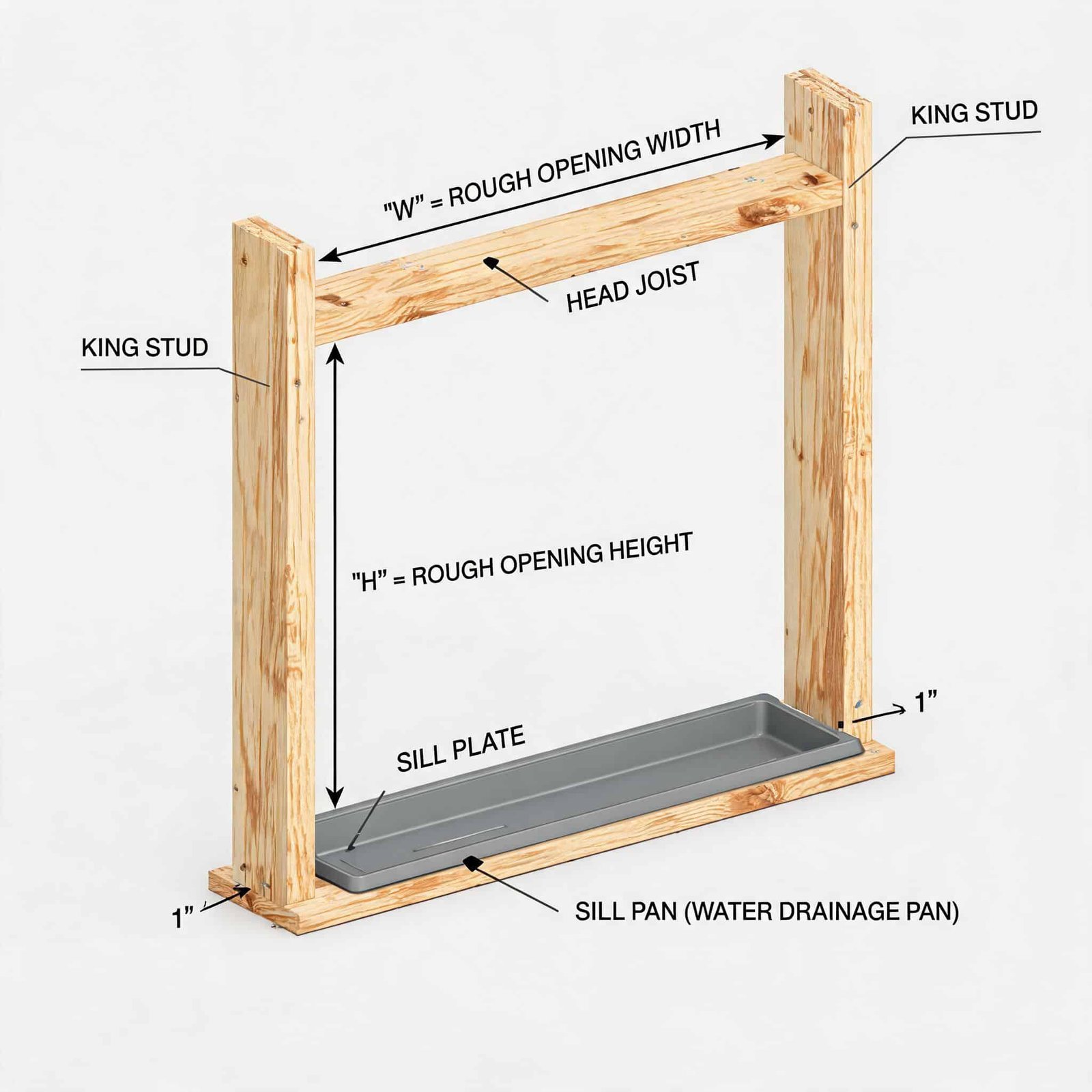
- Rough opening preparation: Ensure squareness within 1/8″ across the diagonal
- Flashing sequence: Install sill pan flashing before window placement
- Leveling: Verify the sill is level within 1/16″ per foot to prevent water pooling
- Fastening schedule: Secure through the frame into structural framing at 16″ on center
- Shimming: Apply shims at the hinge side first, then the operating side
- Sealant application: Use ASTM C920-compliant sealant at all perimeter joints
Common Installation Mistakes to Avoid
- Over-tightening fasteners: Causes frame distortion and binding of the operating mechanism
- Insufficient shimming at hinge points: Leads to sagging and premature operator failure
- Neglecting backer rod: Creates thermal bridging and potential condensation issues
Sustainability and Energy Code Compliance
Vinyl awning windows contribute to green building certifications through several mechanisms:
- Recyclable materials: PVC frames can be recycled at end-of-life
- Embodied energy: Vinyl production requires less energy than aluminum extrusion
- Thermal performance: Contributes to LEED points under EA Credit 1 (Optimize Energy Performance)
- 2024 IECC compliance: Exceeds prescriptive requirements for fenestration U-factors
For projects requiring Net Zero Energy certification, pairing awning windows with proper shading strategies can reduce HVAC loads by 15-25%.
Technical FAQ for Specifiers
What is the maximum open angle for vinyl awning windows?
Standard operators provide 45-60 degrees of opening. High-throw operators can achieve up to 70 degrees, though this may impact rain protection performance.
How does vinyl compare to wood for awning windows?
Vinyl eliminates the need for painting, resists rot, and provides better thermal performance at a lower cost point. Wood offers superior aesthetic flexibility for historic renovations but requires ongoing maintenance.
Can awning windows be combined with other window types?
Yes—this is a common specification strategy. Fixed picture windows flanked by operable awning units provide panoramic views with integrated ventilation.
What operator mechanism is most durable for high-traffic installations?
Heavy-duty stainless steel crank operators with enclosed gear assemblies provide the best long-term reliability for commercial applications.
Making Your Specification Decision
When selecting between window types for your next project, consider these decision factors:
- Climate assessment: High-rainfall regions strongly favor awning window specifications
- Room function: Bathrooms, kitchens, and basements benefit most from the awning design
- Building orientation: South- and west-facing walls capture prevailing breezes effectively
- Budget allocation: Vinyl awning windows provide the best ROI for moisture-prone applications
For commercial glazing contractors and residential builders seeking reliable fenestration solutions, vinyl awning windows represent an engineering-optimized choice that balances performance, cost, and durability.
Superwindowhouse.com specializes in high-performance vinyl awning windows and custom UPVC solutions for residential builders, commercial contractors, and wholesale distributors across the United States. All products meet or exceed AAMA/WDMA/CSA 101/I.S.2/A440-17 standards for fenestration performance.