The Short Answer: A Decision Framework for Builders
There is no single “best” frame material—only the right system for the project’s code requirements, climate, opening size, glazing package, budget, and design intent. Treat the comparison as a product-and-project decision, not a material-only verdict. Confirm final performance with the manufacturer’s NFRC label, applicable product approval documents, shop drawings, and installation manual.
- Vinyl (uPVC) often leads on thermal insulation, corrosion resistance, low routine maintenance, and initial cost for standard residential openings.
- Aluminum often leads on structural capacity, narrow sightlines, large-opening potential, and broad powder-coat or anodized finish options.
- Thermally broken aluminum reduces the thermal penalty of metal frames and can be the appropriate bridge product where architectural scale, color, or wind-load needs justify its added cost.
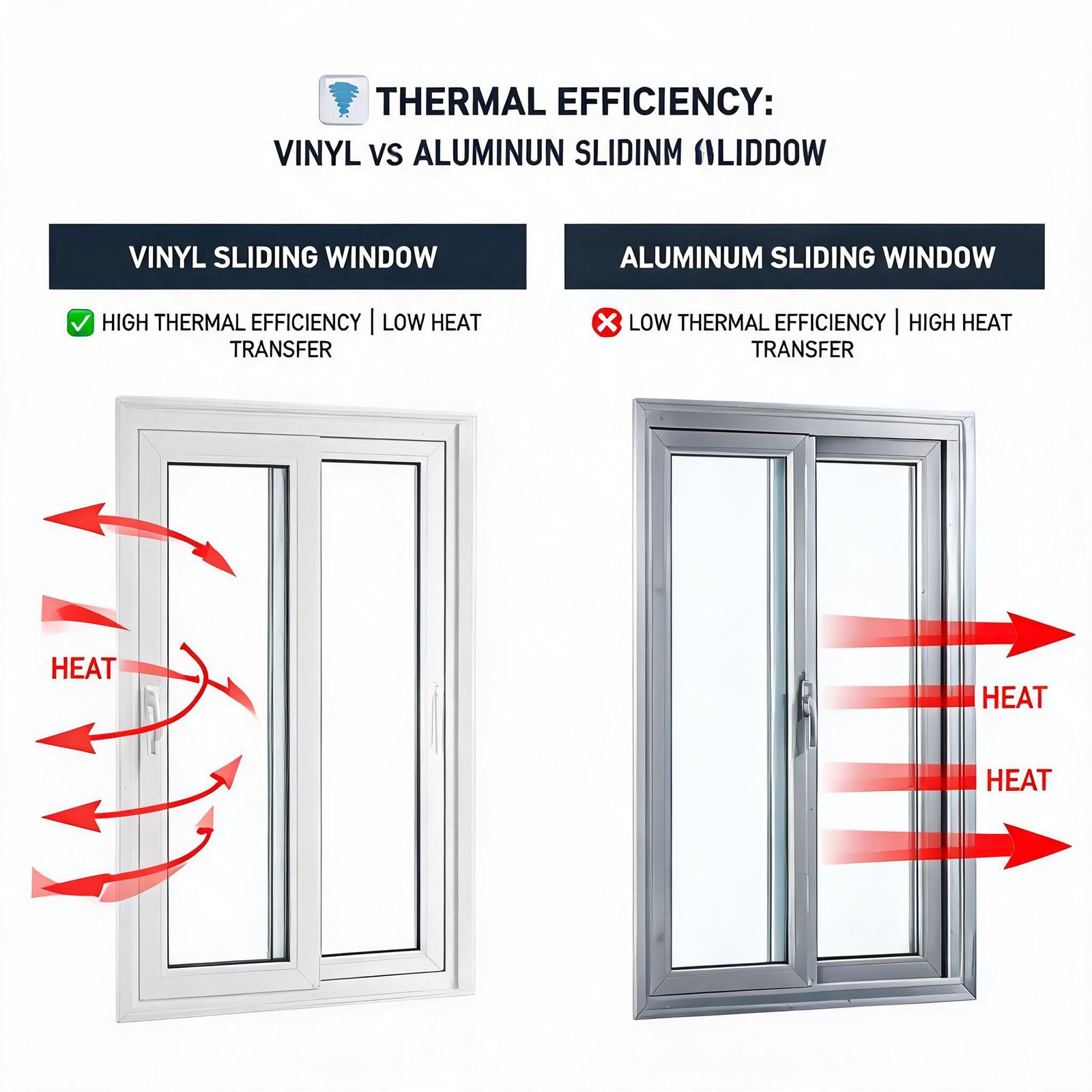
Thermal Performance: Why Frame Material Drives Whole-Window U-Factor
Low-E coatings, gas fills, and warm-edge spacers matter, but the frame should not be an afterthought. An NFRC U-factor describes the tested whole-window assembly—not just the glass or frame. Frame material, frame geometry, glass package, window size, air sealing, and operating style can all change the result, so compare published ratings for like-for-like products.
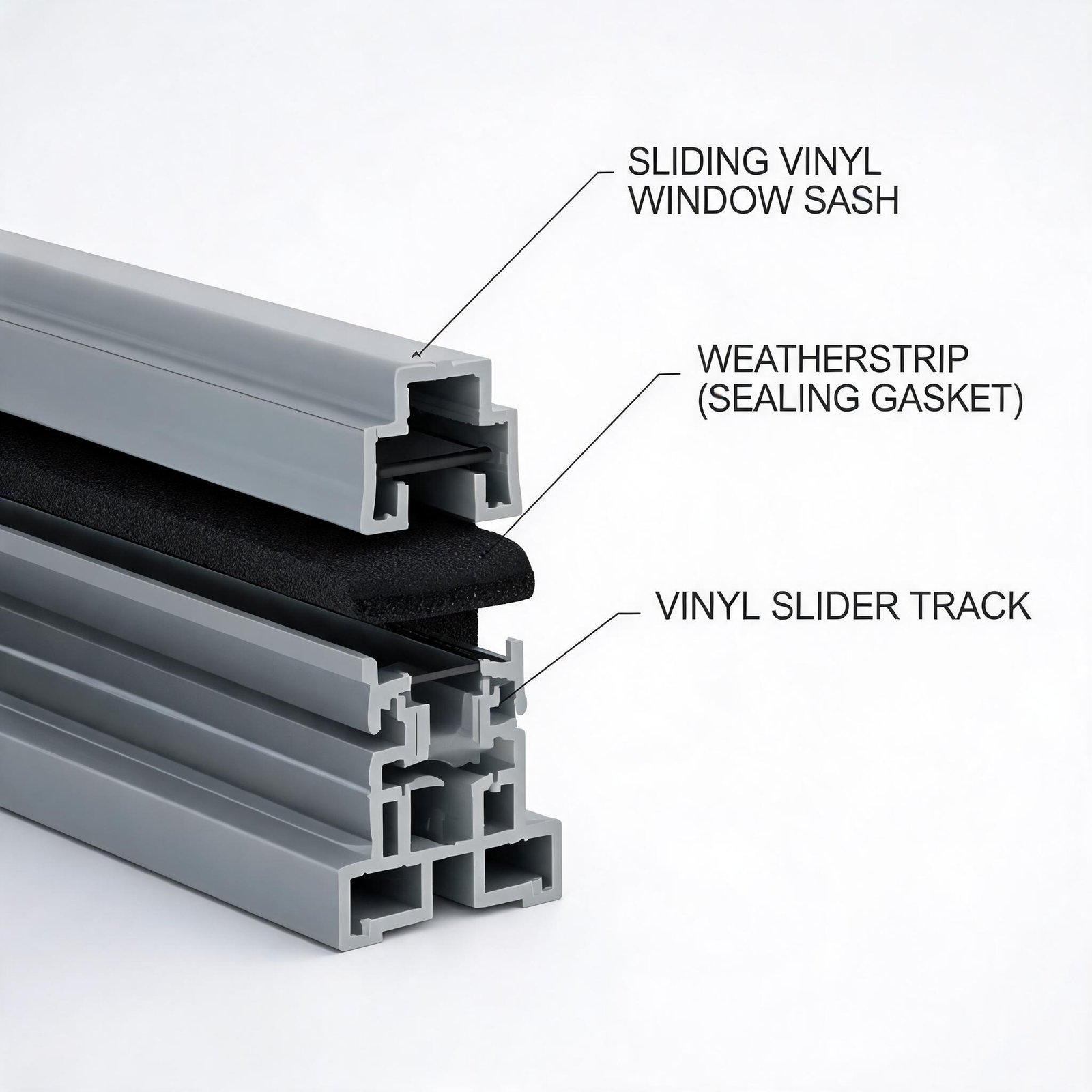
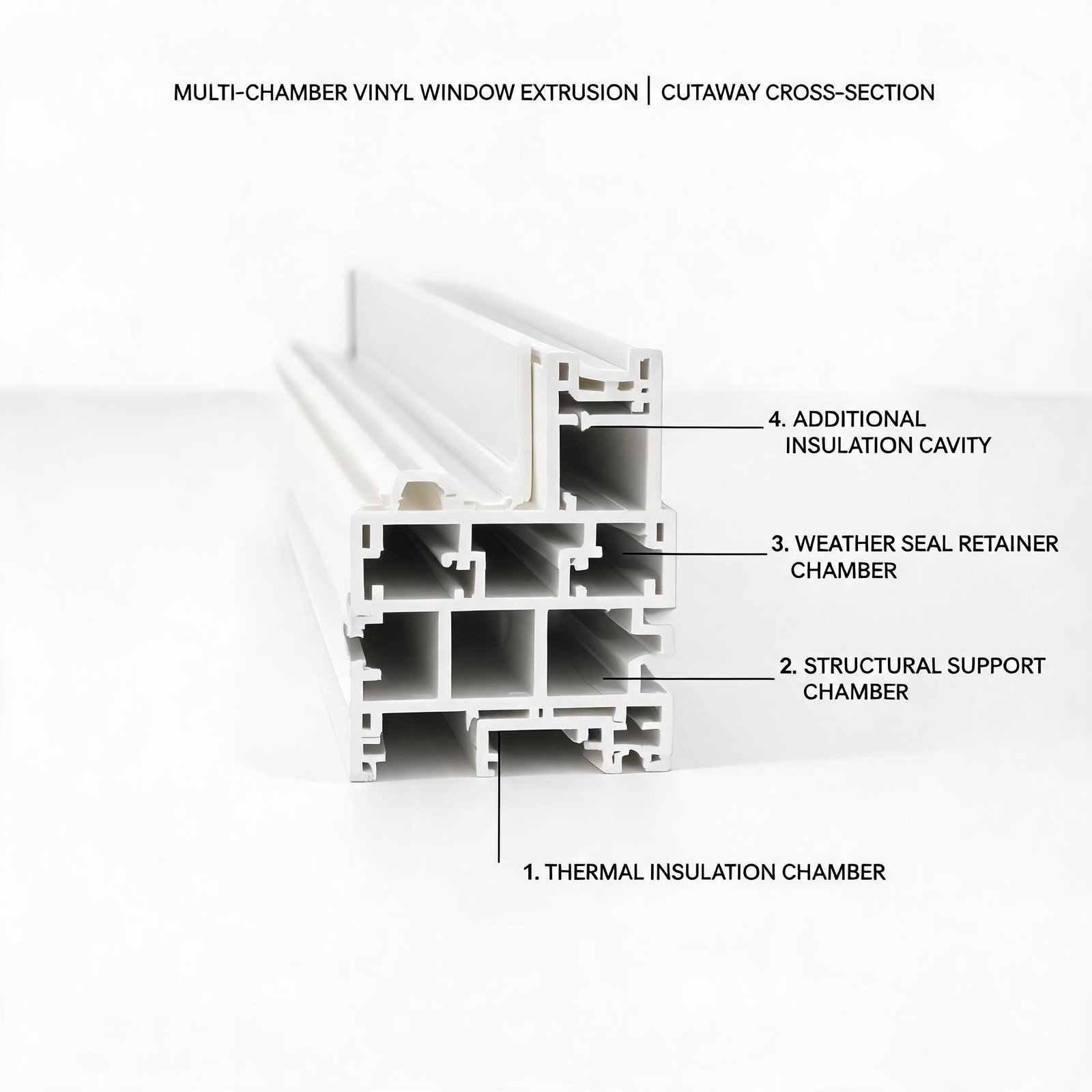
Vinyl frames are inherently low-conductivity. Many vinyl systems use multi-chambered extrusion profiles that help limit heat transfer. Reference-market examples show vinyl impact products with whole-window U-factors around 0.28–0.32, but actual ratings vary by sash size, glazing, and product line. Verify the exact certified configuration before specifying it.
Aluminum conducts heat more readily than vinyl. A conventional, non-thermally-broken aluminum frame can therefore make it harder to achieve a low whole-window U-factor. Thermally improved aluminum uses an insulating separation between interior and exterior metal sections; it can substantially improve performance, but its final rating still depends on the complete assembly and should be confirmed on the product label.
The Physics of Heat Transfer in Extrusion Profiles
Thermal conductivity is a material property, while whole-window U-factor is an assembly rating. The practical implication is straightforward: use material properties to understand directionally why frames behave differently, but use certified whole-product data to make a purchasing or code decision.
- PVC (uPVC): A low-conductivity material that can reduce frame heat transfer; multi-chamber geometry can add insulation value.
- Aluminum: A highly conductive material, so unbroken metal paths can make interior frame surfaces colder or hotter than the room-side conditions.
- Thermally broken aluminum: Uses an insulating barrier to interrupt the metal path. Break design, glazing, frame depth, and air sealing determine the resulting whole-window performance.
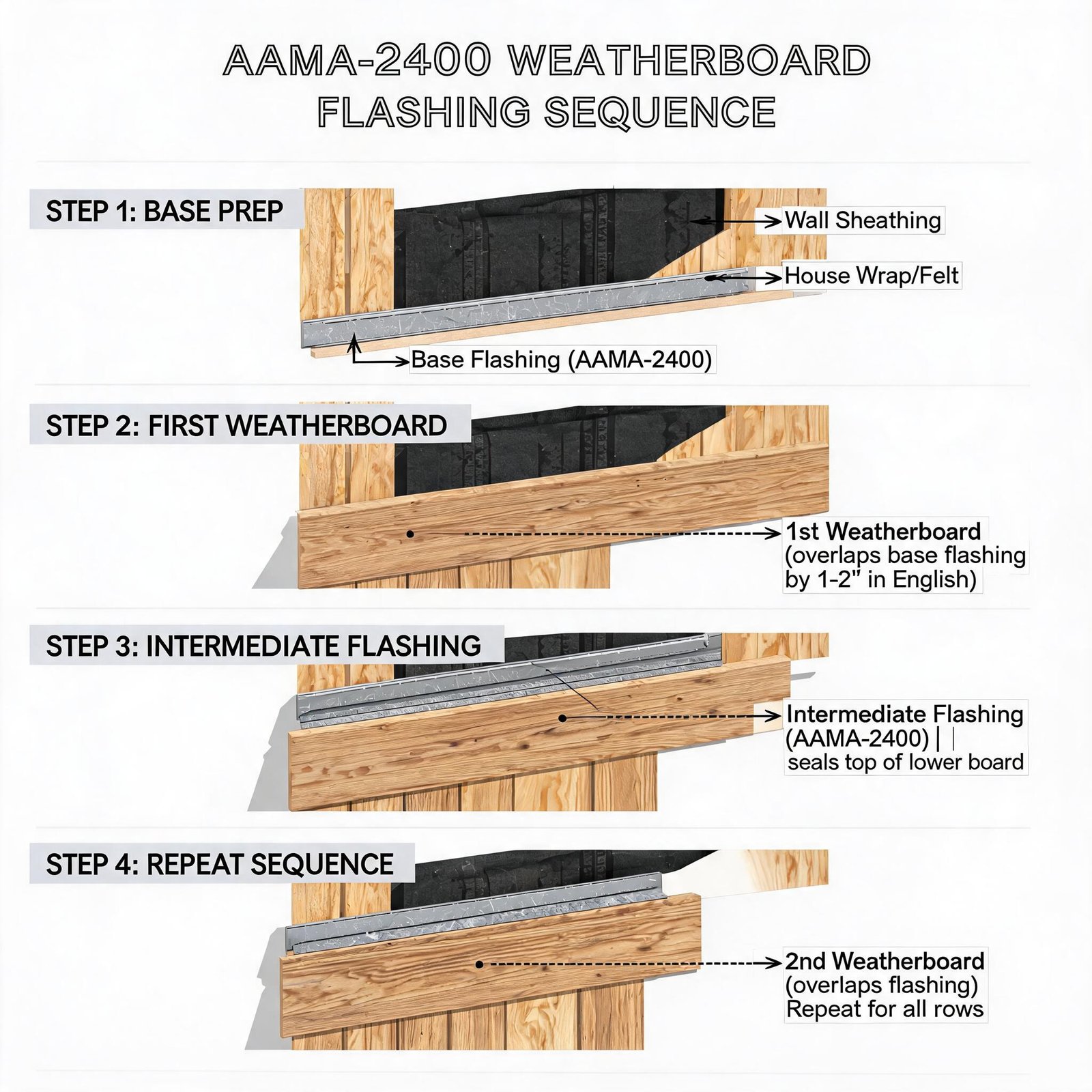
Condensation resistance matters beyond comfort. Repeated interior condensation can contribute to moisture problems around the opening. However, condensation risk depends on indoor humidity, outdoor temperature, ventilation, thermal bridging, and installation details as well as frame material. Review project-specific condensation data where available and follow the manufacturer’s installation manual for flashing, air sealing, and drainage requirements.
Thermally Broken Aluminum: When It Makes Sense
Thermally improved aluminum commonly separates interior and exterior aluminum sections with a polyamide, polyurethane, or comparable insulating element. Reference material indicates that thermal breaks can materially reduce heat transfer compared with standard aluminum, but the percentage improvement is product-specific rather than universal.
Budget remains important. In the Florida impact-window examples cited in the reference material, thermally broken aluminum was presented at a premium over standard aluminum, while vinyl was generally less expensive. Those figures are not a national installed-price schedule. Obtain project quotes using the same opening size, glass package, hardware, finish, delivery scope, and installation scope before concluding that one system costs more.
Whole-Window Performance Matrix
| Performance Parameter | Standard Aluminum | Thermally Broken Aluminum | Vinyl (uPVC) |
|---|---|---|---|
| Whole-window U-factor (NFRC) | Often higher unless paired with a strong glazing package; verify product label | Can be substantially improved; verify product label | Often competitive for low-U residential packages; verify product label |
| Thermal conductivity (W/m·K) | High relative to vinyl | Metal remains conductive; the break interrupts the path | Low relative to aluminum |
| Typical installed cost per window | Varies by market, size, finish, glass, and installation scope | Often carries a premium versus standard aluminum | Often lower for comparable standard residential products |
| Cost vs. standard aluminum | Baseline for a comparable quote | Usually higher; quote the exact system | Often lower; quote the exact system |
| Max design pressure (typical) | Can support high ratings in approved systems | Can support high ratings in approved systems | Available ratings vary; reinforcement and product approval matter |
| Condensation resistance | Can be challenging without a thermal break | Often improved | Often favorable, subject to whole-system design |
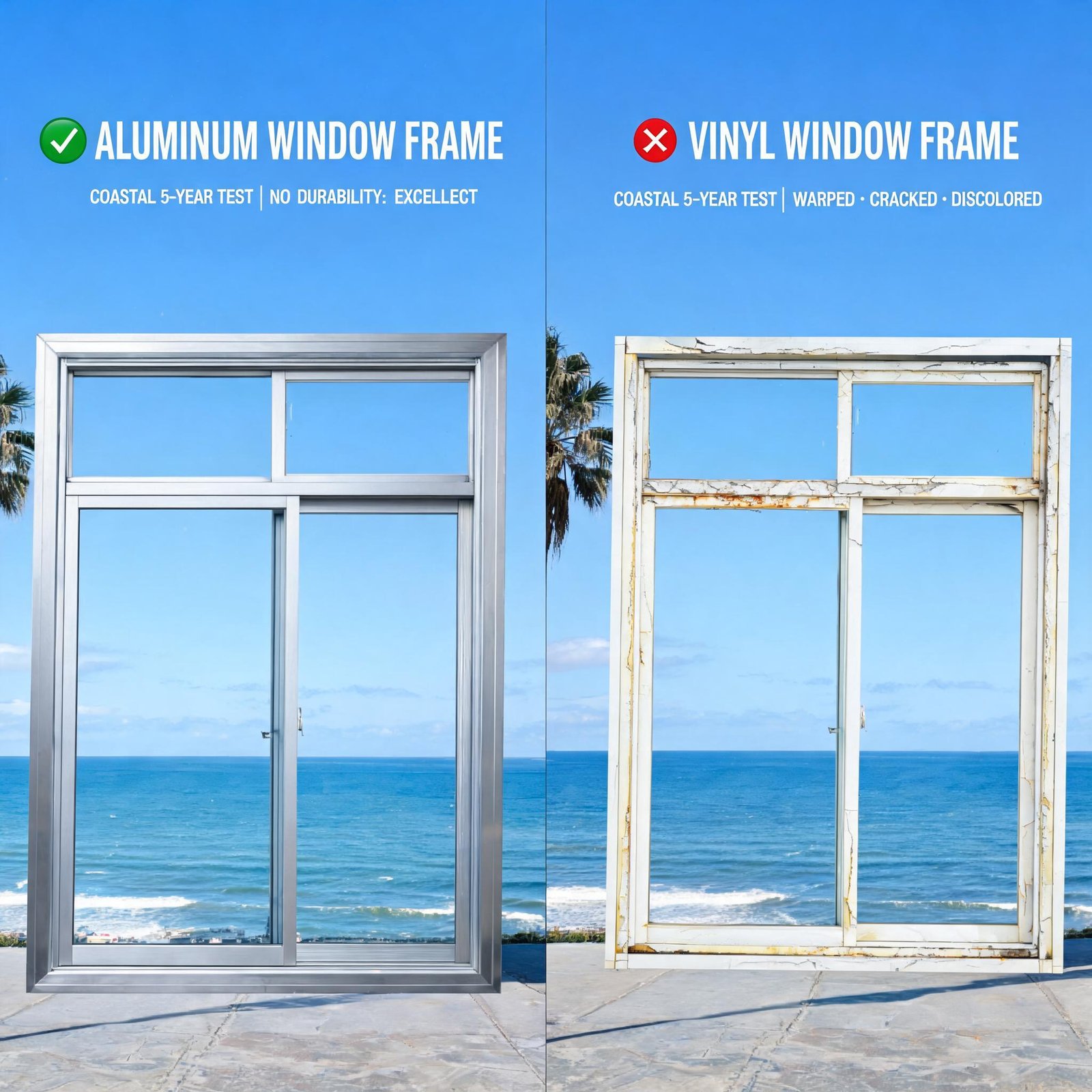
| Salt-air corrosion resistance | Finish, alloy, fasteners, and maintenance are critical | Finish, alloy, fasteners, and maintenance are critical | Does not corrode like metal; evaluate UV exposure and product approval |
| Maintenance requirement | Inspect finish, drainage paths, seals, and hardware | Inspect finish, drainage paths, seals, and hardware | Clean frames, tracks, drainage paths, seals, and hardware |
| Color/finish options | Broad powder-coat and anodized options | Broad powder-coat and anodized options | Varies by manufacturer; lighter and selected capped finishes are common |
| Frame profile thickness | Often thin, allowing more visible glass | Varies by system depth and break design | Often thicker for stiffness and chamber design |
| Expected service life | Depends on finish, exposure, maintenance, hardware, and installation | Depends on finish, exposure, maintenance, hardware, and installation | Depends on formulation, exposure, hardware, and installation |
| Energy Star qualification path | Possible in qualifying product configurations; check climate-zone criteria | Possible in qualifying product configurations; check climate-zone criteria | Possible in qualifying product configurations; check climate-zone criteria |
Structural Performance and Design Pressure Ratings
This is where aluminum can be the stronger specification. Design pressure and impact requirements are product-specific and must be checked against local code, opening size, glazing, anchorage, and engineering requirements. High-rise buildings, coastal projects, and large-format sliders may require approved systems beyond the range of a standard residential vinyl product.
Aluminum’s structural advantages:
- High strength-to-weight potential when the alloy, wall thickness, and profile are engineered for the application
- Thin profiles that can support modern, glass-forward designs
- Availability in systems designed for larger glass panels and demanding opening sizes
- Broad product availability in high-wind and HVHZ markets, subject to the exact approval and installation conditions
Vinyl’s structural considerations:
- Can use steel, aluminum, or composite reinforcement where a manufacturer designs it into the system
- Available design-pressure and impact ratings vary materially by product line, size, reinforcement, and glazing
- May require thicker profiles to achieve stiffness targets
- Has fewer approved options in some Miami-Dade, Broward, and other high-wind applications; verify the current product approval rather than assuming eligibility
For a typical low-rise residential build outside severe wind zones, vinyl may satisfy applicable requirements. The structural gap becomes more important for high wind exposure, unusually large openings, tall buildings, heavy glass, and complex anchorage conditions. Consult the manufacturer’s engineering documentation and the project’s code professional before release.
Cost Analysis: First Cost, Installation, and Lifecycle Savings
For general contractors submitting bids, first cost is often the headline. Reference articles commonly position vinyl below aluminum in price, while thermally broken aluminum can add cost. Yet an apples-to-apples comparison must include glass, screen, hardware, finish, reinforcement, shipping, installation, flashing, and local labor—not frame material alone.
What a Builder Actually Pays
- Material cost: Vinyl and aluminum have different manufacturing and finishing costs. Request a line-item quote for the specified size, color, glass, performance class, and accessories.
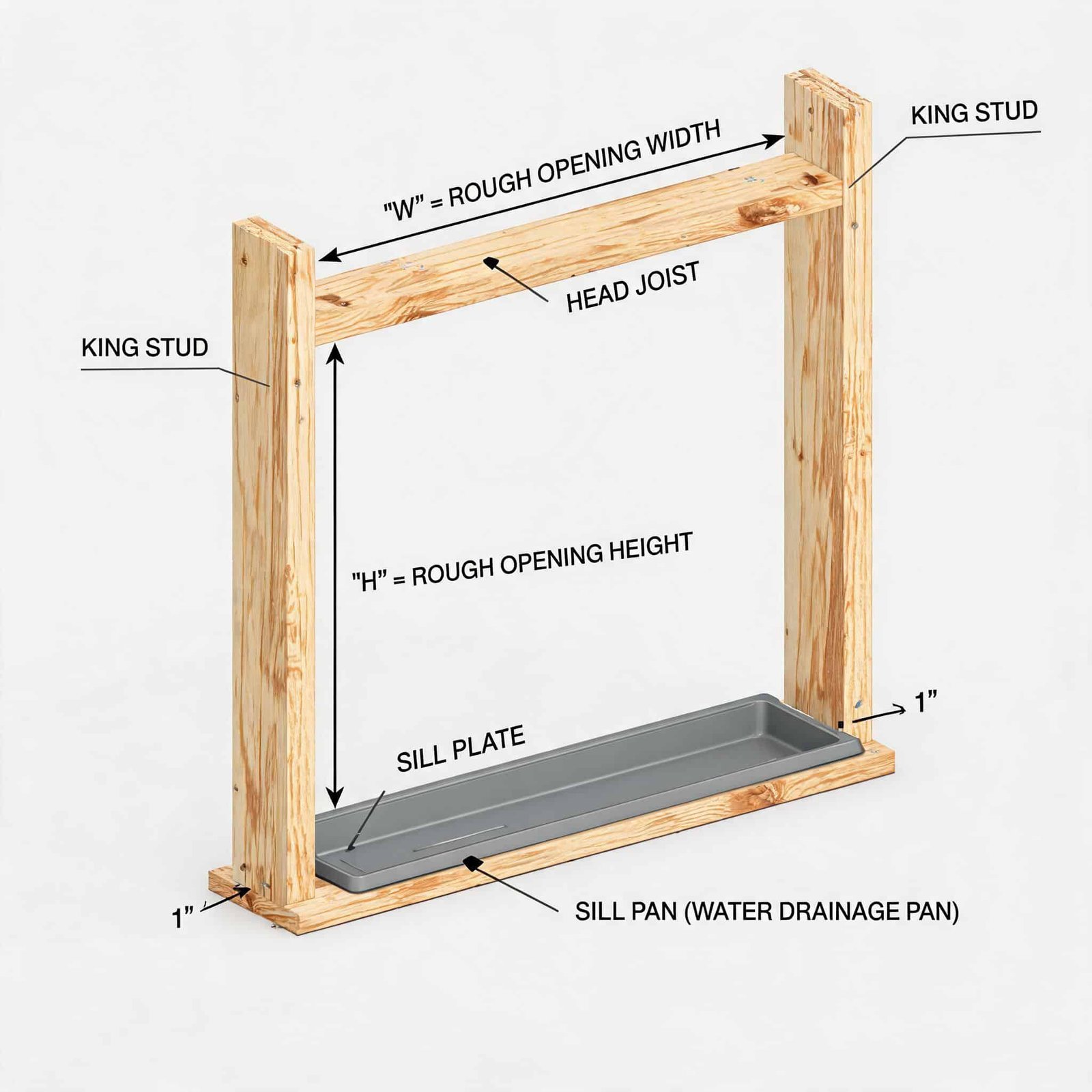
- Installation labor: Installation time depends on the system, rough opening, access, replacement versus new construction, anchorage, and weatherproofing scope. Do not assume one frame material will always install faster.
- Glass package: Both materials can use insulated glazing units, but allowable glass thicknesses and performance options differ by product. Compare the quoted IGU specification, not only the frame.
Lifecycle Cost: The 25-Year View
The true cost of a window extends beyond the purchase order. Build a lifecycle comparison around documented maintenance, energy, warranty, and replacement assumptions rather than a generic payback claim.
- Vinyl generally does not require routine repainting, while aluminum finishes should be inspected and maintained according to the finish manufacturer’s guidance.
- Coastal salt exposure can affect aluminum finishes, fasteners, and hardware; specify compatible materials, drainage, protective finishes, and an appropriate maintenance plan.
- Energy cost differences depend on the certified whole-window U-factor, SHGC, air leakage, orientation, HVAC operation, and local utility rates. Model the project where energy savings are a material procurement factor.
- Replacement-window ROI varies by market, property condition, project scope, and sales conditions. Review the current local Cost vs. Value data and do not treat a national estimate as a guaranteed return.
Durability and Maintenance in Real-World Conditions
Theory is one thing; field performance is another. Product quality, exposure, drainage, installation, hardware, cleaning, and maintenance often determine longevity more than the frame label alone.
Vinyl (uPVC) Performance in the Field
- Many vinyl profiles use through-color material or protective capstock, which can make minor surface damage less visually obvious; finish construction varies by manufacturer.
- Vinyl does not rust or corrode like metal and generally does not need repainting.
- It resists moisture and insect damage, but tracks, weep paths, seals, and hardware still need cleaning and inspection.
- Fusion-welded corners are common and can provide a continuous corner joint when manufactured correctly.
- Performance in intense heat, cold, and sun depends on the formulation, color technology, reinforcement, installation, and manufacturer limits.
- Impact-rated vinyl products are available in some hurricane-prone markets, but approval availability and allowable sizes vary.
Aluminum Performance in the Field
- Metal frames can provide strong, slim profiles, but visible surfaces can dent under impact depending on profile thickness and exposure.
- Powder-coated and anodized finishes have different durability characteristics; select a finish appropriate to UV, salt, and cleaning exposure.
- Corrosion risk at fasteners and dissimilar-metal interfaces requires compatible hardware, coatings, drainage, and periodic inspection in coastal environments.
- Anodized finishes can be durable, while available colors and appearance vary by supplier and specification.
- Non-combustible framing may be required or preferred in certain commercial and high-rise assemblies; confirm the applicable code and complete wall-system requirements.
Aesthetic and Architectural Considerations
Architects often choose aluminum for slim profiles and clean modern lines. A narrow aluminum frame can increase visible glass area, though sightline, mullion design, glazing thickness, and structural requirements all affect the final appearance.
Vinyl frames are often thicker, which can reduce visible glass in a comparable opening. Modern uPVC systems offer more finish options than earlier products, including selected wood-look laminates or foils. Review physical samples in the intended daylight before approving color and texture.
Design flexibility today means:
- Vinyl: wood-look finishes, smooth or textured surfaces, colonial grids, and manufacturer-specific interior color options
- Aluminum: broad powder-coat color choices, anodized finishes, dark-frame designs, and slim sightlines
If the architectural vision requires a precise metallic, dark, or custom color match, aluminum often offers more finish flexibility. Vinyl color availability has expanded, but exact palettes, heat limits for dark finishes, and warranty coverage remain manufacturer-specific.
Specification Guidelines: Which Window Wins When
Specify Vinyl When
- The project is low-rise residential or light multifamily and the selected product meets all required ratings
- The target requires a low certified U-factor and the vinyl product meets the applicable energy criteria
- First cost and routine-maintenance simplicity are primary procurement drivers
- The site has moisture or salt exposure and the selected vinyl system is approved for the application
- The color palette fits the manufacturer’s available vinyl finishes
- You want a low-maintenance frame, while still planning normal cleaning and hardware, seal, and drainage inspections
Specify Aluminum When
- Required design pressure, impact rating, opening size, or engineering criteria exceed the selected vinyl product’s approved limits
- Architectural renderings demand slim profiles, broad glass areas, metallic finishes, or custom colors
- The project is high-rise, commercial, or has fire-performance requirements that favor an aluminum system
- Large slider dimensions require a system specifically tested and engineered for the glass, panel weight, and anchorage
- The budget can support the selected thermal, finish, glazing, and installation package
Options for Sliding Window Projects
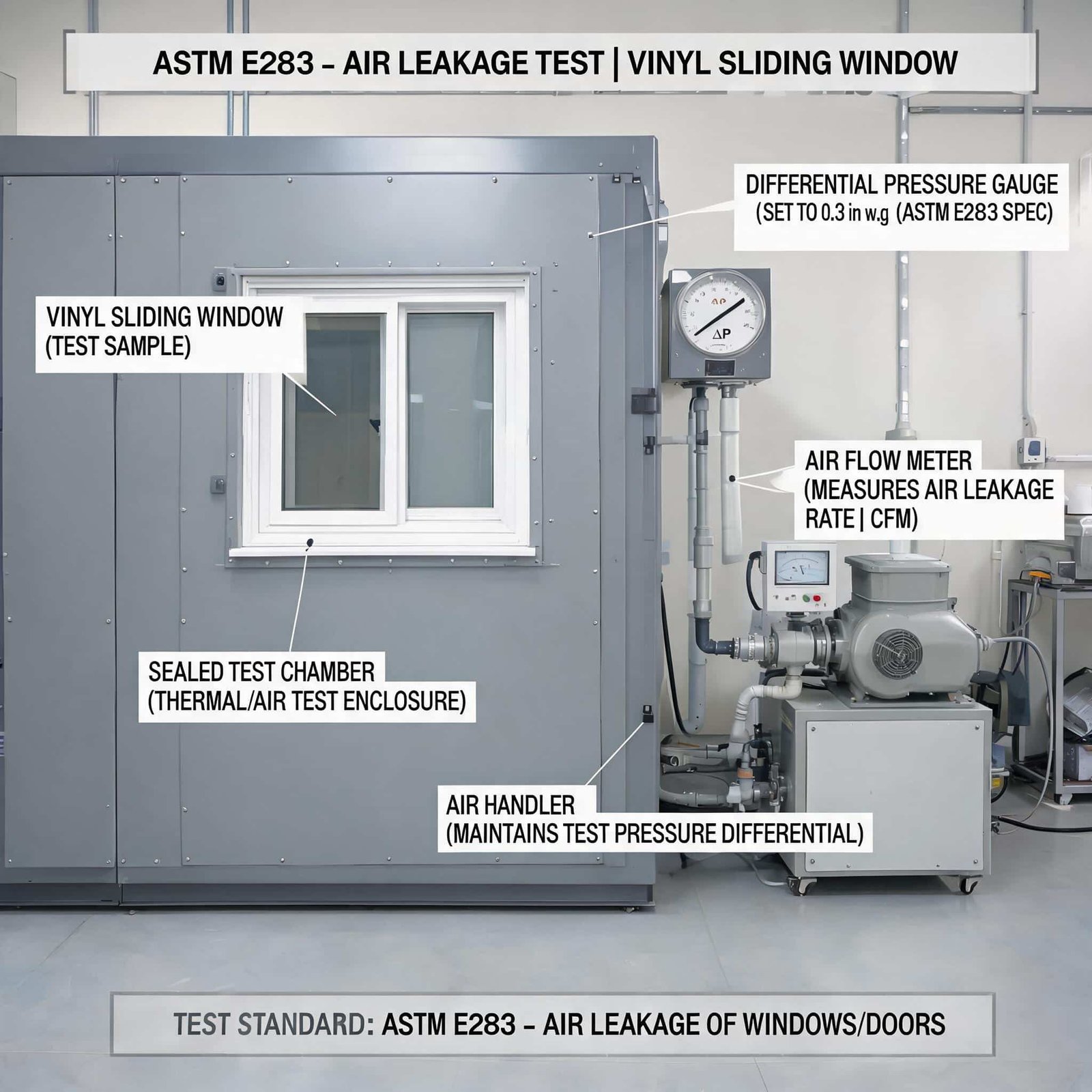
Sliding windows are a common choice for new construction and replacement work. They can provide straightforward side-by-side operation, broad sill lines, and useful ventilation. Actual cost, air performance, water performance, and ease of operation depend on the specific product, track design, hardware, glass weight, and installation quality.
For projects where energy targets and budget alignment matter most, a properly engineered vinyl sliding window from a manufacturer using virgin uPVC resin and multi-chambered extrusion profiles can be a strong option. Ask for the exact NFRC label, approved size limits, air/water performance data where applicable, glazing specification, and manufacturer installation instructions before comparing it with aluminum.
On the aluminum side, thermally broken systems merit consideration when energy performance, slim sightlines, large openings, or finish flexibility are all part of the brief. A high-quality aluminum sliding window with a properly engineered thermal break may improve thermal performance while retaining the structural and aesthetic advantages associated with aluminum. Confirm the published whole-window rating rather than relying on the thermal-break label alone.
For custom procurement, superwindowhouse can be asked to match frame material, glazing package, and extrusion profile to documented project requirements. Before requesting a quote through its custom windows for house program, prepare the opening schedule, project location, applicable code, required U-factor and SHGC, wind or impact requirements, desired finish, glass preference, and installation scope. Request product-specific certification, drawings, warranty terms, and the manufacturer’s installation manual.
FAQ: Common Specifier Questions on Vinyl vs. Aluminum
Are vinyl sliding windows as durable as aluminum?
For many standard residential applications, a quality vinyl system can provide durable, low-maintenance service. Vinyl resists corrosion, while aluminum generally offers greater structural capacity and slimmer profiles. The correct comparison is between approved products of the required size, glazing, exposure class, and installation method—not between frame materials in isolation.
How much more do thermally broken aluminum windows cost?
Thermally broken aluminum commonly costs more than standard aluminum in the reference-market examples, and it can cost more than comparable vinyl. The actual premium depends on size, finish, glass, hardware, design pressure, order volume, freight, and local installation scope. Obtain matched written quotes before setting a budget allowance.
Which frame material has the best Energy Star performance?
Neither material automatically has the best rating. Vinyl often makes low-U-factor residential configurations easier to achieve because it is less conductive, while thermally broken aluminum can also qualify in appropriate configurations. Check the current Energy Star criteria for the project climate zone and the exact product’s NFRC label.
Do vinyl windows look cheap compared to aluminum?
Not necessarily. Premium vinyl systems can offer capped finishes, textured surfaces, and wood-look foils, while aluminum often provides slimmer sightlines and more custom color options. Compare full-size samples, corner details, hardware, glass reflectance, and sightlines at the intended viewing distance rather than judging the material category alone.
Are aluminum windows better for extreme weather?
Aluminum is often selected for demanding wind loads, large openings, and high-rise applications because approved systems can provide substantial structural capacity. For humidity, salt exposure, and temperature performance, vinyl can be advantageous when the selected product meets local code and exposure requirements. In every case, use the project’s required ratings and product approval documents as the decision standard.
How long do vinyl sliding windows last?
Service life varies with product quality, UV exposure, climate, installation, drainage, cleaning, hardware, glazing seals, and maintenance. Review the manufacturer’s written warranty for the frame, insulated glass, finish, hardware, and transferability; those components may have different terms and exclusions.
The Builder’s Bottom Line
For many residential and light-commercial projects, multi-chambered vinyl sliding windows can be a practical specification because they commonly combine favorable thermal performance, corrosion resistance, and price. Aluminum remains compelling for high wind loads, large openings, slim-sightline architecture, and broad finish requirements. Where energy performance matters, evaluate thermally broken aluminum rather than assuming every aluminum system performs alike.
The winning strategy is to select a tested system based on project-specific requirements, not on a material slogan or a generic online price range. Compare certified whole-window ratings, approved sizes, design pressure, glazing, finish, warranty, installation details, and local code requirements. Work with a supplier that can provide product documentation and follow the manufacturer’s installation instructions so the selected system can meet its intended performance target without creating avoidable procurement or installation risk.