Choosing replacement windows is never just about glass and frames. It is a decision that sits squarely at the intersection of your family’s respiratory health, your monthly utility bills, and the long-term resilience of your home. Whether you are renovating a century-old house, upgrading a suburban split-level, or simply trying to quiet a drafty nursery, the sheer volume of conflicting information online can feel overwhelming. You want windows that keep out winter chill, block summer heat, and won’t quietly fill your living space with chemicals you can’t see.
As a manufacturer who has spent over two decades engineering fenestration products for residential and commercial projects, I have witnessed the evolution of window technology firsthand. The market has moved far beyond single-pane wood and aluminum storm windows, but not every innovation automatically deserves a place in a health-conscious home. This guide will walk you through what actually matters when you are trying to optimize for human health, financial common sense, and environmental stewardship—all at once. We will look at frame materials, glass packages, the reality of off-gassing, and the often-ignored installation phase, so you can make a decision with clarity instead of marketing noise.
Why Window Replacement Deserves More Than a Casual Search
Old windows are rarely passive. In homes built before 1978, deteriorating paint layers can release lead dust every time a sash slides open, which is a well-documented neurotoxin risk for children. Even where lead isn’t present, failing weatherstripping and single-pane glazing allow outdoor allergens, mold spores, and combustion byproducts to infiltrate living spaces. On the thermal side, the U.S. Department of Energy estimates that inefficient windows account for 25% to 30% of residential heating and cooling energy use. Replacing them can slash that load, but only if you select assemblies that truly match your climate, orientation, and airtightness goals.
Yet a window is not just a thermal barrier. It is a large interior surface that sits inside your thermal envelope for decades, exposed to sunlight, humidity variations, and daily wear. This means the materials of the frame, sash, and glazing bead have a direct relationship with your indoor air chemistry. The question “Do vinyl windows off-gas?” is not fear-mongering; it follows logically from a growing awareness that building products can emit volatile organic compounds (VOCs) long after installation. Answering it requires appreciating how PVC is made, what stabilizers and plasticizers are used, and how those additives behave inside a conditioned room.
Frame Materials Laid Bare: Health, Durability, and Climate Fit
Vinyl (PVCu) Windows
Extruded rigid polyvinyl chloride, often called uPVC or vinyl, dominates the American replacement window market for straightforward reasons: it costs less than wood, never needs paint, and comes with factory-integrated multi-chamber profiles that deliver respectable thermal performance when combined with warm-edge spacers. The material is inherently moisture-resistant, so it doesn’t rot or harbor termites. From a manufacturing standpoint, it allows high-speed production with tight dimensional tolerances.
The health conversation around vinyl windows centers on the potential release of volatile and semi-volatile organic compounds. Rigid PVC itself is a biologically inert polymer, but its processing requires additives—heat stabilizers, impact modifiers, lubricants, and sometimes pigments—that can migrate to the surface and enter indoor air. Historically, lead and cadmium-based stabilizers were common, though most reputable North American and European extruders switched to calcium-zinc or organotin alternatives years ago. Still, recent research published in environmental science journals shows that certain organotin compounds can leach from PVC dust and that the initial post-installation period often registers elevated concentrations of 2-ethylhexanol and other plasticizer degradation products.
So, do vinyl windows off-gas? The short answer is yes, but the duration and intensity vary significantly by formulation. Modern high-quality uPVC profiles designed for interior use typically exhibit their highest emission levels within the first few days to weeks after unboxing. Airing out the house during an installation project is a simple mitigation step that many contractors overlook. The long-tail question—how long do vinyl windows off gas?—is more nuanced. Significant detectable VOC emissions from the frame itself tend to drop below meaningful thresholds within a few months, but trace-level releases can continue for a year or two, especially if the interior surfaces are exposed to direct sunlight and elevated heat. For families with chemical sensitivities, this may justify either selecting a fully different material or insisting on comprehensive indoor air testing after installation.
That doesn’t mean all vinyl windows are unsafe for indoors. Independent certifications like GREENGUARD Gold, Indoor Advantage Gold, and the German AgBB scheme set strict emission limits for building products. If a window assembly—including its gaskets and sealants—carries one of these certifications, the VOC concerns are substantially mitigated. However, certification remains rare in the residential window market because it adds cost and testing complexity that many budget manufacturers avoid. This is where the procurement conversation must deepen. Instead of simply asking “are vinyl windows safe for indoors?” a more practical question becomes: “Which specific PVC profile formulation is in this window, and can the manufacturer share an HPD (Health Product Declaration) or VOC emission test report?” If the answer is blank, you are relying on generic reputation rather than science.
For anyone who decides that high-quality PVC is the right balance for their budget and energy goals, it makes sense to explore suppliers who provide full transparency. You can find engineered how long do vinyl windows off gas data embedded in technical documentation when manufacturers invest in third-party chamber testing. Those reports typically differentiate frame-only emissions from whole-window assemblies, which is important because glazing tapes and desiccant-loaded spacers contribute their own chemical signature.
Wood Windows
Solid wood windows, particularly those made from FSC-certified pine, Douglas fir, or mahogany, remain the gold standard for interior aesthetics and natural material purists. From a chemical perspective, bare wood brings the least risk of synthetic VOC release, though sap, natural resins, and any applied stain or clear coat will have their own emission profiles. The bigger challenges with wood are maintenance and thermal movement. Exterior surfaces demand regular repainting or re-sealing, and if moisture penetrates the coating, rot can set in quickly.
For health, the critical detail is what you put on the wood. Many factory-finished wood windows use high-solids alkyd or acrylic urethane coatings that off-gas solvents during curing. If you prioritize indoor air quality, ask for water-based, low-VOC finishes and be prepared to let the windows cure in a ventilated space before occupying the room. The initial cost of wood windows runs substantially higher than vinyl, but the life cycle can be extremely long if properly maintained, and the material is completely recyclable at end of life.
Fiberglass and Composite Windows
Fiberglass frames, produced by pultruding glass fibers in a thermoset polyester or polyurethane resin matrix, have gained traction precisely because they address many shortcomings of both vinyl and wood. They expand and contract at nearly the same rate as glass, which drastically reduces seal failures over time. The resin binder, once fully cured, is chemically stable and contributes essentially zero ongoing VOCs to indoor air. This makes fiberglass one of the strongest candidates for chemically sensitive homeowners, as long as the factory-applied paint is specified as low-VOC.
Composite windows, blending wood fibers with thermoplastic polymers, sit somewhere between vinyl and wood. The thermal performance is often excellent, but indoor air quality depends on the exact resin formula and, again, on the factory finish. If the manufacturer uses recycled content, verify that no legacy contaminants (such as brominated flame retardants) are introduced. A transparent manufacturer can provide this documentation without hesitation.
Aluminum Windows
Aluminum is unparalleled in strength-to-weight ratio and allows narrow sightlines that maximize glass area. In commercial high-rises and modernist residences, thermally broken aluminum frames deliver good energy performance. From a health standpoint, anodized aluminum is inert and won’t off-gas. The powder-coated finishes used on interior surfaces are typically cured at high heat, leaving negligible residual solvents. However, aluminum is extremely conductive. Without a high-quality thermal break—a non-metallic separator between the interior and exterior extrusions—the frame will sweat in cold climates, promoting condensation and mold growth on interior drywall and trim. For a family worried about respiratory health, that mold potential can outweigh the absence of chemical off-gassing. Aluminum windows make the most sense in warm, dry climates or in interior applications where condensation is less likely.
Making Sense of the Trade-Offs
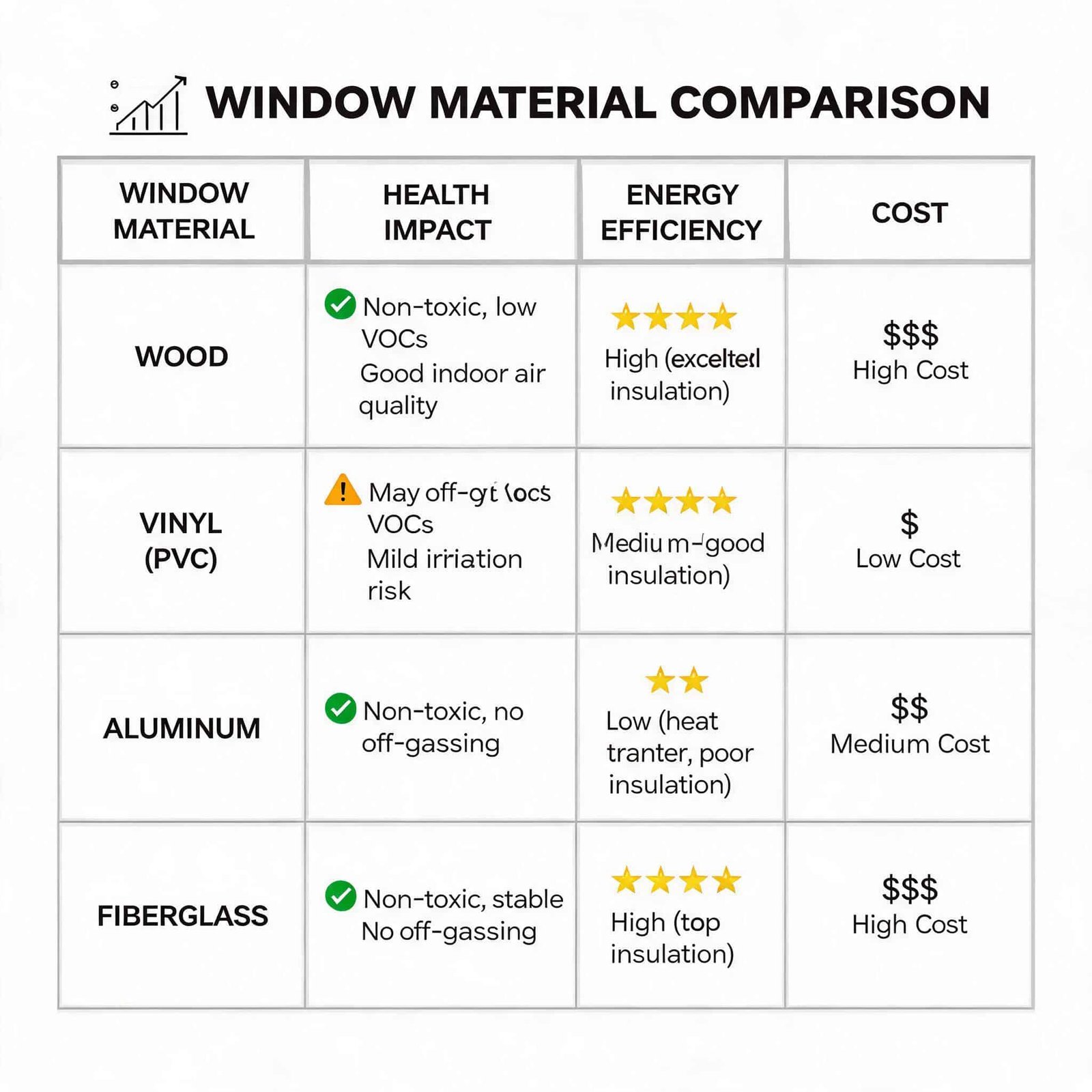
The ideal frame for your project depends on your climate zone, your sensitivity to trace chemicals, your maintenance tolerance, and your budget. In my own product development work, I often guide clients toward a hierarchy: for chemically sensitive families in cold climates, fiberglass or solid wood with water-based finishes. For budget-driven flips where fast turnaround is critical, high-quality uPVC with calcium-zinc stabilizer systems and low-VOC glazing tapes. For coastal high-rises, thermally broken aluminum with a marine-grade powder coat. There is no single “greenest” material—only the material that best aligns with your specific constraints.
Understanding the Off-Gassing Timeline and Mitigation
The relationship between indoor air quality and windows extends well beyond the frame. The insulating glass unit (IGU) itself contains desiccants in the spacer, and the edge seal is typically a combination of polyisobutylene primary seal and a secondary structural sealant like silicone, polysulfide, or polyurethane. Each of these can release trace compounds during and immediately after manufacturing. When a complete window is assembled, wrapped in plastic, and shipped in a hot truck, the enclosed environment concentrates any volatile substances. That “new window smell” that greets you upon opening the box is a mixture of extrusion lubricants, cutting oil residues, adhesive curing by-products, and packaging off-gassing—none of which you want lingering in a baby’s bedroom.
Practical steps to minimize exposure:
- Schedule delivery at least a week before installation and unwrap units in a well-ventilated garage or covered outdoor space.
- If possible, leave the operating sashes ajar for several days indoors before closing up walls.
- During installation, run exhaust fans and open windows on opposite sides of the house to create cross-ventilation.
- After windows are installed, flush the house with fresh air for 48–72 hours, especially if interior painting or new flooring happened simultaneously.
- Consider renting a commercial-grade air purifier with an activated carbon and HEPA filtration stage for the first two weeks, particularly in bedrooms.
The most common misunderstanding I encounter is the idea that once you choose a “safe” frame material, you can ignore installation materials. Low-VOC fiberglass or wood windows mounted with high-VOC spray foam, solvent-based flashing tapes, and acetoxy-cure silicone sealants can undo all your careful material selection. Always spec low-VOC, water-based, or polyether-based sealants, and confirm that the install team carries GREENGUARD-certified expanding foam if insulation around the frame is needed.
Glass Choices That Support Health and Efficiency
Glazing technology has advanced so dramatically that even an average double-pane IGU today handily outperforms the best triple-pane unit from two decades ago. The key is matching glazing to your climate and orientation. In most of the United States, low-emissivity (low-E) coatings are non-negotiable. These microscopically thin metal oxide layers reflect infrared heat while allowing visible light to pass. For heating-dominated climates, choose a low-E coating with a high solar heat gain coefficient (SHGC) to capture passive solar gains in winter. For cooling-dominated regions, a lower SHGC limits unwanted heat ingress.
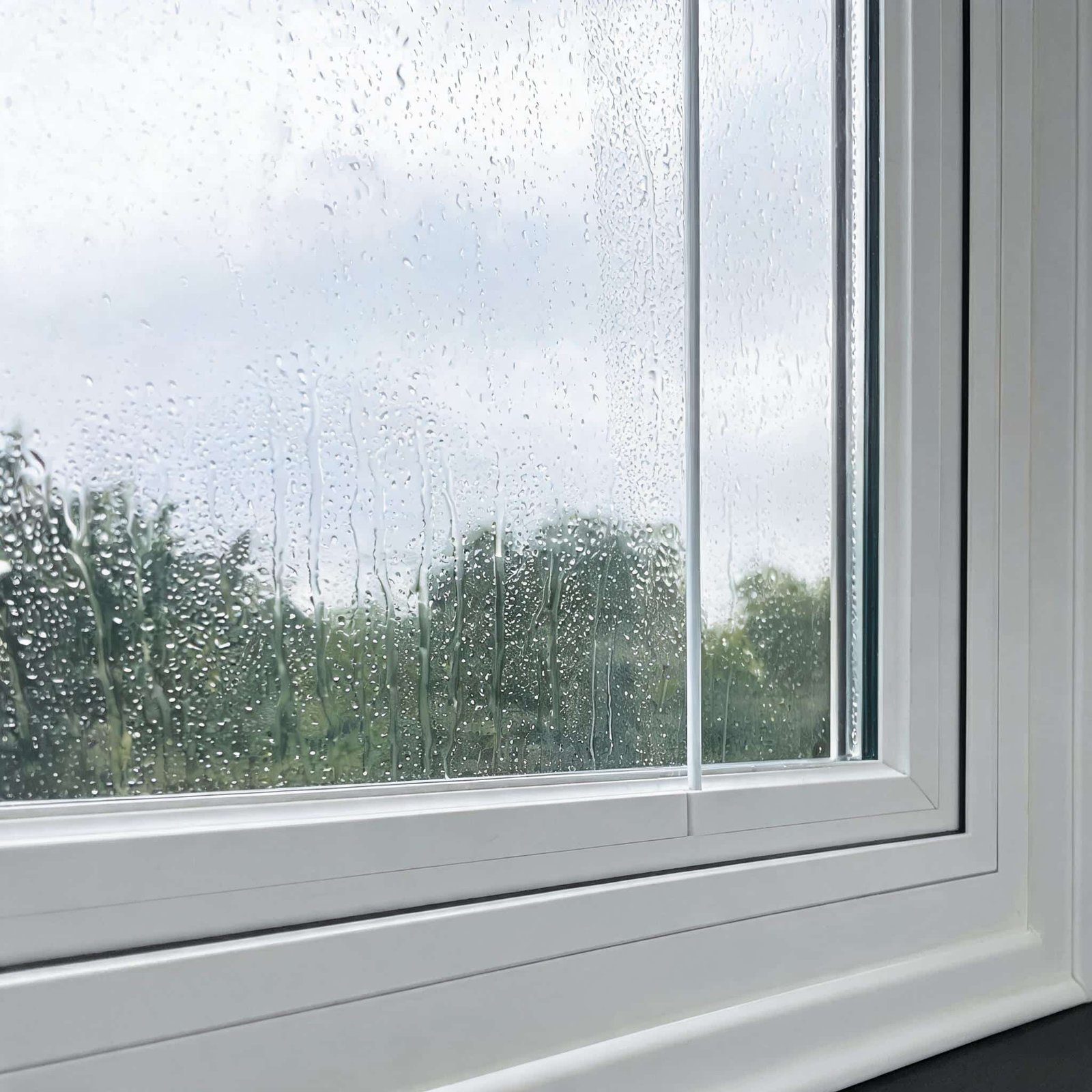
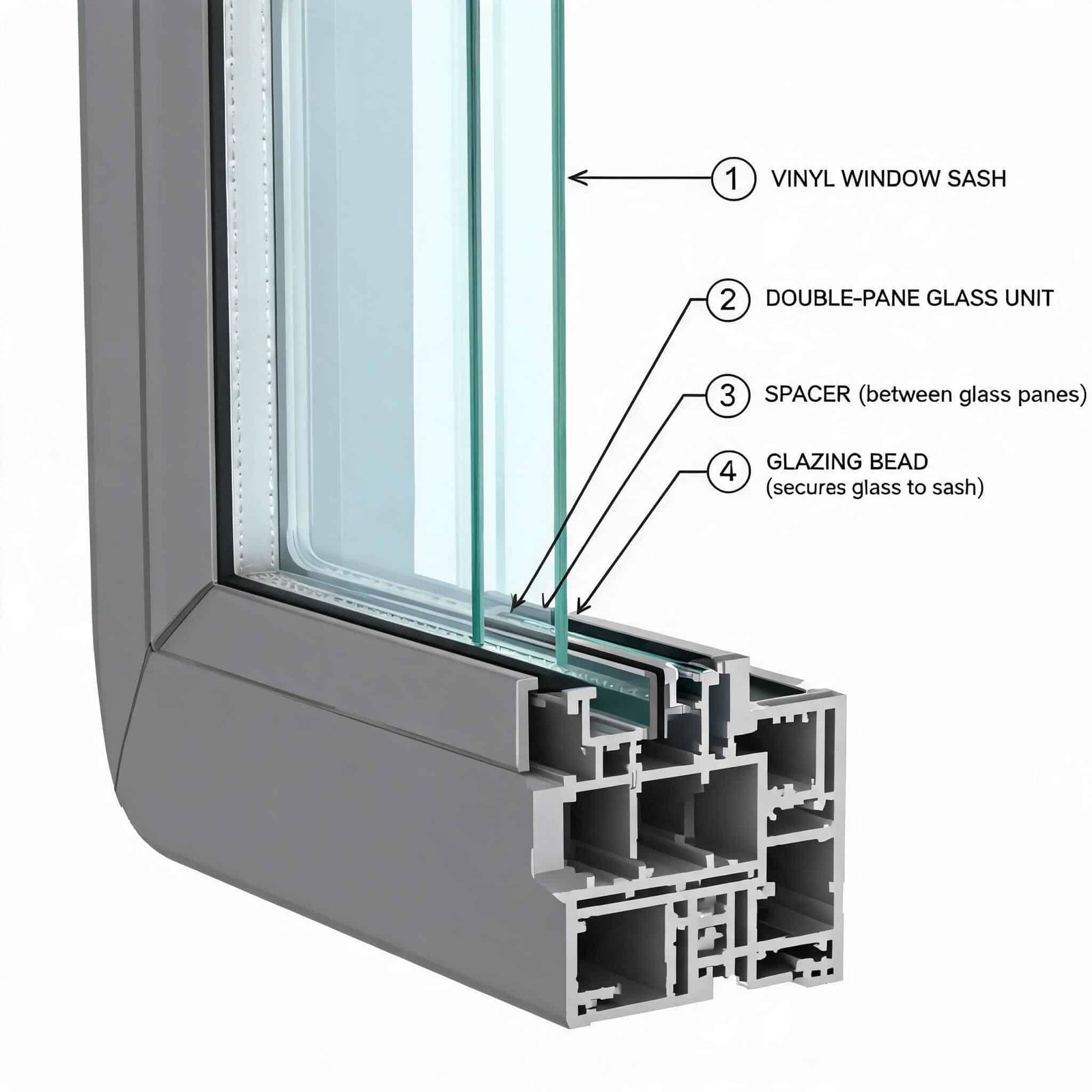
Argon and krypton gas fills between panes reduce conductive and convective heat transfer, lowering the whole-window U-factor. These noble gases are inert, colorless, and non-reactive, so they carry zero health risk. The spacer that separates the glass panes, however, does matter. Traditional aluminum spacers conduct cold into the interior, causing condensation at the edges and potential mold growth. Warm-edge spacers made from silicone foam, thermoplastic, or stainless steel-reinforced polymer composites reduce that thermal bridge and, equally important, reduce the surface area where moisture can condense. Mold around window edges is a direct indoor air quality hazard, so warm-edge spacers should be considered a health investment, not just an energy one.
A caution: I’ve seen individual designers request “antimicrobial glass” or coatings that leach silver ions to inhibit bacterial growth. While the intent is understandable, the wisdom of adding biocidal chemicals to a surface that’s frequently touched by children’s hands and exposed to condensation that drips into dust is not yet supported by long-term safety data. I advise skipping these treatments until more peer-reviewed research emerges. Standard low-E glass with a durable pyrolytic (hard-coat) or sputtered (soft-coat) surface is an entirely proven, inert technology.
Installation: The Half of the Project That Determines Your Outcome
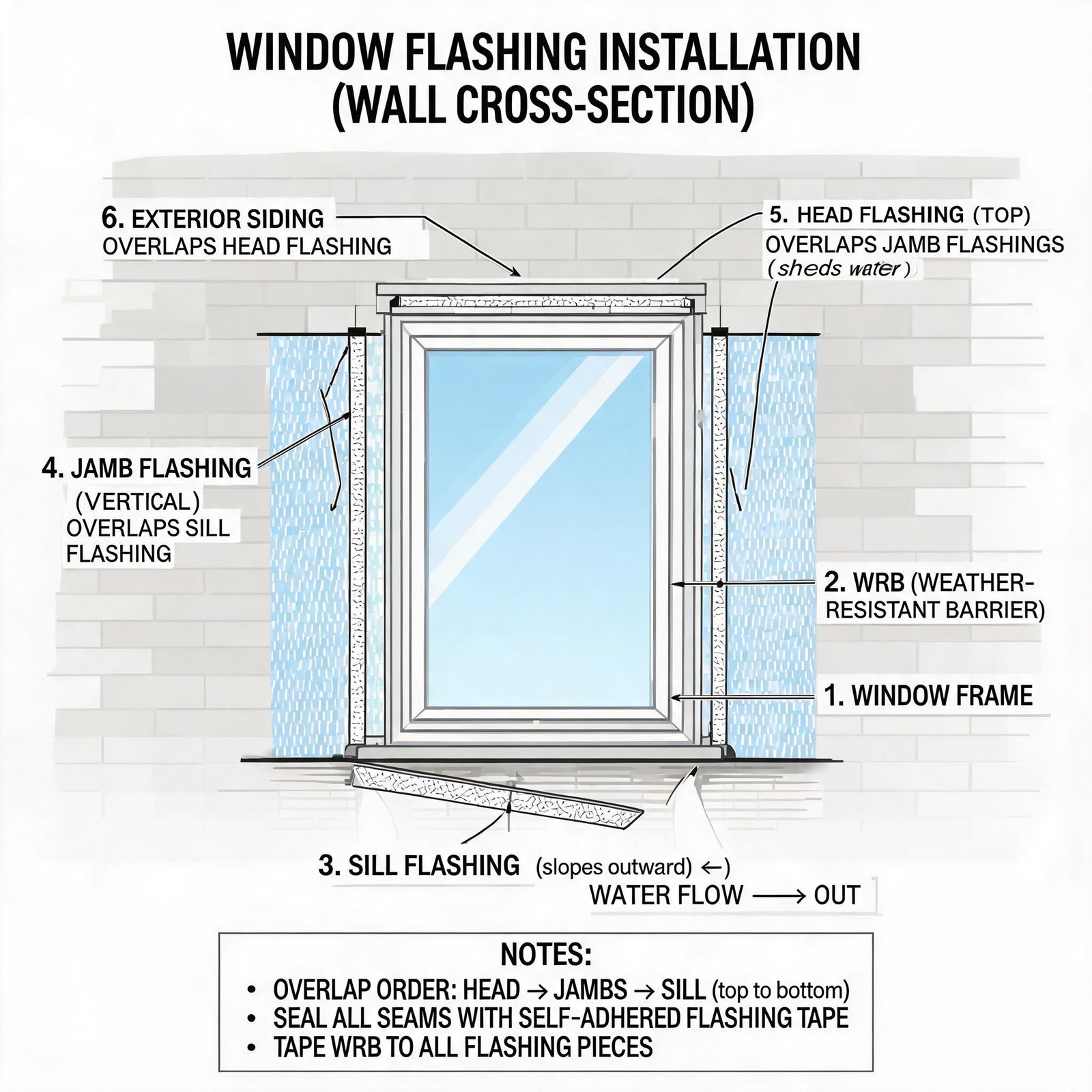
A window is only as good as its installation. Rough opening preparation, sill pan flashing, backer rod placement, and interior air sealing collectively define whether the assembly prevents rainwater intrusion, reduces air leakage, and avoids hidden condensation. A poorly flashed window can channel water into the wall cavity, feeding toxic mold growth that may not become visible for years. I have consulted on multiple litigation cases where beautifully engineered wood windows rotted out within five years simply because the installer skipped a $15 flexible sill pan.
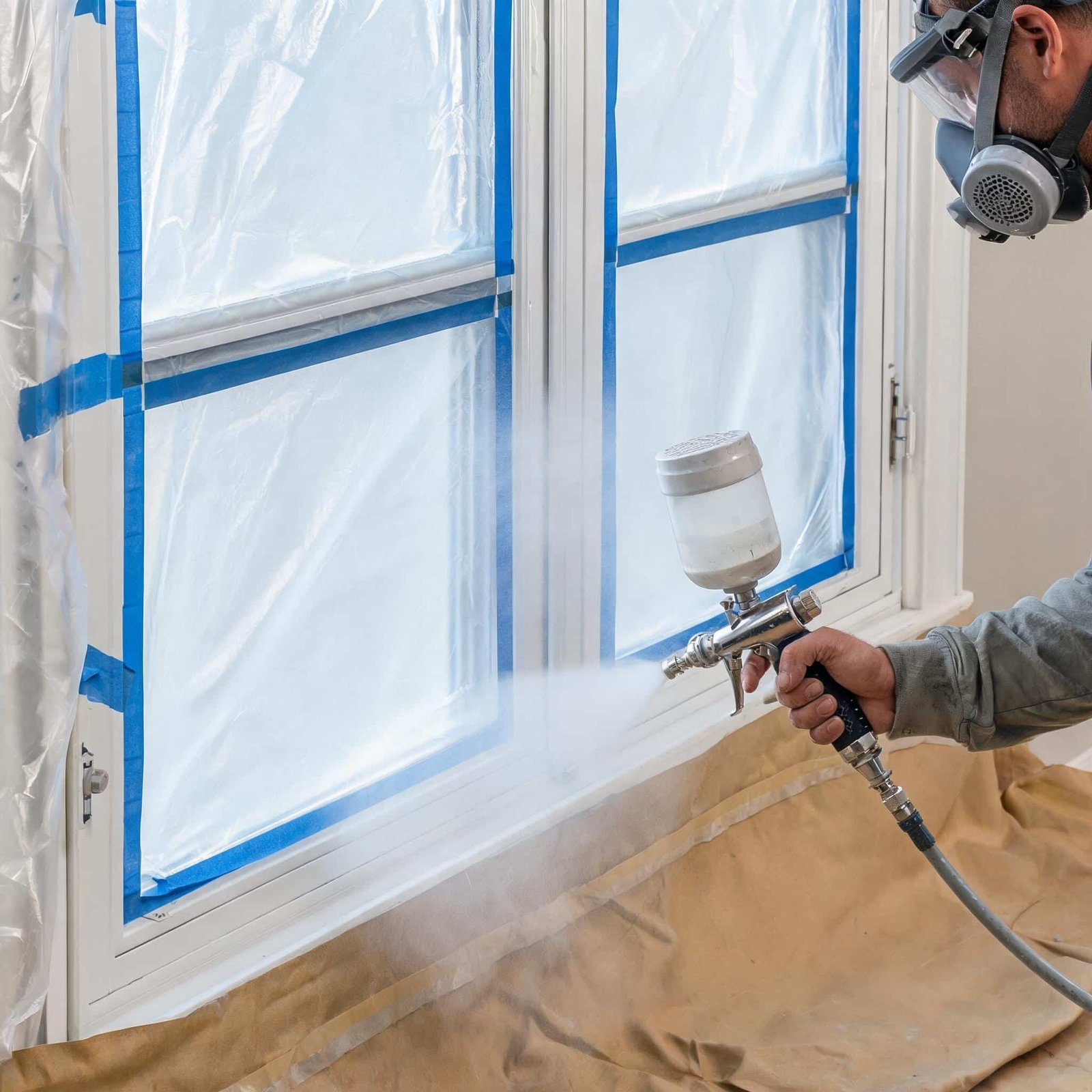
From an indoor air quality perspective, the installation phase also introduces a wave of chemical exposures. Dust from cutting drywall and trim, aerosolized lead from disturbing old paint (if the house is pre-1978), and the VOC load from adhesives and sealants all spike during a window replacement project. Lead-safe work practices, including HEPA vacuum shrouds and plastic containment, are legally required for any home built before the ban. Even if your contractor is certified, your own family should stay out of the work zone until final cleaning is complete and the ventilation flush I described earlier has been performed.
Window recycling is another often-overlooked dimension of the “planet” equation. Old wood windows can sometimes be restored rather than landfilled. Aluminum, steel, and even some rigid PVC frames can be recycled if separated and sent to appropriate facilities. Ask your installer whether they partner with a construction waste recycler. If you’re removing single-glazed wood sashes that are still mechanically sound, consider donating them to a local architectural salvage yard. This extends the embodied carbon benefit and keeps useable materials out of the waste stream.
Financing Healthy Windows Without Sacrificing Quality
A whole-house window replacement is a significant capital expense. Tempting as it is to default to the lowest bid, the long-term cost calculus should factor in energy savings, maintenance, and potential health costs. My firm has run life-cycle cost models on various frame materials across six climate zones, and in nearly every scenario, a mid-range fiberglass or high-quality uPVC system achieved the lowest 30-year total cost of ownership when you include repainting, seal replacement, and heating/cooling differentials. Wood windows, though beautiful, typically required $4,000–$6,000 in additional exterior maintenance over that same period.
Rebate programs, federal tax credits, and utility incentives are currently in a dynamic phase as governments push building electrification and energy efficiency. The U.S. Department of Energy’s ENERGY STAR program continues to define Most Efficient criteria, and many states layer additional grants for low-income households. Before you sign a contract, check the Database of State Incentives for Renewables & Efficiency (DSIRE) and ask your window supplier whether they handle the rebate paperwork. Some manufacturers also offer pre-season or bulk-order discounts that can bring premium windows closer to mid-range pricing.
If a full replacement is outside your budget, consider a phased approach: replace the worst-performing windows first (often north-facing, leaky units or those in occupied bedrooms where overnight VOC exposure is most concerning) and then use interior storm window panels, heavy-duty cellular shades, and exterior awnings to improve the performance of remaining windows. Interior storm panels, in particular, have advanced to the point where they can add R-value and dramatically reduce air leakage without introducing any new chemical emissions, as long as the frame gaskets are silicone.
For those who are comfortable with PVC systems that meet European indoor emission standards, the market is expanding with products that have undergone formaldehyde and TVOC chamber testing. Before you commit, look beyond marketing claims and ask for the actual test method—was it EN 16516 or ISO 16000? If the manufacturer can show you a certificate from an ISO 17025-accredited lab with results at 28 days, that’s a strong signal of responsibility. At that level of transparency, the question shifts from “do vinyl windows off-gas?” to “what specifically off-gasses and at what rate?” and you can make a decision grounded in data rather than fear.
As a starting point, you can review a reliable supplier’s detailed product specifications for are vinyl windows safe for indoors to see how modern extrusion practices and stabilizer chemistry have evolved to meet stricter European and Californian emission thresholds. Education is your best protection against both greenwashing and unnecessary panic.
The Intersection of Health, Wallet, and Planet
The three pillars this article set out to balance are not in intrinsic conflict. They triangulate toward the same design principles: airtightness, durability, material transparency, and simplicity. A triple-glazed fiberglass window with warm-edge spacers and a low-VOC waterborne interior finish may cost 20–30% more upfront than a basic builder-grade vinyl unit, but its operational carbon savings, elimination of indoor VOC contributions, and 40-year service life make it the cheaper and healthier choice over the long run. That’s not a marketing slogan—it’s the conclusion of whole-building life-cycle assessment modeling.
If there’s one practice I wish every homeowner would adopt, it’s to demand a Health Product Declaration or a VOC emission certificate with every window quote. When manufacturers see that customers prioritize indoor air quality alongside U-factor and SHGC, they will accelerate the reformulation of ancillary materials—glazing tapes, frame coatings, sealants—that are currently the primary sources of installation-phase off-gassing. Your purchase decision sends a signal through the supply chain.
Remember, a window is more than a building product. It’s the main portal through which your children watch the seasons change, the layer that protects your family from