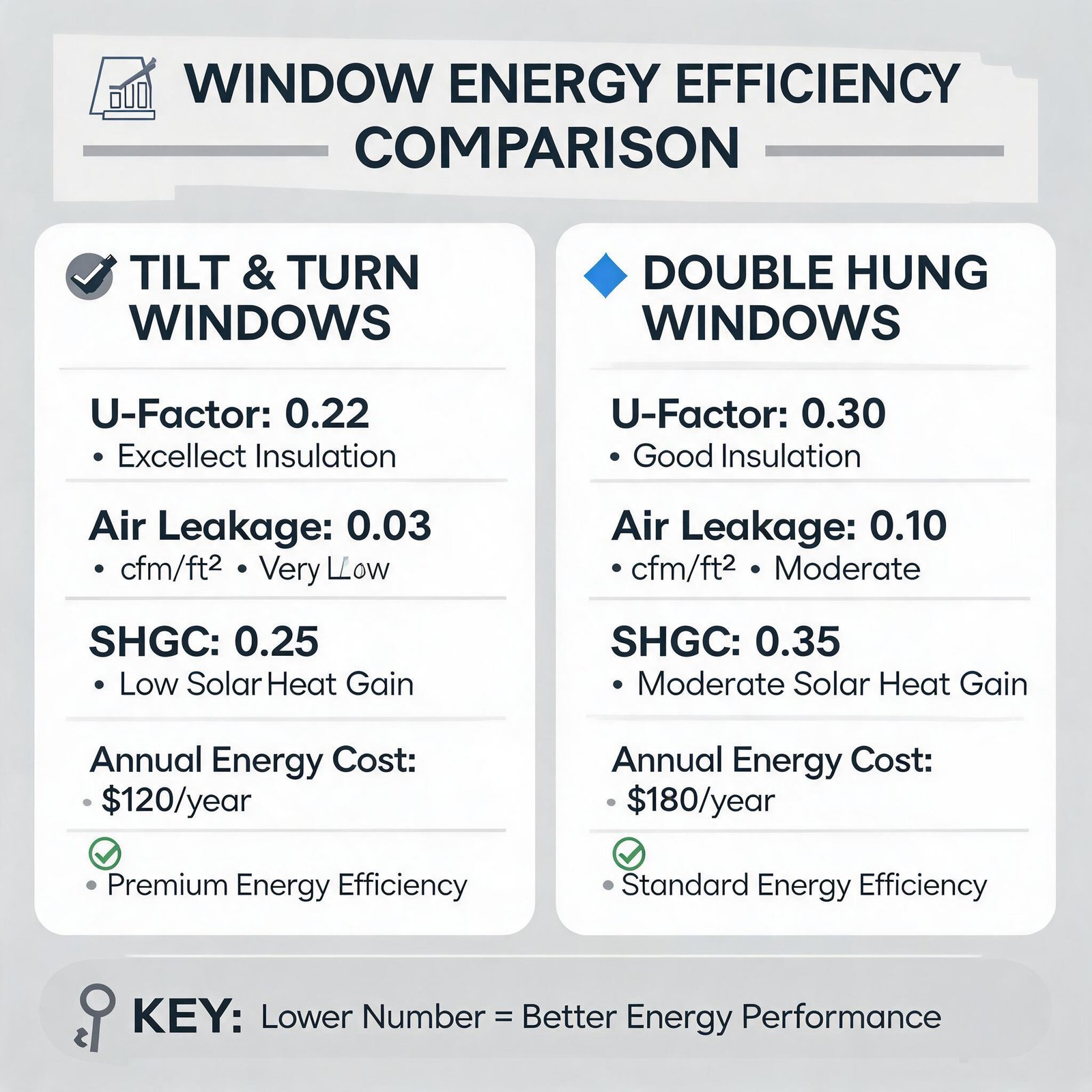
The Engineering of Airtightness: Why European Designs Win
The fundamental physics behind tilt and turn windows dictates their energy superiority. Unlike traditional American windows that slide past a brush seal (which degrades over time), tilts and turns utilize a compression seal.
The Compression Seal Advantage
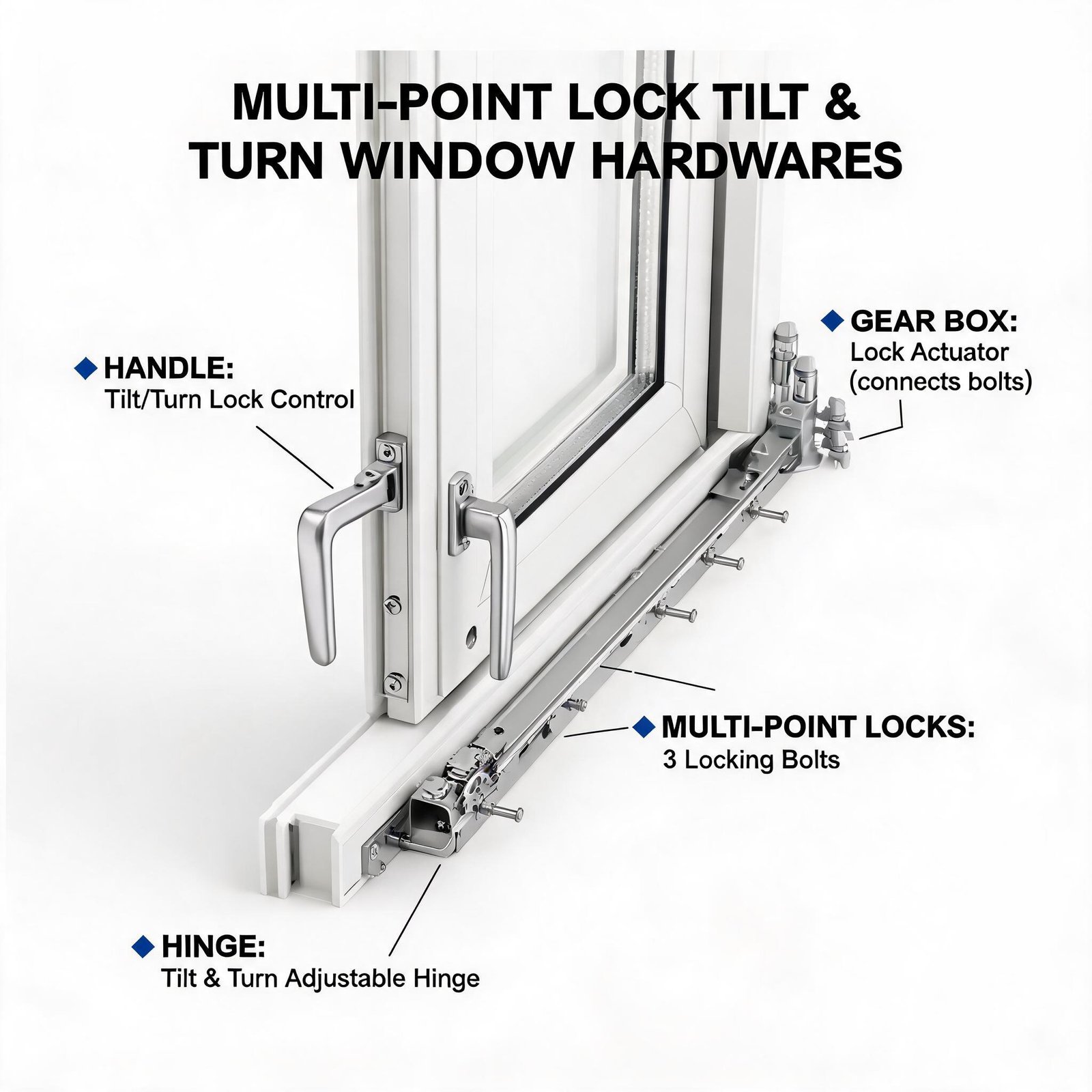
When you close a tilt and turn window, the sash does not just sit against the frame. The multi-point locking hardware pulls the sash inward, compressing the gaskets against the frame profile.
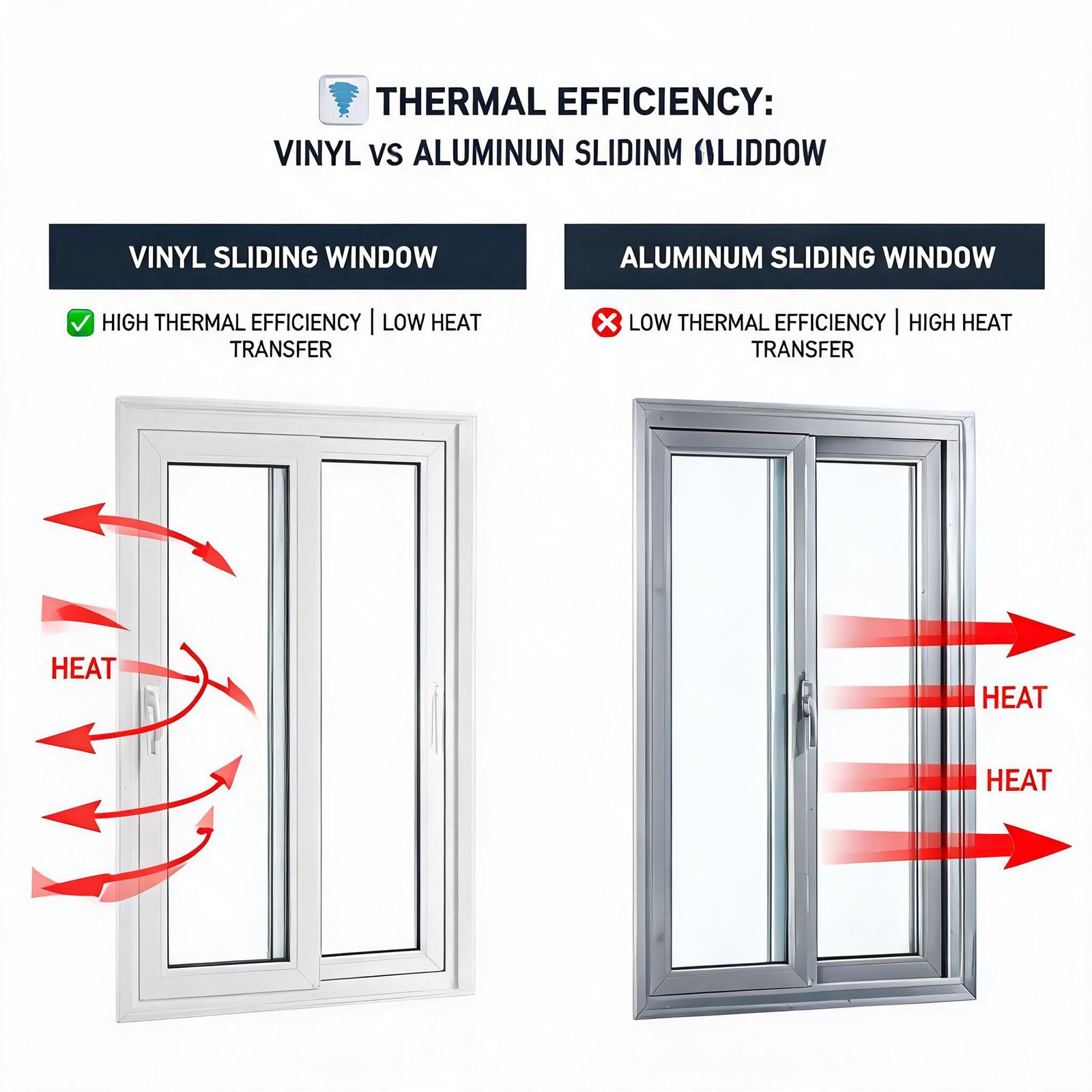
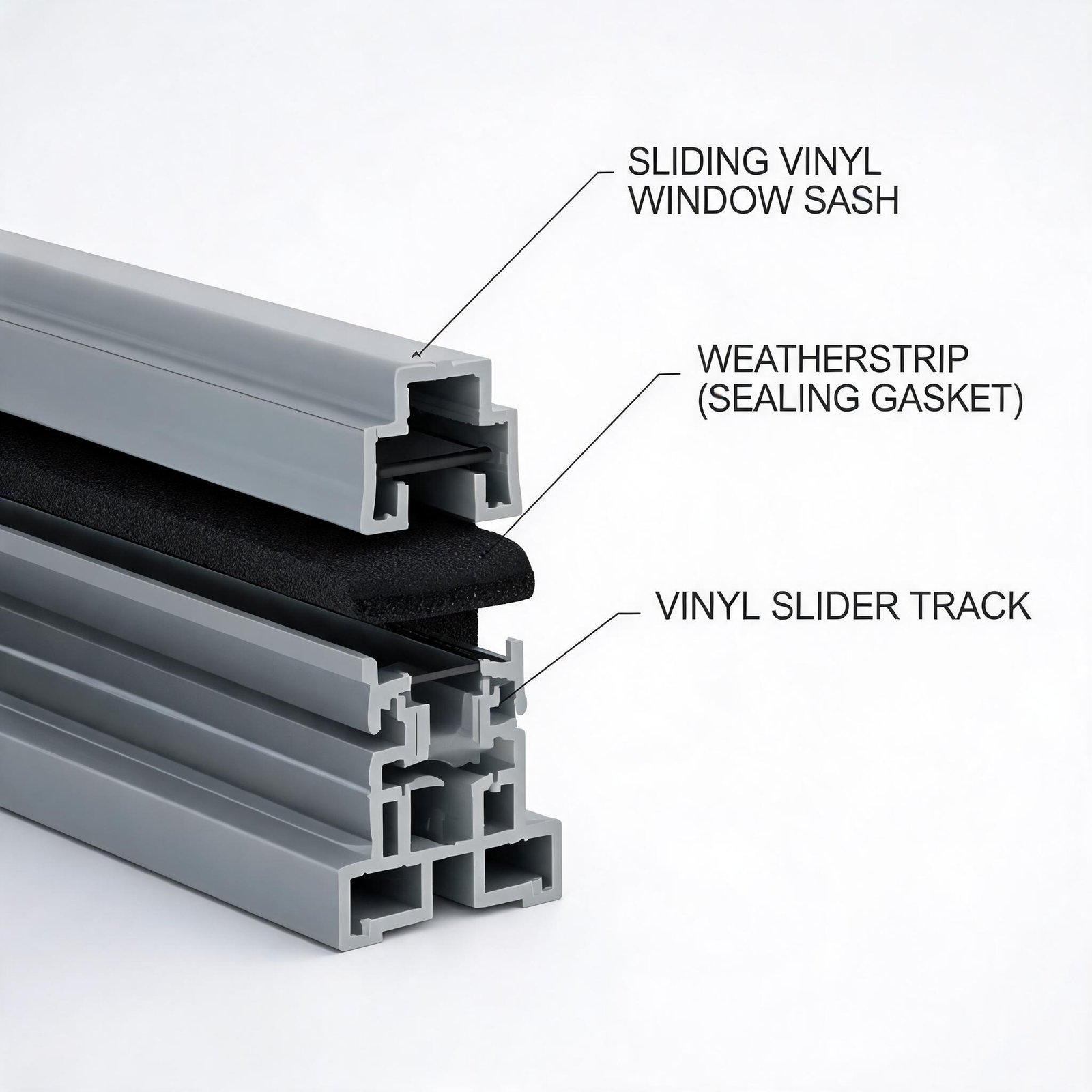
- Sliding Windows: Rely on brushes or pile weatherstripping. They are inherently leaky, often achieving air leakage rates of 0.3 CFM/ft² or higher.
- Casement Windows: Use a single compression seal. Good, but not the best.
- Tilt & Turn Windows: Use a triple-level gasket system (frame gasket, sash gasket, and center gasket). This creates three separate barriers against air and water.
This design is why tilt and turn windows consistently achieve air infiltration ratings well below the 0.3 CFM/ft² threshold required by Passive House standards. For builders in cold climates like Minnesota or Maine, this is not a luxury; it is the engineering standard for a building envelope that works.
Decoding the Ratings: U-Value, SHGC, and Energy Star
To truly answer if these windows are energy efficient, we need to look at the numbers. The National Fenestration Rating Council (NFRC) provides the standardized metrics for the U.S. market.
U-Value (Thermal Transmittance)
This is the most critical metric. It measures how well a window prevents heat from escaping.
- Standard Single-Pane Window: U-value ~ 1.20
- Standard Double-Pane Vinyl Window: U-value ~ 0.30 – 0.35
- High-Performance Tilt & Turn Window (Triple Pane): U-value 0.18 – 0.22
This superior U-value means less condensation, fewer drafts, and significantly lower heating bills.
Solar Heat Gain Coefficient (SHGC)
This measures how much solar radiation a window lets in.
- Cold Climates (Climate Zone 6 & 7): You want a higher SHGC (0.35 – 0.50) to harness free solar heat.
- Hot Climates (Climate Zone 1-3): You want a lower SHGC (0.25 or less) to reduce cooling loads.
Tilt and turn windows, particularly our vinyl tilt-turn window available at superwindowhouse.com, are manufactured with customizable glazing packages to optimize SHGC for your specific project.
The Cold Climate Performance Matrix
The following table compares a typical American double-hung window against a premium tilt and turn window for a building project in Chicago (Climate Zone 5).
| Feature | Standard Vinyl Double-Hung | Superwindowhouse Vinyl Tilt & Turn |
|---|---|---|
| Frame Material | Vinyl (Hollow) | Vinyl (Multi-Chambered) |
| Typical U-Value | 0.30 – 0.32 | 0.18 – 0.22 |
| Air Infiltration (CFM/ft²) | 0.30 (ASTM E283) | < 0.05 (ASTM E283) |
| Design Pressure (DP) | 35 | 50+ (Meets High Wind Requirements) |
| Energy Star Most Efficient | No | Yes |
| Condensation Resistance | Average | Excellent (Due to warm edge spacers) |
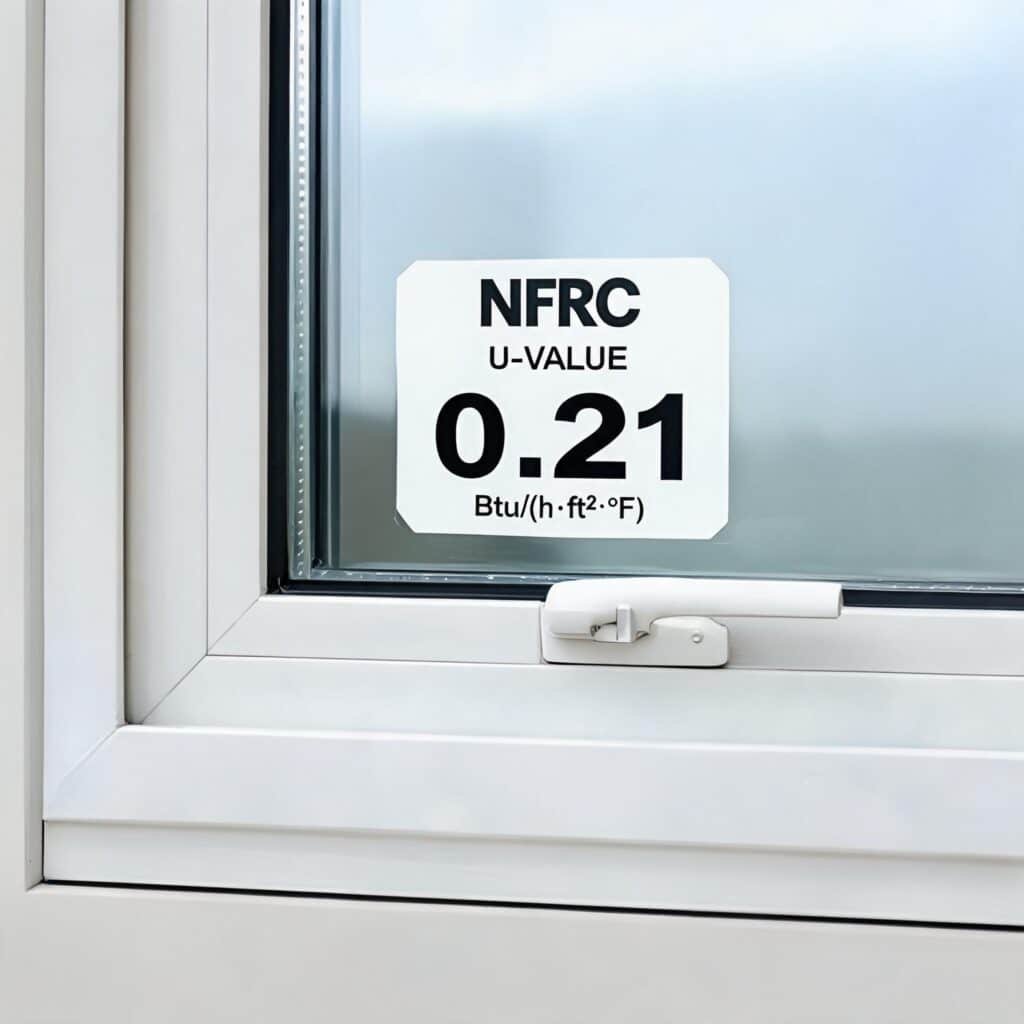
This data proves that for best airtight windows for cold climates, the tilt and turn design is not just an option; it is the technical solution.
Why European Windows Are More Energy Efficient: The Multi-Chambered Frame
The simple answer to the query “why european windows are more energy efficient” lies in the complexity of the frame. American vinyl windows often have a single hollow chamber. This acts like a chimney, allowing cold air to convect inside the frame.
The Superwindowhouse Approach
Our Vinyl Tilt-Turn Window is engineered with 7+ separate internal chambers within a 5-1/4″ to 6″ frame depth.
- Reduced Convection: Air is trapped in multiple cells, preventing thermal transfer.
- Structural Steel Reinforcement: A heavy-gauge galvanized steel core is inserted into the main chamber. This provides the rigidity required for high DP ratings.
- Polyamide Thermal Breaks: For our aluminum clad versions, we use 34mm and 38mm polyamide thermal struts, which stop the thermal bridge between the interior and exterior metal.
This is the core engineering that makes a tilt and turn window a passive house window by nature, not by modification.
The Business Case: ROI for Builders & Contractors
As a systems engineer who has consulted on dozens of multifamily projects, I can tell you that the “green” argument for tilt and turns is only half the story. The real value is in risk mitigation and profit margins.
- Reduced Warranty Claims: Leaky windows are the number one cause of callbacks for builders. The airtight seal of a tilt and turn drastically reduces the risk of condensation damage, moisture intrusion, and customer complaints about drafts.
- Improved Resale Value: Homes with energy star windows and certified low energy bills command a premium on the market.
- Code Compliance: The 2021 and 2024 IECC are getting stricter. A tilt and turn window spec ensures you meet these standards without needing to over-engineer the HVAC.
For a #Windowdistributor, stocking #VinylWindow tilt and turn units means providing a premium, low-defect product that end-users actively search for.
Installation: The Final 10% of Performance
A high-performance window can be ruined by a poor installation. This is where many contractors fail.
The Fully-Taped Method
We recommend the “Siga” or “Prosoco” fully-taped integration method. This involves:
- Sill Pan: A pre-formed metal sill pan is installed to direct water out.
- Sill Flashing: A flexible sill flashing tape seals the bottom.
- Jambs & Head: Continuous air and water barrier tape seals the window flanges.
- Backer Rod & Acoustic Sealant: For a perfect airtight seal around the interior perimeter.
This ensures that the building envelope remains the final barrier against energy loss, preserving the window’s rated performance.

Final Verdict
For the U.S. home builder, architect, or contractor looking to specify a window for a passive house, a net-zero energy project, or simply a premium home that is comfortable and durable, energy efficient tilt and turn windows are the undisputed champion.
They outperform every other residential operating window type in airtightness, thermal performance, and structural integrity. By specifying a system from superwindowhouse.com, you are not just buying a window; you are engineering a better building envelope.
Stop gambling with drafty windows. Specify the engineered standard. Explore our complete line of aluminum & uPVC windows custom solutions and vinyl tilt-turn window products to get the NFRC data sheets for your next bid.
Superwindowhouse premium vinyl tilt-turn window systems are specifically designed for high-performance North American construction.
Contact our team for a technical consultation on your upcoming project or explore our full range of custom high-performance aluminum and uPVC windows to find the perfect spec for your building envelope.